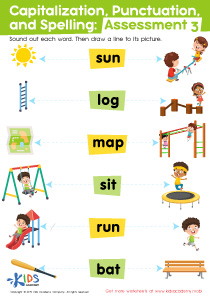
Noun identification Grammar Worksheets
9 filtered results
-
From - To
Welcome to our Noun Identification Grammar Worksheets! Designed for early learners, these engaging worksheets help children recognize and classify nouns in a fun and interactive way. Our resources cover various types of nouns, including common, proper, singular, and plural, fostering essential language skills. Ideal for classroom settings or home practice, these worksheets support teachers and parents in guiding students through exercises that enhance reading and writing proficiency. With colorful illustrations and clear instructions, children will enjoy sharpening their noun recognition skills. Explore our collection today and empower your child to become a confident and proficient communicator!
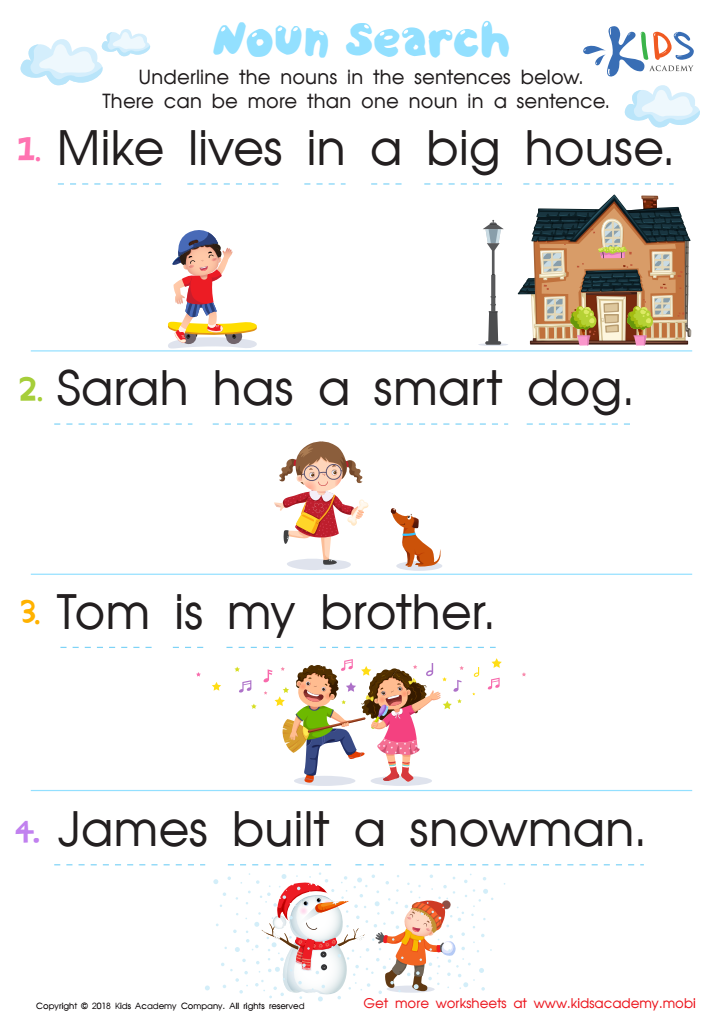
Noun Search Worksheet
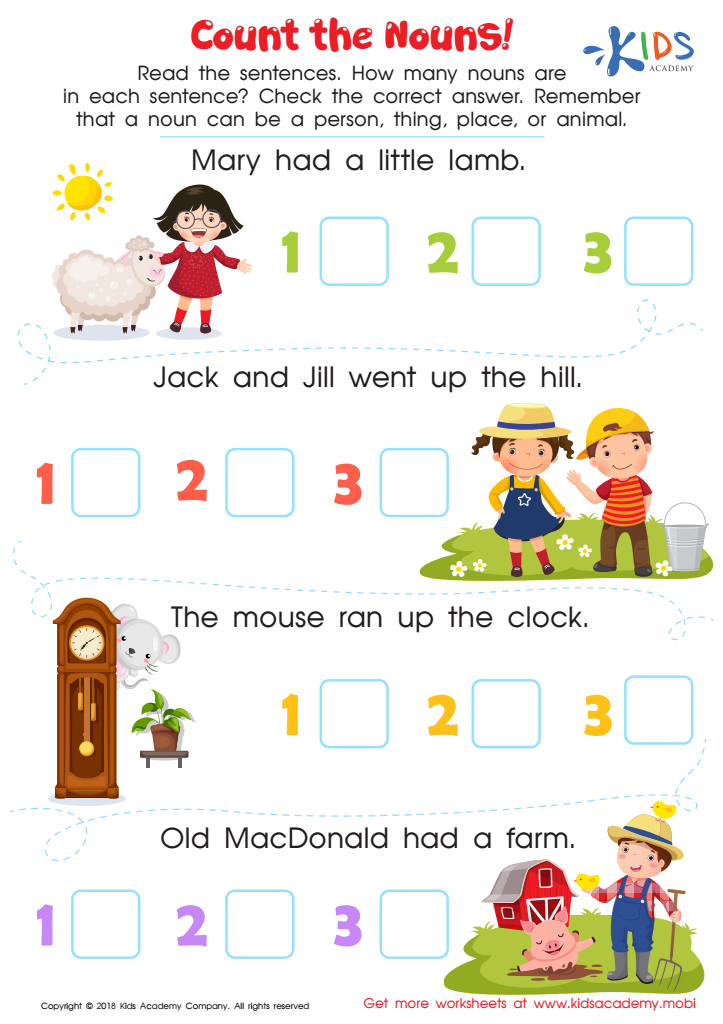
Count the Nouns Worksheet
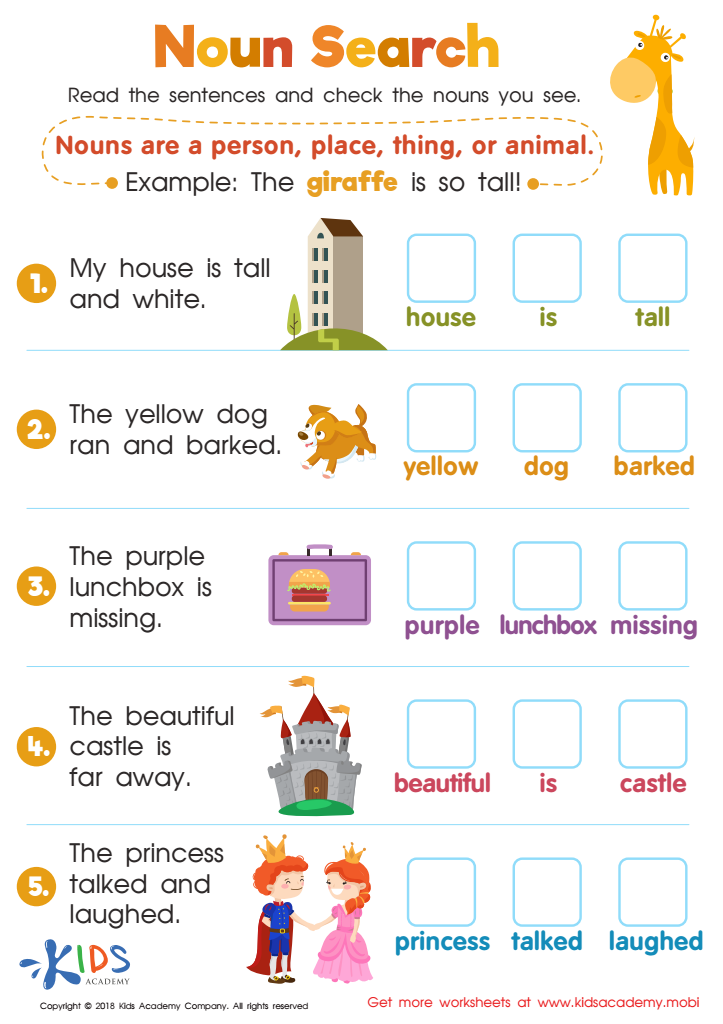
Noun Search Worksheet
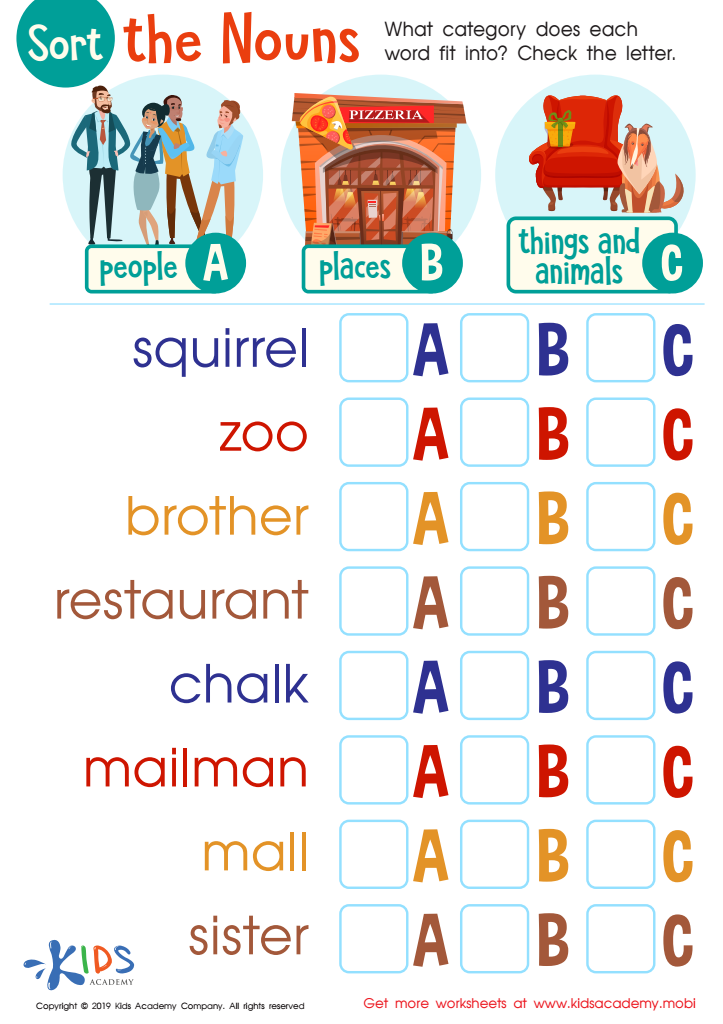
Sort the Nouns Worksheet
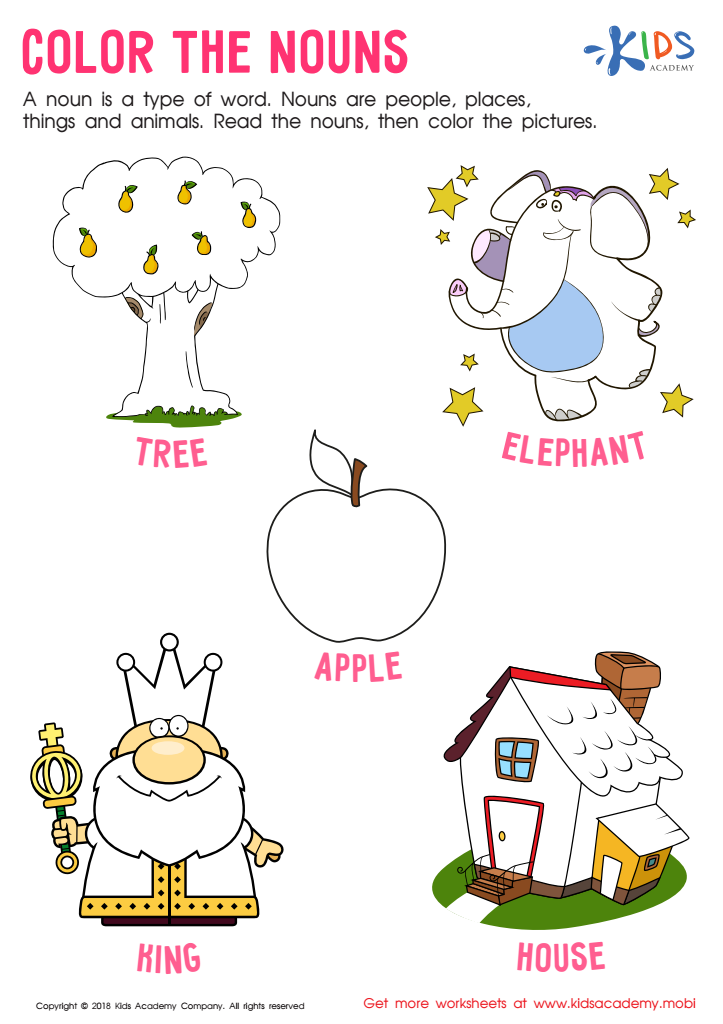
Color the Nouns Worksheet
 Assign to My Students
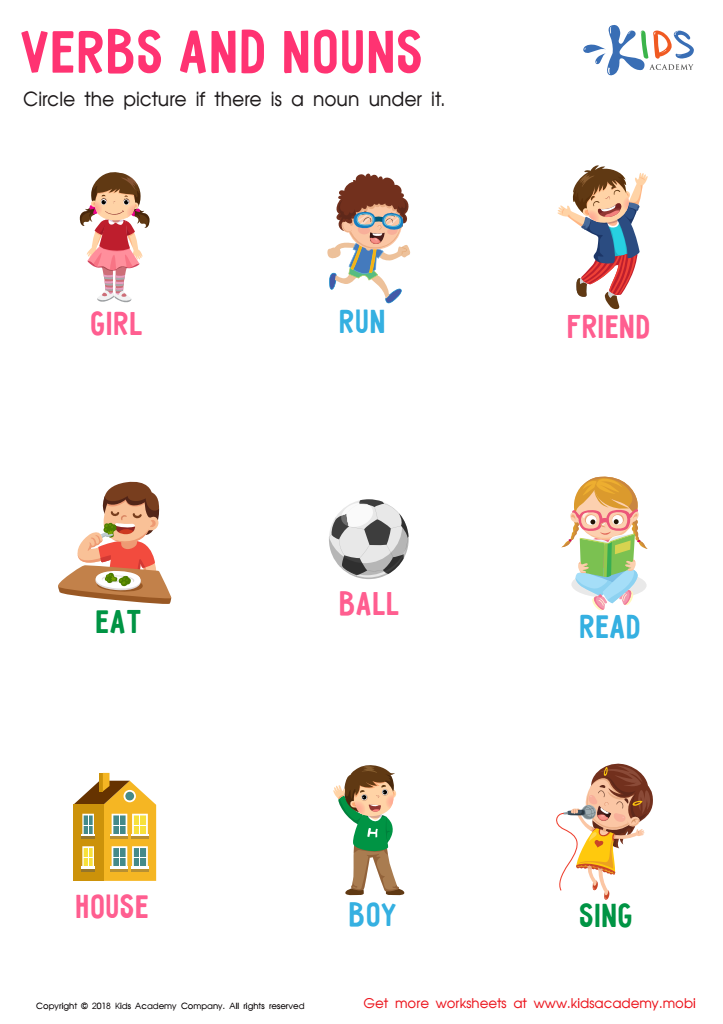
Verbs and Nouns Worksheet
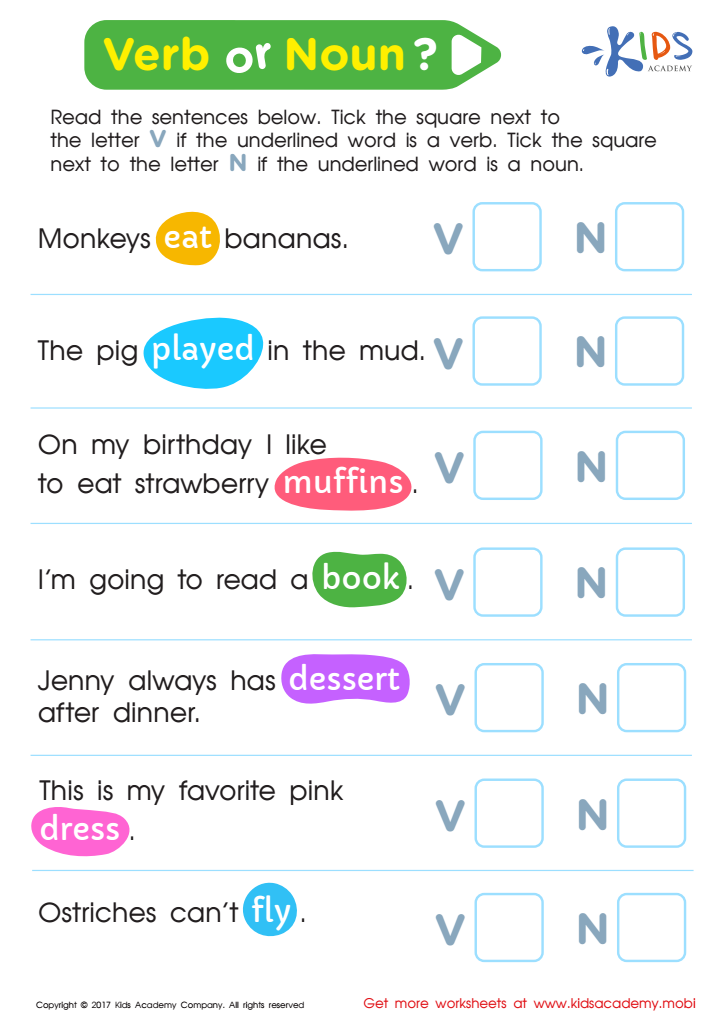
Verb or Noun Worksheet
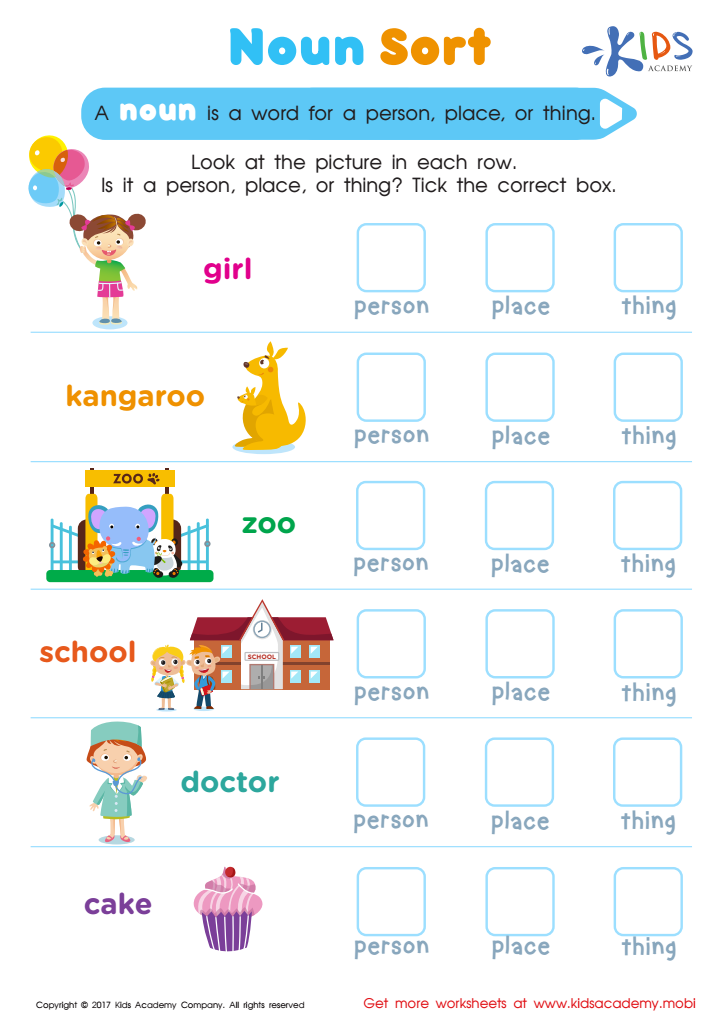
Noun Sort Printable
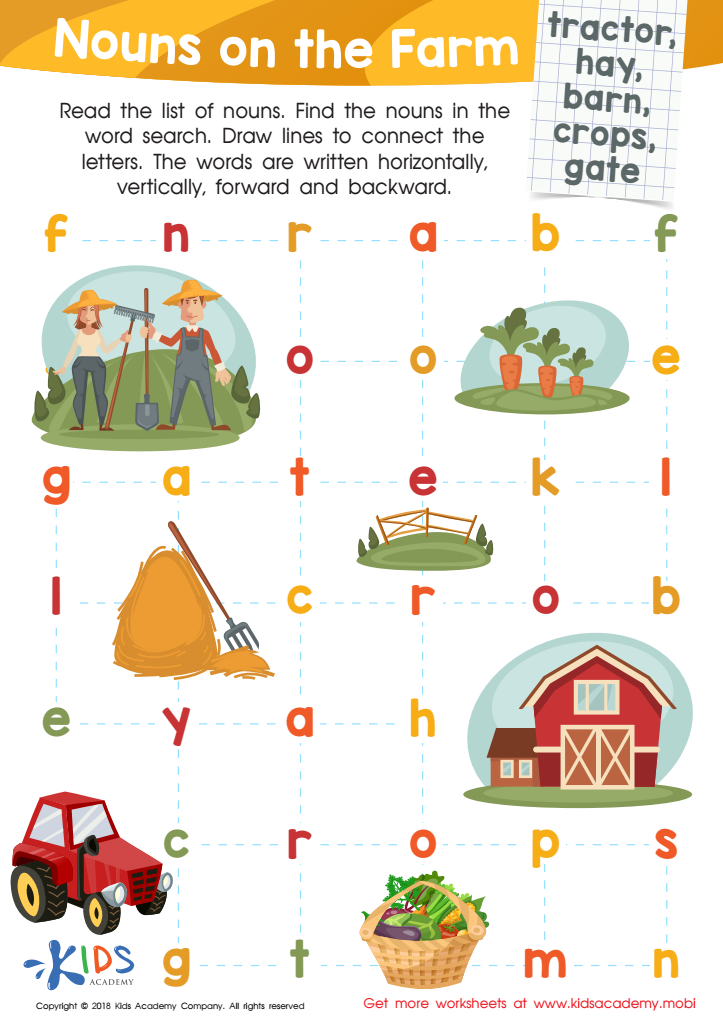
Nouns on the Farm Worksheet





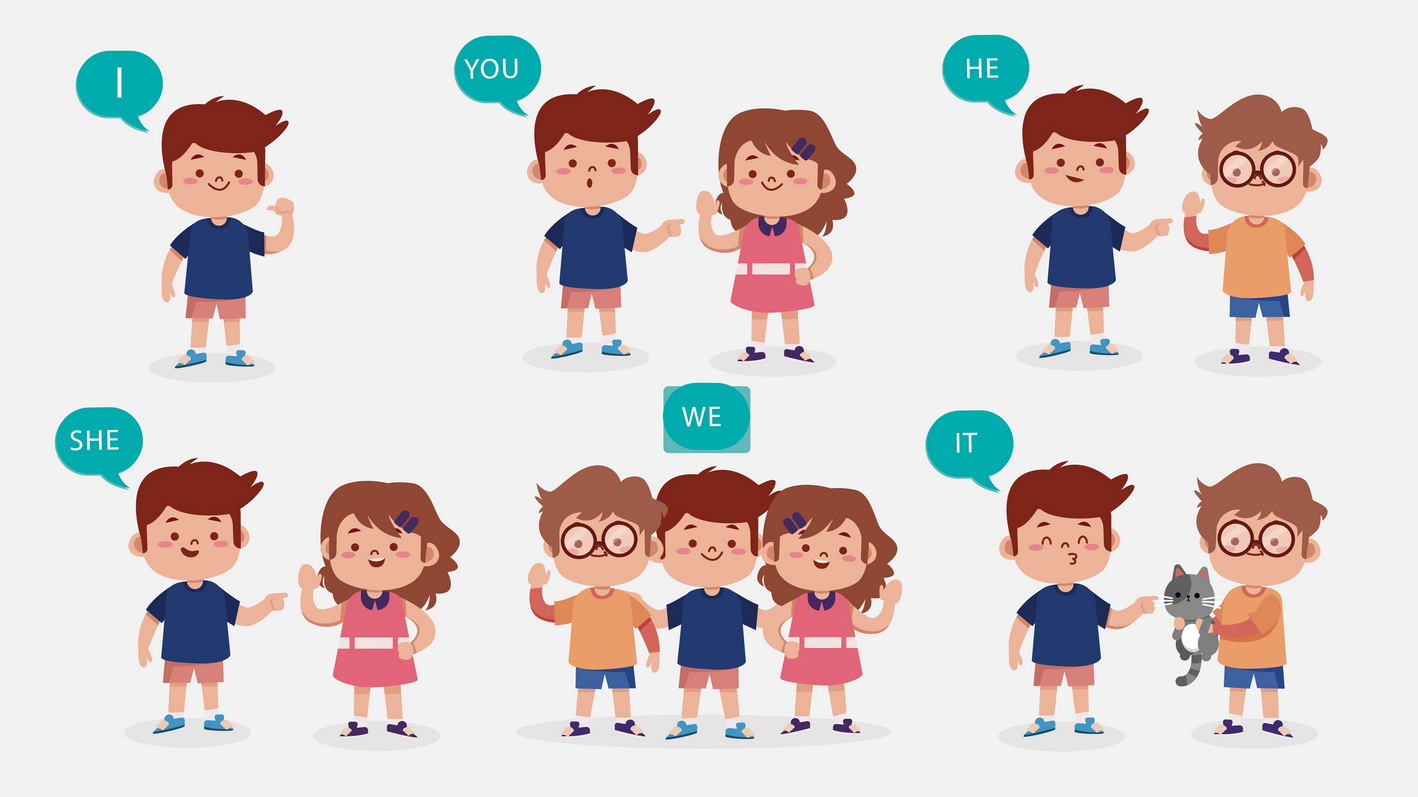
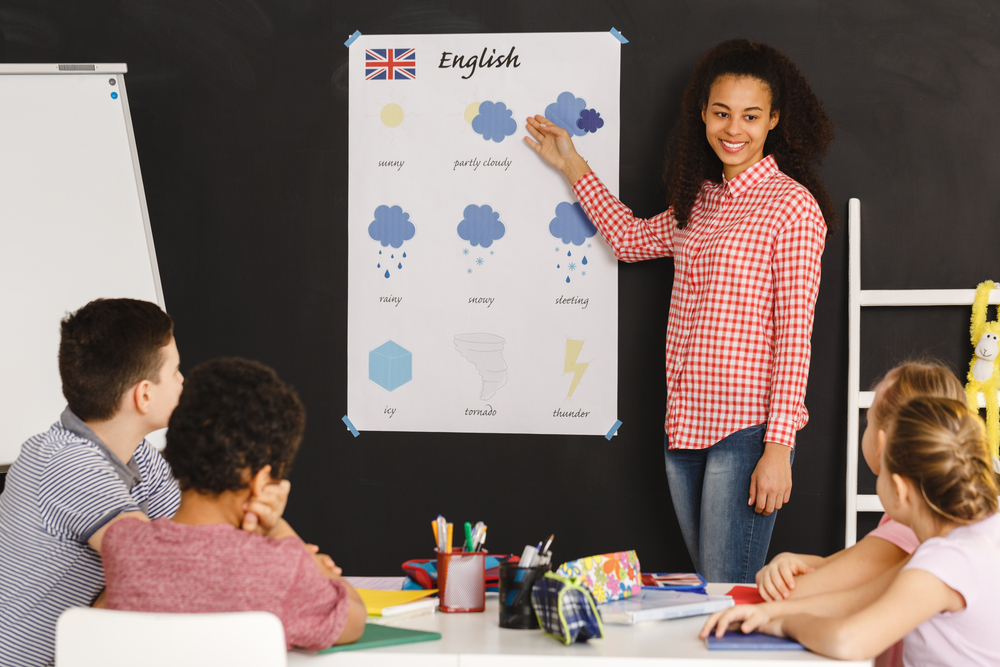
Noun identification is a fundamental component of grammar that holds significant importance for both parents and teachers in a child's educational development. Understanding nouns aids children in enhancing their language skills, as nouns are foundational elements in sentence structure—they represent people, places, things, and ideas. By identifying nouns, children gain a better grasp of how sentences are constructed, facilitating effective communication and comprehension.
In early education, mastering noun identification helps young learners expand their vocabulary, as they encounter various types of nouns, including common, proper, concrete, and abstract nouns. This vocabulary expansion enhances children's reading and writing skills, fostering their ability to articulate thoughts clearly.
Moreover, recognizing nouns enables children to develop critical thinking and categorization skills. As they learn to group nouns based on shared characteristics, they sharpen their analytical abilities. As a result, children become more independent learners, capable of identifying not only nouns but other parts of speech that build on these foundational skills.
For parents and teachers, emphasizing noun identification can support overall literacy development, promote confident communication, and empower children as they navigate their academic journey, ultimately setting a solid foundation for future learning.