Phonics skills improvement Grammar Worksheets
3 filtered results
-
From - To
Elevate your child's reading and writing abilities with our "Phonics Skills Improvement Grammar Worksheets." Designed for early learners, these engaging worksheets focus on enhancing phonetic awareness, essential for decoding words and mastering grammar. Our resources cater to various learning styles and help children identify sound-letter relationships, improve their pronunciation, and build vocabulary. Each worksheet is thoughtfully crafted to provide fun and interactive activities, ensuring enjoyable learning experiences. Whether at home or in the classroom, these phonics worksheets help lay a strong foundation for literacy skills, making reading and writing enjoyable for every young learner. Unlock your child's potential today!
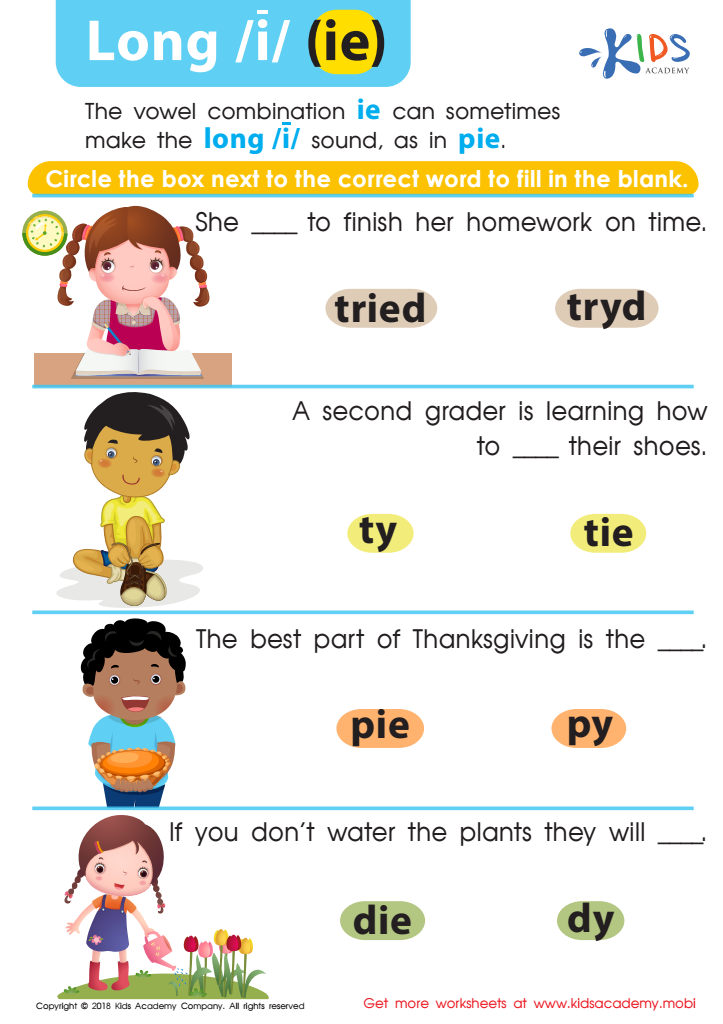
Reading: Long I and IE Worksheet
 Assign to My Students
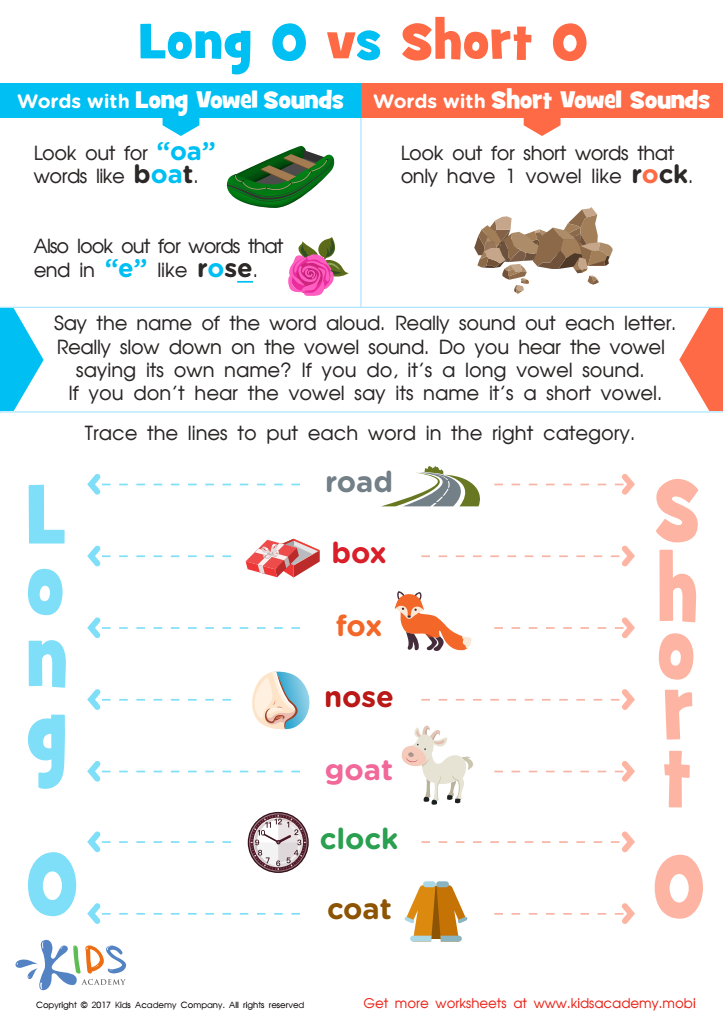
Long and Short Vowel O Spelling Worksheet
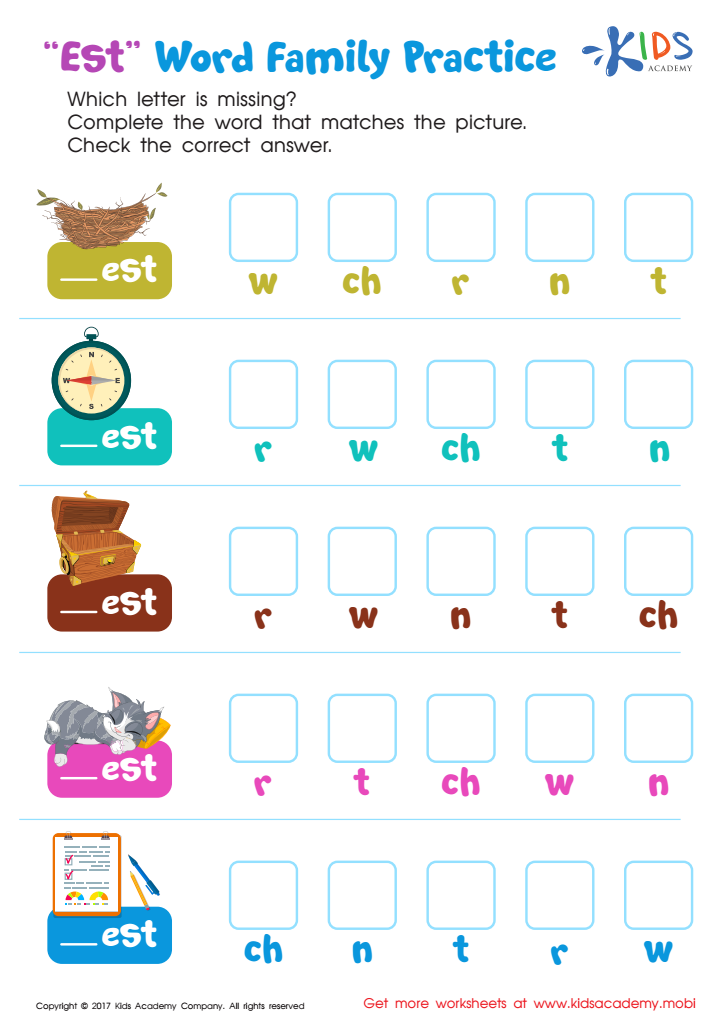
Words Family "est" Spelling Worksheet



.jpg)




Phonics skills are foundational for early literacy development, enabling children to decode words and understand their written forms. Parents and teachers should prioritize phonics skills improvement for several key reasons. First, phonics lays the groundwork for reading fluency; when children confidently associate sounds with letters, they can read smoothly and comprehend text more effectively. This confidence in reading is crucial as they progress to more complex texts.
Additionally, improved phonics skills help boost a child's vocabulary and spelling abilities. Understanding the relationship between sounds and letters enables children to tackle unfamiliar words independently, fostering a love for reading and learning. This, in turn, can lead to greater academic success across all subjects since literacy is a core component of most learning tasks.
Moreover, strong phonics skills contribute to a child's overall cognitive development, enhancing critical thinking and problem-solving abilities. This makes parents and teachers vital partners in fostering these skills – by providing a supportive environment, engaging activities, and resources that promote phonics learning. In essence, investing time in phonics skills not only equips children with essential reading and writing capabilities but also nurtures their lifelong love for learning and academic confidence.








