Early Childhood Tips & Tricks Articles - Page 9


Do’s and Don’ts of Raising the Spirited Child
Jan. 3, 2017

There is a lot of information and misinformation regarding kids labeled with hyperactivity in childhood. But what many don’t realize is that hyperactive kids are not necessarily misbehaved, nor should they be thought of as “bad kids”. To be sure, there are many ways for these spirited kids to channel their extra energy in positive ways. This article will show how seemingly negative aspects of hyperactivity can actually be redirected into something more positive.
The Role of Pretend Play in Early Childhood Learning
Nov. 28, 2016

Watch your children play when they think you’re not listening, and you’ll surely listen in on quite a fantasy! Sometimes the games our children play seem silly, but what they’re doing is extremely important for their early development. Imaginative play helps children to act out the important roles of life. The following article will help you to see just why pretend play is so important for your child, and how to best support it in your home.
How to Cradle Early Literacy: A Guide for Parents
Nov. 21, 2016

We live in a world very different from the one that existed when we first attended school. Kids are expected to know and learn much more, faster. Vitally important to future school and life success, early literacy is paramount. But how exactly do literacy skills factor into school success, and what do you need to do to make sure your little one is getting what they need? Keep reading to find out the answers to these essential questions.
The Role of Play in Early Childhood
Sept. 19, 2016
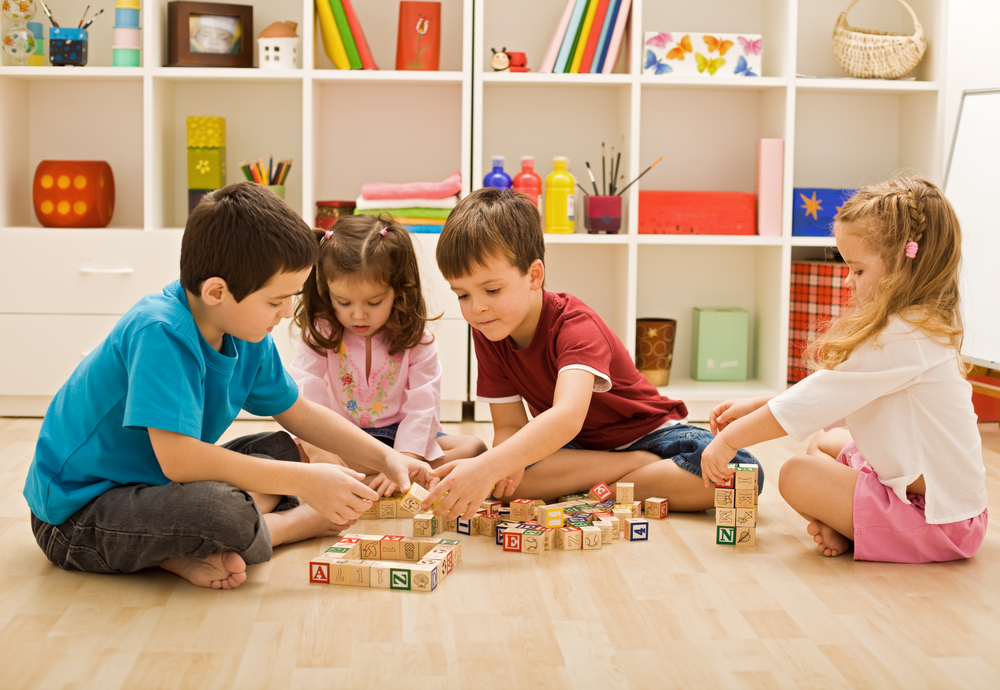
We have all heard that kids learn the best through play, but why is this so? What types of play are the most meaningful for children, and how can parents ensure that their child is getting the most out of their play time? Read on to find out just how important play time is for your child, and key ways to ensure that your child’s play benefits their early development.
Congratulations to Tiny Hands Back-to-School Giveaway Winners!
Sept. 13, 2016

It's time to announce the results of our Back-to-School Giveaway. We appreciate you for taking time and joining the contest. Sincere thanks to everyone! And the WINNERS are...
Supporting Your Child’s Education on a Busy Schedule
Aug. 29, 2016

In the hustle and bustle of our busy lives, it’s often difficult to find the time to help our children learn. While it might seem impossible to find the time to support your child’s early education, there are strategies that can help you find the time without sacrificing crucial tasks. The following article will give you ways to support your little learners without taking up too much of your time.
The Importance of Sensory Play
Aug. 8, 2016

At a time when technology dominates our lives, it is important to remember the benefits that sensory learning has upon our little learners. One of the most exciting ways to support your child’s learning is to incorporate fun, messy sensory play into their everyday play. Here is a handful of ideas to help you get started.
How to Prepare Your Preschooler for Common Core Math
Aug. 1, 2016

We’ve all seen it on social media. Every so often, a post goes viral about an incomprehensible Common Core math problem that a highly educated parent couldn’t solve. Thankfully there are ways to prepare your preschooler. Even if your child won’t be learning Common Core, read on to find tips on how to help your child understand math in more depth.
5 Rules for Successful Science Adventures with Kids
Dec. 20, 2015
As we discussed in our previous blog post, teaching kids critical thinking skills brings some considerable advantages. Kids may grow up into smart adults that view problems as tasks to solve. For many of us teaching logics, or critical thinking, sounds rather challenging. Indeed, where do we start with? In this blog post we are going to offer you some principles to put to the core of teaching in order to achieve the expected results.
Advantages of Teaching Critical Thinking Skills to Kids
Dec. 13, 2015
Kids start learning things right from the moment they are born. In the first 6 years of their life they absorb a huge amount of information, first - through senses, then - through communicating with others. Hearing about something is one way of learning.
As we know, so many people – so many opinions. Each person your child talks to would tend to share their own thoughts and ideas.
-
 Aug. 4, 2026
 -
 June 3, 2026
 -
 Oct. 7, 2026


