Plants and Animals worksheets activities for Ages 4-7
3 filtered results
-
From - To
Discover engaging "Plants and Animals" worksheets designed for children ages 4-7! Our fun and interactive activities help young learners explore the fascinating world of nature through colorful visuals and imaginative exercises. With a variety of topics, including plant life cycles, animal habitats, and the connection between flora and fauna, these worksheets encourage curiosity and enhance knowledge retention. Perfect for preschool and early elementary classrooms, each activity promotes essential skills such as observation, sorting, and critical thinking. With our resources, children will develop a deeper appreciation for the environment while enjoying a playful learning experience. Get started on their adventure today!
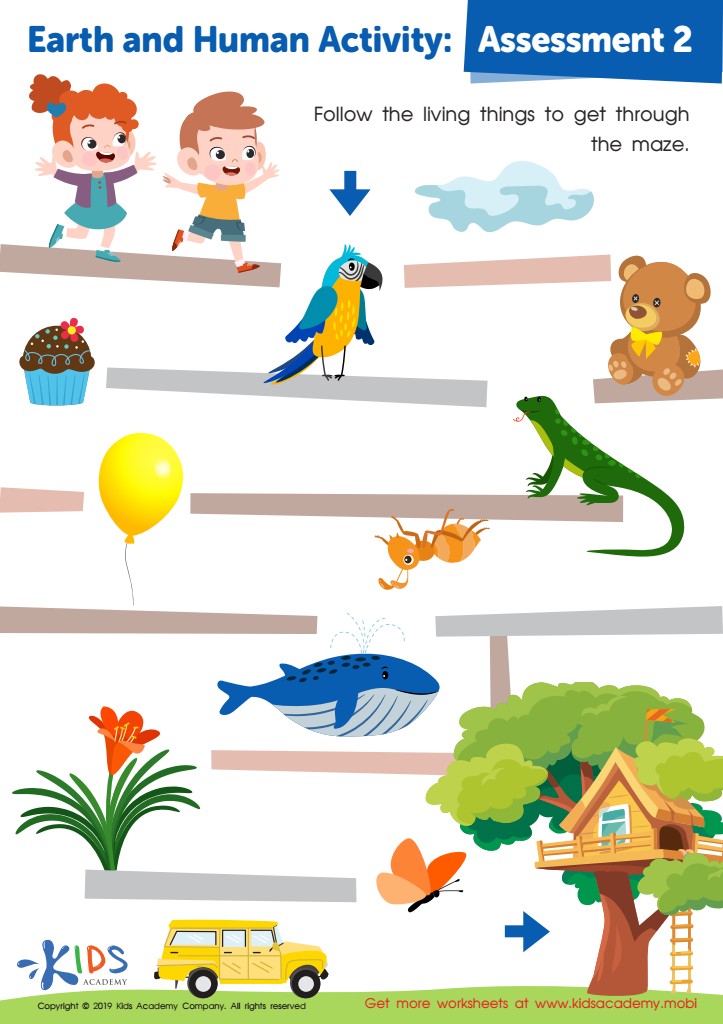
Earth and Human Activity: Assessment 2 Worksheet
 Assign to My Students
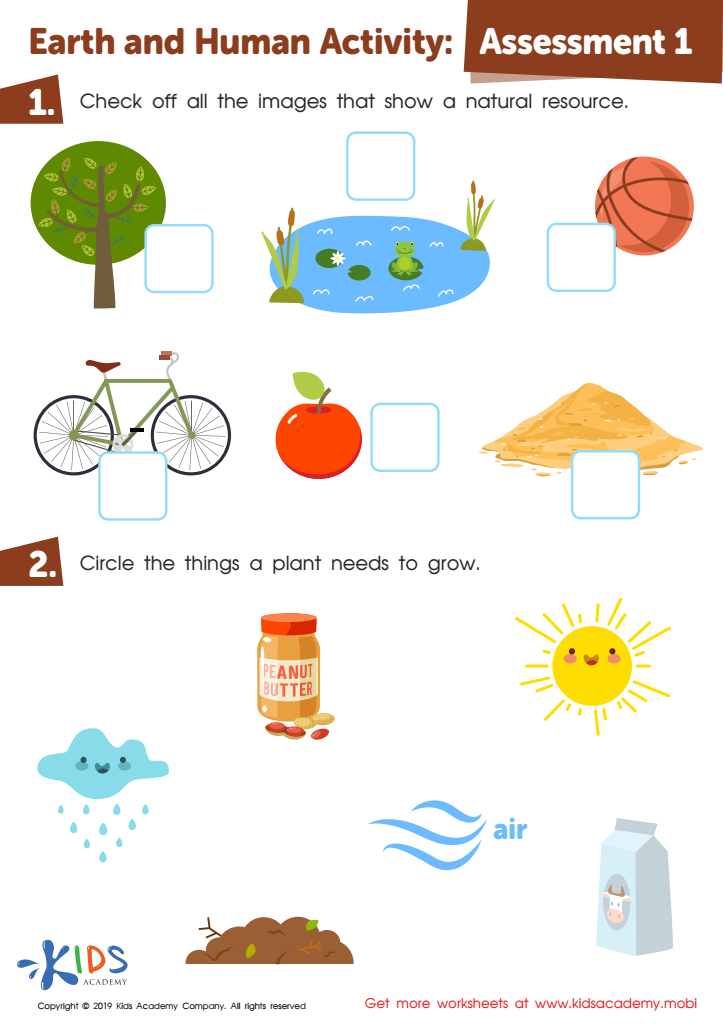
Earth and Human Activity: Assessment 1 Worksheet
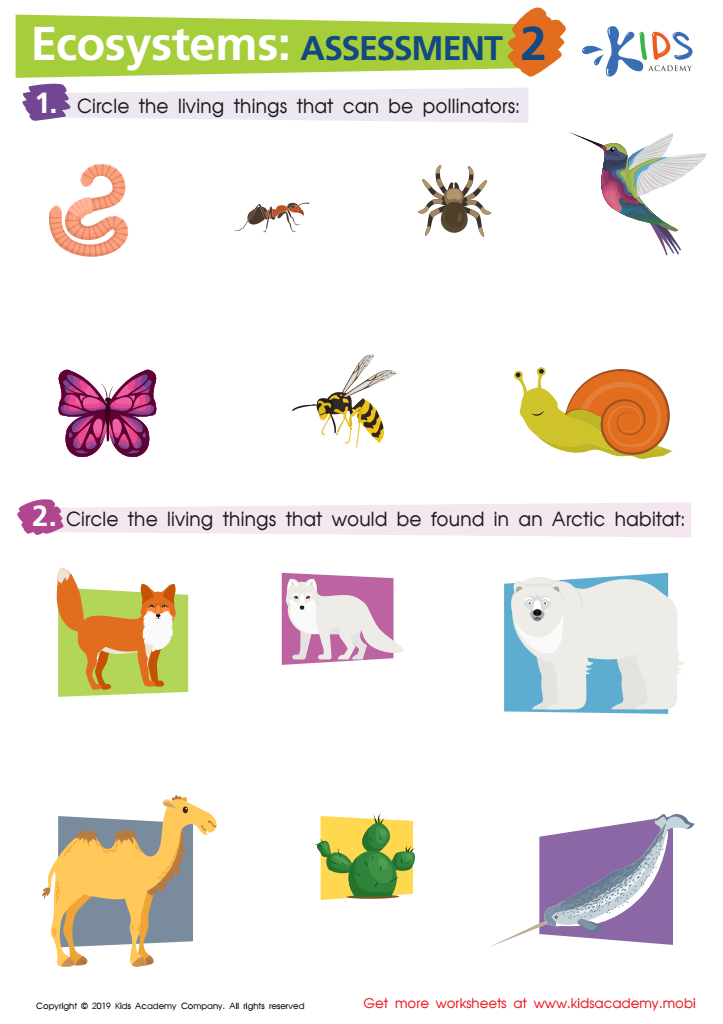
Ecosystems: Assessment 2 Worksheet





Parents and teachers should prioritize plants and animals activities for children aged 4-7 because these experiences lay the foundation for a child's understanding of the natural world. At this age, children are naturally curious, exploring their surroundings through observation and play. Engaging them in activities related to plants and animals nurtures the development of critical thinking and scientific inquiry skills.
Such activities encourage sensory exploration, allowing children to touch, smell, and observe living organisms. This hands-on engagement fosters a connection to nature, promoting environmental stewardship and awareness from an early age. Learning about plants helps children understand the basics of growth, nutrition, and life cycles, instilling an appreciation for healthy food sources. Meanwhile, interactions with animals teach responsibility and empathy, as kids learn about habitats, behaviors, and the importance of biodiversity.
Moreover, these activities provide opportunities for collaborative learning. Children can work in groups, sharing discoveries and ideas, which boosts social skills and communication. Incorporating plants and animals into early education aligns with holistic learning approaches, supporting physical, emotional, and cognitive development while making education exciting and relevant. Ultimately, fostering a love for nature in young children cultivates future generations who are informed and caring stewards of the environment.








