Our Planet and Environment worksheets activities for Ages 4-8
5 filtered results
-
From - To
Explore our engaging "Our Planet and Environment" worksheets, designed specifically for children ages 4-8! These fun and interactive activities aim to spark curiosity about the world around them, fostering a love for nature and environmental awareness. Incorporating vibrant illustrations and age-appropriate content, our worksheets cover key topics such as ecosystems, animals, plants, and sustainability. Perfect for home or classroom settings, these worksheets encourage creative thinking and problem-solving. Help your little ones develop strong environmental stewardship from an early age while having fun learning about their planet. Dive into our resourceful activities and watch them flourish as young environmental champions!
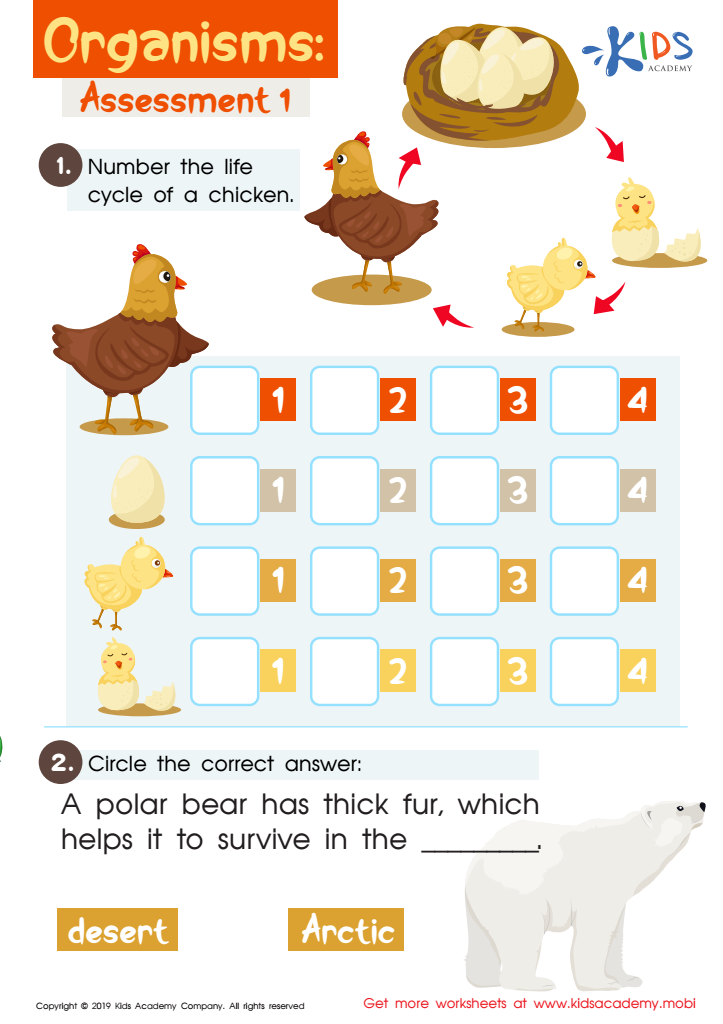
Organisms: Assessment 1 Worksheet
 Assign to My Students
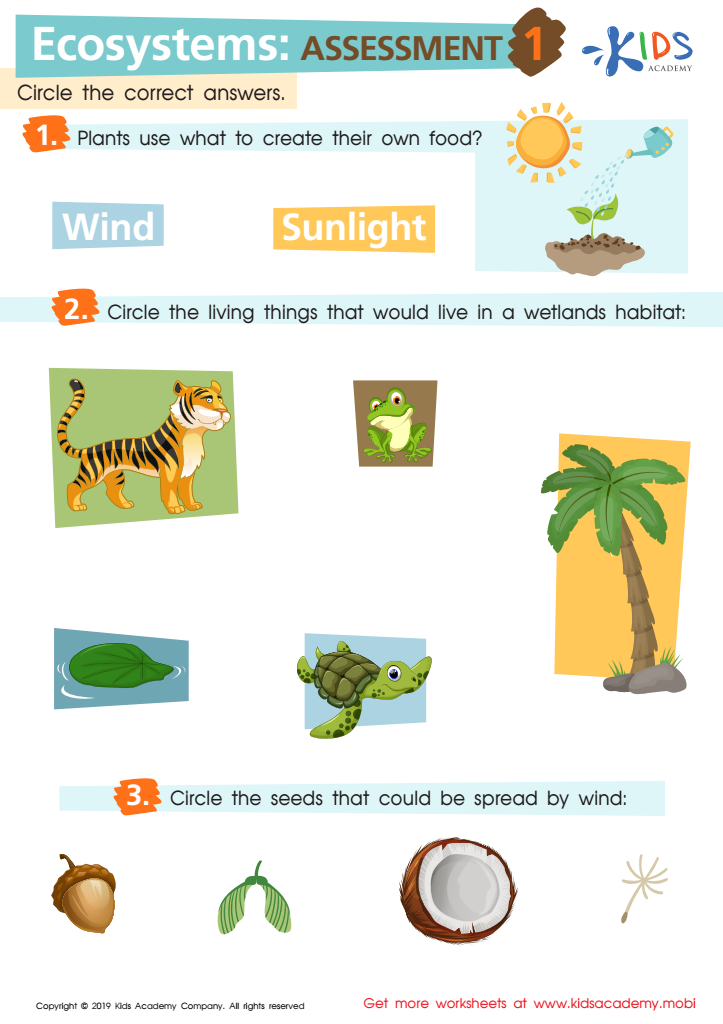
Ecosystems: Assessment 1 Worksheet
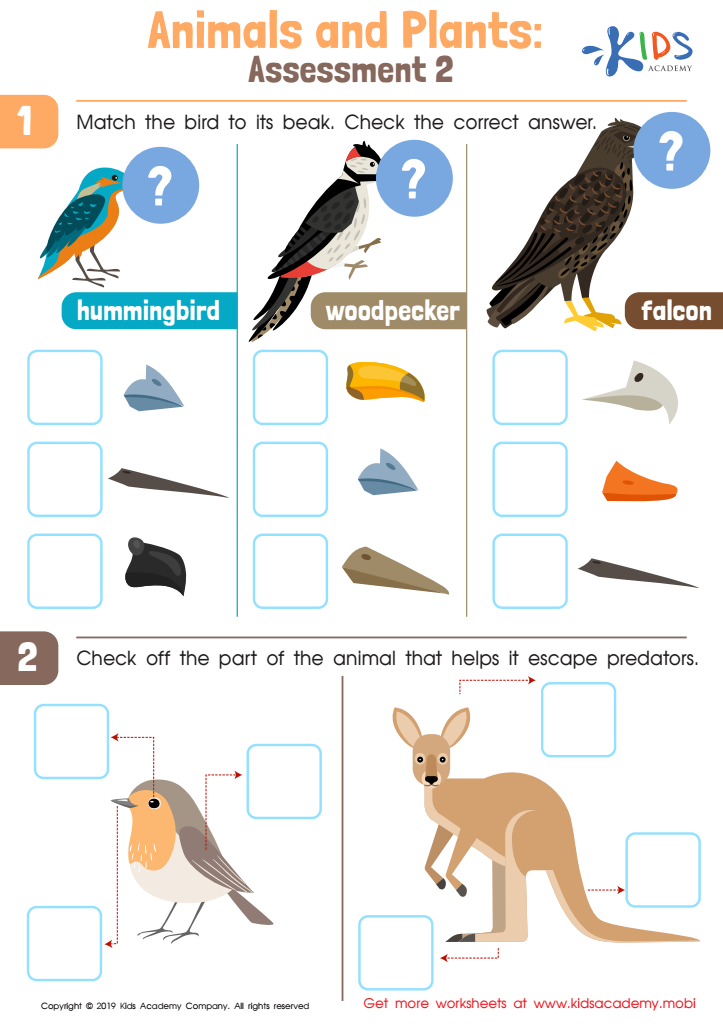
Animals and Plants: Assessment 2 Worksheet
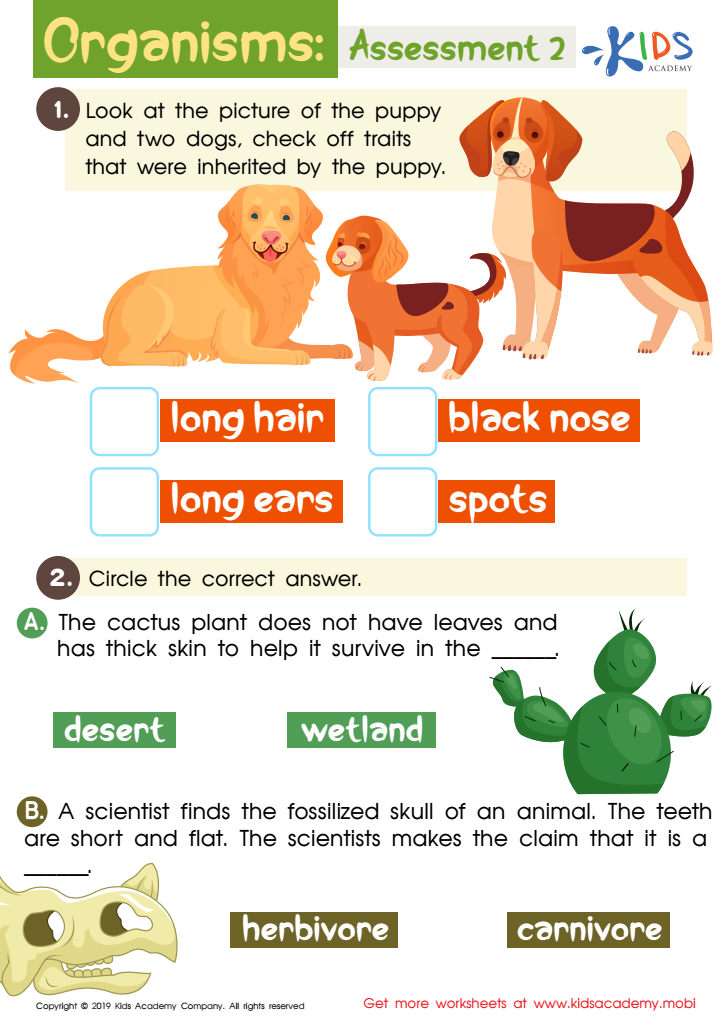
Organisms: Assessment 2 Worksheet
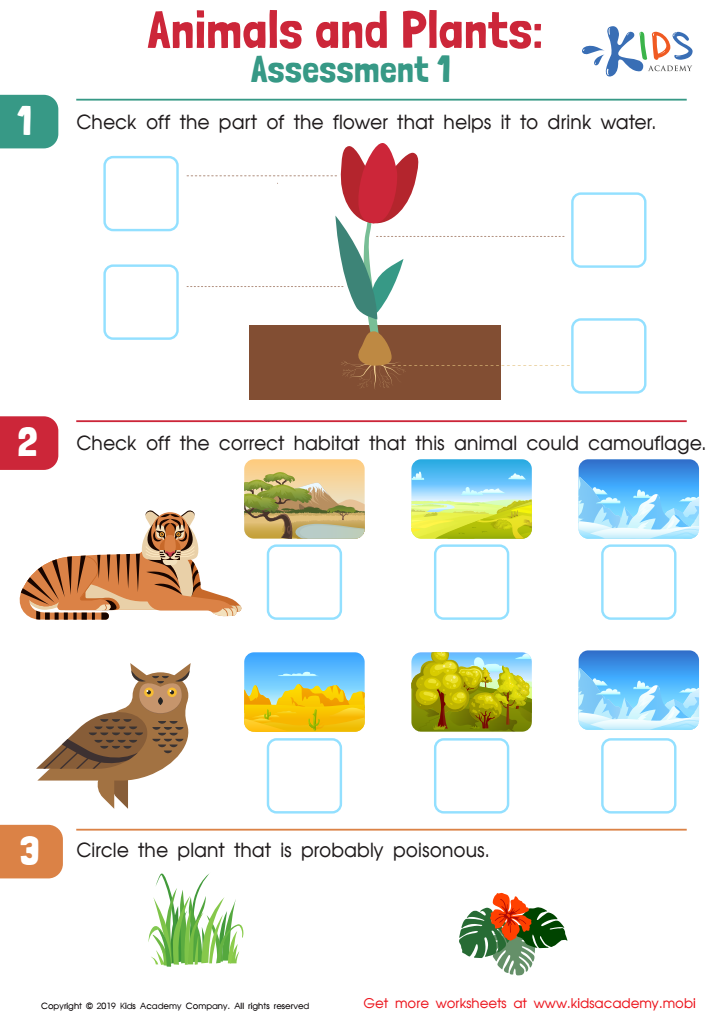
Animals and Plants: Assessment 1 Worksheet


.jpg)

.jpg)
Parents and teachers should prioritize Our Planet and Environment activities for children aged 4-8 because these formative years are crucial for developing a child's understanding of the world around them. Engaging young minds in environmental education fosters a sense of wonder and responsibility towards nature. By participating in hands-on activities, children learn the importance of conservation, sustainability, and protecting ecosystems.
These activities encourage critical thinking and creativity, allowing kids to explore their surroundings, ask questions, and develop a lifelong interest in protecting the environment. For instance, planting seeds, sorting recyclables, or observing wildlife can instill a sense of connection to nature and awareness of ecological issues.
Moreover, early exposure to environmental concepts builds a foundation for responsible citizenship. Children learn that their actions can positively impact their communities and the planet, promoting habits such as recycling, reducing waste, and conserving resources. These lessons can translate into positive behaviors as they grow, cultivating a generation of environmentally conscious individuals.
In an era facing significant environmental challenges, teaching our youngest citizens about the planet ensures they not only appreciate its beauty but also take active roles in its preservation. Engaging in these activities is an investment in a sustainable future for both them and the Earth.








