Tracing worksheets activities for Ages 5-9 - Page 3
186 filtered results
-
From - To
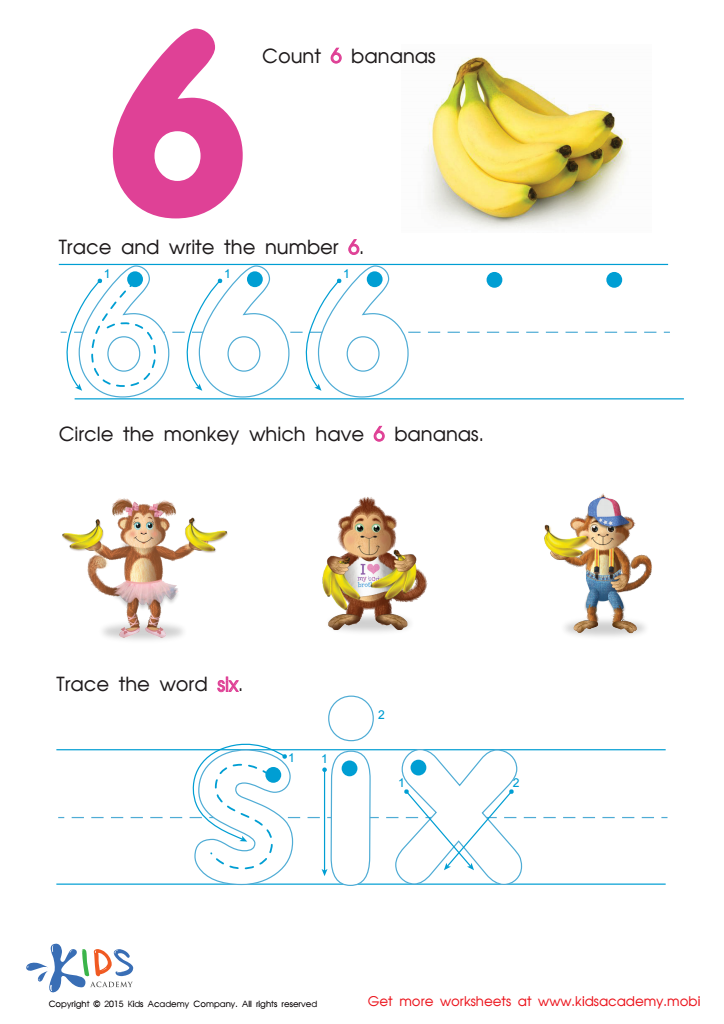
Tracing And Writing Number 6 Worksheet
 Assign to My Students
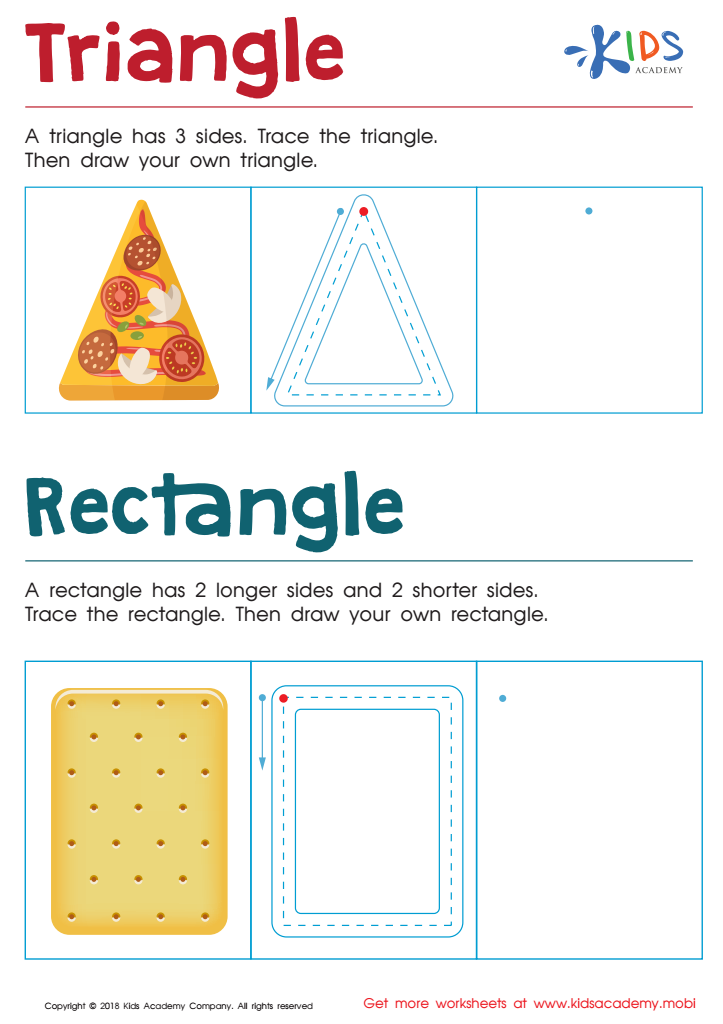
Triangle Rectangle Worksheet

Letter H Tracing Page
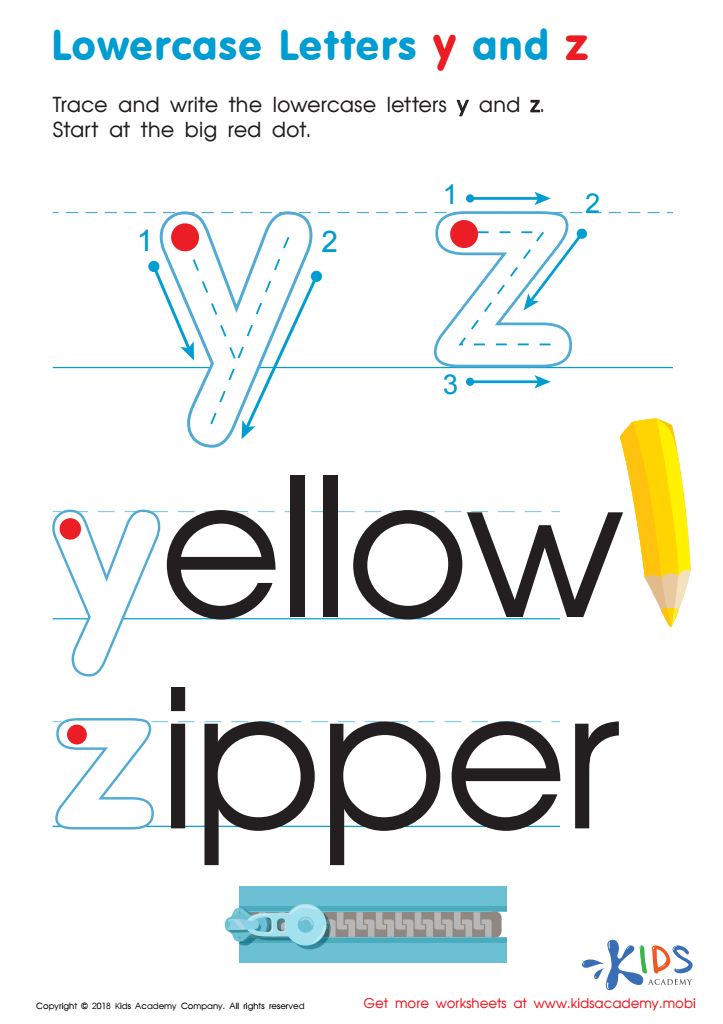
Lowercase Letters y z Worksheet
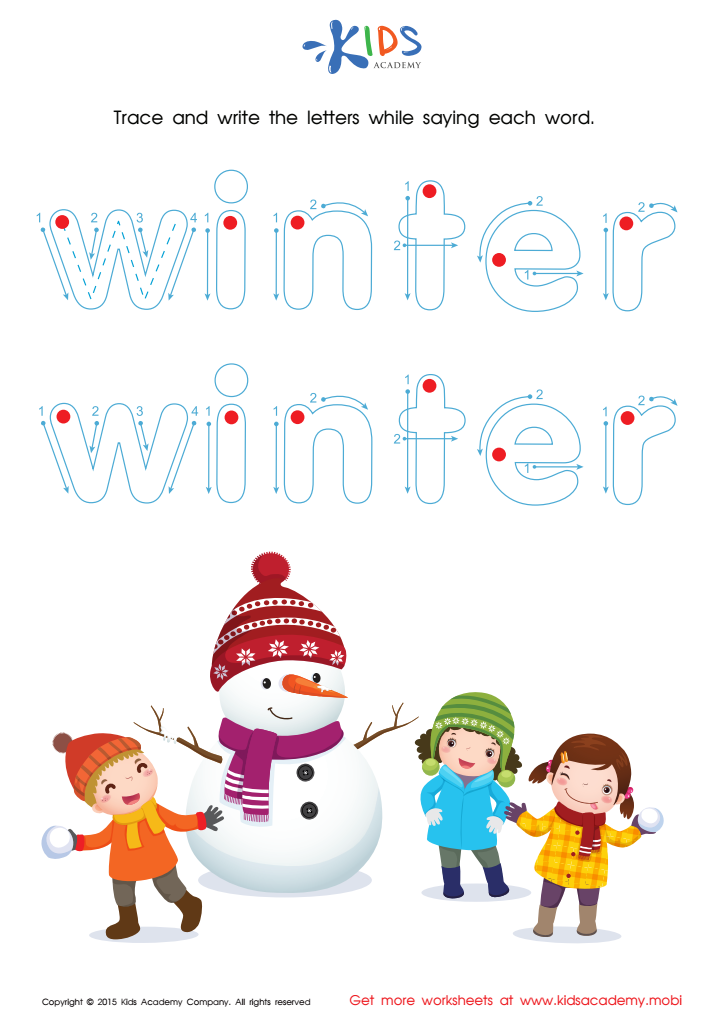
Snowman Tracing Winter Words Worksheet
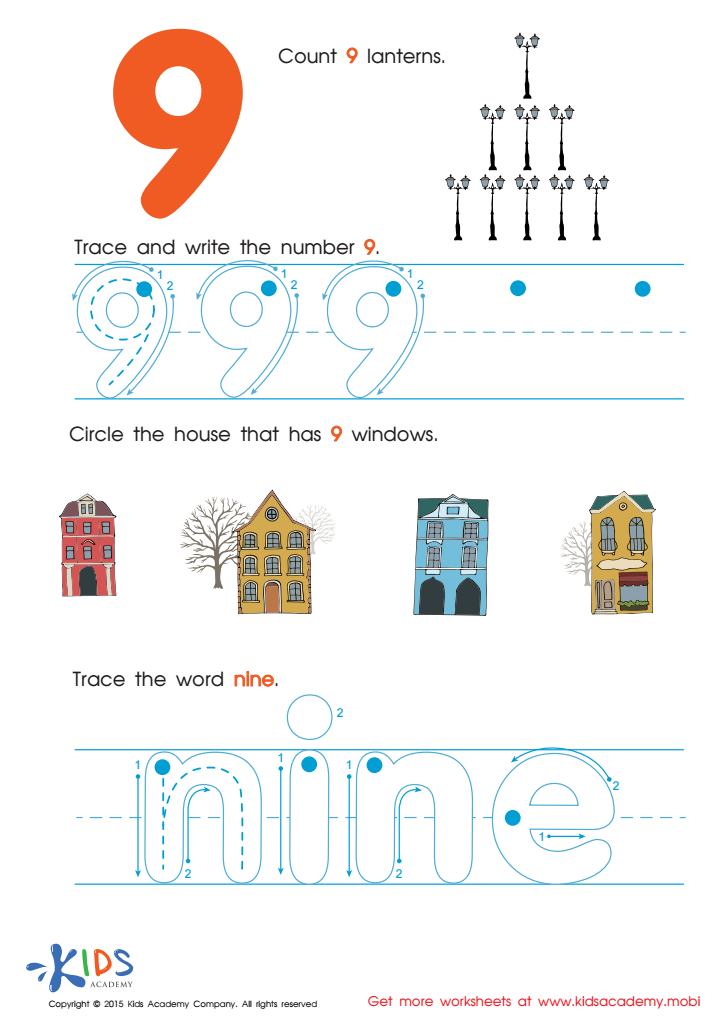
Tracing And Learning to Write Number 9 Worksheet
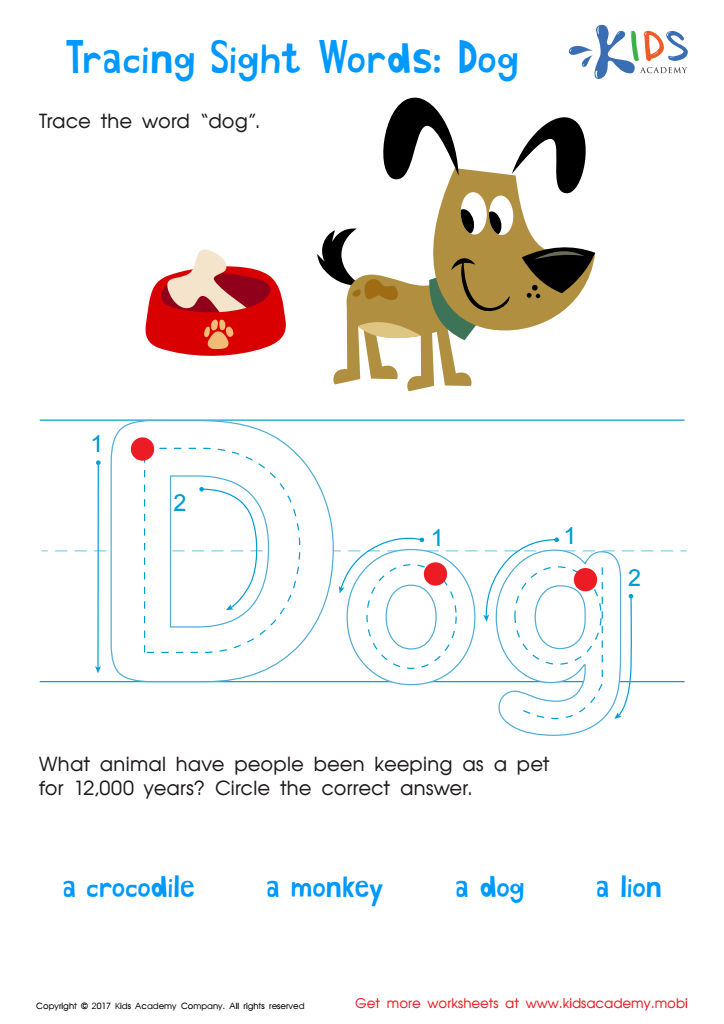
Dog Worksheet Sight Words Worksheet
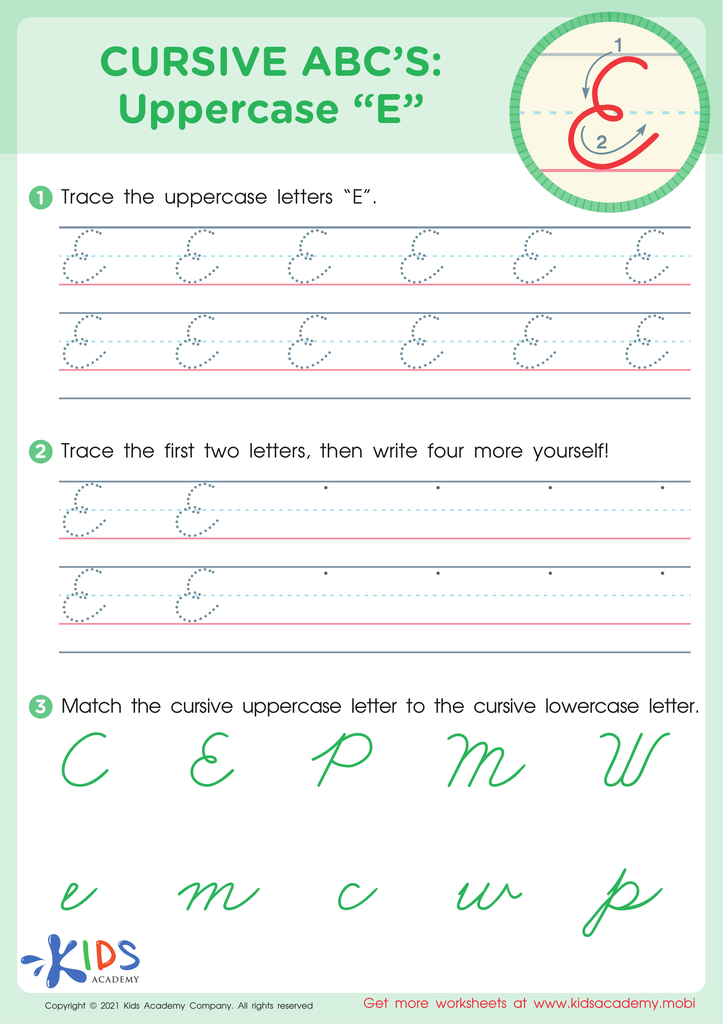
Cursive ABCs: Uppercase E
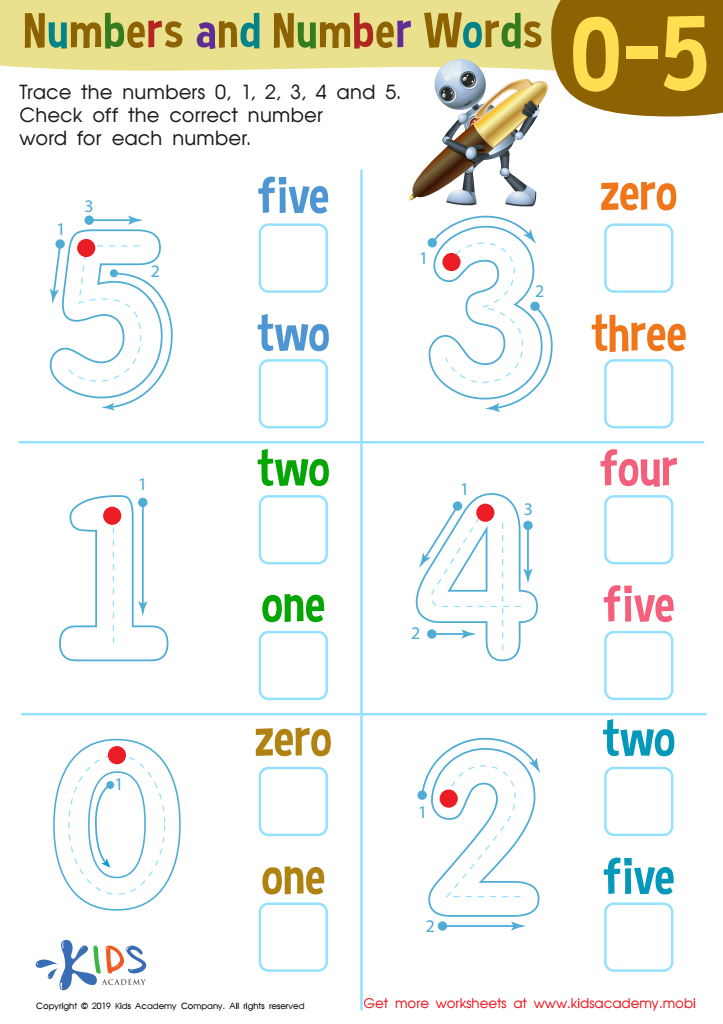
Numbers and Number Words Worksheet
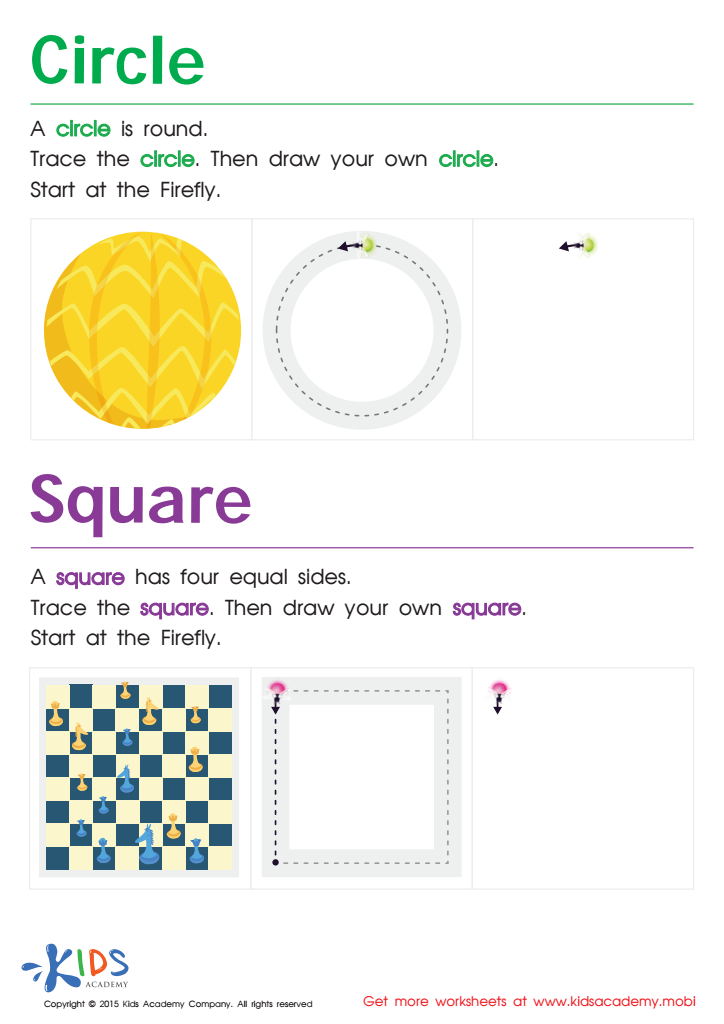
Trace And Draw a Circle And a Square Worksheet
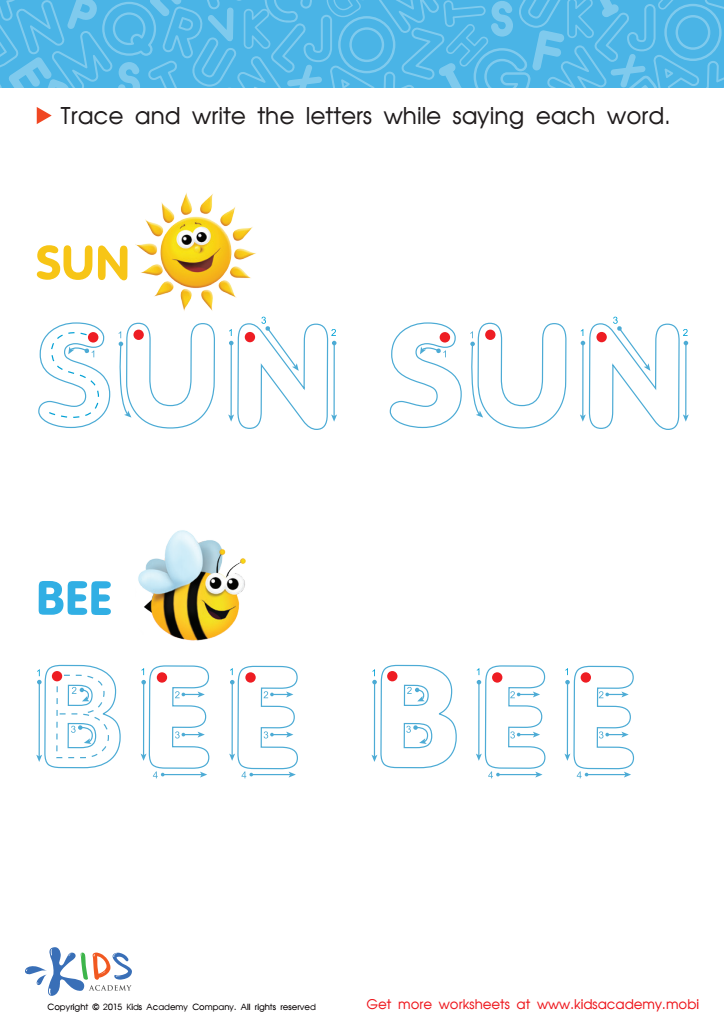
The Sun and a Bee Spelling Worksheet
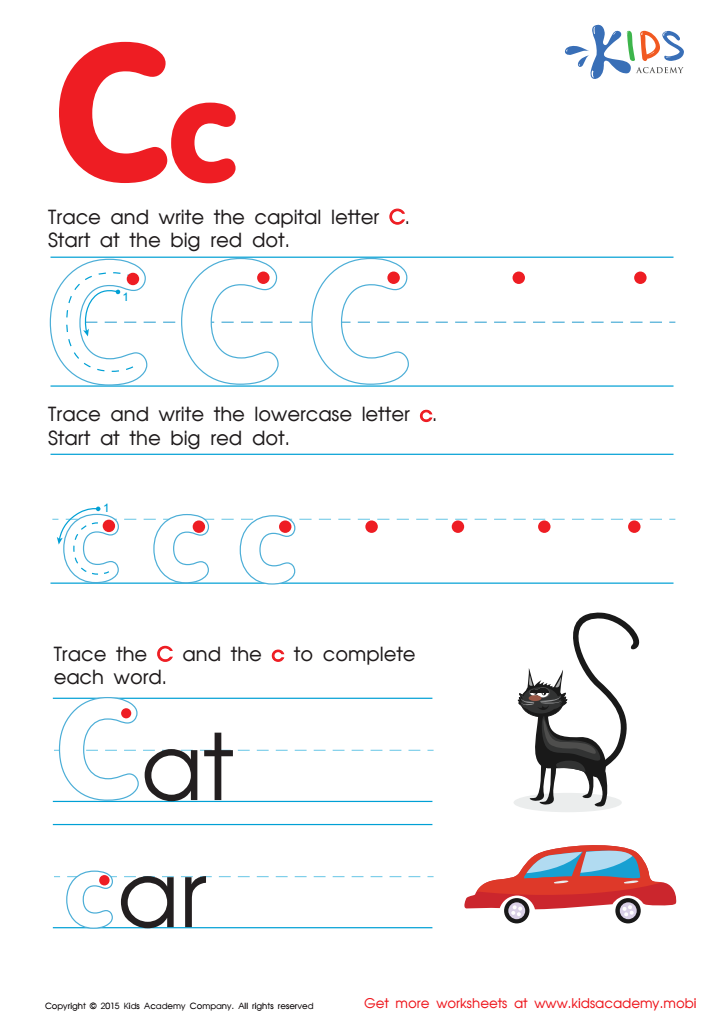
Letter C Tracing Page
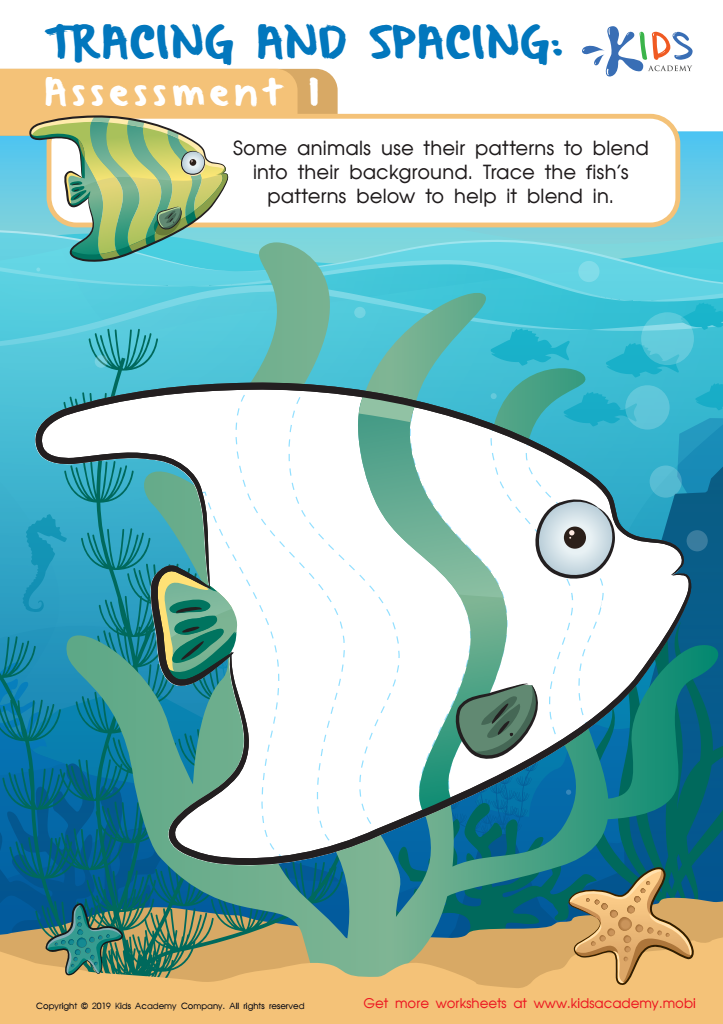
Tracing and Spacing: Assessment 1 Worksheet
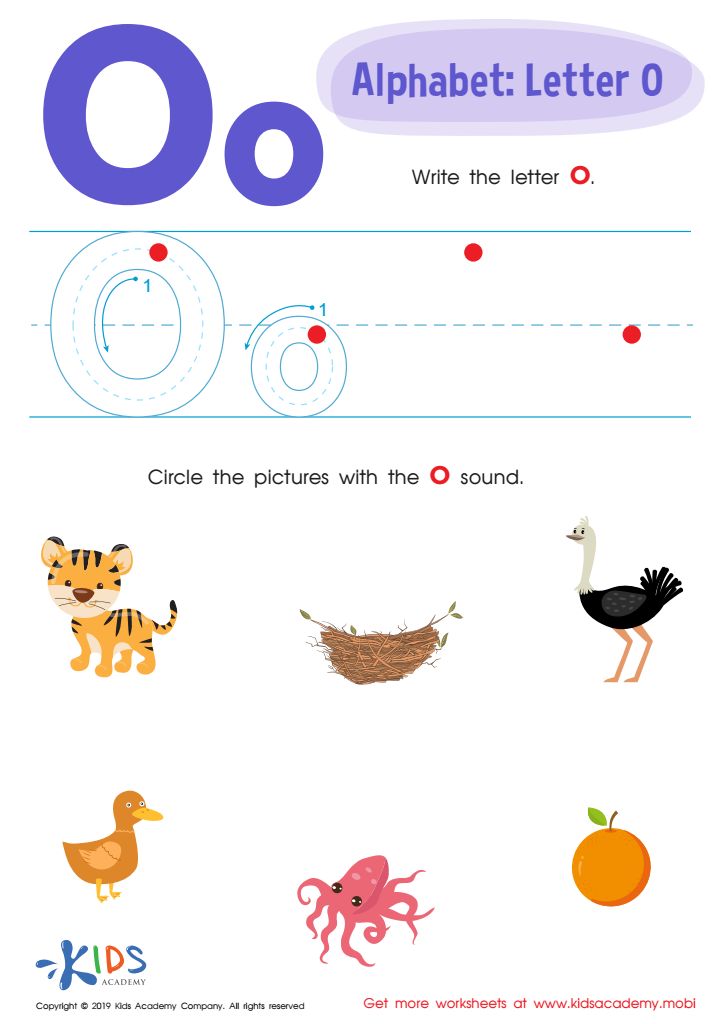
Letter O Tracing Worksheet
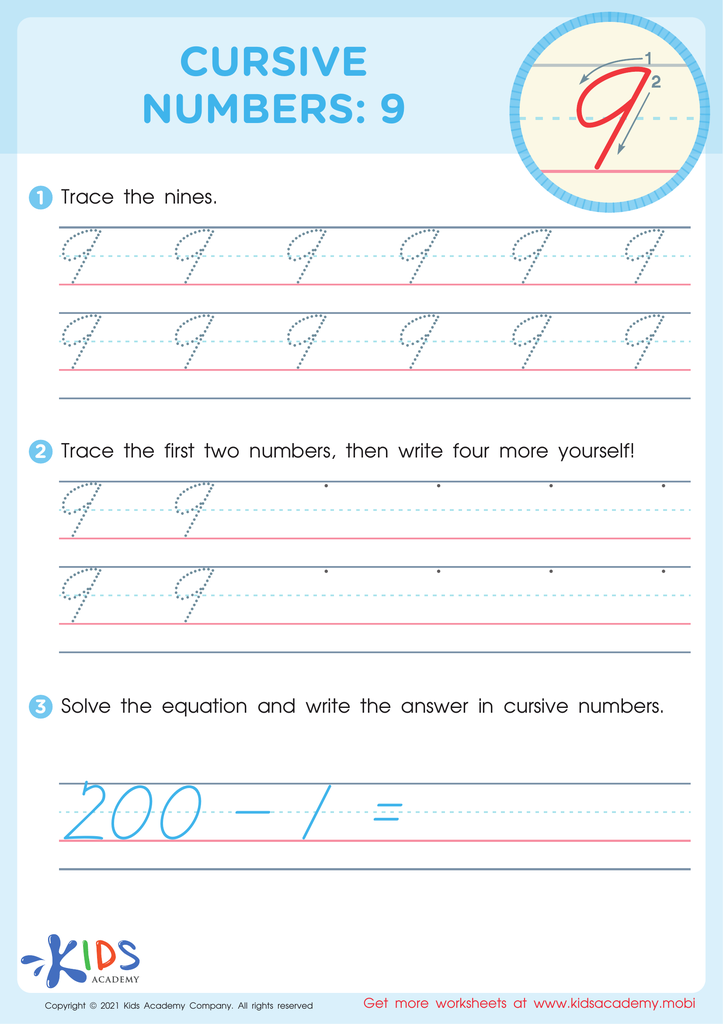
Cursive Numbers: 9 Worksheet
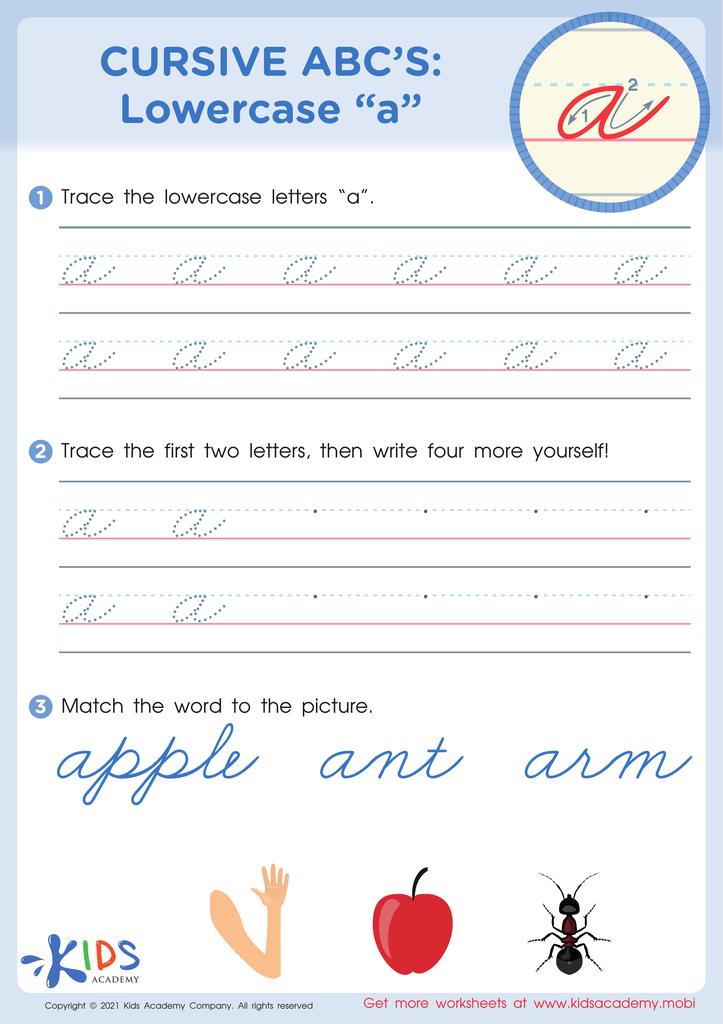
Cursive ABCs: Lowercase a
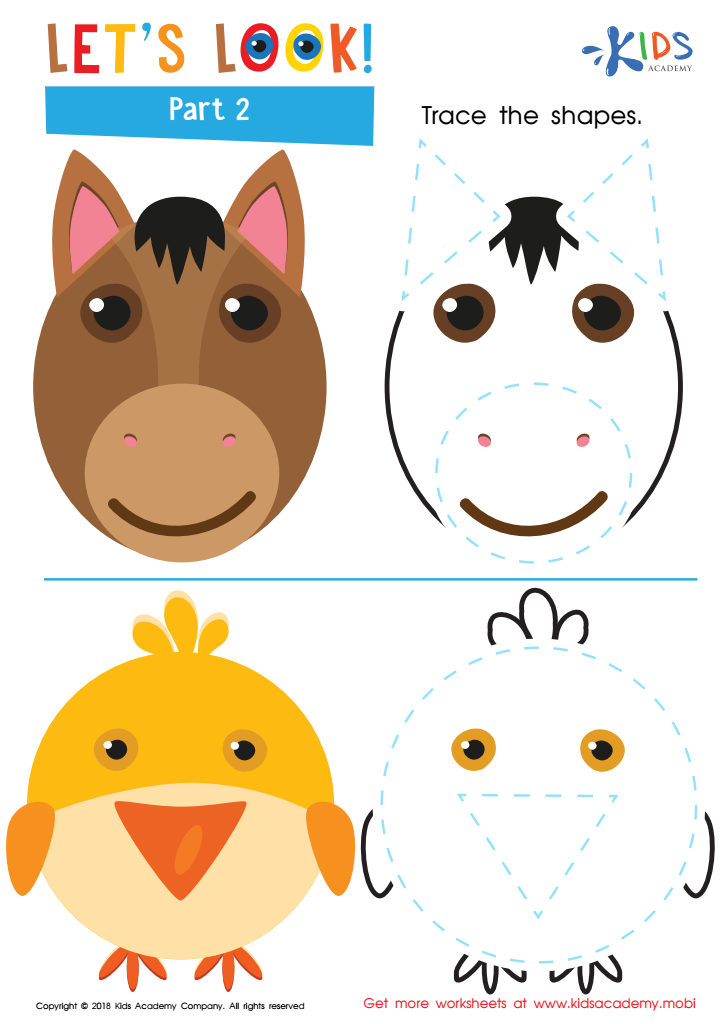
Let's Look! Part 2 Worksheet
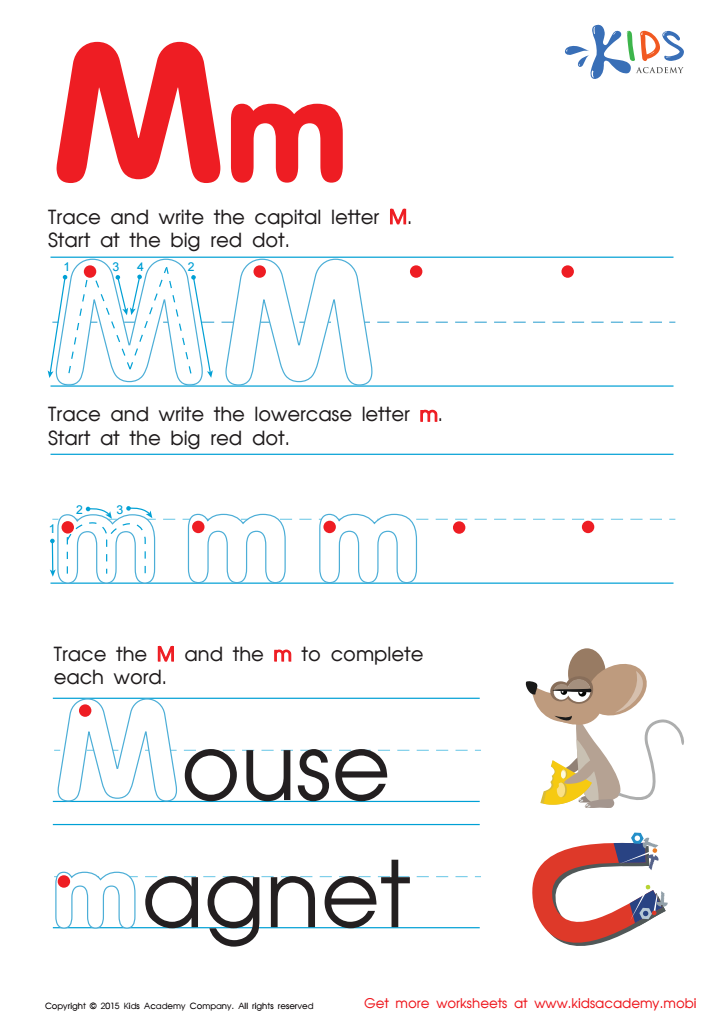
Letter M Tracing Page
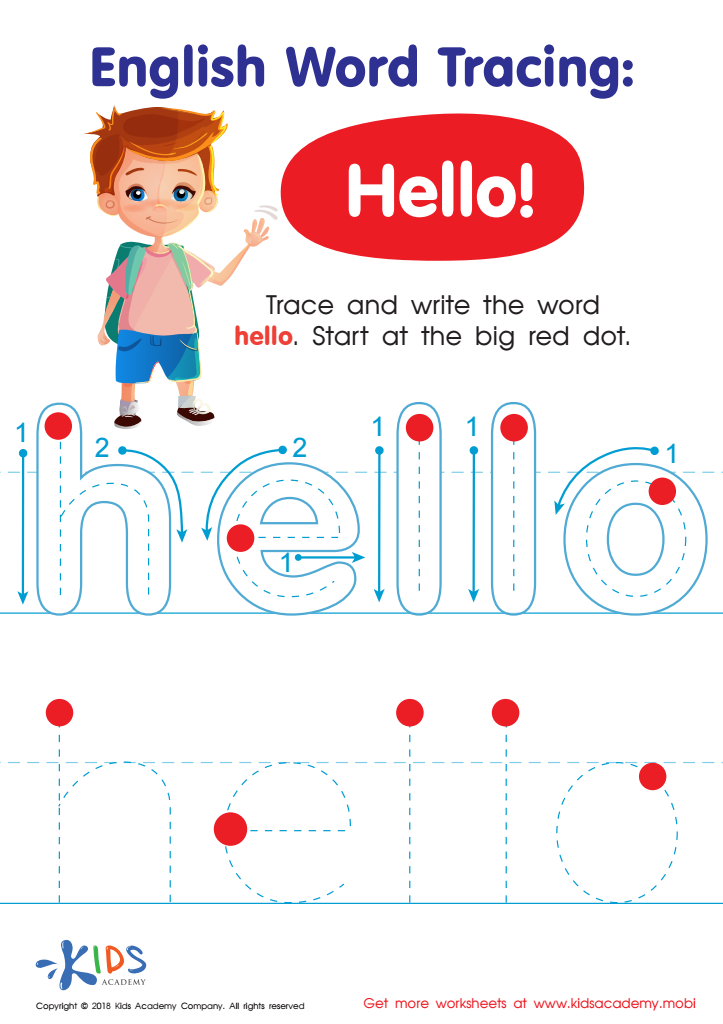
English Word Tracing: Hello Worksheet
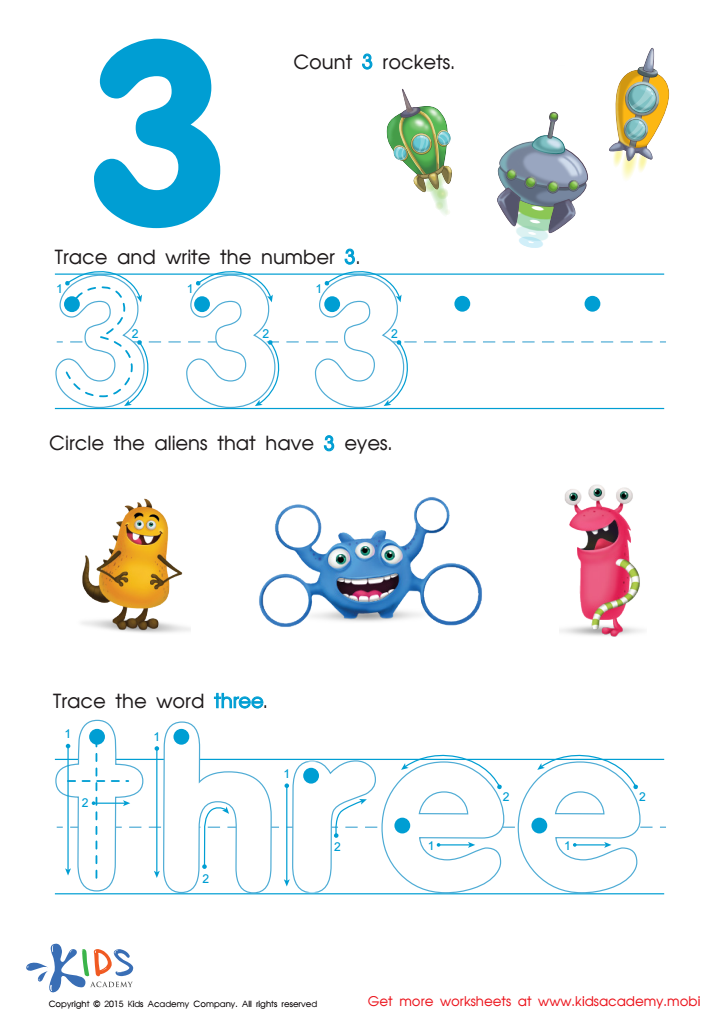
Learning Number Three Worksheet
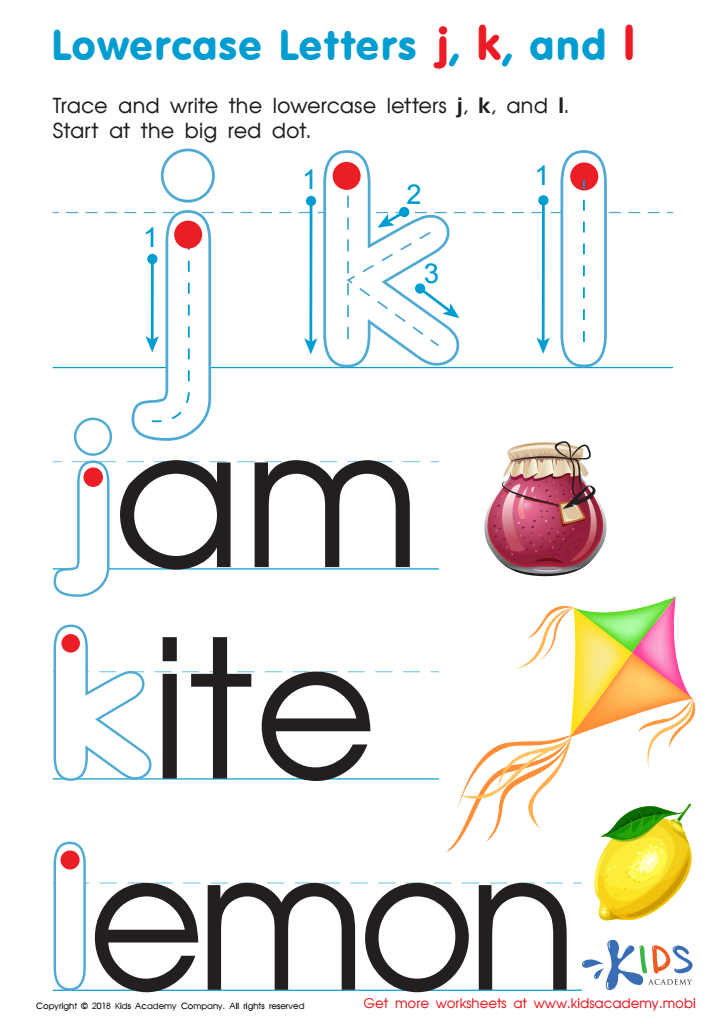
Lowercase Letters j k l Worksheet
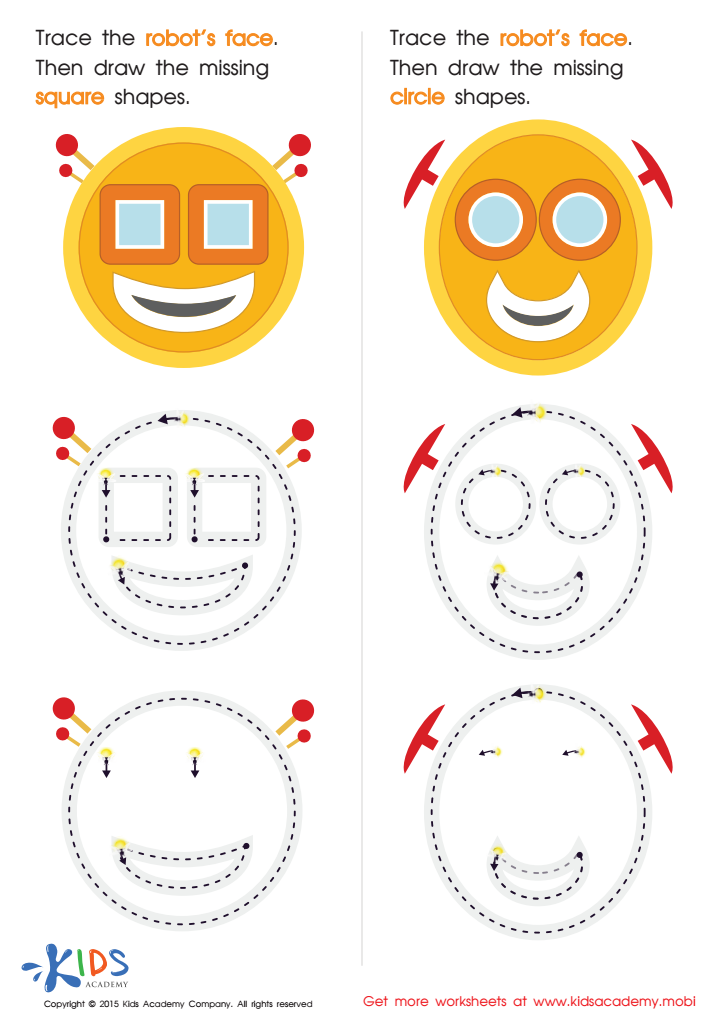
Practicing to Draw Circles And Squares Printable
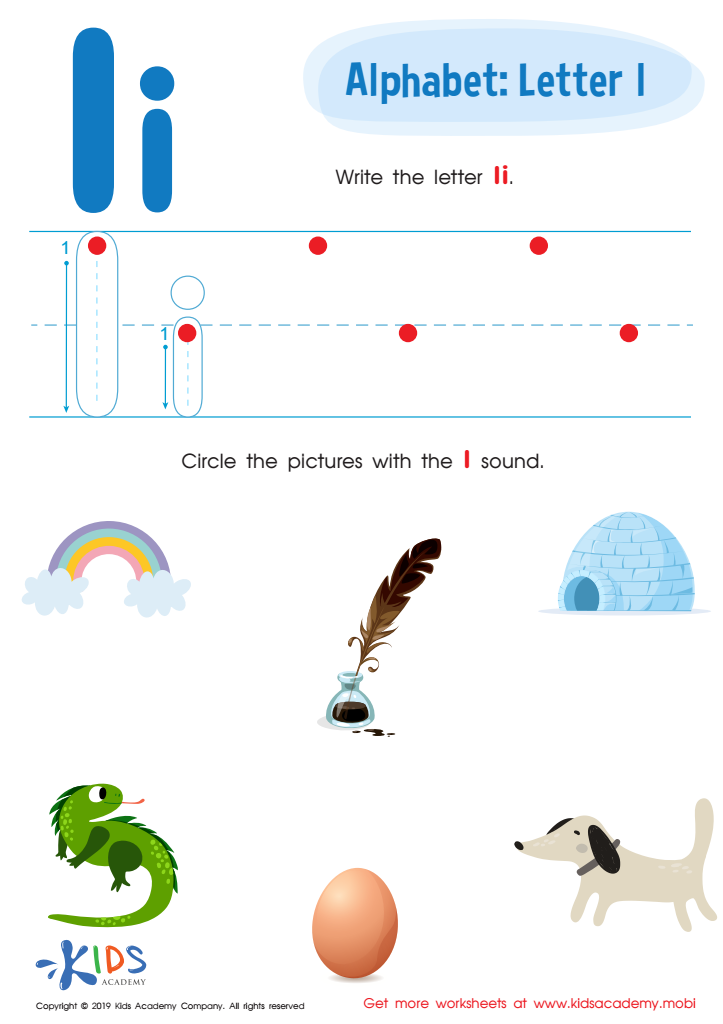
Letter I Tracing Worksheet
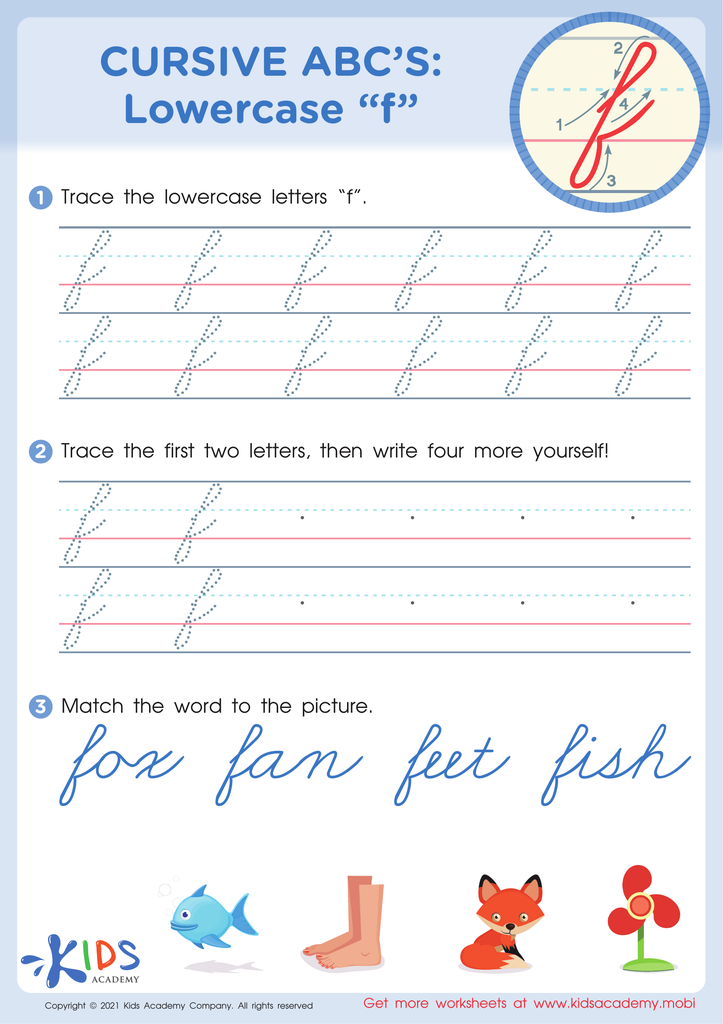
Cursive ABCs: Lowercase f



.jpg)




Parents and teachers should prioritize tracing activities for children ages 5-9 because these tasks are pivotal for developing essential foundational skills. Tracing helps enhance fine motor skills, allowing learners to gain better control over writing instruments, which is vital as they progress into more complex handwriting tasks. This practice not only improves dexterity but also fosters hand-eye coordination, crucial for various everyday activities.
Additionally, tracing activities support cognitive development by reinforcing shape recognition, letter formation, and number writing. As children trace, they engage with visual representations, leading to improved spatial awareness and memory retention. This type of activity also encourages visual-motor integration, blending sight and movement, which is fundamental for future academic tasks.
Moreover, tracing can promote confidence in young learners. As they successfully complete tracing exercises, they experience a sense of accomplishment that motivates them to tackle more advanced challenges. This gradual progression instills a love for learning and a positive attitude toward writing.
Lastly, tracing activities can be enjoyable and provide an avenue for creative expression. Engaging in fun and interactive tracing exercises sparks enthusiasm in youngsters and makes learning a collaborative and enjoyable experience for both parents and teachers.








