
Easy Reading Comprehension worksheets activities for Ages 3-6
3 filtered results
Difficulty Level
Grade
Age
-
From - To
Subject
Activity
Standards
Explore our engaging Easy Reading Comprehension worksheets designed specifically for ages 3-6! Our fun and interactive activities enhance early literacy skills while capturing young learners' attention. Each worksheet features colorful illustrations and age-appropriate content that encourages children to explore stories and answer questions, fostering understanding and retention. Perfect for home or classroom use, these resources promote critical thinking and vocabulary development in a playful way. Ace reading comprehension through enjoyable exercises that ignite a love for reading in your little ones. Discover the joy of learning with Kids Academy’s tailored worksheets, making reading comprehension accessible and fun for early learners!
Favorites
With answer key
Interactive
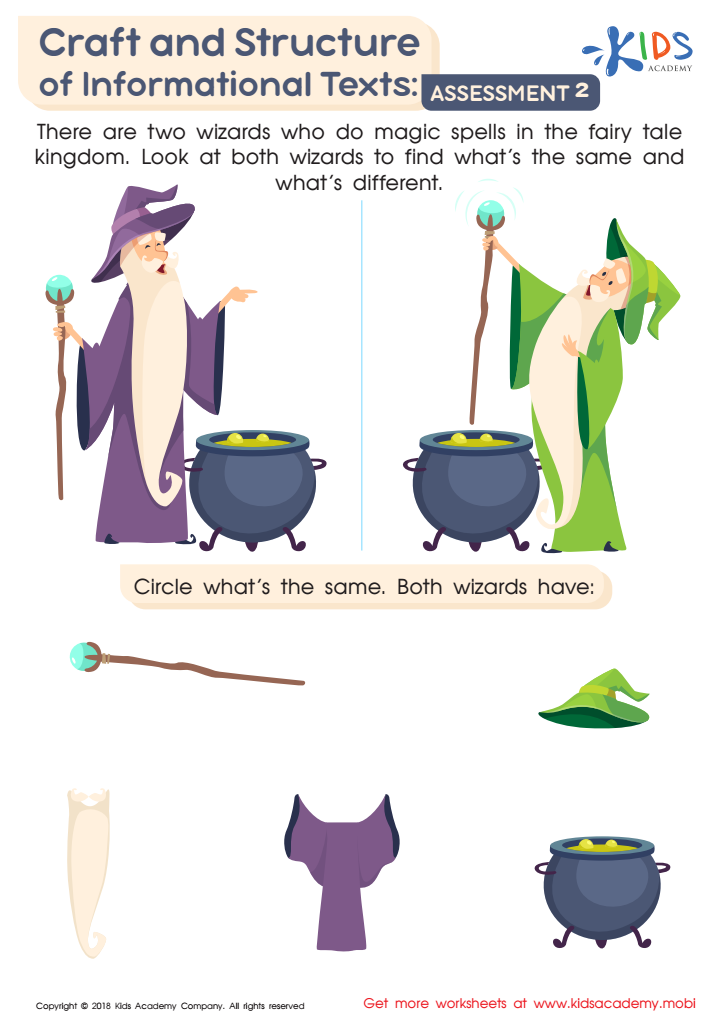
Craft and Structure of Informational Texts: Assessment 2 Worksheet
This assessment has kids looking at two similar fairy tale wizards, focusing on their visuals to find the similarities and differences. Then, they'll circle the things they both have. It's a great way to help children hone their detail-oriented comprehension skills, which is essential when using informational texts.
 Assign to My Students
Craft and Structure of Informational Texts: Assessment 2 Worksheet
Worksheet
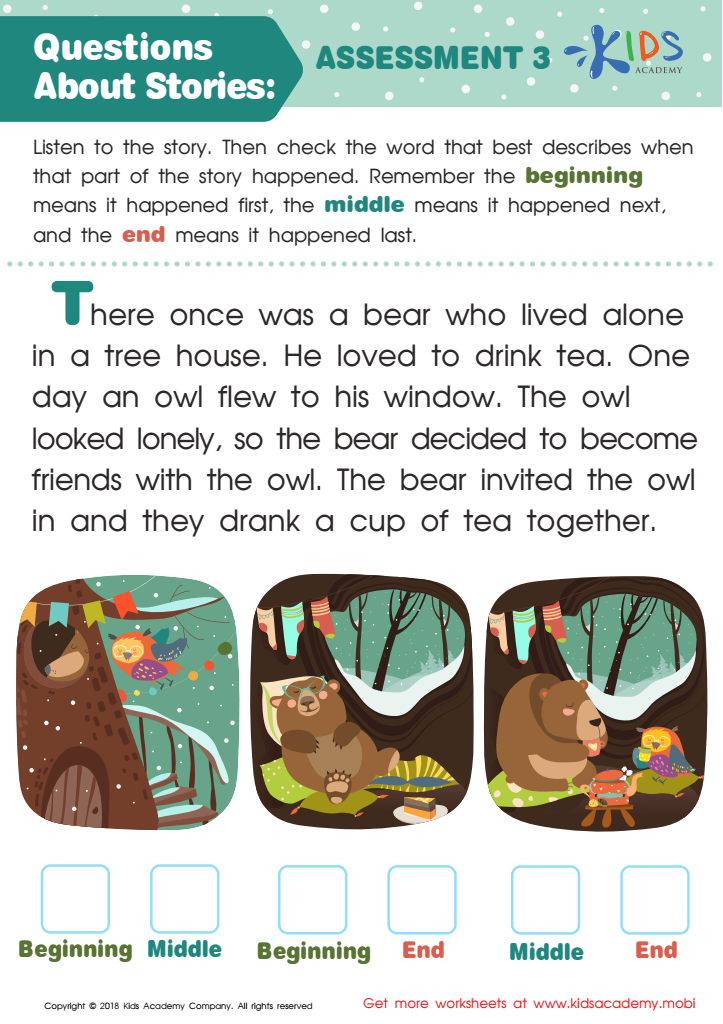
Questions About Stories: Assessment 3 Worksheet
Help kids understand stories by having them listen to a story and check boxes for the beginning, middle, and end. This worksheet makes it fun for even the youngest learners to recall story elements and sequence of events. Let them listen to the story from start to finish, then look at the pictures to check which part of the story they depict.
Questions About Stories: Assessment 3 Worksheet
Worksheet
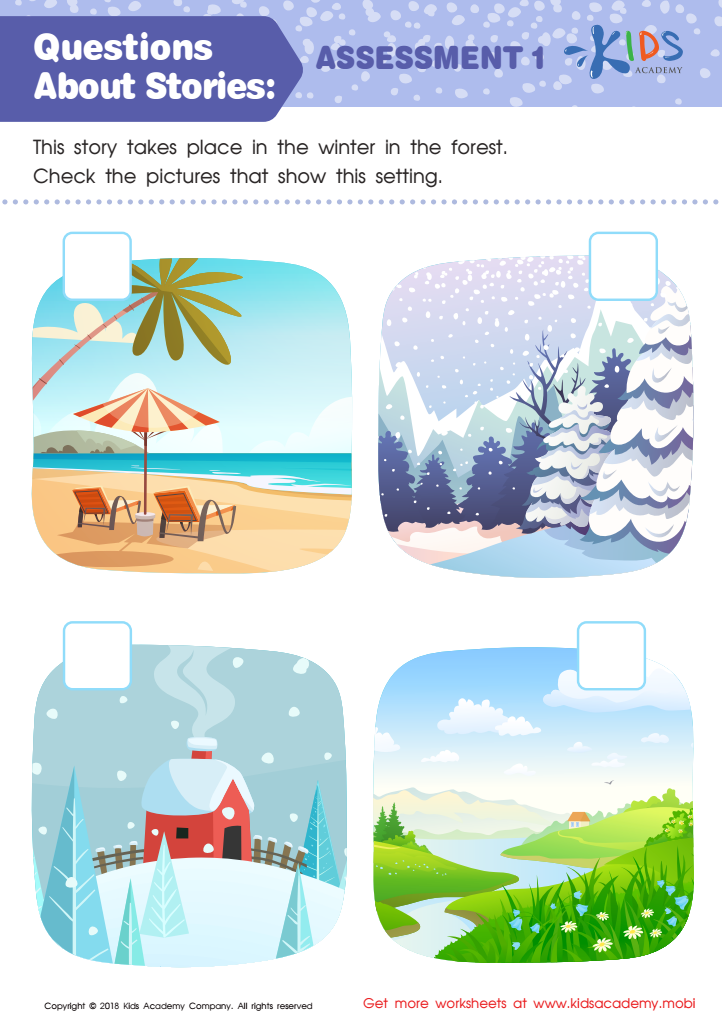
Questions About Stories: Assessment 1 Worksheet
Winter brings snow, cold, short days, and darkness. Schools can even close due to heavy snow. Ask your child what their favourite winter activities are and what color they associate with 'winter'. This worksheet takes place in a winter forest. Look at the 4 pictures with your child, and help them identify which one shows the correct setting.
Questions About Stories: Assessment 1 Worksheet
Worksheet
Join Kids Academy for Free
Who is primarily going to use this learning content?



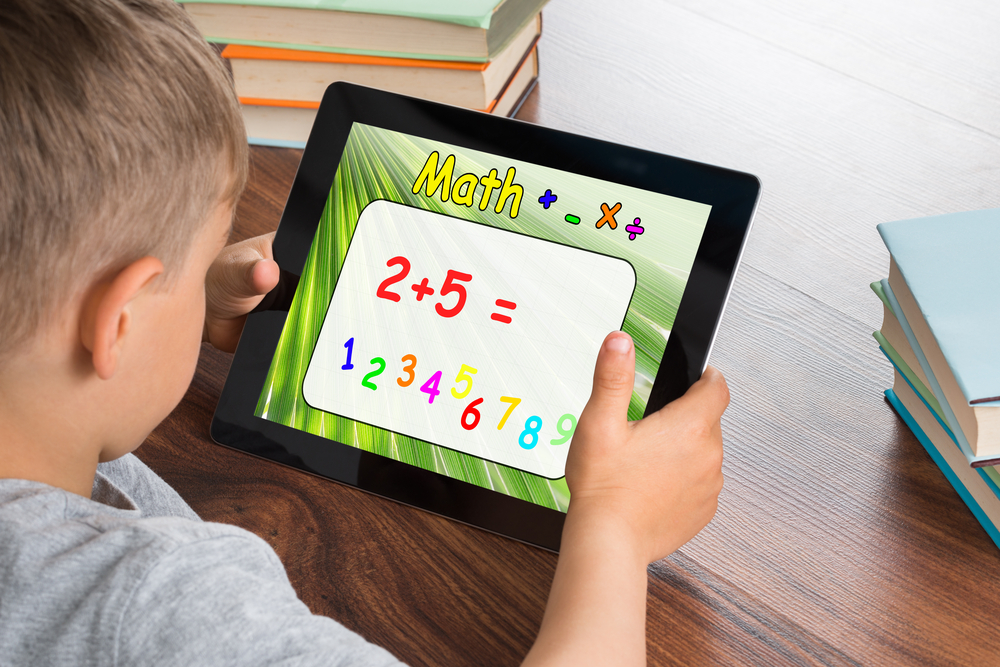



Parents and teachers should prioritize easy reading comprehension activities for children aged 3-6 because these foundational skills are crucial for language development and academic success. During these early years, children are exposed to language at an accelerated pace, and engaging them with simple comprehension activities helps enhance their vocabulary and understanding of sentence structure.
Additionally, these activities encourage a love of reading, fostering curiosity and critical thinking skills. Simple stories, interactive read-alouds, and engaging questions stimulate discussions and allow children to express their thoughts and feelings, thereby enhancing verbal communication abilities.
Moreover, early reading comprehension positively impacts cognitive development, allowing children to make connections between their experiences and the texts they encounter. By incorporating storytelling, picture books, and fun games that revolve around understanding narratives, parents and teachers can create a rich, enjoyable reading environment that supports emotional and social growth.
In sum, focusing on easy reading comprehension from ages 3-6 lays the groundwork for fluent reading and lifelong learning, ensuring that children are well-equipped to navigate more complex texts as they progress through their education. Investing in these early skills is crucial for their future academic journey.








