Normal Tracing worksheets activities for Ages 3-8 - Page 5
98 filtered results
-
From - To
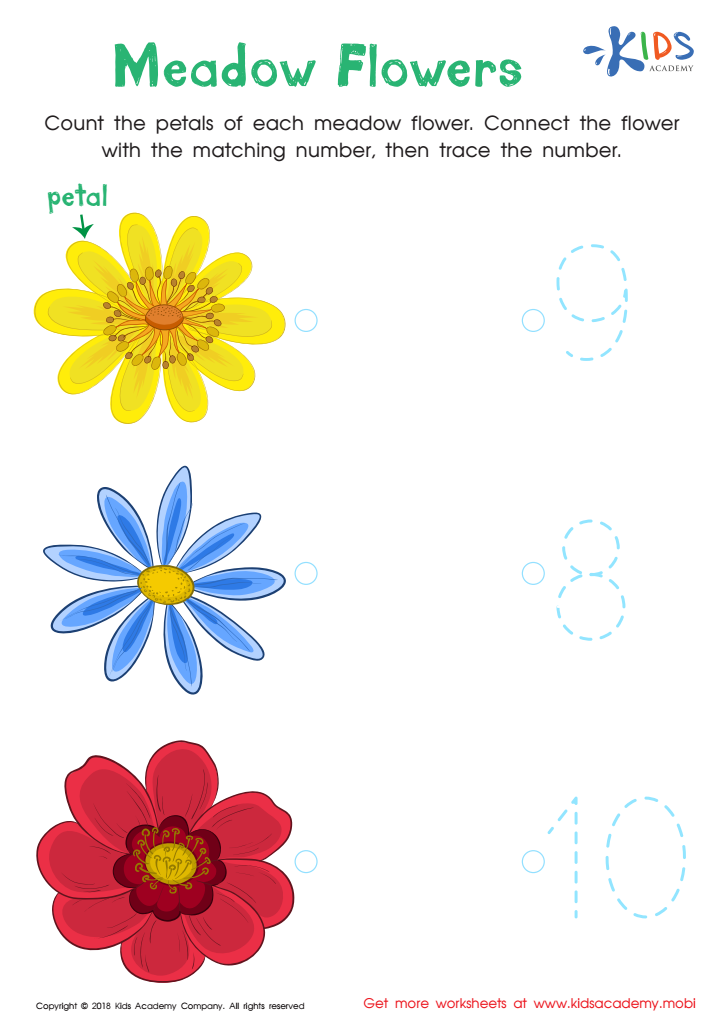
Kindergarten Number Tracing: Medow Flowers Worksheet
 Assign to My Students
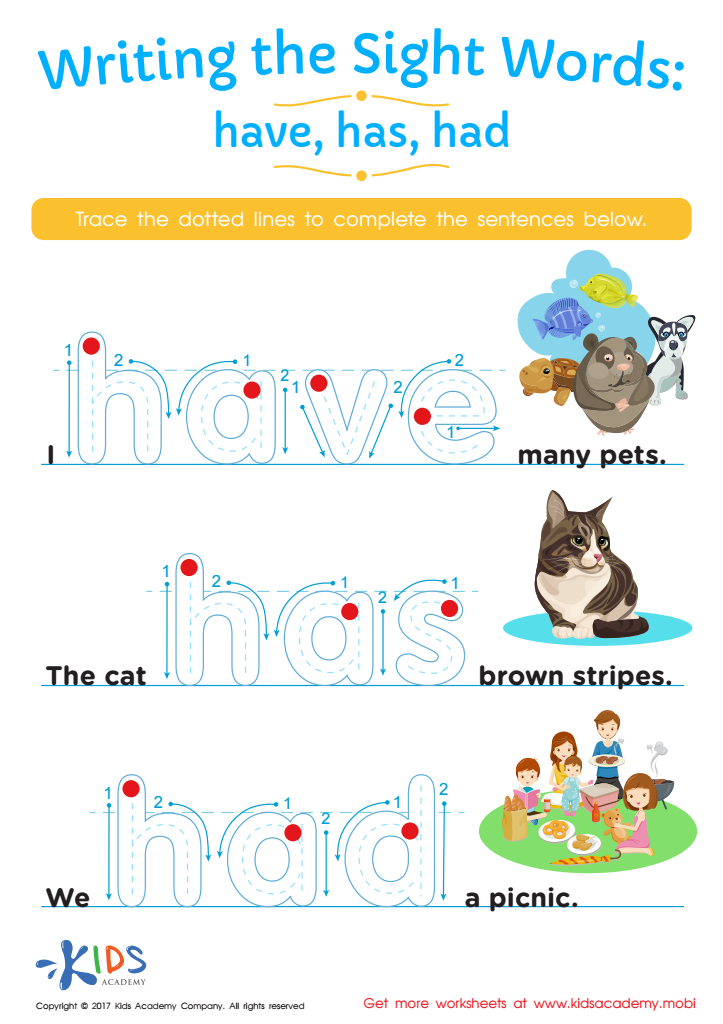
Have, Has, Had Worksheet Sight Words Worksheet








Normal tracing activities are crucial for children aged 3 to 8 as they play a significant role in developing essential skills. These activities provide a fun and engaging way for children to improve their fine motor skills, hand-eye coordination, and spatial awareness, all of which are foundational for writing and drawing later on.
Parents and teachers should care about these activities because they enhance cognitive development by promoting focus and concentration. Tracing also helps children become familiar with shapes, numbers, and letters, laying a strong groundwork for literacy and numeracy skills. Additionally, these activities support creativity and self-expression as kids explore various patterns and designs.
Moreover, tracing can be a calming activity that helps reduce anxiety and improve emotional regulation. As children trace, they experience a sense of accomplishment which boosts their self-esteem and confidence. For educators, integrating tracing into daily learning routines can create more holistic approaches to early childhood education, optimizing the developmental milestones crucial for young learners.
Incorporating normal tracing activities in both home and school settings fosters an environment conducive to learning, ensuring children are prepared and confident as they progress in their educational journey.








