Normal Tracing Letters worksheets activities for Ages 3-8 - Page 2
32 filtered results
-
From - To
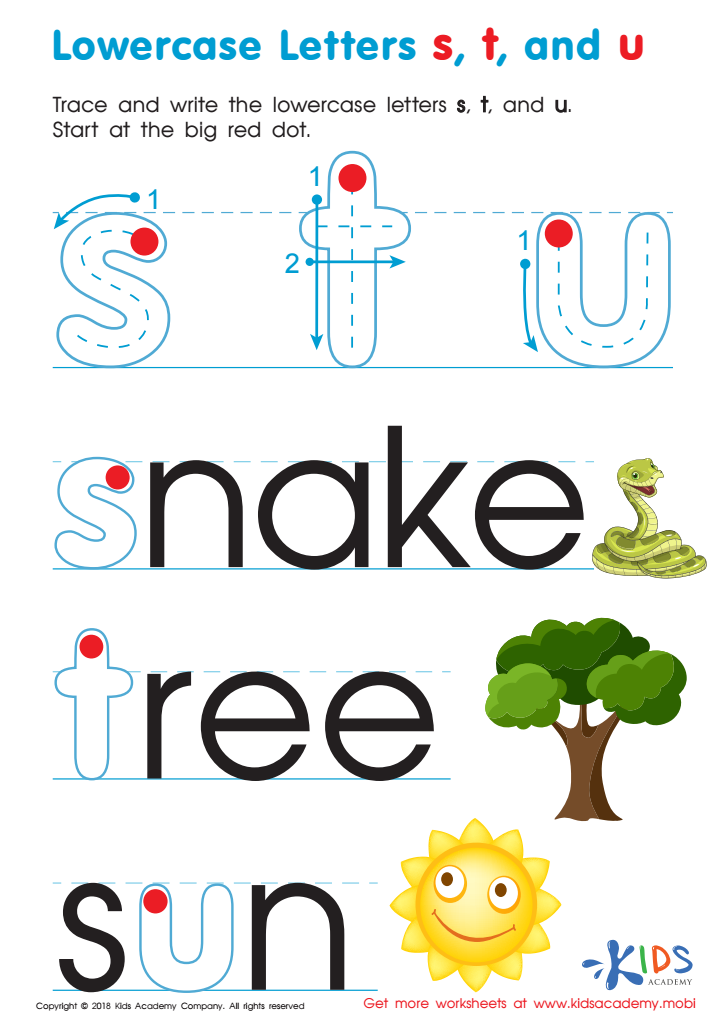
Lowercase Letters s t u Worksheet
 Assign to My Students
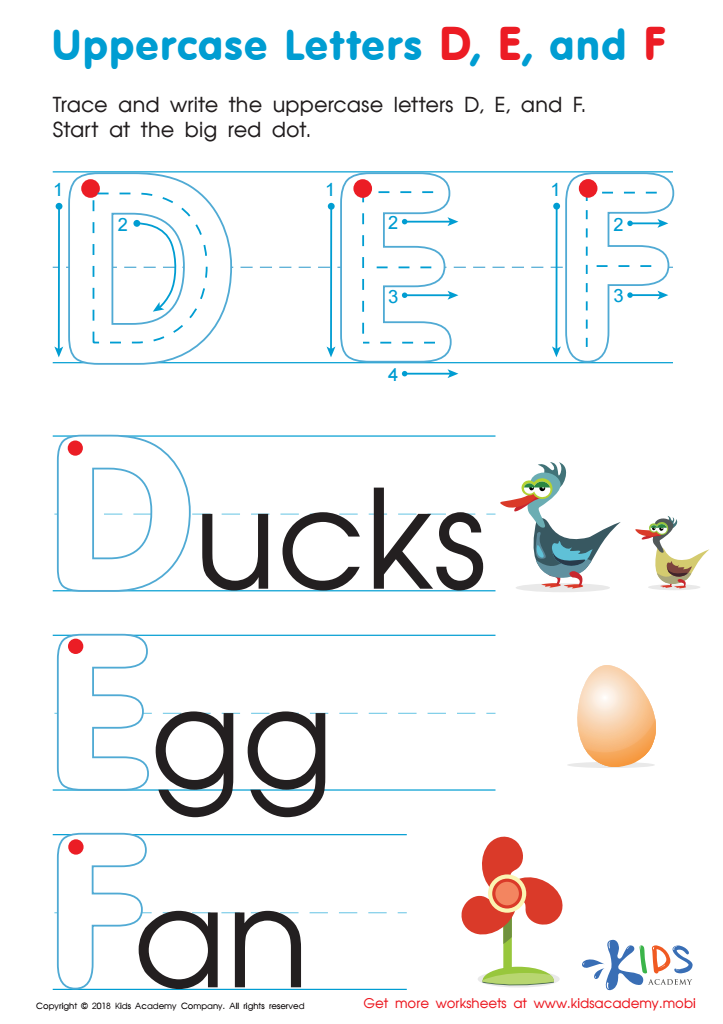
Uppercase Letters D, E, and F Worksheet
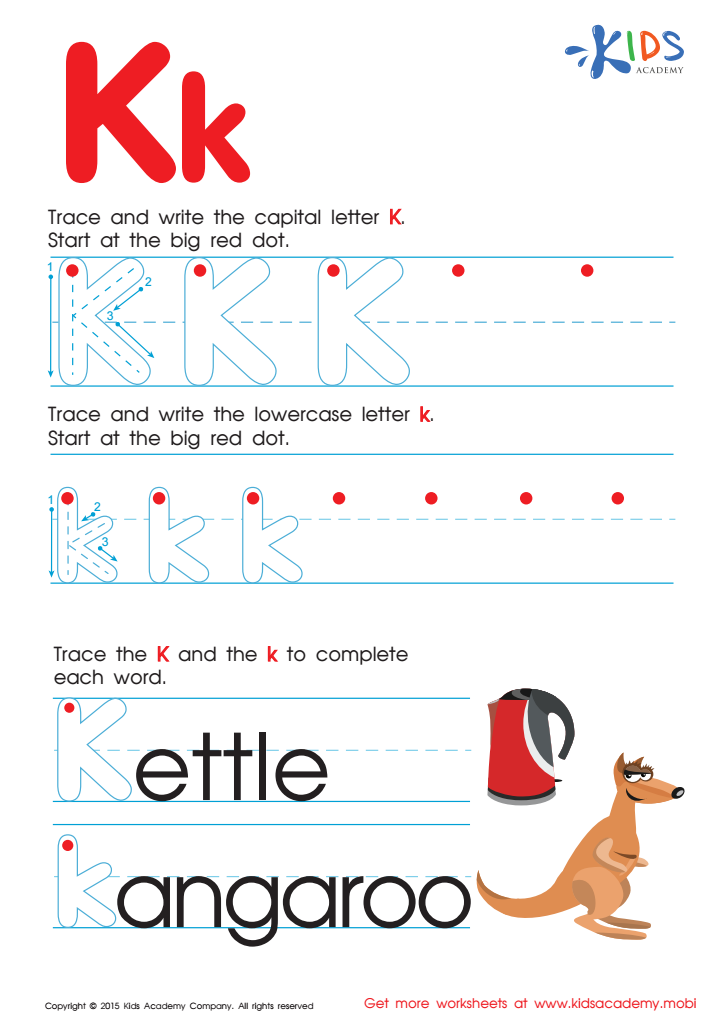
Letter K Tracing Page
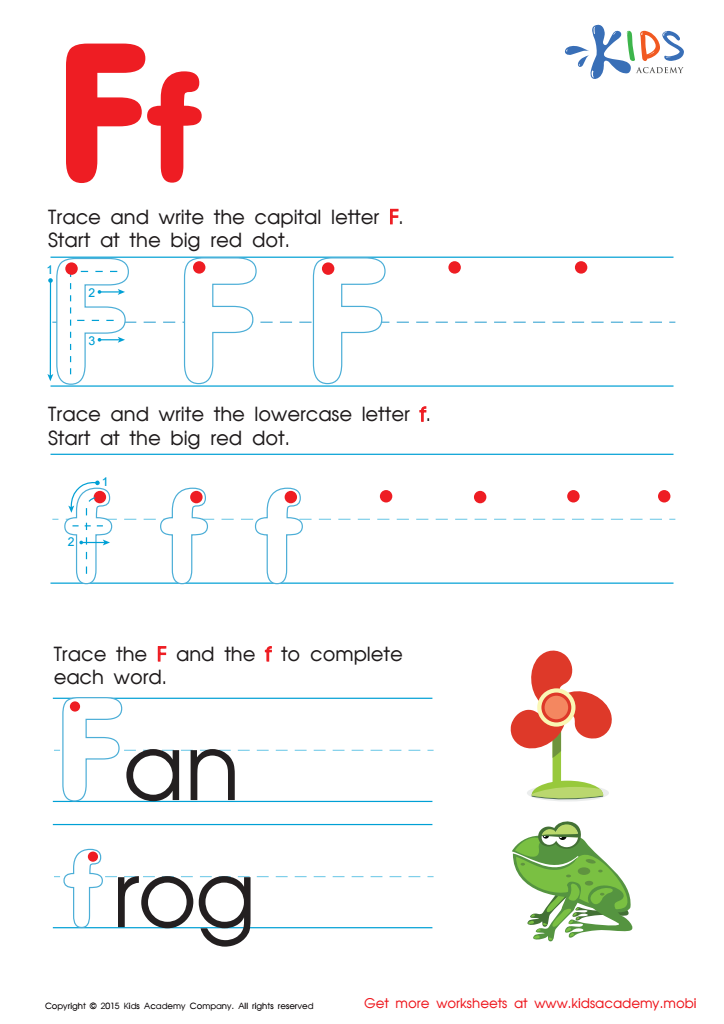
Letter F Tracing Page
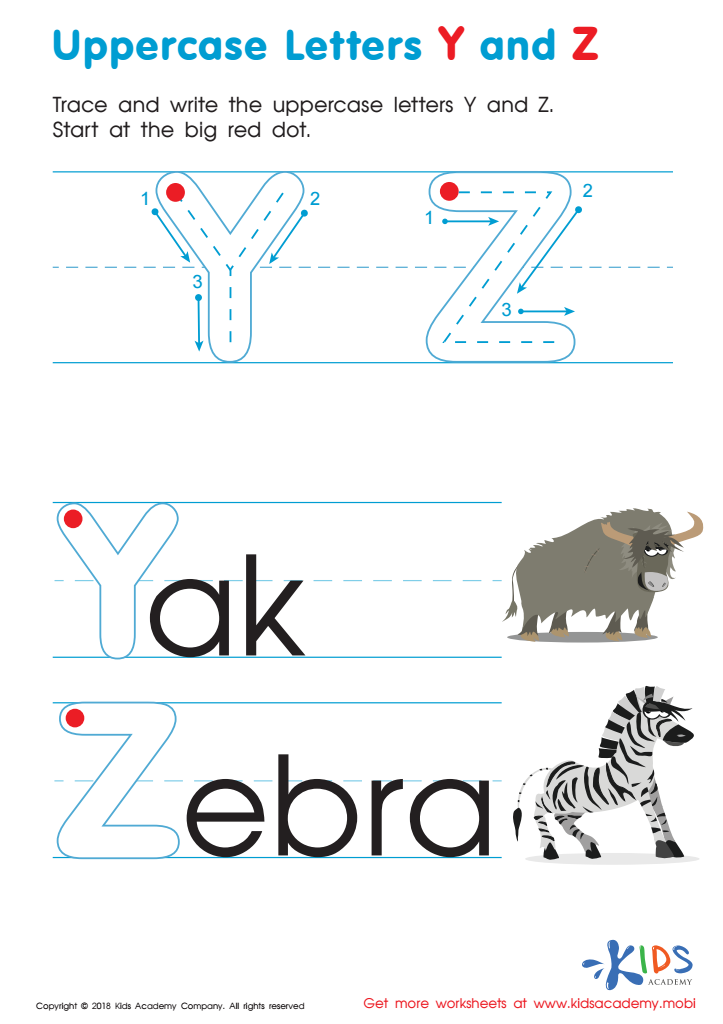
Uppercase Letters Y Z Worksheet
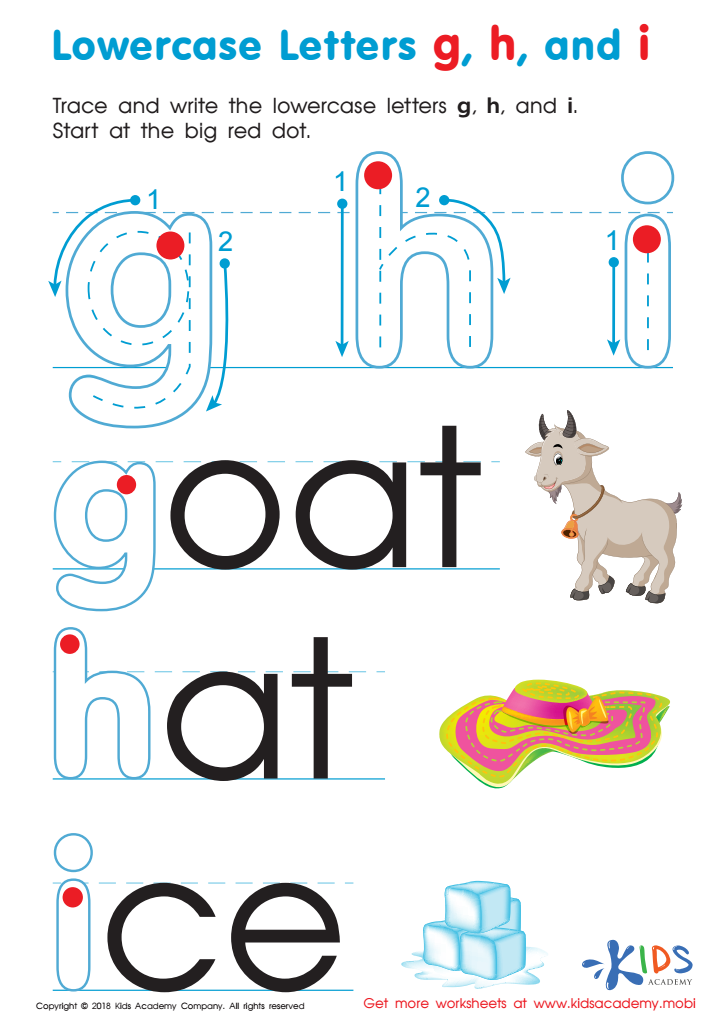
Lowercase Letters g h i Worksheet
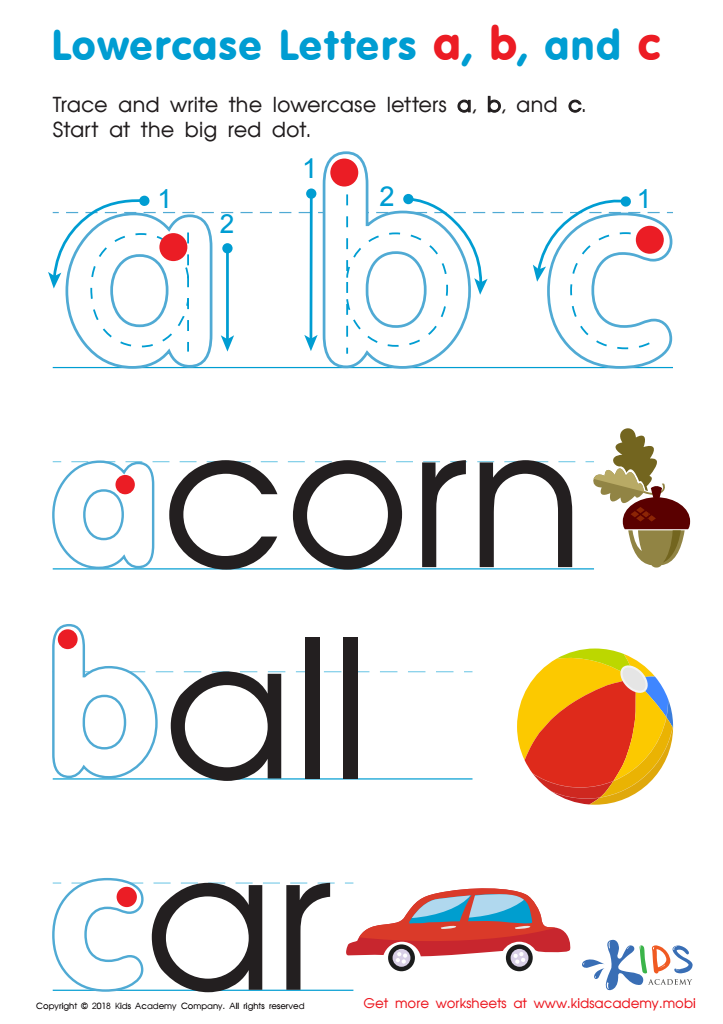
Lowercase Letters a b c Worksheet
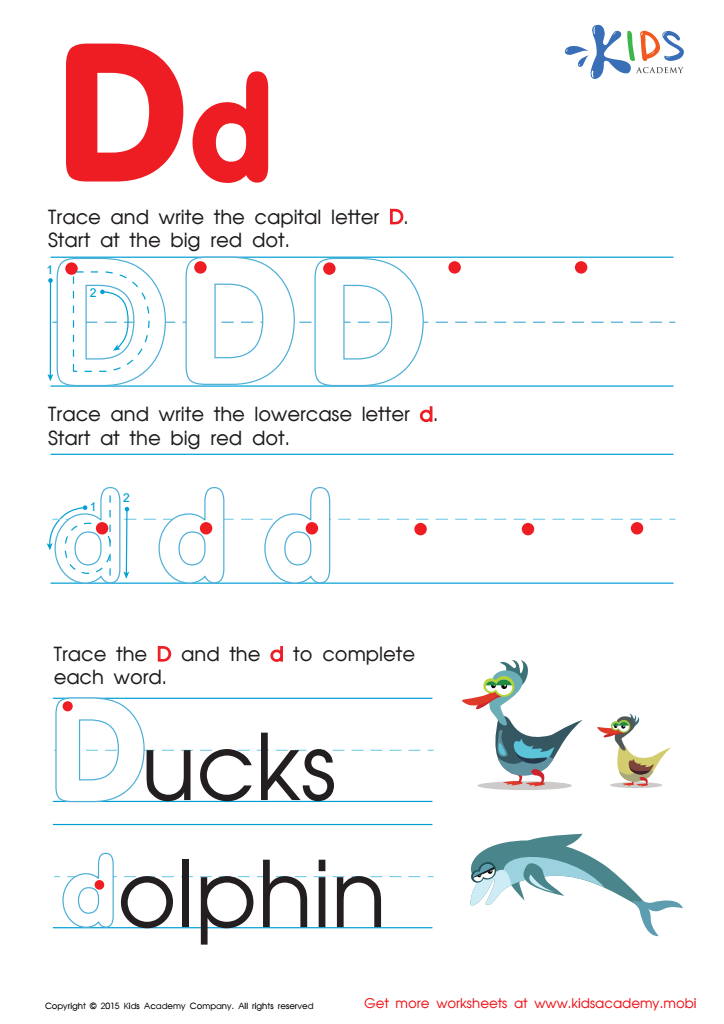
Letter D Tracing Page






Normal Tracing Letters activities are essential for children aged 3-8 as they play a crucial role in developing foundational literacy skills. For parents and teachers, engaging children in these activities supports fine motor skill development, hand-eye coordination, and cognitive growth. Tracing letters helps young learners develop the muscle memory needed to write effectively, fostering confidence as they learn to form letters accurately.
Furthermore, these activities enhance letter recognition, which is vital in early reading proficiency. By mastering individual letter forms through tracing, children strengthen their understanding of phonics, laying the groundwork for decoding words in the future. Tracing can also be a fun and interactive way to promote language development: as children trace, they can practice saying the letter names and sounds, enhancing both verbal skills and reinforcement of early literacy concepts.
Additionally, these activities encourage focus and concentration, important traits for educational success. Parents who participate in tracing exercises can enjoy quality bonding time, while teachers can incorporate them into lesson plans for a hands-on, engaging learning experience. Overall, Normal Tracing Letters activities are a multifaceted tool that nurtures essential skills in young children, setting them on a path toward successful literacy development.








