Letter recognition Letter Sounds Worksheets for Ages 3-4
16 filtered results
-
From - To
Explore our engaging Letter Recognition and Letter Sounds Worksheets designed specifically for children aged 3-4! These interactive resources will help your little ones develop essential early literacy skills through fun activities tailored to their learning level. With colorful visuals and playful exercises, your child will enhance their recognition of letters and associate sounds effectively. Our worksheets not only promote letter familiarity but also stimulate cognitive development, making learning enjoyable and effective. Perfect for home or classroom settings, these resources lay a solid foundation for lifelong reading success. Start your child's literacy journey today with our letter recognition worksheets!
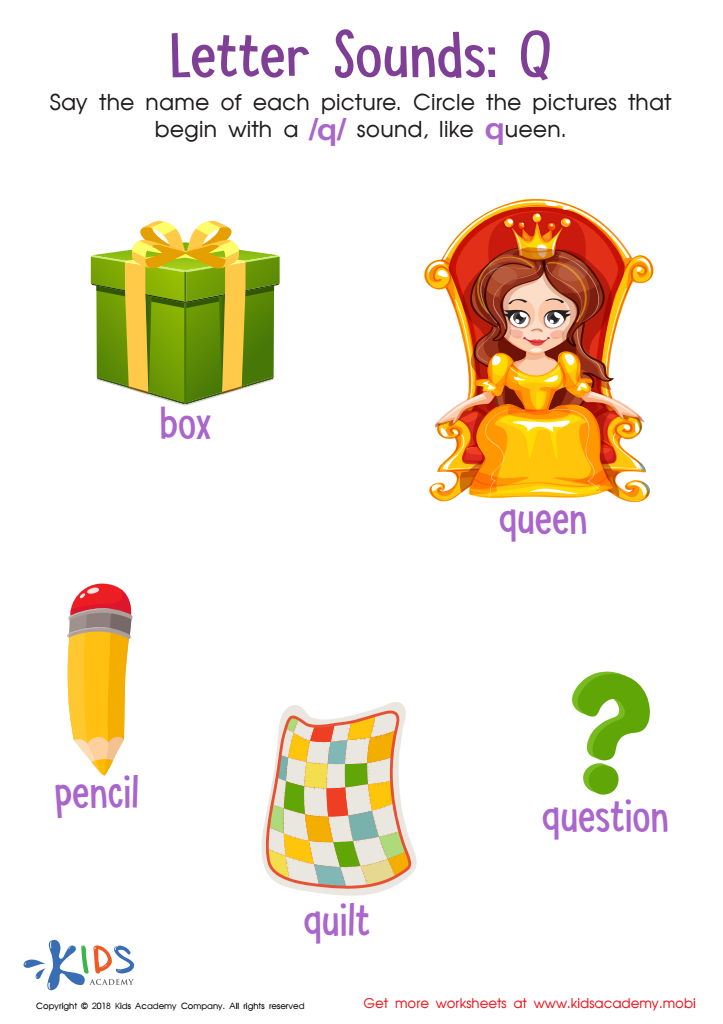
Letter Q Sounds Worksheet
 Assign to My Students
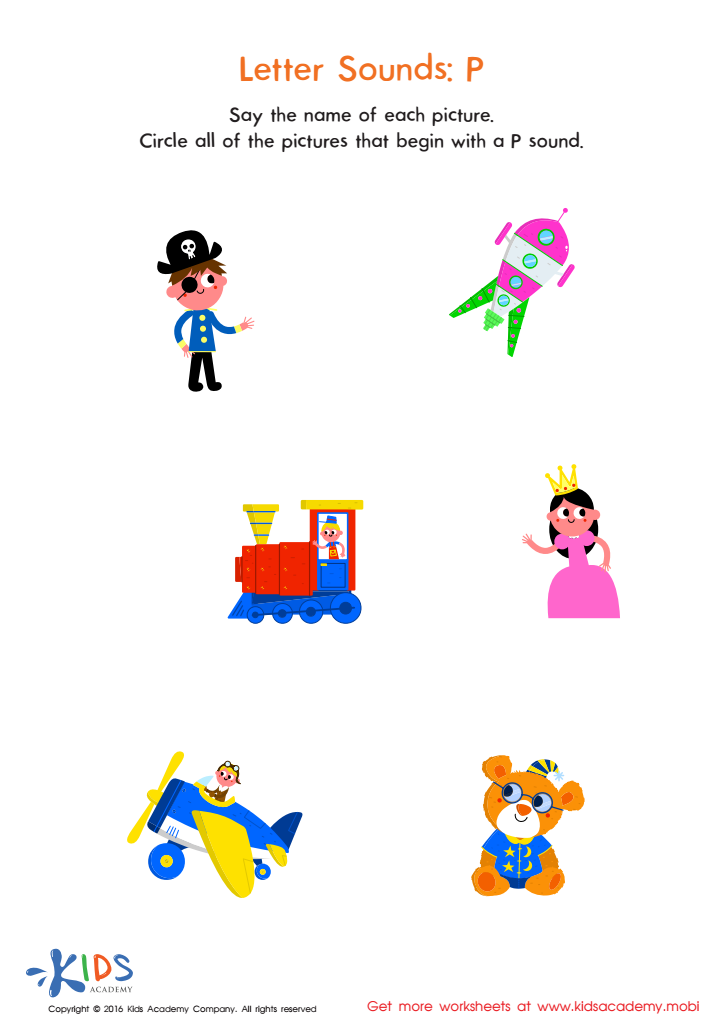
Letter P Sound Worksheet
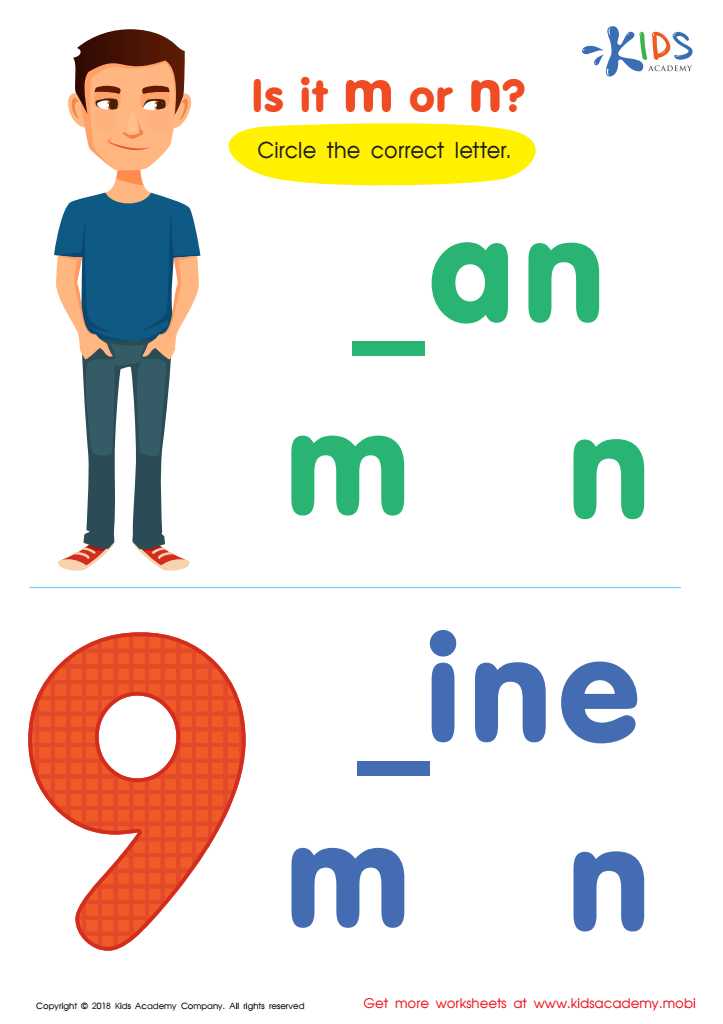
Is It m or n? Worksheet
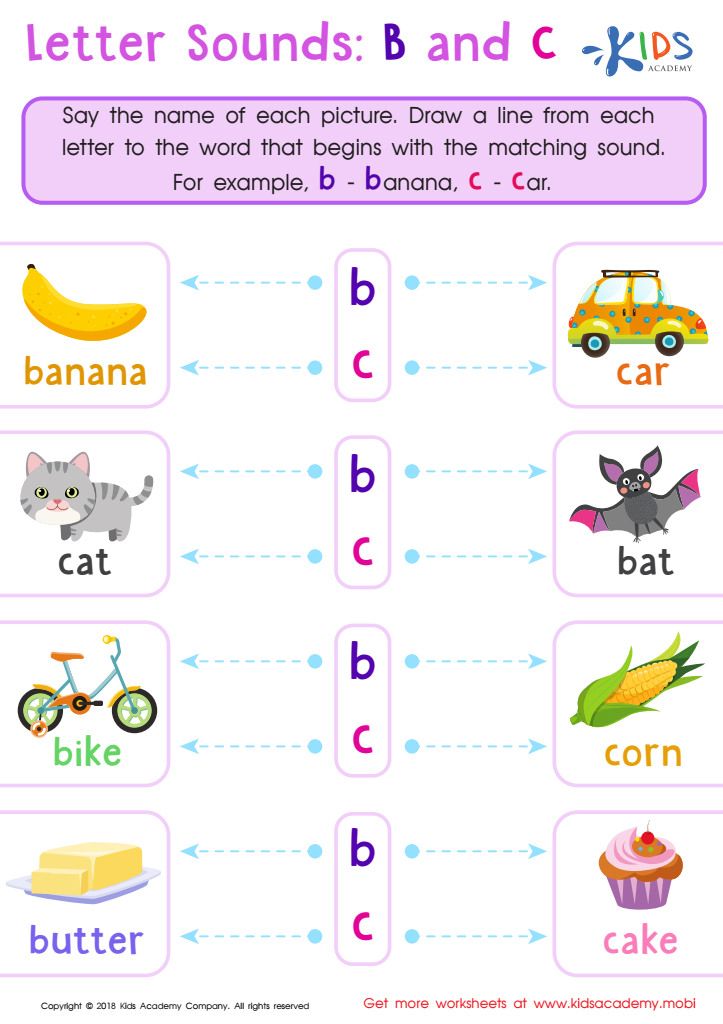
Letter B and C Sounds Worksheet
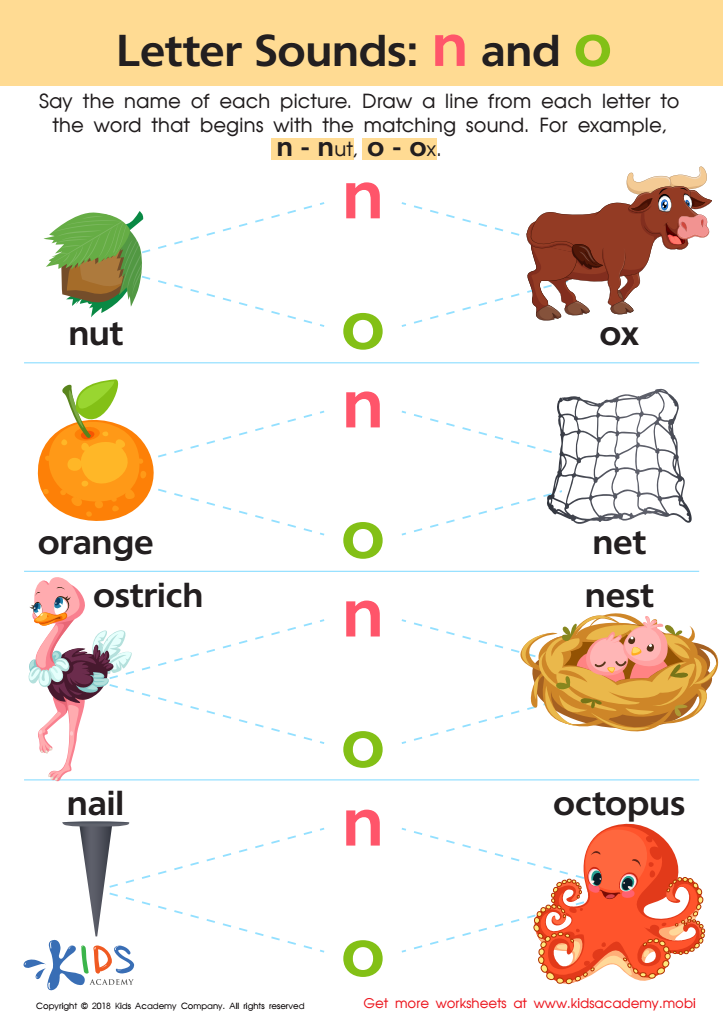
Letter N and O Sounds Worksheet
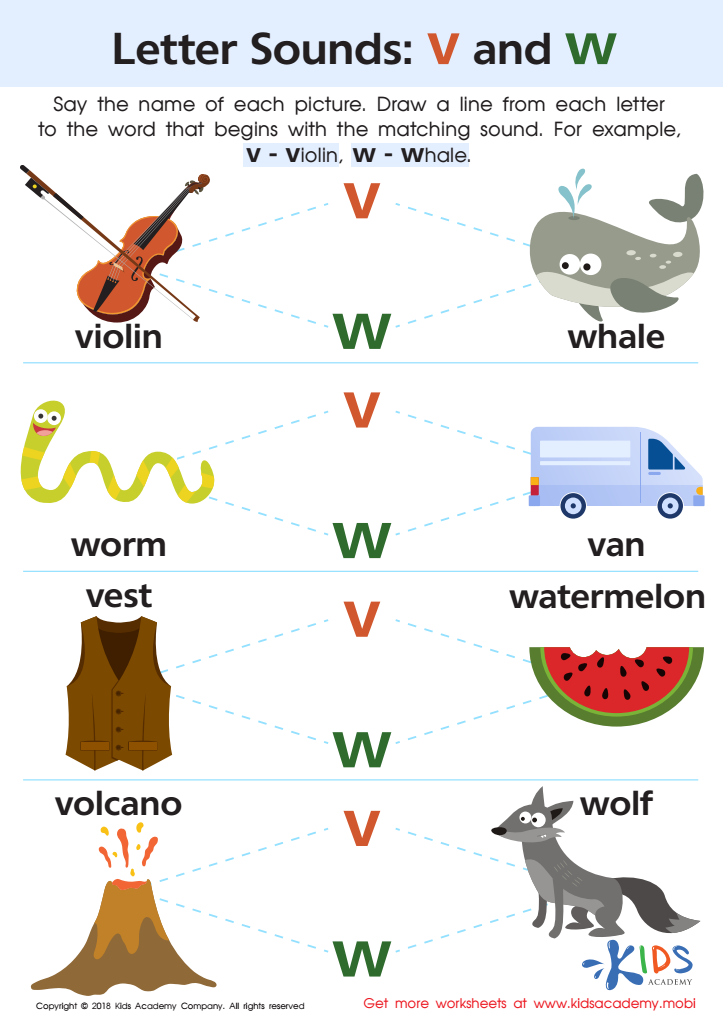
Letter V and W Sounds Worksheet
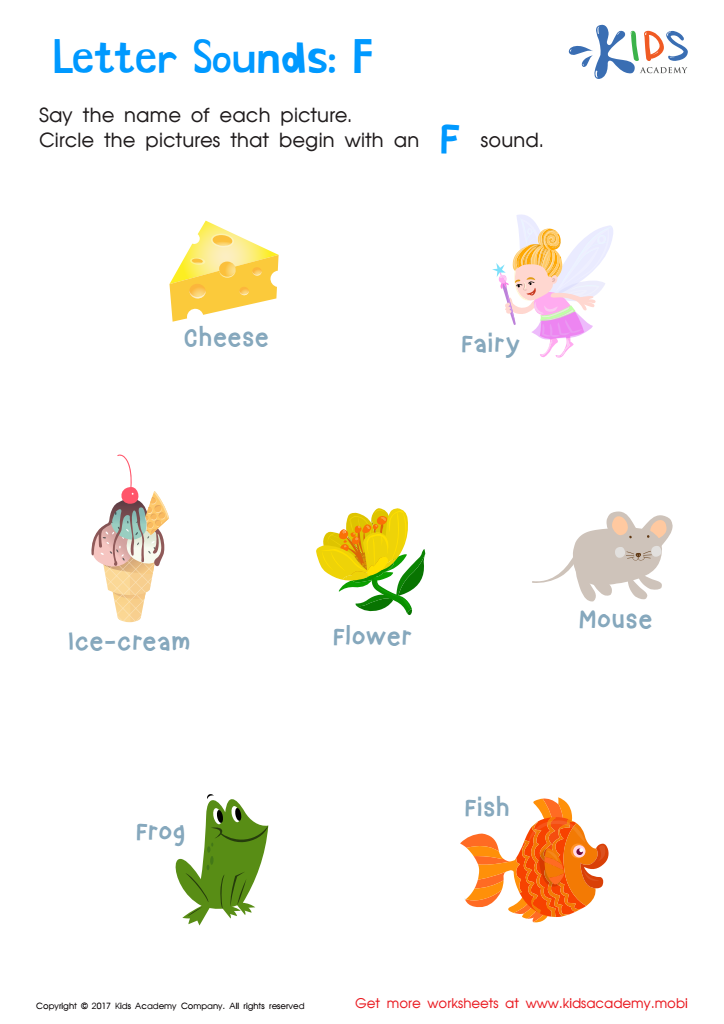
Letter F Sounds Worksheet
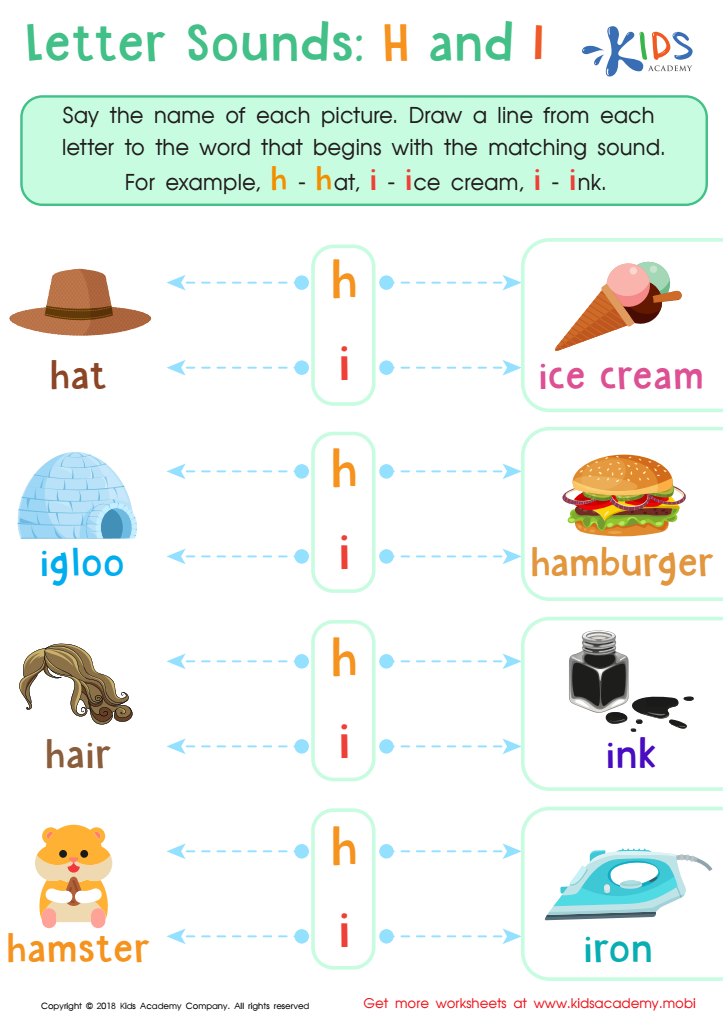
Letter H and I Sounds Worksheet
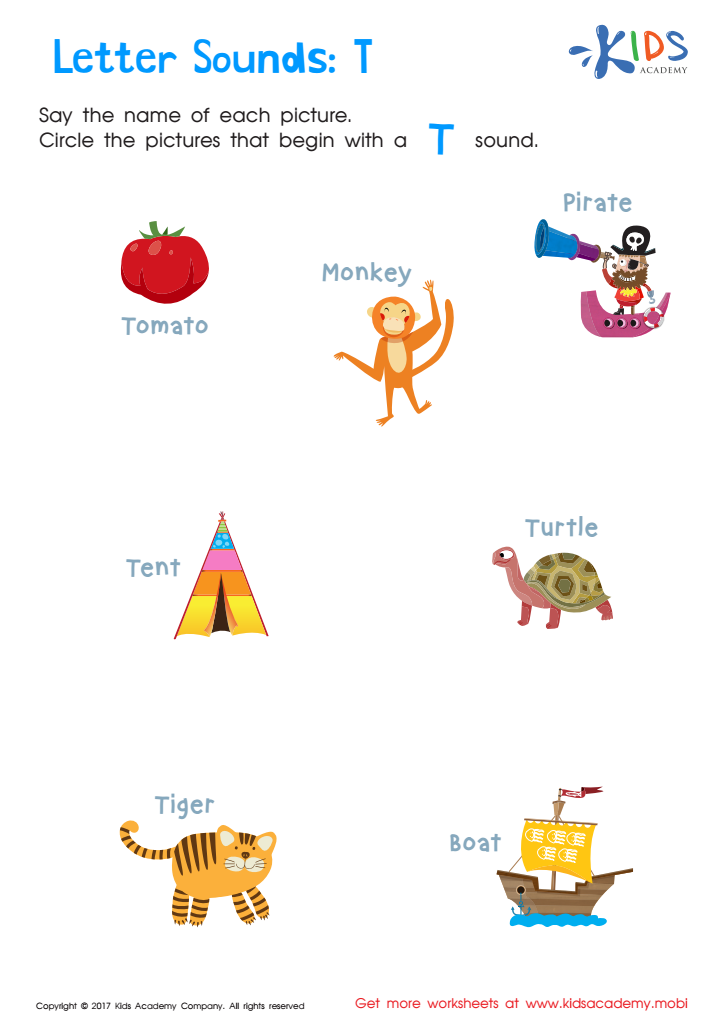
Letter T Sounds Worksheet
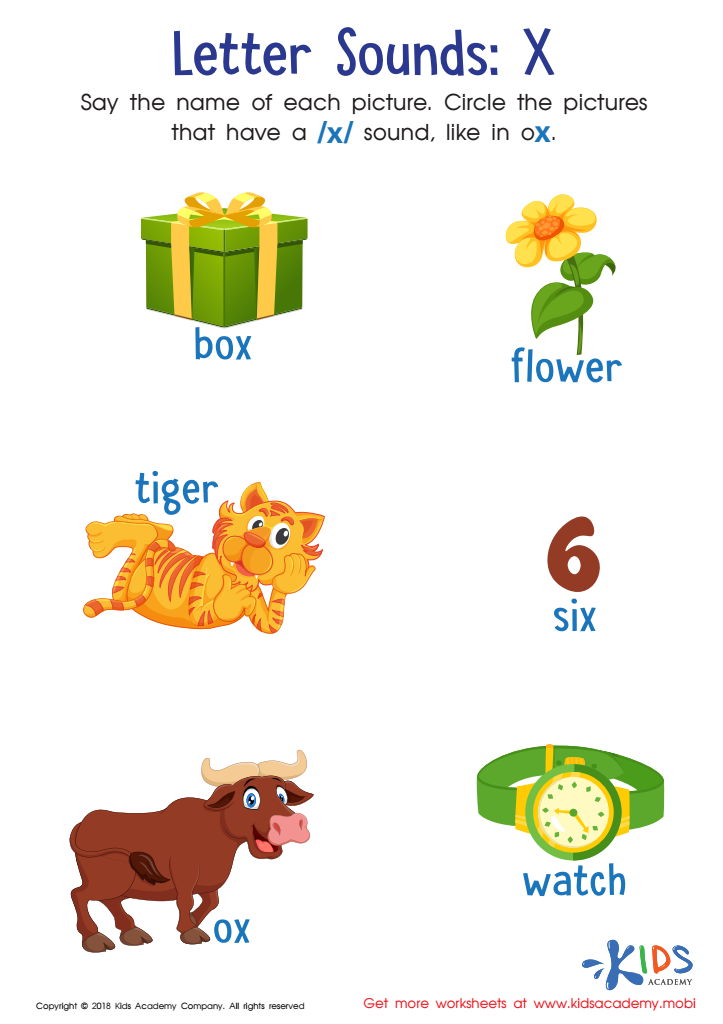
Letter X Sounds Worksheet
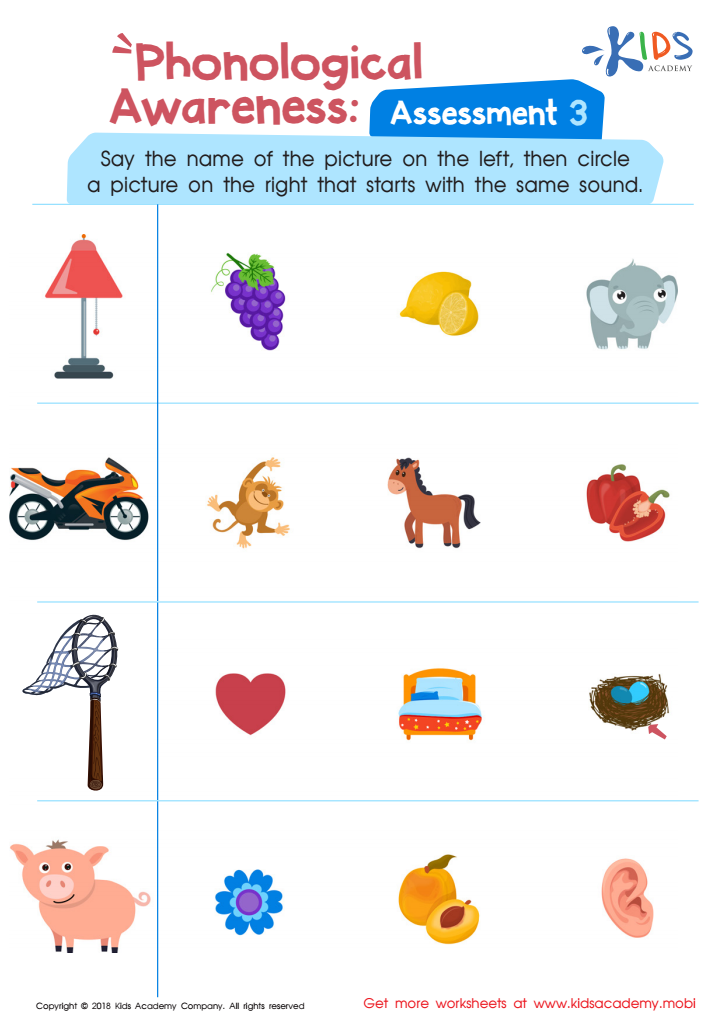
Phonological Awareness: Assessment 3 Worksheet
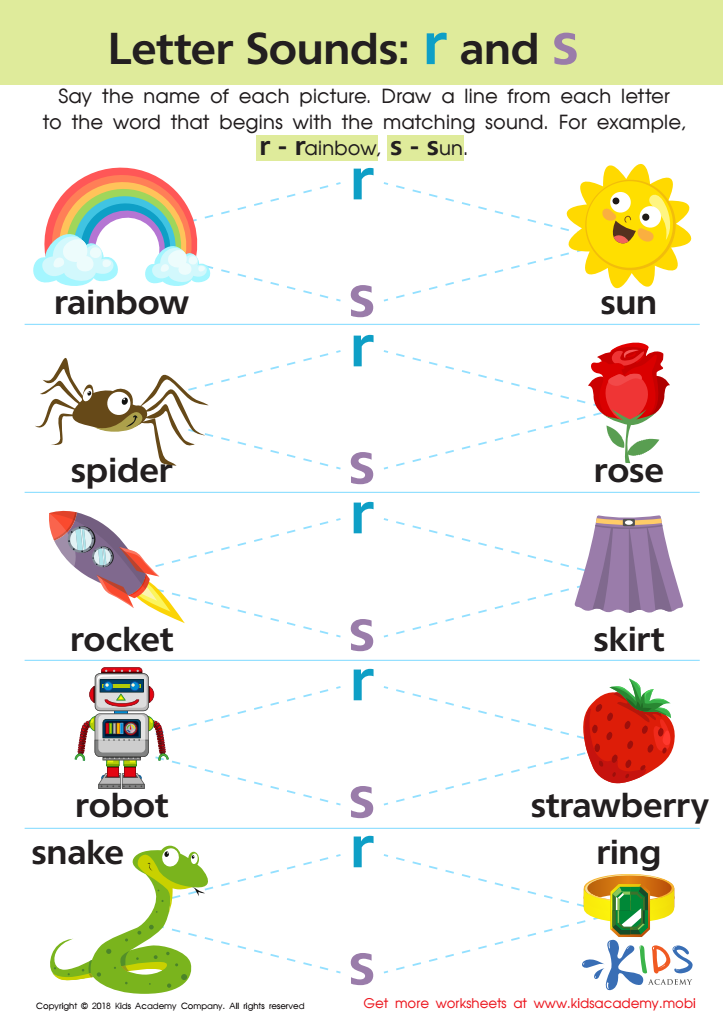
Letter R and S Sounds Worksheet
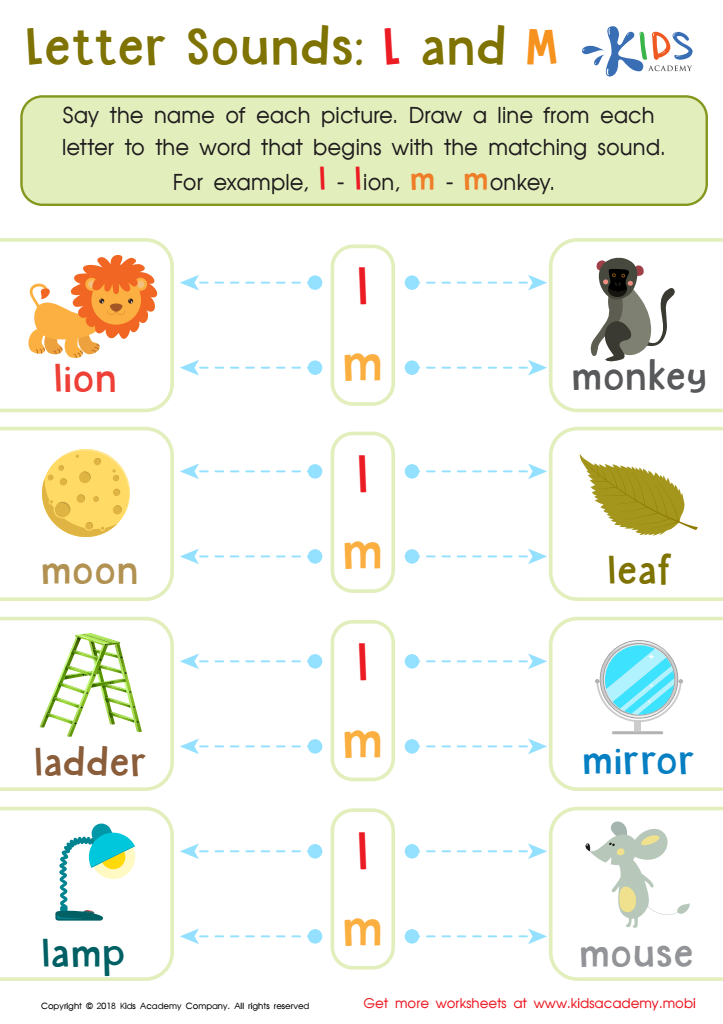
Letter l and M Sounds Worksheet
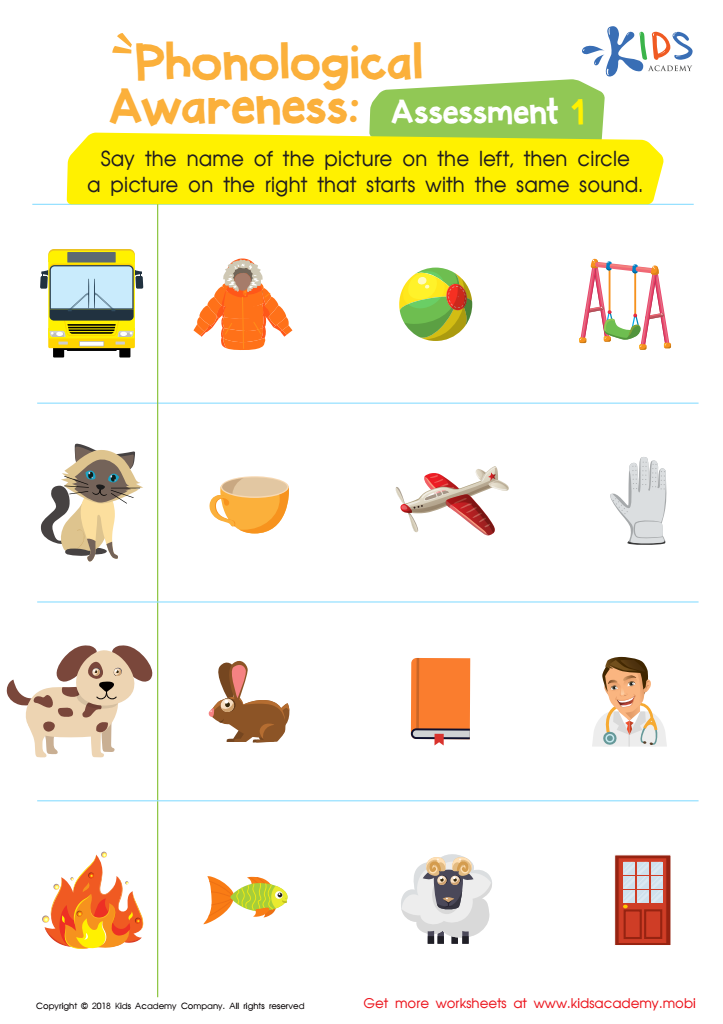
Phonological Awareness: Assessment 1 Worksheet
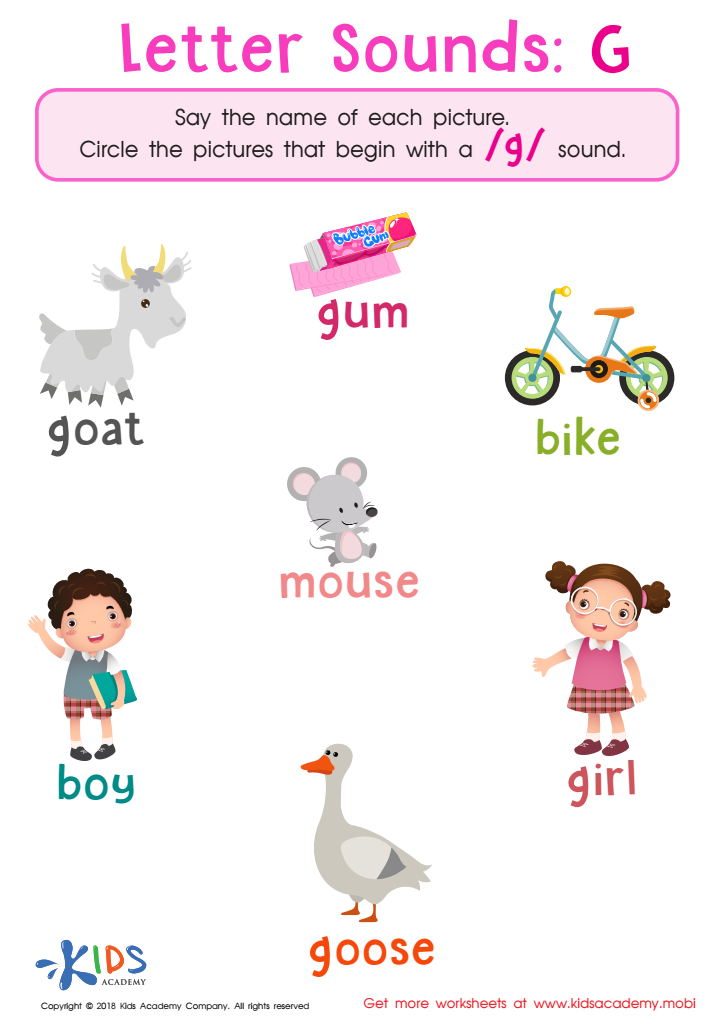
Letter G Sounds Worksheet
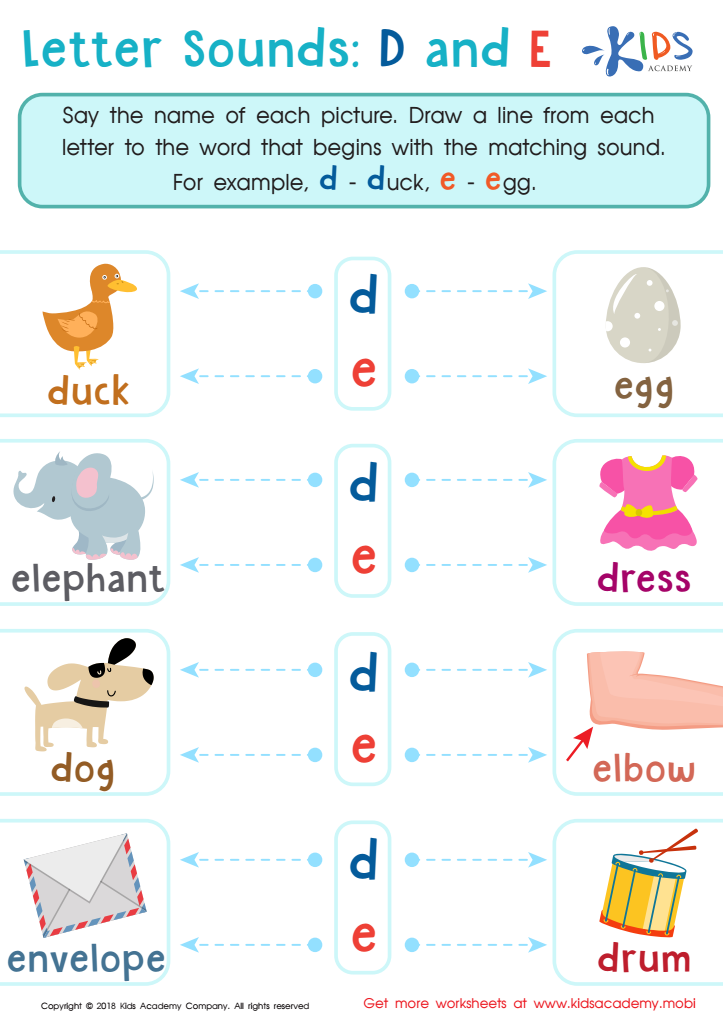
Letter D and E Sounds Worksheet








Letter recognition and letter sounds are foundational skills that significantly influence a child’s early literacy development. For children aged 3-4, this is a critical period for cognitive and language growth. When parents and teachers prioritize letter recognition, they help young learners identify and name letters in their environment, building a strong visual and auditory connection to language.
Recognizing letters is the first step in reading and writing, laying the groundwork for phonemic awareness, which is the ability to differentiate and manipulate sounds in spoken words. When children understand letter sounds, they can start to sound out words, making the shift from oral language to written language more intuitive and less intimidating.
Incorporating playful activities, such as songs, games, and storytelling, promotes engagement and makes learning enjoyable. This early engagement not only fosters a love for reading but also strengthens vocabulary and expressive language skills. As research shows, early literacy experiences are directly linked to later academic success. Therefore, by supporting letter recognition and sounds, parents and teachers are investing in a child’s long-term educational journey, promoting confidence, listening skills, and a robust foundation for reading and writing. This investment nurtures budding readers and prepares them for future learning successes.







