Reading comprehension Phonics Worksheets for Ages 3-4
40 filtered results
-
From - To
Discover engaging Reading Comprehension Phonics Worksheets designed for ages 3-4 at Kids Academy! Crafted to bolster early reading skills, these worksheets merge colorful activities with foundational phonics concepts. Young learners will delight in identifying letters, matching sounds, and building vocabulary through interactive tasks. Each worksheet encourages cognitive development and a love for reading. Perfect for home or classroom use, our expertly designed materials ensure children grasp phonetic principles while having fun. Support your child's journey to becoming a confident reader with our age-appropriate, educational resources. Visit Kids Academy today to explore our comprehensive collection!
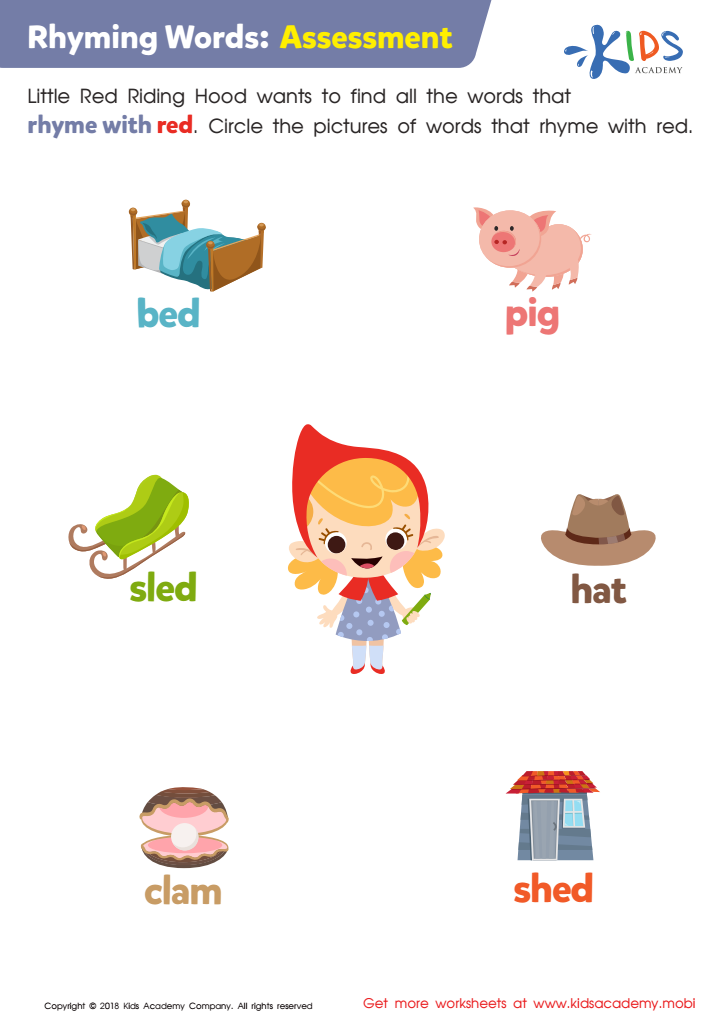
Rhyming Words: Assessment Worksheet
 Assign to My Students
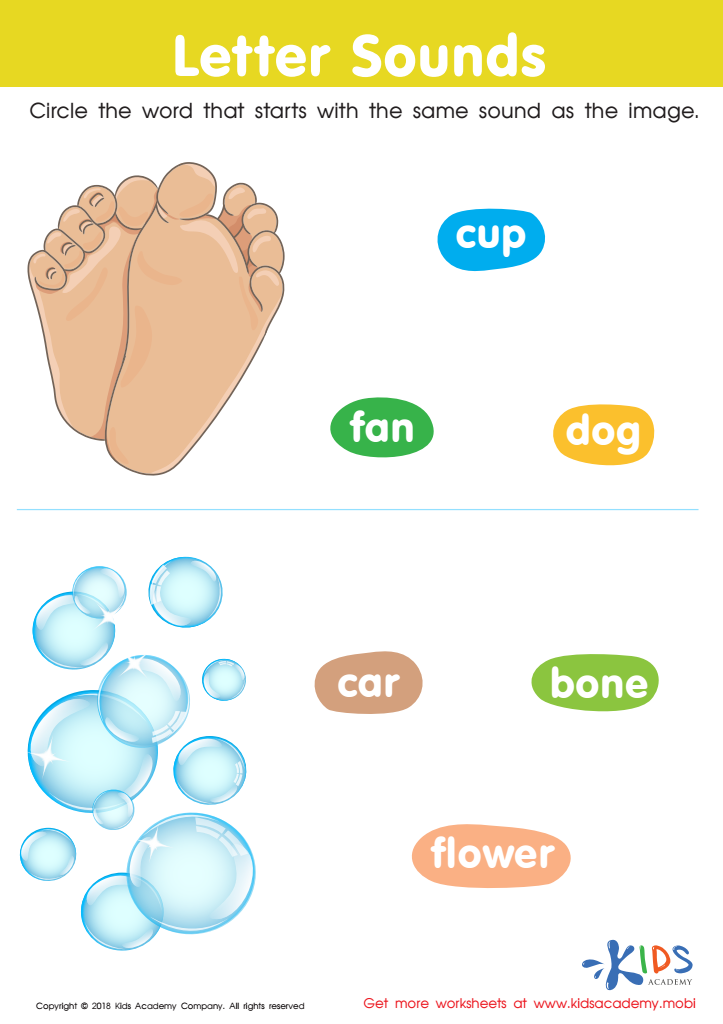
letter sounds Worksheet
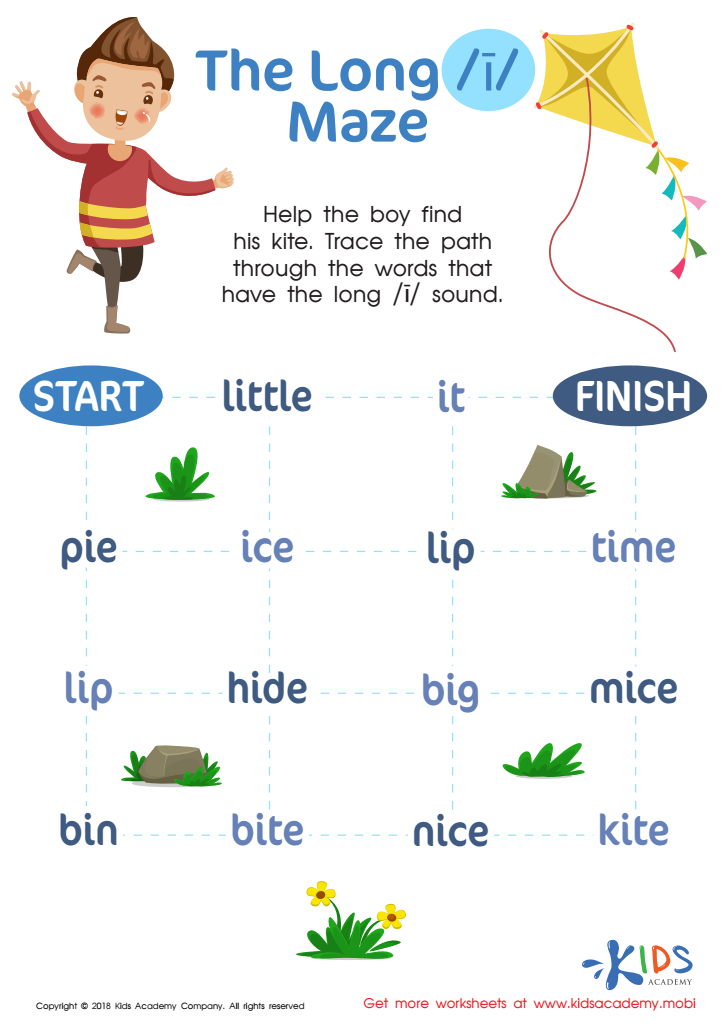
The Long I Maze Reading Worksheet
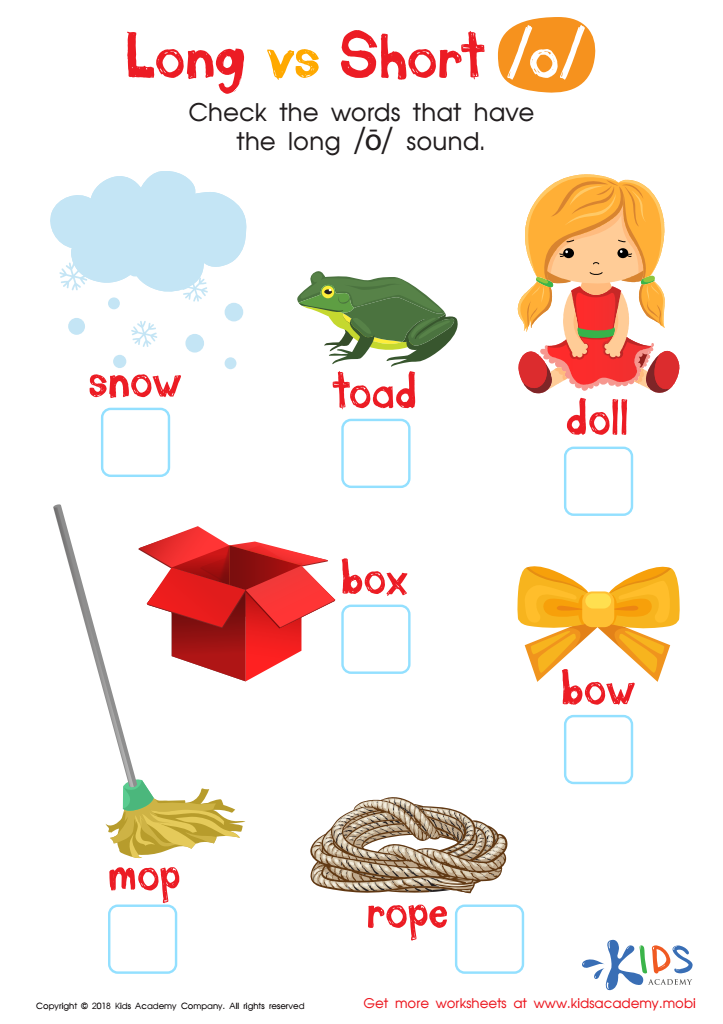
Long vs Short O Reading Worksheet
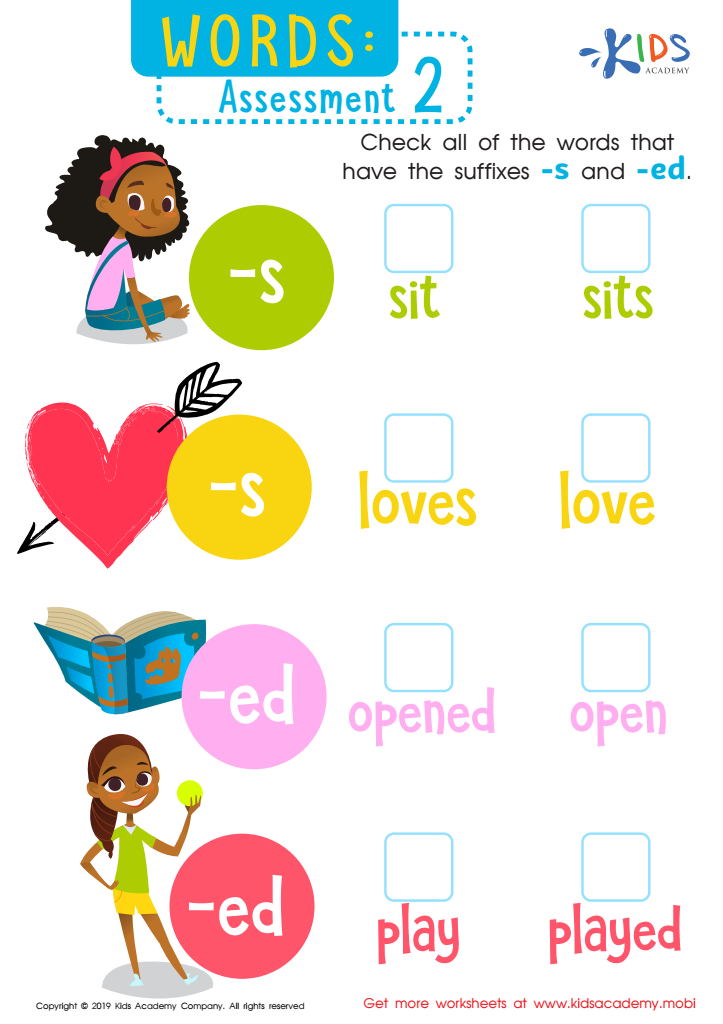
Words: Assessment 2 Worksheet
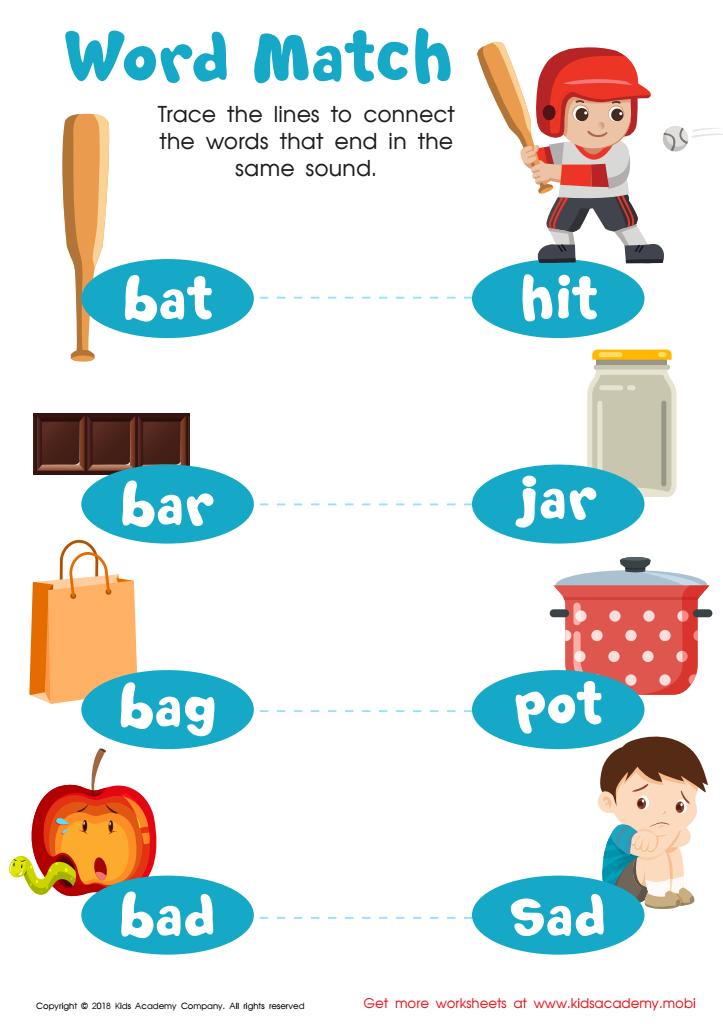
Word Match Reading Worksheet
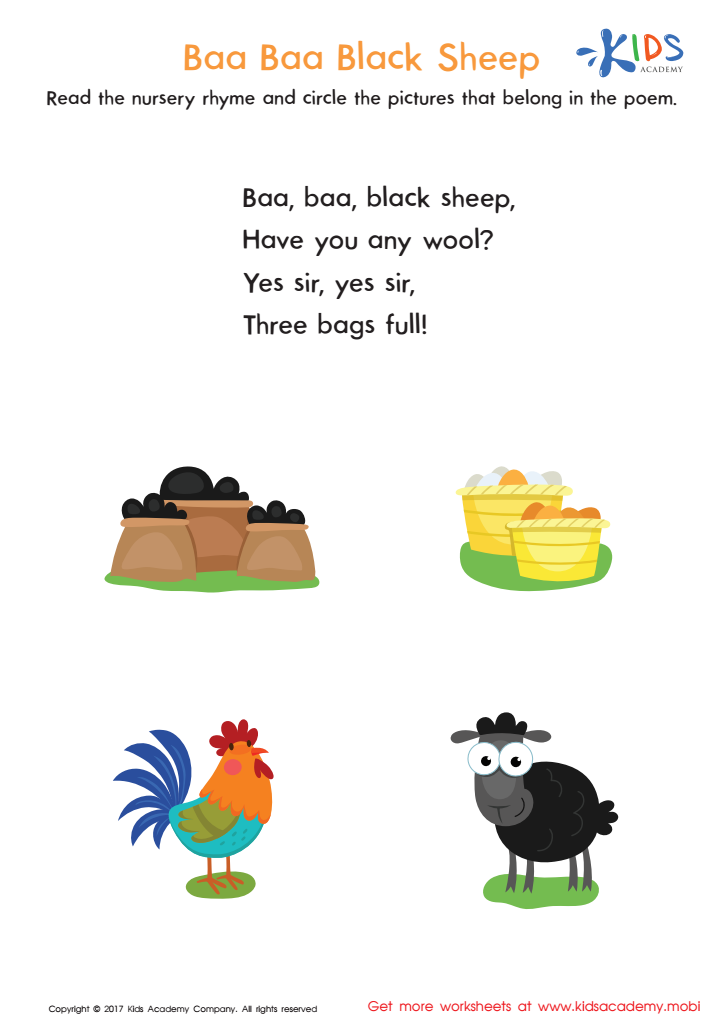
Baa Baa Black Sheep Printable
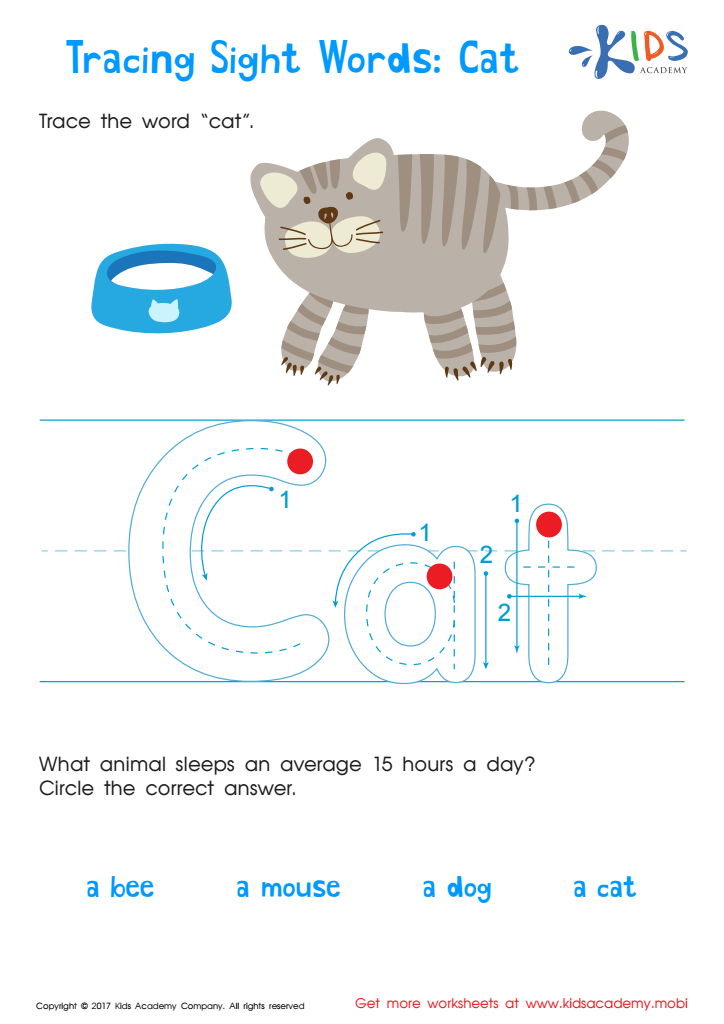
Cat Printable Sight Words Worksheet
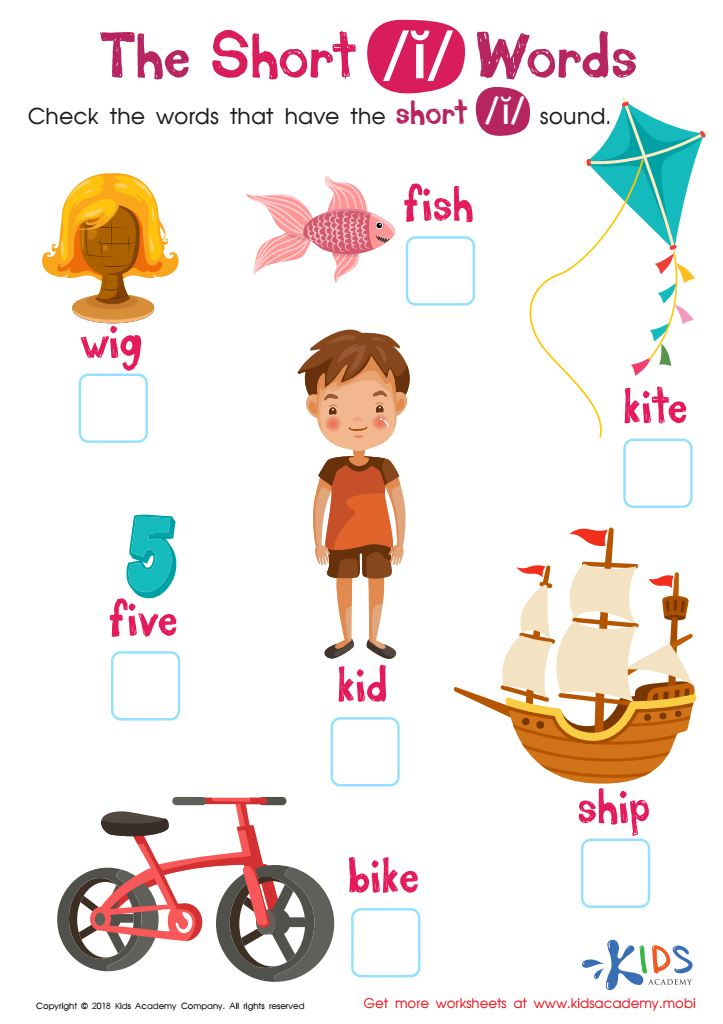
The Short I Words Reading Worksheet
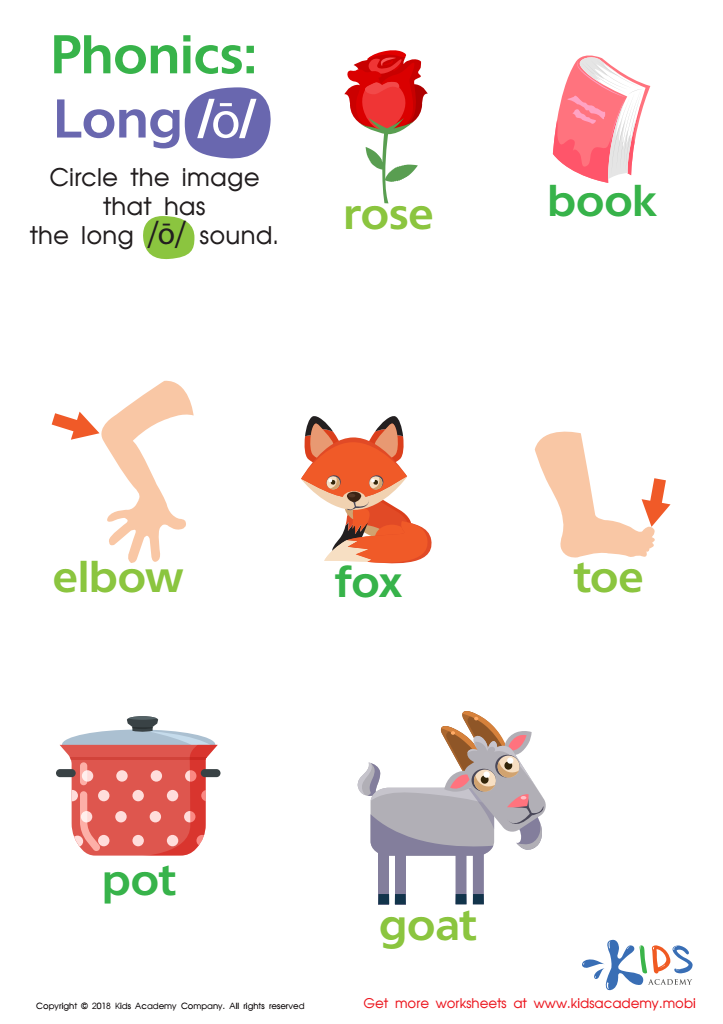
Phonics Long O Reading Worksheet
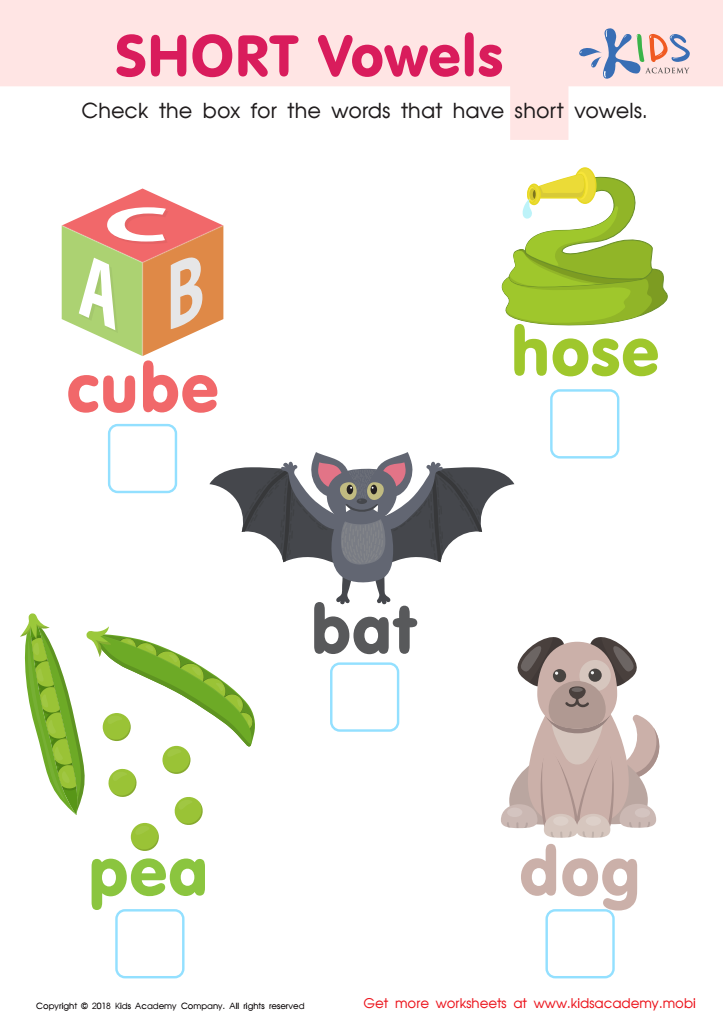
short vowels Worksheet
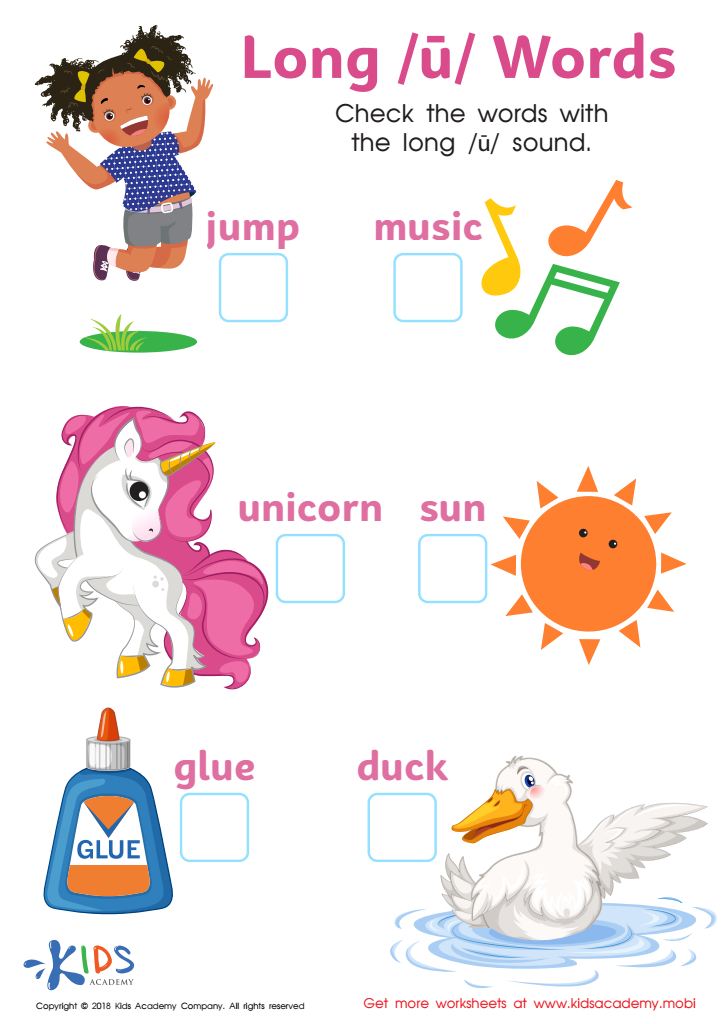
Long U Words Reading Worksheet
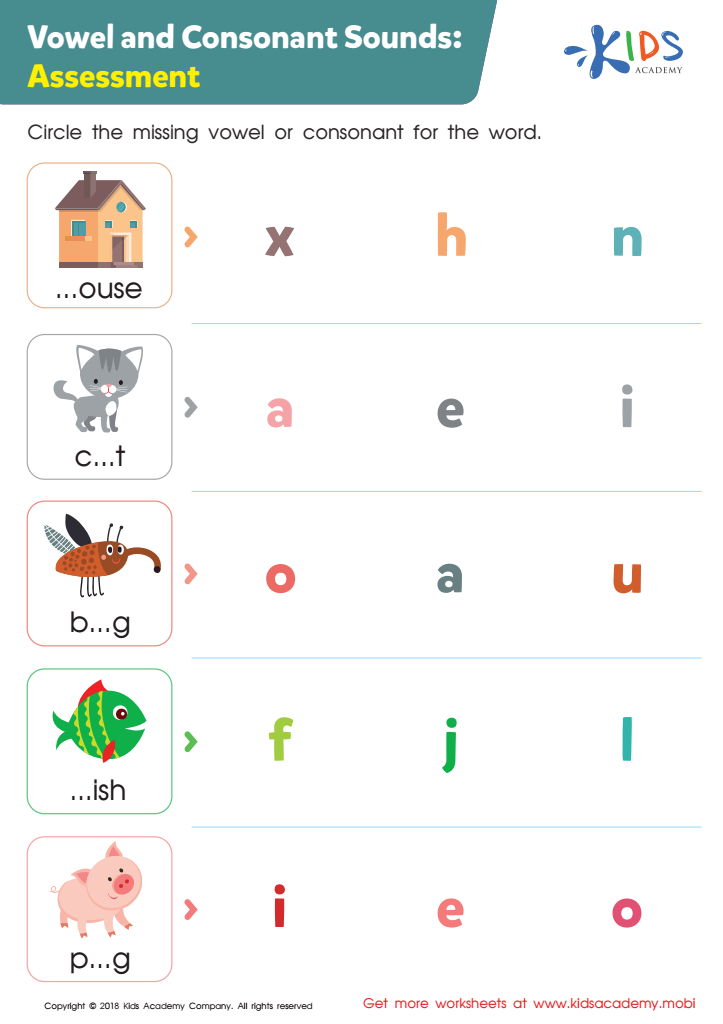
Vowel and Consonant Sounds: Assessment Worksheet
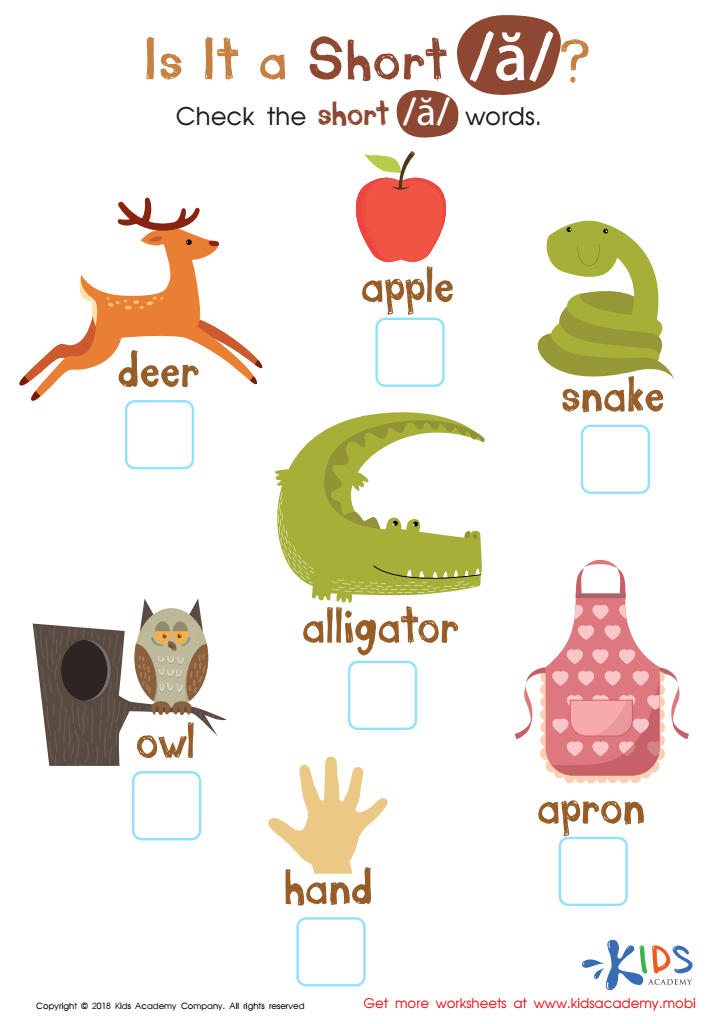
Is It Short A? Reading Worksheet
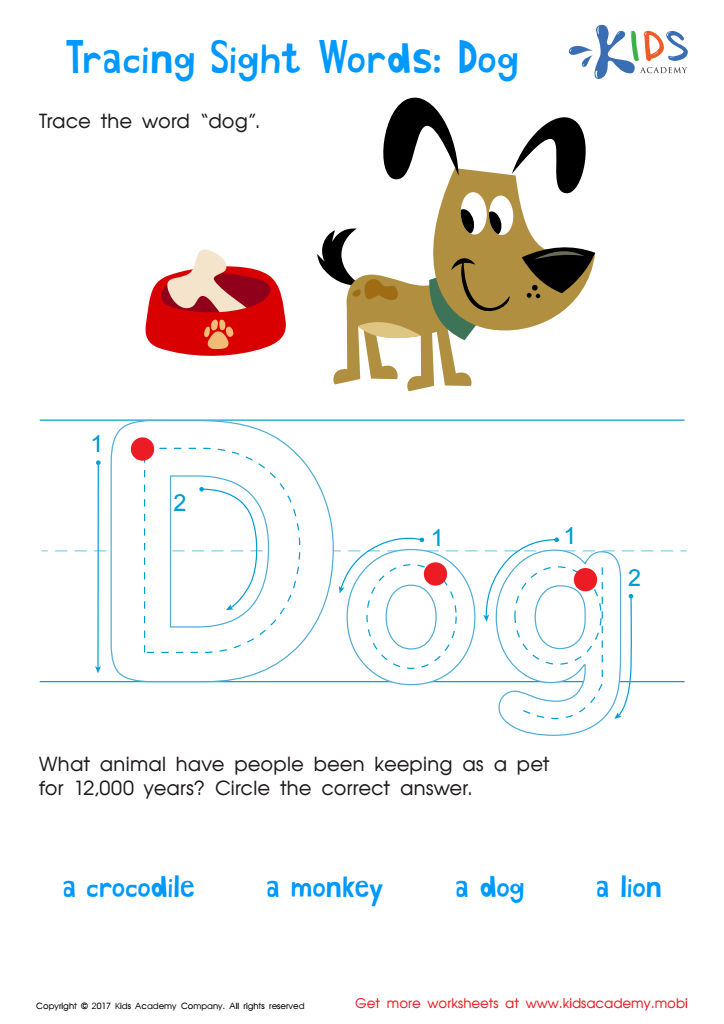
Dog Worksheet Sight Words Worksheet
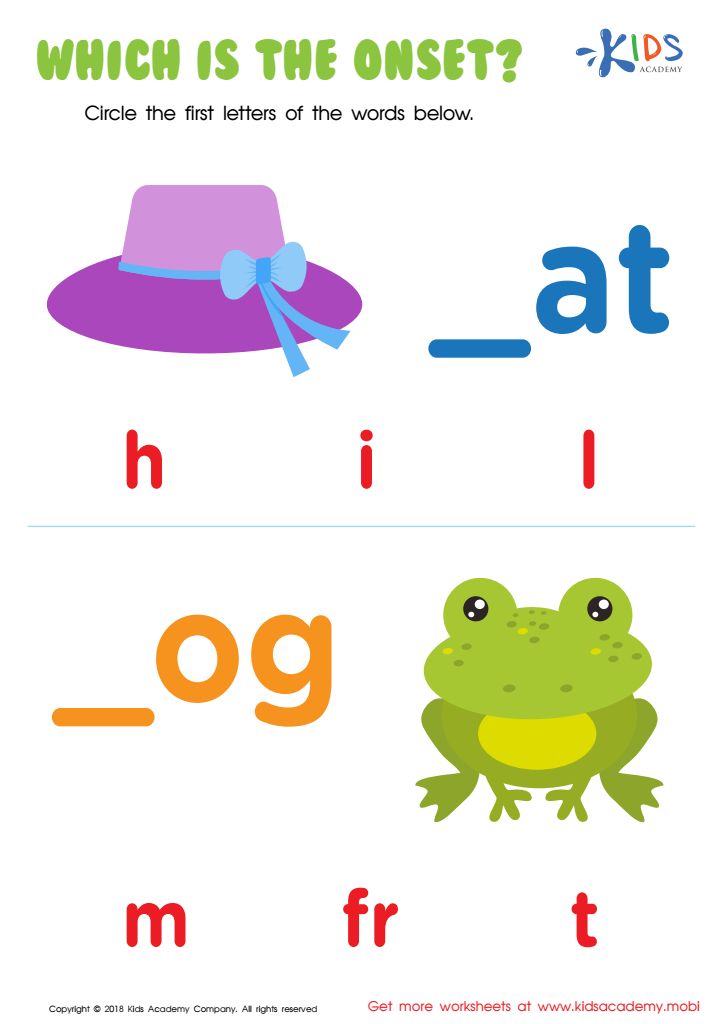
Which Is the Onset? Worksheet
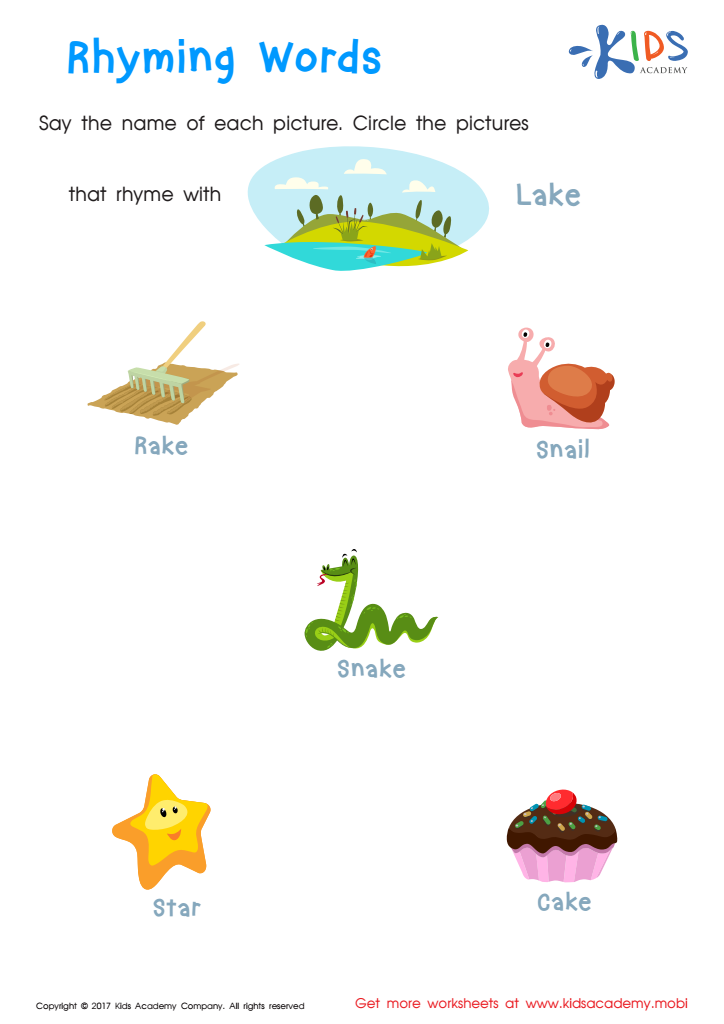
Rhyming Words Rhyming Worksheet
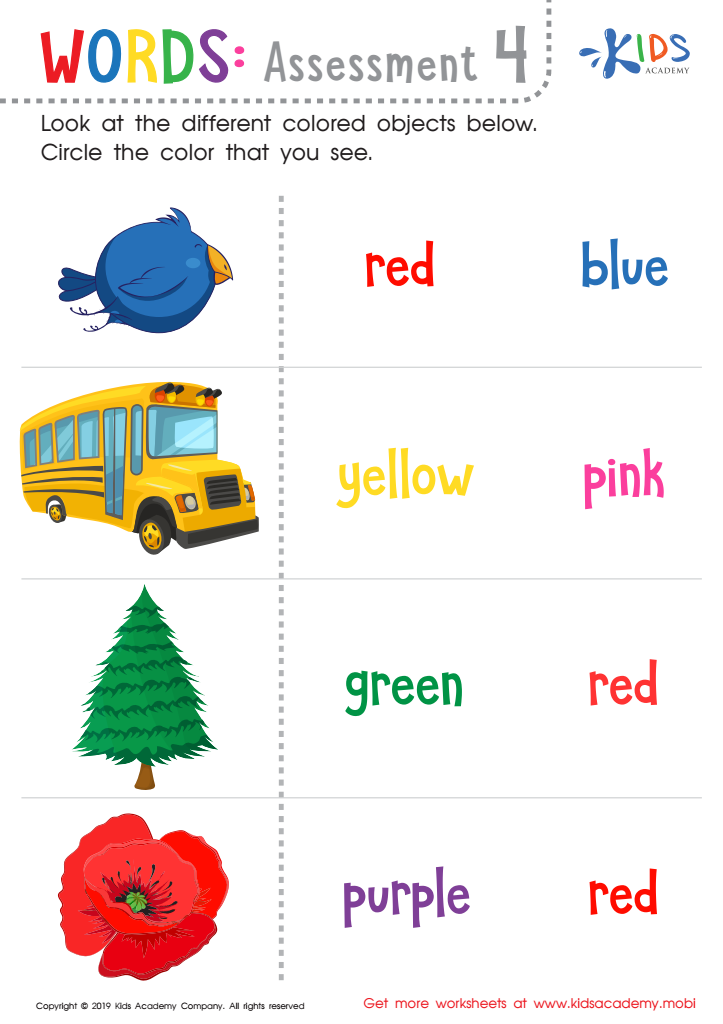
Words: Assessment 4 Worksheet
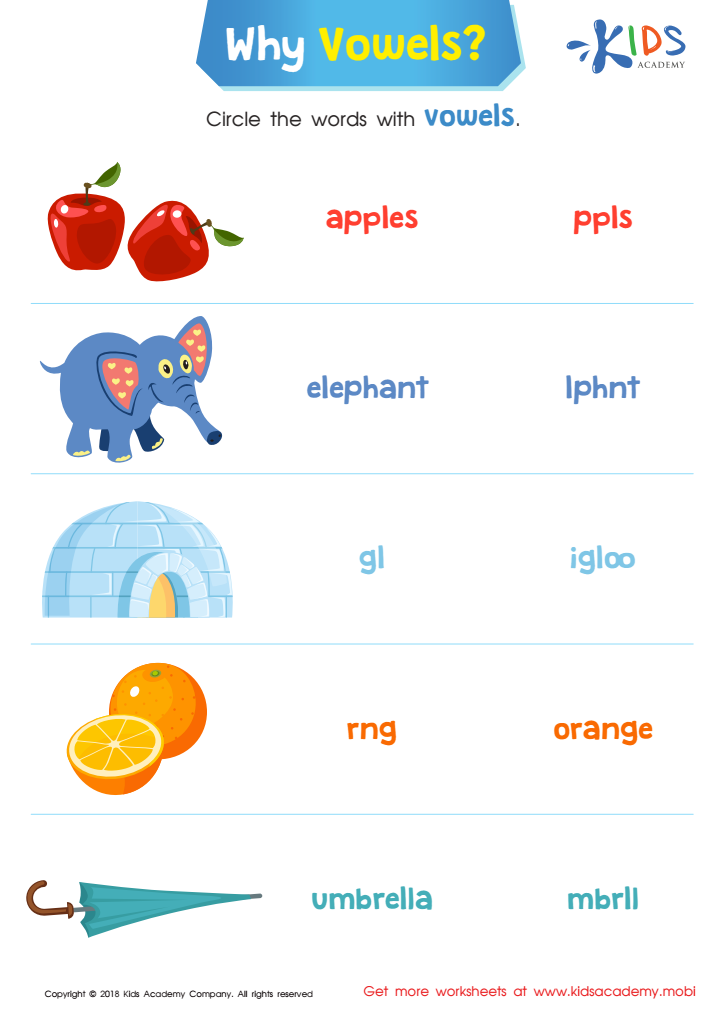
Why Vowels? Reading Worksheet
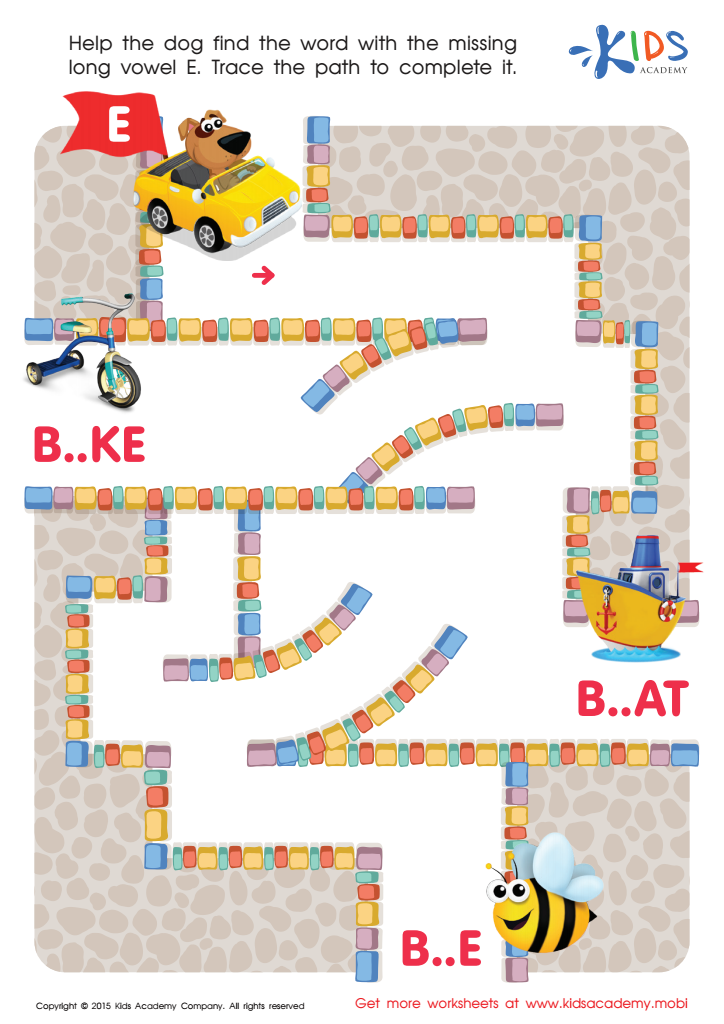
Long Vowel Sound E Worksheet
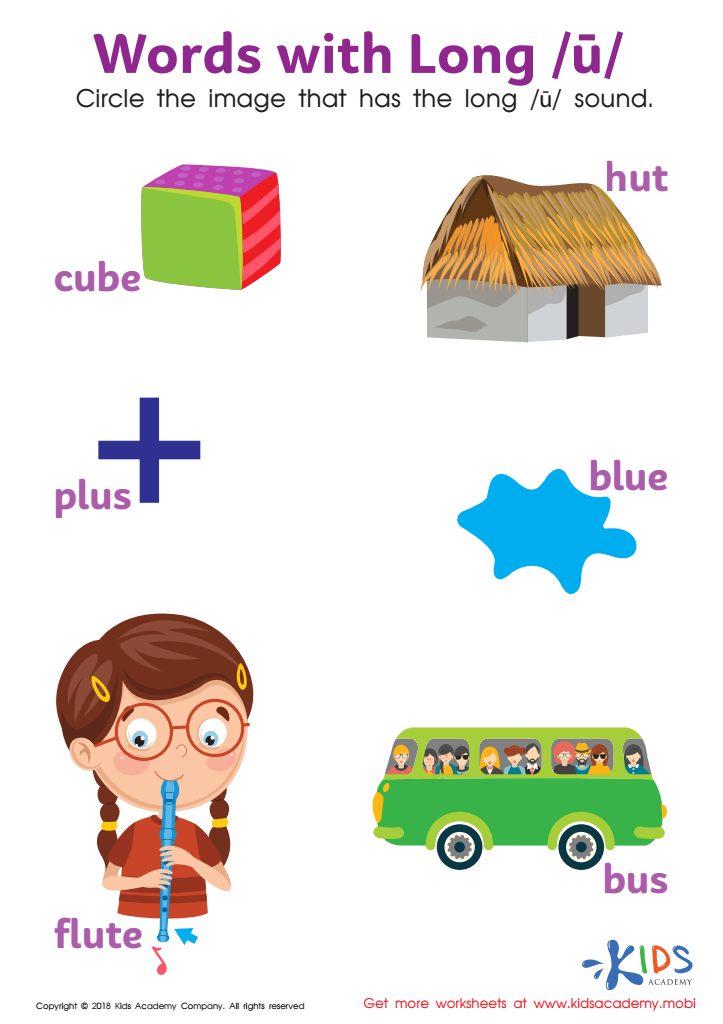
Words with Long U Reading Worksheet
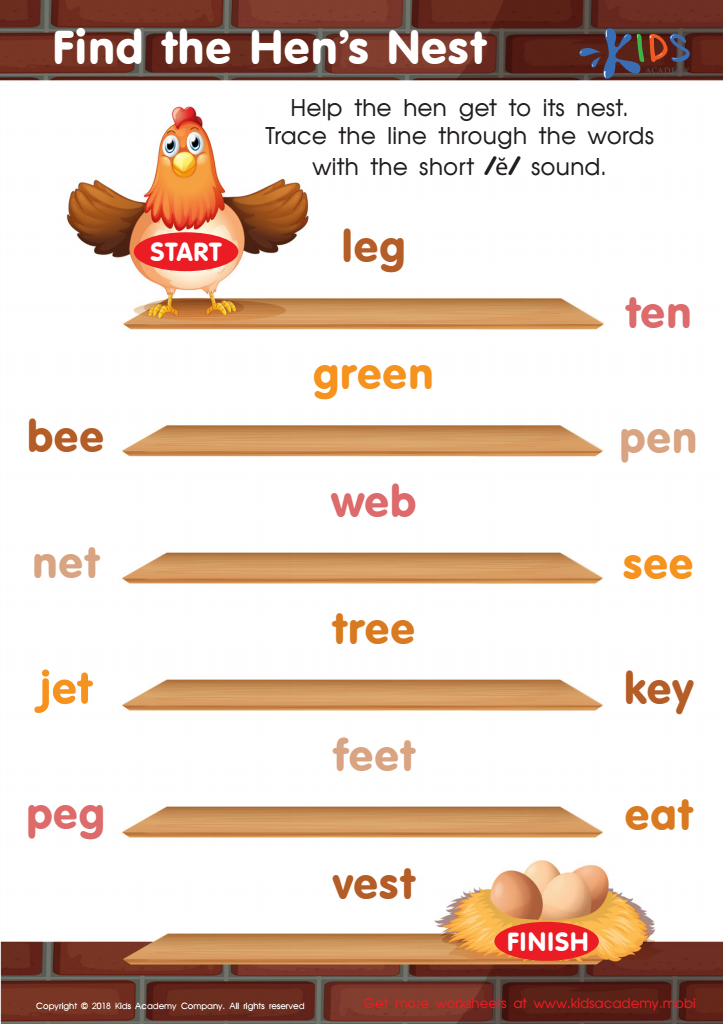
Find Hens Nest Reading Worksheet
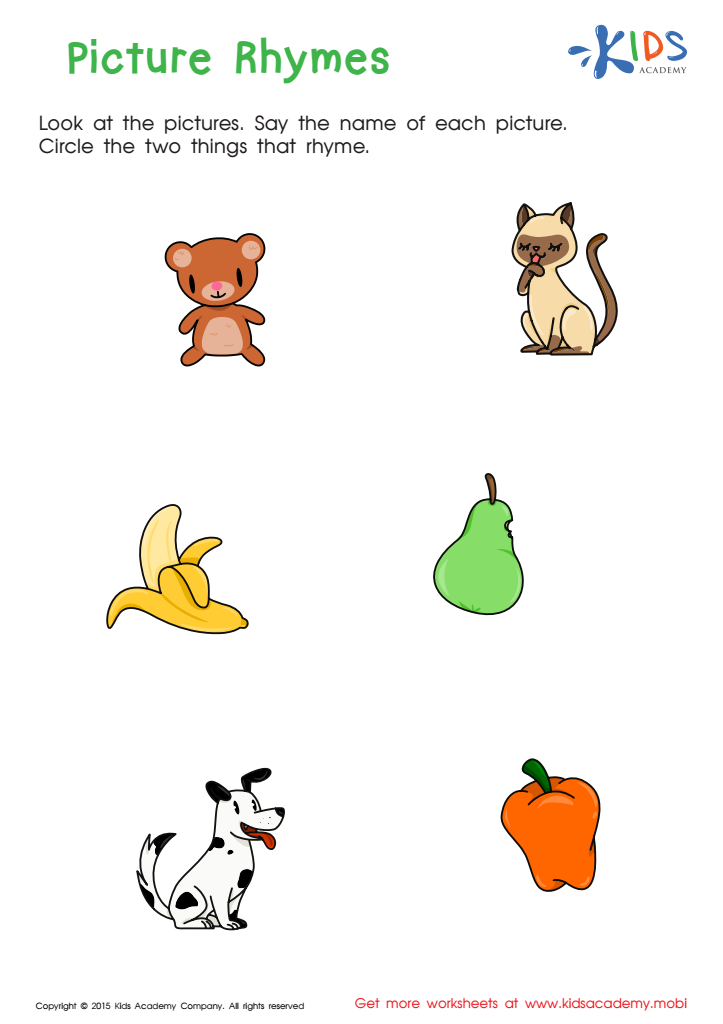
First Words: Picture Rhymes Worksheet
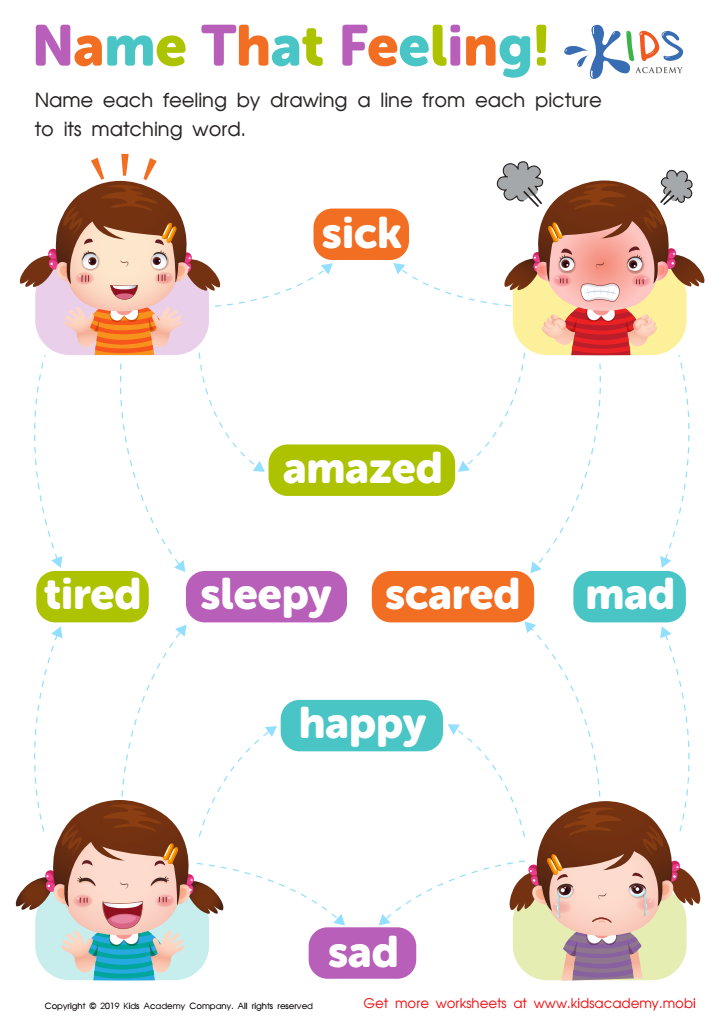
Name that Feeling Worksheet








Reading comprehension and phonics are foundational skills that significantly influence a child's future academic success. For children ages 3-4, parents and teachers play a crucial role in fostering these early literacy skills. At this age, children’s brains are highly adaptable and primed for language acquisition.
Phonics focuses on the relationship between letters and sounds, helping children decode words. This foundational understanding aids in making the leap from recognizing letters to reading actual words and sentences. When children grasp phonics early, they often find reading easier and more enjoyable, laying a strong base for lifelong learning and intellectual curiosity.
Reading comprehension, on the other hand, goes beyond decoding words; it involves understanding and interpreting the meaning of text. Teaching comprehension skills early on, through simple stories and interactive discussions, helps children improve their vocabulary, cognitive skills, and imagination.
Incorporating both phonics and comprehension into early education ensures well-rounded development. Studies show that early literacy skills are strong indicators of later academic achievement. By investing time and effort in teaching phonics and reading comprehension, parents and teachers help children build confidence, a love for reading, and equip them with essential tools for future learning. This early investment sets the stage for academic success and a positive attitude towards education.







