
Reading Improvement Phonics Worksheets for Ages 3-4
4 filtered results
Difficulty Level
Grade
Age
-
From - To
Subject
Activity
Standards
Unlock your child's potential with our Reading Improvement Phonics Worksheets, tailored specifically for ages 3-4. Our engaging and interactive printables are designed to build a strong phonics foundation, crucial for future reading success. Each worksheet offers fun activities that develop letter recognition, sound association, and basic reading skills. These worksheets are perfect for preschoolers, ensuring they grasp essential early literacy concepts and grow their love for reading. Whether you're a parent or educator, these resources support young learners in an engaging way, making the initial steps into the world of reading both enjoyable and effective. Enhance early reading skills today!
Favorites
With answer key
Interactive
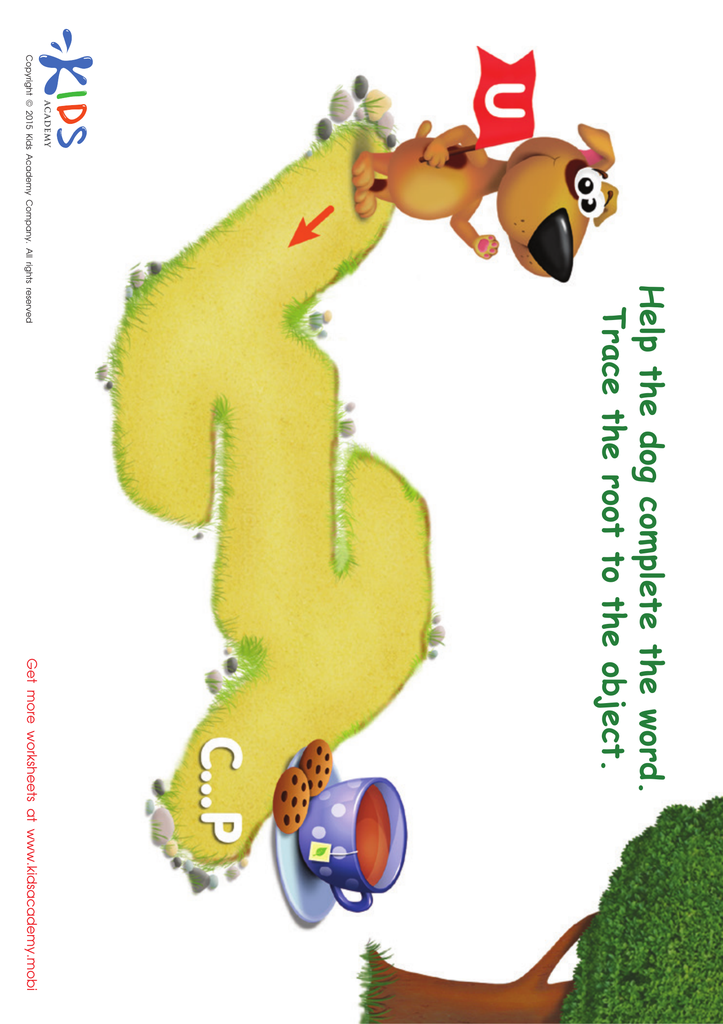
Short Vowel Sound U Worksheet Worksheet
Help your early reader join the adorable dog on his way to the cup of tea with cookies. This traceable worksheet reinforces the short -u sound and strengthens fine motor skills. Kids don't realize they are practicing reading skills while having fun!
Short Vowel Sound U Worksheet Worksheet
Worksheet
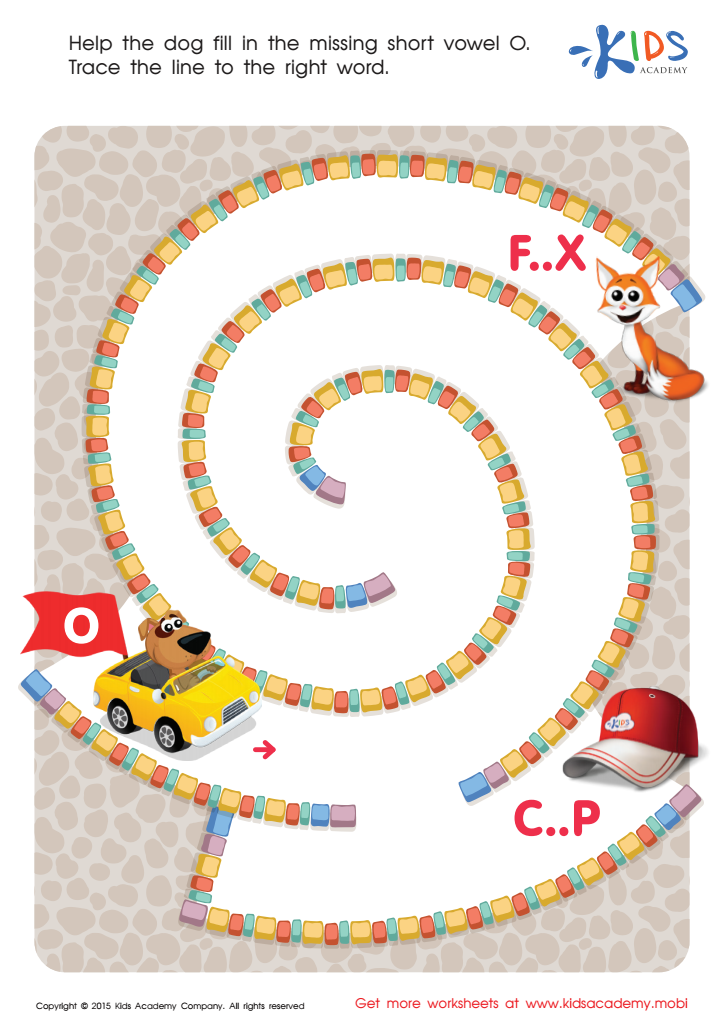
Short Vowel Sound O Worksheet
Help your child learn the short vowel sound O with this fun and free printable phonics worksheet! They'll need to complete the maze to help the dog finish the word "fox" with the missing letter O. Engage their fine motor muscles while they color or trace the maze with crayon or pencil. This educational activity is sure to bring a smile to your little learner's face! For more phonics worksheets, check here.
 Assign to My Students
Short Vowel Sound O Worksheet
Worksheet
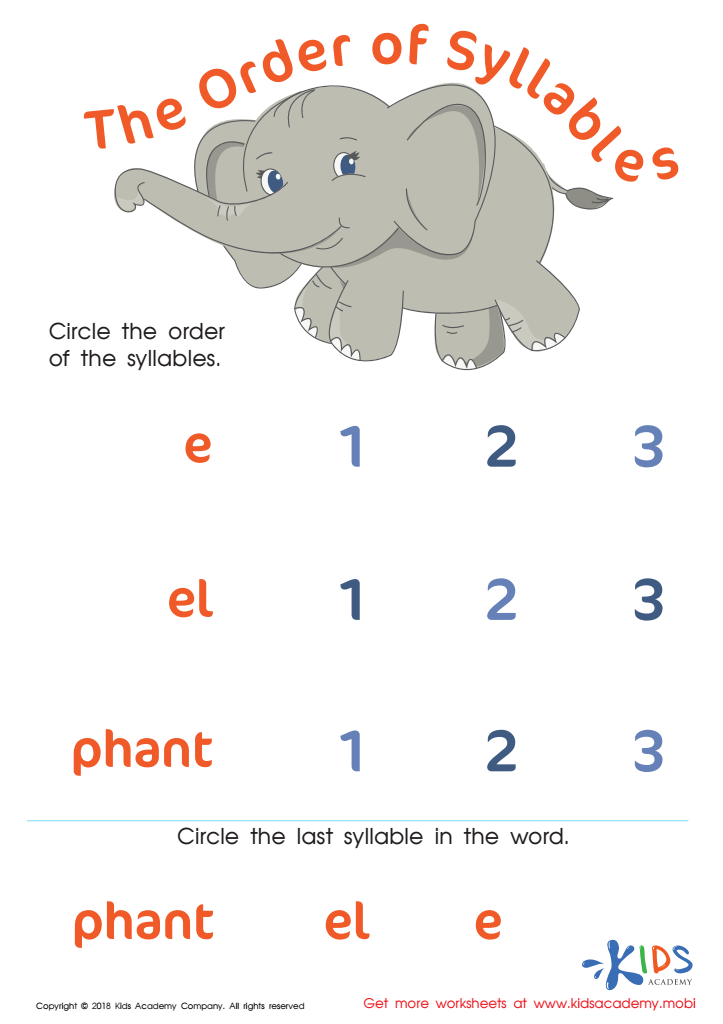
The Order of Syllables Worksheet
Syllabication is vital for prereading and decoding words. Download this fun, free worksheet to help your reader practice breaking words into syllables and arranging them for reading. It also strengthens fine motor skills as they trace the numbers for each syllable, guided by a cheerful elephant!
The Order of Syllables Worksheet
Worksheet
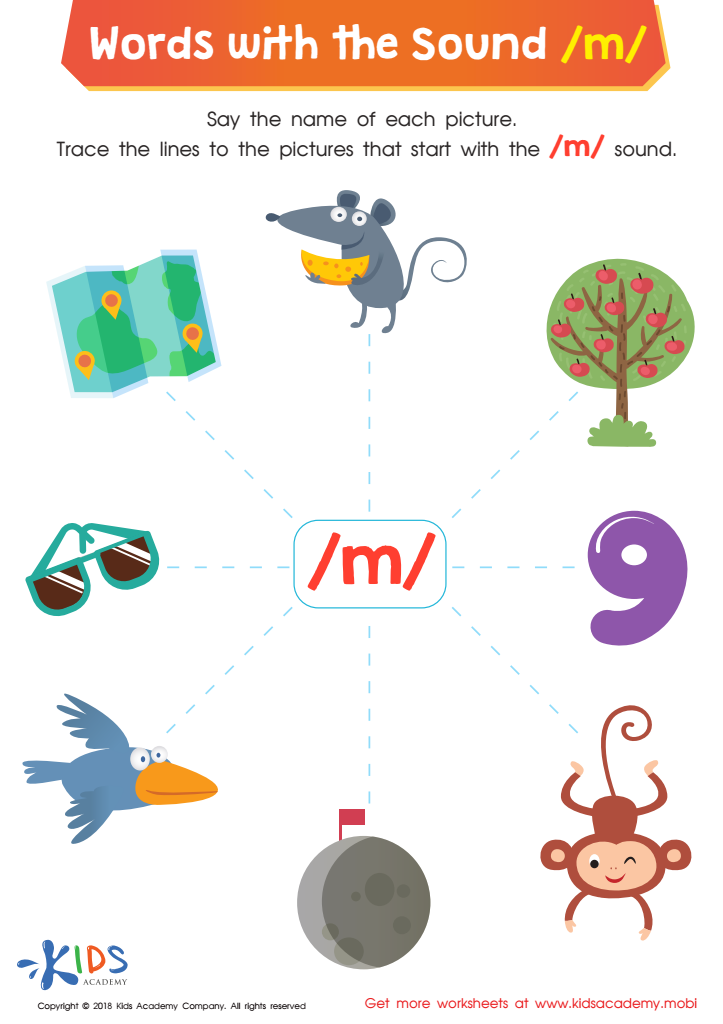
Words with Sound M Reading Worksheet
Emerging readers will use this traceable worksheet to name and trace pictures with the letter sound «m». Bright, engaging pictures make this fun and build confidence while strengthening fine motor skills. They won't even know they're also working on reading skills!
Words with Sound M Reading Worksheet
Worksheet
Join Kids Academy for Free
Who is primarily going to use this learning content?








Early exposure to phonics is crucial for young children, especially between the ages of 3-4. Phonics is the foundation of reading, linking sounds with letters and words, and it facilitates a child's ability to decode language. As parents and teachers, fostering reading improvement phonics at this critical developmental stage offers numerous benefits that set the stage for future literacy success.
During these formative years, children's brains are highly adaptable and capable of rapidly absorbing information. Introducing phonics during this period enhances their phonemic awareness, enabling them to recognize and manipulate the individual sounds within words. This skill is essential not only for reading but also for spelling and writing. Early mastery of phonics can lead to more fluent reading, enhancing comprehension and fostering a lifelong love of reading.
Moreover, early phonics instruction provides children with the confidence they need to tackle more complex reading tasks as they progress through their education. It can also prevent future learning difficulties by addressing potential reading issues early on. Therefore, investing time and resources into phonics for young learners isn’t just about reading improvement—it's about laying a solid educational foundation that benefits children's overall cognitive and academic growth.
By prioritizing phonics education for ages 3-4, parents and teachers can ensure that children receive the support they need to become proficient and enthusiastic readers.







