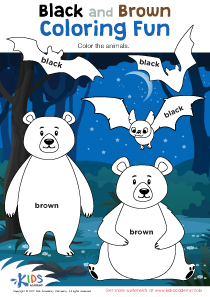
Color recognition English for Beginners Worksheets for Ages 3-4
21 filtered results
-
From - To
Enhance your child's learning journey with our Color Recognition English Worksheets designed specifically for ages 3-4. These engaging, printable resources introduce young learners to fundamental vocabulary associated with colors, combining visual appeal with interactive exercises. Kids will delight in identifying, coloring, and matching various shades while reinforcing their English language skills in a fun environment. Perfect for beginners and ESL learners, these worksheets foster cognitive development through hands-on activities tailored to early childhood education standards. Encourage creativity and language comprehension as your little ones explore and master the vibrant world of colors! Download and start their colorful learning adventure today!
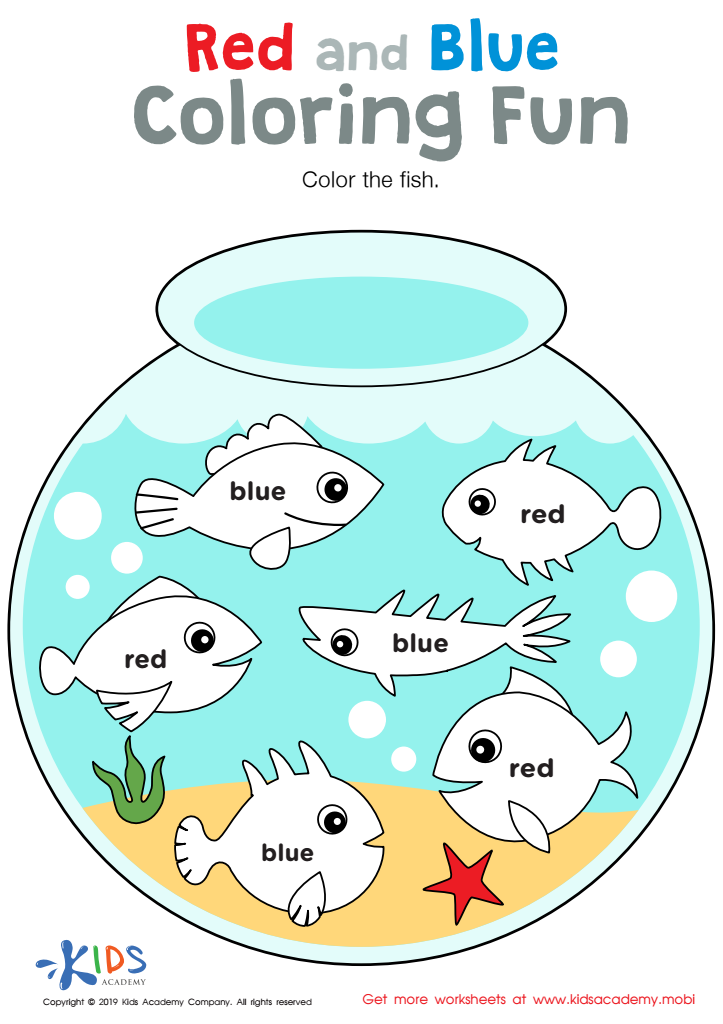
Red and Blue Coloring Fun Worksheet
 Assign to My Students
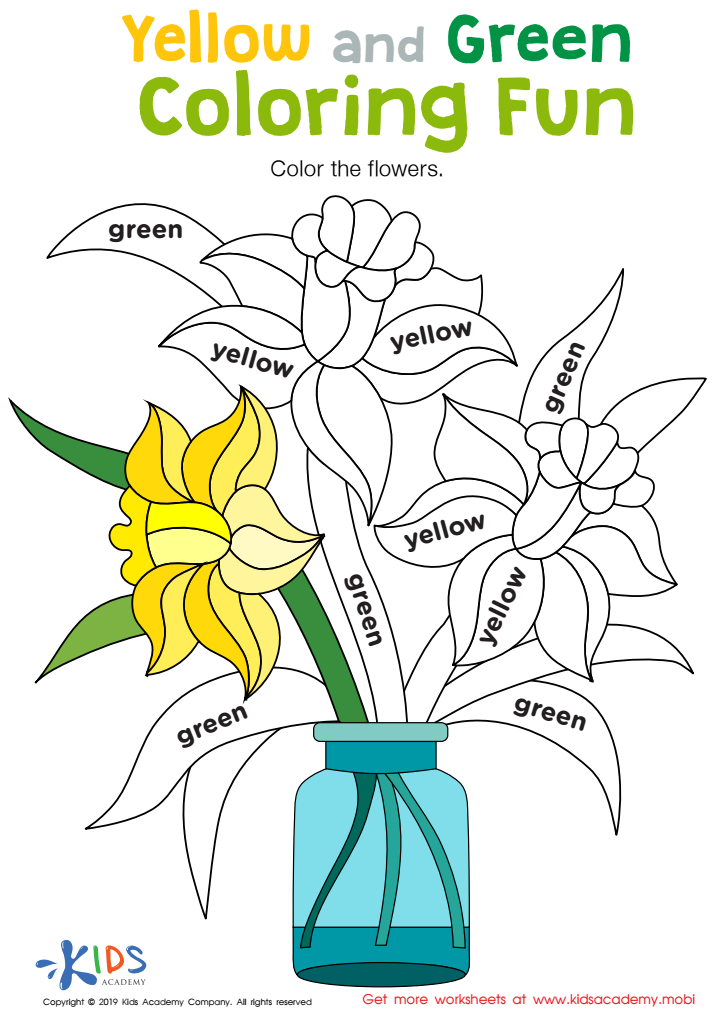
Yellow and Green Coloring Fun Worksheet
Assign to My Students
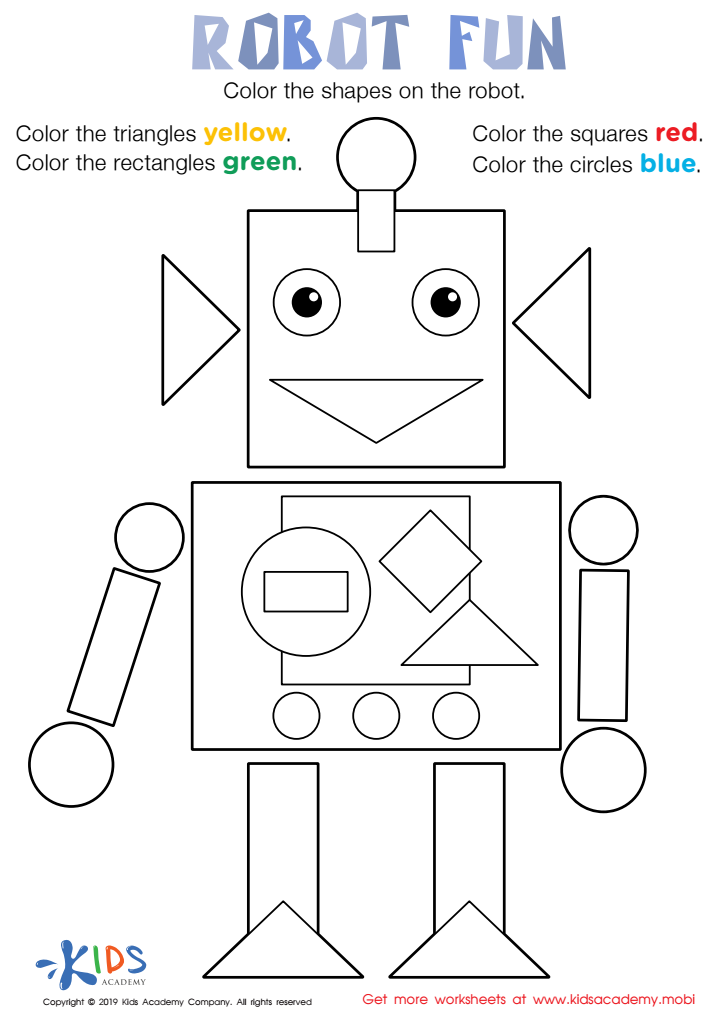
Robot Fun Worksheet
Assign to My Students
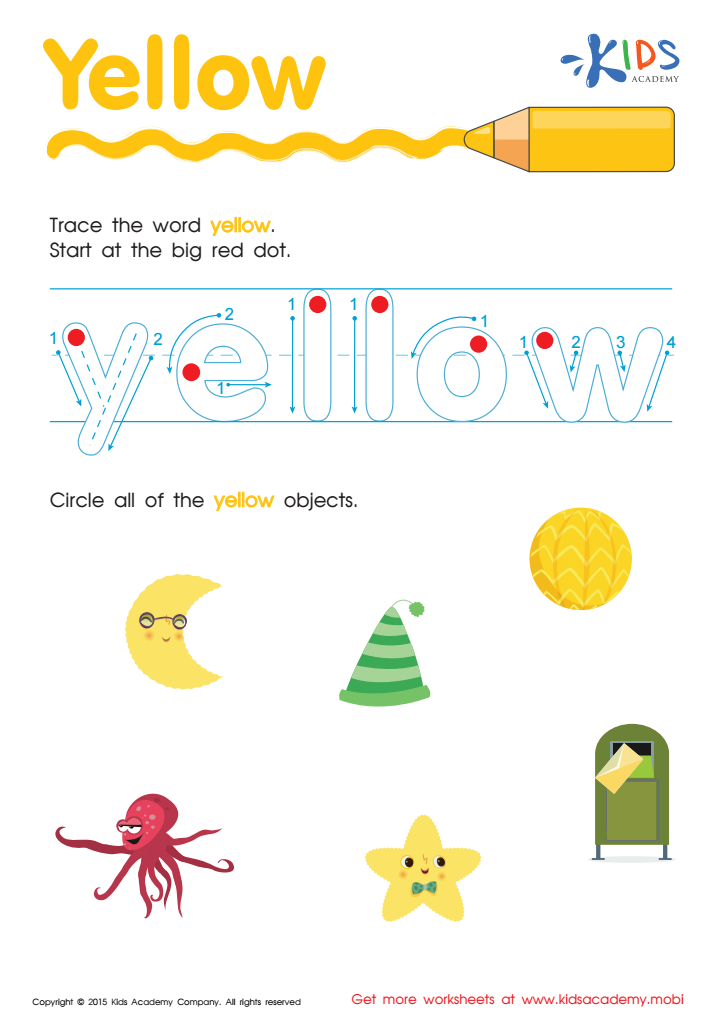
Yellow Tracing Color Words Worksheet
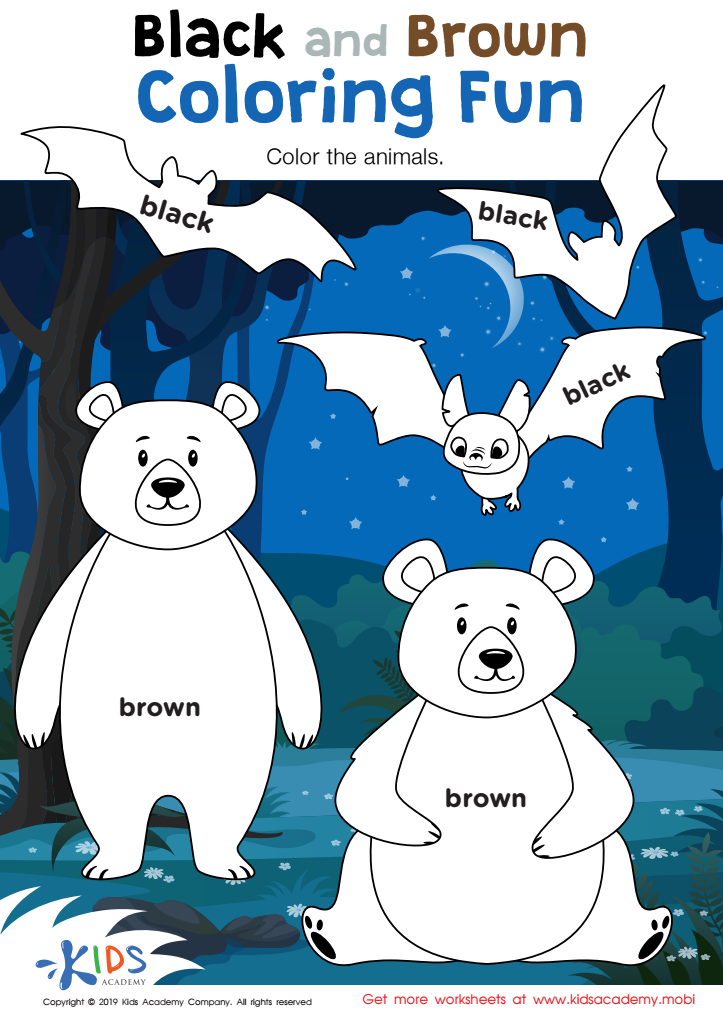
Black and Brown Coloring Fun Worksheet
Assign to My Students
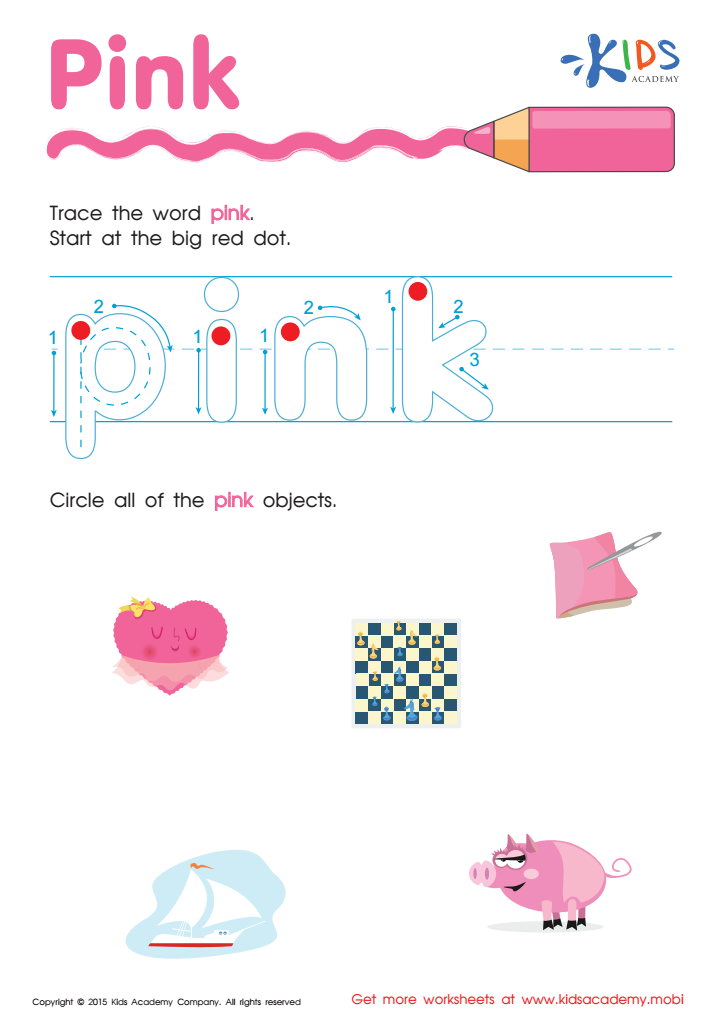
Pink Tracing Color Words Worksheet
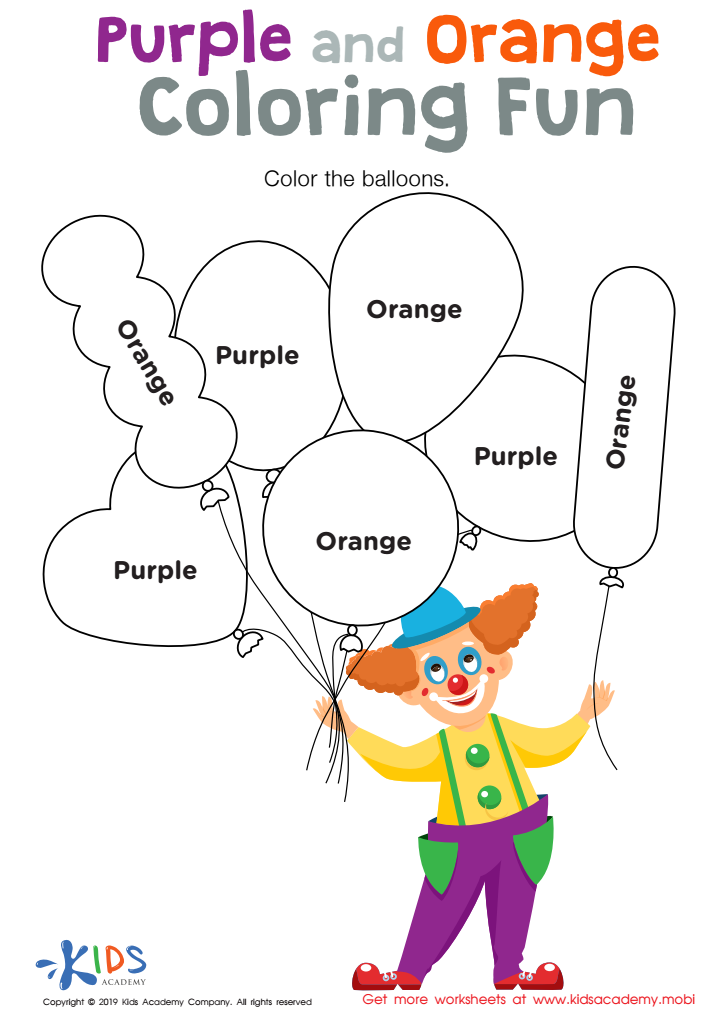
Purple and Orange Coloring Fun Worksheet
Assign to My Students
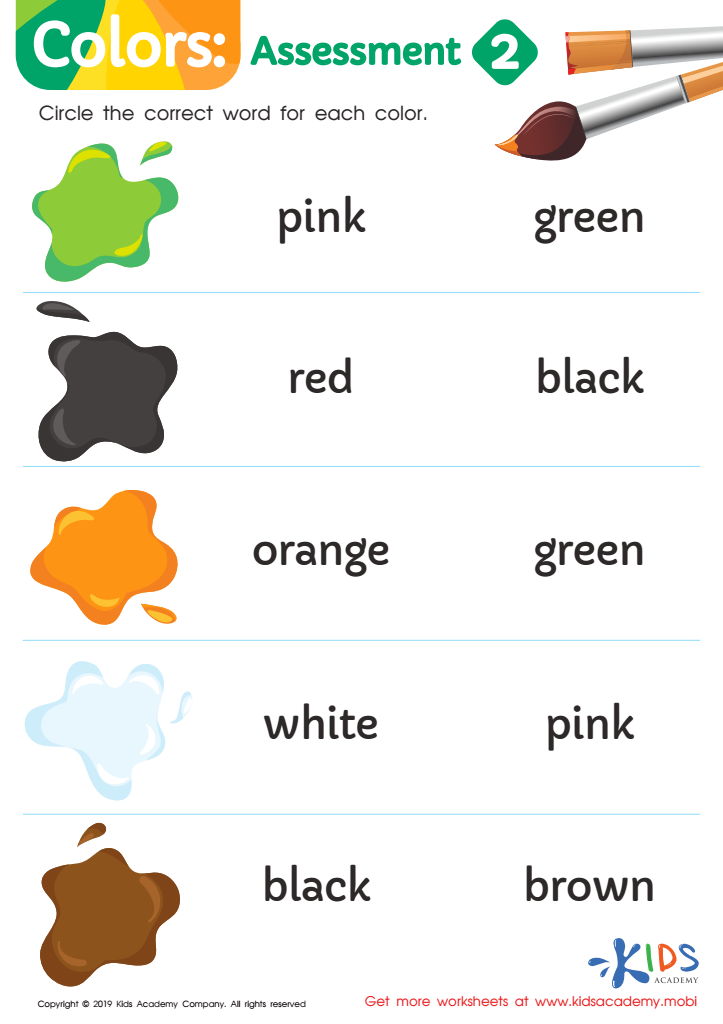
Colors: Assessment 2 Worksheet
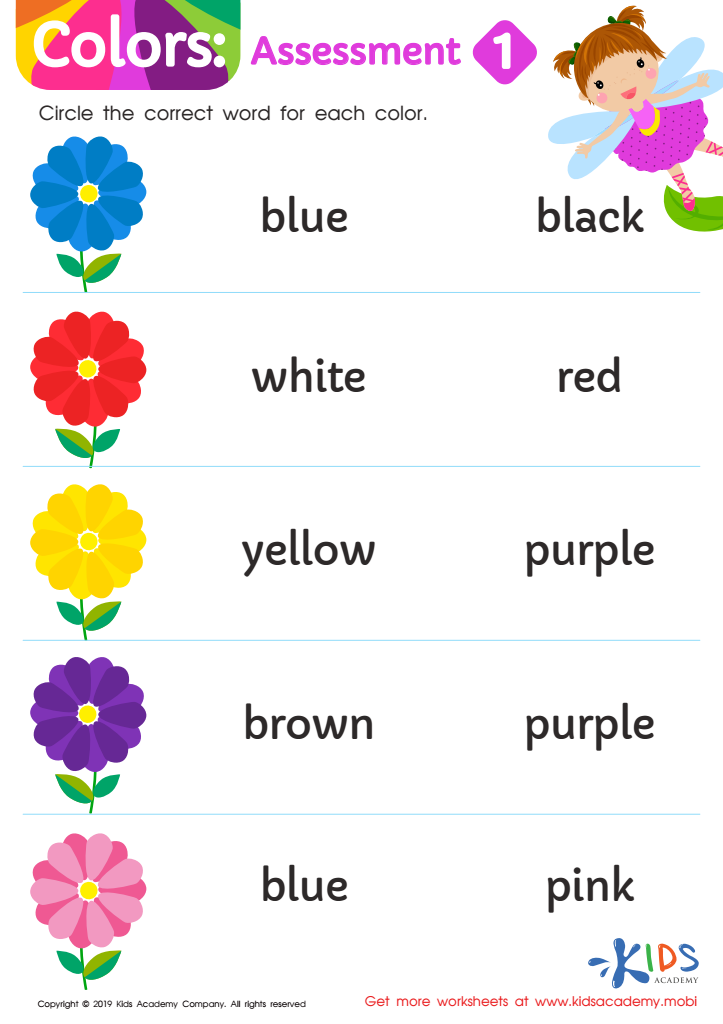
Colors: Assessment 1 Worksheet
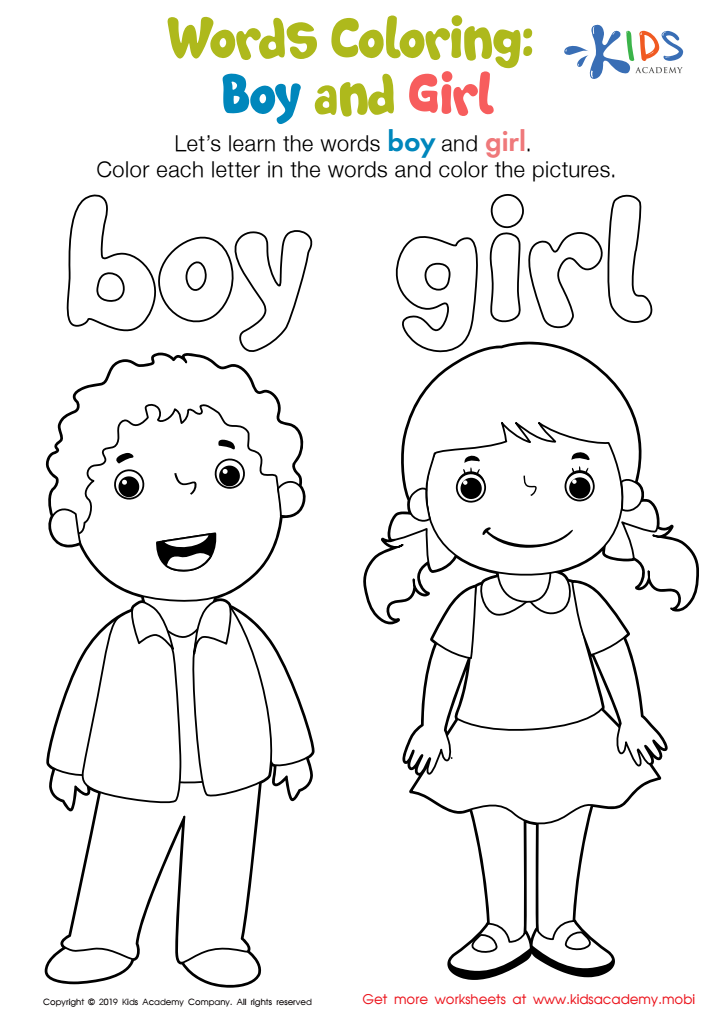
Boy and Girl Words Coloring Worksheet
Assign to My Students
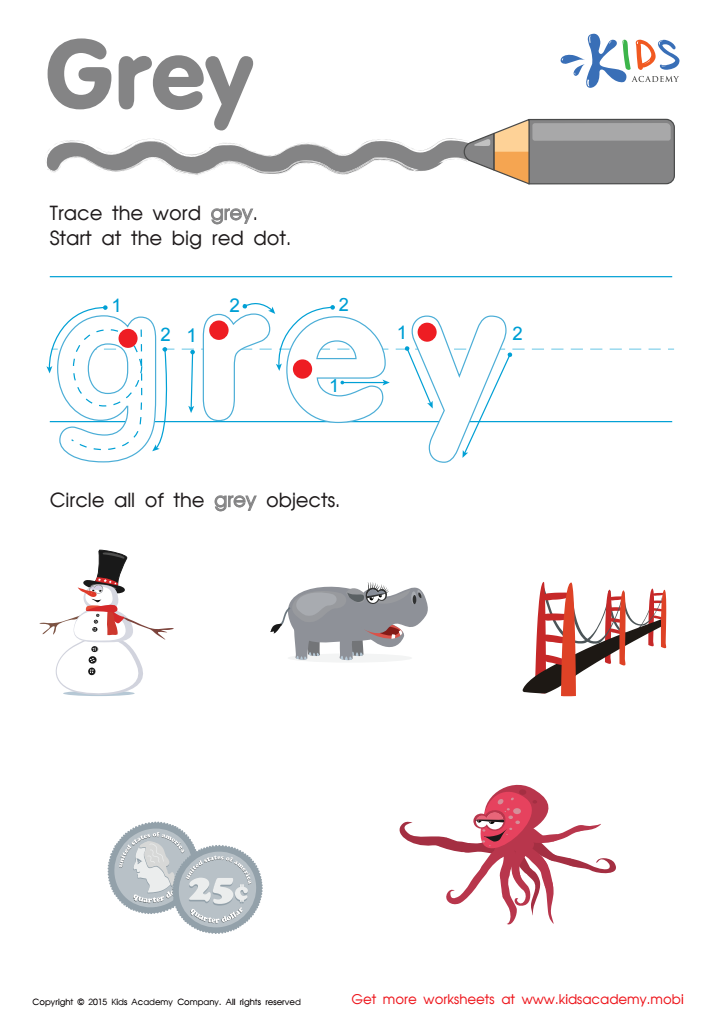
Grey Tracing Color Words Worksheet
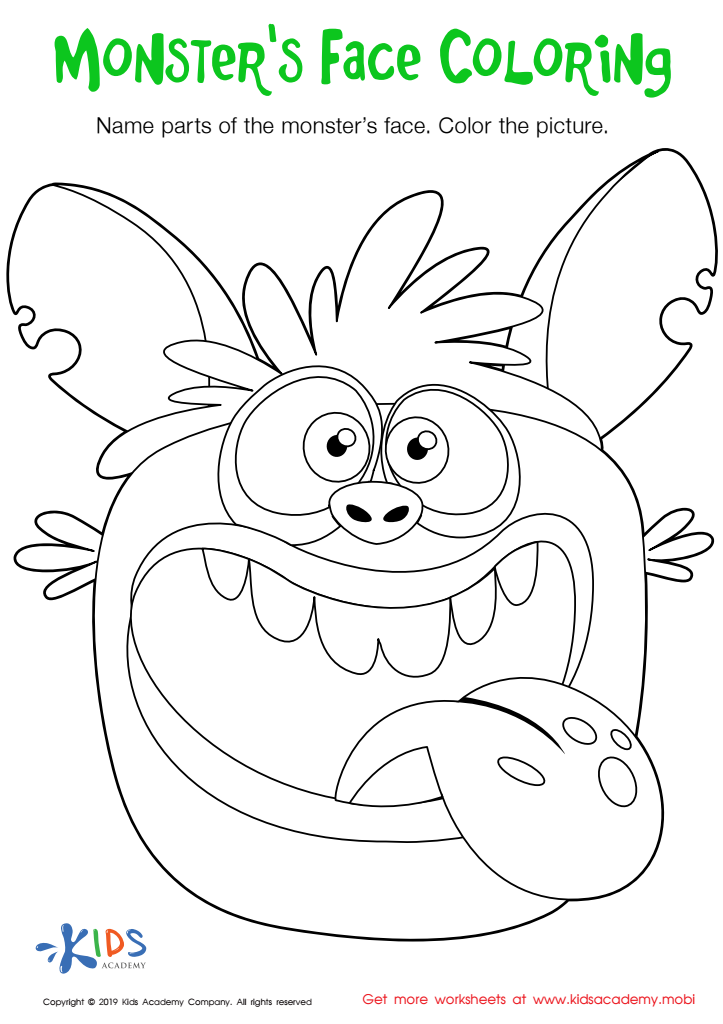
Monster's Face Coloring Worksheet
Assign to My Students
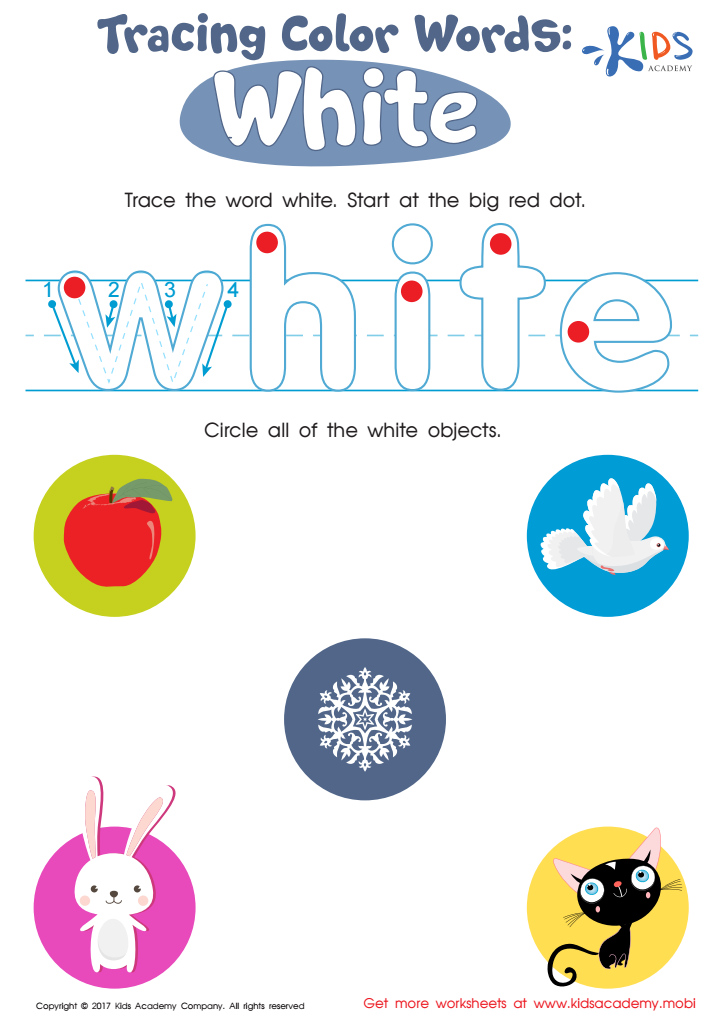
White Tracing Color Words Worksheet
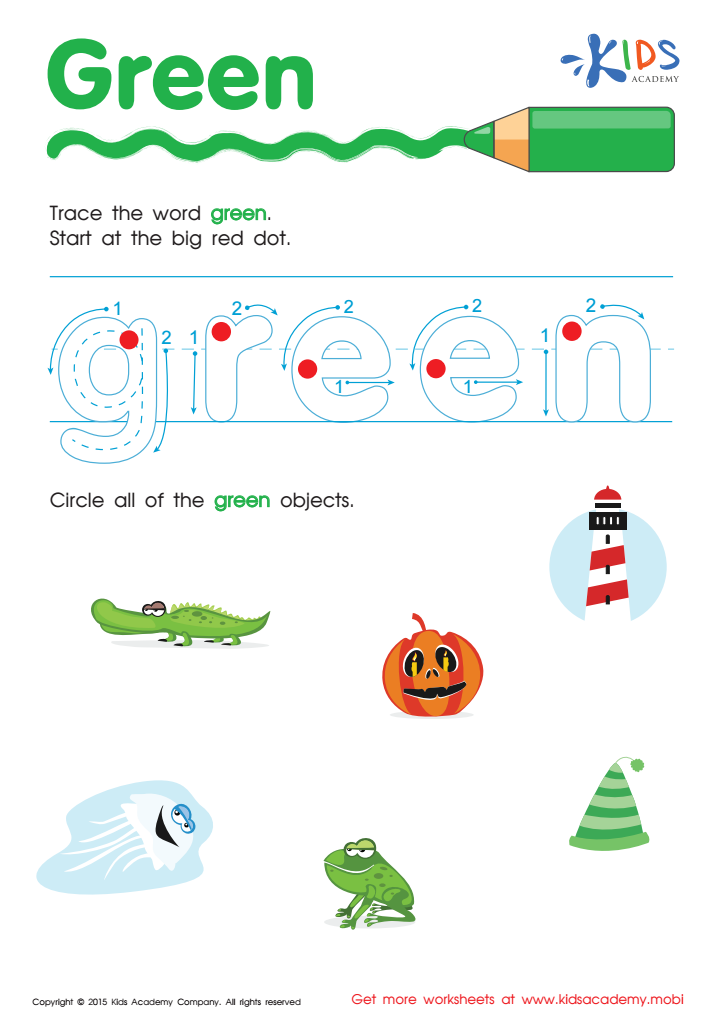
Green Tracing Color Words Worksheet
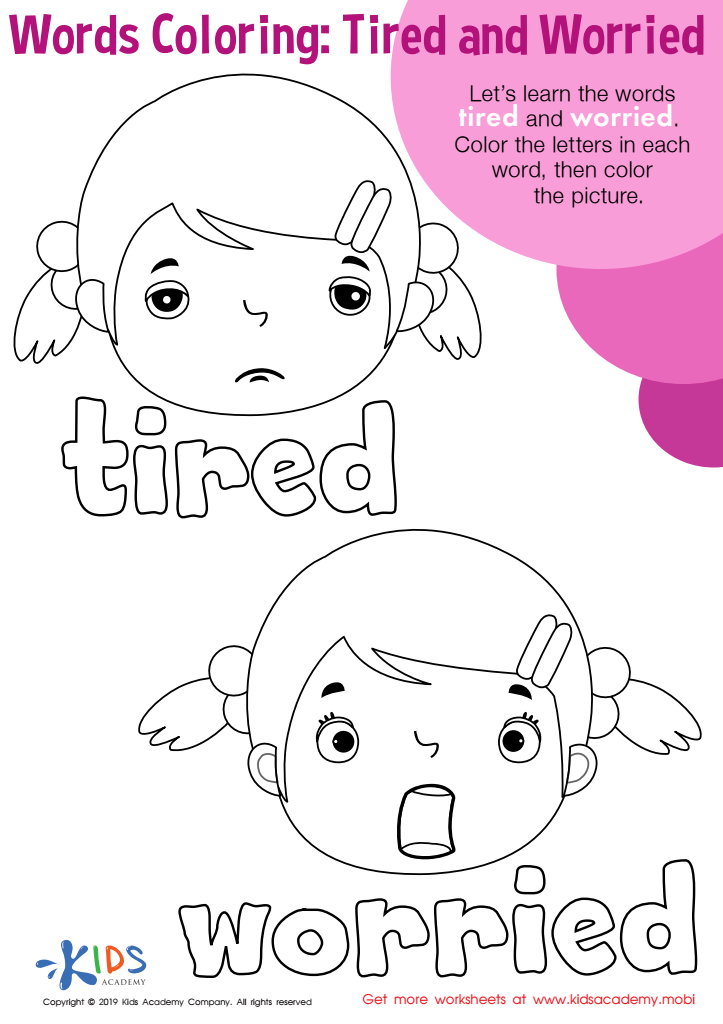
Tired and Worried Words Coloring Worksheet
Assign to My Students
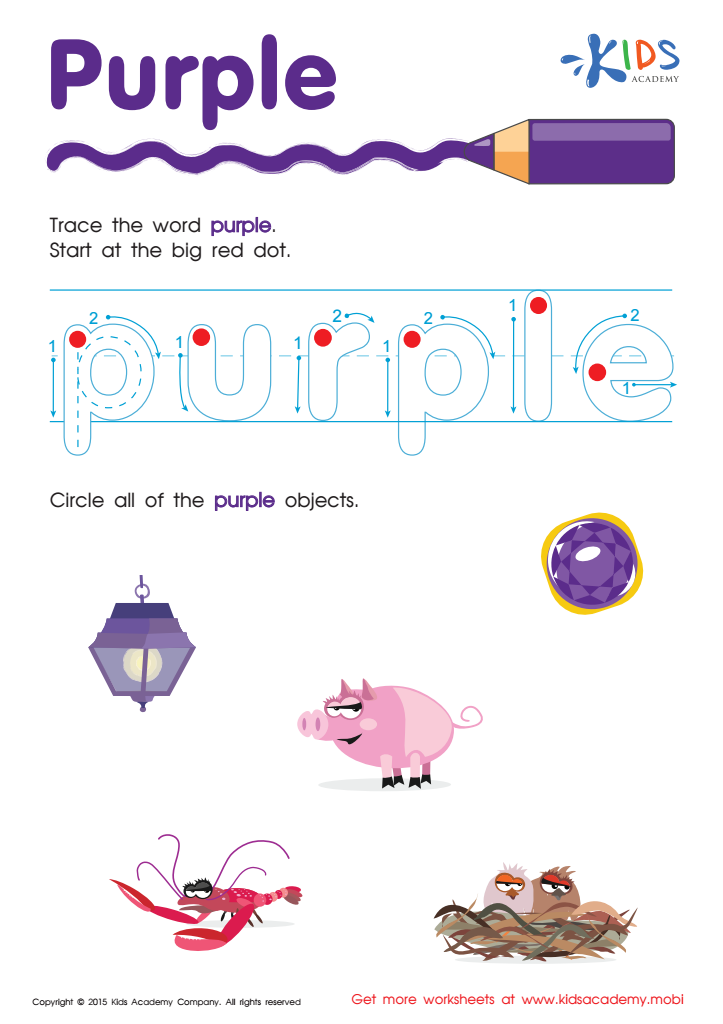
Purple Tracing Color Words Worksheet
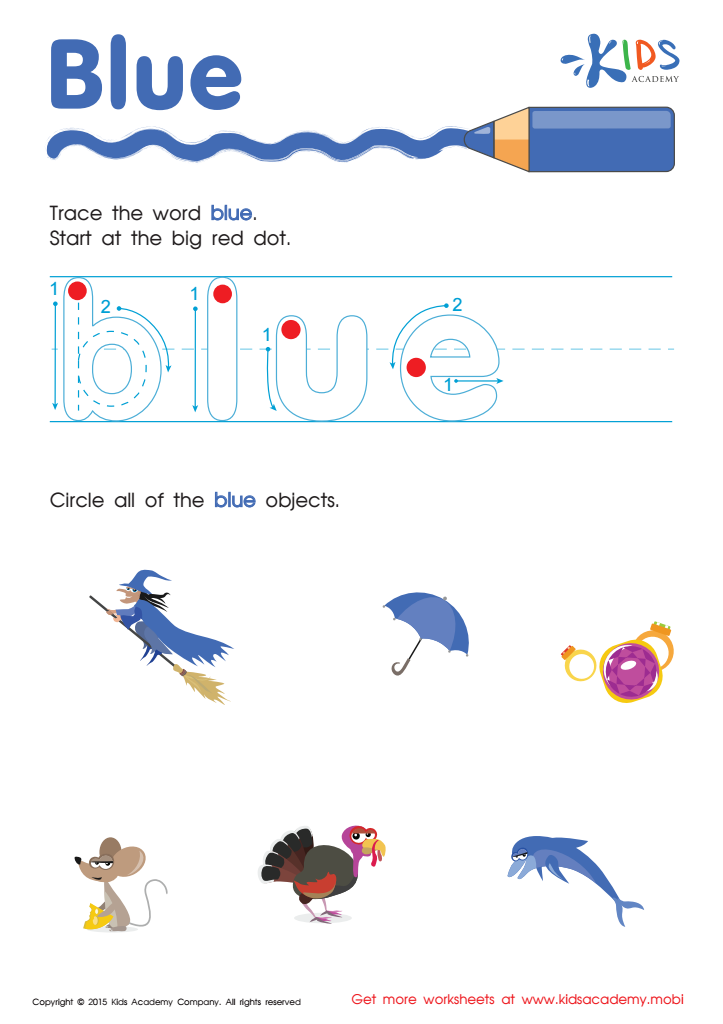
Blue Tracing Color Words Printable
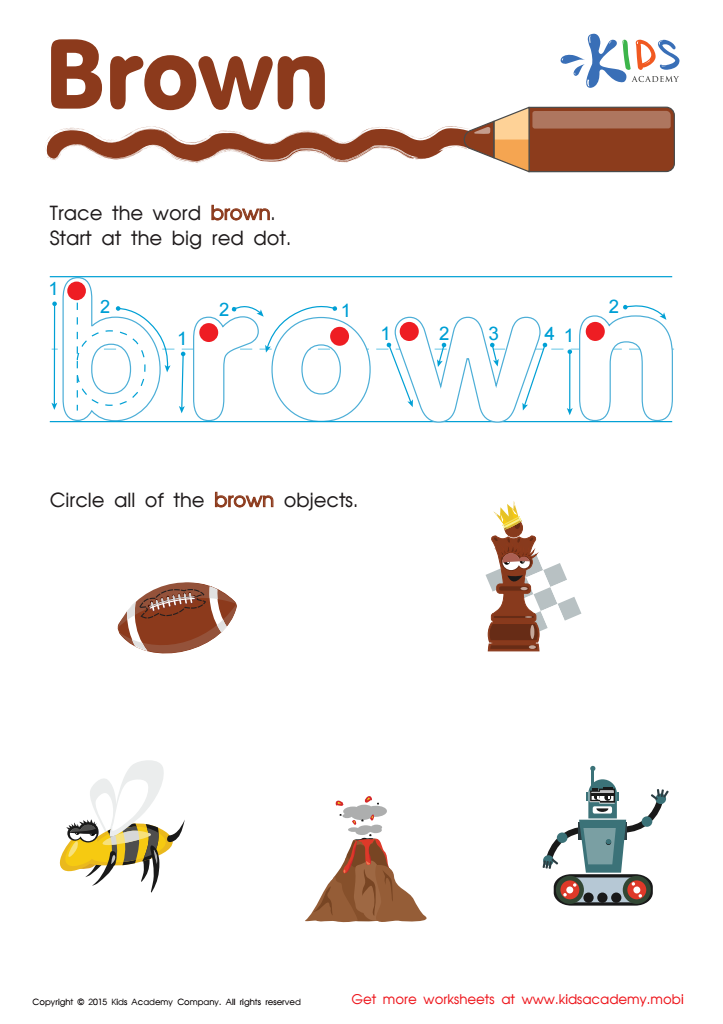
Brown Tracing Color Words Worksheet
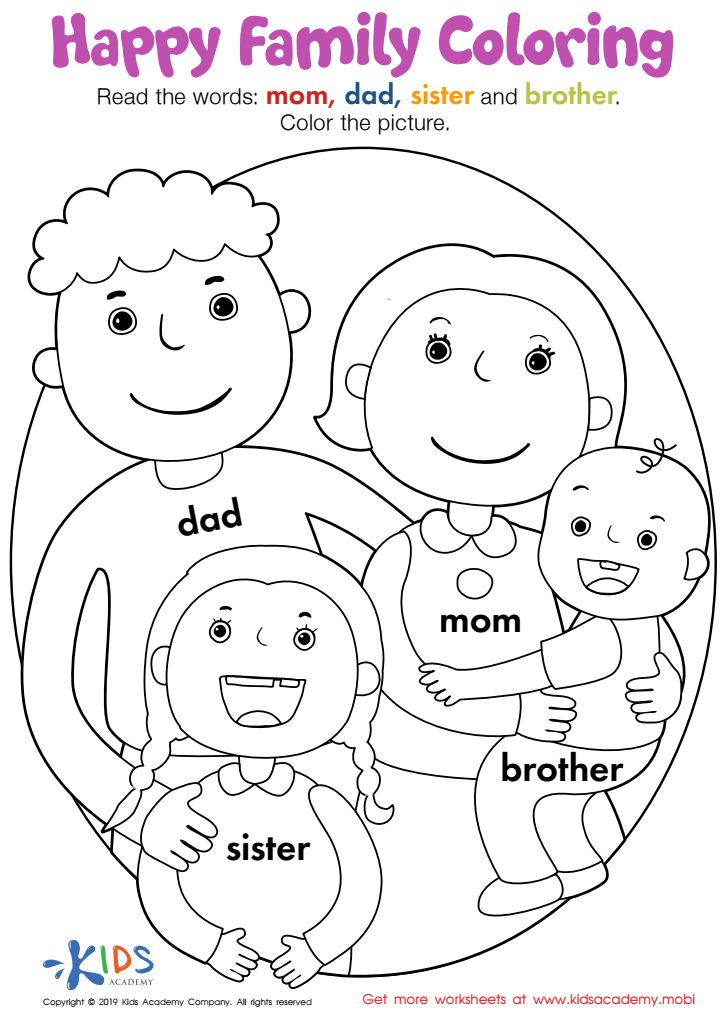
Happy Family Coloring Worksheet
Assign to My Students
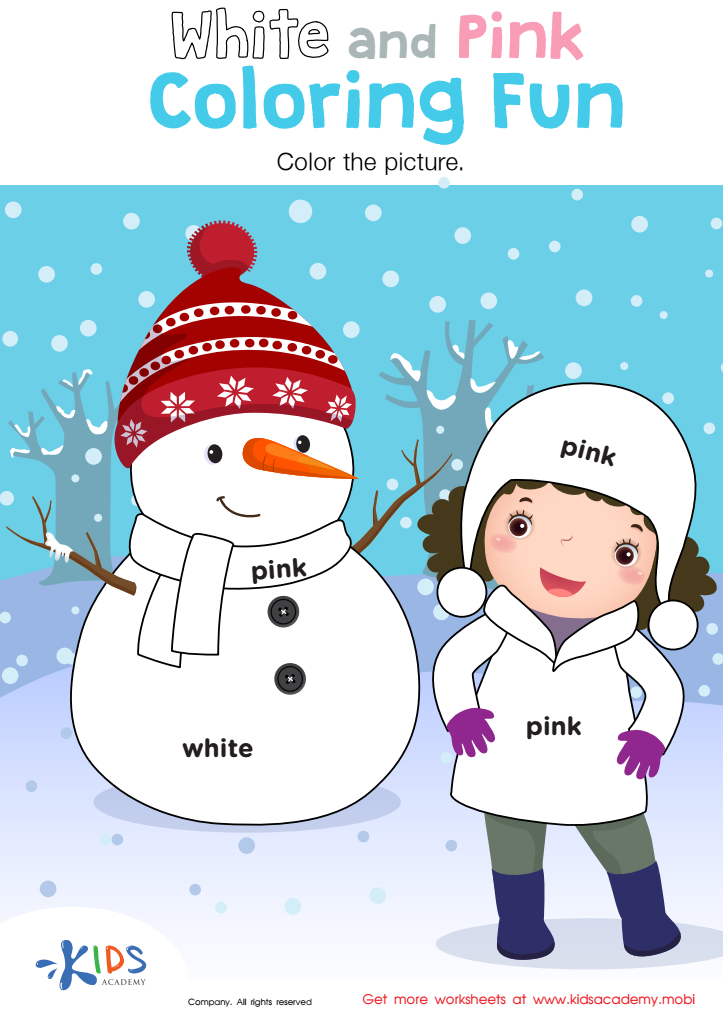
White and Pink Coloring Fun Worksheet
Assign to My Students
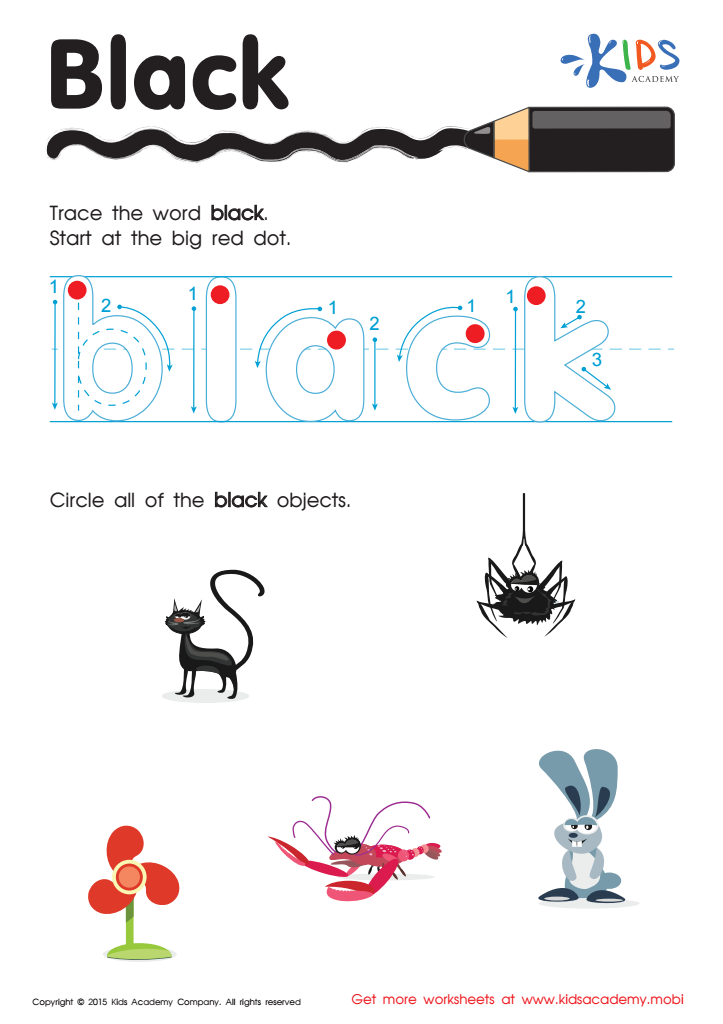
Black Tracing Color Words Printable





Color recognition is a fundamental skill for young learners, particularly for children aged 3-4. Parents and teachers should prioritize this learning for several reasons. First, color recognition aids in cognitive development, enhancing a child's ability to categorize and differentiate objects, which lays the groundwork for more complex learning tasks later on. Recognizing and naming colors encourages language development, as children expand their vocabulary and improve their communication skills.
Moreover, learning colors can significantly enrich a child's creativity. Engaging with colors in art activities fosters imagination and self-expression. It's also linked to emotional development; colors can symbolize different feelings (e.g., red for anger, blue for calm), helping children understand and communicate their emotions more effectively.
Socially, recognizing colors fosters interaction among peers during collaborative play and learning activities, enhancing teamwork skills and promoting friendships. Color recognition is also an early math skill, as it involves sorting, classifying, and pattern recognition—key elements in a child's mathematical understanding.
Incorporating color recognition into daily routines allows for playful and engaging learning experiences that are crucial for a child’s holistic development. By making this knowledge exciting and accessible, parents and teachers contribute significantly to a child's foundational skills.