Analytical thinking Worksheets for Ages 3-4
3 filtered results
-
From - To
Nurture your child's budding intellect with our engaging analytical thinking worksheets for ages 3-4. Specially designed to captivate young minds, these worksheets develop problem-solving and critical thinking skills through fun activities that challenge preschoolers in a playful manner. Featuring a variety of puzzles, matching games, and sorting tasks, each worksheet not only entertains but also builds essential cognitive abilities. Perfect for parents and educators, these resources provide a solid foundation for lifelong learning while ensuring your child enjoys every moment. Empower your little one to think smarter, earlier, with our expertly-crafted analytical thinking worksheets.
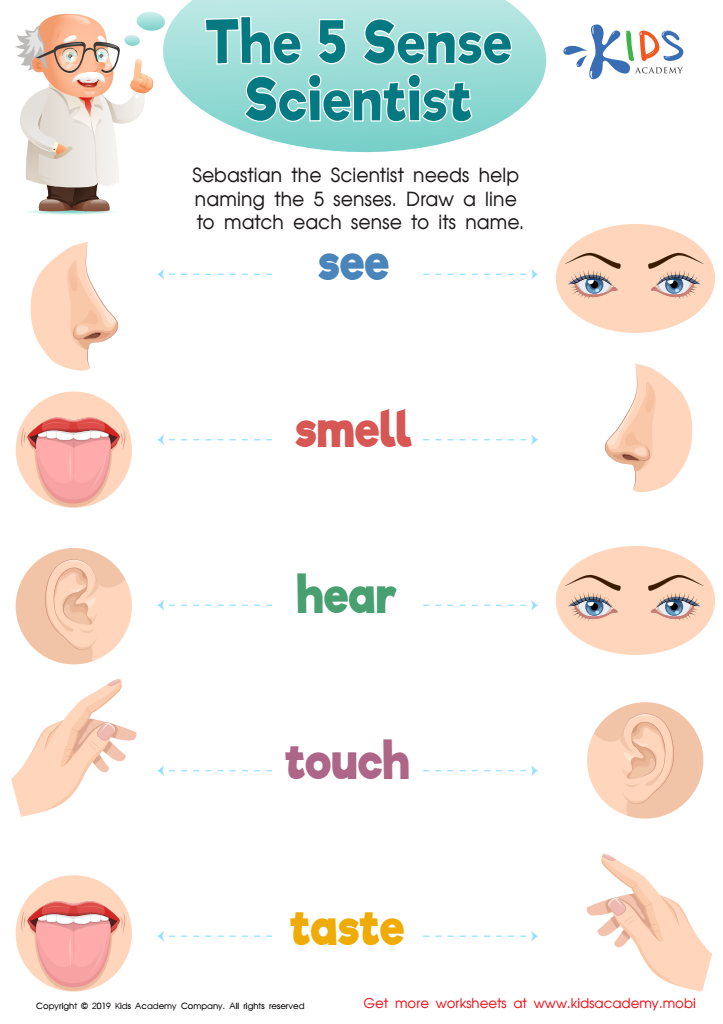
The 5 Sense Scientist Worksheet
 Assign to My Students
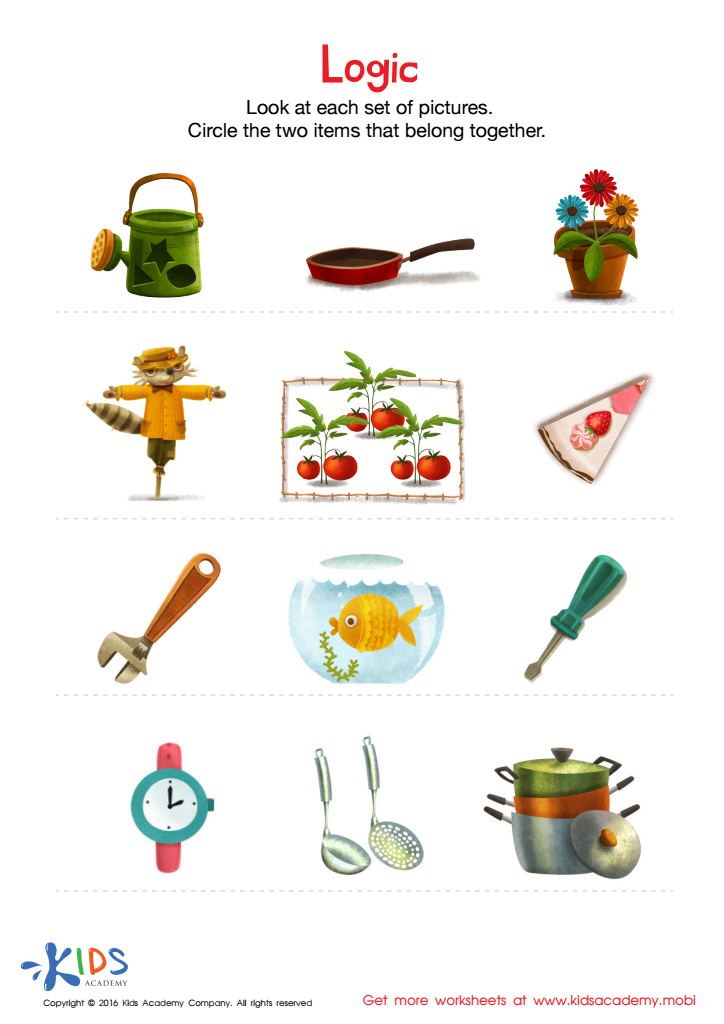
Logic Game Sorting Worksheet
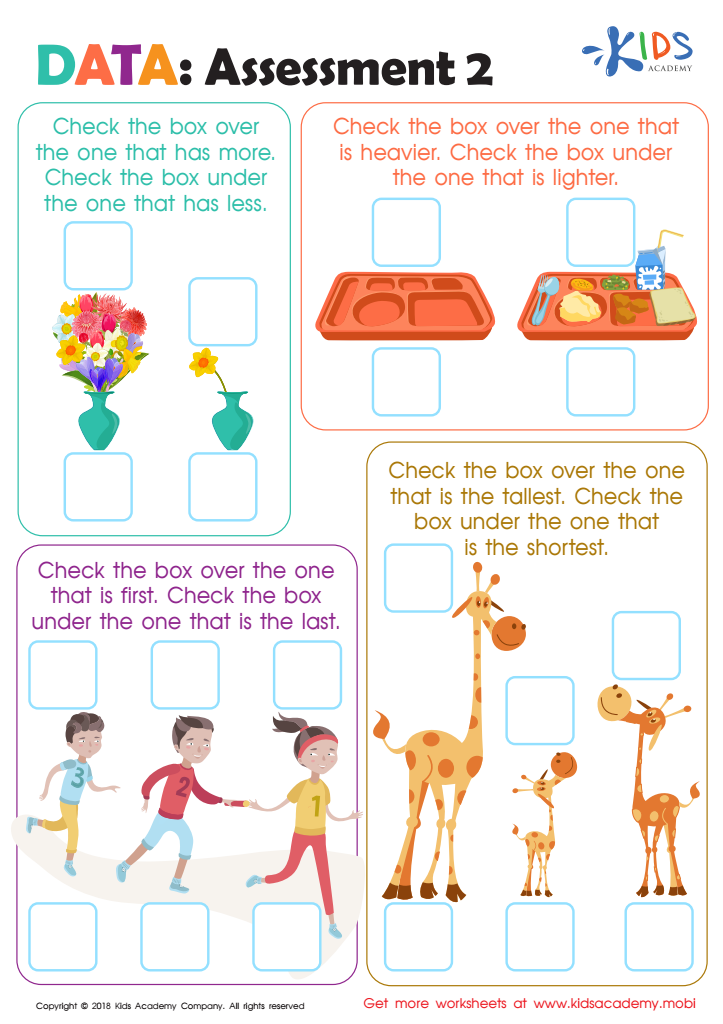
Data: Assessment 2 Worksheet







Parents and teachers should care about analytical thinking for children aged 3-4 because it lays the foundation for crucial cognitive and problem-solving skills that are essential throughout life. At this developmental stage, children are extraordinarily curious and are beginning to make sense of the world around them. By fostering analytical thinking, adults help these young minds develop the ability to observe, compare, categorize, and make connections.
When children learn to think analytically, they become better equipped to approach complex situations methodically. For instance, tasks that require sorting shapes or identifying patterns can significantly boost their logical reasoning skills. These cognitive skills not only improve their academic readiness but also enhance their social competencies. They learn to solve conflicts and recognize outcomes in social contexts through reasoning.
Moreover, early development of analytical skills supports language acquisition. By recognizing patterns in sounds and grammar, children can improve their communication abilities more effectively. Encouraging analytical play, such as simple puzzles or hands-on activities, further nurtures their motor skills and hand-eye coordination.
Therefore, investing in the development of analytical thinking in these formative years sets the groundwork for a lifetime of effective learning and adaptive problem-solving, helping to build a brighter, more capable future generation.








