Animal identification Worksheets for Ages 3-4 - Page 2
41 filtered results
-
From - To
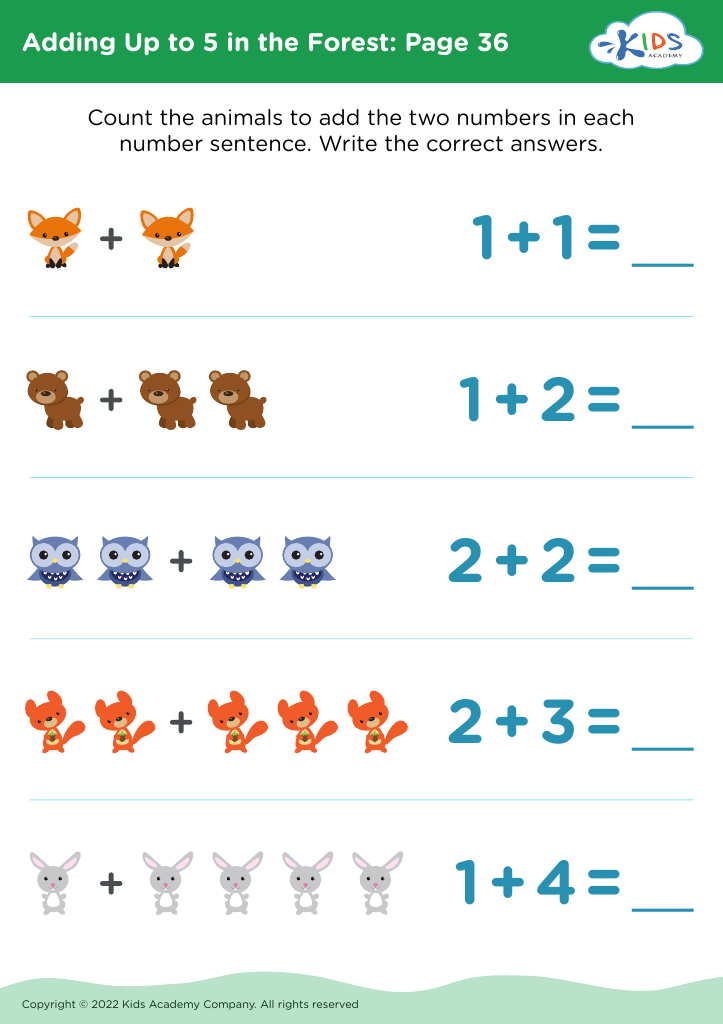
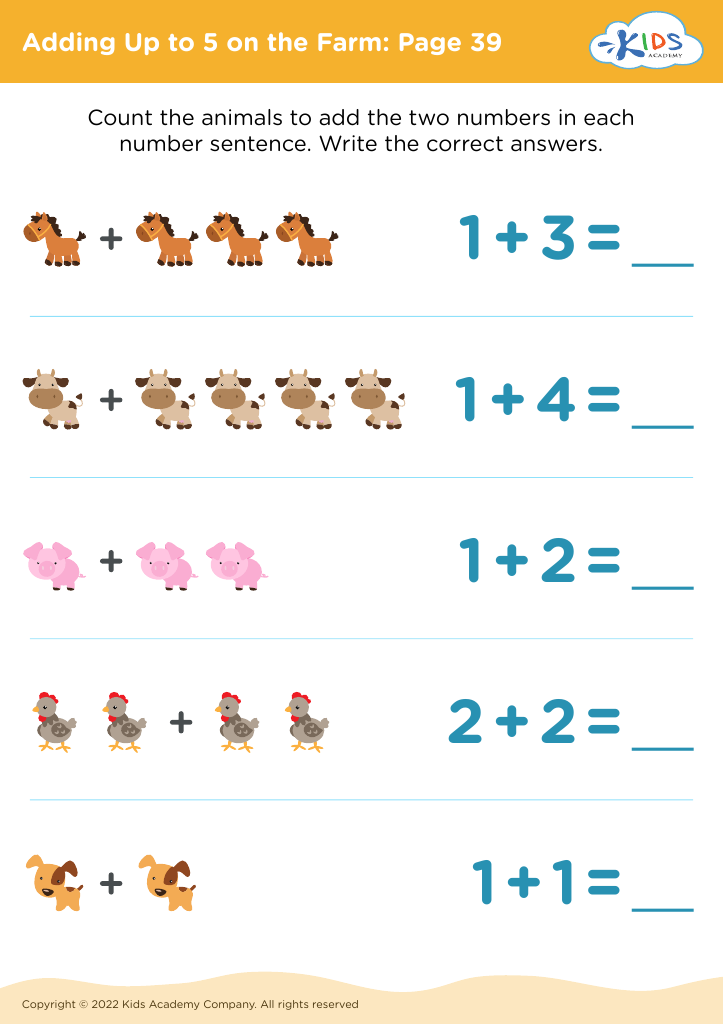
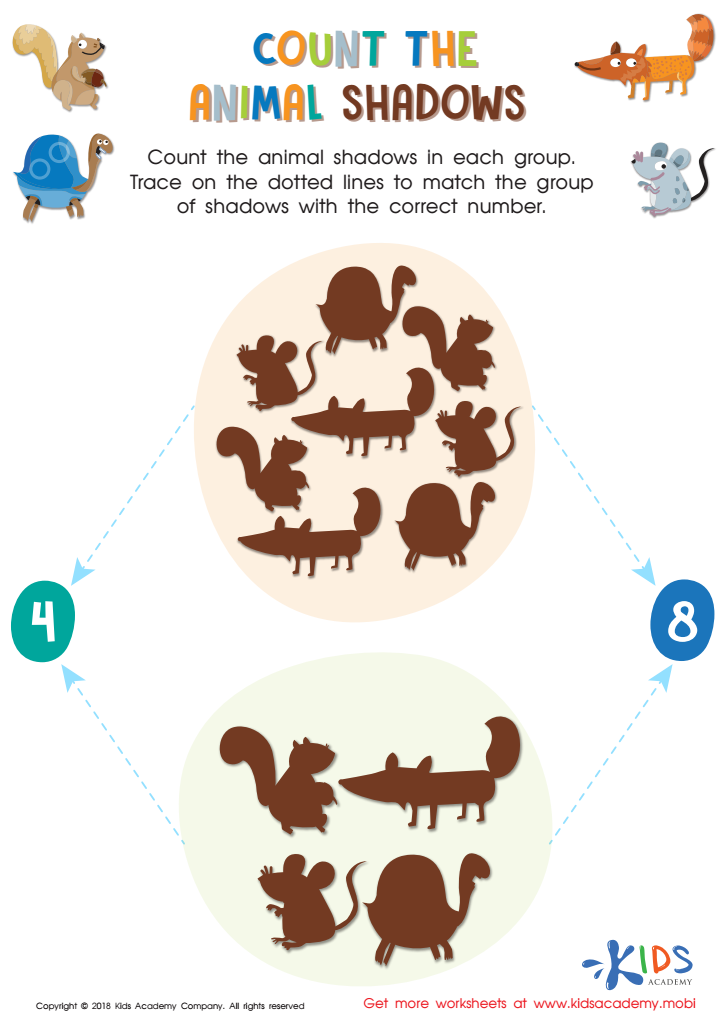
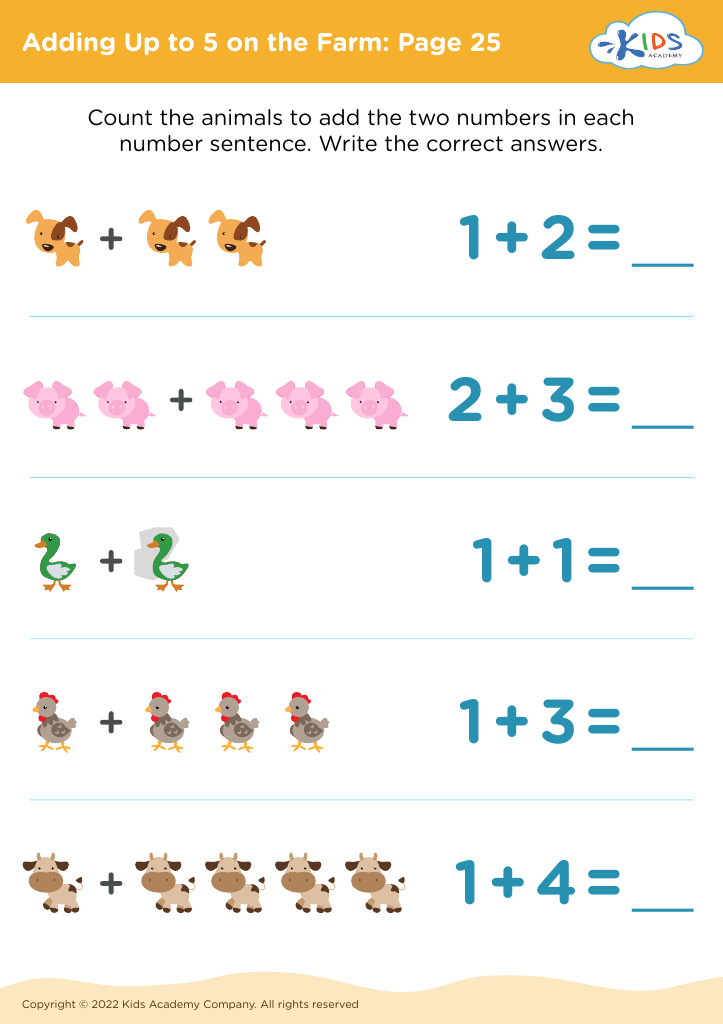
Count the Animal Shadows Worksheet
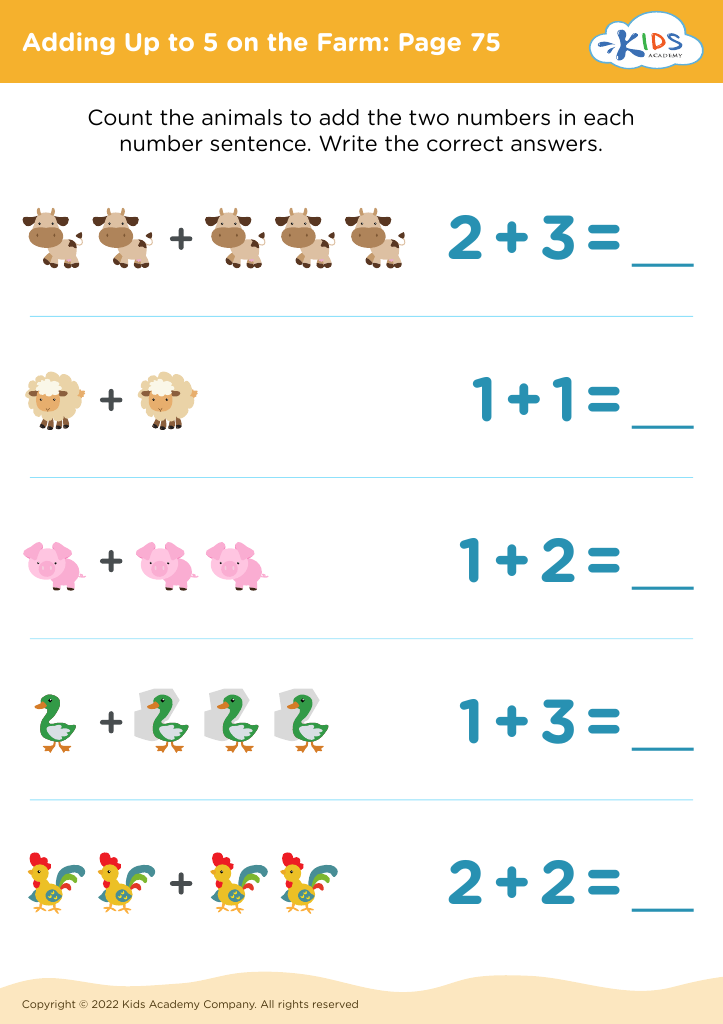
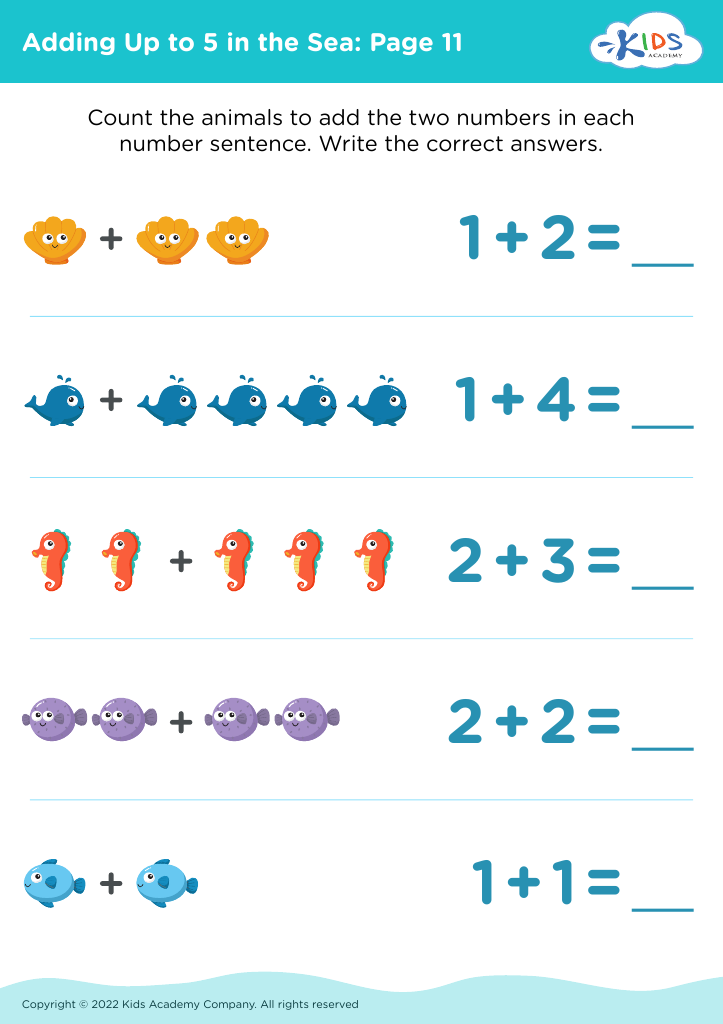
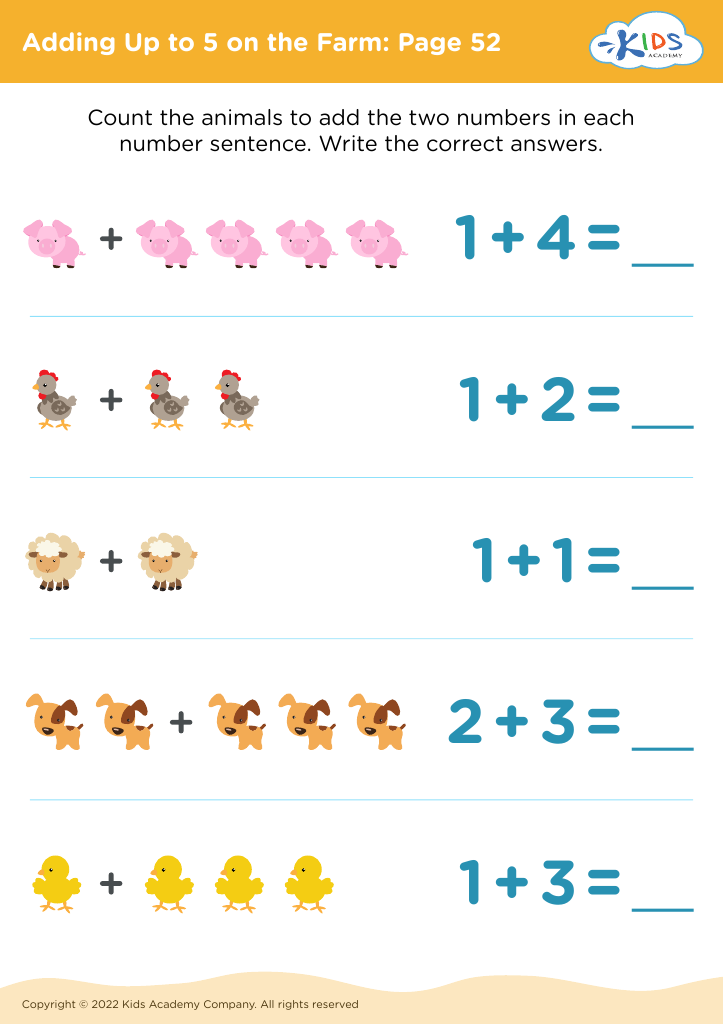
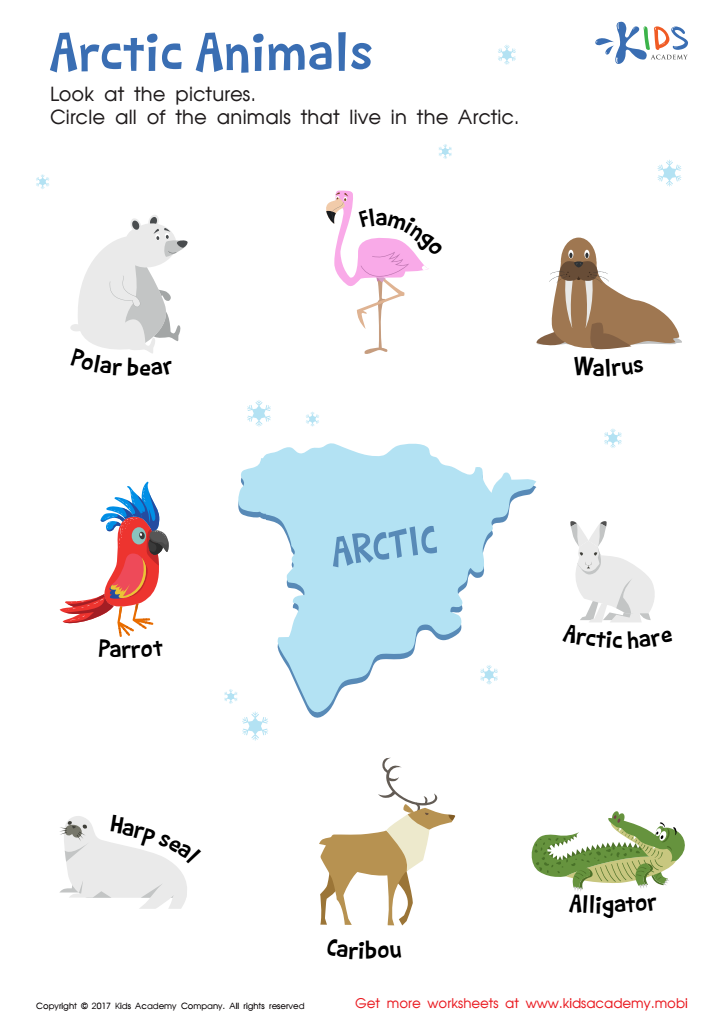
Arctic Animals Worksheet

Turkey Thanksgiving Day Worksheet
 Assign to My Students
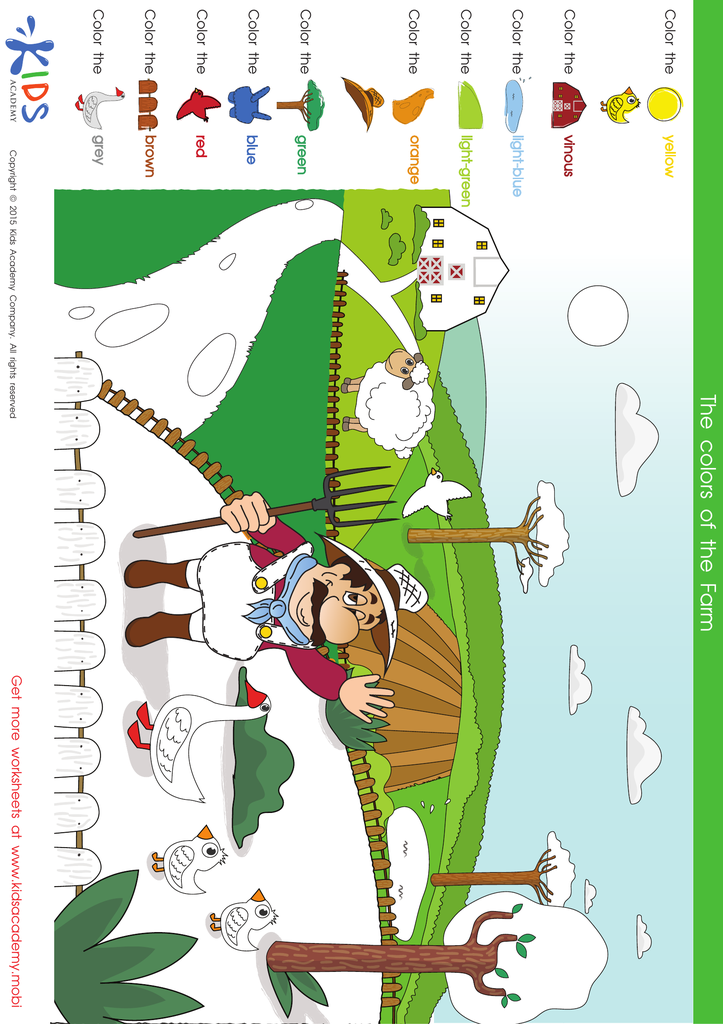
Color the Farmer and His Geese Coloring Pages

Great Hornbill Worksheet
Assign to My Students
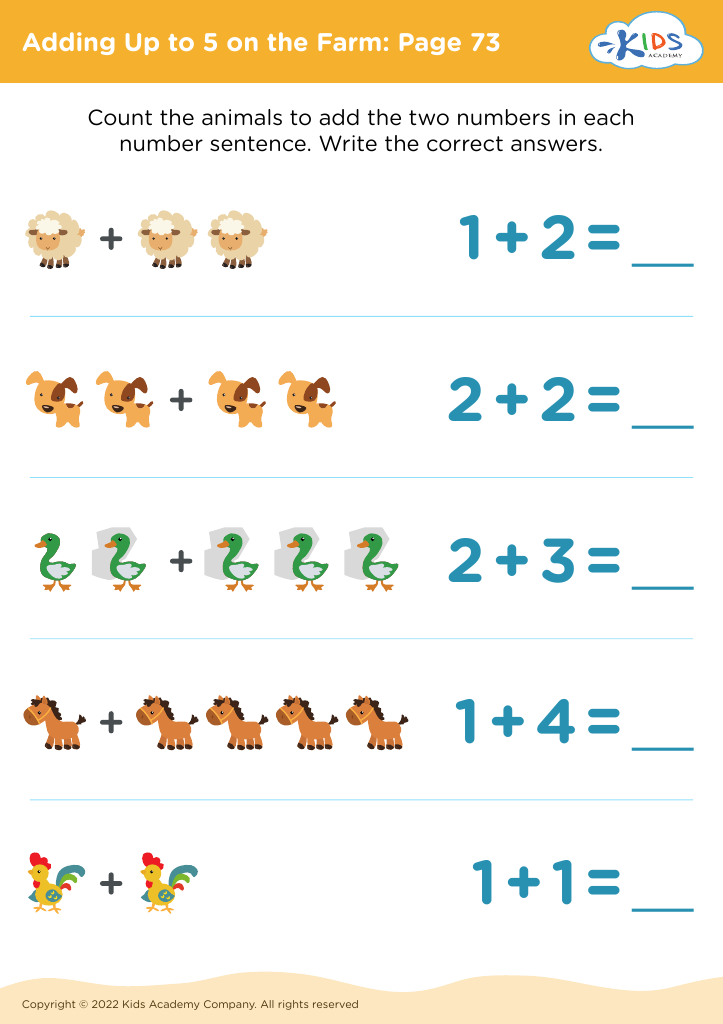
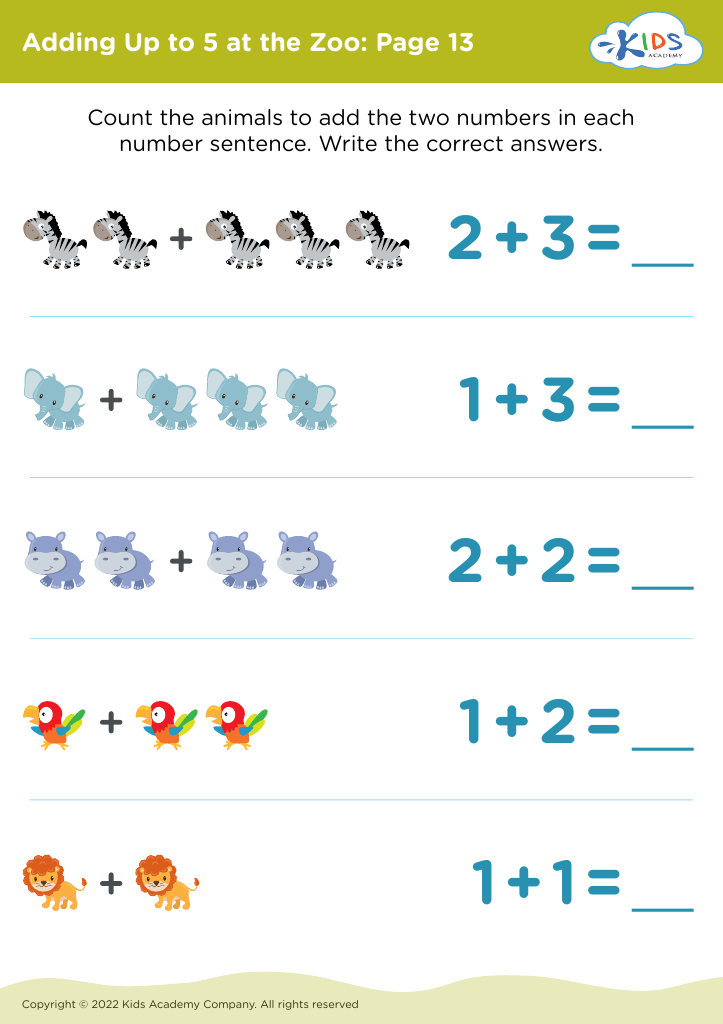







Animal identification for children ages 3-4 is an essential part of early learning that can significantly benefit their cognitive and emotional development. At this tender age, children's brains are highly receptive to new information, and learning to identify animals can enhance their memory, categorization skills, and vocabulary.
When parents or teachers introduce young children to animal identification, they spark curiosity and foster a love for nature and the environment. This early exposure helps children understand and appreciate biodiversity from a young age. The process of identifying animals also improves fine motor skills through activities such as coloring, drawing, and matching pictures to names.
Moreover, learning about animals enhances a child's observational skills and attention to detail. It encourages them to notice differences and similarities among various species, fostering analytical thinking.
Socially, animal identification can lead to better emotional development as children learn to express empathy and care for living creatures. Storybooks and educational videos featuring animals often impart moral lessons and stimulate imaginative play, helping children to better understand the world around them and their role in it.
In summary, prioritizing animal identification in early childhood education lays a foundational framework for cognitive skills, helps build empathy, and nurtures a more profound environmental awareness, making it a worthwhile focus for both parents and educators.








