Associative learning Worksheets for Ages 3-4
3 filtered results
-
From - To
Our engaging Associative Learning Worksheets for ages 3-4 are expertly designed to foster early cognitive development. Packed with colorful activities and illustrated fun, these worksheets help young learners grasp connections, improve memory, and enhance critical thinking skills. Perfect for pre-K children, our resources incorporate shape matching, pattern recognition, and everyday scenarios to teach kids how to associate and classify information intelligently. Tailored to meet early educational standards, these worksheets are ideal for parents and educators looking to give little ones a head start. Spark your child’s curiosity and foundational skills today!
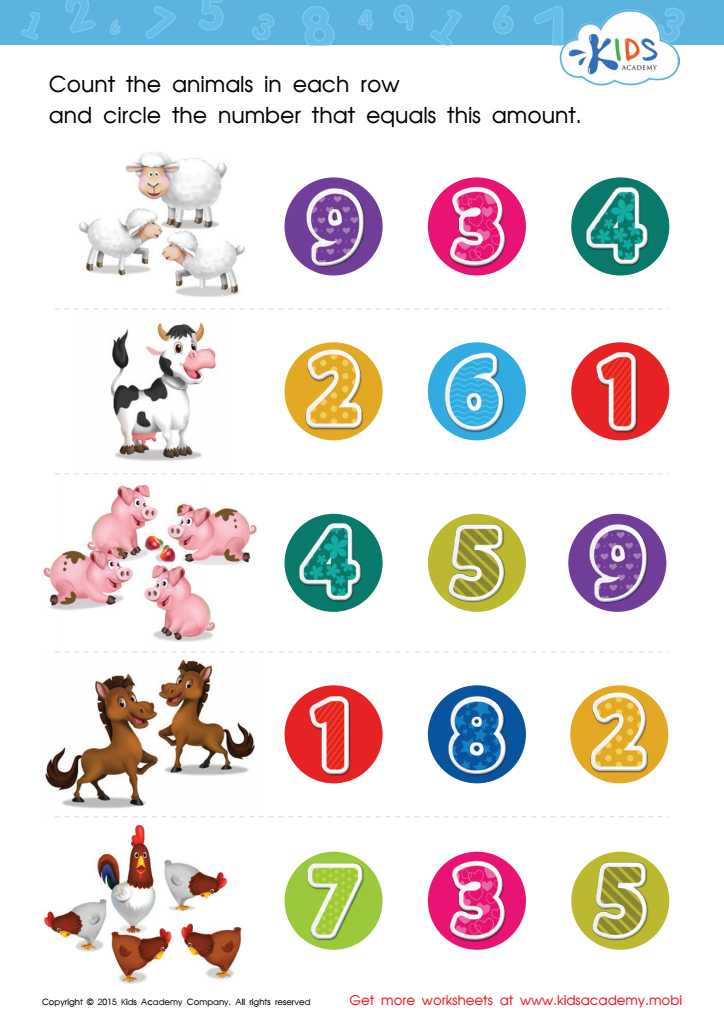
Count and Match 1 – 5 Math Worksheet
 Assign to My Students
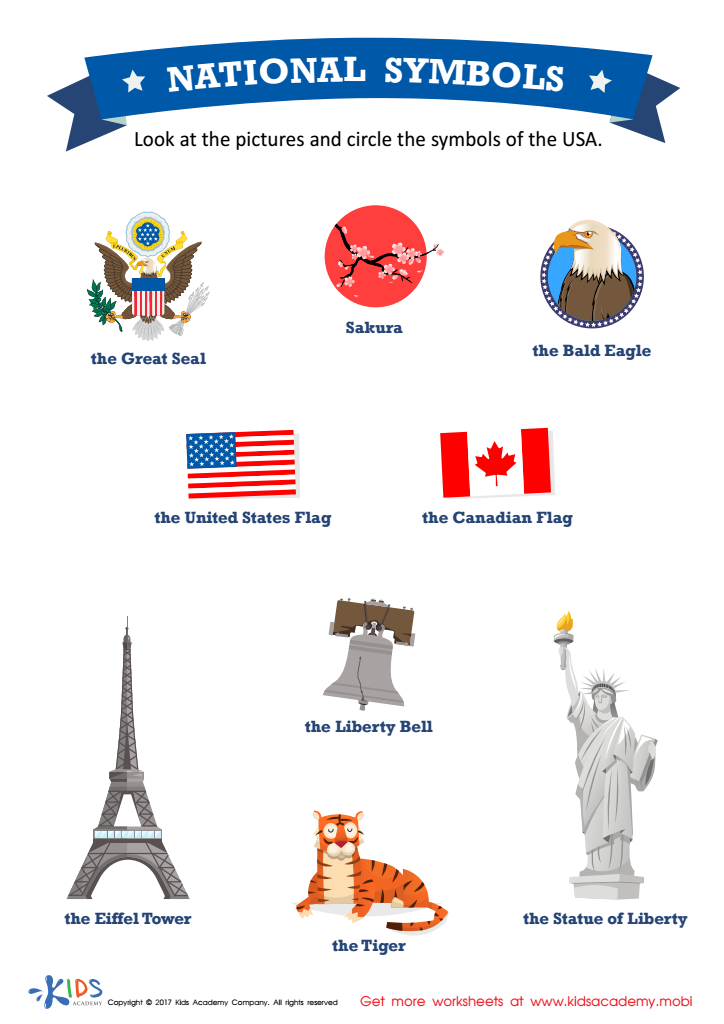
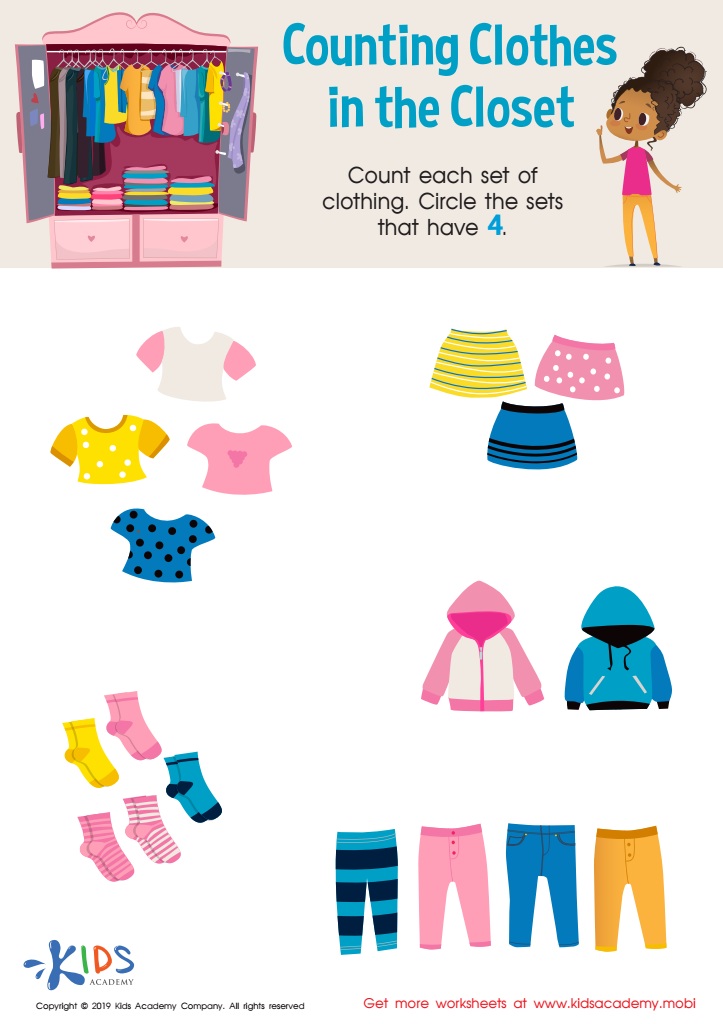
Counting Clothes Worksheet








Associative learning, the process by which individuals form connections between stimuli and responses, plays a crucial role in the cognitive and emotional development of children aged 3-4. At this formative stage, children’s brains are exceptionally receptive to new information, making it the optimal time to encourage beneficial learning patterns and habits.
Parents and teachers should care about associative learning because it lays the groundwork for essential life skills. Through positive associations, children learn social behaviors, language, and problem-solving skills. For example, associating bedtime with a certain routine can help children develop good sleep habits. Similarly, associating certain sounds with letters and words is fundamental in early literacy development.
Furthermore, associative learning impacts emotional development. Positive reinforcement of good behavior, like sharing and cooperation, helps children understand and emulate these social norms. This approach nurtures an emotionally secure and well-adjusted child, ready to interact harmoniously with peers and adults.
Additionally, fostering associative learning at this age promotes curiosity and a positive attitude toward learning. This lifelong love for learning can translate to academic success and a more adaptable, resilient individual. Therefore, investing time in associative learning activities benefits the child’s cognitive, social, and emotional development, creating a strong foundation for future growth and learning.








