Basic addition practice Worksheets for Ages 3-4
12 filtered results
-
From - To
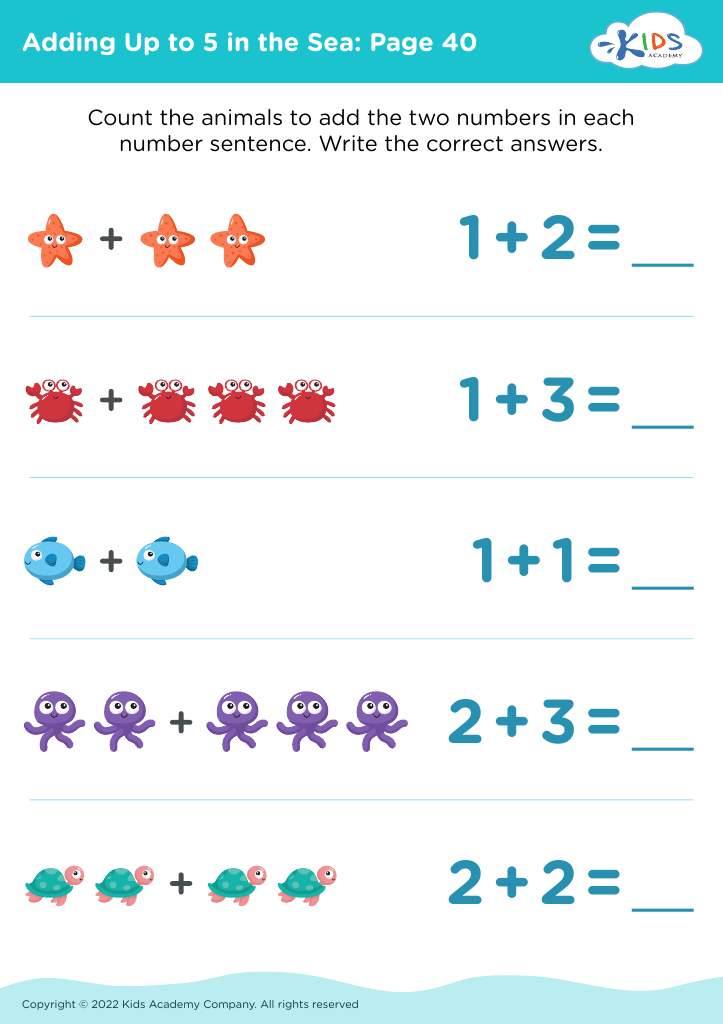
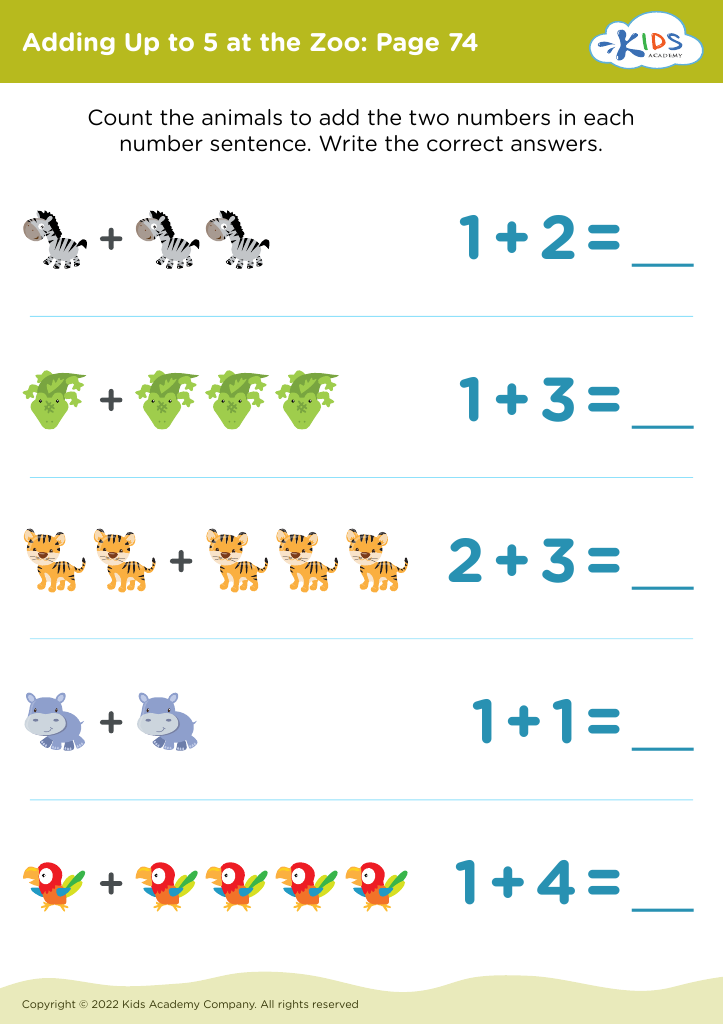
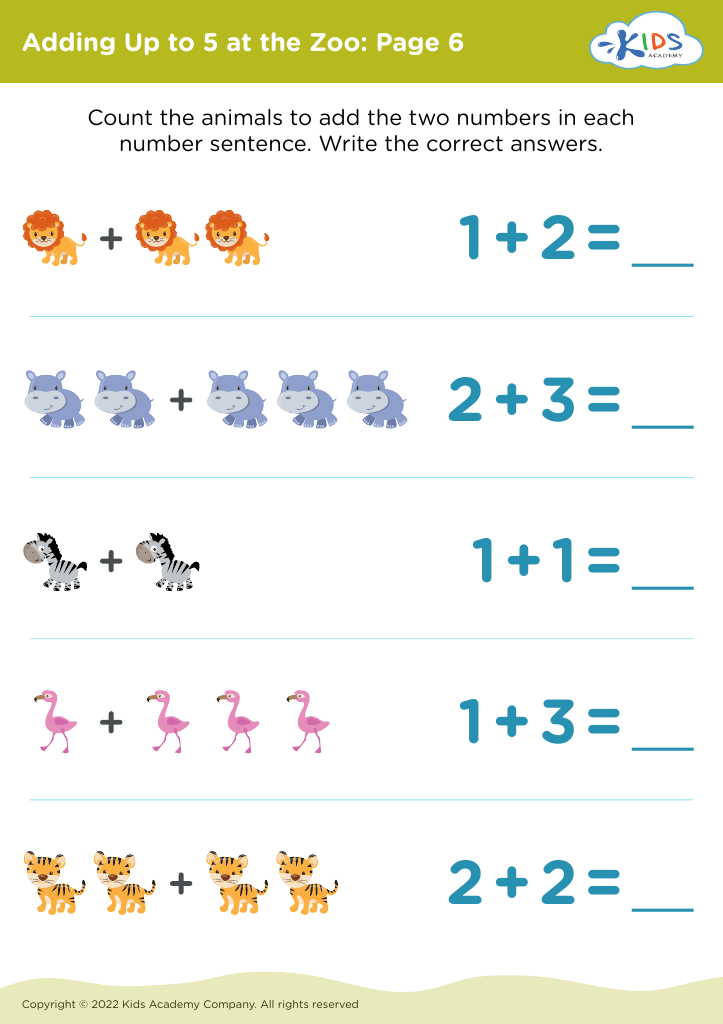
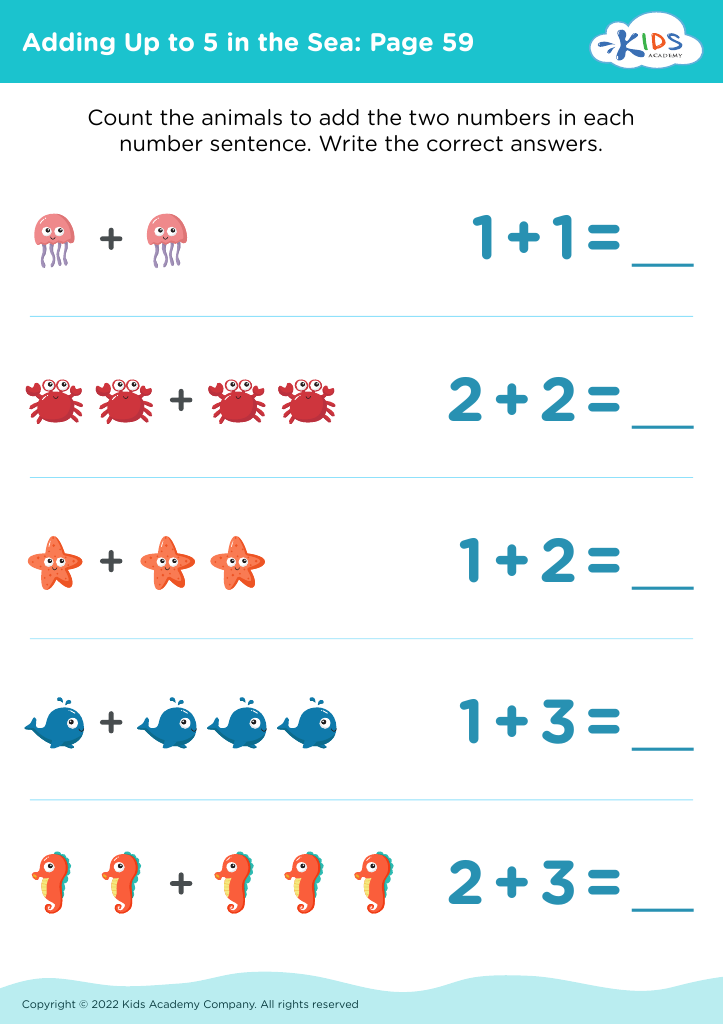
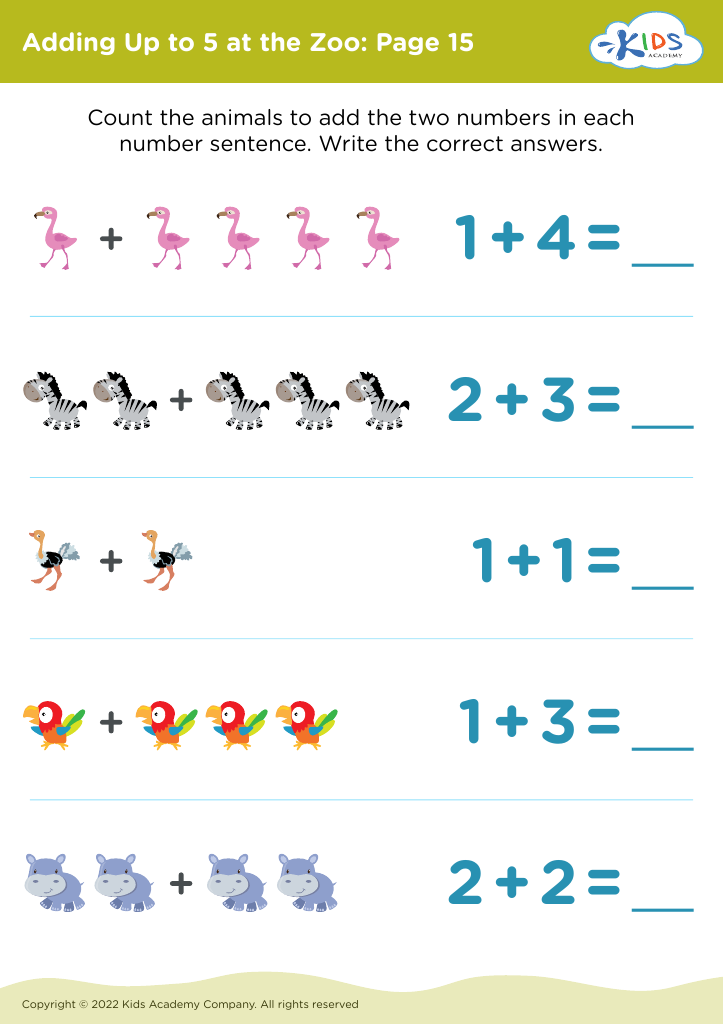
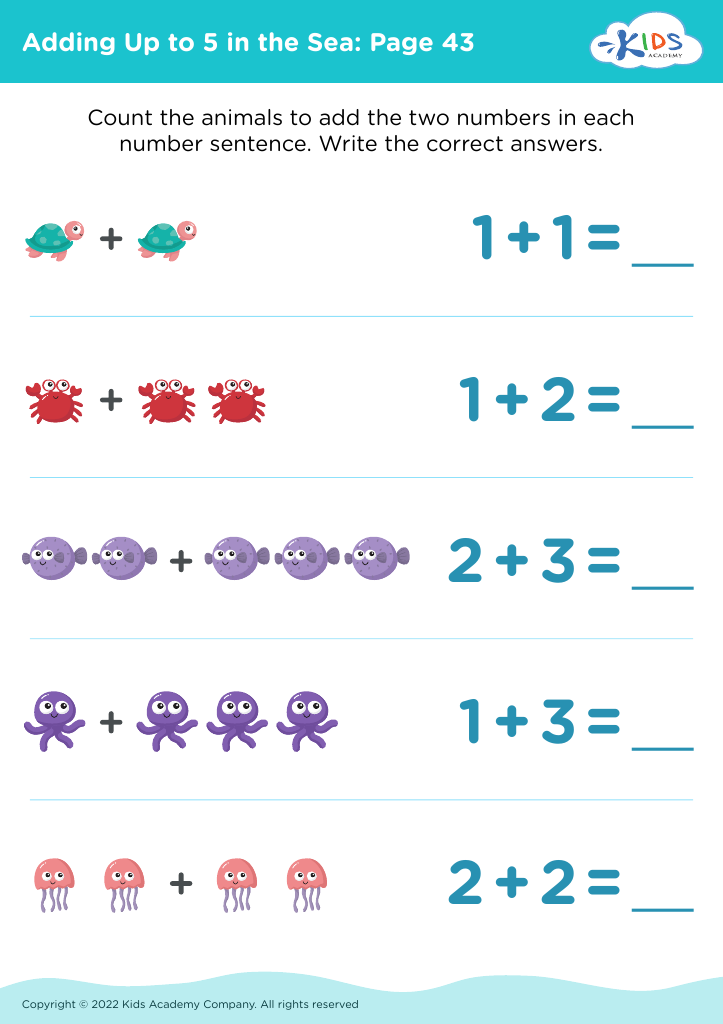
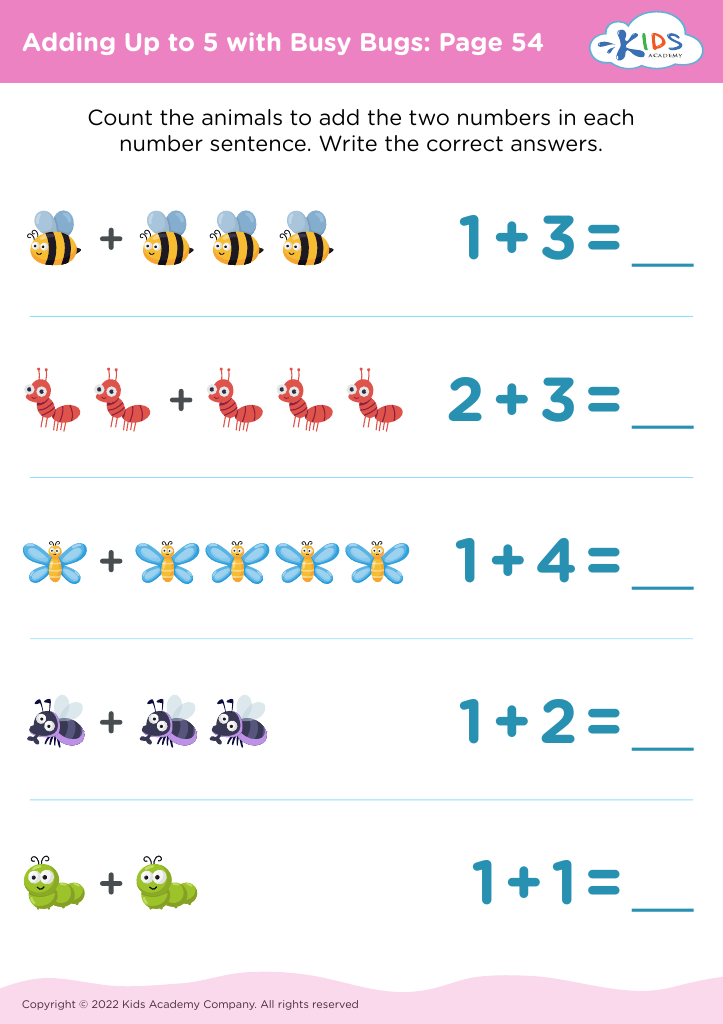
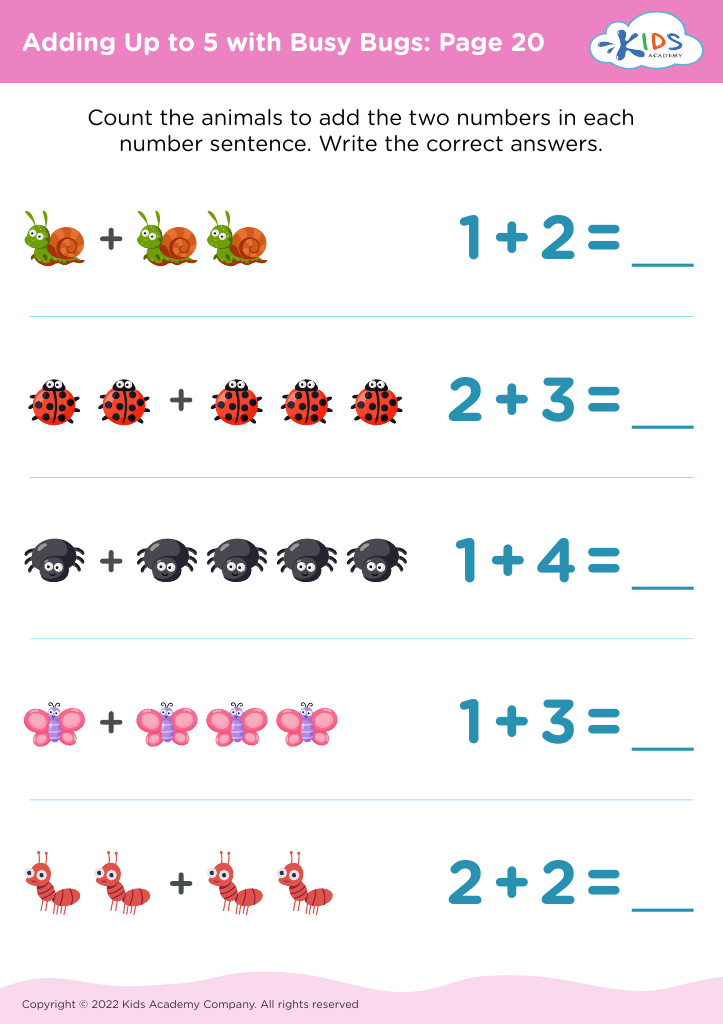
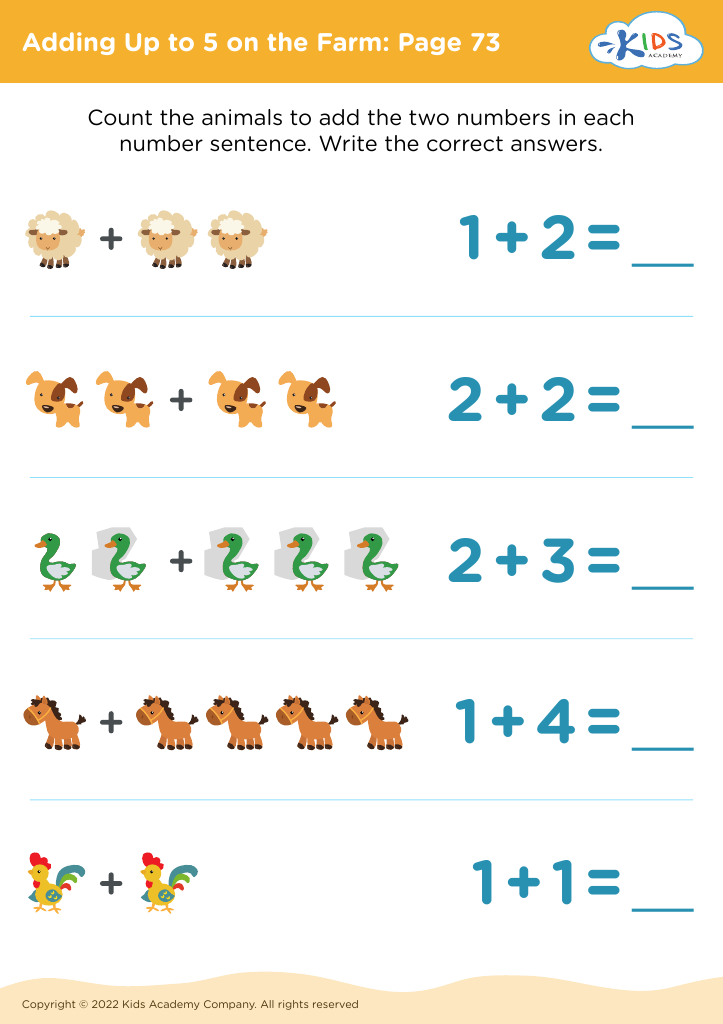
Explore our engaging Basic Addition Practice Worksheets for children ages 3-4, designed to introduce early math skills in a fun and interactive way. These colorful and creative worksheets help young learners grasp fundamental addition concepts through simple exercises that reinforce number recognition and counting. Each worksheet is thoughtfully crafted to hold the attention of preschoolers, making learning enjoyable. Parents and educators can easily incorporate these worksheets into daily activities to enhance children's understanding of basic math. Download and print our free resources now to support your child's early development in a playful and effective manner! Ideal for at-home or classroom use.
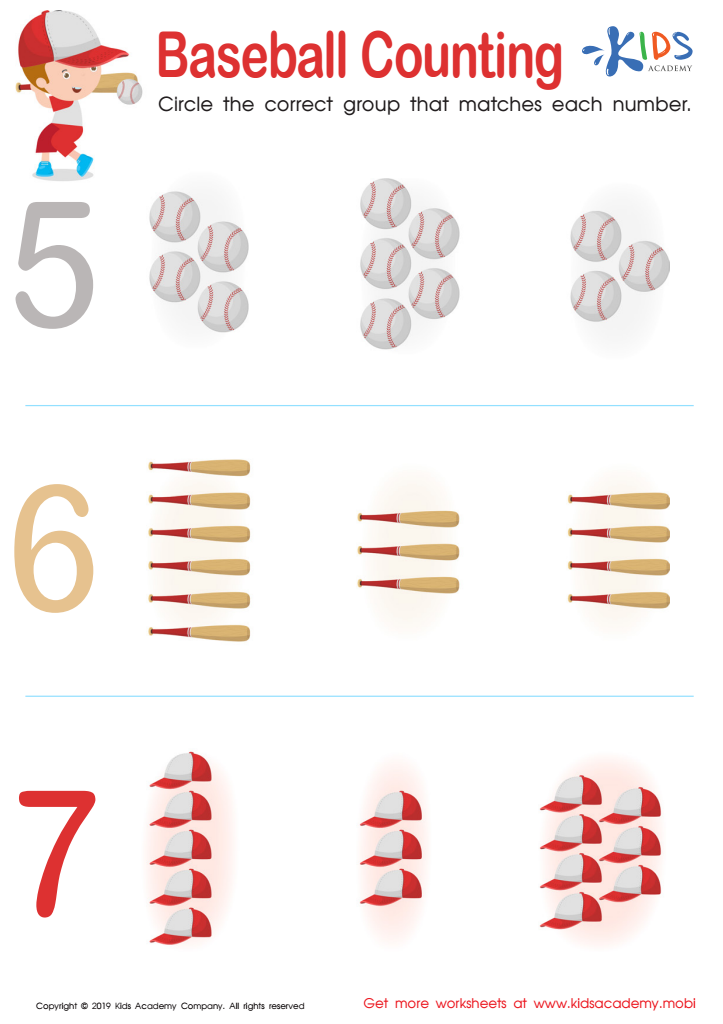
Baseball Counting Worksheet
 Assign to My Students
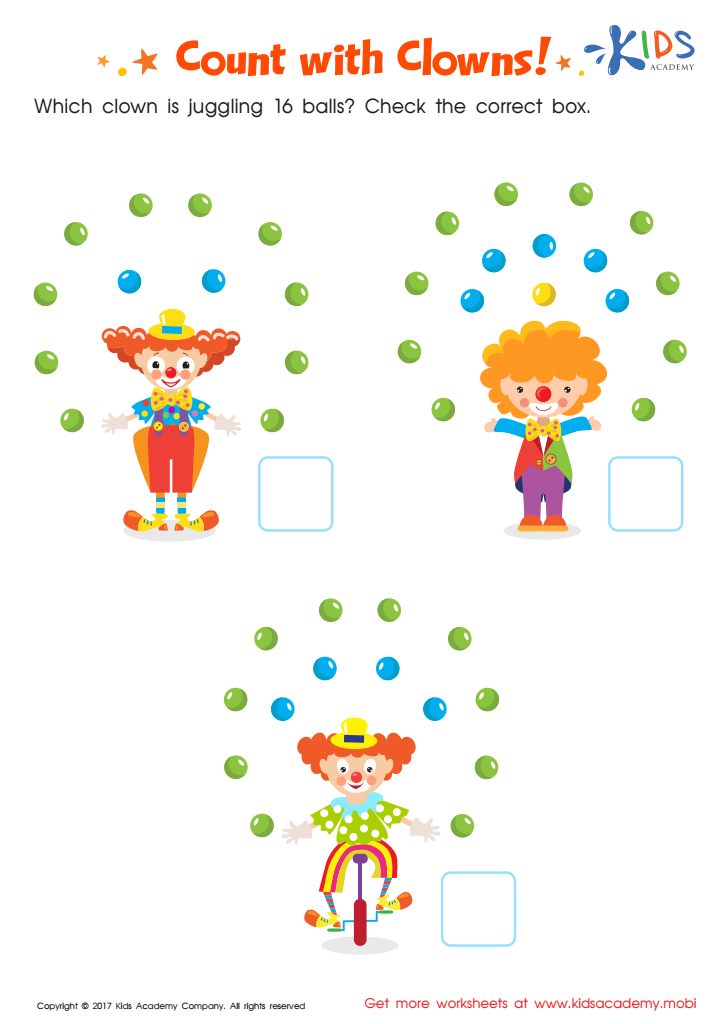
Count with Clowns Worksheet




.jpg)


.jpg)
Parents and teachers should prioritize basic addition practice for children aged 3-4 for several compelling reasons. First, this early exposure to math concepts lays a strong foundation for future arithmetic skills. Understanding basic addition introduces young learners to the idea of numbers representing quantities, aiding their cognitive development and preparing them for more complex math in later years.
Additionally, engaging in addition activities can enhance critical thinking and problem-solving skills. Simple addition games and hands-on activities can make learning fun, fostering a positive attitude towards math, which is crucial in a child’s academic journey. It encourages curiosity and exploration, allowing children to understand the world around them through numbers and relationships.
Moreover, early math skills are closely linked to later academic success. Children who have a solid grasp of basic addition are more likely to excel in higher-level mathematics, giving them a significant advantage as their education progresses.
Lastly, practicing addition together can encourage parent-child bonding and interactive learning. It creates opportunities for meaningful discussions, enhancing both communication skills and emotional connection. In summary, basic addition practice for ages 3-4 is foundational not just for math skills but also for overall cognitive and social development.








