Color recognition Worksheets for Ages 3-4 - Page 2
97 filtered results
-
From - To
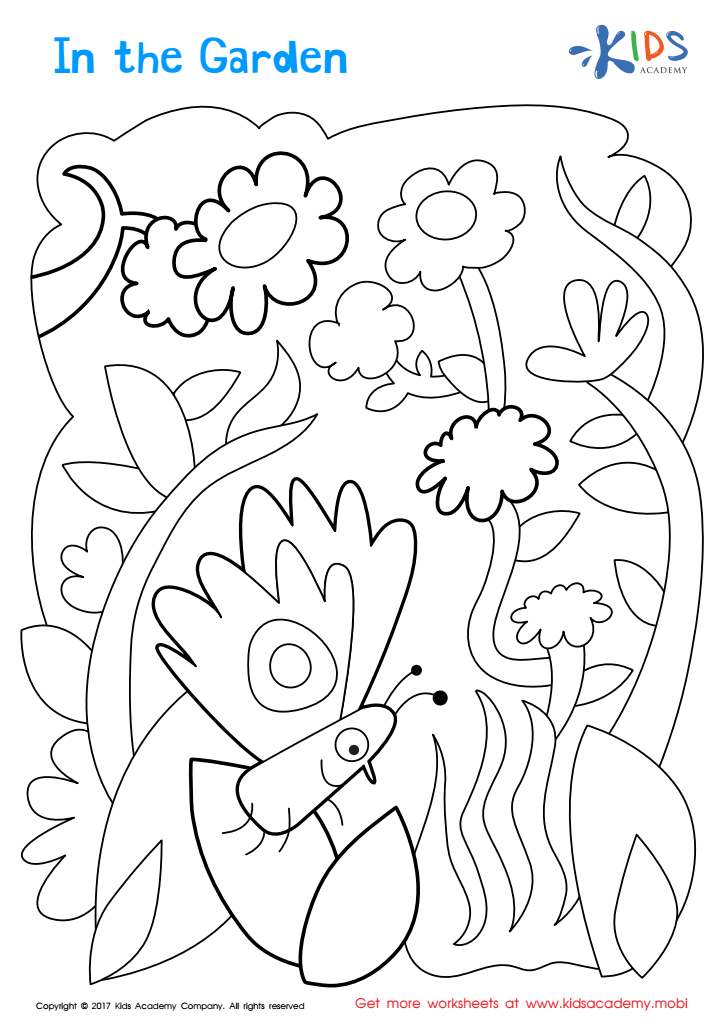
In The Garden Coloring Page
 Assign to My Students
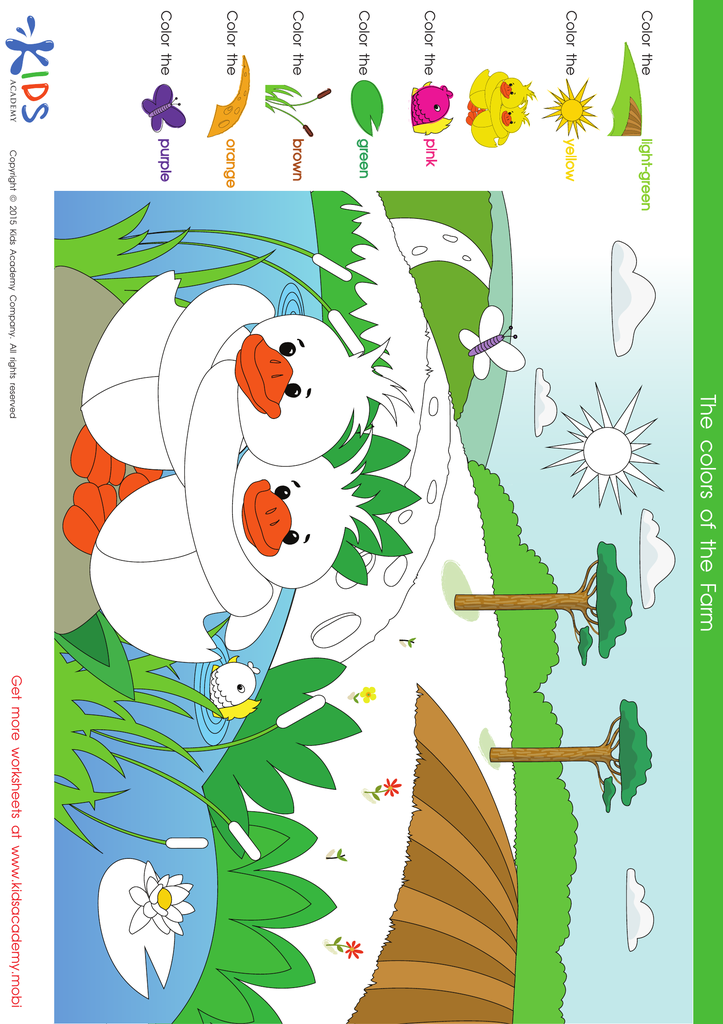
Color the Ducklings near the Pond Coloring Pages
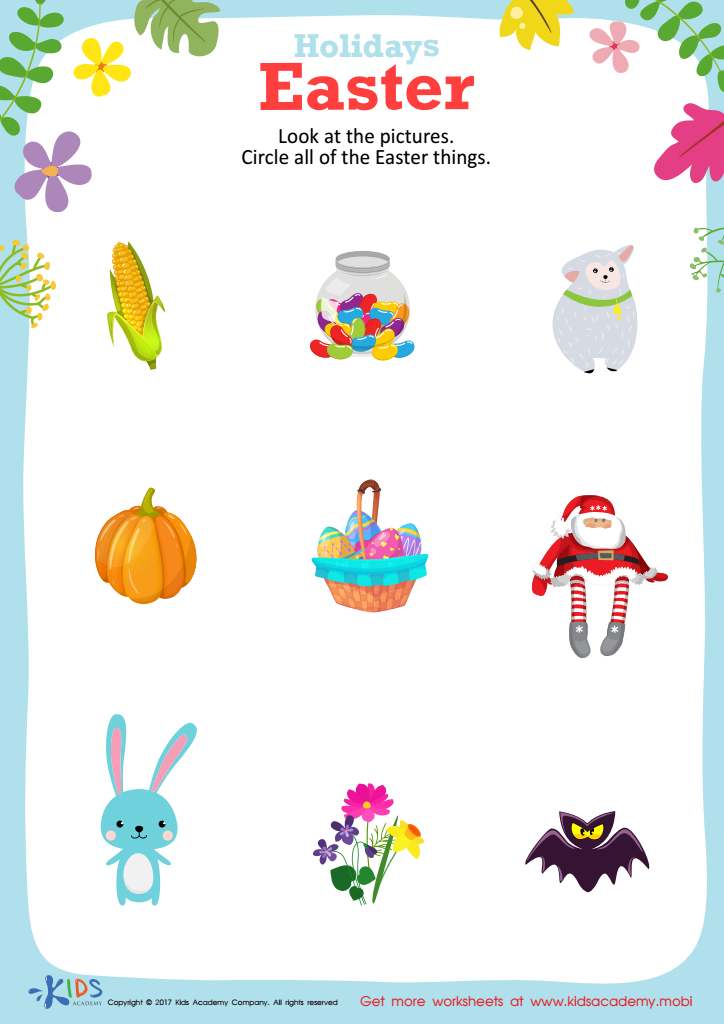
Easter Holiday Printable

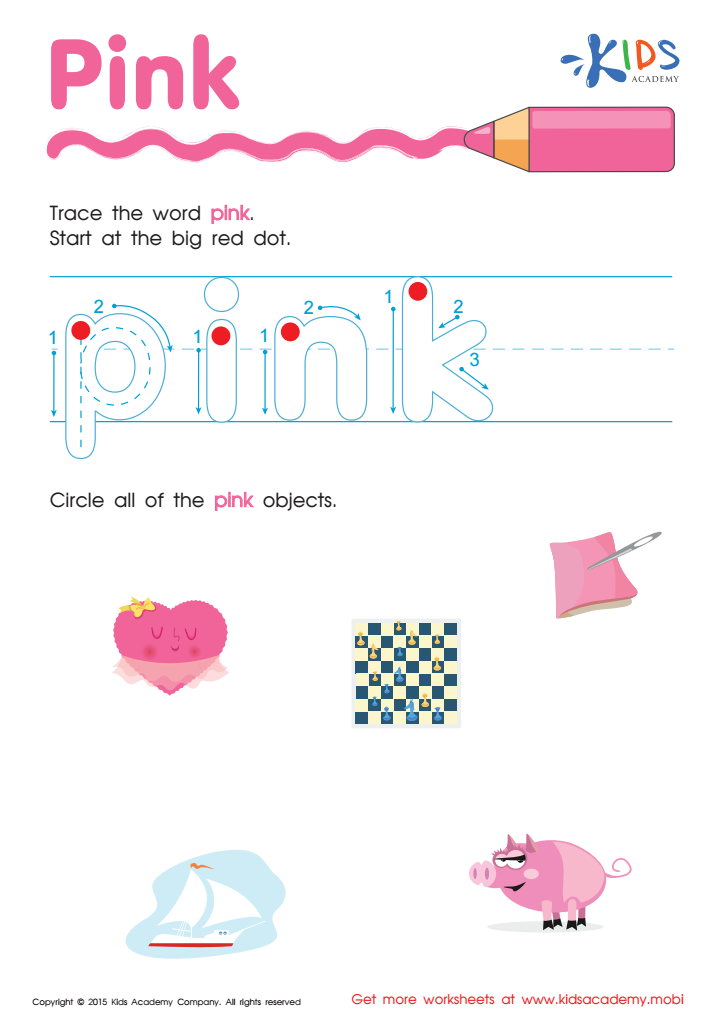
Pink Tracing Color Words Worksheet
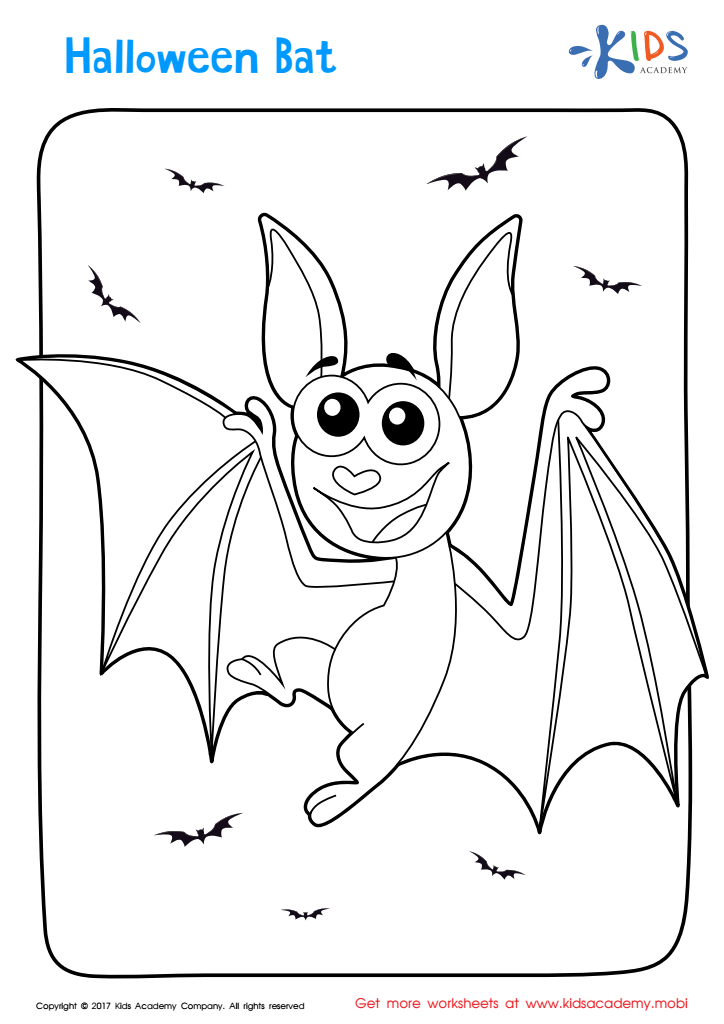
Halloween: A Bat Printable
Assign to My Students
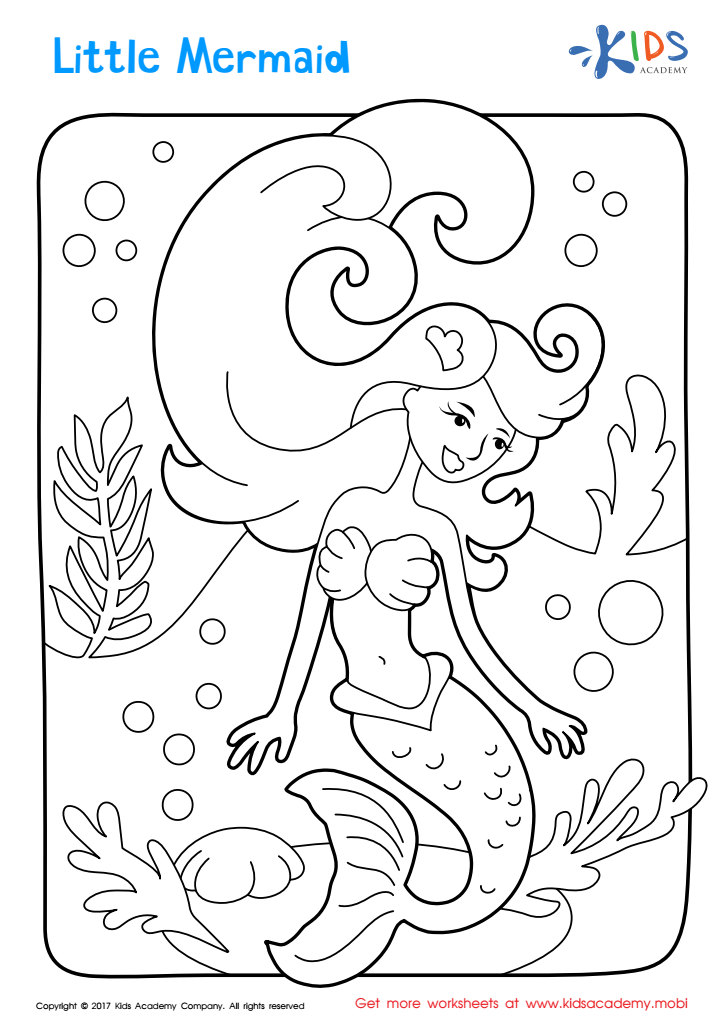
Little Mermaid Coloring Page
Assign to My Students
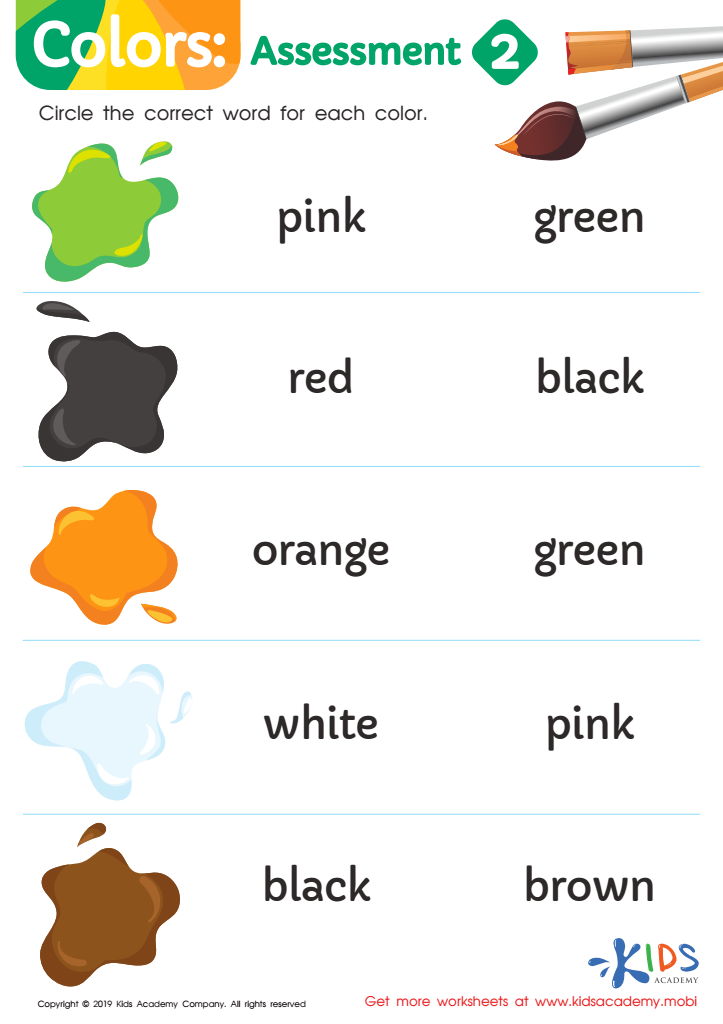
Colors: Assessment 2 Worksheet
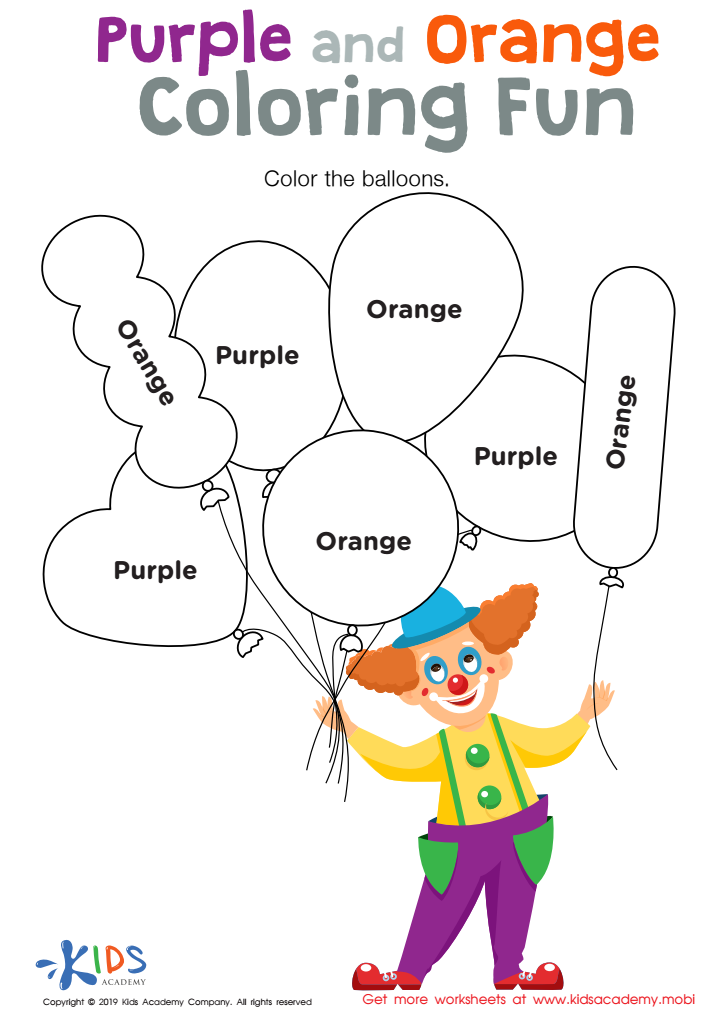
Purple and Orange Coloring Fun Worksheet
Assign to My Students
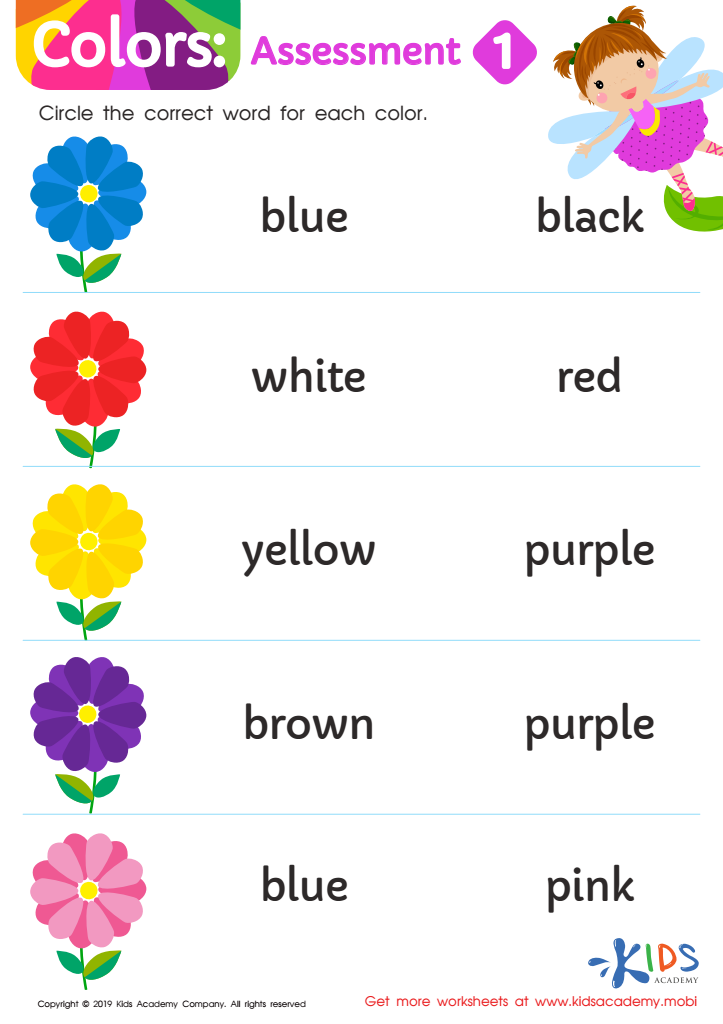
Colors: Assessment 1 Worksheet
The Wheels on the Bus Coloring Page
Assign to My Students
Hickory Dickory Dock Coloring Page
Assign to My Students
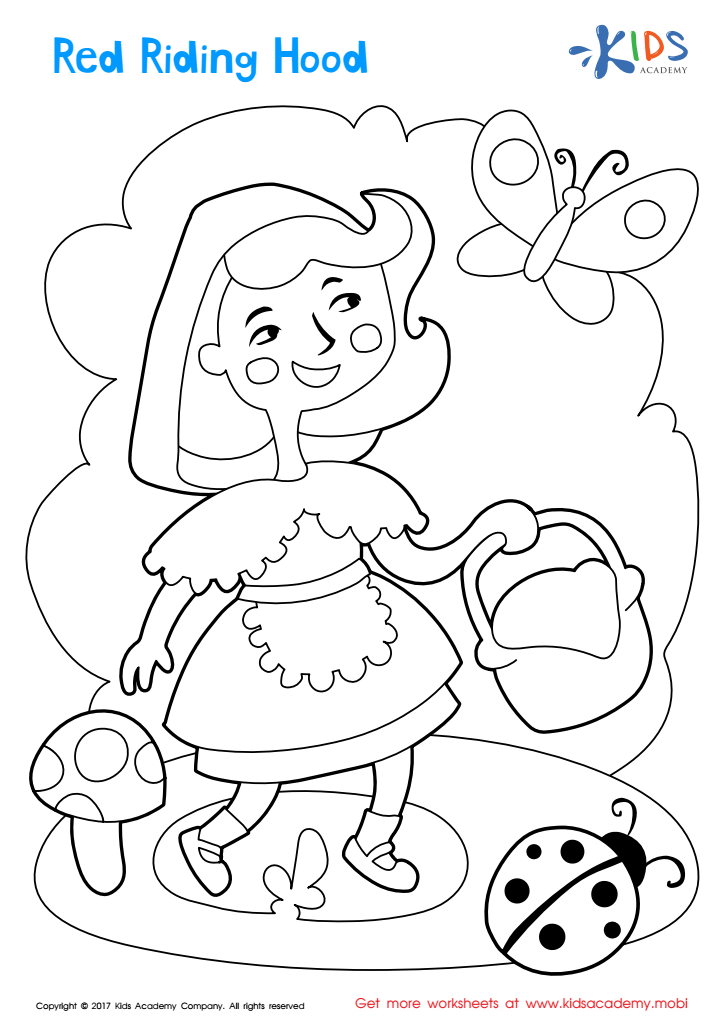
Red Riding Hood Coloring Page
Assign to My Students
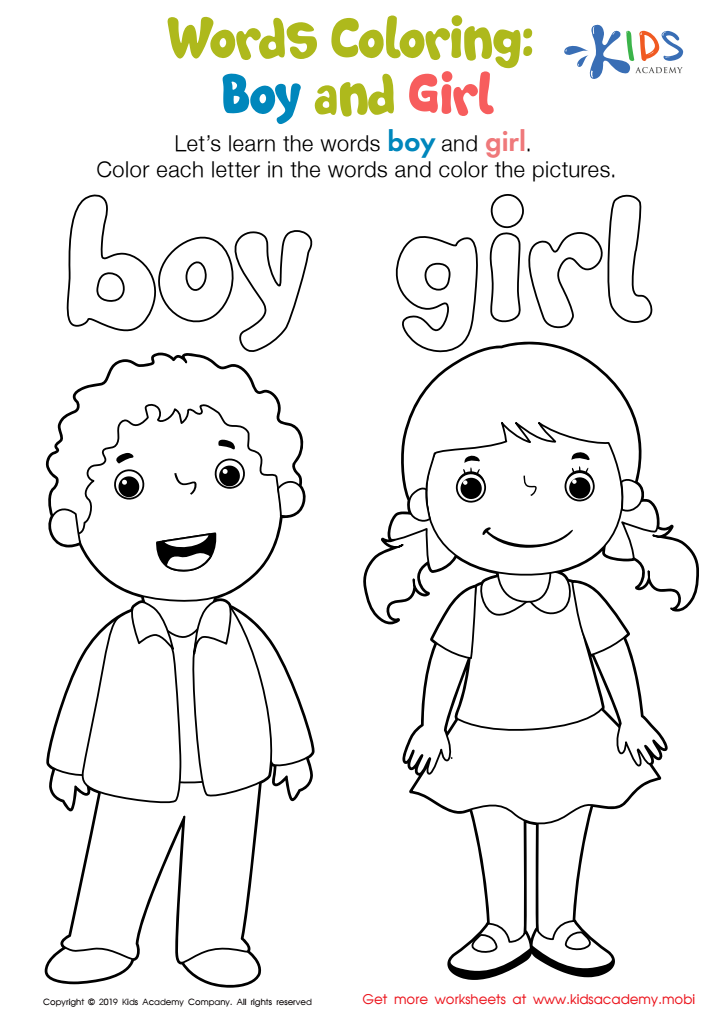
Boy and Girl Words Coloring Worksheet
Assign to My Students

Color the Pigs in the Yard Coloring Pages
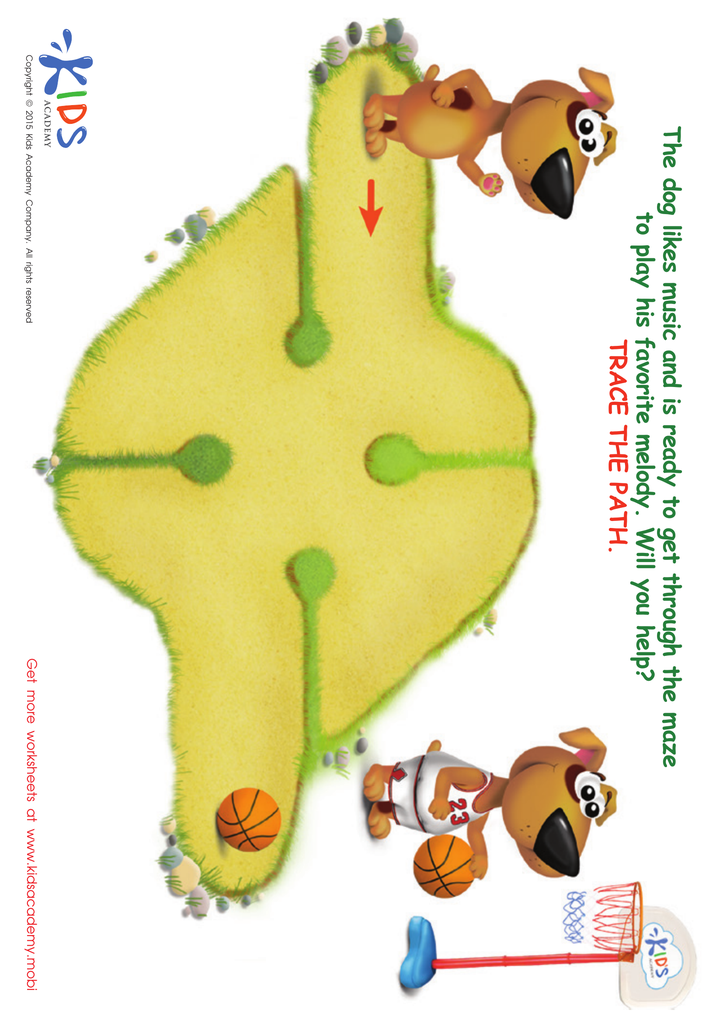
Basketball Player Maze Worksheet
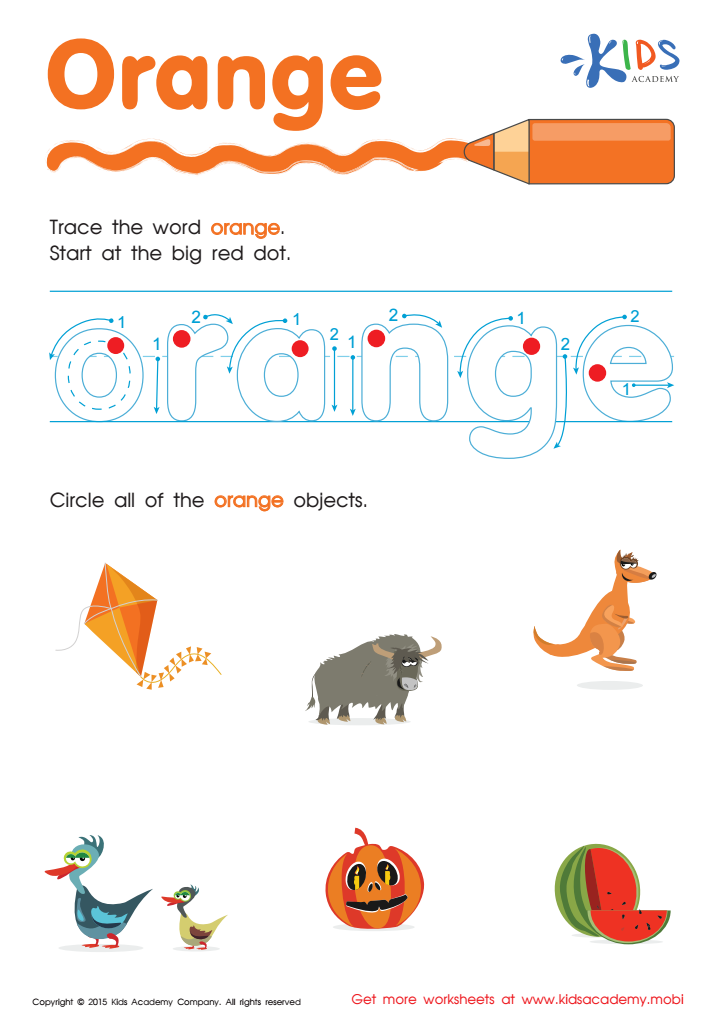
Orange Tracing Color Words Worksheet
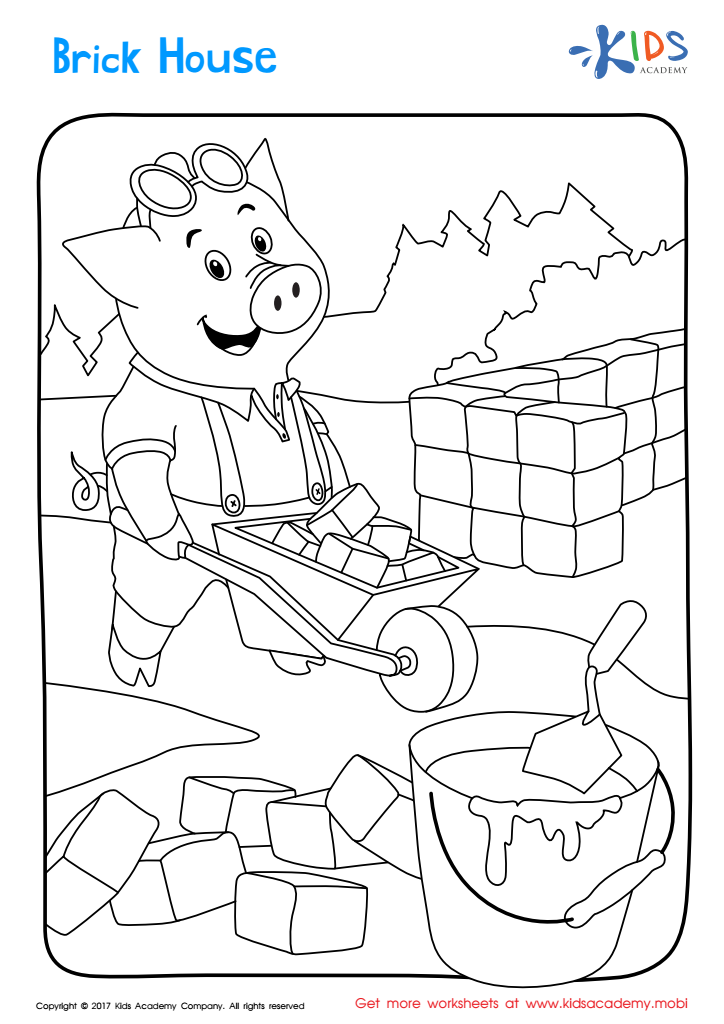
Brick House Printable Coloring Page
Assign to My Students
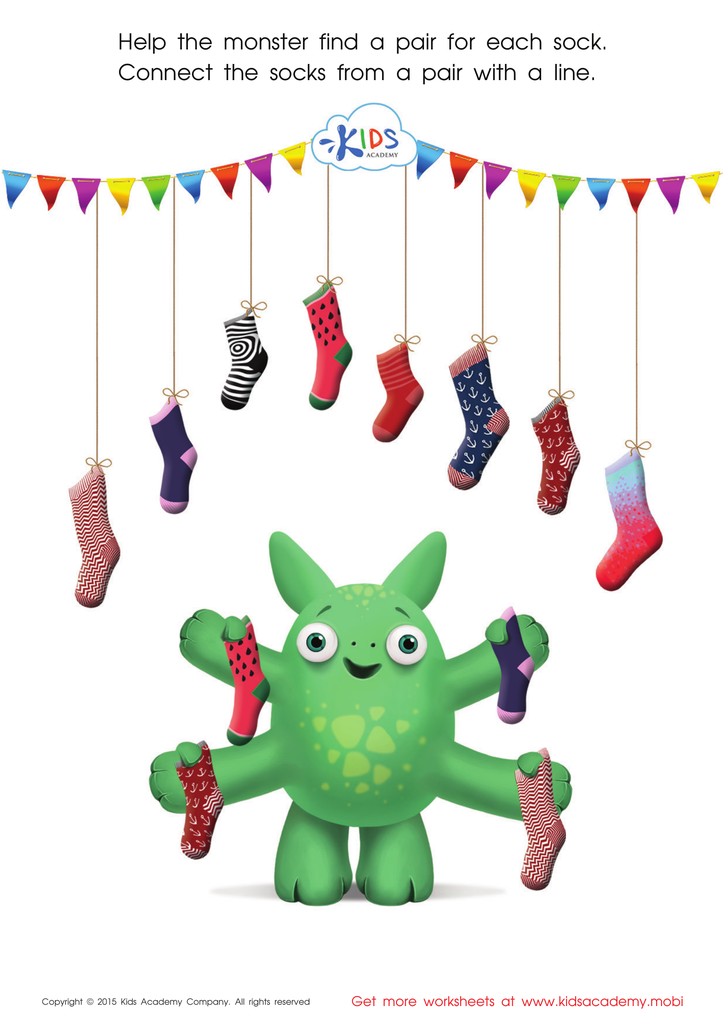
Math Matching Game: Monsterв's Socks Worksheet
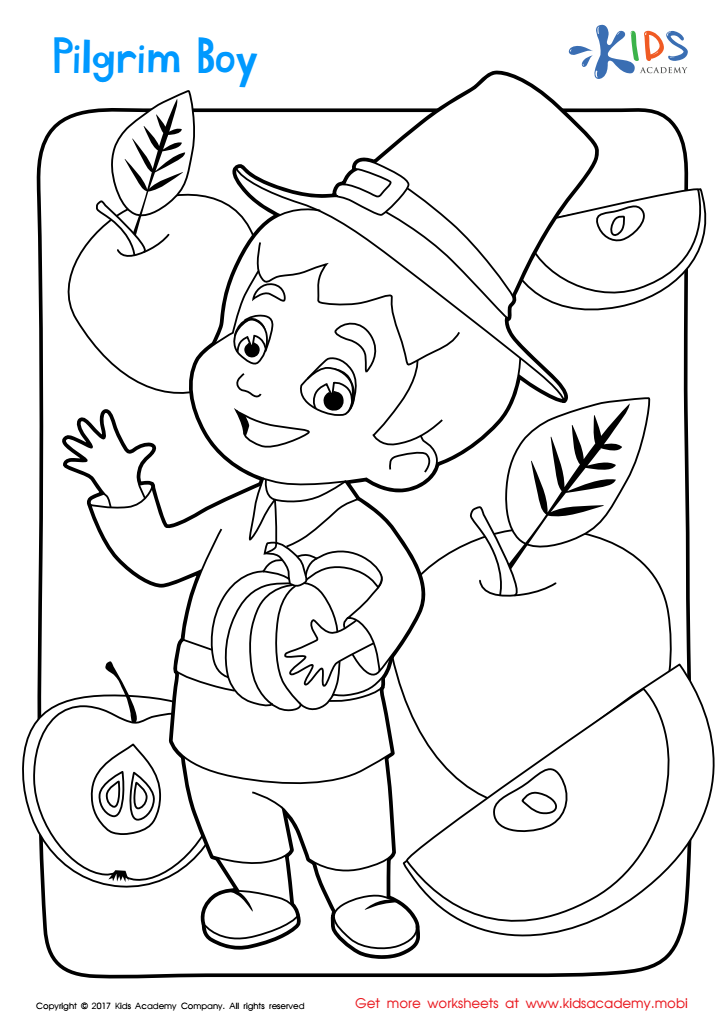
Pilgrim Boy Printable
Assign to My Students

Little Pilot Coloring Page
Assign to My Students
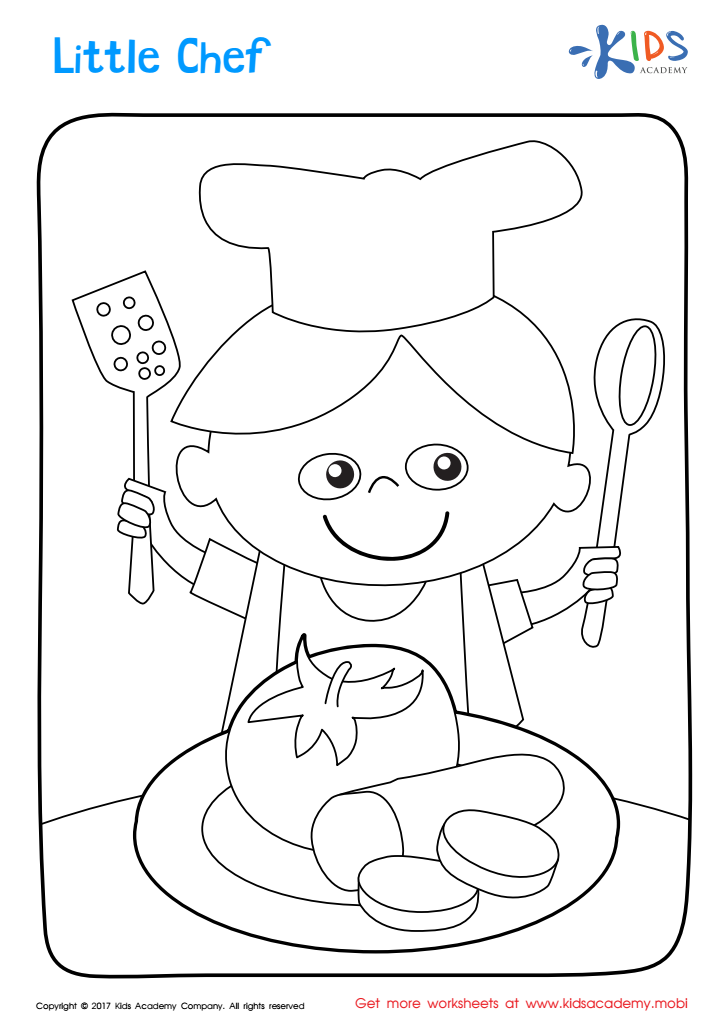
Little Chef Coloring Page
Assign to My Students
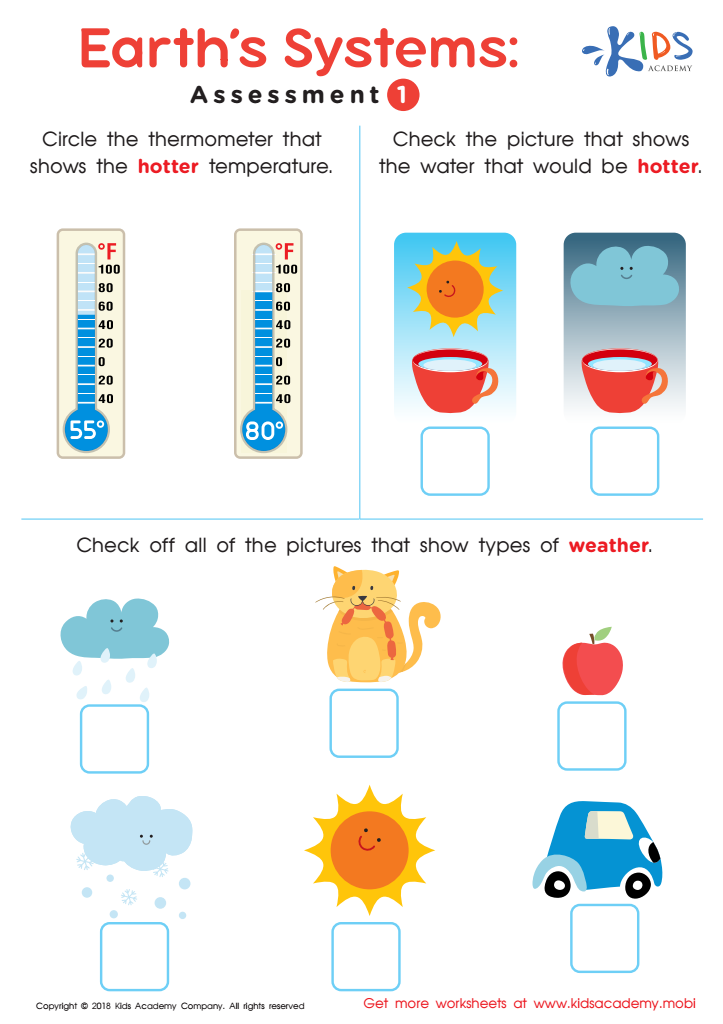
Earth's Systems: Assessment 1








Color recognition is a crucial developmental milestone for children aged 3-4, and both parents and teachers should care about it for several reasons. Firstly, color recognition lays the foundation for more complex concepts in literacy and mathematics. By identifying and naming colors, children enhance their language skills, broadening their vocabulary and increasing their ability to express themselves.
Additionally, understanding colors fosters cognitive development, as children learn to classify and differentiate objects based on varied characteristics. This skill is essential not just in art and creativity, but also in everyday problem solving and critical thinking. Furthermore, color recognition plays a significant role in social interactions; when children can communicate about colors, they become more confident in group settings and collaborative play.
Moreover, encouraging color recognition provides opportunities for hands-on learning experiences. Simple activities such as sorting colored objects, coloring, or playing with tools like colored blocks stimulate children's curiosity and engagement. By nurturing this skill, parents and teachers can help cultivate an enriching environment that supports overall growth—cognitively, socially, and emotionally. Ultimately, fostering color recognition is a step toward ensuring children have the foundational skills needed for future learning and success.








