Coloring skills Worksheets for Ages 3-4
8 filtered results
-
From - To
Discover our "Coloring Skills Worksheets for Ages 3-4," designed to foster creativity and fine motor skills in young learners! These engaging printable worksheets provide various coloring activities that help children practice holding crayons properly, staying within lines, and developing hand-eye coordination. Each worksheet is thoughtfully themed with charming illustrations that capture children's imagination, encouraging them to learn and have fun at the same time. Ideal for home or classroom use, our coloring worksheets promote cognitive development while also enhancing artistic expression. Explore our collection today and inspire your child's love for coloring and creativity!
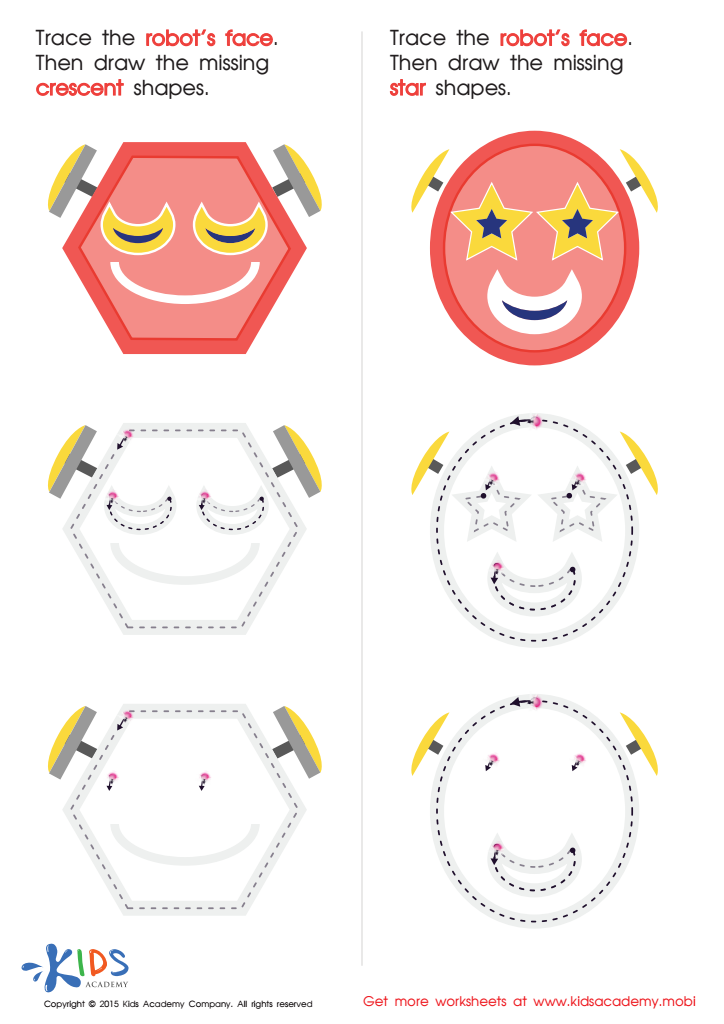
Composing a Robot's Face of Crescents And Stars Worksheet
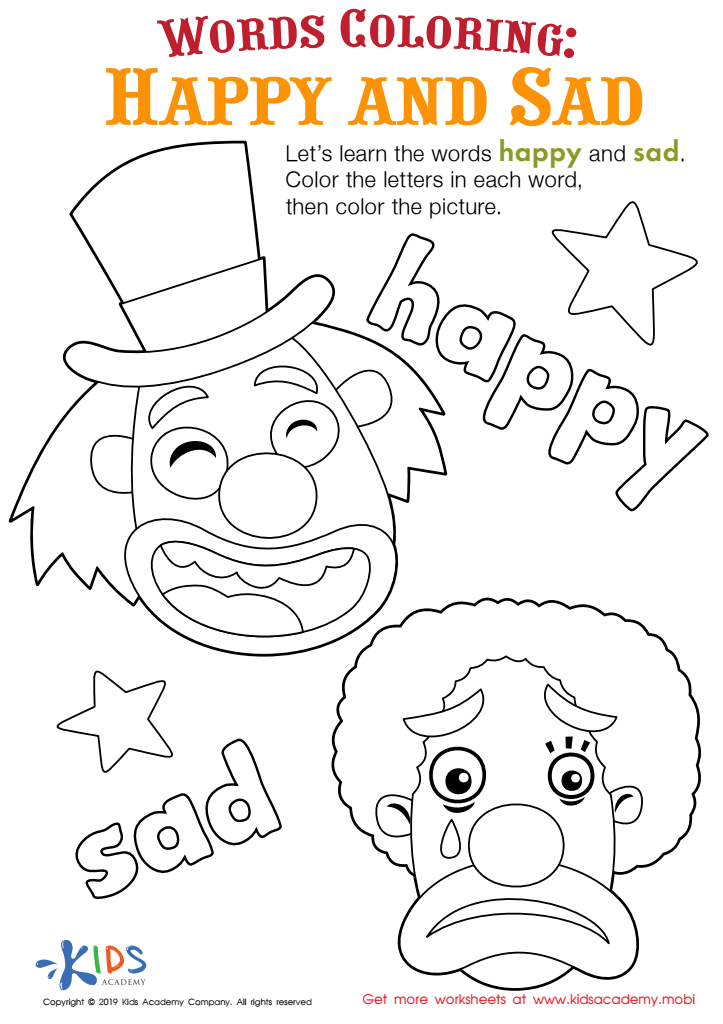
Happy and Sad Words Coloring Worksheet
 Assign to My Students
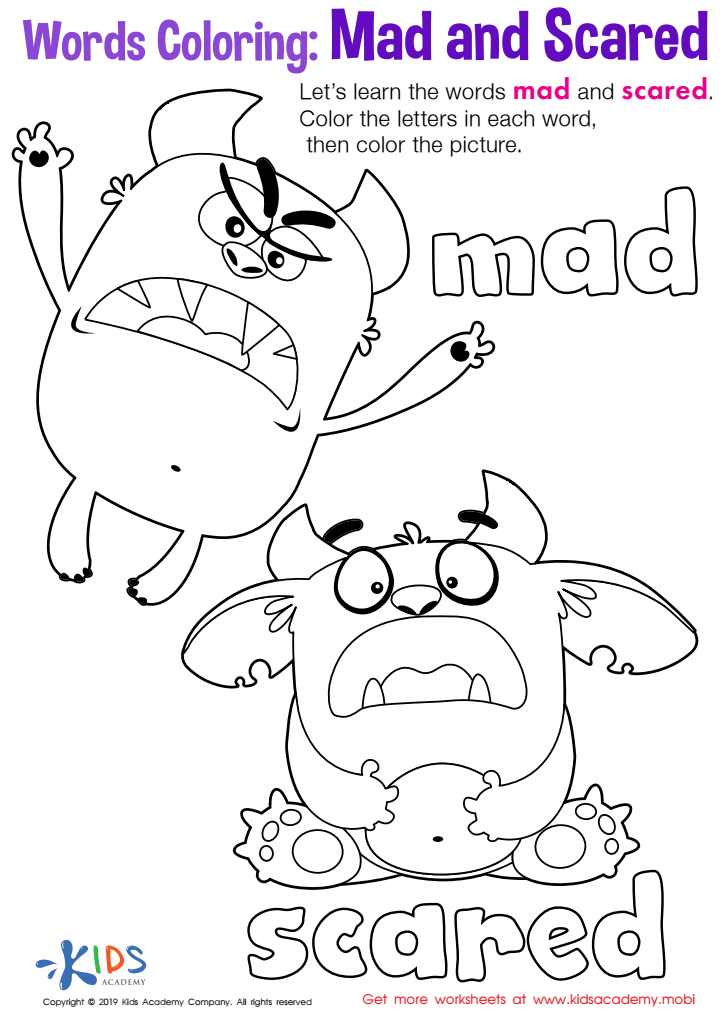
Mad and Scared Words Coloring Worksheet
Assign to My Students
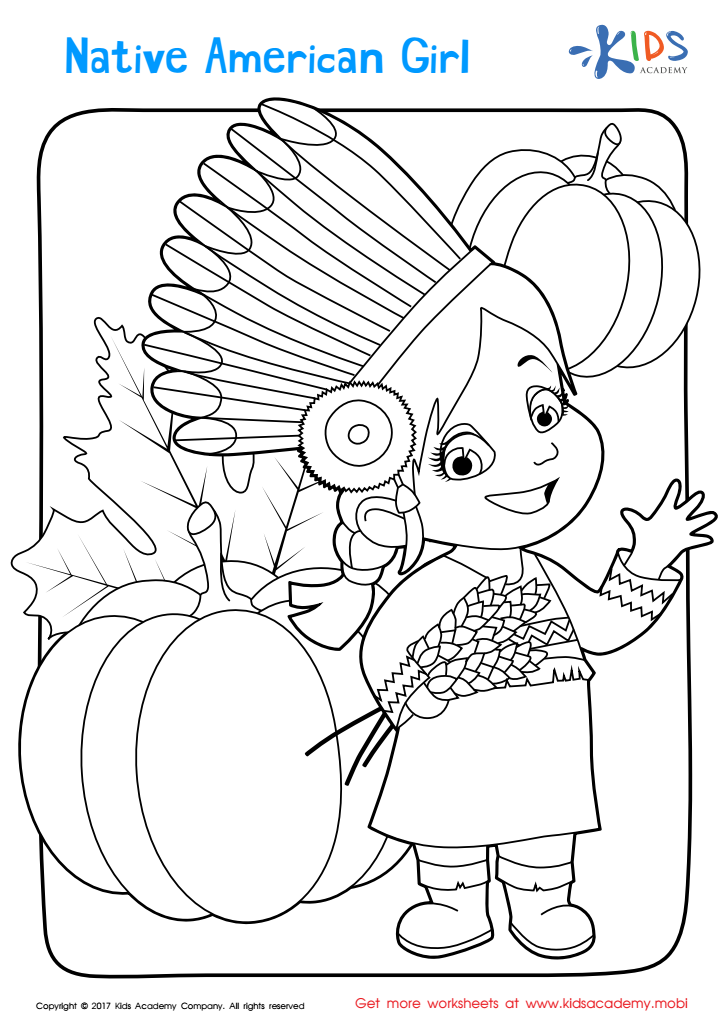
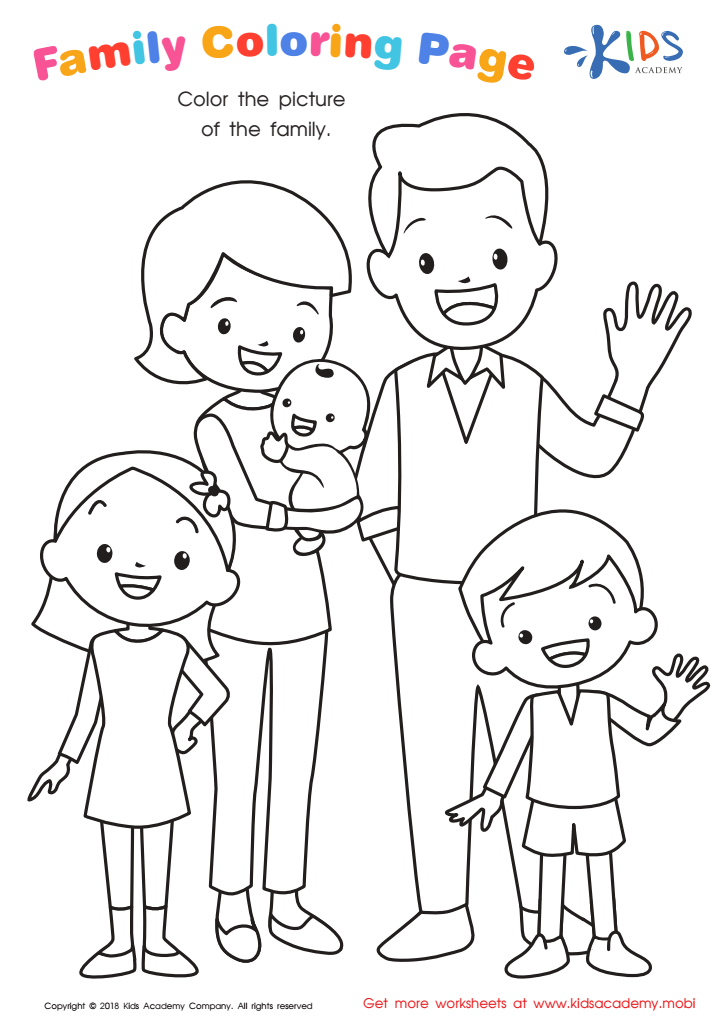
Family Coloring Page
Assign to My Students
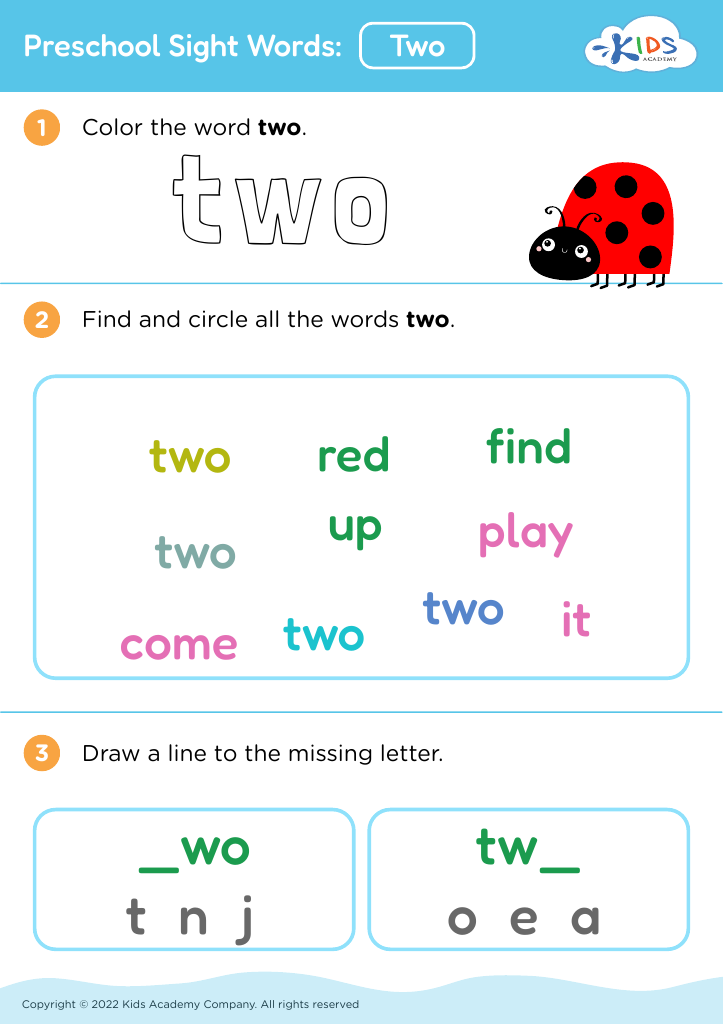
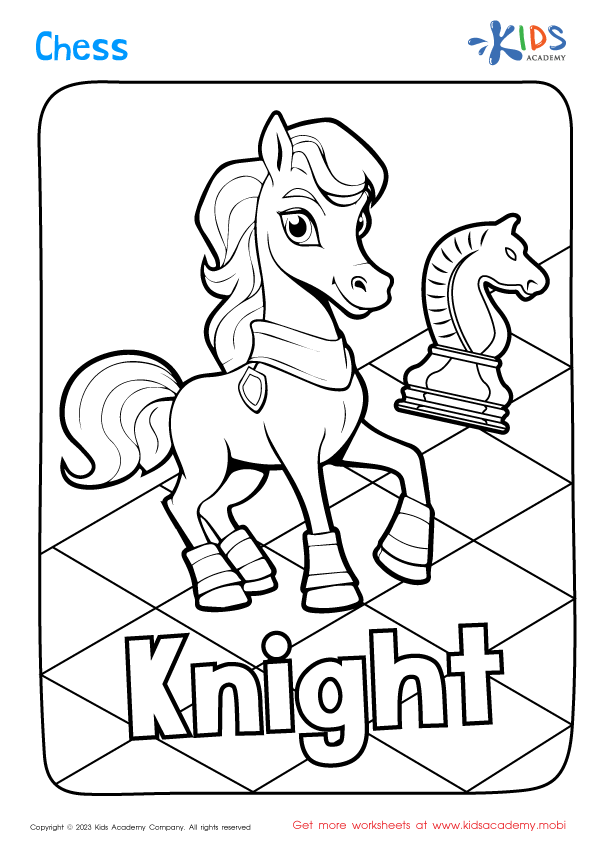
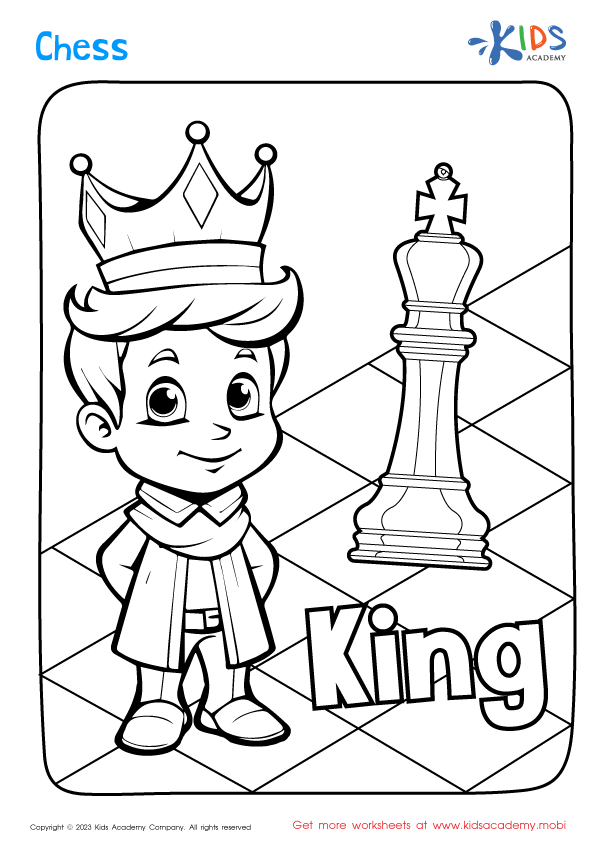






Coloring skills in young children, particularly those aged 3 to 4, are crucial for both developmental growth and educational readiness. Engaging in coloring activities fosters fine motor skills as children learn to control their hand movements, improving their grip and coordination. These foundational skills are essential for writing and other tasks that require precision.
Moreover, coloring encourages creativity and self-expression. As children experiment with different colors and patterns, they develop their imagination and gain confidence in their artistic choices. This artistic exploration not only enhances cognitive abilities, including problem-solving and critical thinking, but also promotes emotional expression.
In addition, coloring can provide opportunities for social interaction. Parents and teachers can facilitate collaborative coloring sessions, helping children develop essential social skills, such as sharing and taking turns. These activities can lead to discussions about colors, objects, and emotions, promoting language development and expanding vocabulary.
Ultimately, nurturing coloring skills at this age contributes to a well-rounded foundation for children, influencing their academic journey. Parents and teachers should focus on creating an environment that values creativity and fine motor growth, recognizing that these early skills lay the groundwork for future learning and development..








