Comparing objects Worksheets for Ages 3-4
6 filtered results
-
From - To
These "Comparing Objects Worksheets for Ages 3-4" from Kids Academy provide engaging activities designed to develop young children's critical thinking and observational skills. These worksheets encourage preschoolers to identify, analyze, and compare different objects based on size, shape, color, and quantity, nurturing early math skills. Carefully crafted by educational experts, these fun-filled exercises are perfect for introducing foundational concepts in a playful and interactive manner. Ideal for parents and educators, these worksheets offer an excellent blend of learning and entertainment, ensuring a solid academic start while keeping young learners curious and engaged. Download now to boost your child's early learning journey!
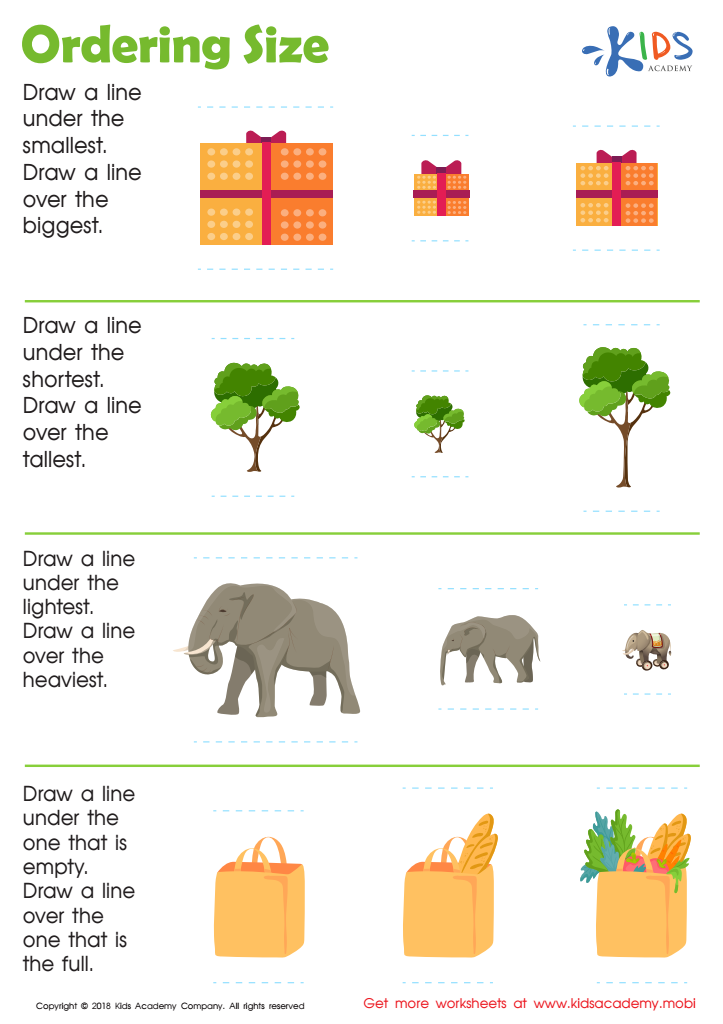
Ordering Size Worksheet
 Assign to My Students
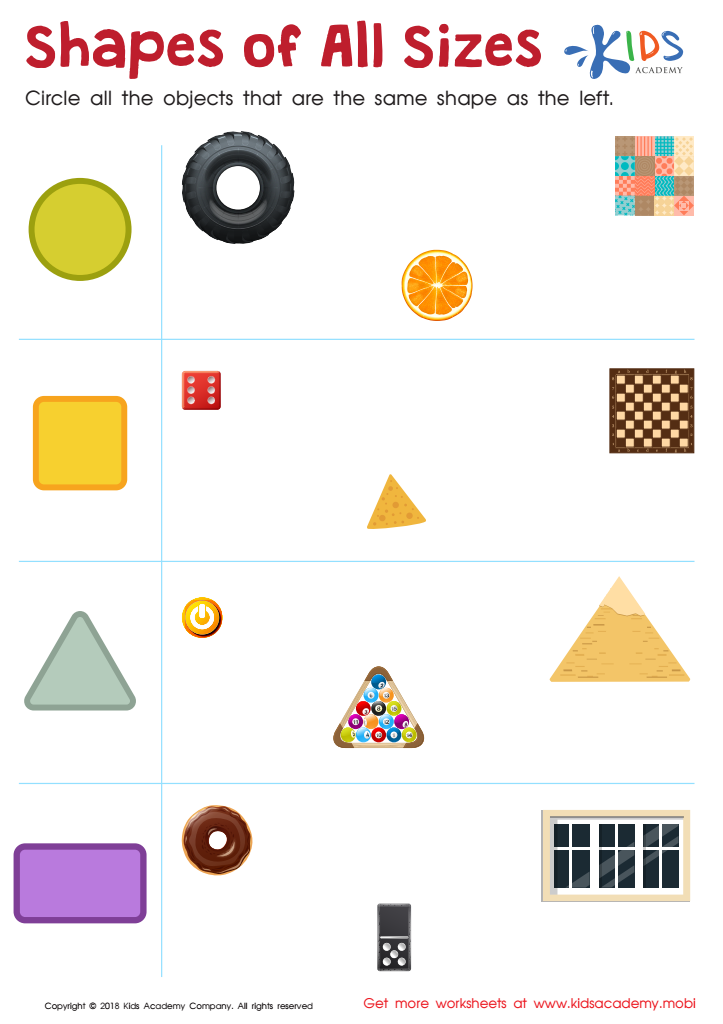
Shapes of All Sizes Worksheet
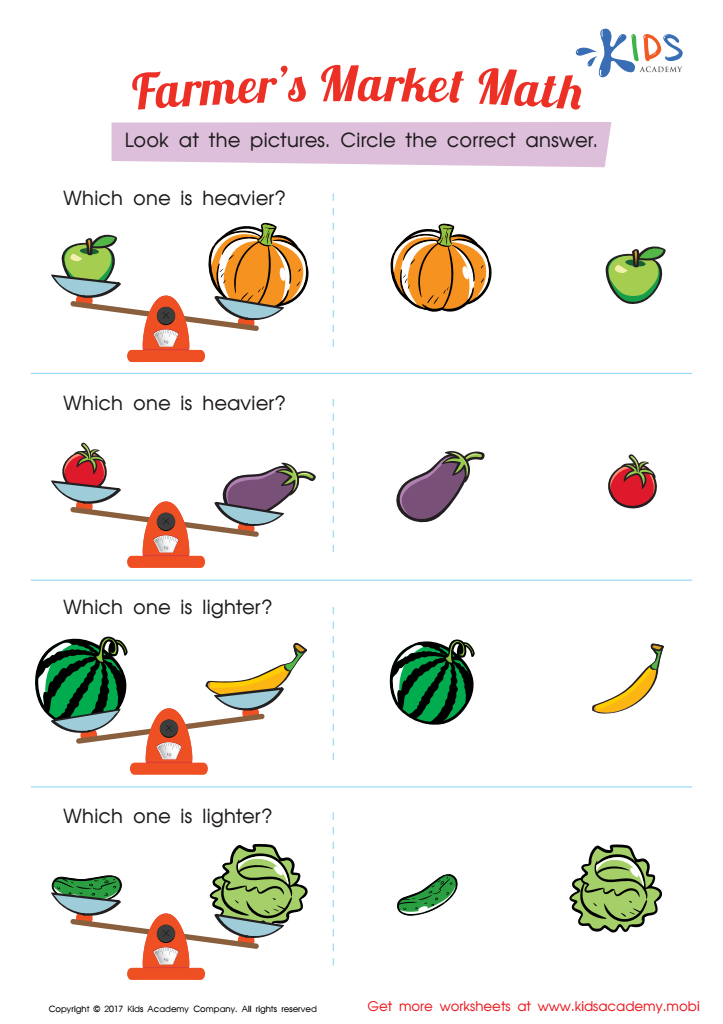
Which One Is Heavier Worksheet
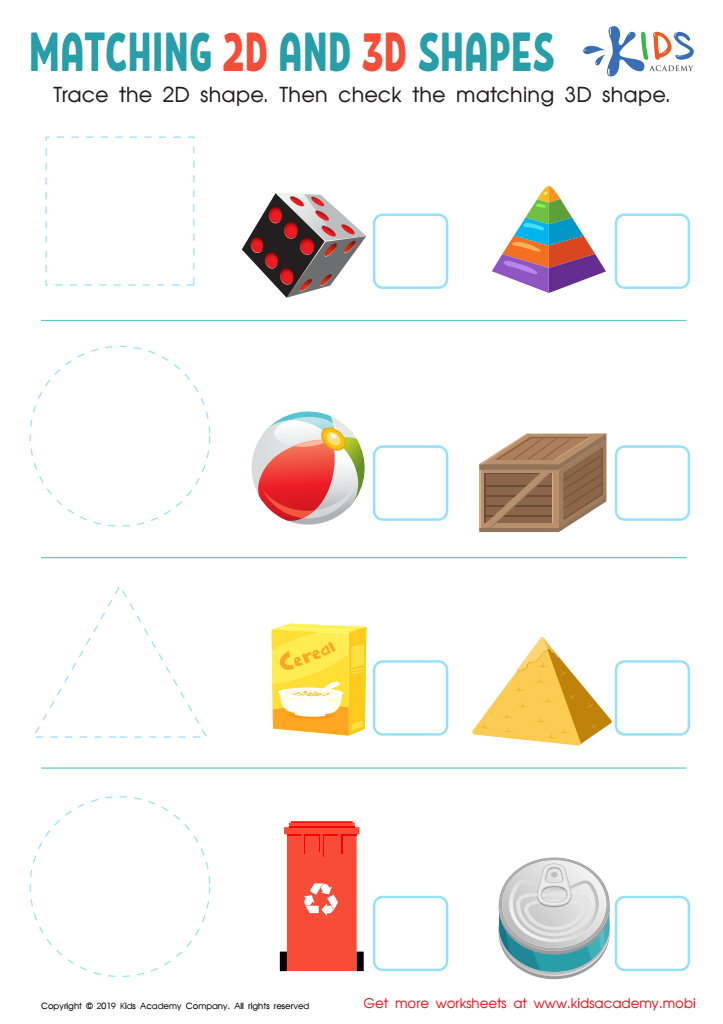
Matching 2D and 3D Shapes Worksheet
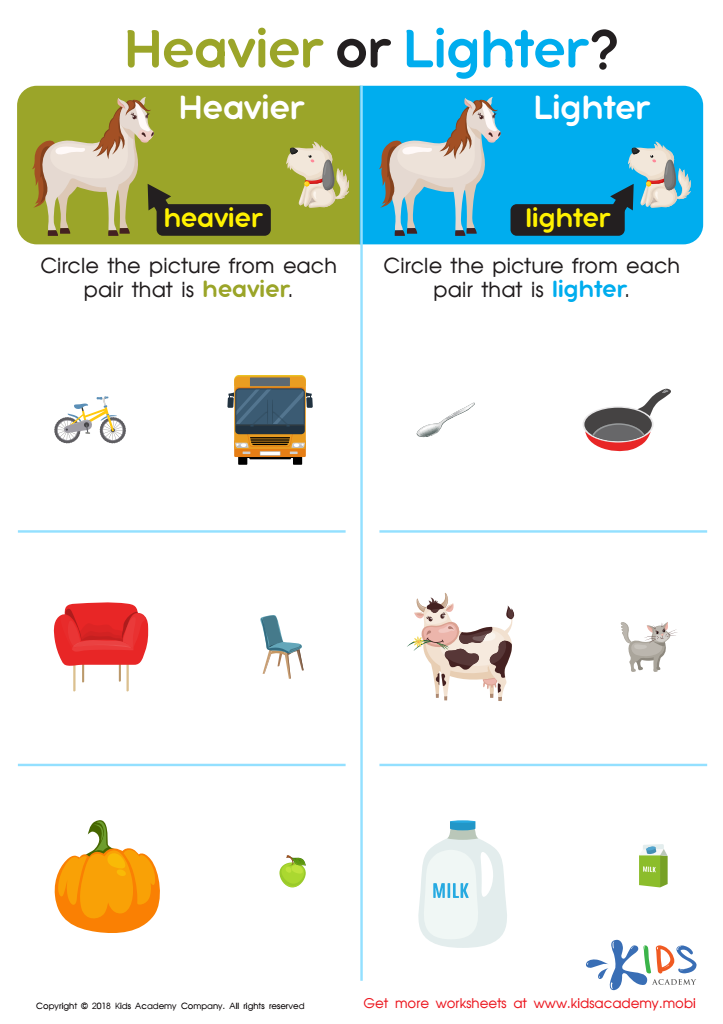
Heavier or Lighter? Worksheet
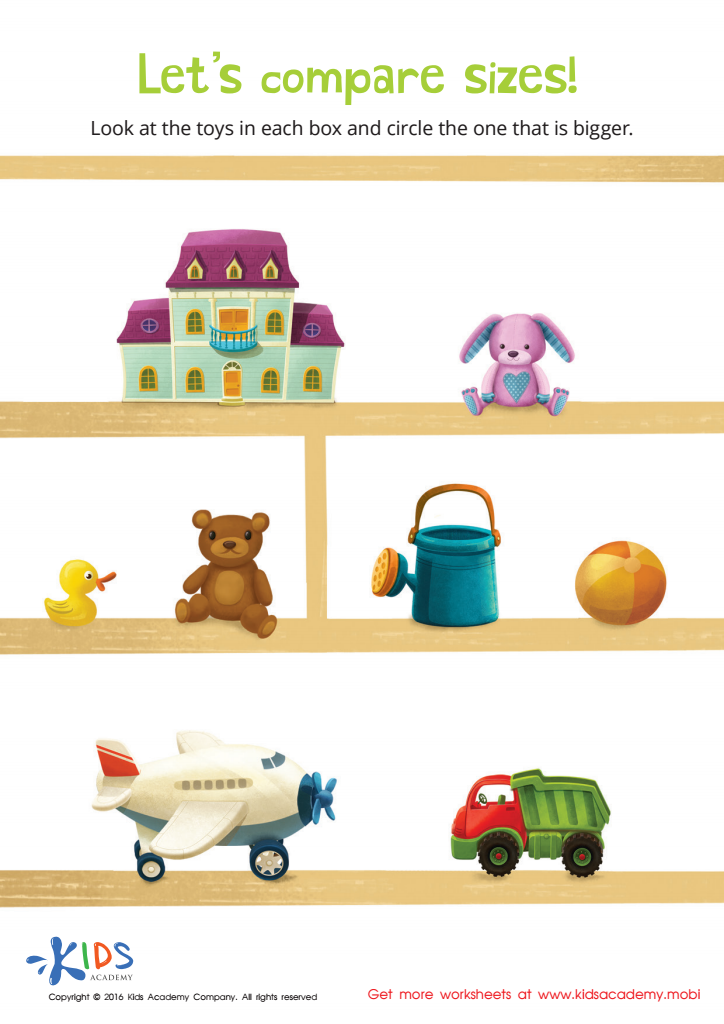
Classifying by Size Sorting Worksheet






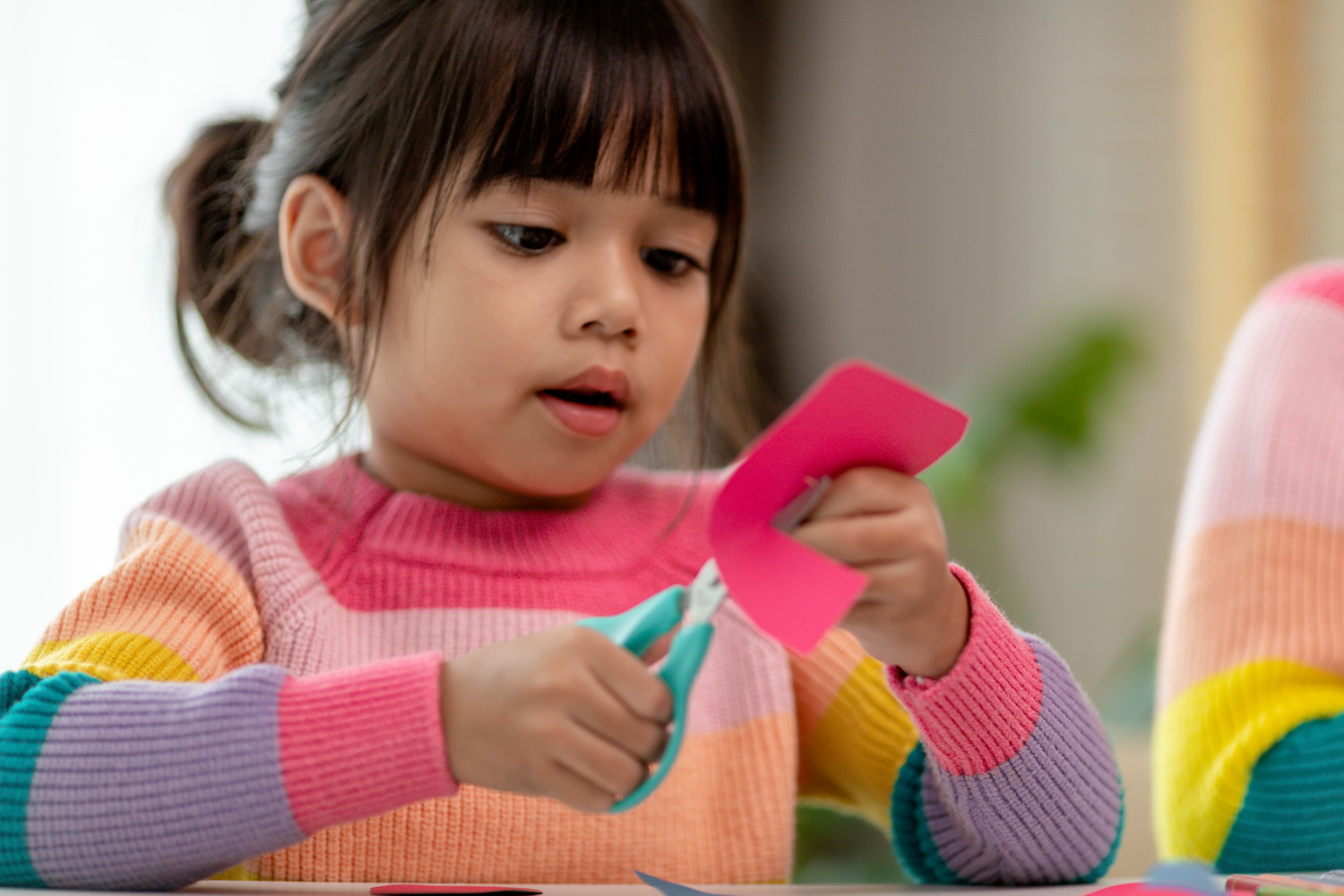
Comparing objects is a fundamental skill for young children aged 3-4 and serves as the building blocks for future learning across various subjects. As an early grade teacher or a parent, it's crucial to understand the developmental benefits of teaching these basic comparison skills to preschoolers.
Firstly, comparing objects helps children develop critical thinking and observation skills. When kids sort or group objects by size, color, shape, or weight, they engage in cognitive processes that lay the groundwork for logical reasoning. These activities enhance their ability to recognize patterns, solve problems, and make decisions—skills that are essential in both academic settings and everyday life.
Secondly, comparison activities support language development. By describing the distinctions and similarities between objects, children expand their vocabulary and improve their communication skills. This helps them articulate their thoughts more clearly and engage more effectively with peers and caregivers.
Lastly, hands-on comparison exercises improve fine motor skills and hand-eye coordination as children manipulate and arrange different items. These activities can include stacking blocks, sorting toys, or comparing household items.
For parents and teachers, fostering these skills through playful yet structured activities encourages a child's natural curiosity and lays a strong foundation for future mathematical concepts like measurement, geometry, and data analysis. This early investment pays off by nurturing well-rounded, inquisitive minds prepared for the challenges of more complex subjects.








