Phonics development Worksheets for Ages 3-4
5 filtered results
-
From - To
Explore our Phonics Development Worksheets designed specifically for children aged 3-4! These engaging and interactive worksheets help young learners build essential phonics skills through fun activities that reinforce letter sounds and recognition. Our resources include tracing letters, matching sounds to images, and colorful exercises that captivate your child's imagination while promoting early literacy. Ideal for parents and educators, these worksheets support foundational reading skills and encourage a love for learning. Empower your little ones on their educational journey with our thoughtfully curated phonics worksheets, fostering confident readers and lifelong learners from an early age. Start your phonics adventure today!
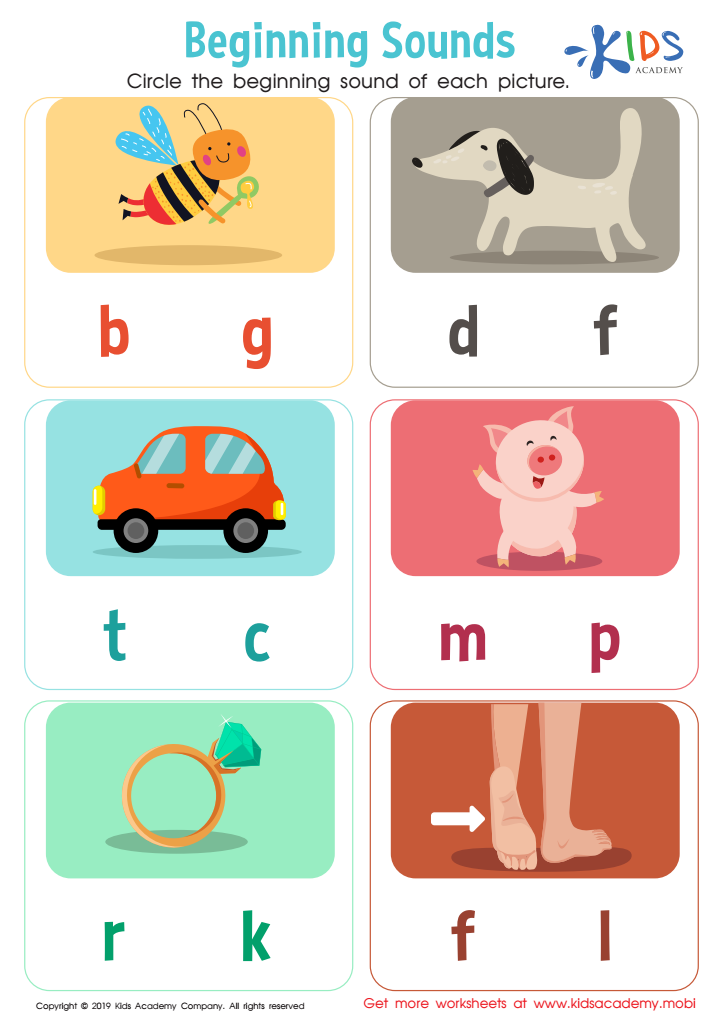
Beginning Sounds Worksheet
 Assign to My Students
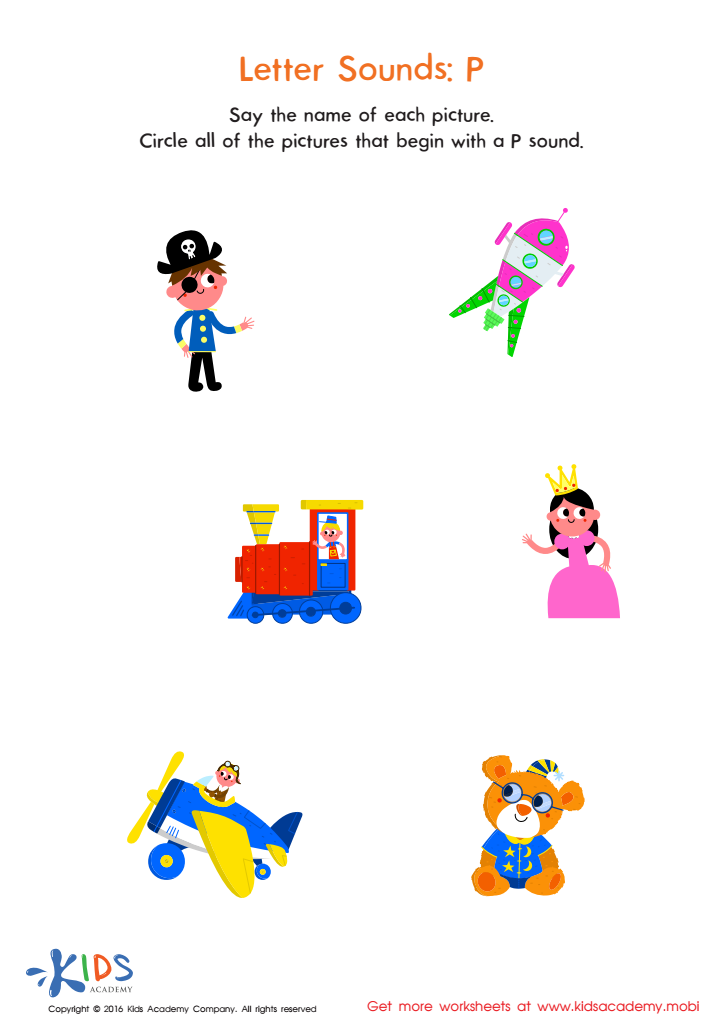
Letter P Sound Worksheet
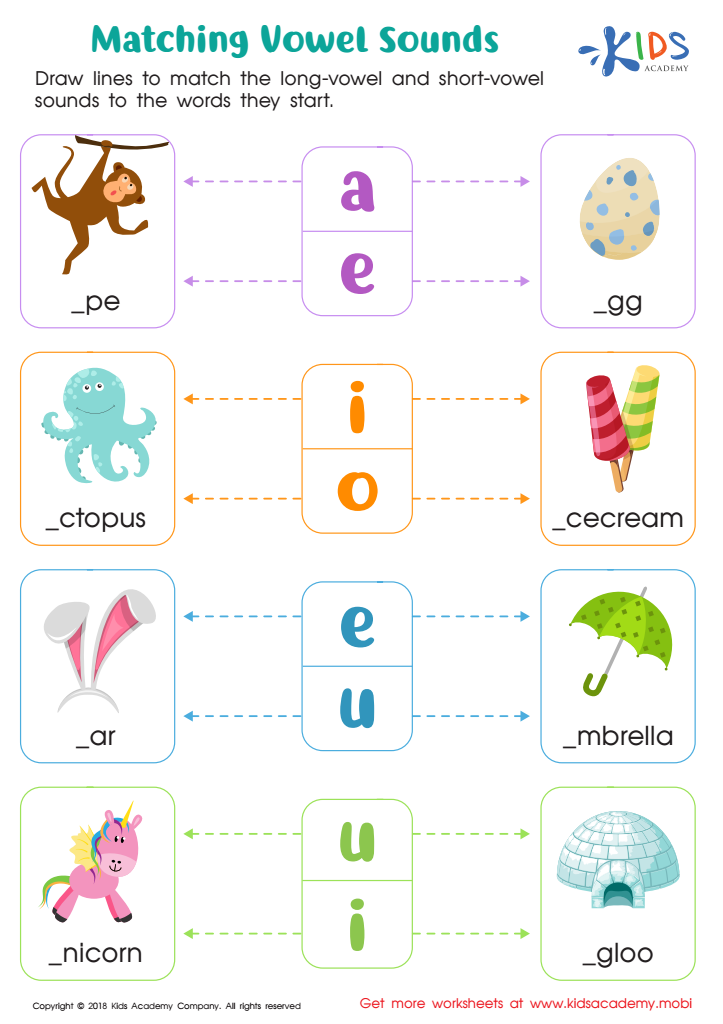
Matching Vowel Sounds Worksheet
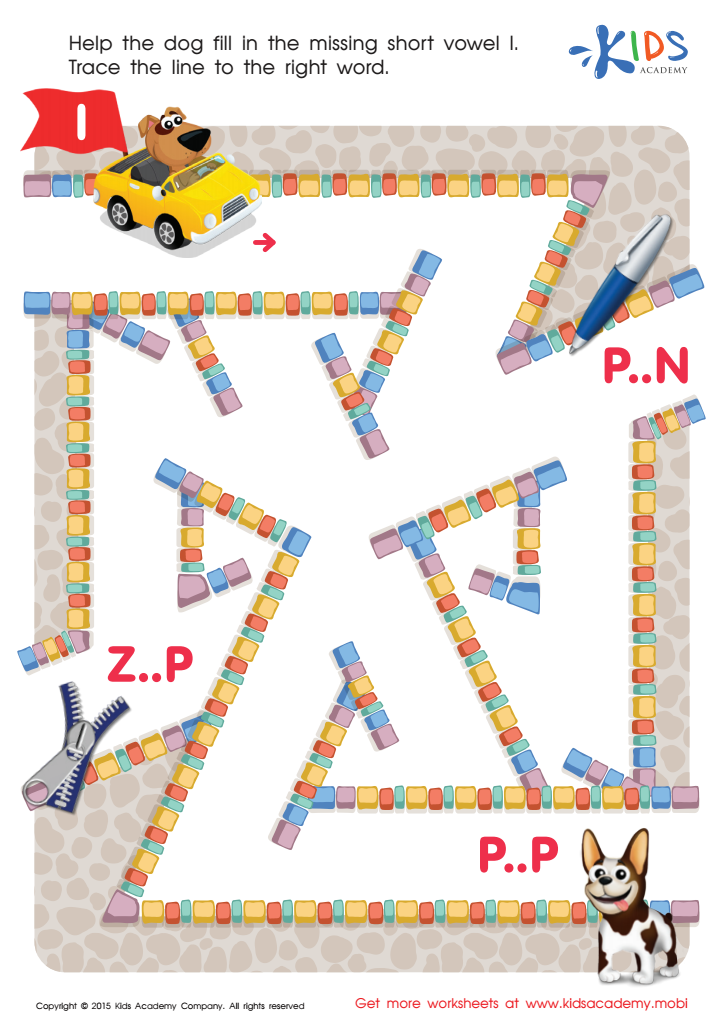
Short Vowel Sound I Worksheet
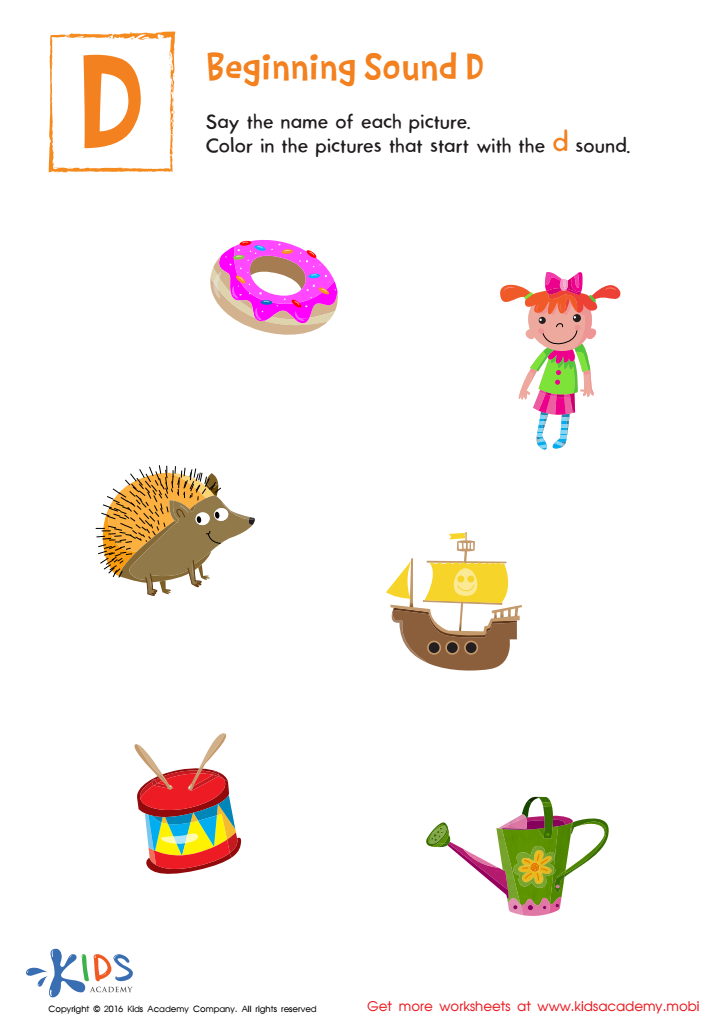
Beginning Sound D Worksheet







Phonics development for children aged 3-4 is crucial as it lays the foundation for their future reading and writing skills. At this early stage, children are naturally curious and receptive to learning, making it an ideal time to introduce the sounds that letters and groups of letters make. Understanding phonics helps children recognize the connection between sounds and their corresponding letters, which is essential for decoding words.
Parents and teachers should care about phonics development because it directly influences literacy success. Learning phonics improves children’s ability to read independently, increases their vocabulary, and boosts their confidence in using language. As they begin to connect sounds with letters, they become better equipped to tackle new words, ultimately fostering a love for reading.
Additionally, phonics development supports cognitive growth by enhancing listening skills and memory. Incorporating songs, rhymes, and playful activities promotes engagement and makes learning fun, which is vital for this age group. By emphasizing phonics education in early childhood, parents and teachers can create a solid foundation that will benefit children throughout their academic journeys and beyond, allowing them to become proficient readers and effective communicators.








