Shape identification Worksheets for Ages 3-4
17 filtered results
-
From - To
Discover our engaging "Shape Identification Worksheets for Ages 3-4" designed to make learning fun and interactive! These printable worksheets support early childhood education by helping young learners recognize and identify basic shapes such as circles, squares, triangles, and rectangles. Perfect for preschool and pre-K children, our worksheets enhance critical thinking, fine motor skills, and shape recognition through a variety of activities including coloring, tracing, and matching. Ideal for classroom use or at-home practice, these resources provide a solid foundation for mathematical concepts and cognitive development in a playful and enjoyable way. Start building shape knowledge today!
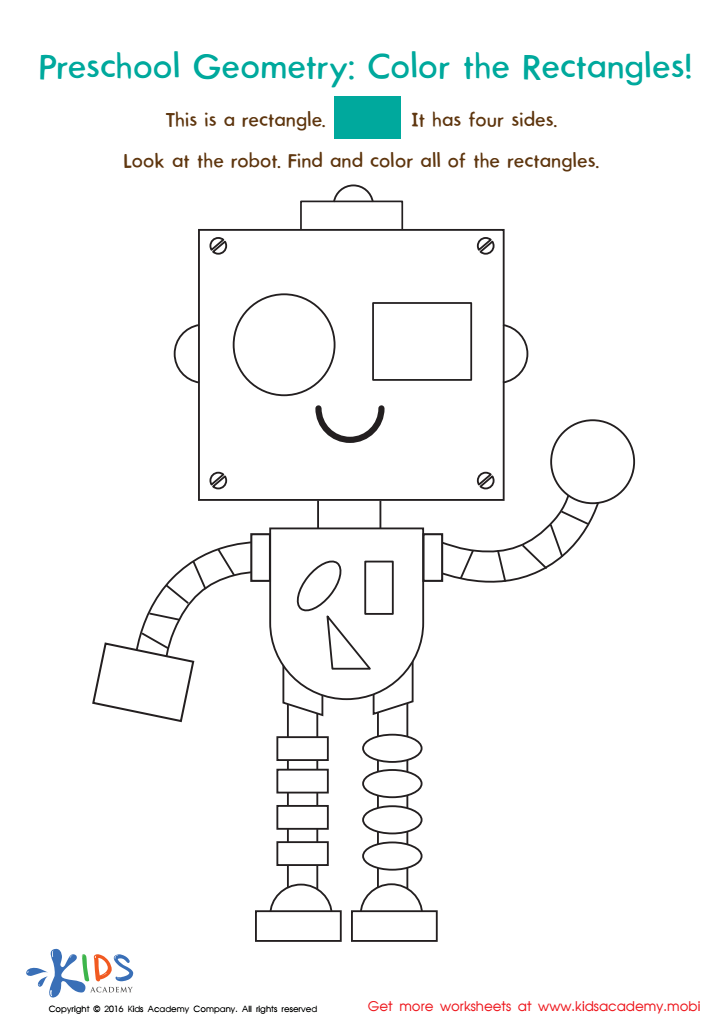
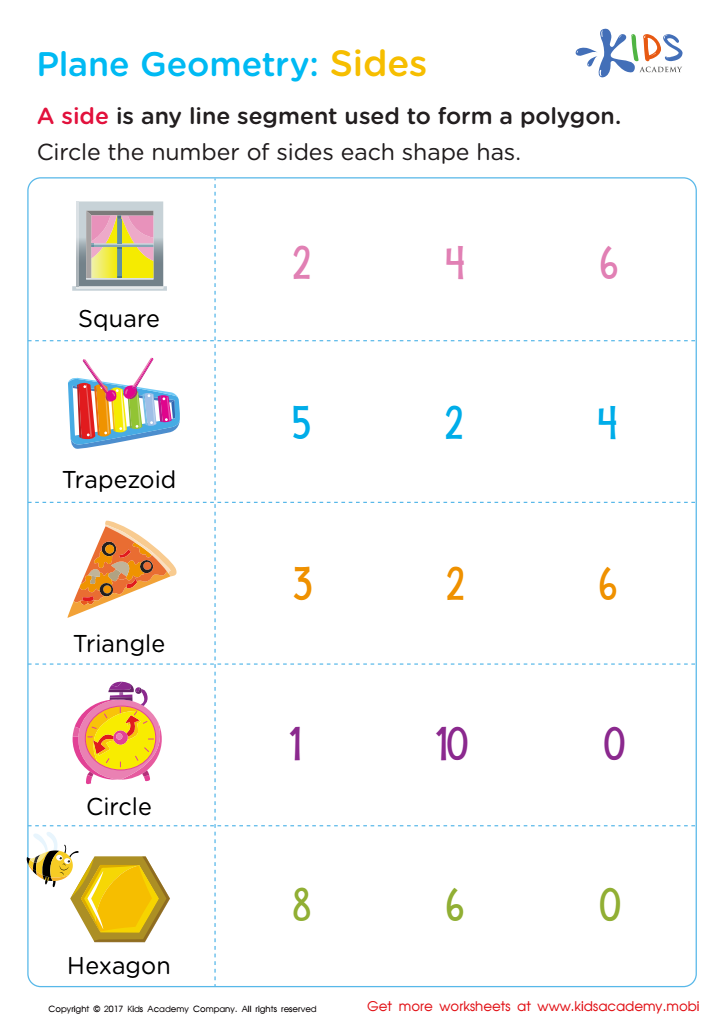
Geometry Worksheet
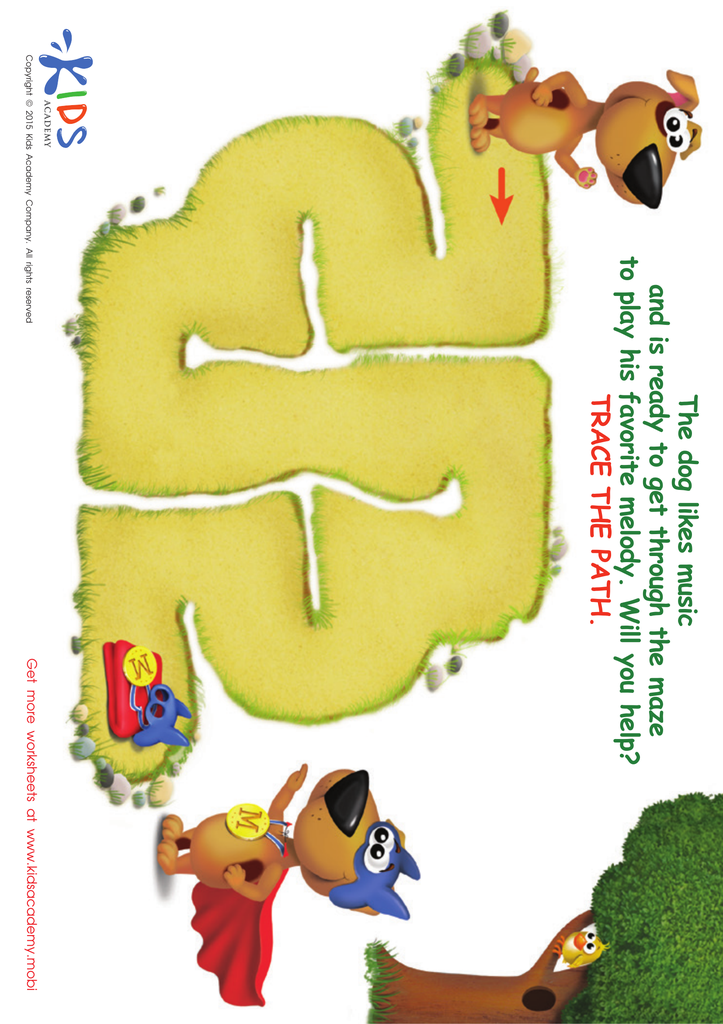
Superman Maze Worksheet
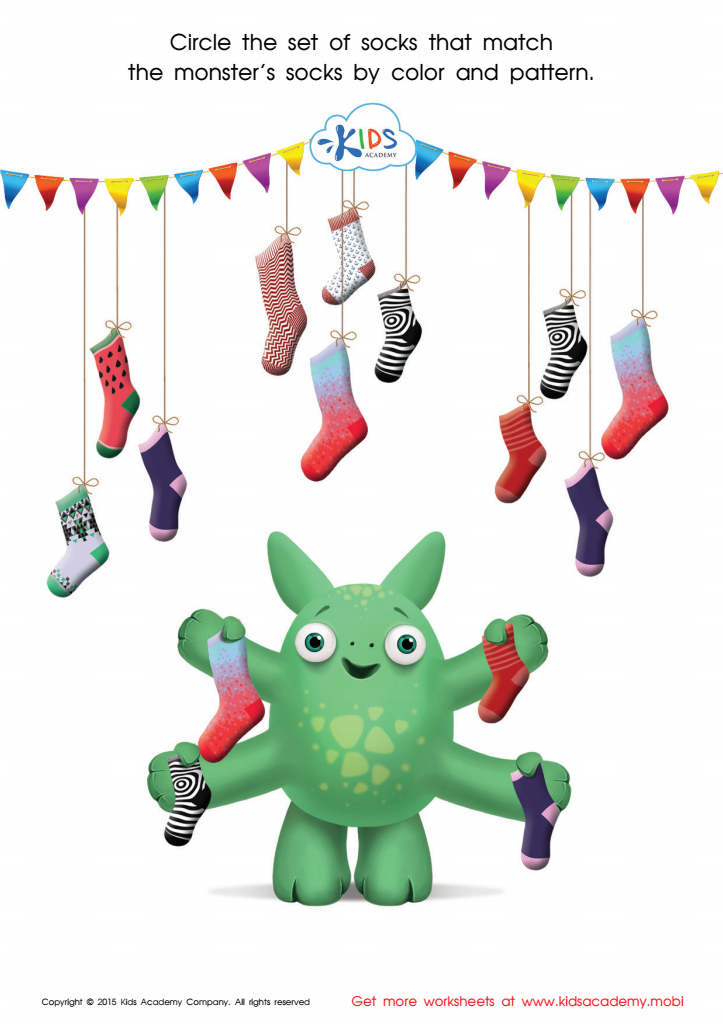
Sort the Monster's Socks Worksheet
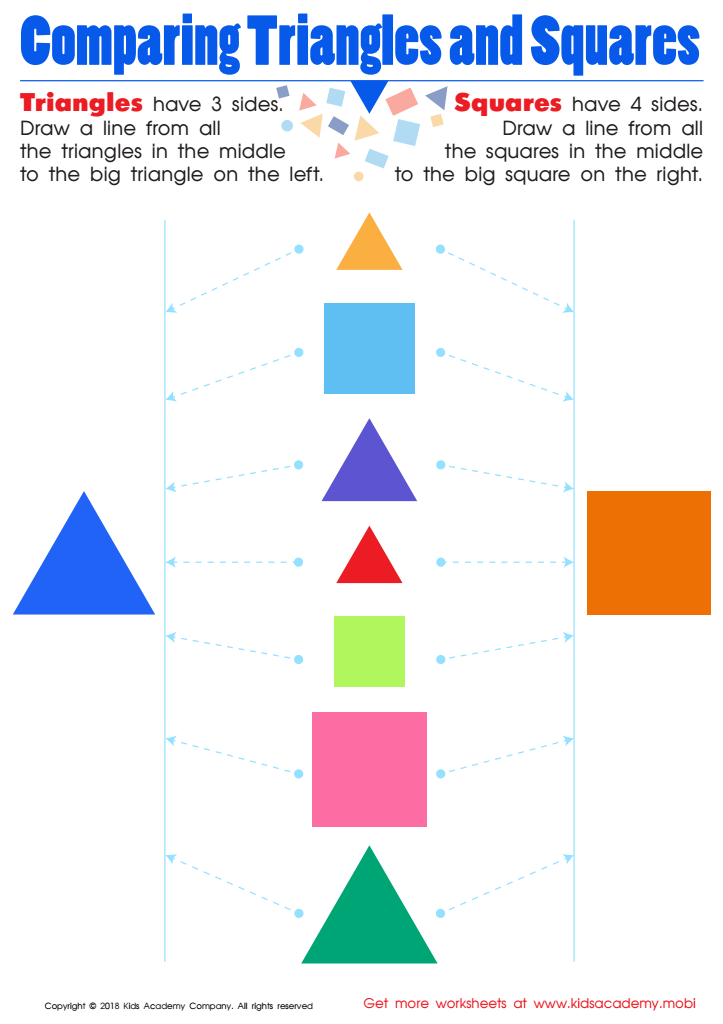
Comparing Triangles Squares Worksheet
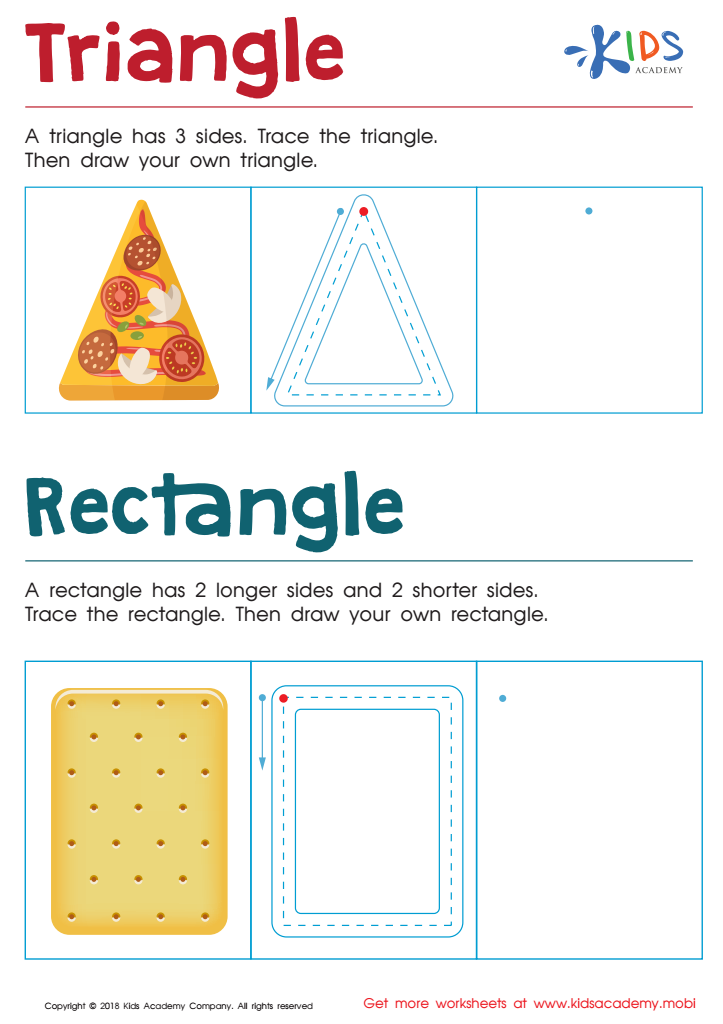
Triangle Rectangle Worksheet
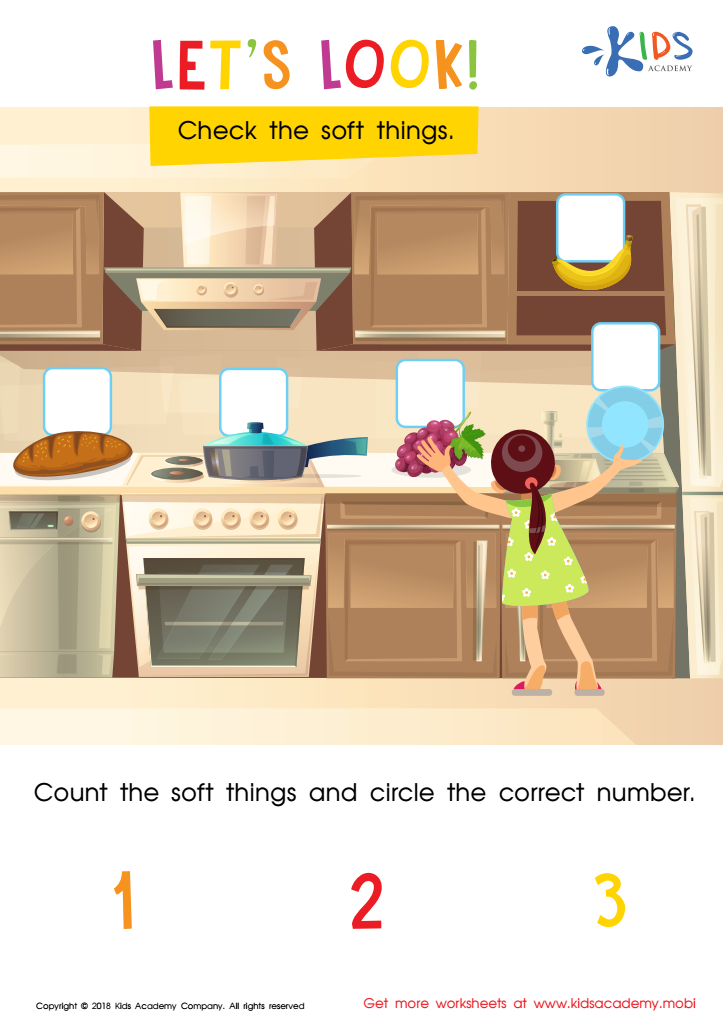
Let's Look! Assessment Worksheet
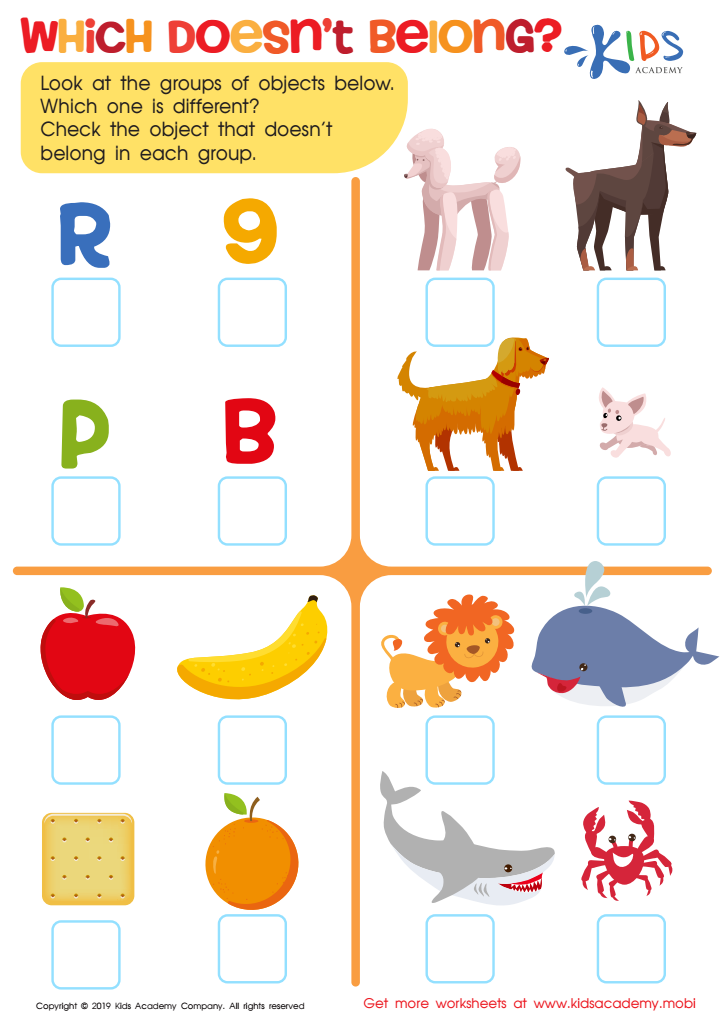
Which Doesn't Belong? Worksheet
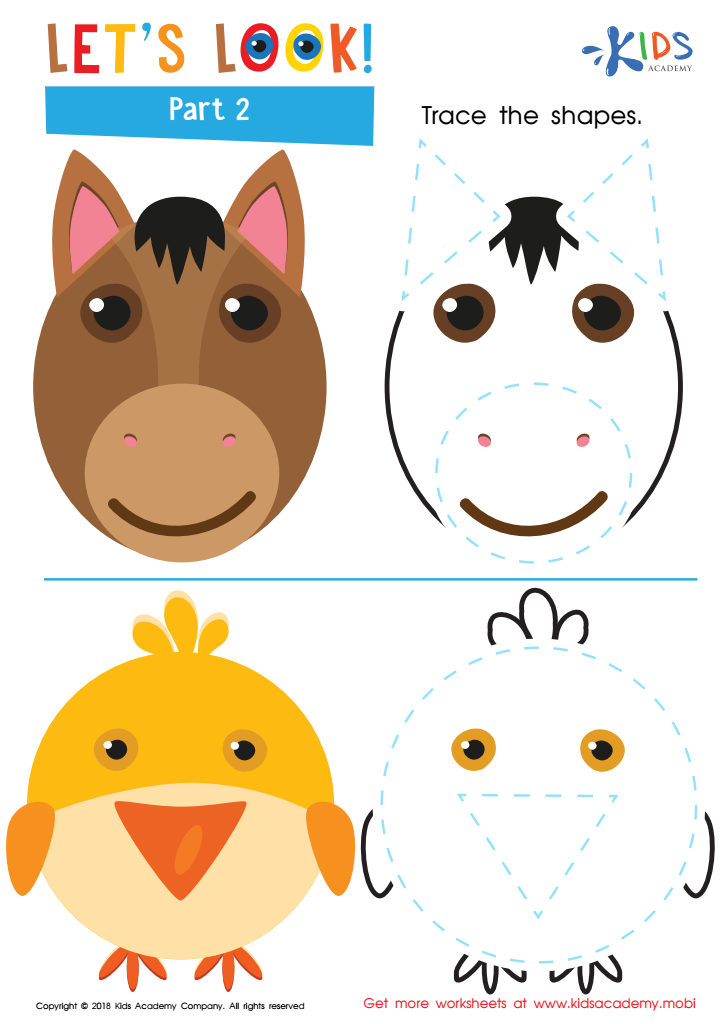
Let's Look! Part 2 Worksheet
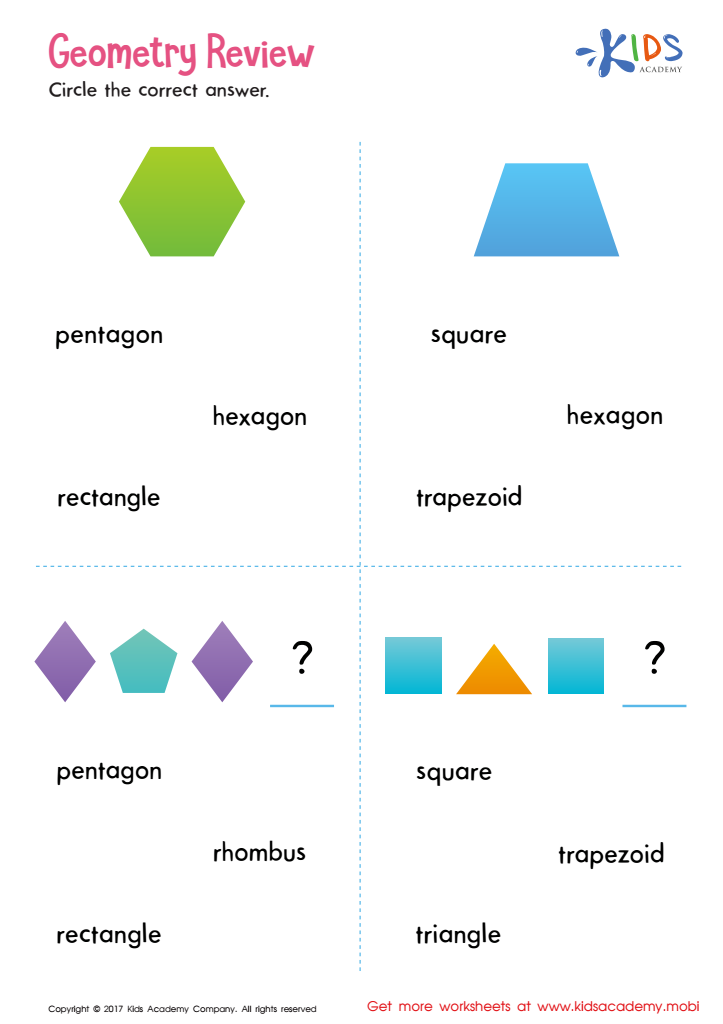
Geometry Review Printable
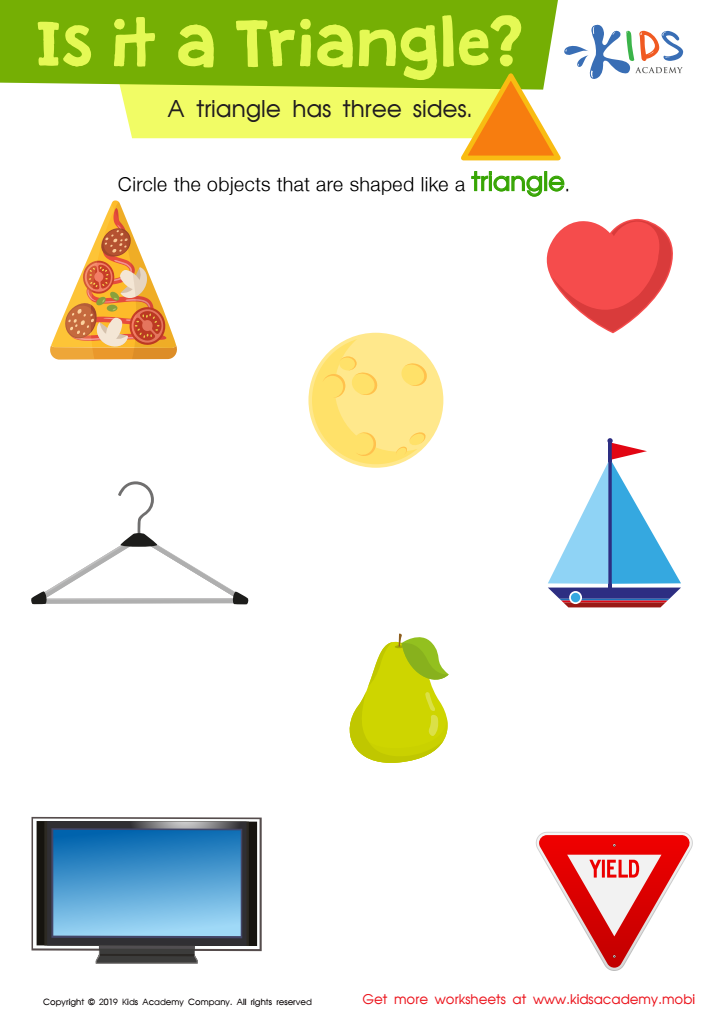
Is It a Triangle? Worksheet
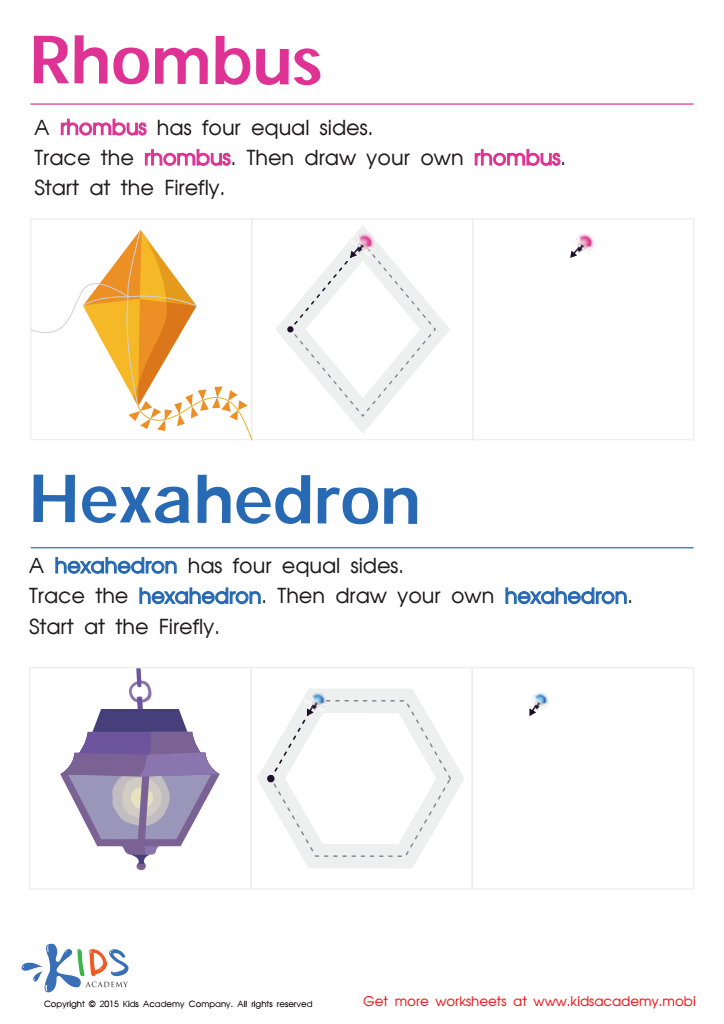
Draw a Rhombus And a Hexahedron Printable
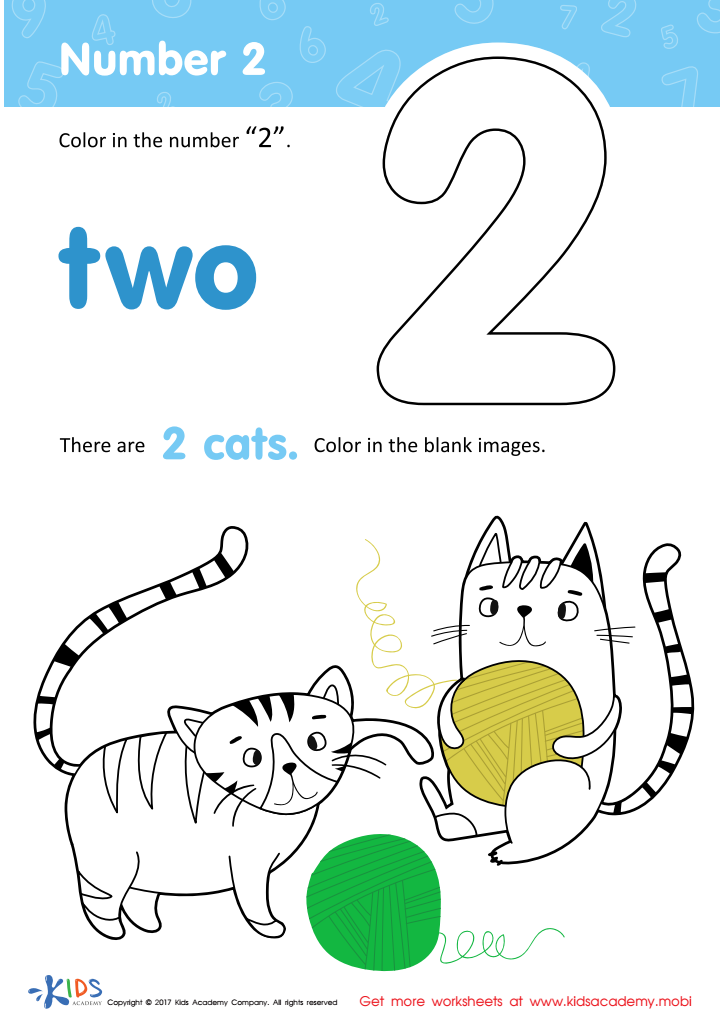
Number 2 Printable
 Assign to My Students
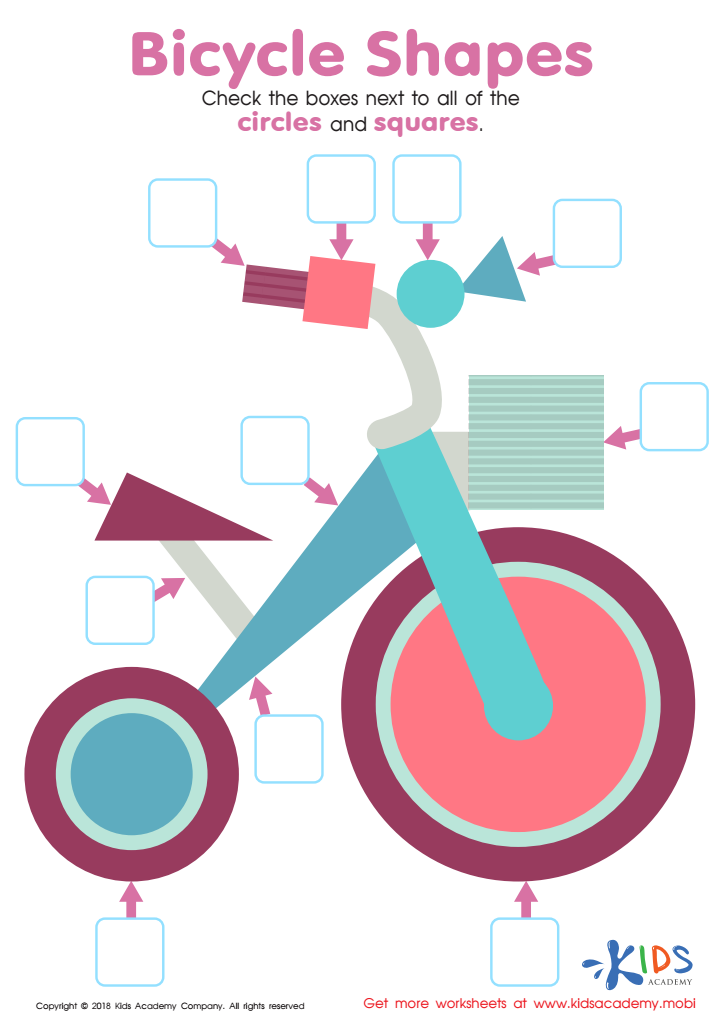
Bicycle Shapes Worksheet
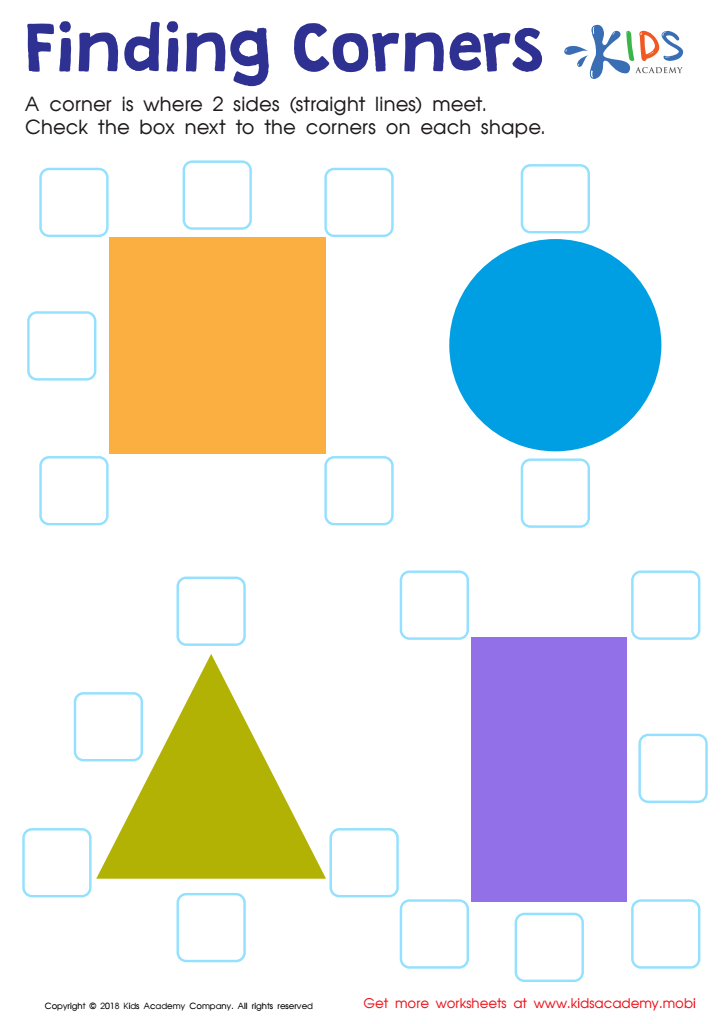
Finding Corners Worksheet
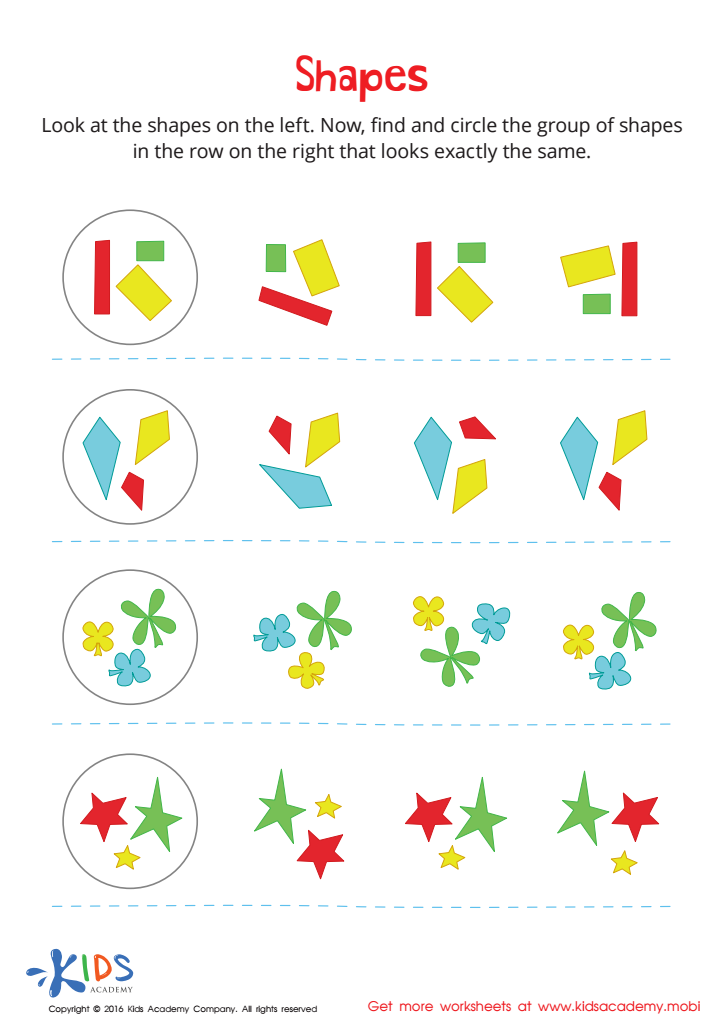
Shapes Worksheet







Shape identification is a foundational skill that significantly contributes to a child's cognitive development and future academic success. For children ages 3-4, recognizing and naming shapes are not just basic mathematical skills but are also deeply interconnected with many aspects of learning and daily life.
Firstly, understanding shapes aids in developing early geometry skills, which form the basis for more complex mathematical concepts. Recognizing shapes helps children understand spatial relationships and vocabulary, allowing them to describe and categorize the world around them.
Secondly, engaging in shape identification exercises supports fine motor skills and hand-eye coordination. When children trace or build shapes, they refine the muscles in their hands and improve their ability to control writing instruments, preparing them for writing and drawing activities.
Furthermore, shape recognition enhances visual perception, improving the ability to notice similarities and differences. This capability is crucial for later achievements in reading and problem-solving because it supports letter recognition and the ability to differentiate between various patterns.
Lastly, shape identification fosters language development. When parents and educators discuss shapes, sizes, and positions, children expand their vocabulary and improve their descriptive language skills, which are essential for effective communication.
In summary, focusing on shape identification for young children is a multifaceted approach that supports their cognitive, motor, and language development, laying a strong foundation for future learning.








