Understanding comparisons Worksheets for Ages 3-4
3 filtered results
-
From - To
Help your preschooler develop critical thinking skills with our "Understanding Comparisons Worksheets for Ages 3-4" from Kids Academy. Designed specifically for young minds, these worksheets introduce basic comparison concepts such as big and small, tall and short, and more. Engaging illustrations and simple exercises make learning fun while enhancing observation and analytical skills. Ideal for both classroom settings and at-home practice, these worksheets will lay a strong foundation for future learning. Encourage your child’s curiosity and ability to differentiate with activities that stimulate growth and development in a playful manner. Make comparisons a breeze with Kids Academy!
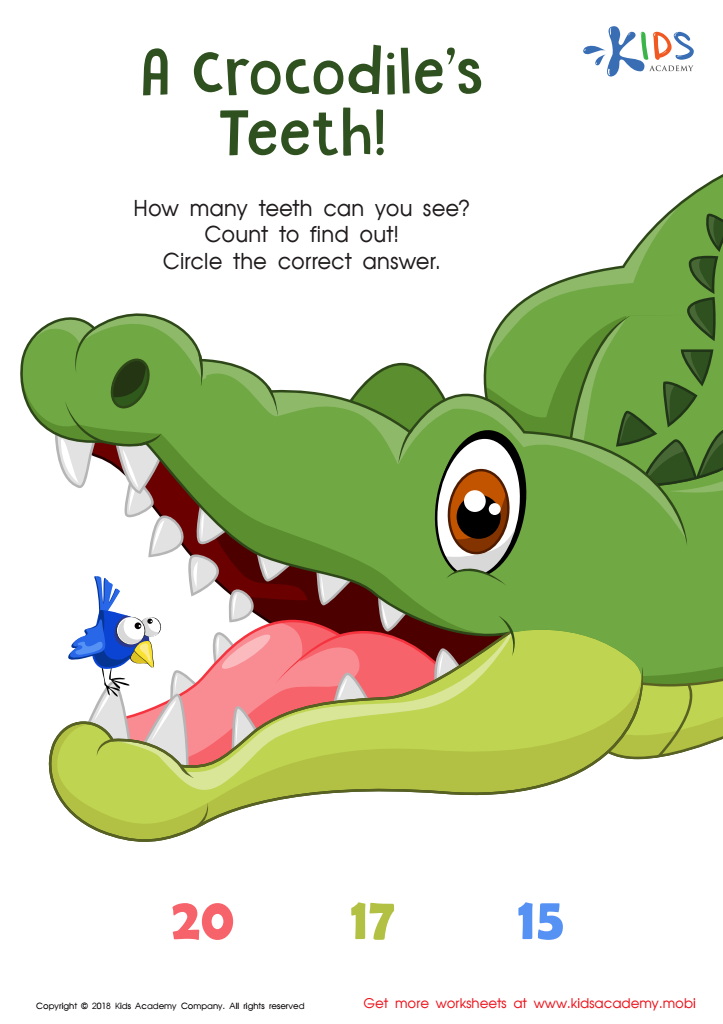
A Crocodile's Teeth Worksheet
 Assign to My Students
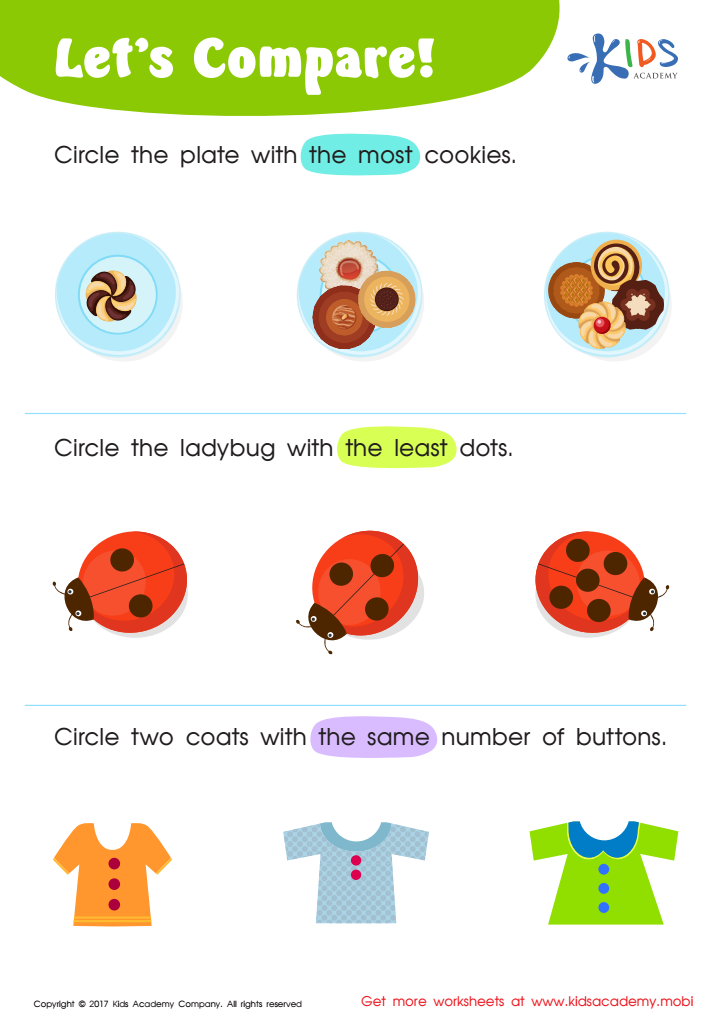
Matching: Classifying Toys by Size Worksheet
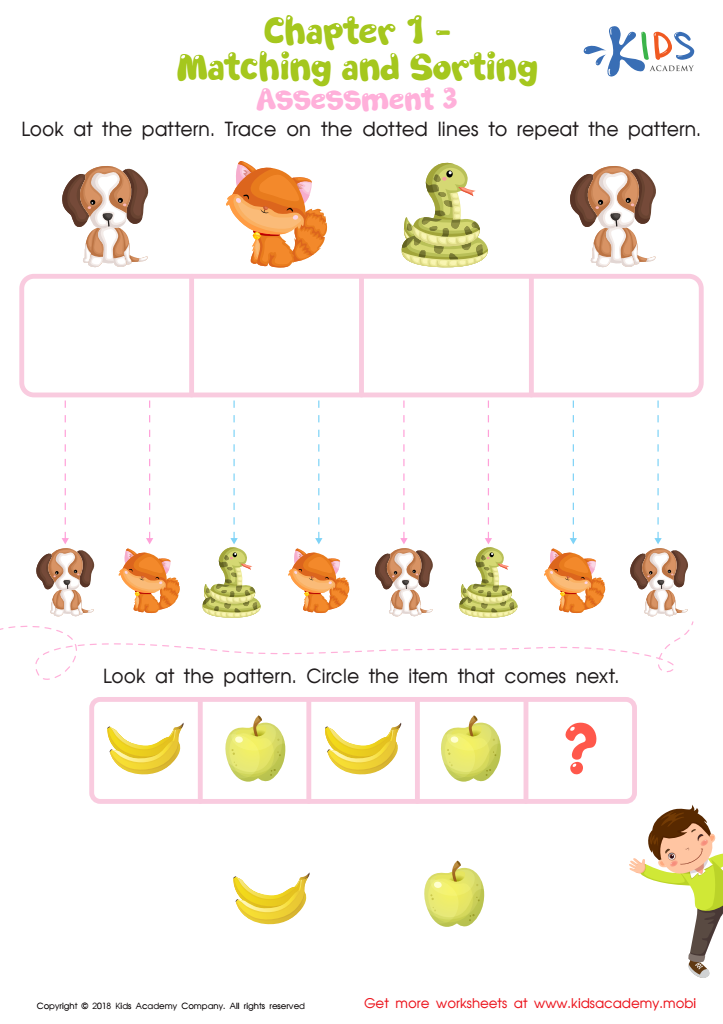
Matching and Sorting for Preschool: Assessment 3 Worksheet


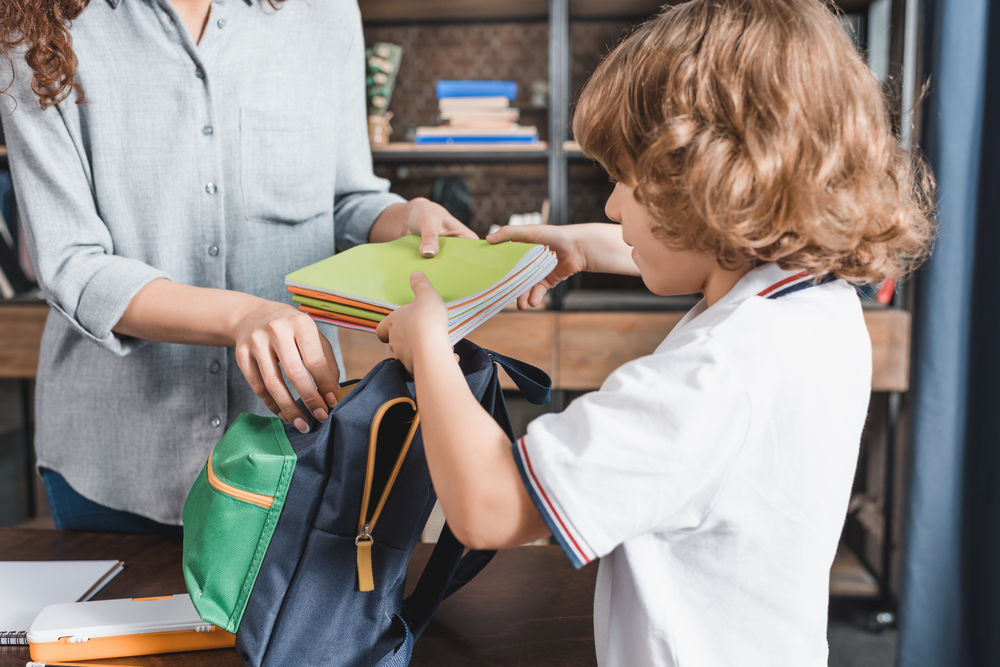

Understanding comparisons, also known as developing comparative skills, is a crucial aspect of early childhood development for ages 3-4. Parents and teachers should prioritize this skill because it underpins fundamental cognitive and mathematical abilities. When children learn to compare objects, sizes, quantities, and other attributes, they sharpen their observation and reasoning capabilities, which are essential for problem-solving and scientific thinking.
Comparative skills also lay the foundation for more complex concepts in mathematics and literacy. For instance, understanding differences in size (big vs. small), quantity (more vs. less), and order (first vs. last) prepares children for early math, such as counting and basic arithmetic. These skills are not limited to academics; they play an essential role in daily life, such as making choices (“Do you want more apple slices or fewer?”) and following routines (“Put the smaller block on top of the bigger one.”).
Moreover, learning comparisons fosters vocabulary development. When children articulate differences and similarities, they are encouraged to use descriptive language, deepening their linguistic abilities. By making comparisons a part of educational activities and play, parents and teachers provide a robust groundwork for children’s future success in both school and everyday situations. Thus, understanding comparisons is invaluable for holistic child development.








