Understanding fractions Worksheets for Ages 3-4
32 filtered results
-
From - To
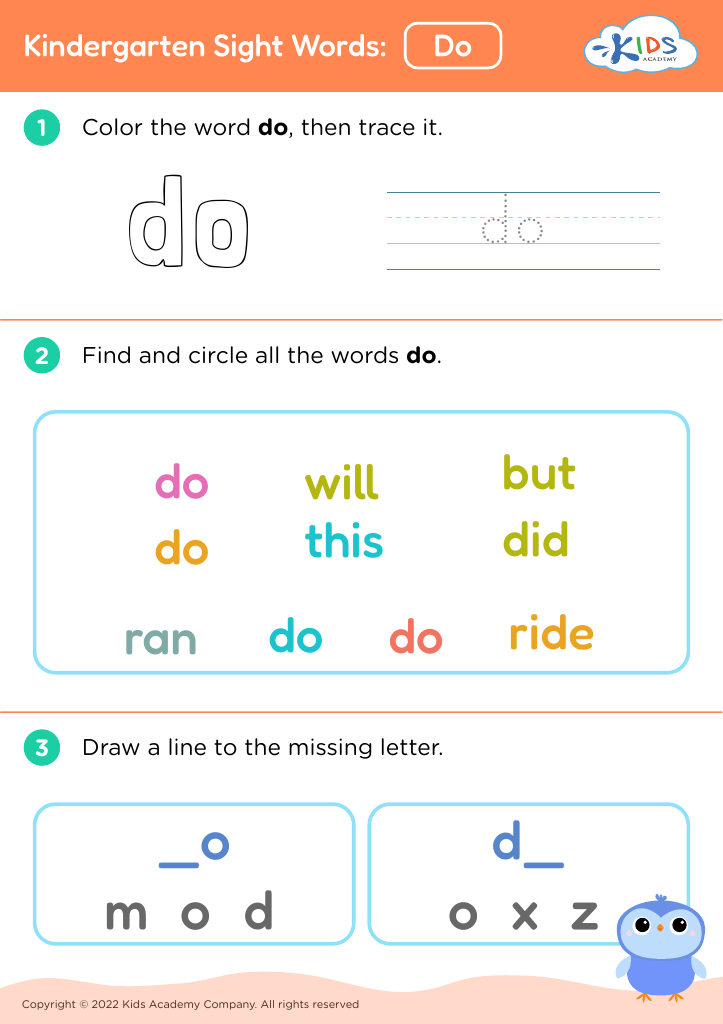
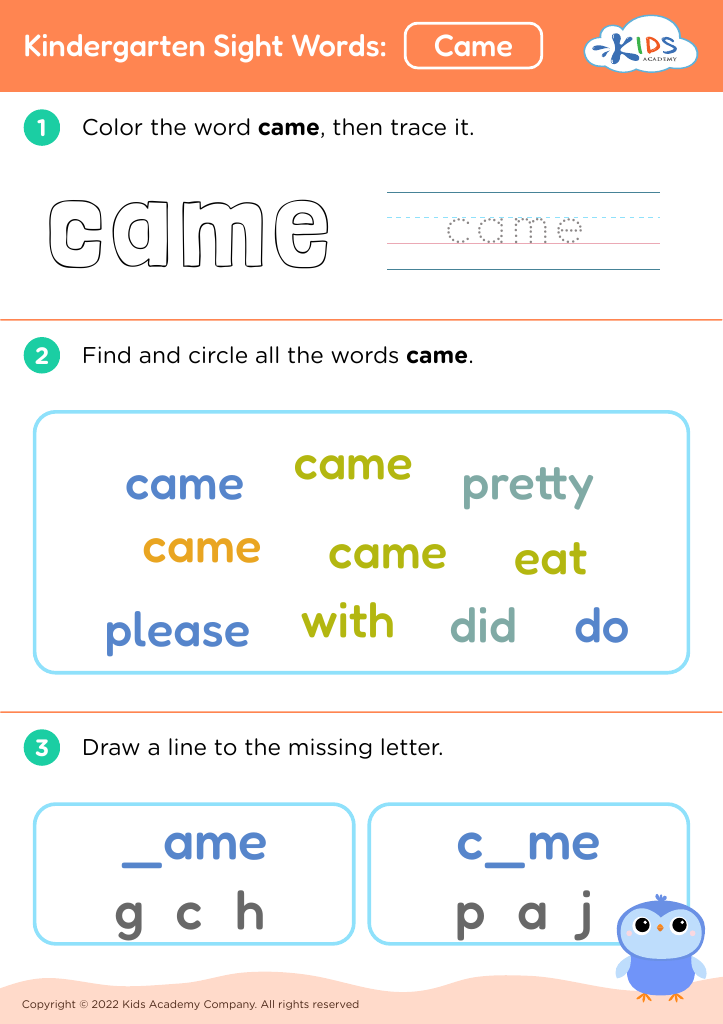
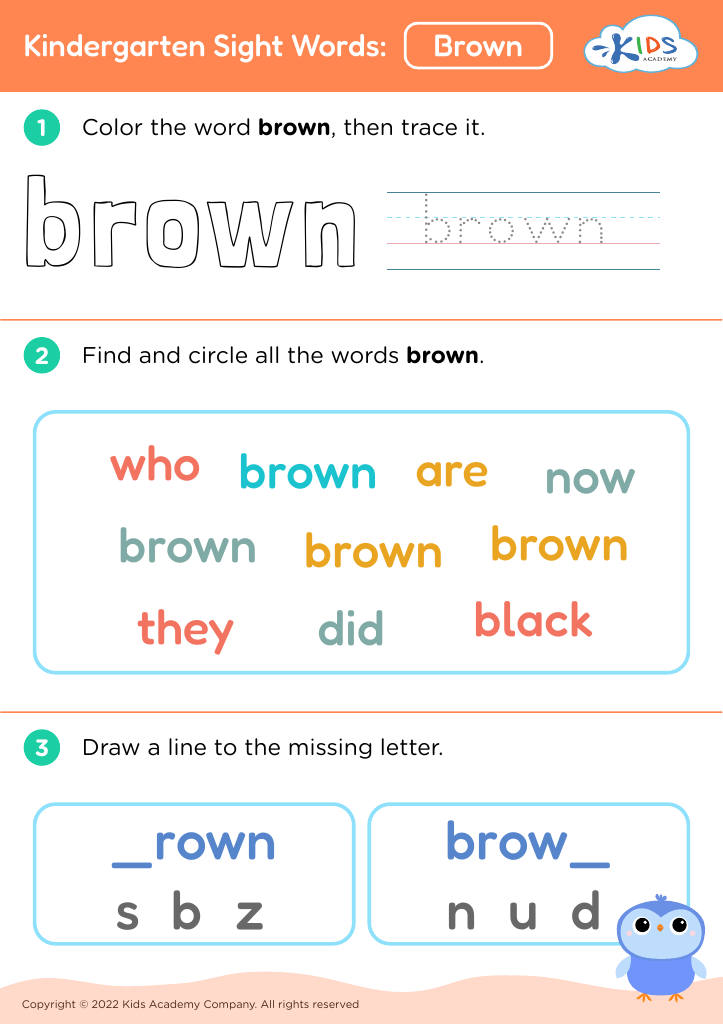
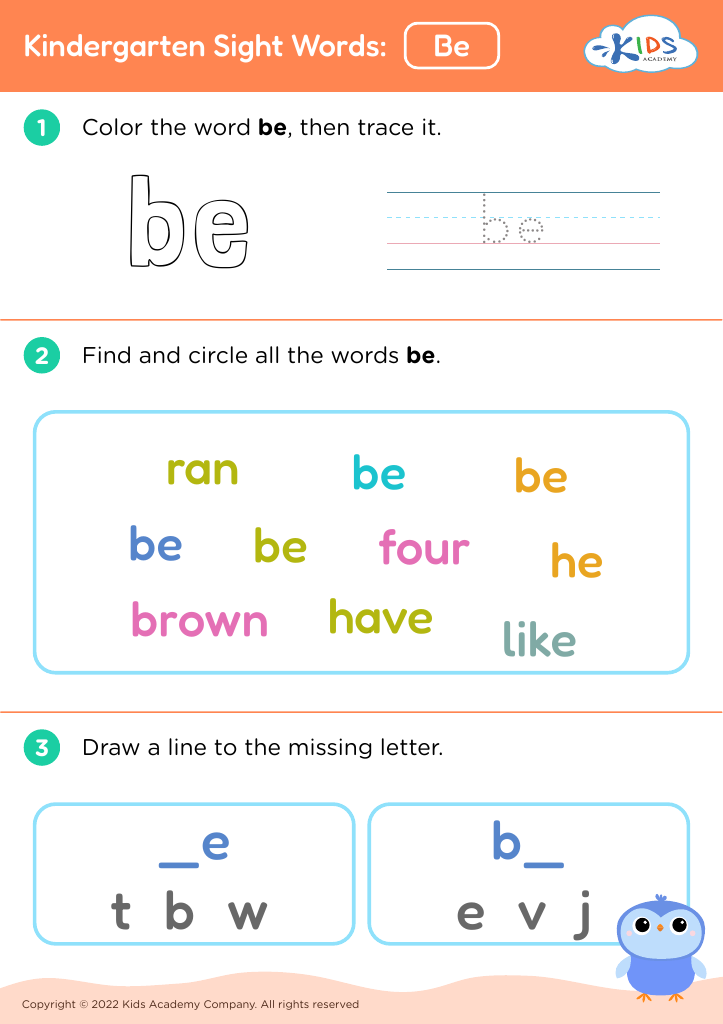
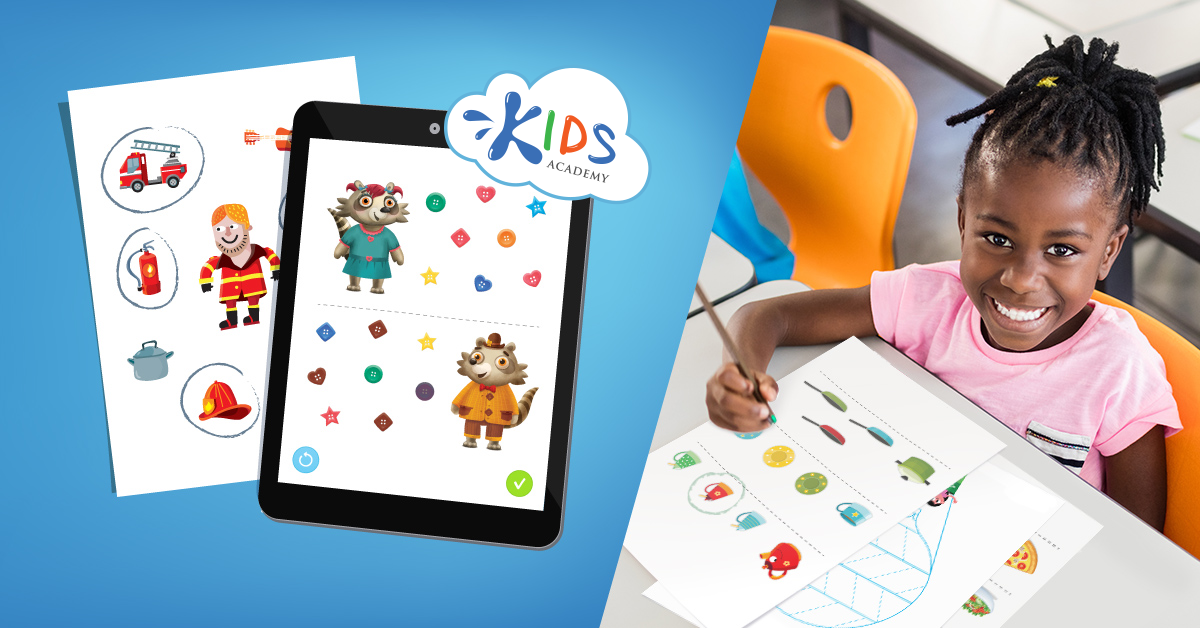
Unlock the world of fractions for your little ones with our engaging "Understanding Fractions Worksheets for Ages 3-4." Designed specifically for young learners, these worksheets introduce basic fraction concepts through fun, interactive activities. Each worksheet uses colorful illustrations and simple exercises to make learning fractions easy and enjoyable. Perfect for building a solid foundation in early math skills, our resources help children recognize halves, quarters, and other basic fractions while enhancing their counting and problem-solving abilities. Ideal for both classroom and at-home learning, spark your child’s interest in math with these delightful and educational worksheets.
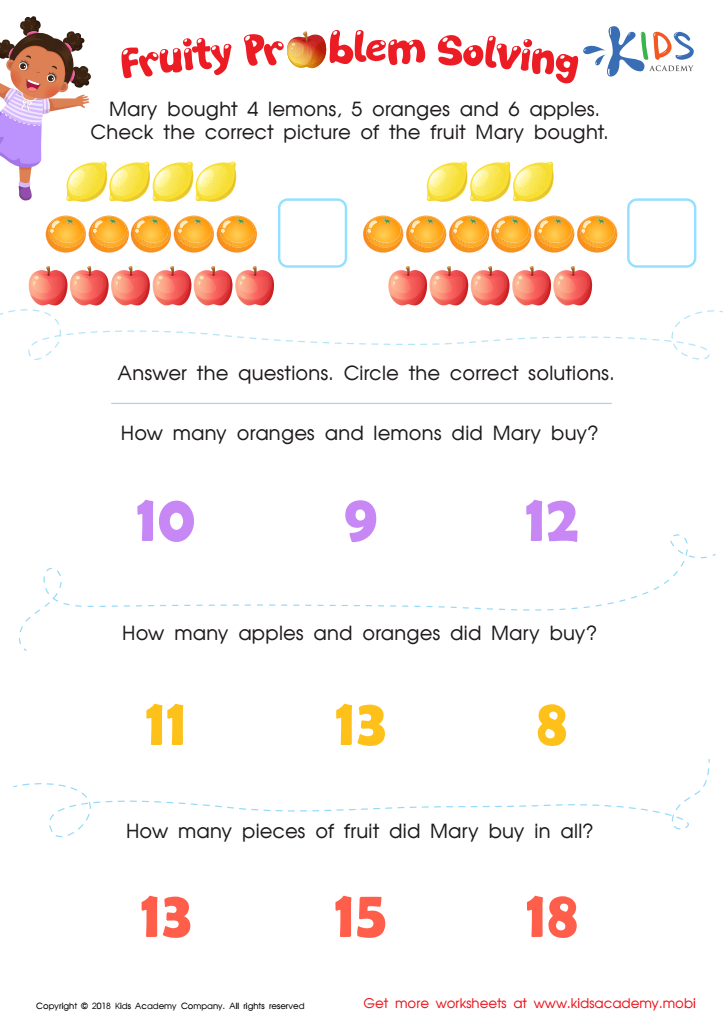
Fruity Problem Solving Worksheet
 Assign to My Students
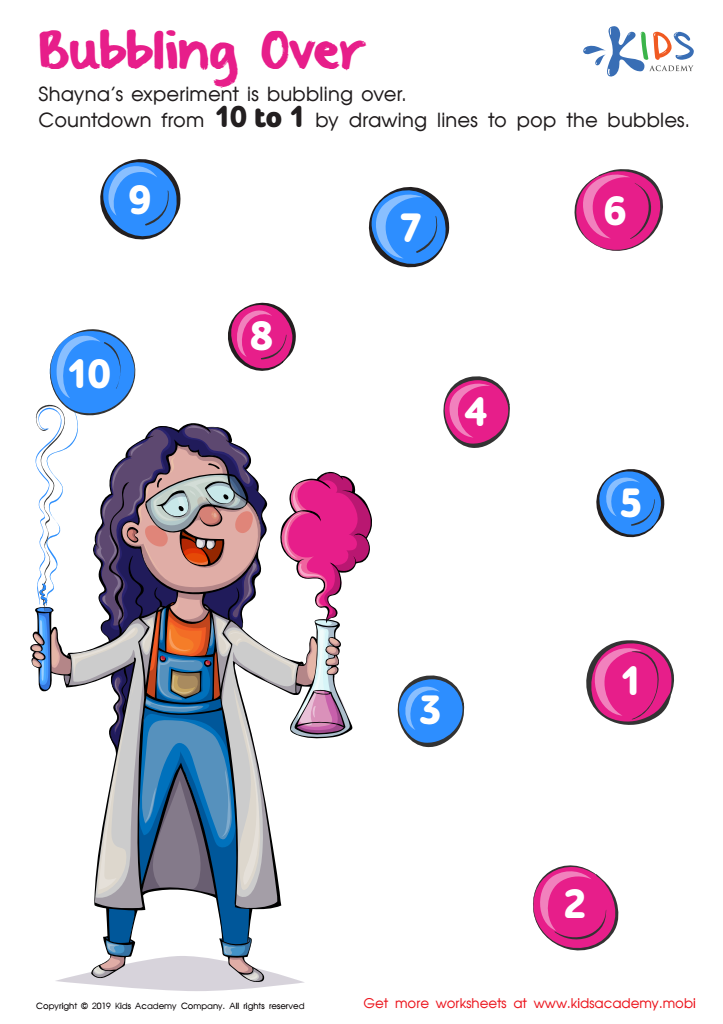
Bubbling Over Worksheet
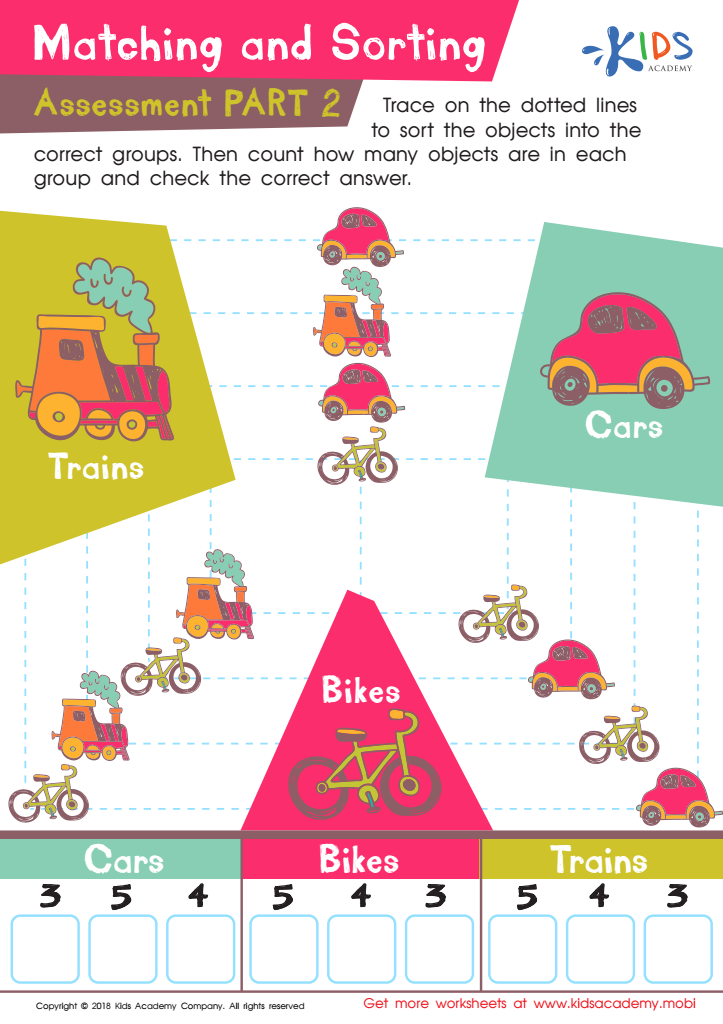
Matching and Sorting for Kindergarten: Assessment 2 Worksheet
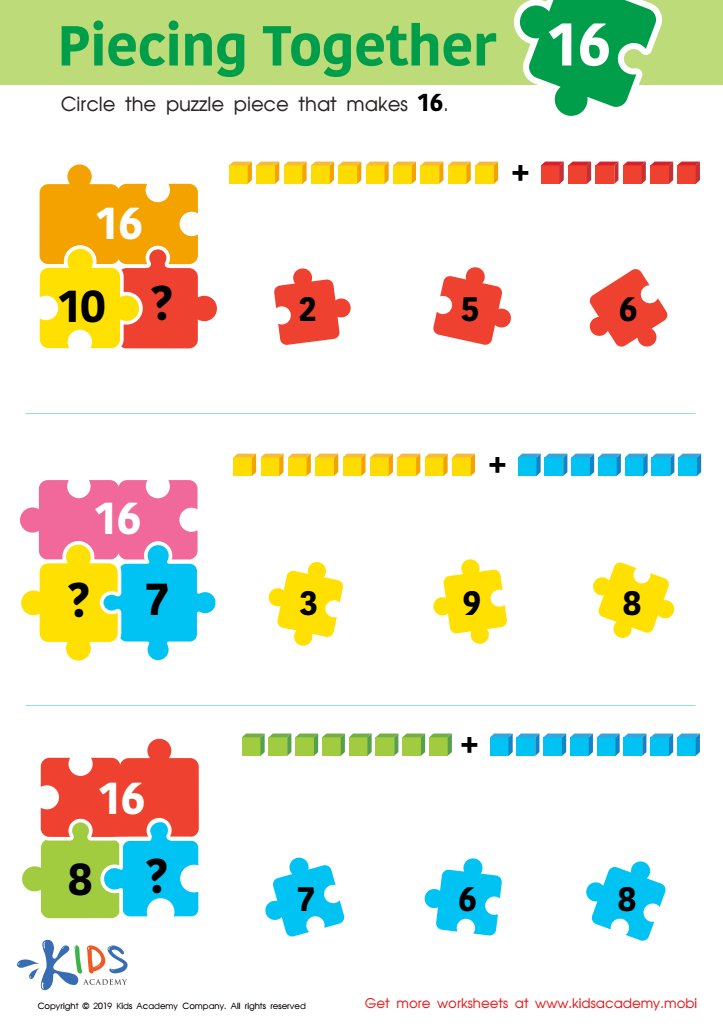
Piecing Together 16 Worksheet
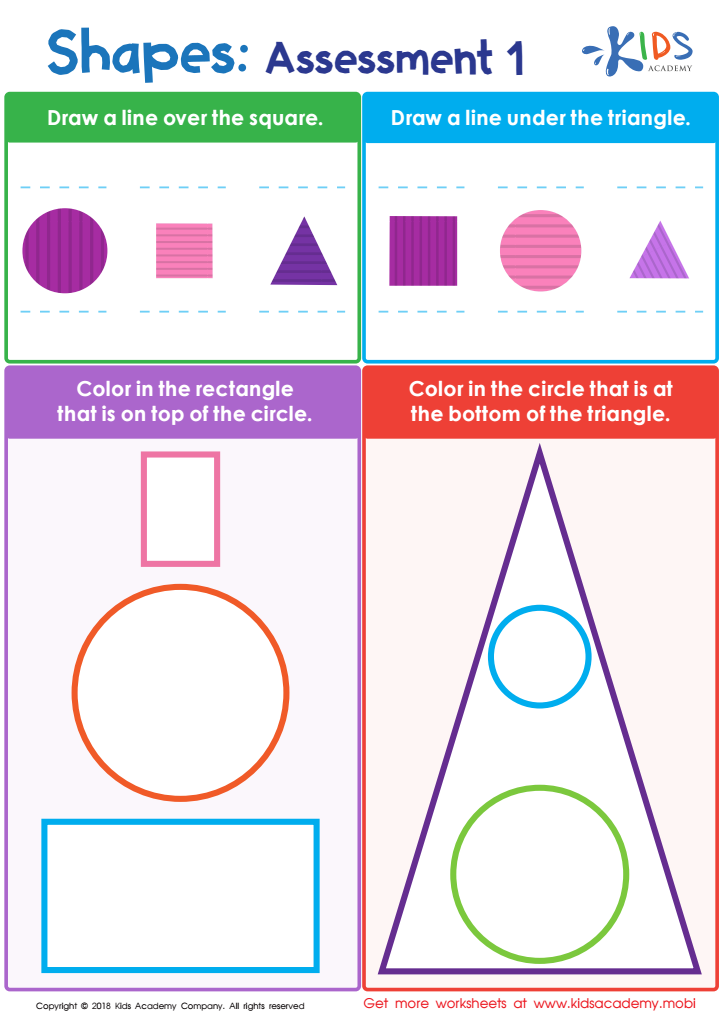
Shapes: Assessment 1 Worksheet
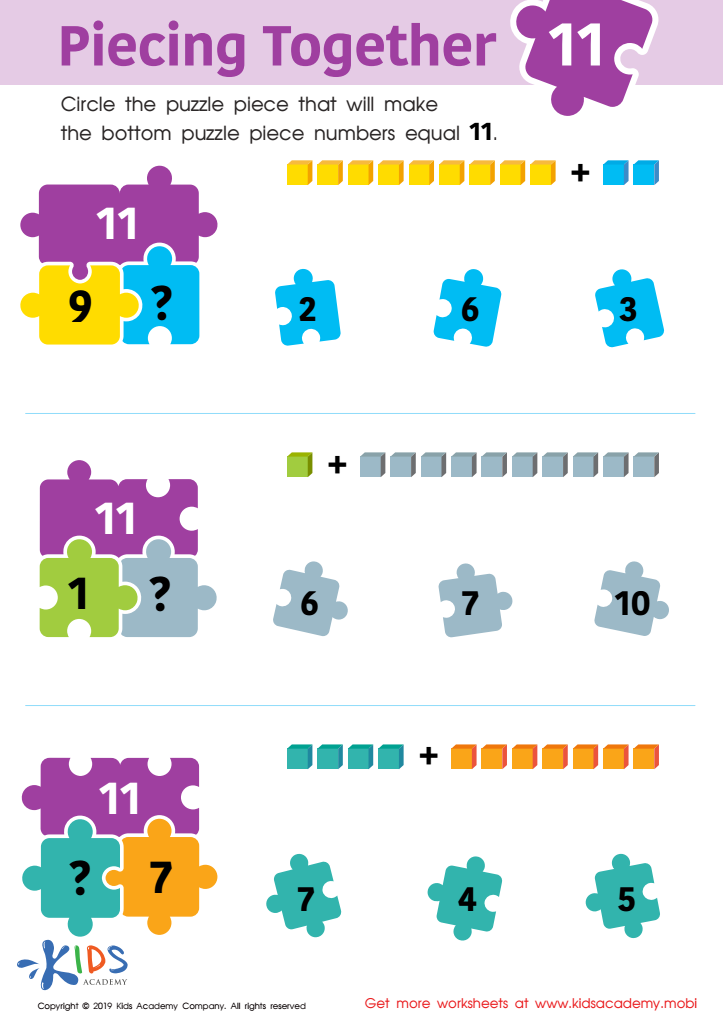
Piecing Together 11 Worksheet
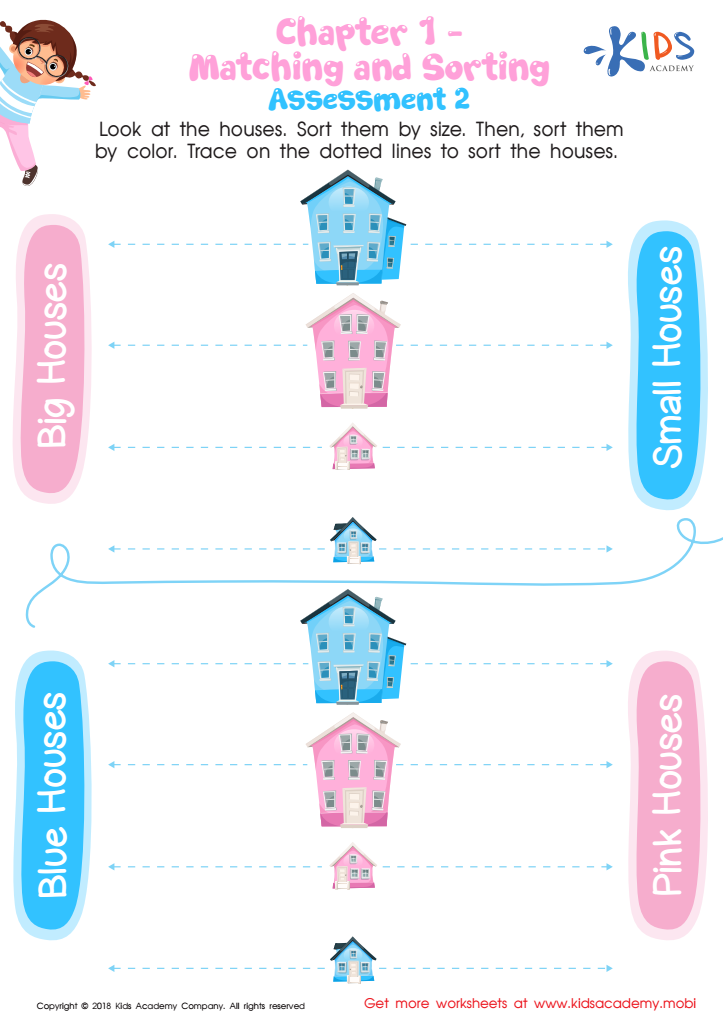
Matching and Sorting for Preschool: Assessment 2 Worksheet
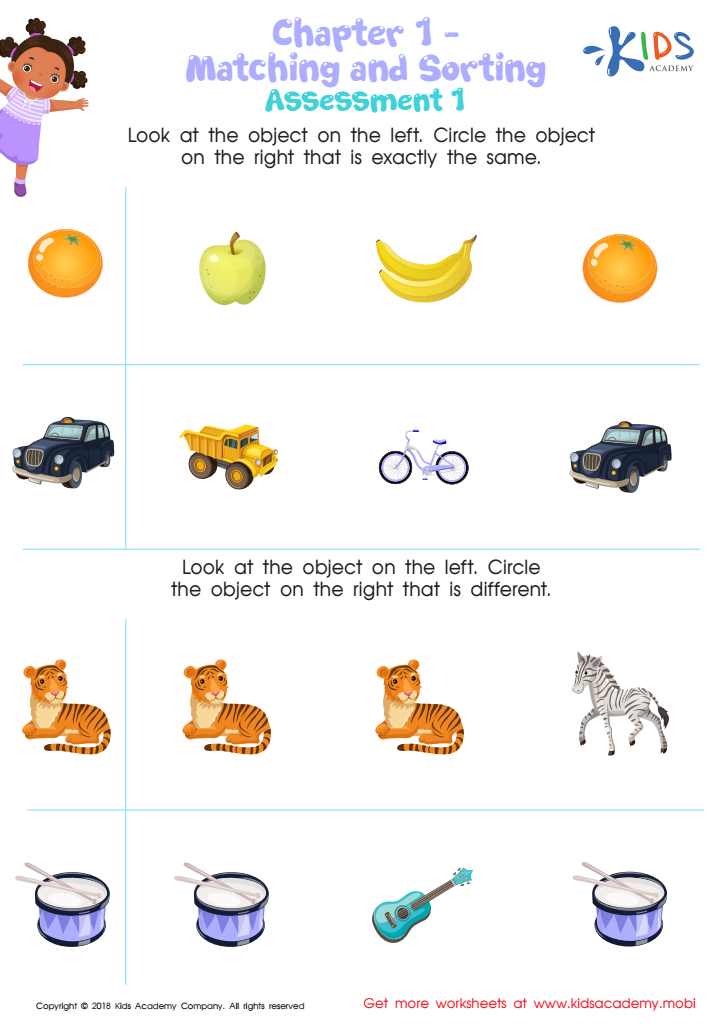
Matching and Sorting for Preschool: Assessment 1 Worksheet
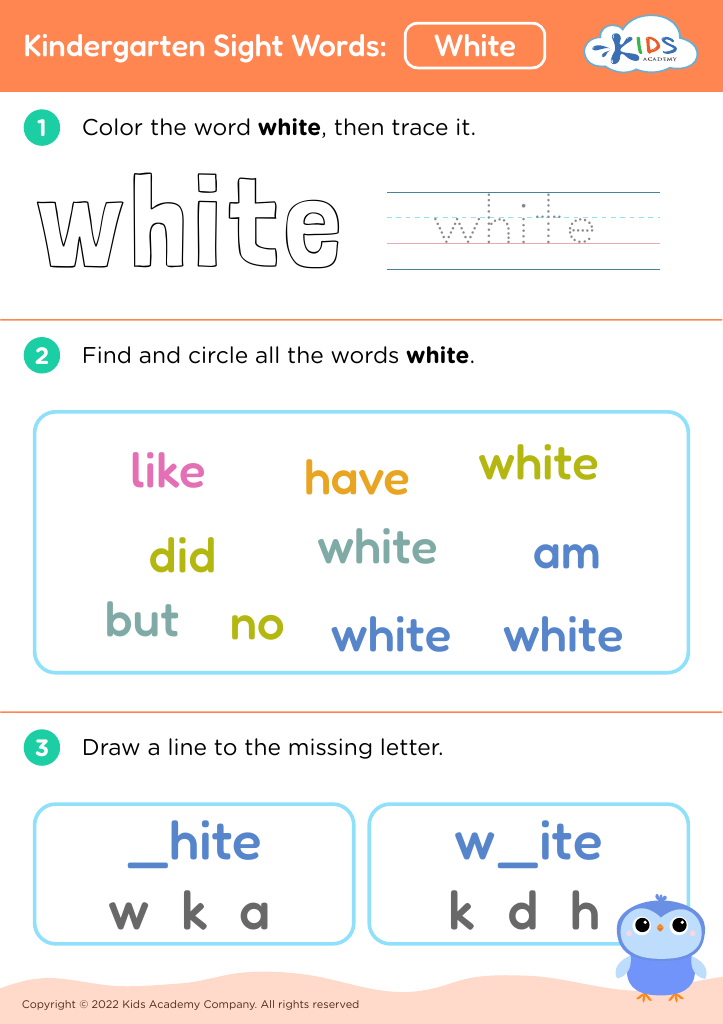
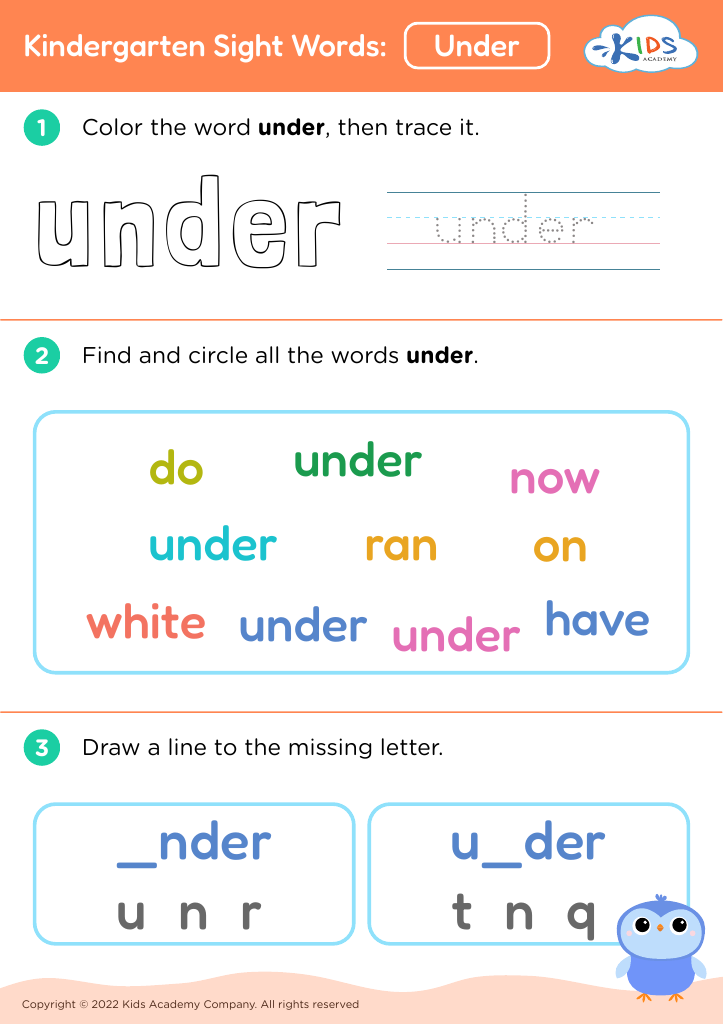
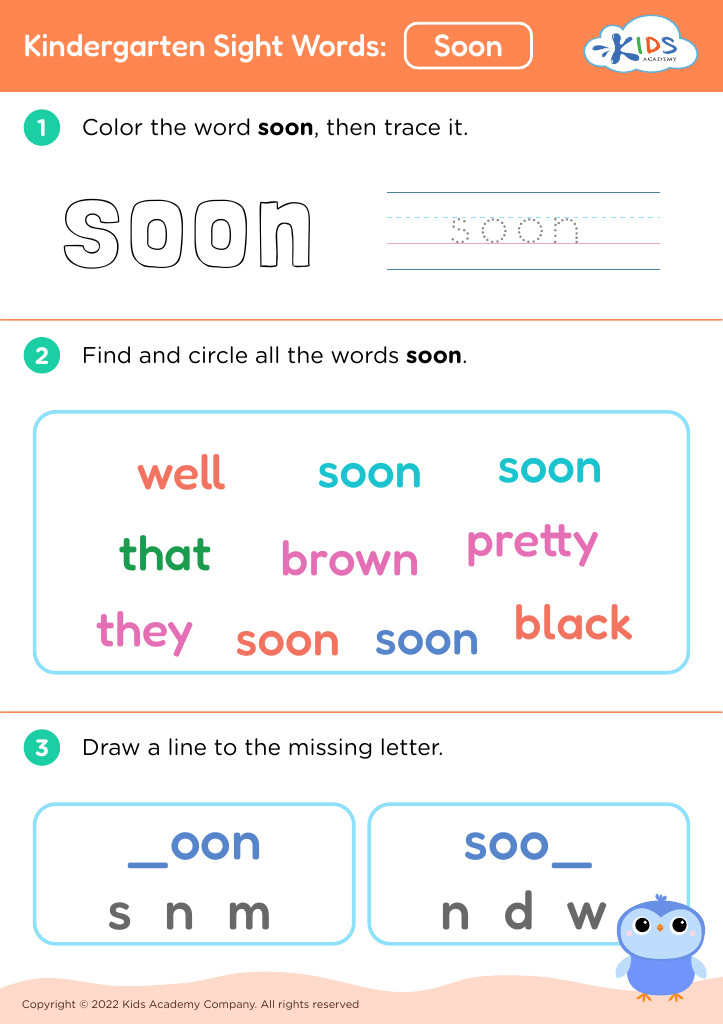
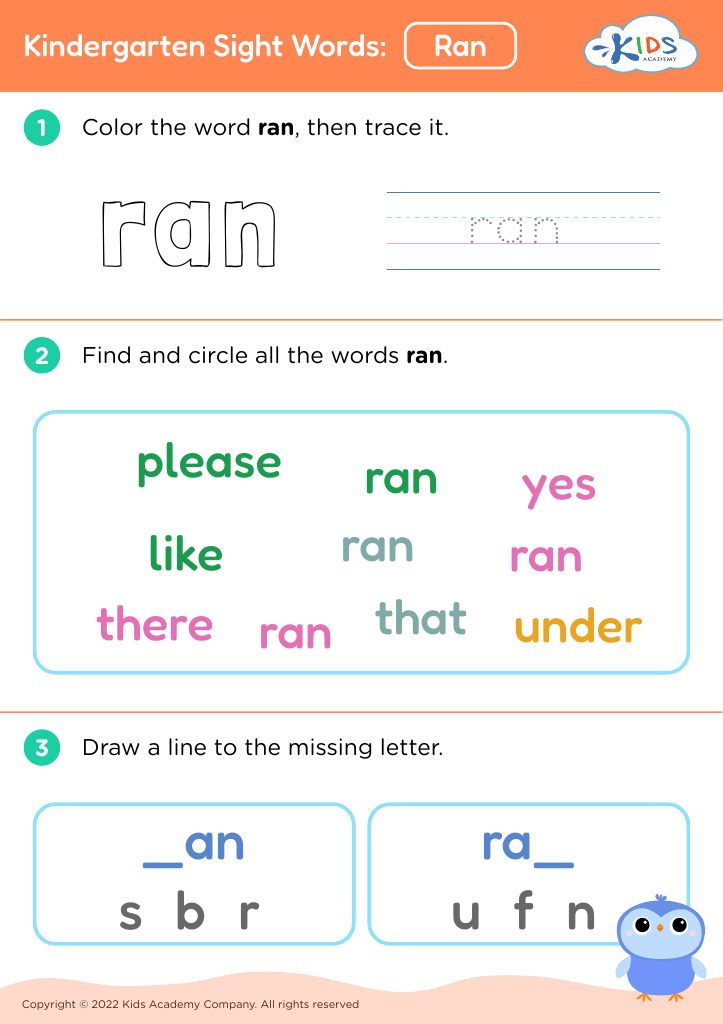



.jpg)
Understanding fractions at ages 3-4 lays a vital foundation for developing strong mathematical skills later in life. Fractions represent a core component of everyday math and a variety of fundamental concepts hinge on a clear understanding of them. Introducing fractions to young children helps them grasp ideas of division, sharing, and part-whole relationships, essential for their cognitive development.
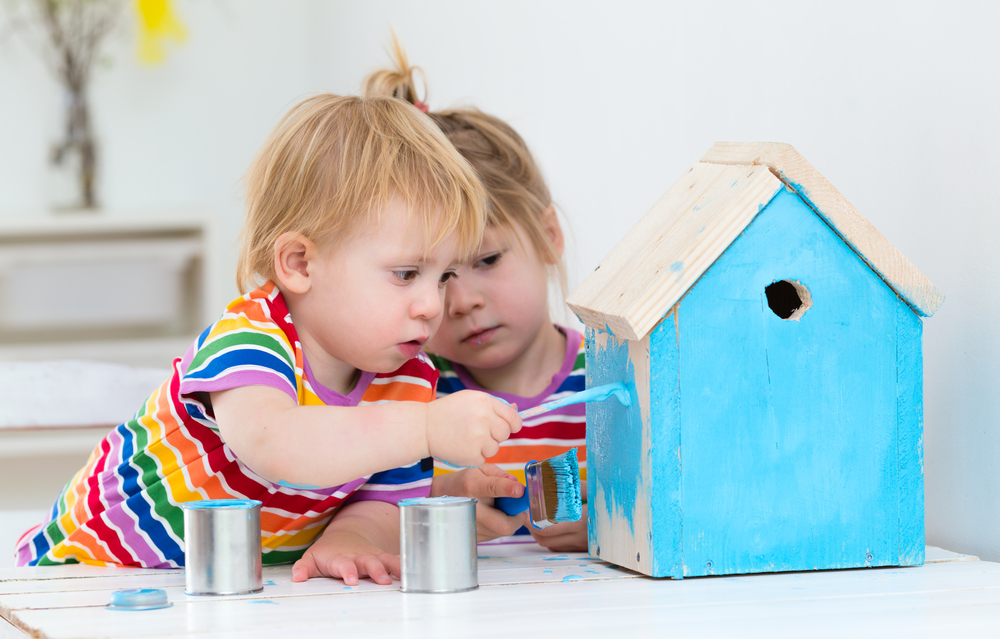
At this early stage, children naturally encounter fractions through activities like sharing snacks, splitting toys, or dividing time during play. Capitalizing on these real-life experiences to introduce basic fraction concepts can make learning intuitive and engaging. It educates them about equal parts and fairness in sharing, enhanced through practical, hands-on experiences.
Moreover, understanding fractions supports early numeracy skills and prepares children for advanced areas of mathematics, such as multiplication, division, and algebra. Early familiarity with these ideas helps with conceptual understanding rather than rote memorization. This can foster more significant mathematical confidence and proficiency as they advance academically.
Children who are comfortable with fractions also develop better problem-solving and critical-thinking skills. As teachers or parents, nurturing this early math foundation can provide children with a lifelong advantage in understanding math, leading to success inside and outside the classroom.








