Visual comprehension Worksheets for Ages 3-4
9 filtered results
-
From - To
Discover our engaging Visual Comprehension Worksheets designed specifically for ages 3-4. These fun and interactive worksheets aid in the development of critical visual skills, such as recognizing shapes, colors, patterns, and matching objects. Each activity is crafted to enhance your child's ability to comprehend visual information, promoting early learning success. With our worksheets, children will build the foundation they need for future reading and analytical tasks, all while enjoying colorful and exciting challenges. Download today to give your little learner a head start in mastering essential visual comprehension skills.
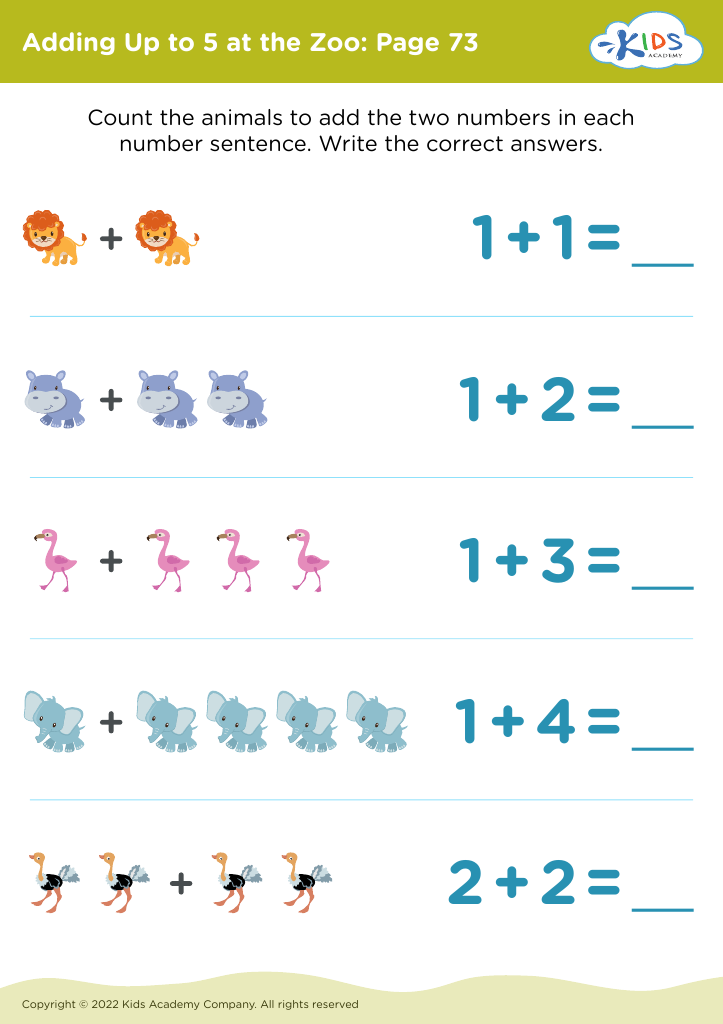
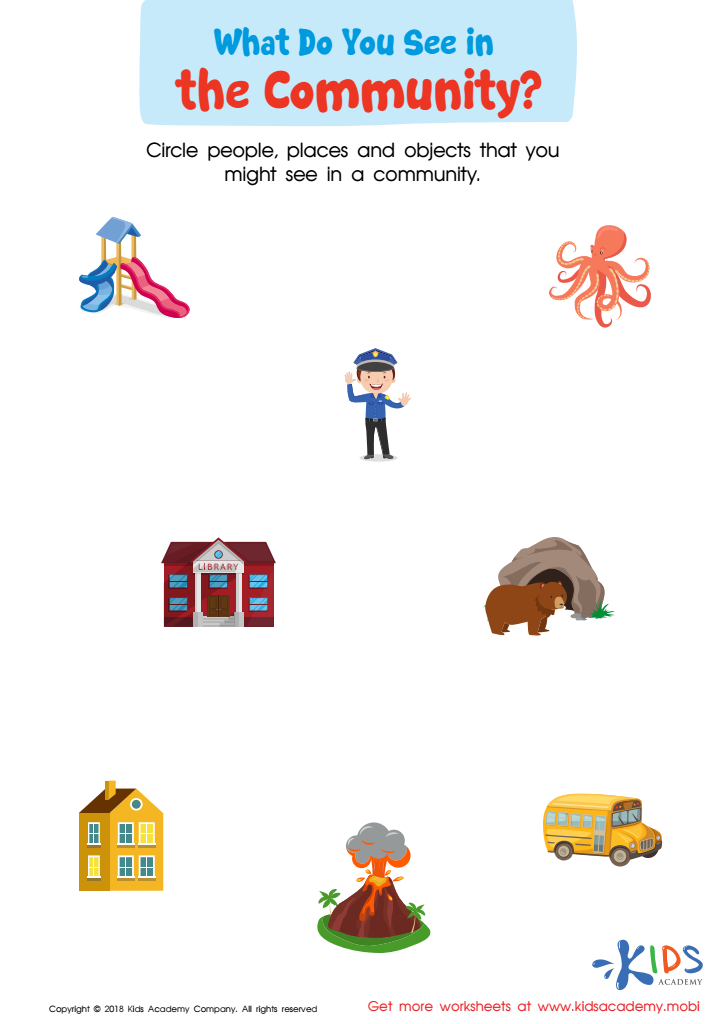
What Do You See in the Community Worksheet
 Assign to My Students
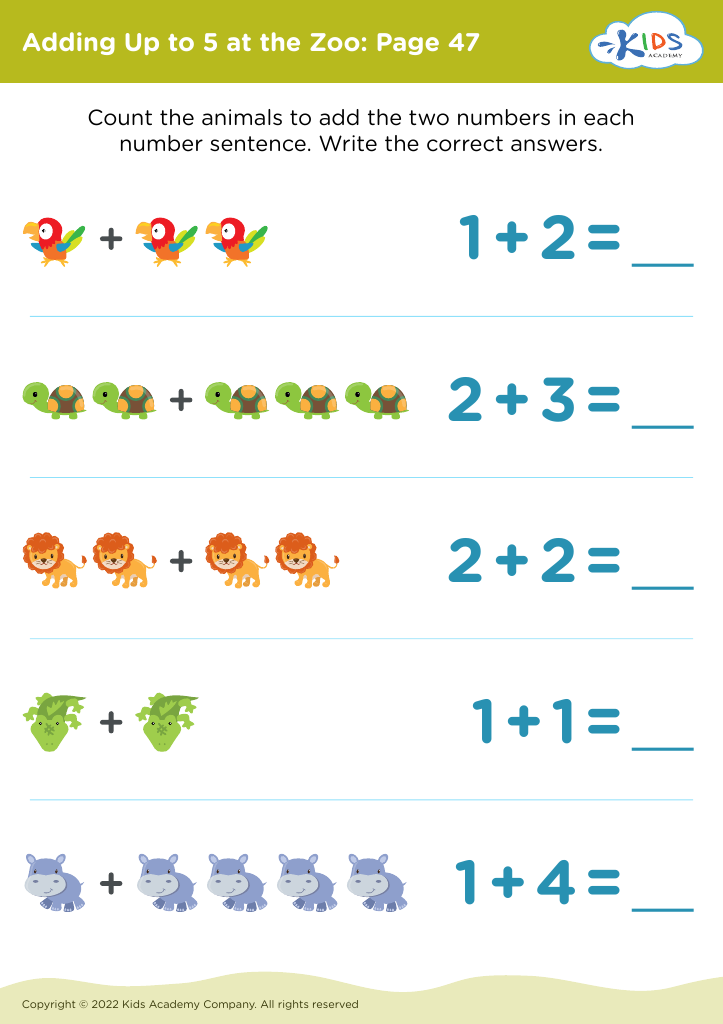
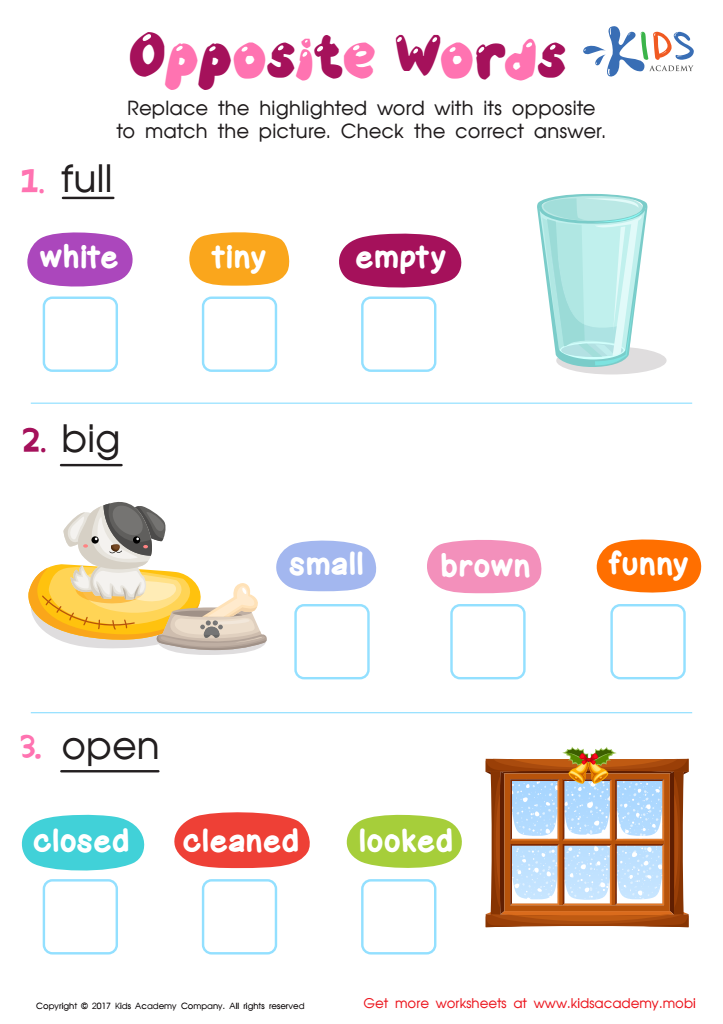
Opposite Words Worksheet
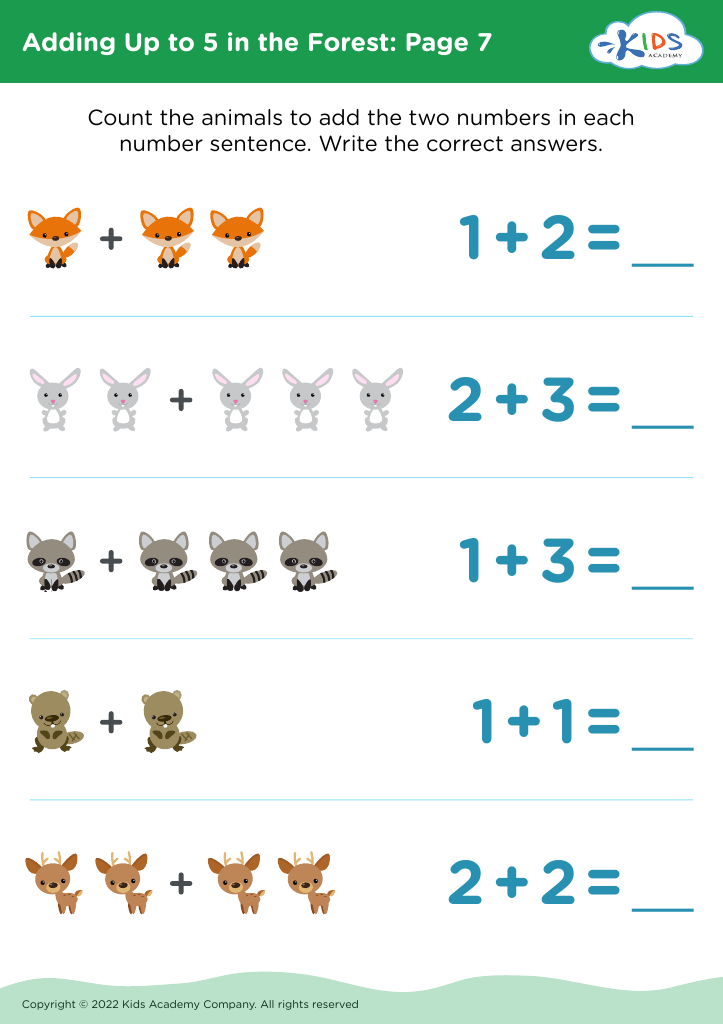
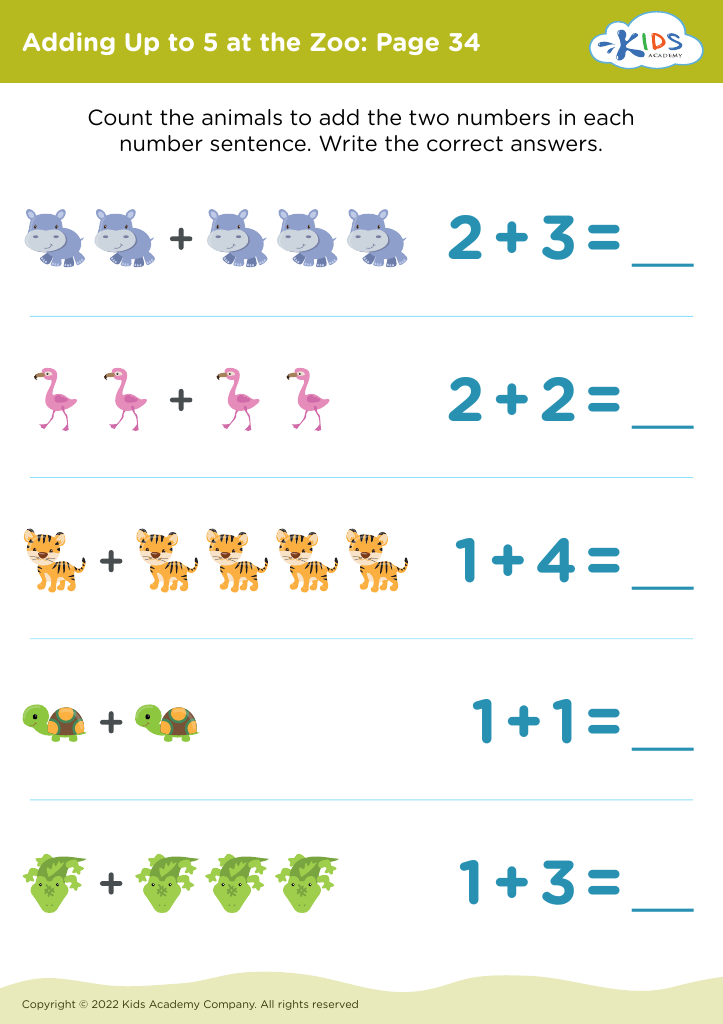
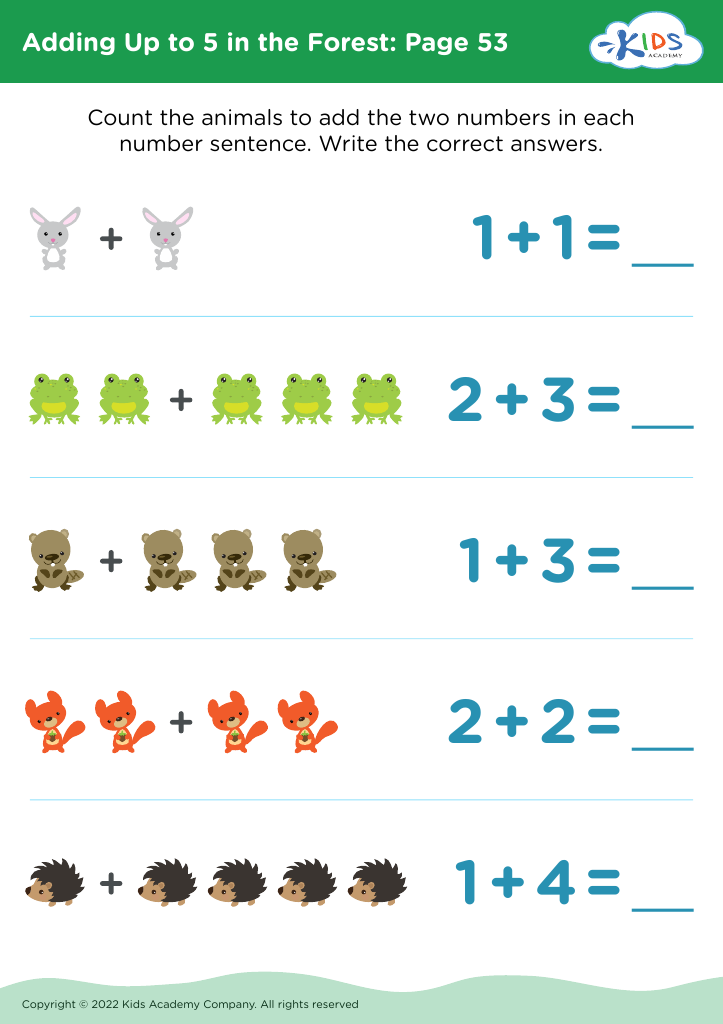
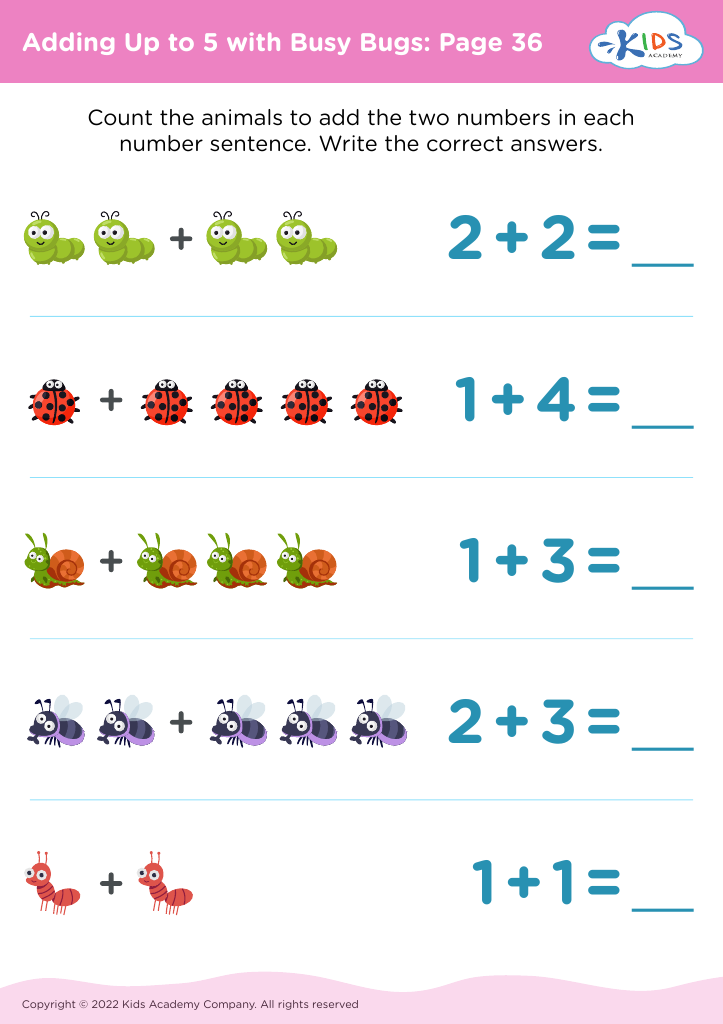
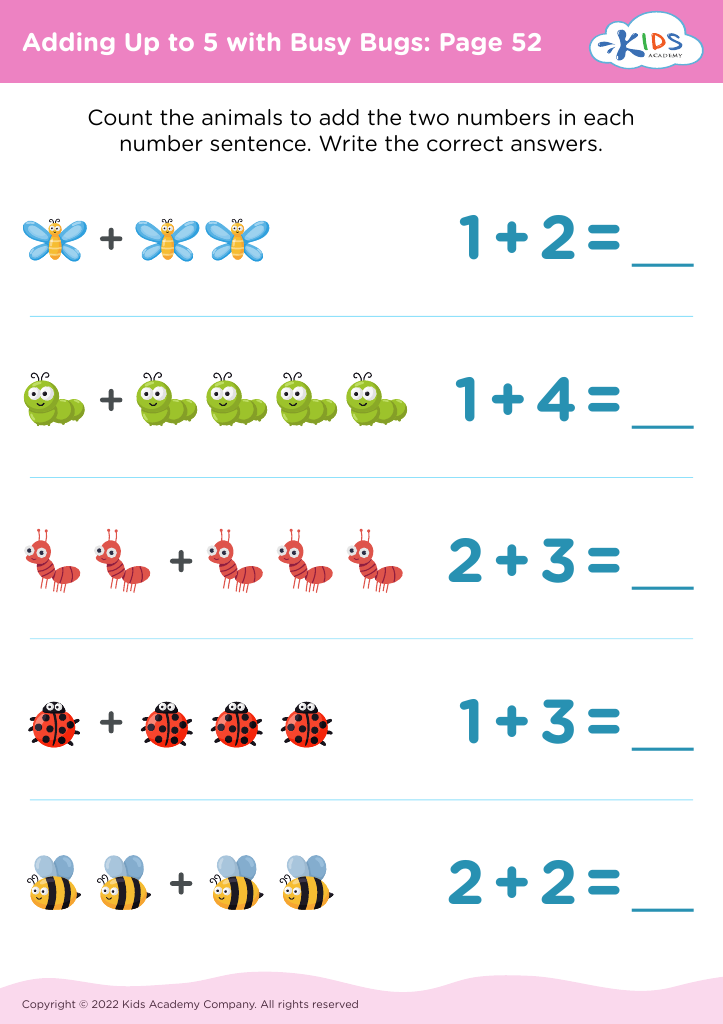






Visual comprehension for ages 3-4 is a critical area of development that significantly impacts a child's overall cognitive growth and learning abilities. At this young age, children's brains are highly receptive and active, making it a crucial period for laying foundational skills.
Parents and teachers should be attentive to visual comprehension because it underpins many aspects of a child's future learning. For instance, recognizing colors, shapes, patterns, and basic symbols boosts early literacy and numeracy skills. Visual comprehension helps children make sense of pictures in books, follow visual instructions, and even understand social cues through facial expressions and body language.
Early visual comprehension skills correlate with better academic performance as children transition to formal schooling. When children can effectively interpret visual information, they are also better equipped to engage with learning materials and environments. Moreover, activities that bolster visual comprehension, such as puzzles, drawing, and playing with block sets, promote fine motor skills and hand-eye coordination.
Additionally, fostering visual comprehension aids in developing problem-solving skills and critical thinking. Engaging children in visually stimulating activities can spark curiosity and encourage exploration. Overall, a strong foundation in visual comprehension not only enriches early childhood experiences but also sets the stage for lifelong learning and achievement.








