Check out this FREE "Visual Learning" Trial Lesson for age 3-4!

Match Exactly the Same

Favorites
With answer key
Interactive
  • 3-4
  • Visual Learning
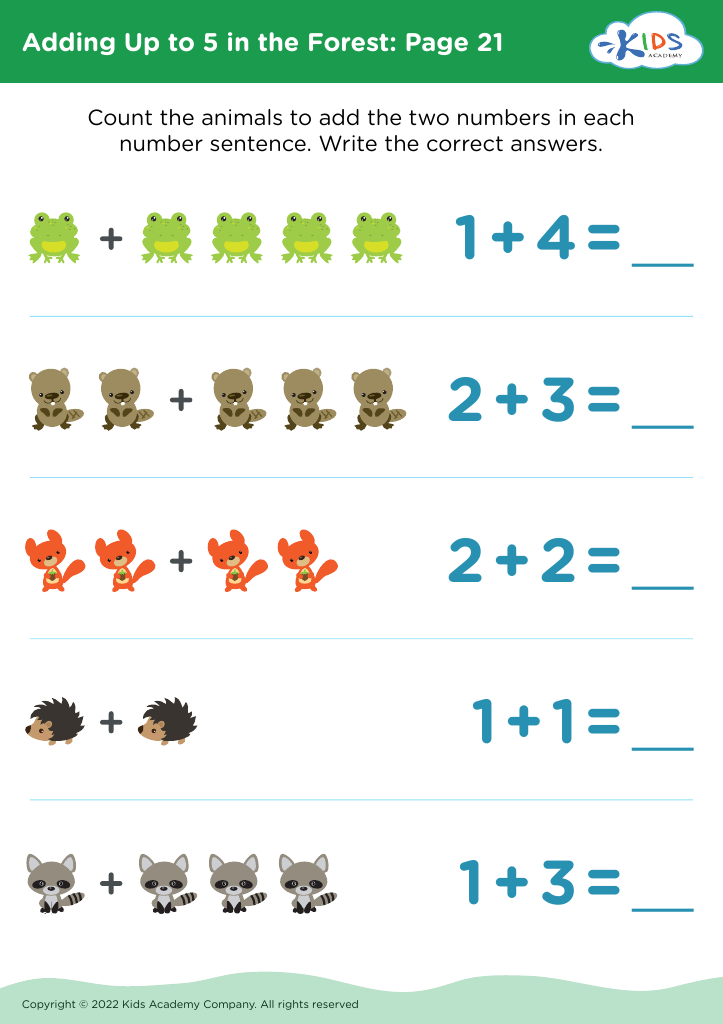
Adding Up to 5 in the Forest: Page 21
Worksheet
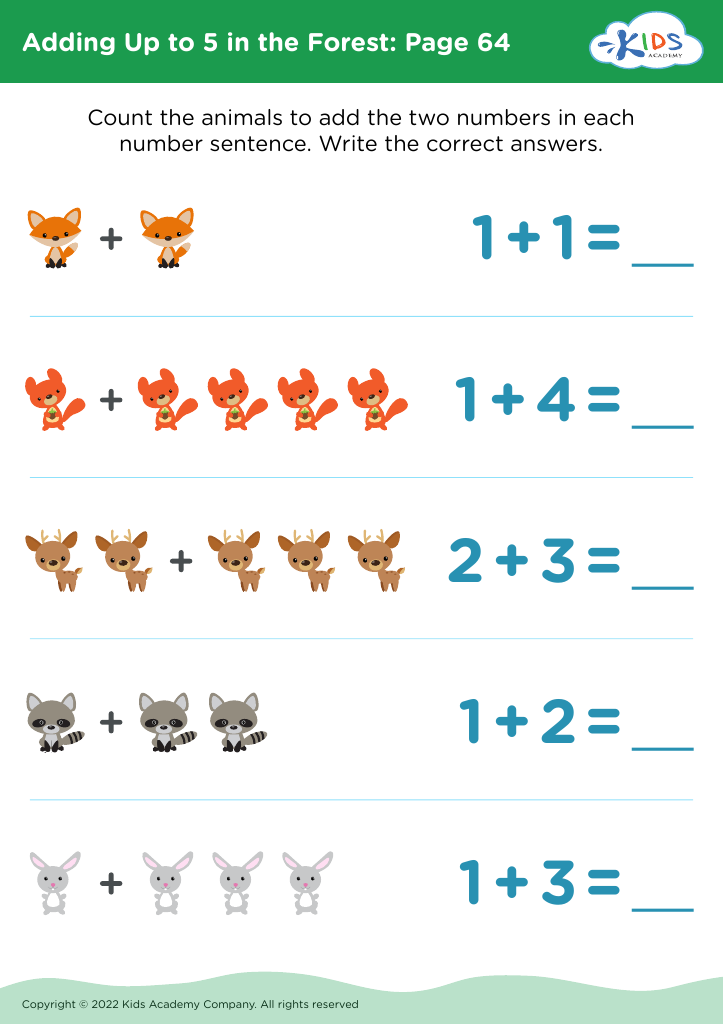
Adding Up to 5 in the Forest: Page 64
Worksheet
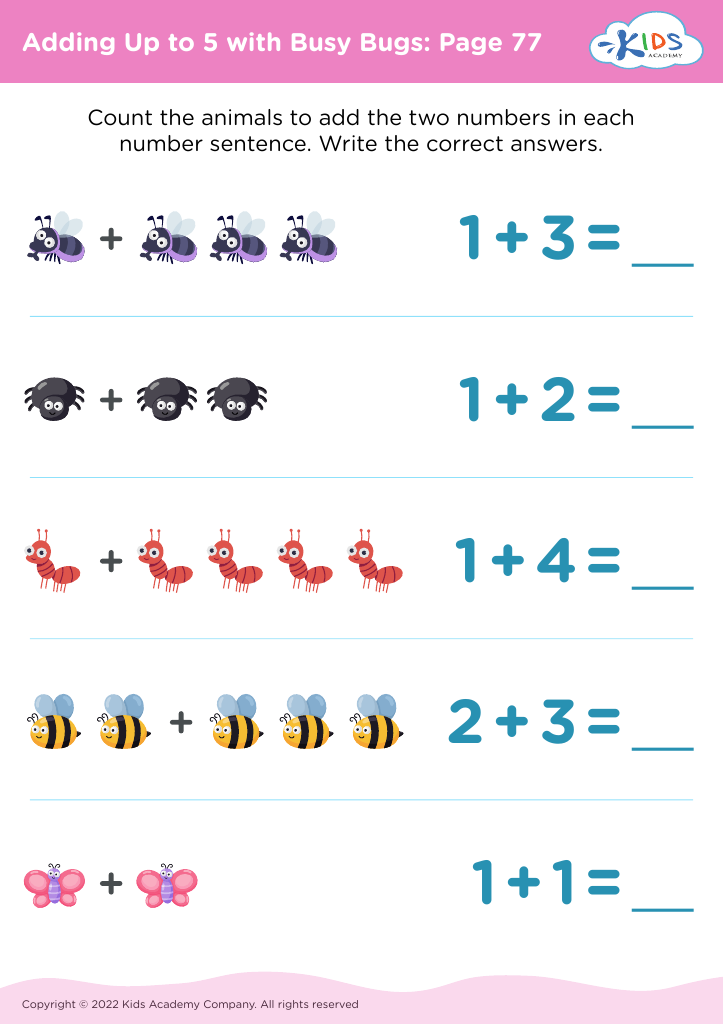
Adding Up to 5 with Busy Bugs: Page 77
Worksheet
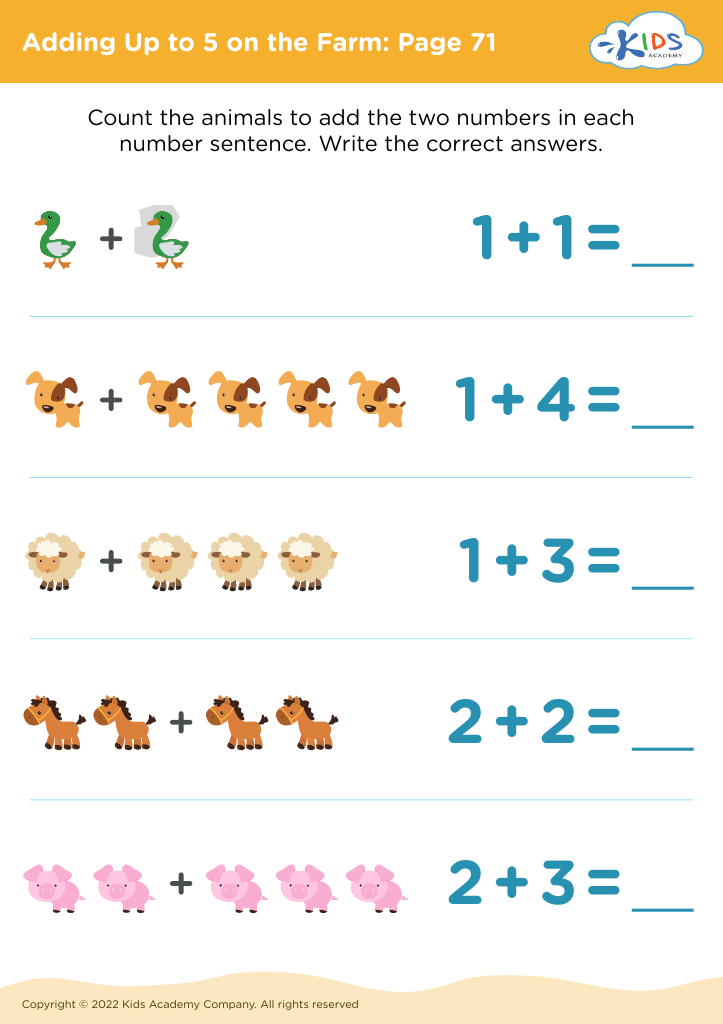
Adding Up to 5 on the Farm: Page 71
Worksheet
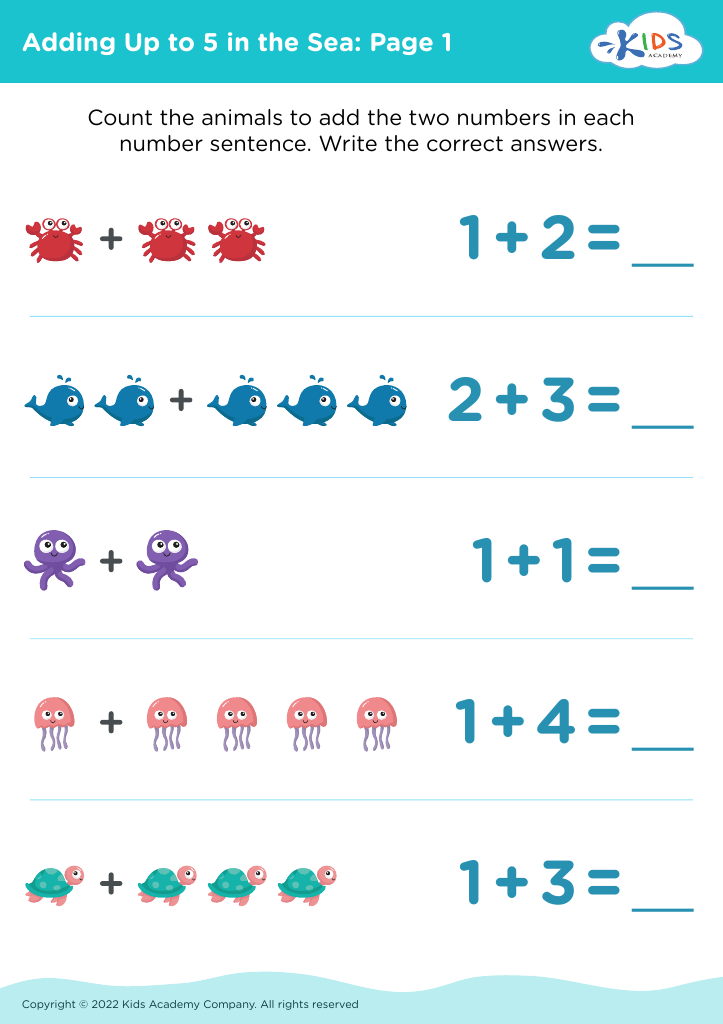
Adding Up to 5 in the Sea: Page 1

Adding Up to 5 in the Sea: Page 1

Adding Up to 5 in the Sea: Page 1
Worksheet
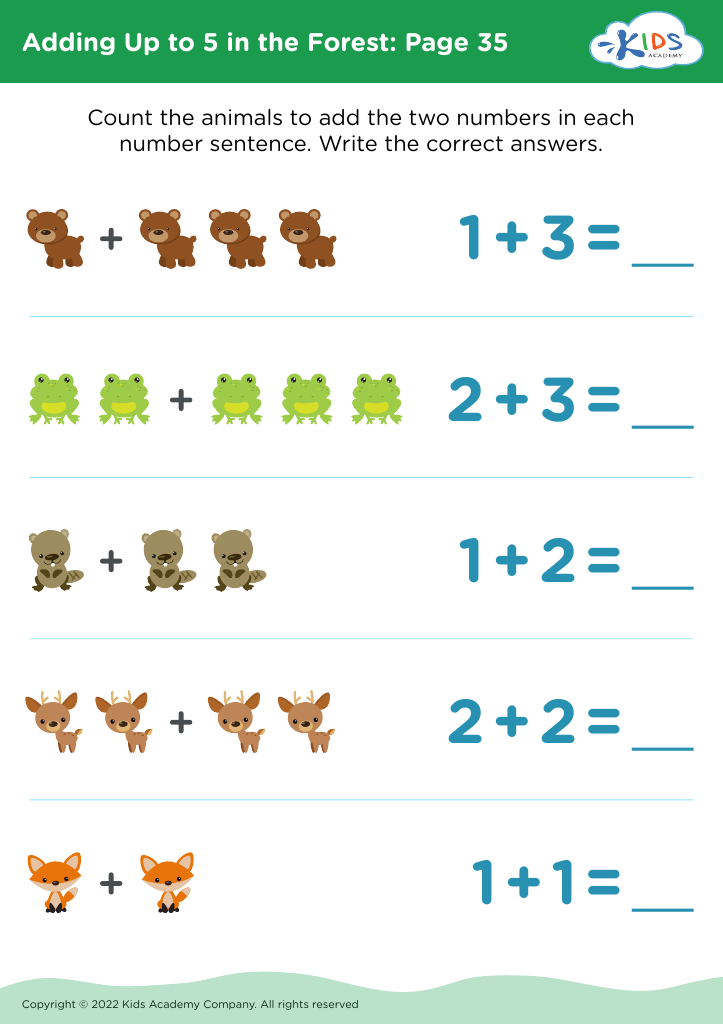
Adding Up to 5 in the Forest: Page 35
Worksheet
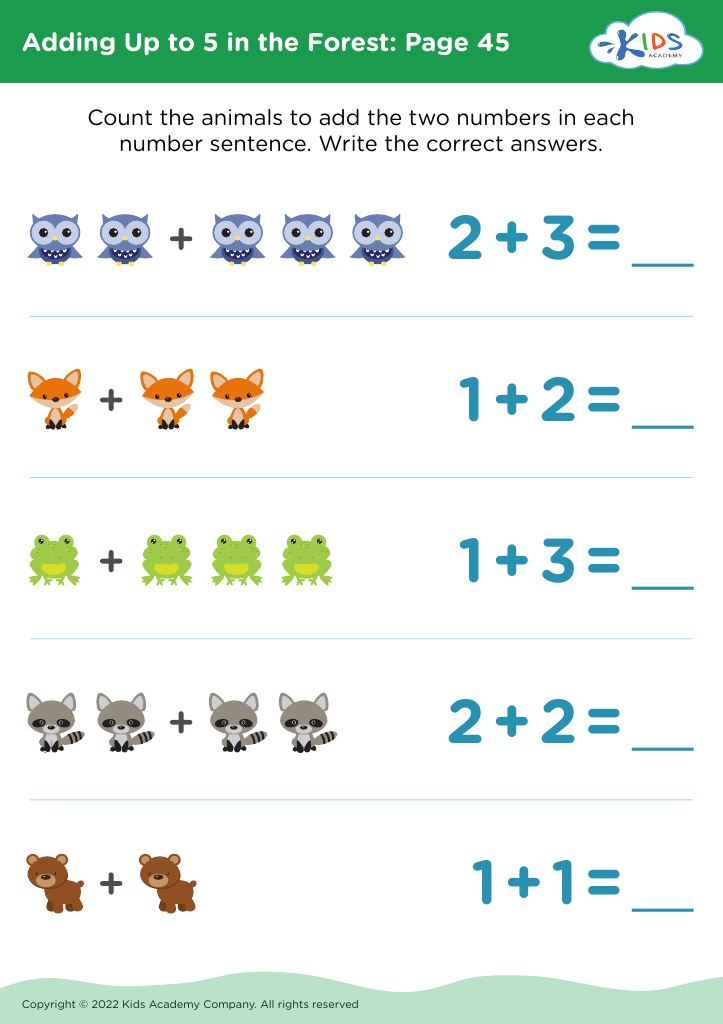
Adding Up to 5 in the Forest: Page 45
Worksheet
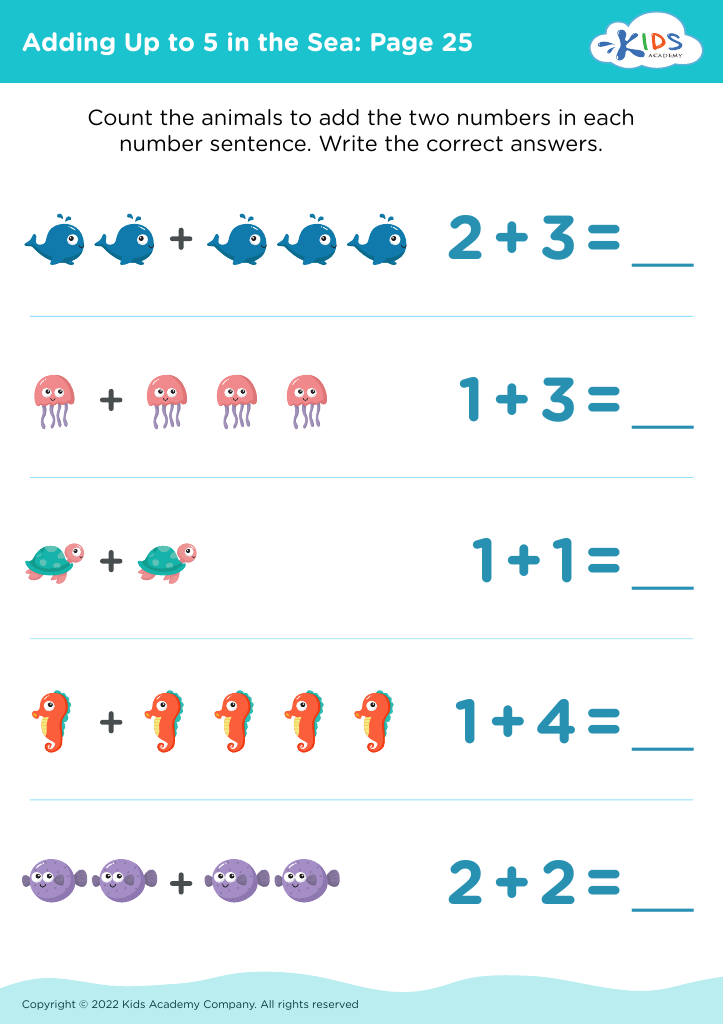
Adding Up to 5 in the Sea: Page 25
Worksheet
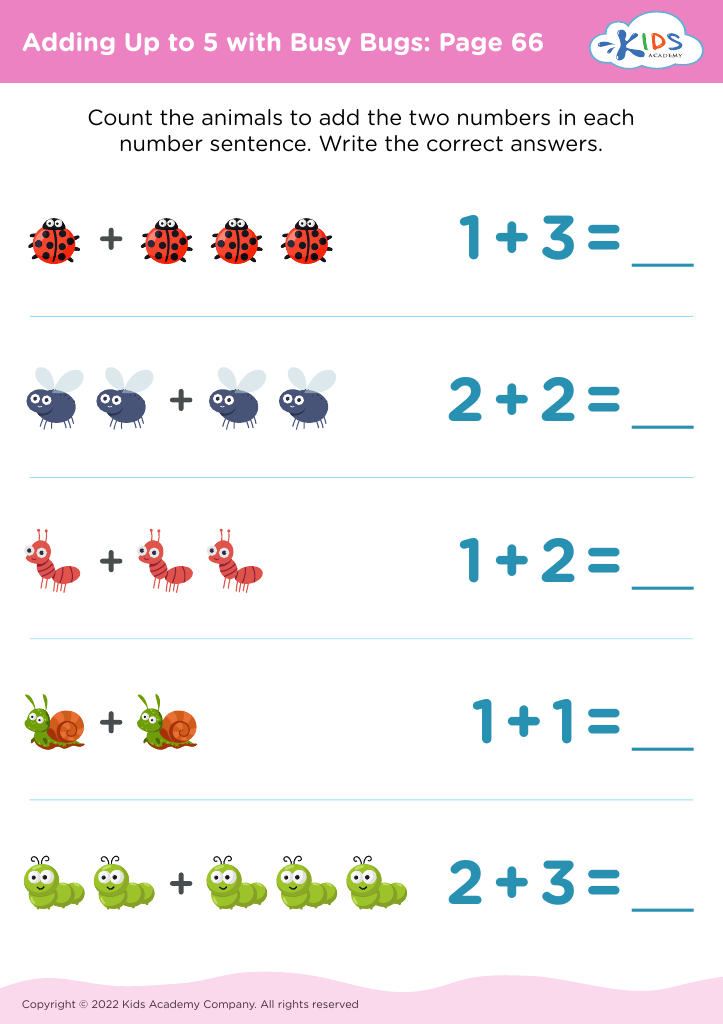
Adding Up to 5 with Busy Bugs: Page 66
Worksheet
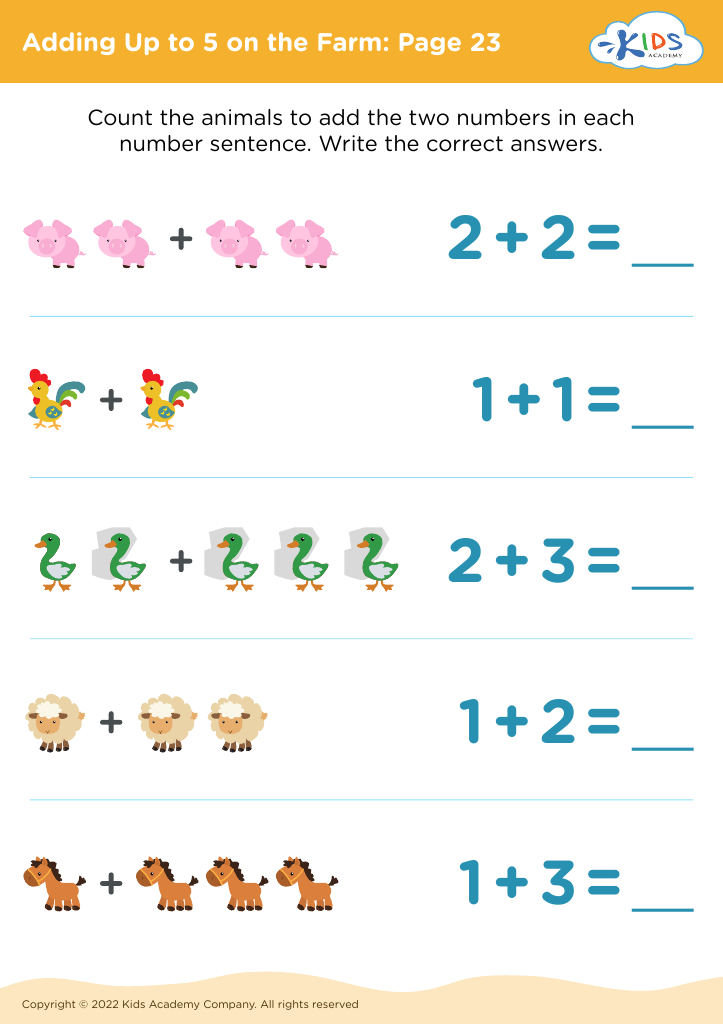
Adding Up to 5 on the Farm: Page 23
Worksheet
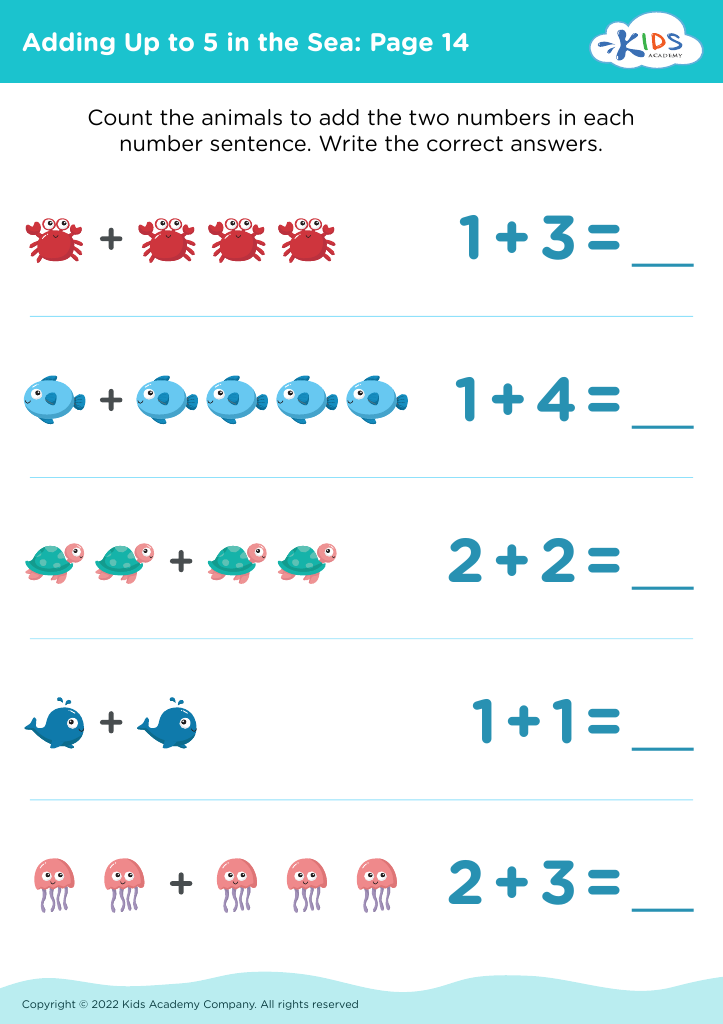
Adding Up to 5 in the Sea: Page 14
Worksheet
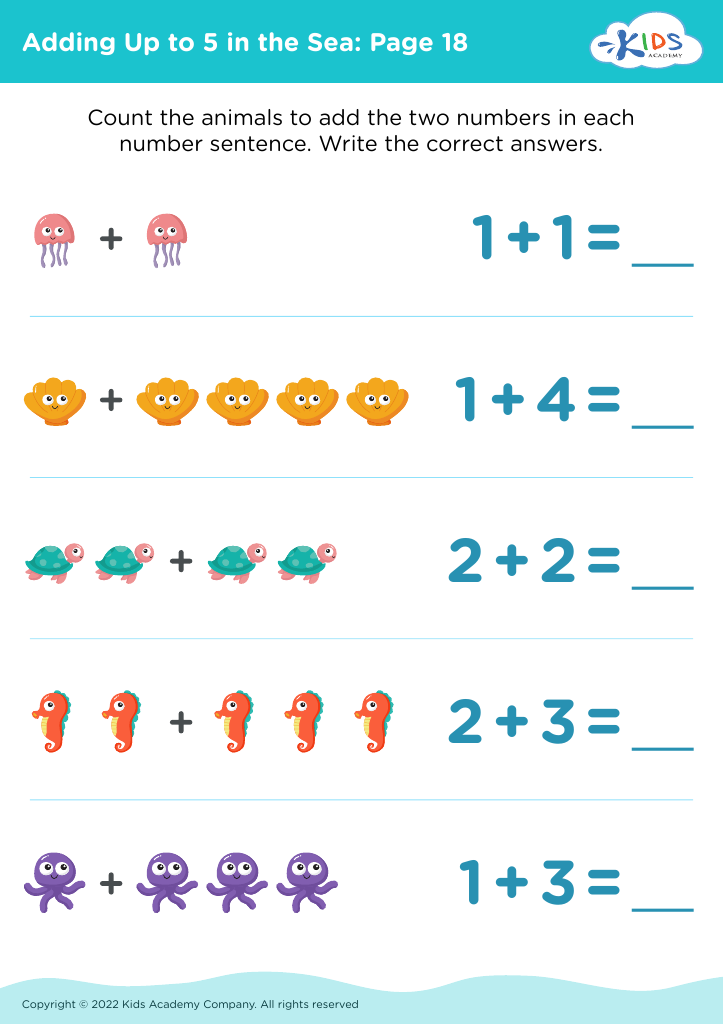
Adding Up to 5 in the Sea: Page 18
Worksheet
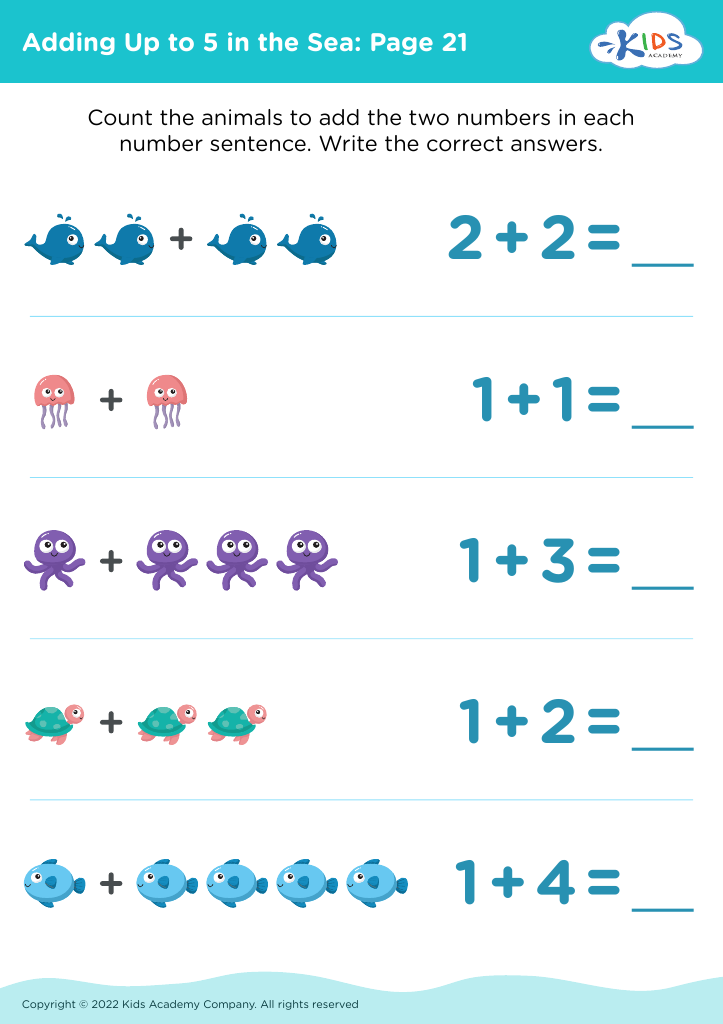
Adding Up to 5 in the Sea: Page 21
Worksheet
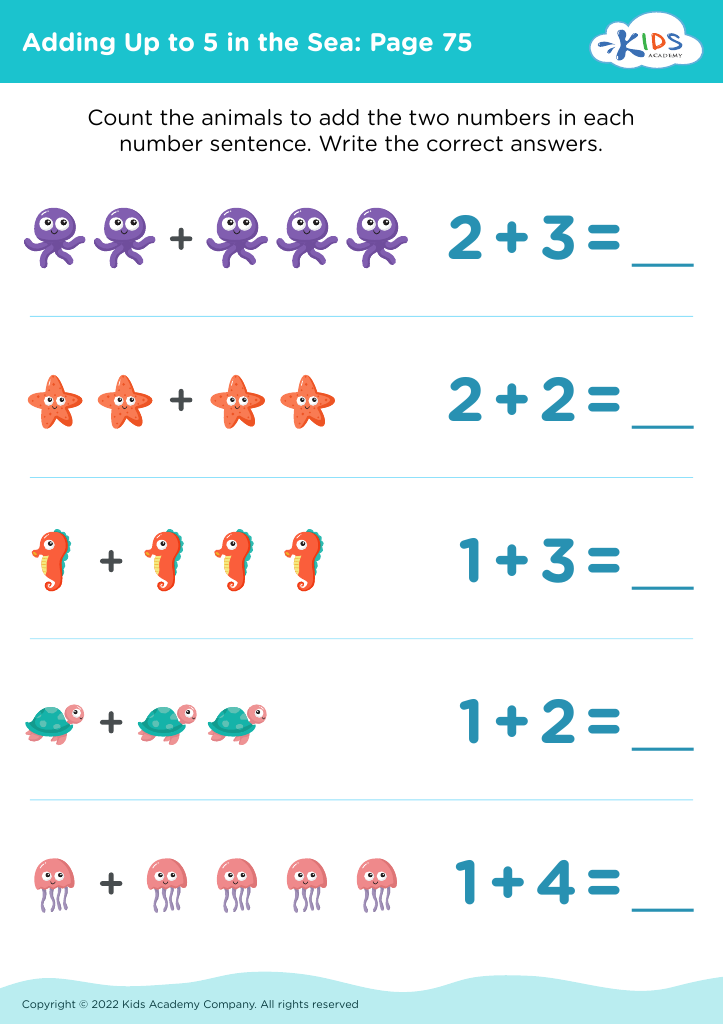
Adding Up to 5 in the Sea: Page 75
Worksheet
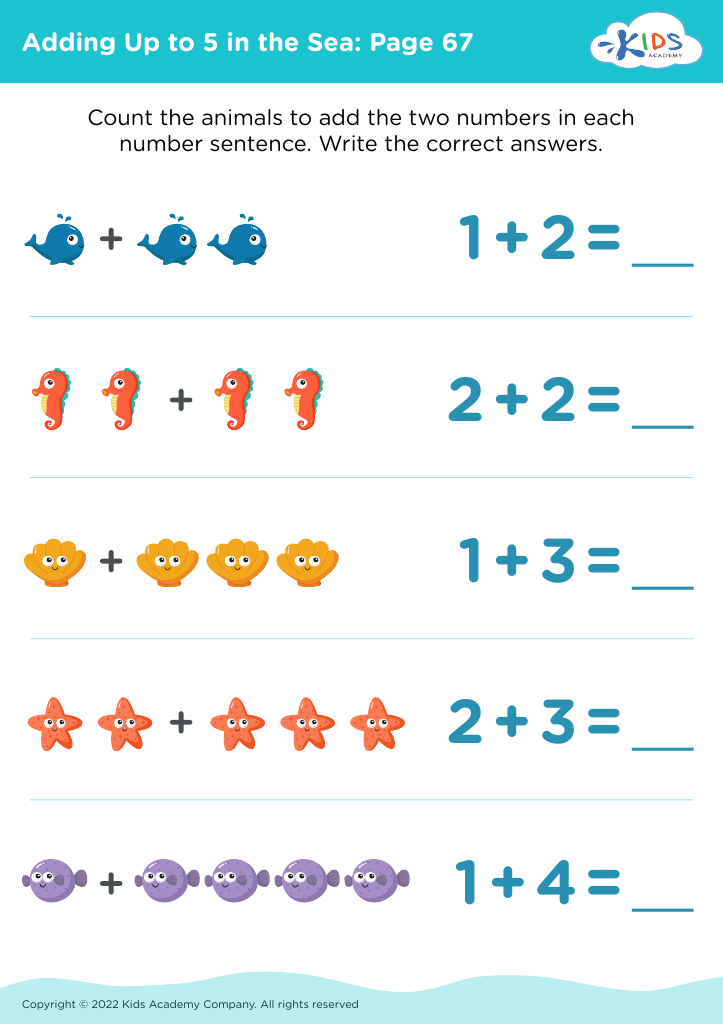
Adding Up to 5 in the Sea: Page 67
Worksheet
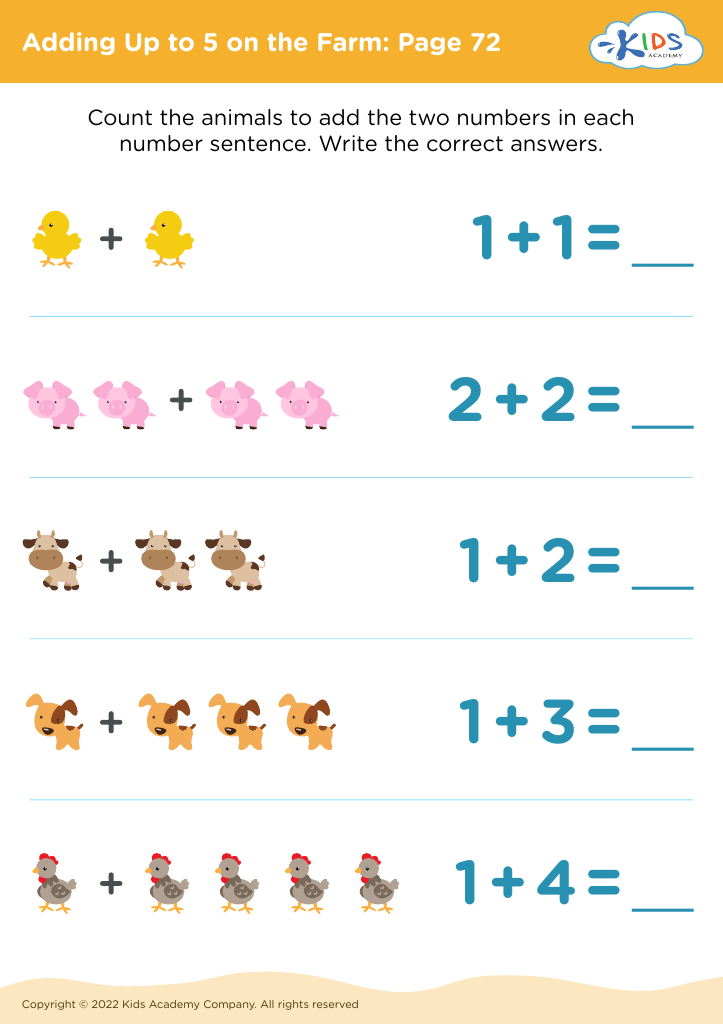
Adding Up to 5 on the Farm: Page 72
Worksheet
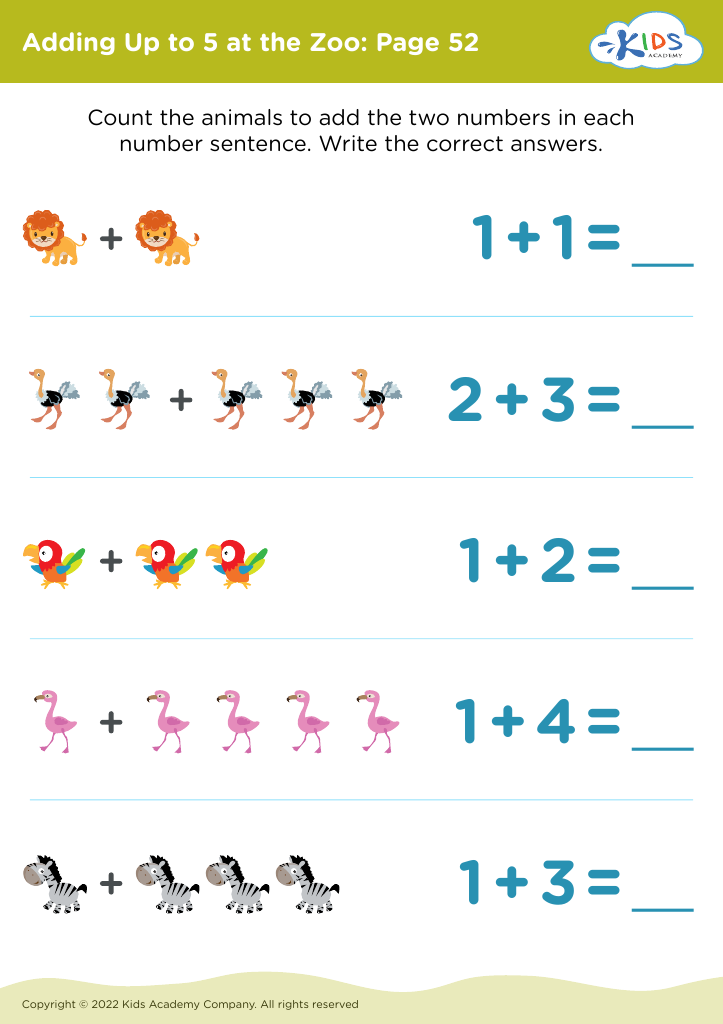
Adding Up to 5 at the Zoo: Page 52
Worksheet
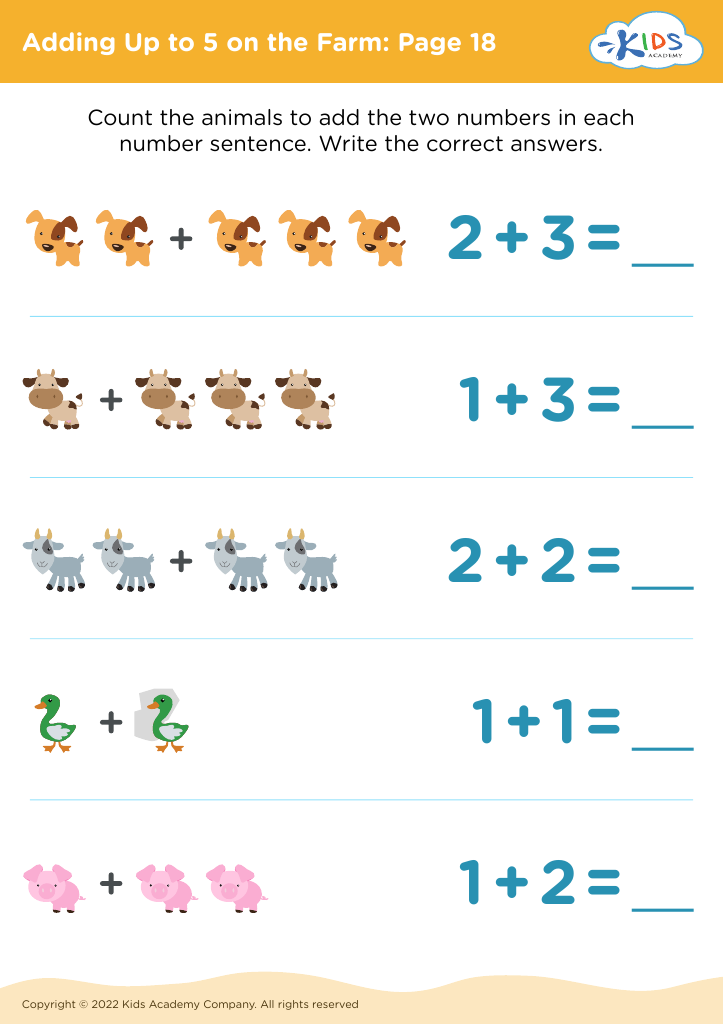
Adding Up to 5 on the Farm: Page 18
Worksheet
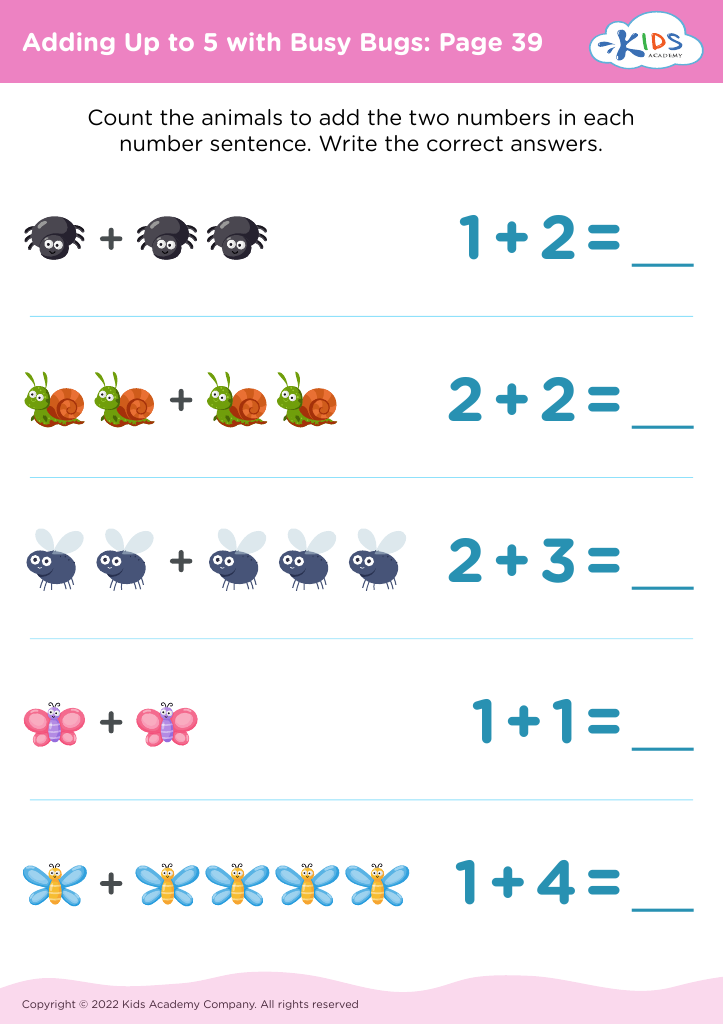
Adding Up to 5 with Busy Bugs: Page 39
Worksheet
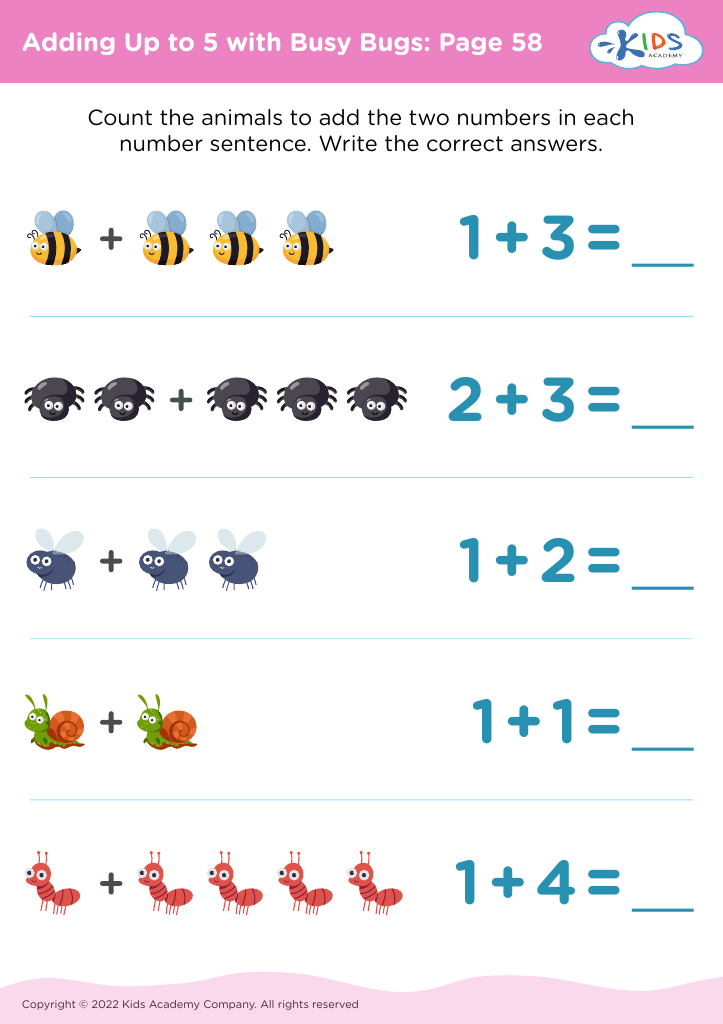
Adding Up to 5 with Busy Bugs: Page 58
Worksheet
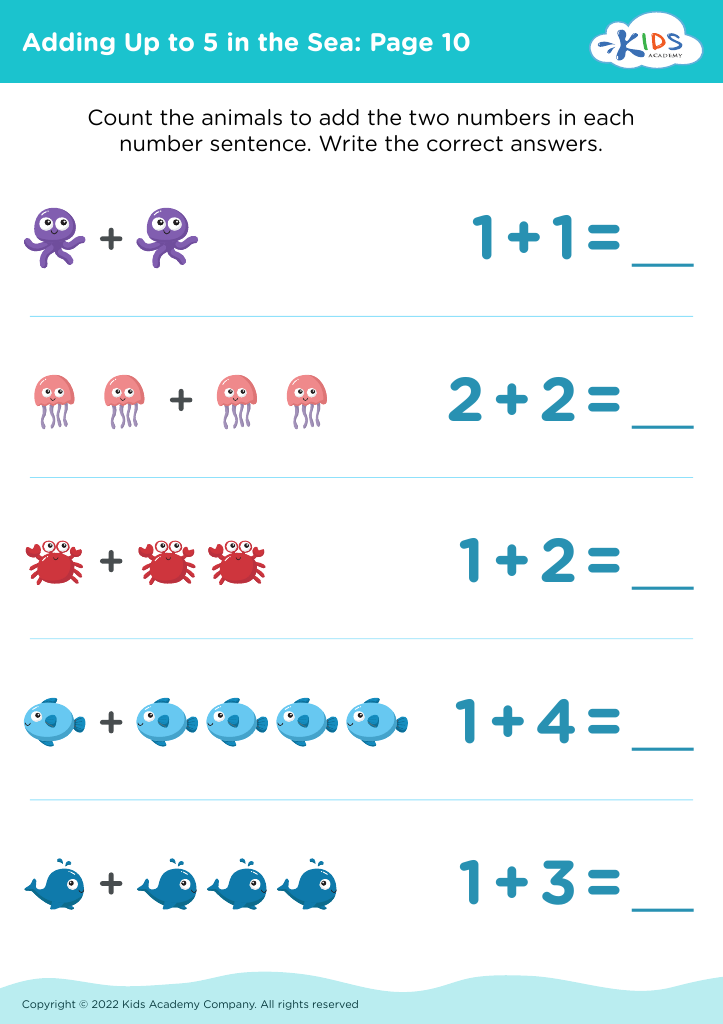
Adding Up to 5 in the Sea: Page 10
Worksheet
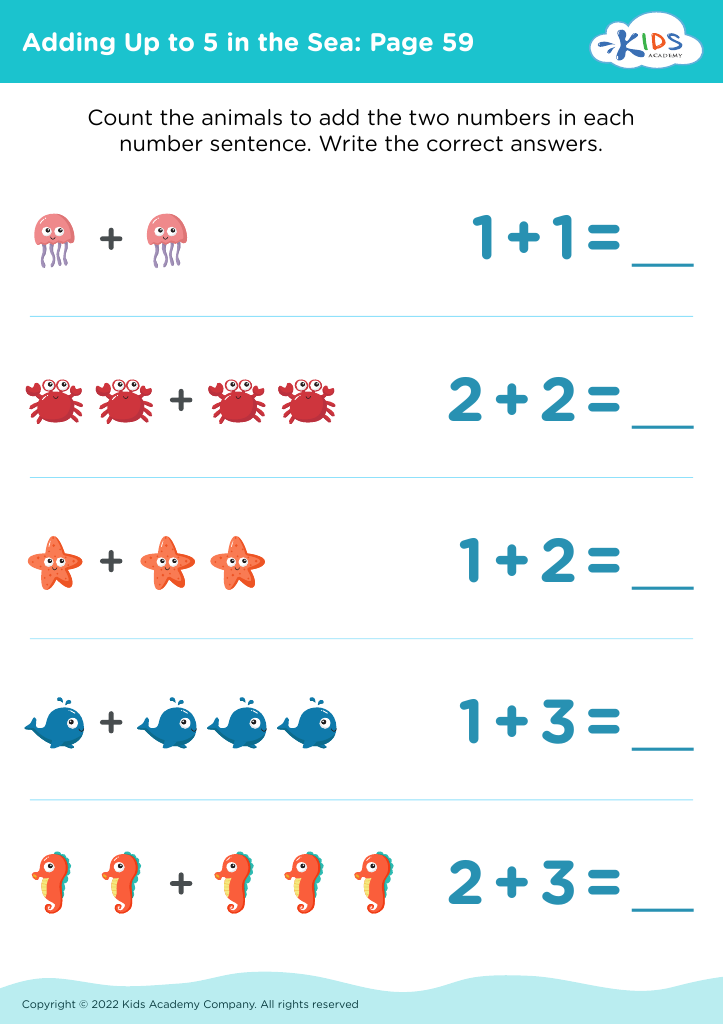
Adding Up to 5 in the Sea: Page 59
Worksheet
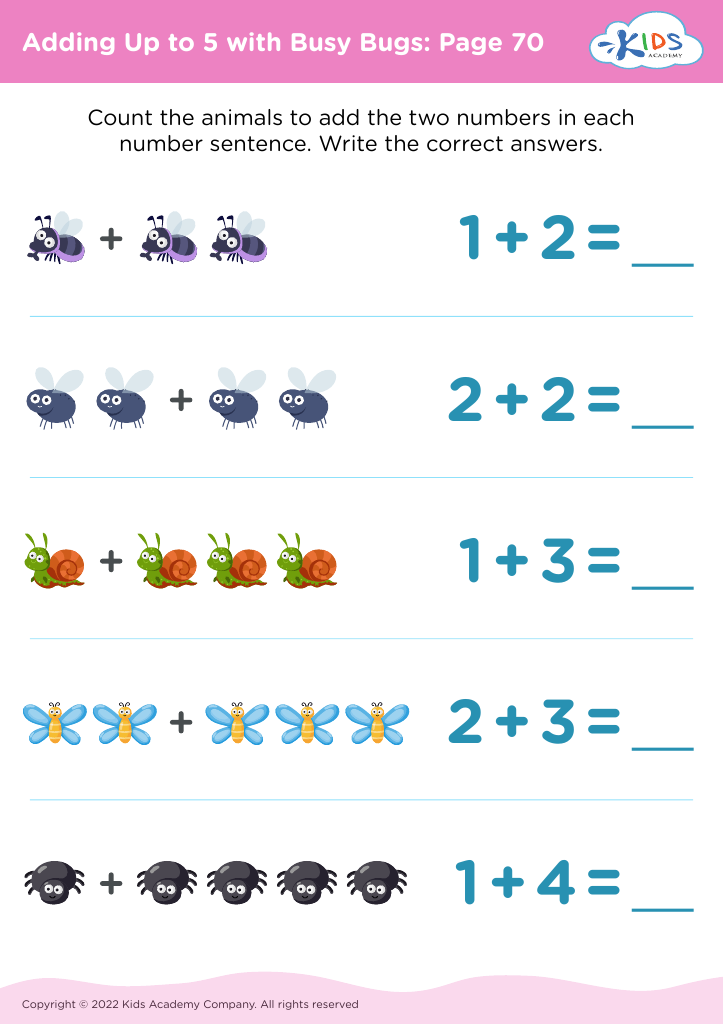
Adding Up to 5 with Busy Bugs: Page 70
Worksheet
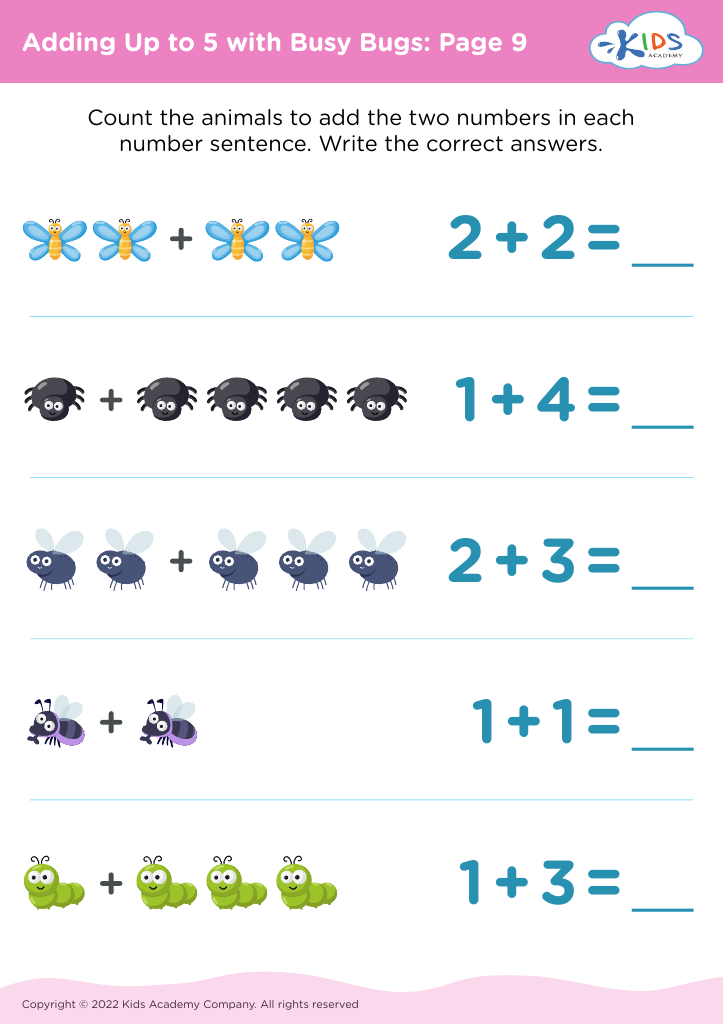
Adding Up to 5 with Busy Bugs: Page 9
Worksheet


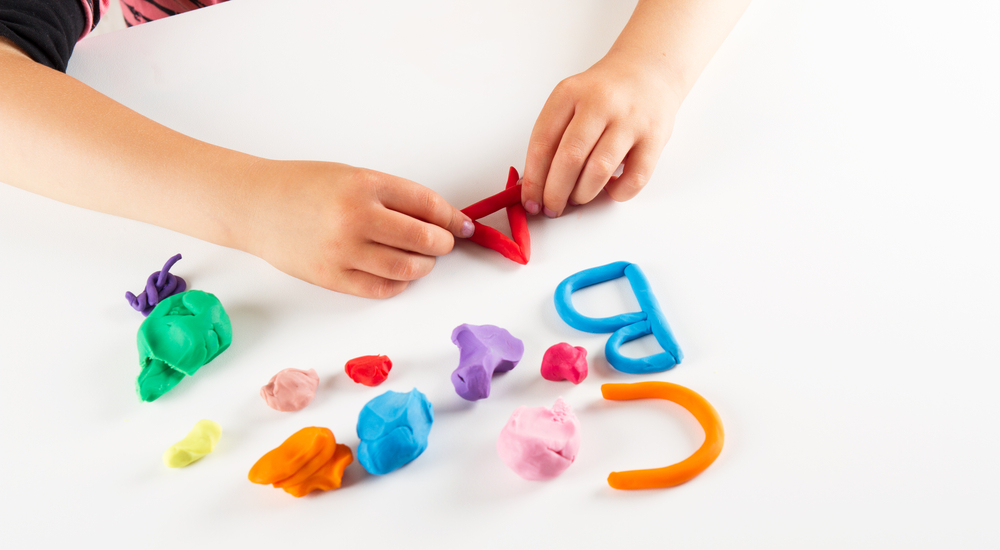
Parents and teachers should care about visual learning for children ages 3-4 because it is a vital component of early childhood development, significantly enhancing cognitive and social skills at this formative stage. At such a young age, children are predominantly visual learners, absorbing information more effectively through images, shapes, colors, and visual aids rather than through text or auditory methods.

Visual learning supports language development by helping children understand and remember new vocabulary through pictures and symbols. It also aids in developing critical thinking and problem-solving skills, as kids can visualize processes and outcomes.

Furthermore, visual learning can make complex concepts more accessible and enjoyable, fostering a positive attitude towards learning. For example, counting with visual aids like blocks or using pictures to tell stories can make abstract concepts concrete, helping children grasp foundational math and literacy skills with greater ease.

In addition, incorporating visual elements promotes engagement and retention. Interactive storybooks, colorful charts, and educational videos capture children's attention and keep them interested, making the learning process fun and less daunting.

By investing in visual learning strategies, parents and teachers can create a stimulating educational environment that nurtures creativity, boosts self-confidence, and builds a solid foundation for future academic success.