Word identification Worksheets for Ages 3-4
5 filtered results
-
From - To
Discover engaging Word Identification Worksheets for ages 3-4 that make learning fun and interactive! Designed to enhance early literacy skills, these worksheets help young learners recognize and identify common words through colorful illustrations and simple activities. Your little ones will enjoy tracing, matching, and coloring as they build their vocabulary and improve their reading readiness. Perfect for parents and educators alike, our worksheets offer a supportive resource to encourage word recognition in a playful environment. Boost your child's confidence and prepare them for future reading successes with our easy-to-use, printable resources that make learning an enjoyable experience for everyone!
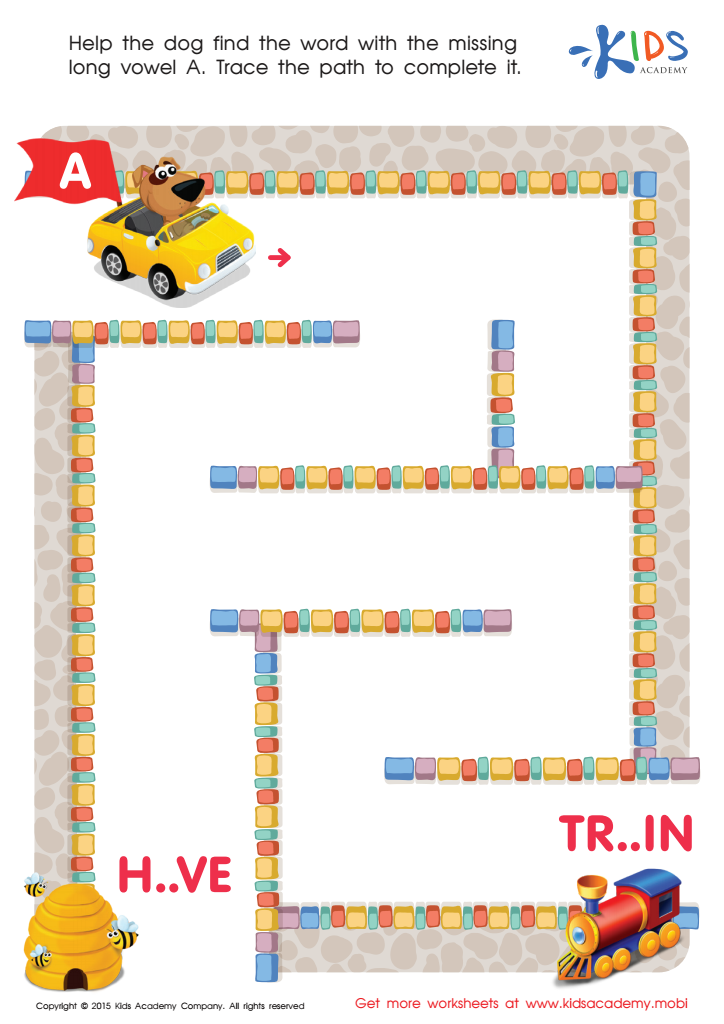
Long Vowel Sound A Worksheet
 Assign to My Students
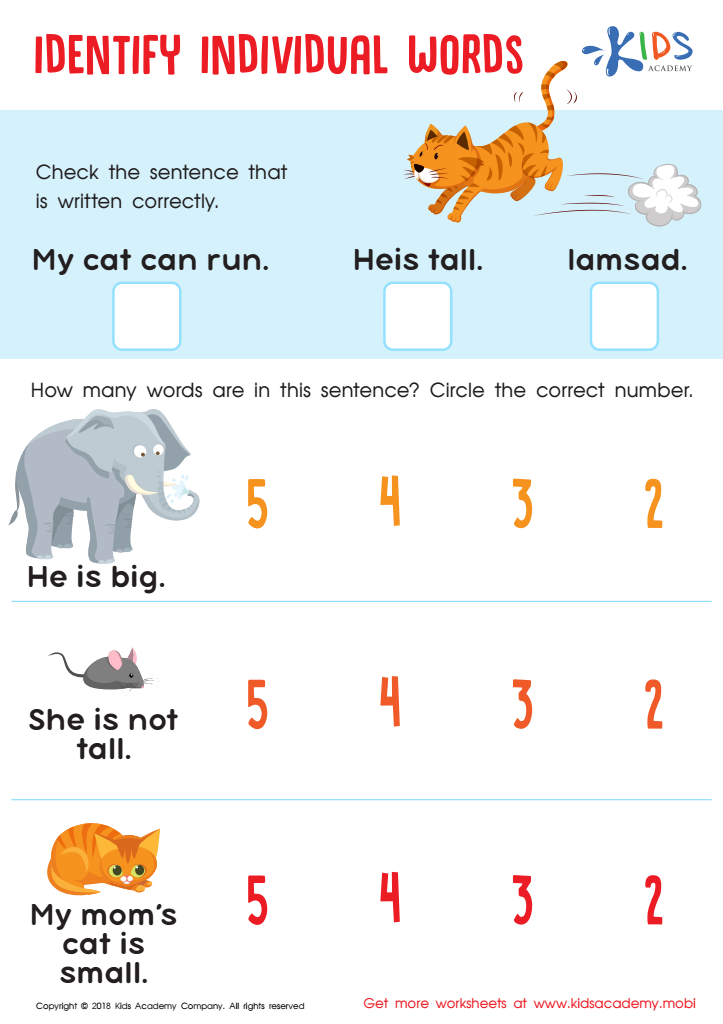
Identify Individual Words Worksheet
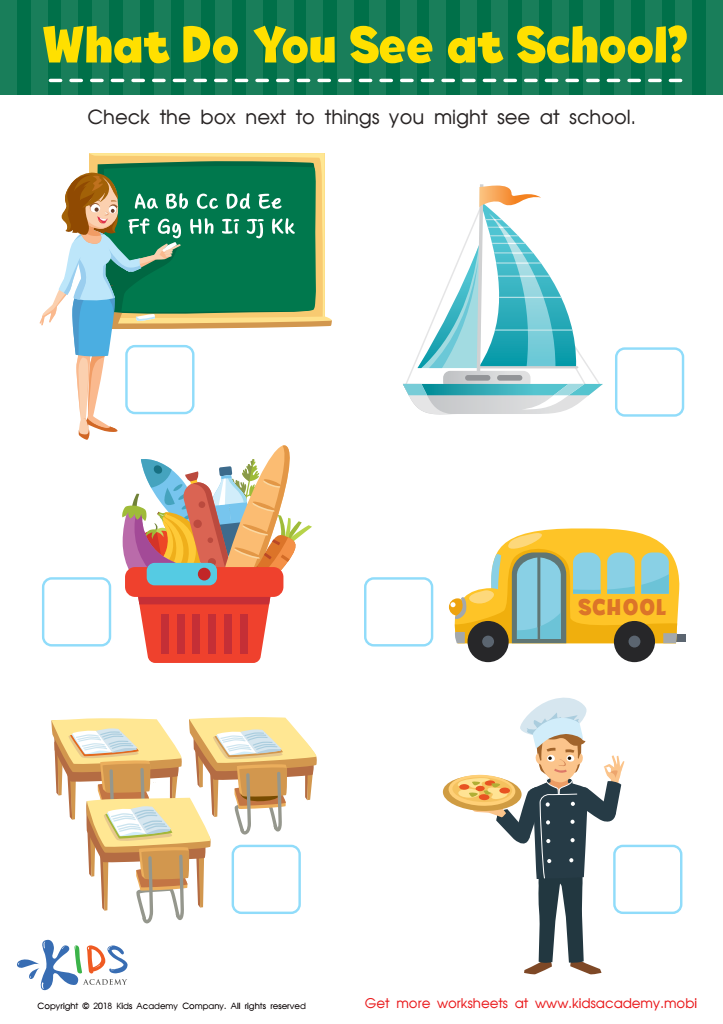
What Do you See at School? Worksheet
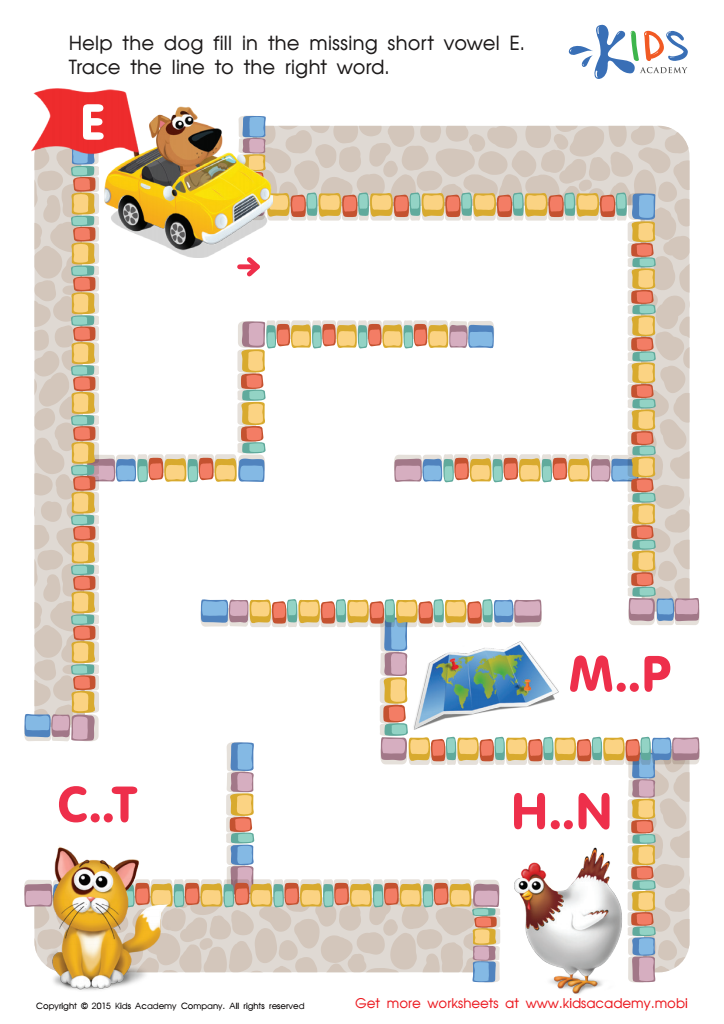
Short Vowel Sound E Worksheet
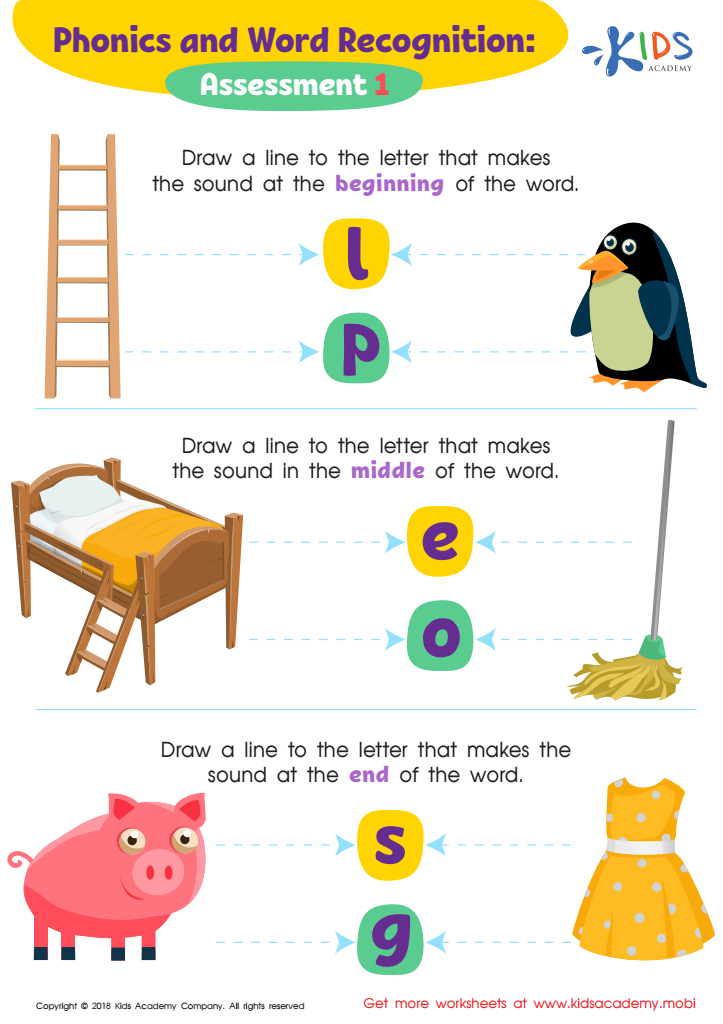
Phonics and Word Recognition: Assessment 1 ELA Worksheet








Word identification is a crucial skill for children aged 3-4, laying the foundation for their reading and language development. Parents and teachers should prioritize this area for several reasons.
Firstly, word identification helps children recognize and understand words, improving their vocabulary. This age group is inherently curious and benefits from exploring language, enabling them to express their thoughts and feelings more effectively. Enhancing vocabulary also supports social interactions as children learn to communicate with peers.
Secondly, mastering word identification contributes to reading readiness. Early exposure to words in various contexts—through books, songs, and conversations—encourages a love for reading and makes the transition to formal literacy smoother. When children can identify words, they develop confidence and motivation to engage with texts.
Additionally, understanding word patterns supports phonemic awareness, which is essential for decoding skills in later years. The skills acquired during this formative age are predictors of future academic success.
Lastly, active involvement in word identification fosters a collaborative environment between parents and teachers, creating a consistent foundation for learning. By emphasizing word identification, caregivers ensure children are well-equipped for lifelong learning, setting them on a path towards academic achievement and personal growth.








