Visual Perception Skills 2D Shapes Worksheets for Ages 3-4
3 filtered results
-
From - To
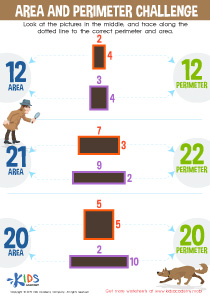
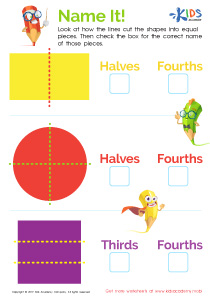
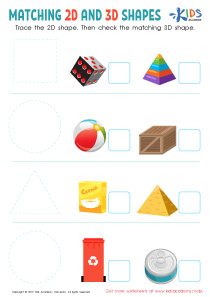
Enhance your child's visual perception skills with our engaging 2D shapes worksheets designed for ages 3-4. These fun and interactive activities will help young learners recognize, identify, and categorize different shapes, laying a solid foundation for early math skills. Our carefully crafted worksheets foster critical thinking and improve hand-eye coordination, aiding children in distinguishing shapes through vibrant illustrations and captivating exercises. Perfect for at-home learning or classroom use, these resources will ensure that your little ones have a delightful learning experience while developing essential visual perception skills. Start your child's journey toward math literacy today with our 2D shapes worksheets!
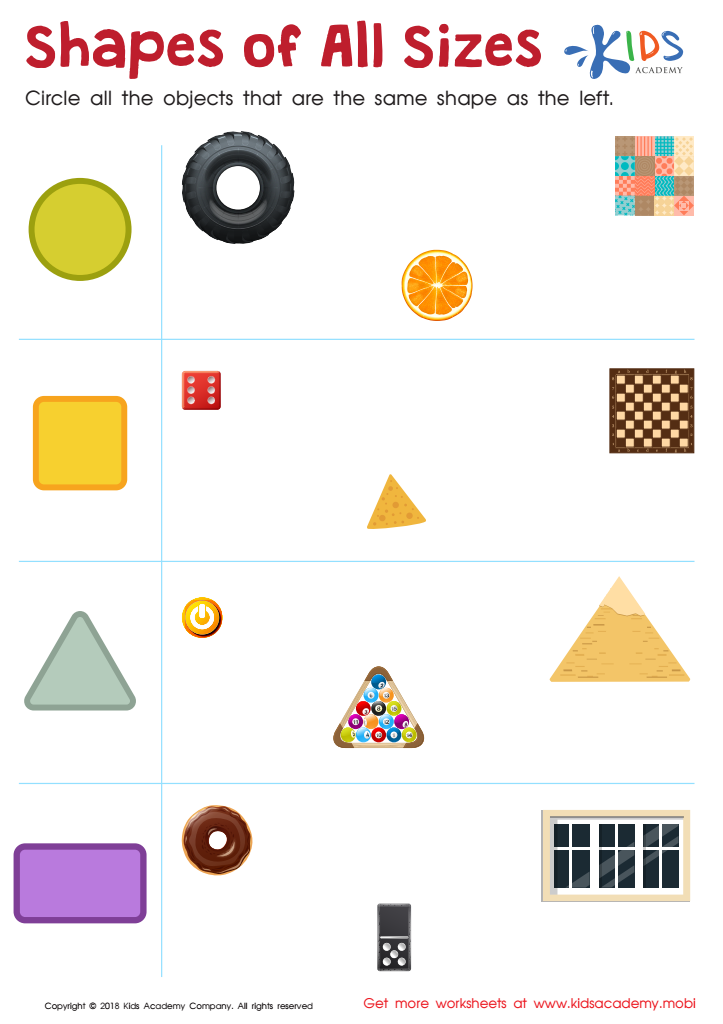
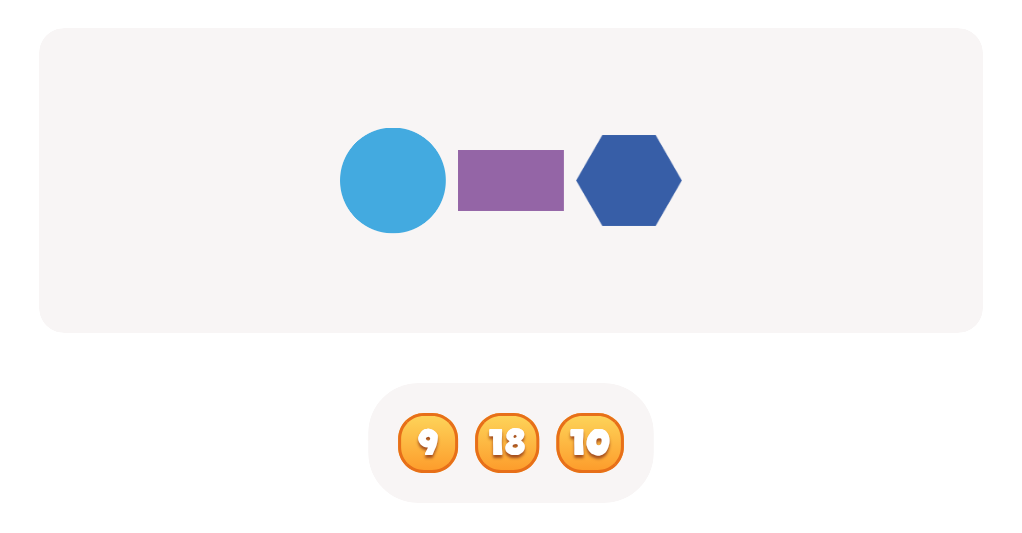
Shapes of All Sizes Worksheet
 Assign to My Students


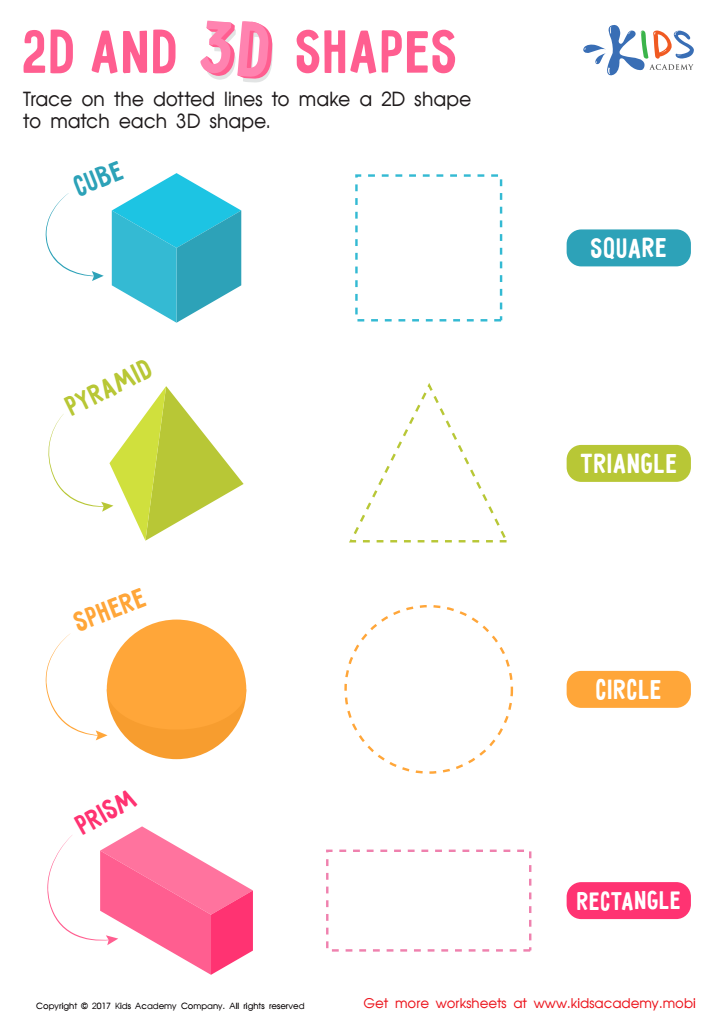
2D and 3D Shapes Worksheet
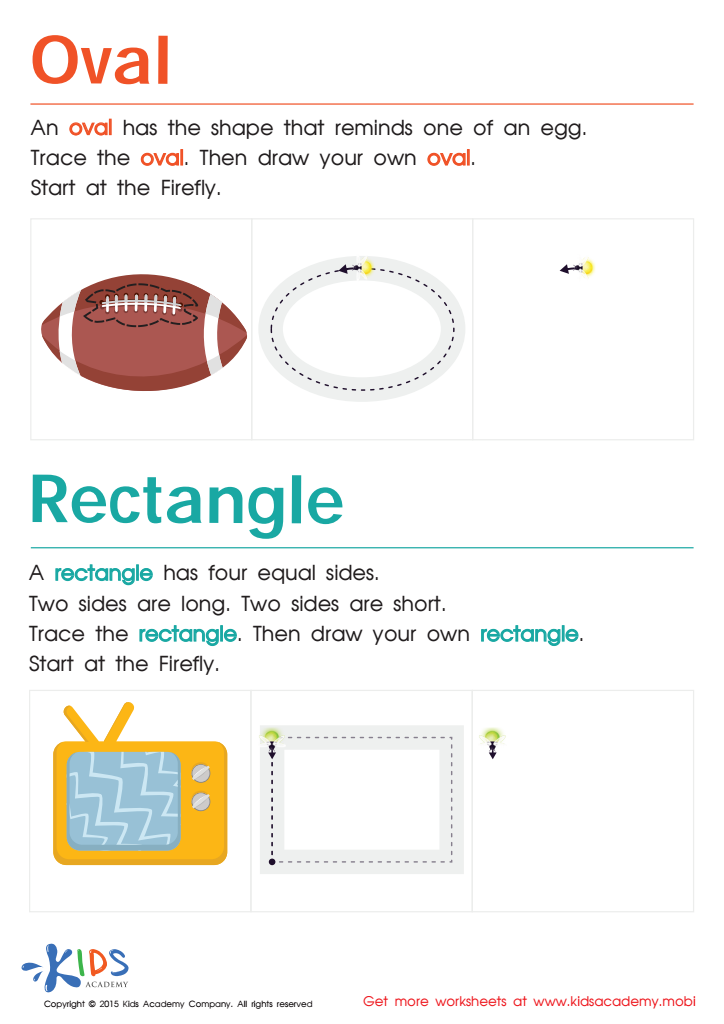
Easy Drawing of Ovals And Rectangles Worksheet








Visual perception skills concerning 2D shapes are crucial for children aged 3-4 as they lay the foundation for more complex cognitive abilities and academic learning. At this age, children are developing their ability to recognize and differentiate between various shapes, which not only supports their visual discrimination but also enhances their spatial awareness. These skills serve as a building block for future learning in mathematics, literacy, and critical thinking.
Engaging with 2D shapes helps children improve their vocabulary and communication skills. When they can name and describe shapes, they boost their language development, which is essential for their overall academic success. Furthermore, activities centered on visual perception foster fine motor skills through hands-on play, such as drawing, cutting, or constructing shapes.
Parents and teachers play a key role in nurturing visual perception by providing opportunities for shape recognition through games, sorting activities, and real-world applications. By recognizing the importance of these skills, they can better support children's exploration, curiosity, and eagerness to learn. Ultimately, fostering strong visual perception skills now will equip children with the tools needed for independent problem-solving and critical thinking in their educational journeys.