Problem-Solving Skills Addition and Subtraction Word Problems Worksheets for Ages 3-4 - Page 2
33 filtered results
-
From - To
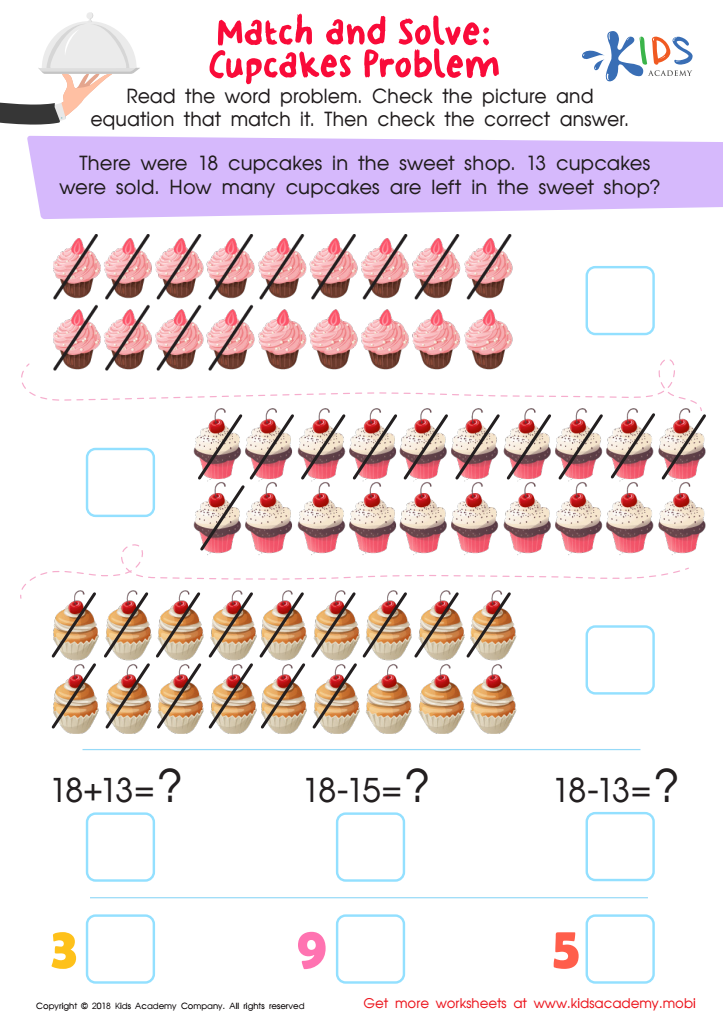
Match and Solve: Cupcakes Problem Worksheet
 Assign to My Students
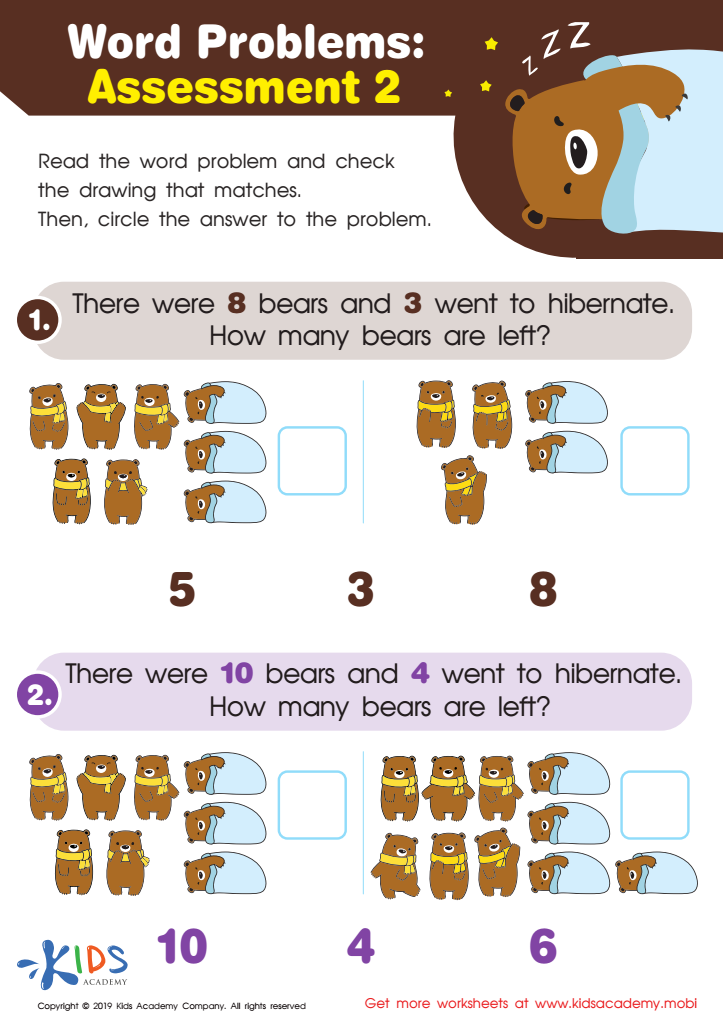
Word Problems: Assessment 2 Worksheet
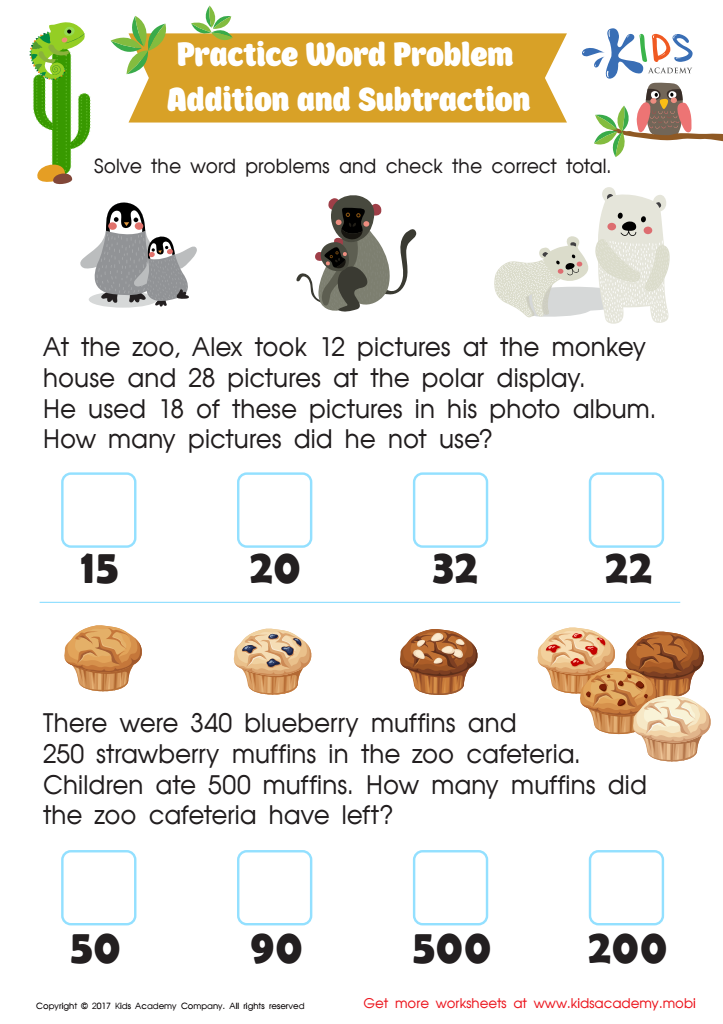
Addition and Subtraction: Word Problems Worksheet
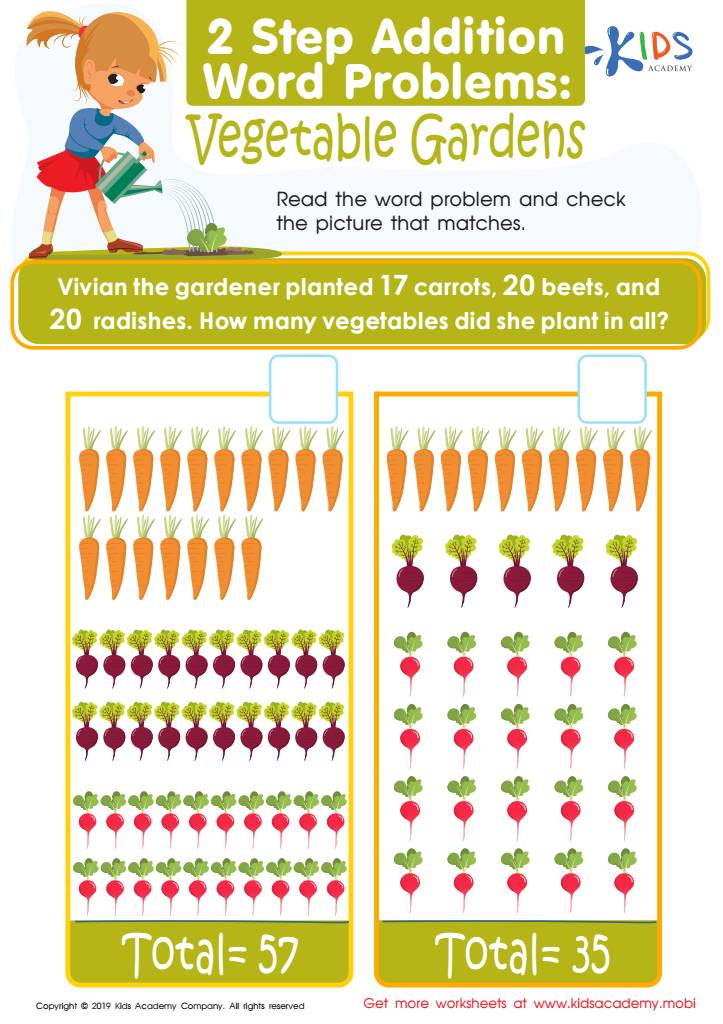
Vegetable Gardens Worksheet
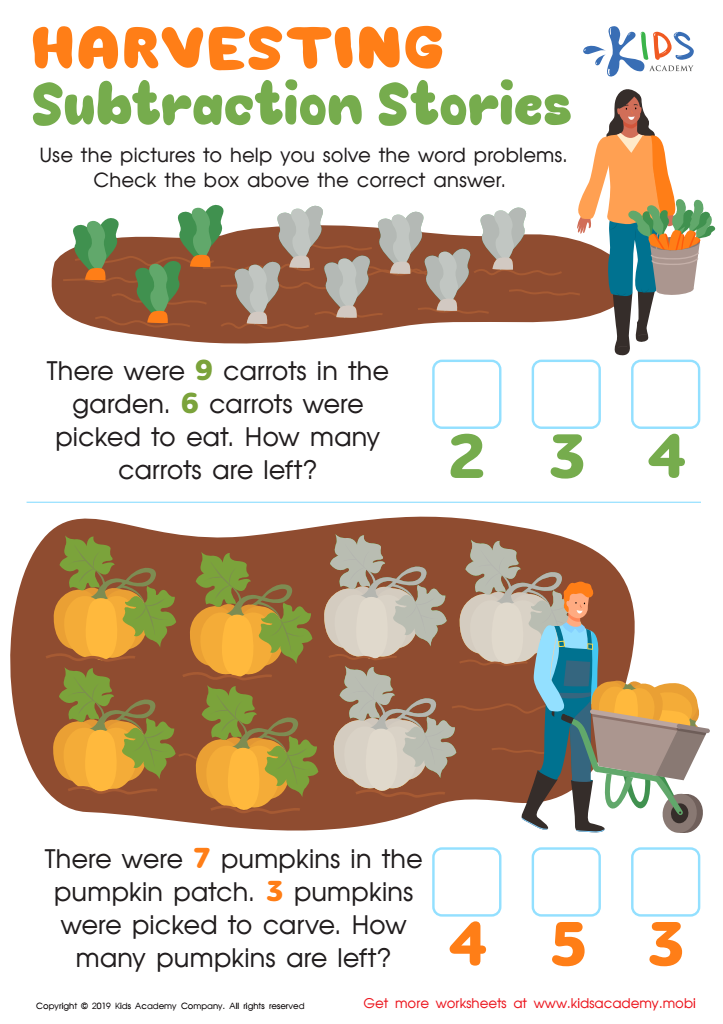
Harvesting Subtraction Stories Worksheet
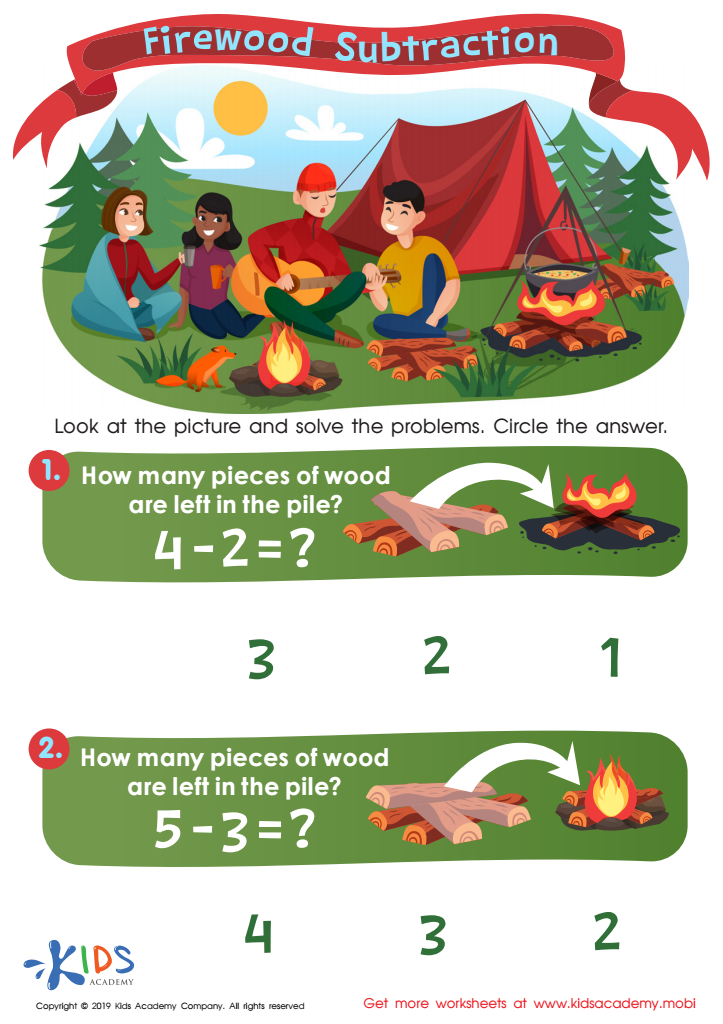
Firewood Subtraction Worksheet
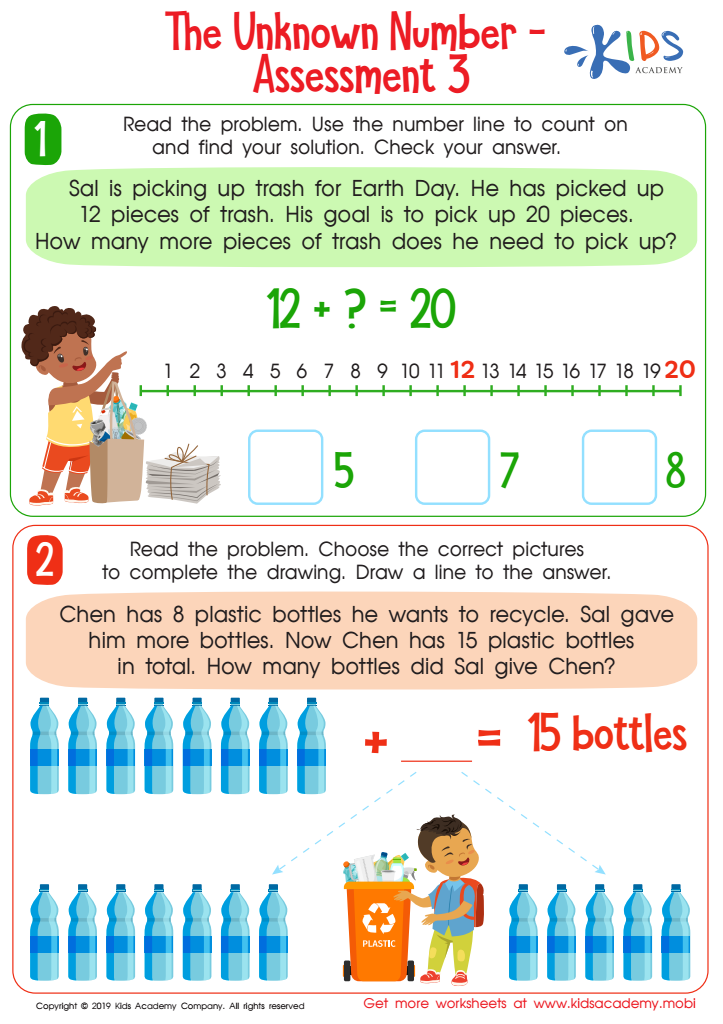
The Unknown Number - Assessment 3 Worksheet
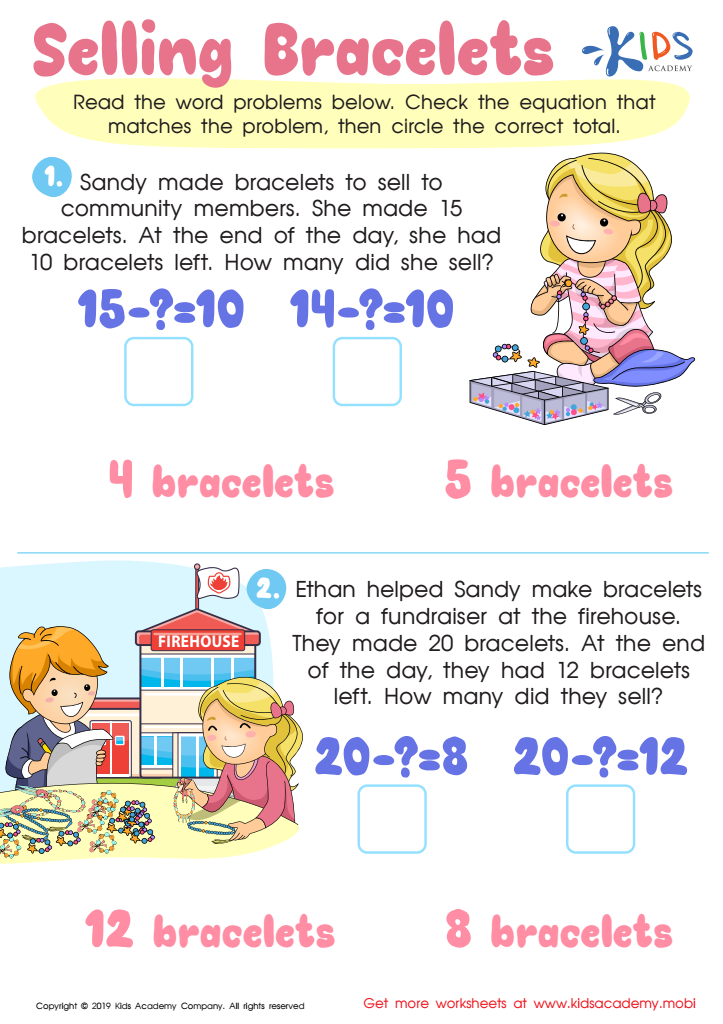
Selling the Bracelets Worksheet
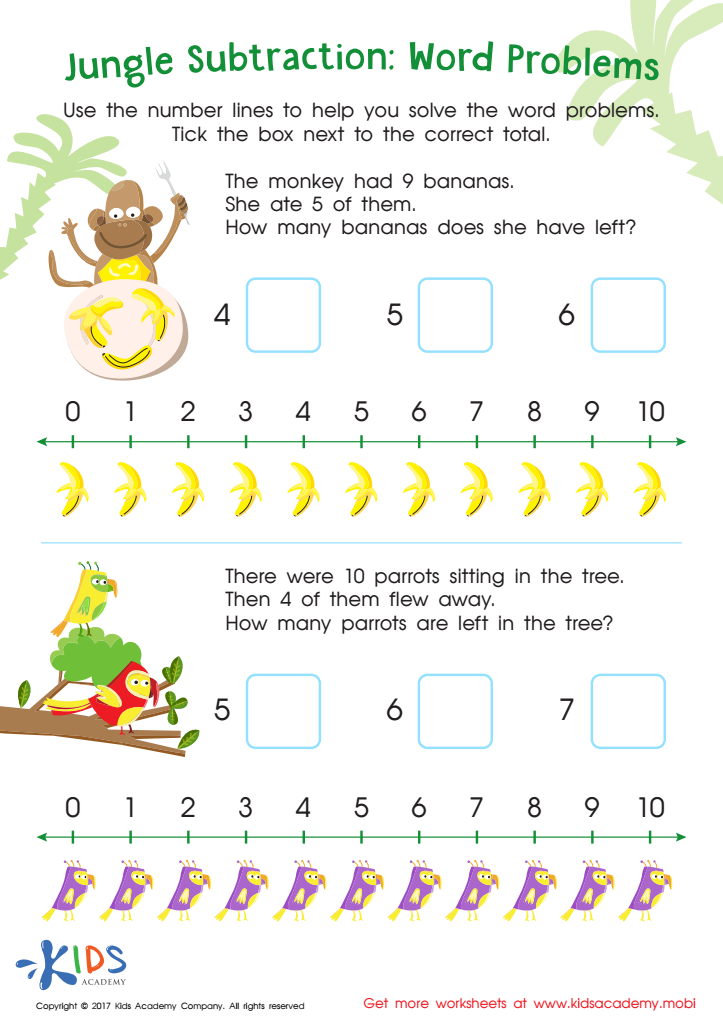
Jungle Subtraction Word Problems Substraction Worksheet








Parents and teachers should care about problem-solving skills, particularly in addition and subtraction word problems for ages 3-4, for several important reasons. First, these skills lay a foundational block for early math literacy, which is crucial for later academic success. At this age, children are naturally curious and eager to explore concepts through play, making it an ideal time to introduce math language and problem-solving scenarios.
Moreover, engaging with word problems strengthens critical thinking and cognitive development. As children learn to analyze problems and develop strategies for solving them, they cultivate skills that extend beyond mathematics, such as logical reasoning and the ability to communicate their thoughts clearly.
Additionally, solving word problems promotes language and vocabulary skills as children learn to articulate their understanding of the scenario they are presented with. It enables them to relate math to real-world situations, making learning more meaningful and enjoyable.
Encouraging early problem-solving also builds confidence. As children tackle word problems and experience success, they develop a positive attitude towards challenges. This confidence fosters resilience, preparing them for more complex subjects in their educational journey. In summary, nurturing problem-solving skills in young children supports their holistic development and sets the stage for lifelong learning.