Addition Facts Worksheets for Ages 3-4 - Page 2
26 filtered results
-
From - To
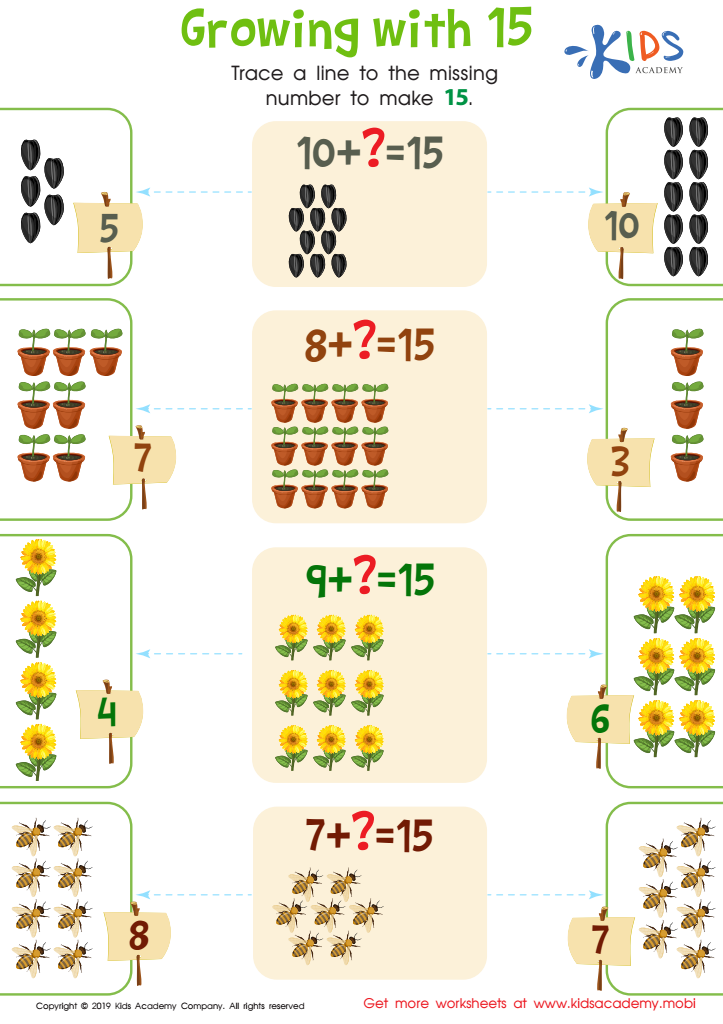
Growing with 15 Worksheet
 Assign to My Students
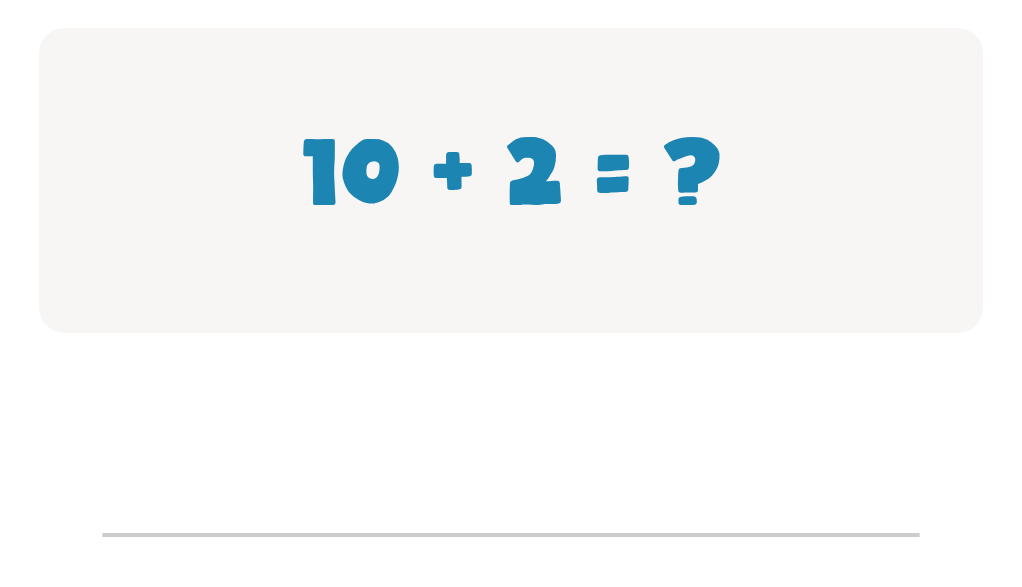

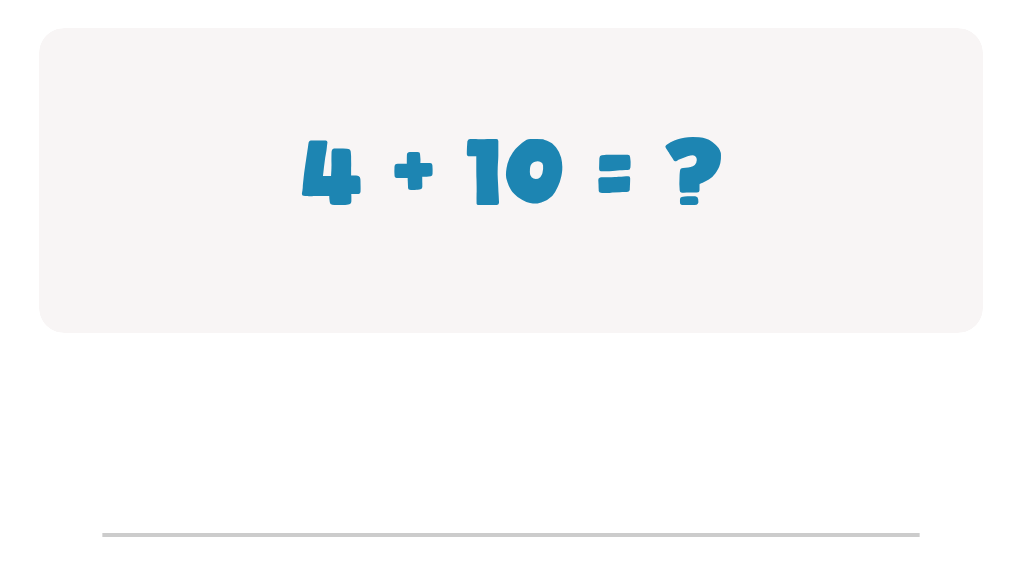
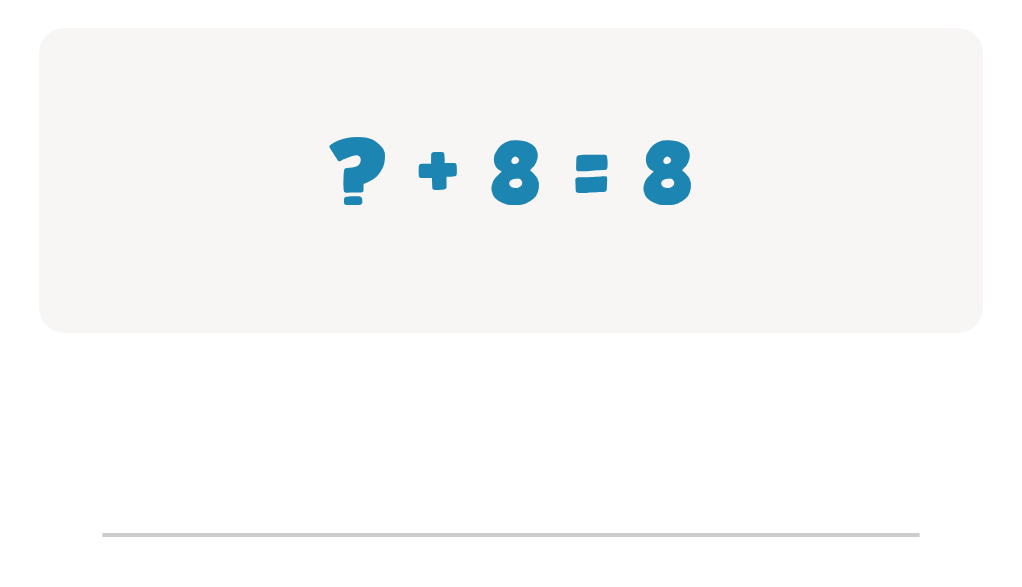
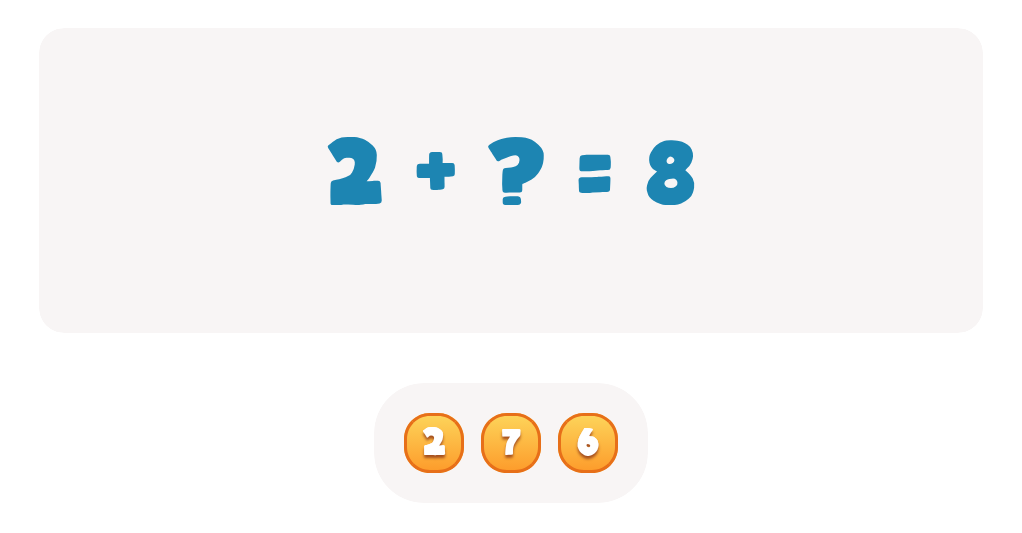
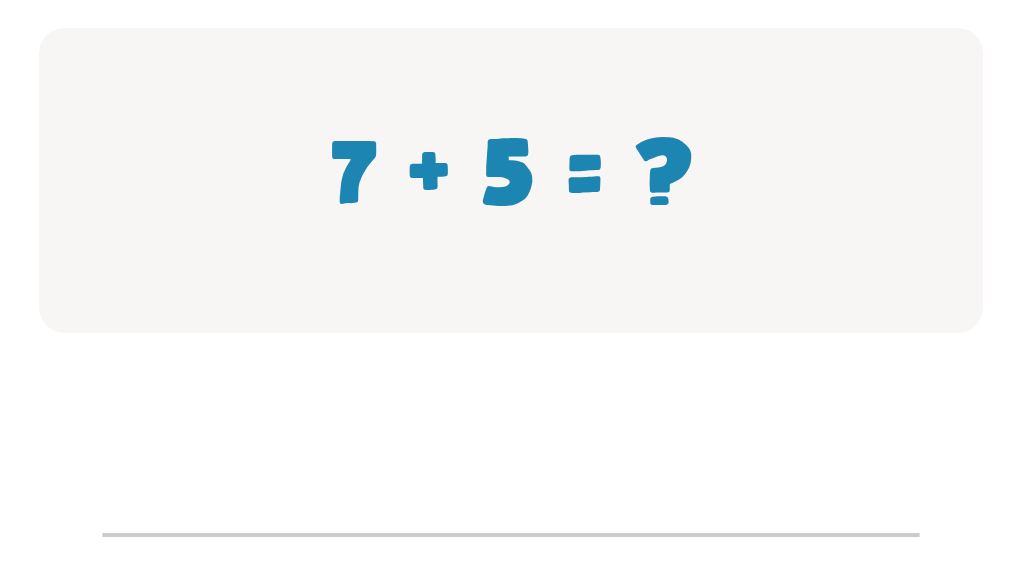
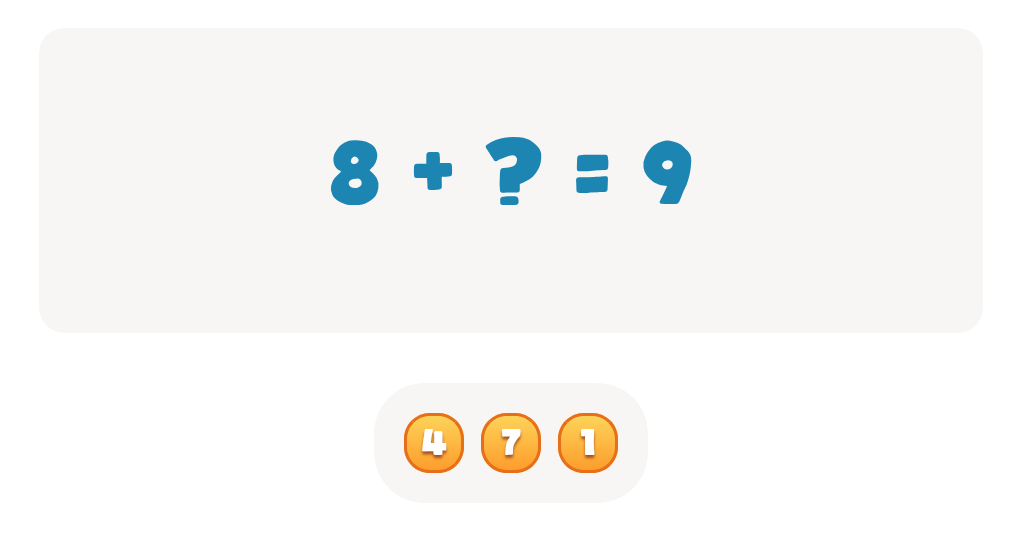

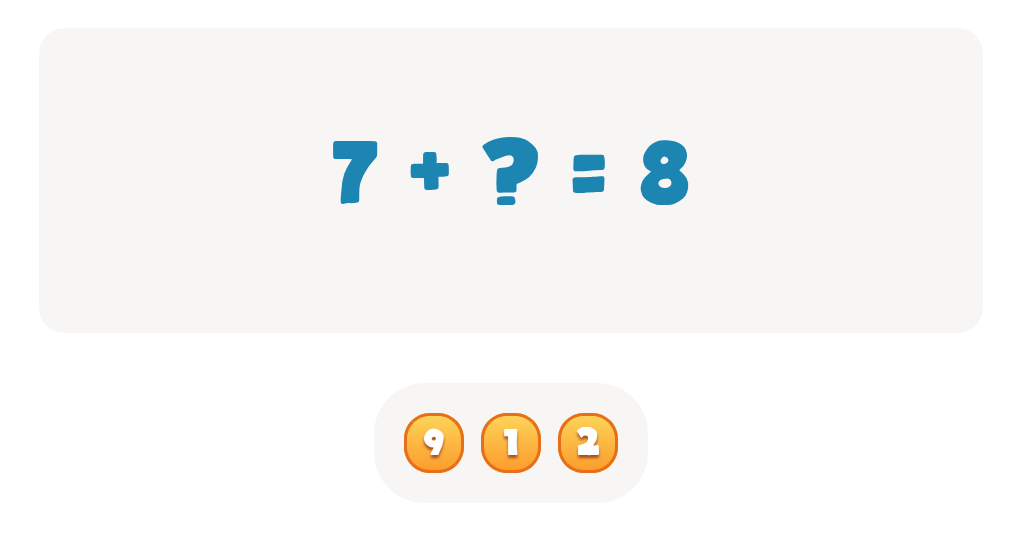
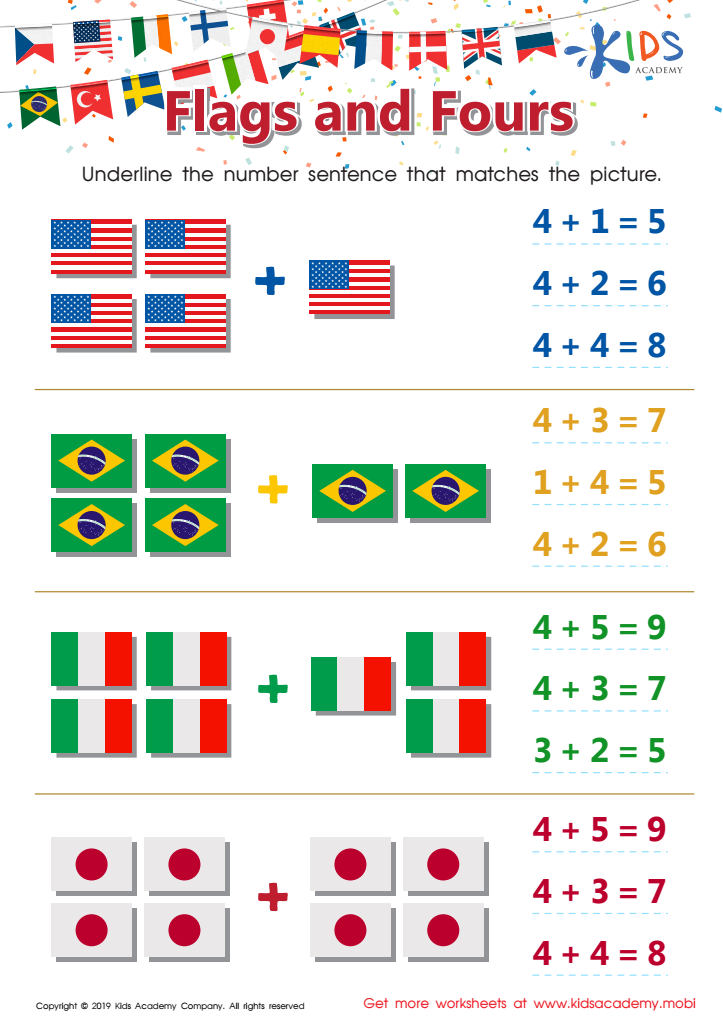
Flags and Fours Worksheet








Learning addition facts is a foundational step in a child's mathematical development, especially at ages 3-4. During this critical period, children are naturally curious and keen to absorb new information. Introducing addition facts at this early stage helps build essential cognitive skills, enhances number sense, and lays the groundwork for more complex math concepts in the future.
Fostering an early understanding of addition enhances problem-solving abilities and increases confidence when faced with mathematical tasks. It turns abstract concepts into tangible skills, making math less intimidating as children progress in their education. Additionally, engaging with addition facts can make learning fun; through games, songs, and hands-on activities, educators and parents can create a positive and stimulating environment.
Moreover, focusing on addition facts encourages cooperative learning and social interaction among peers, as they work together to solve simple problems. This not only aids in mathematical development but also boosts communication and collaboration skills.
In summary, parents and teachers should prioritize addition facts for children aged 3-4 to support their overall cognitive growth, cultivate a love for learning, and equip them with skills that will benefit their education for years to come. Early intervention goes a long way in nurturing lifelong learners.








