Basic Arithmetic Addition & Subtraction Worksheets for Ages 3-4
44 filtered results
-
From - To
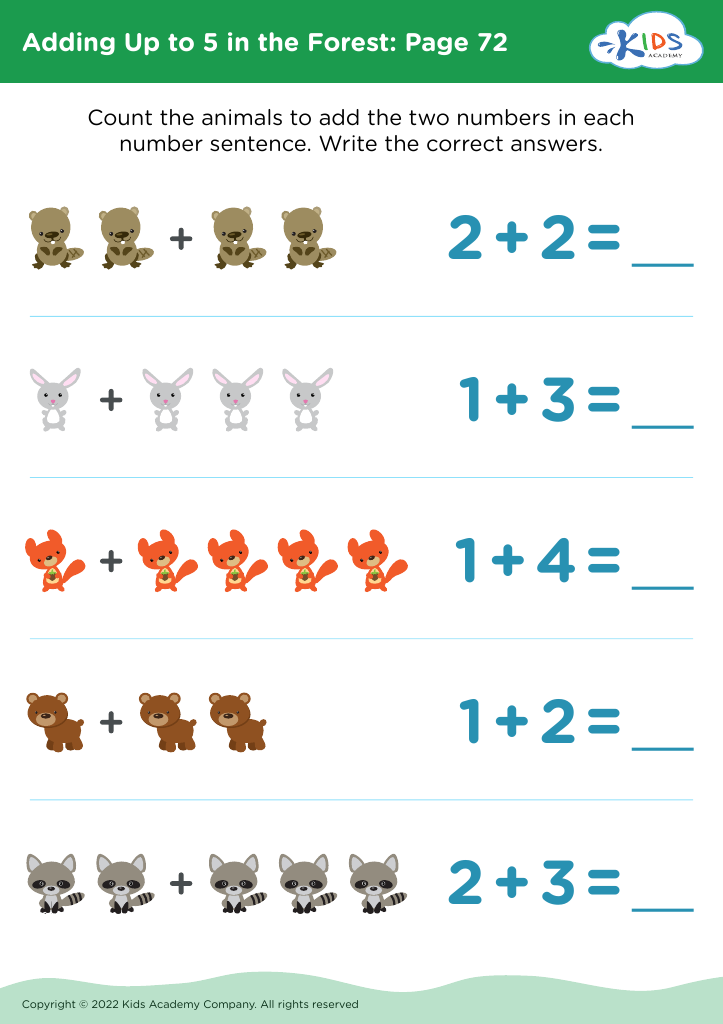
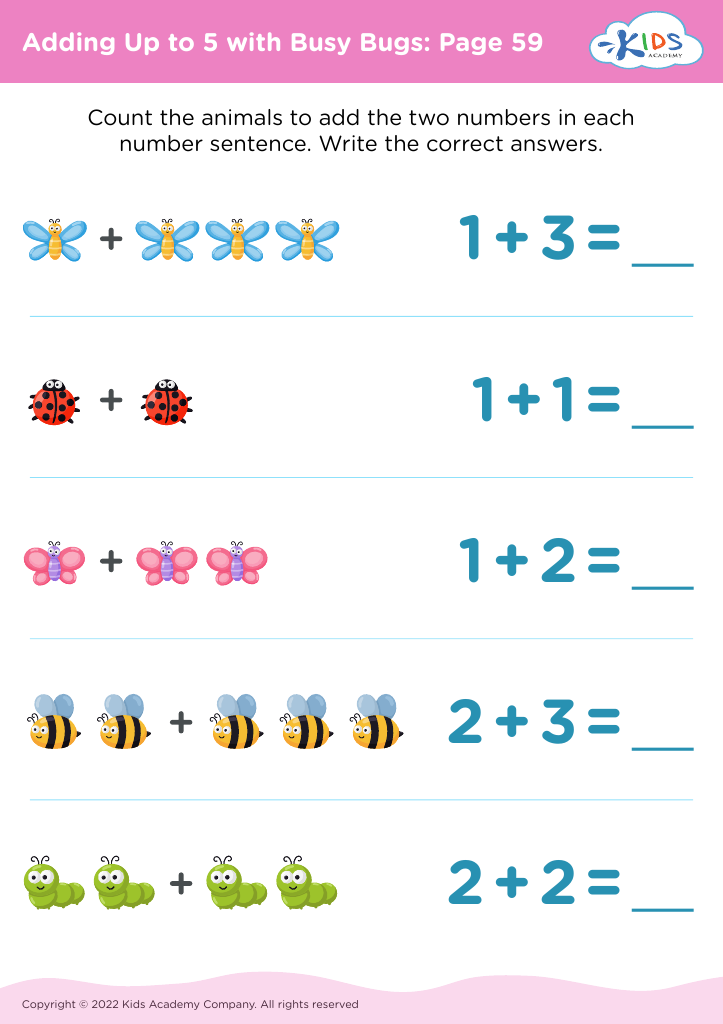
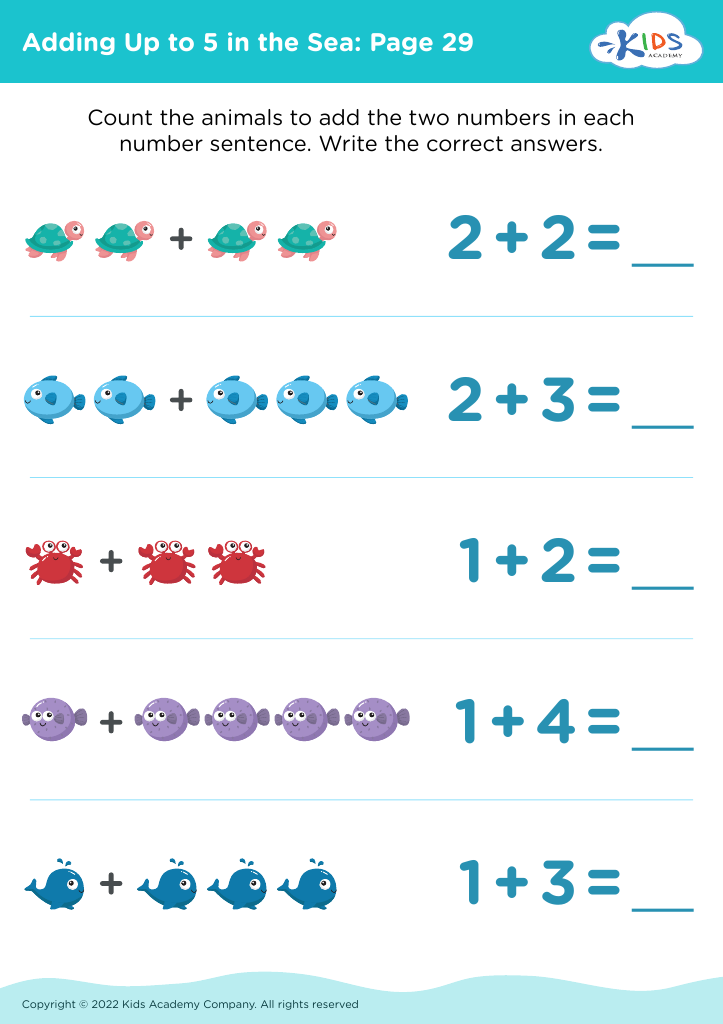
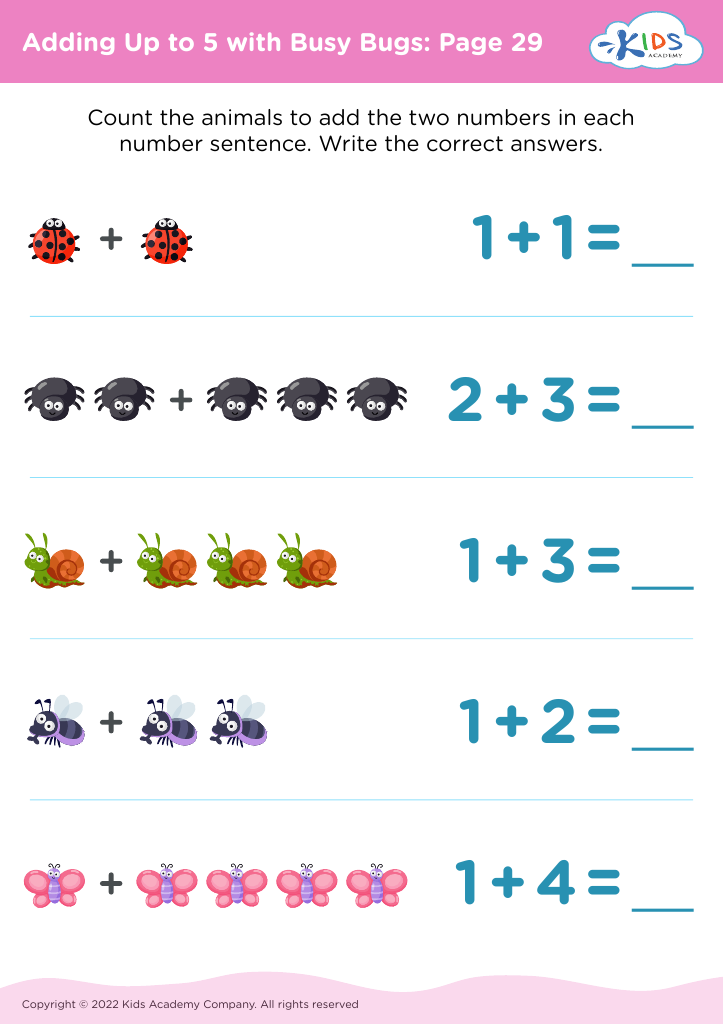
Welcome to our collection of Basic Arithmetic Addition & Subtraction Worksheets designed specifically for children aged 3-4! These engaging worksheets introduce young learners to fundamental math concepts through fun and interactive activities. Each worksheet is crafted to enhance number recognition, promote problem-solving skills, and foster a love of learning in an enjoyable way. Whether it's counting fruits, completing simple equations, or coloring, our resources provide the perfect blend of education and entertainment. Perfect for home or classroom use, these worksheets ensure children build a strong foundation in addition and subtraction while developing their critical thinking skills. Start your child's math journey today!
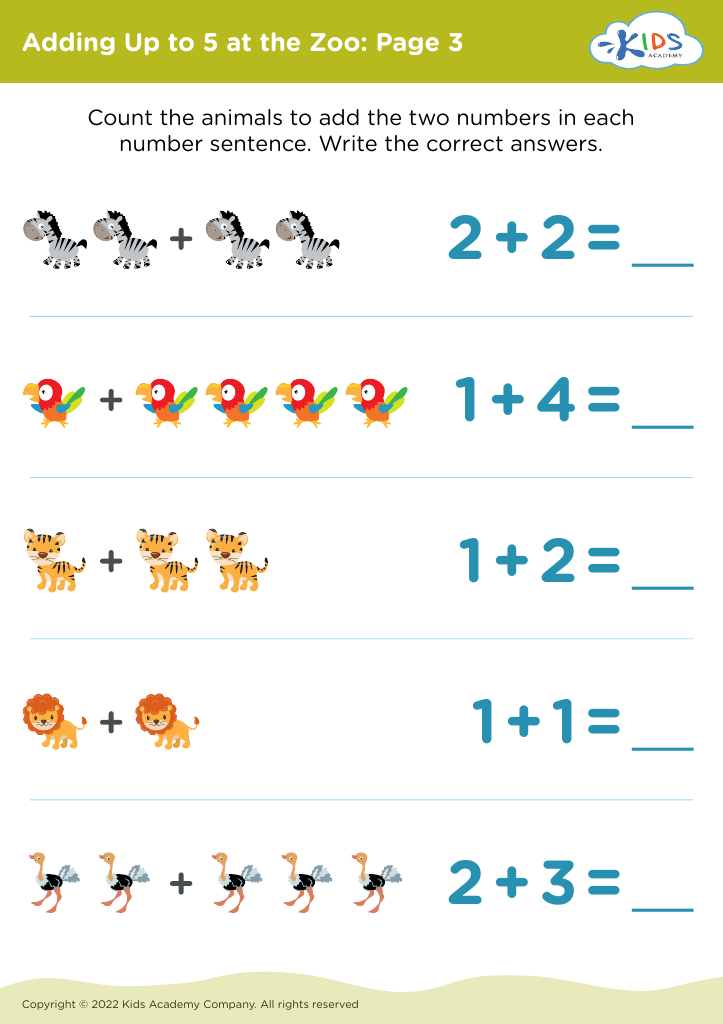
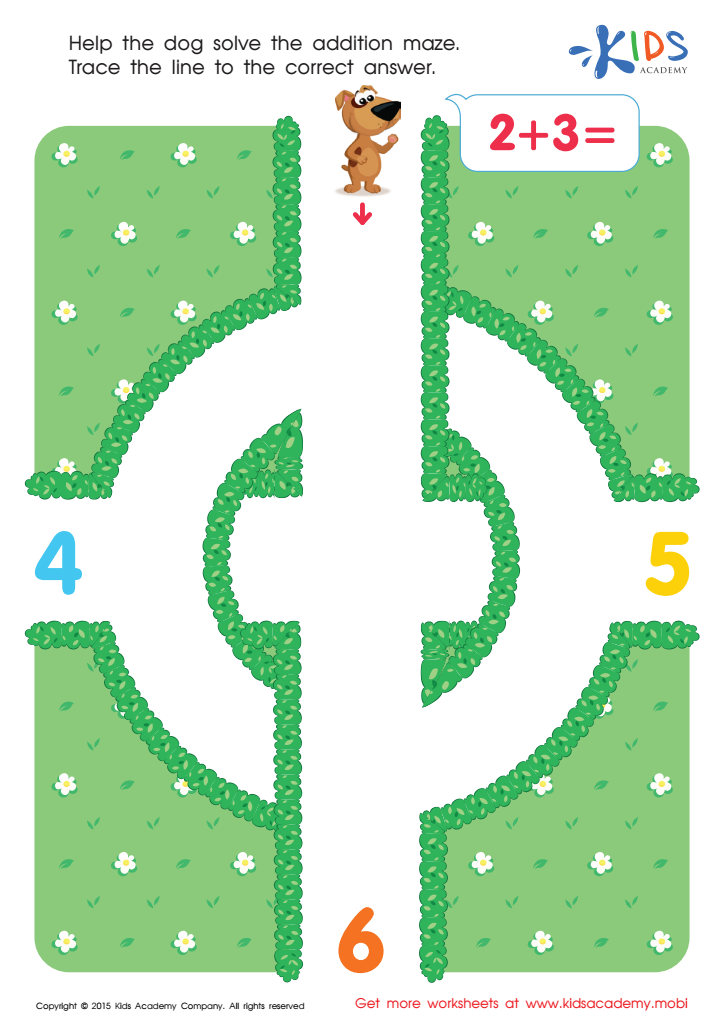
Two And Three Addition Worksheet
 Assign to My Students
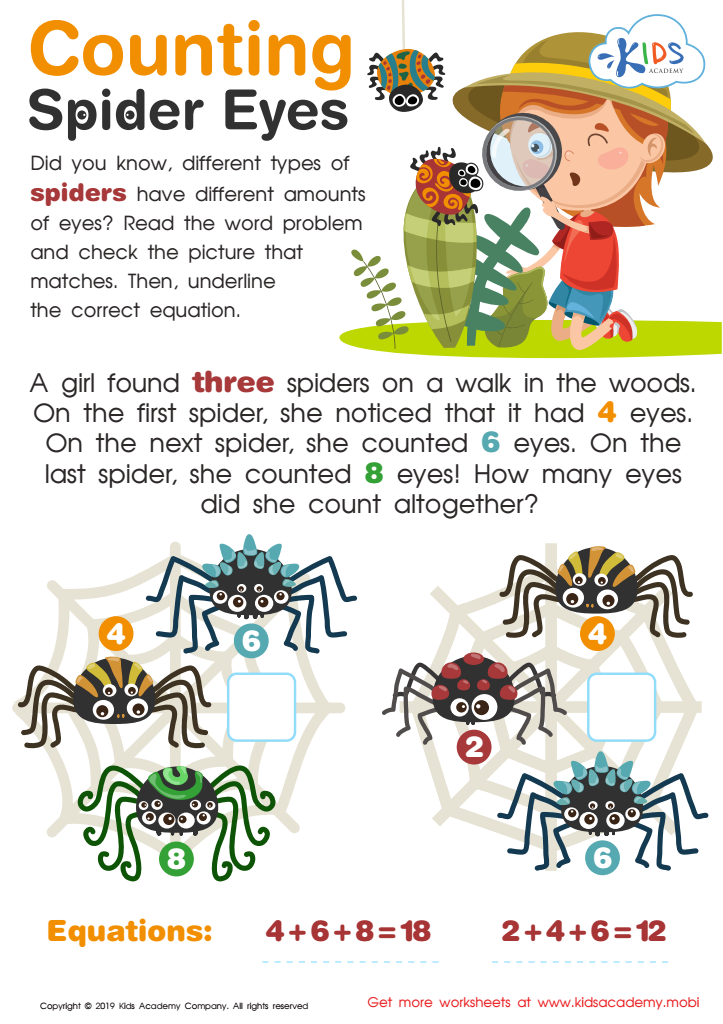
Counting Spider Eyes Worksheet
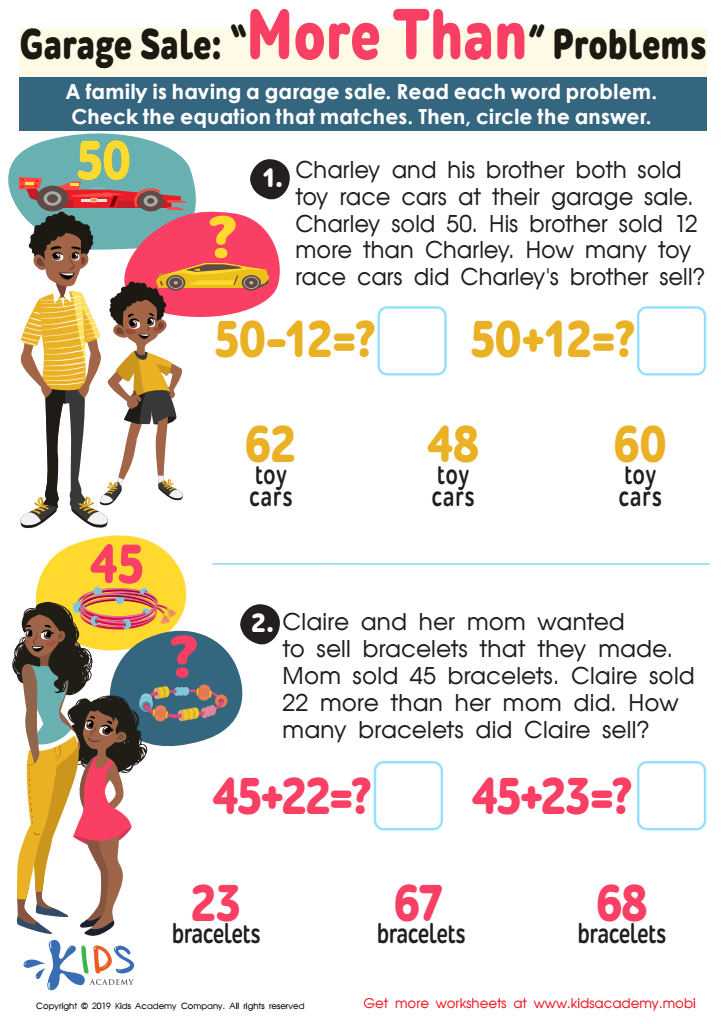
Garage Sale - More yhan Worksheet
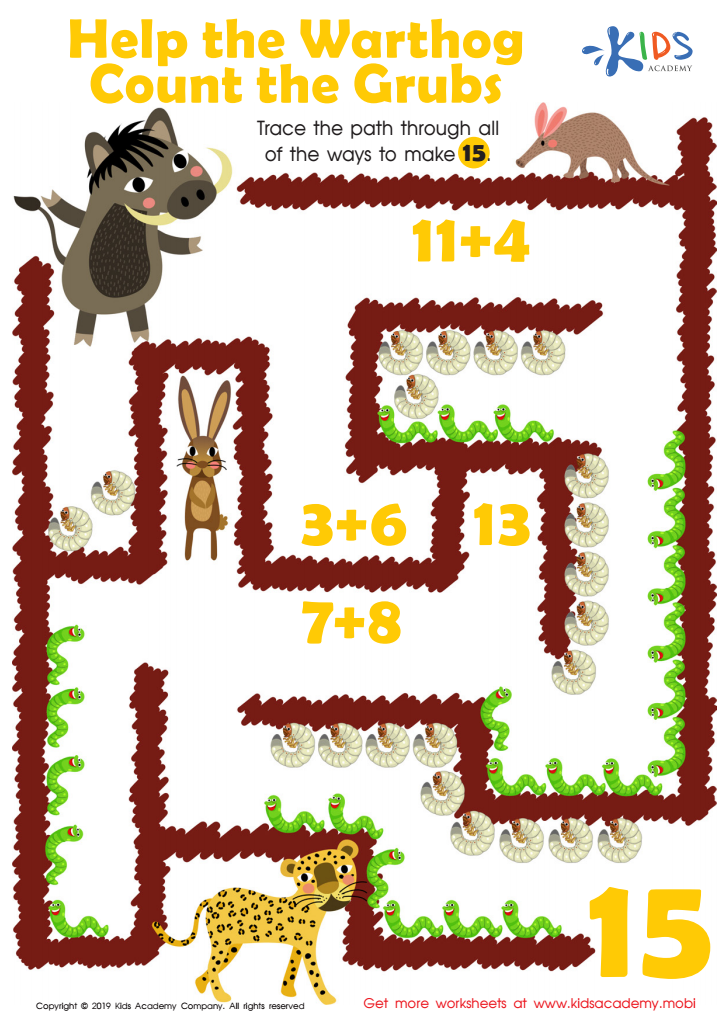
Help the Warthog Count the Grubs Worksheet
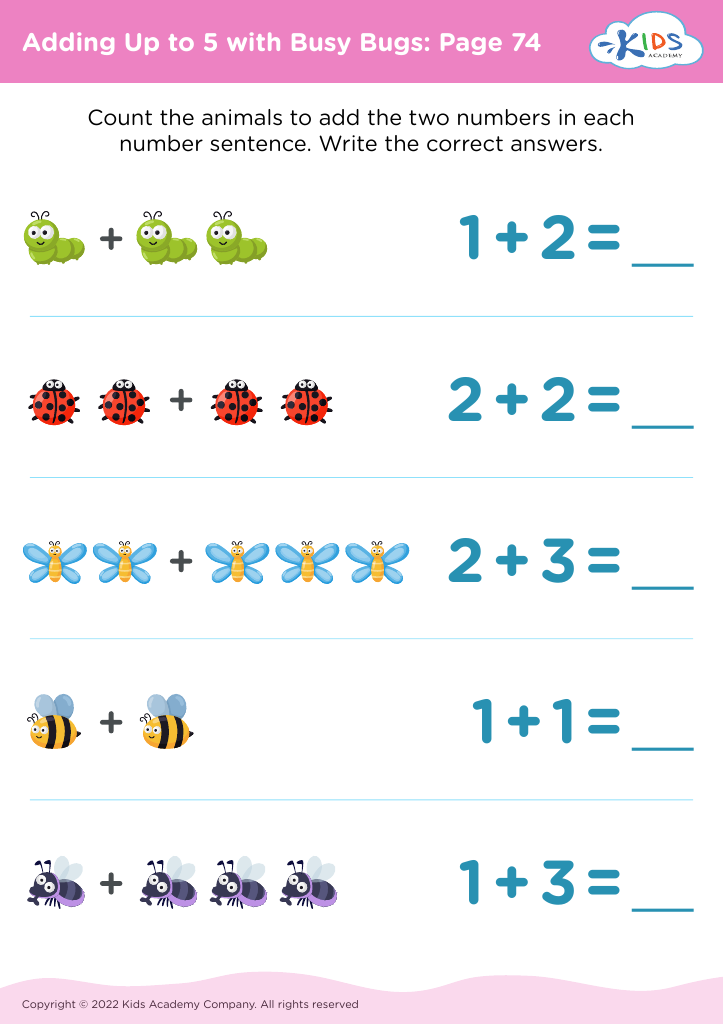
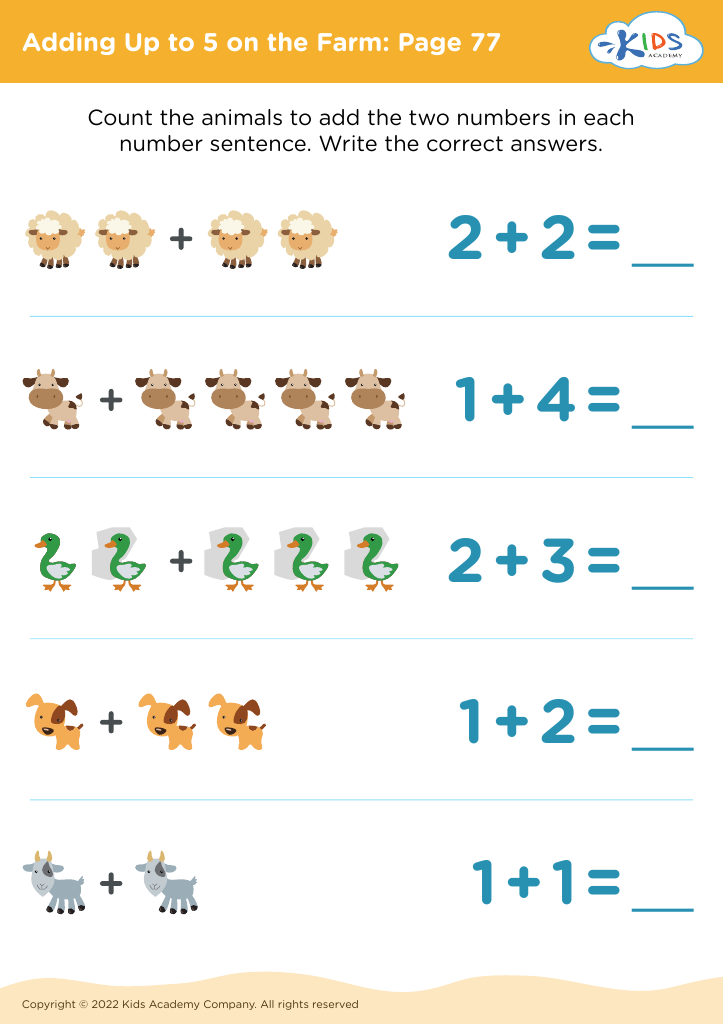
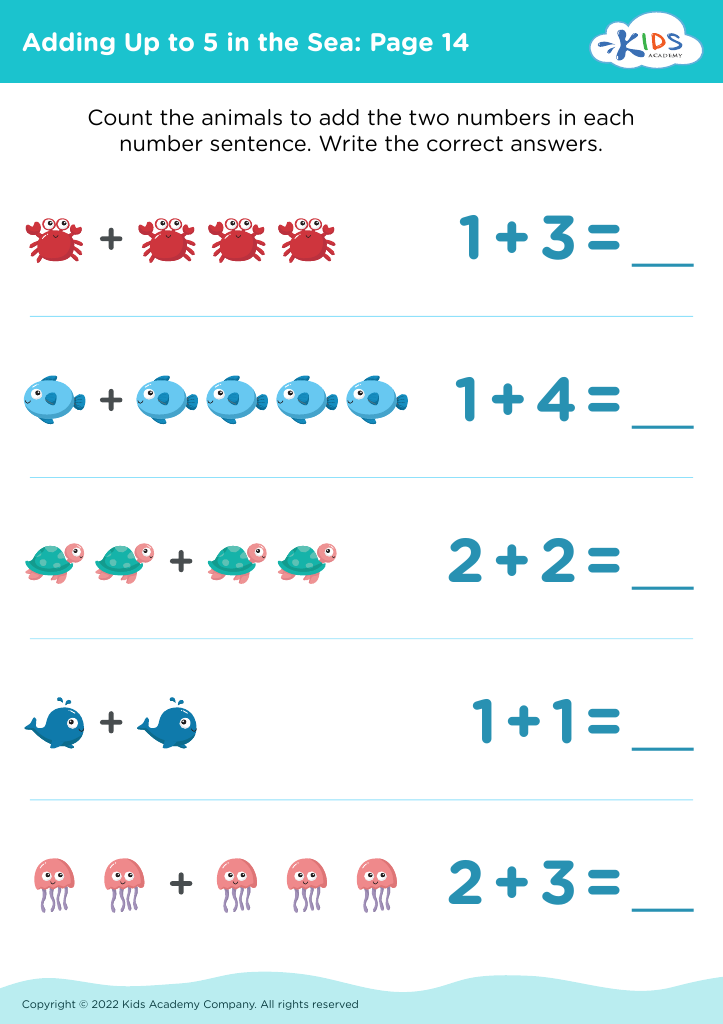
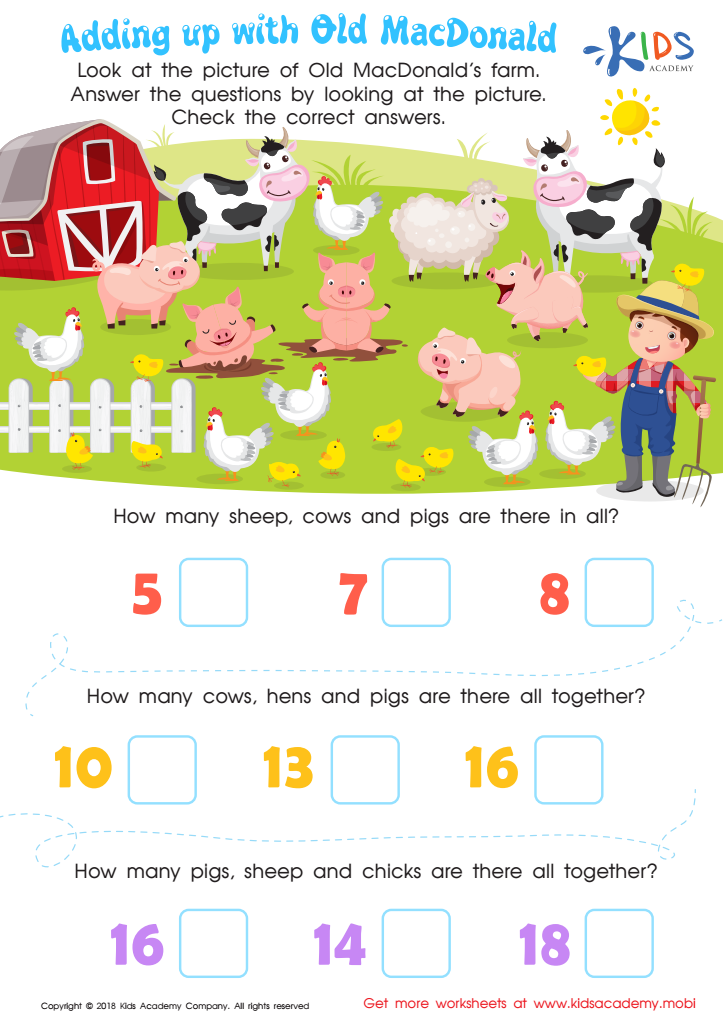
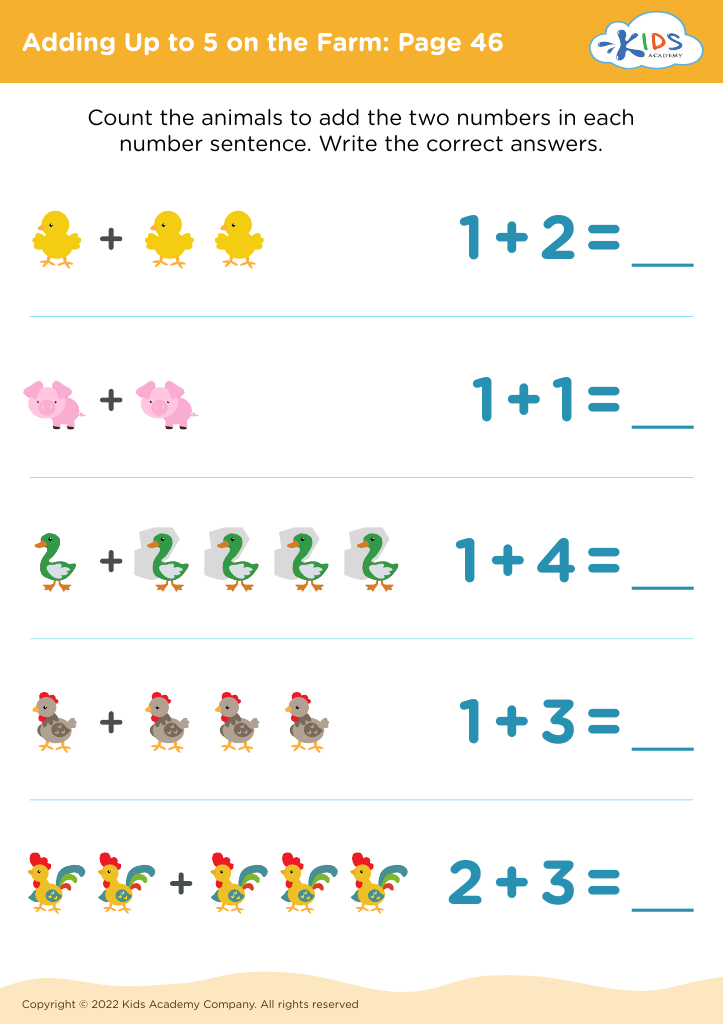
Adding Up with Old MacDonald Worksheet
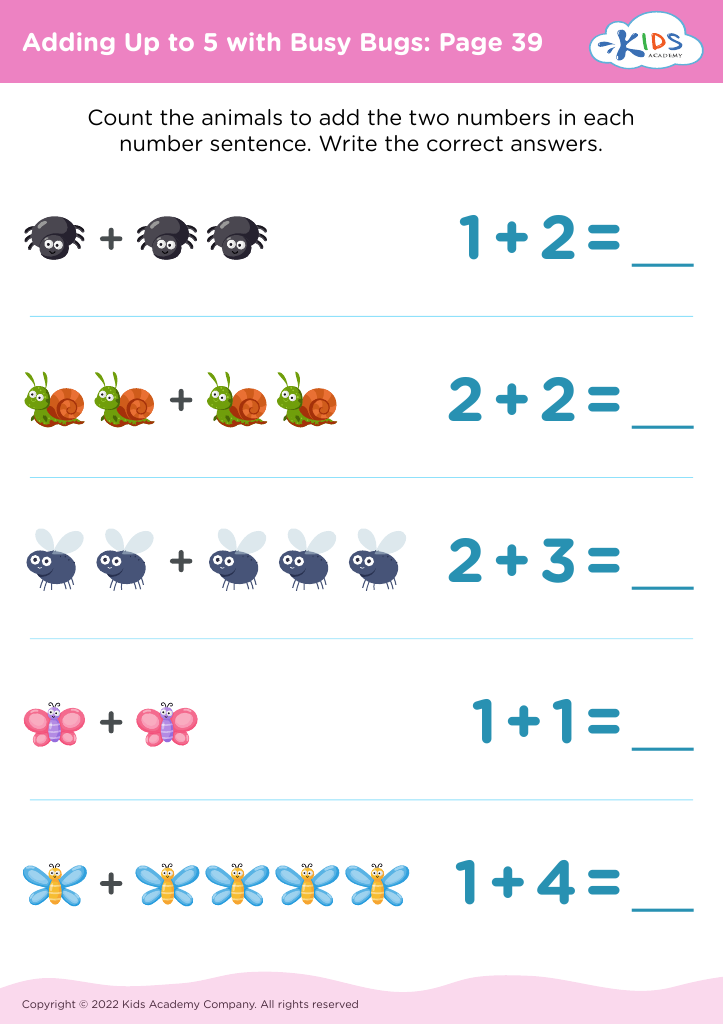
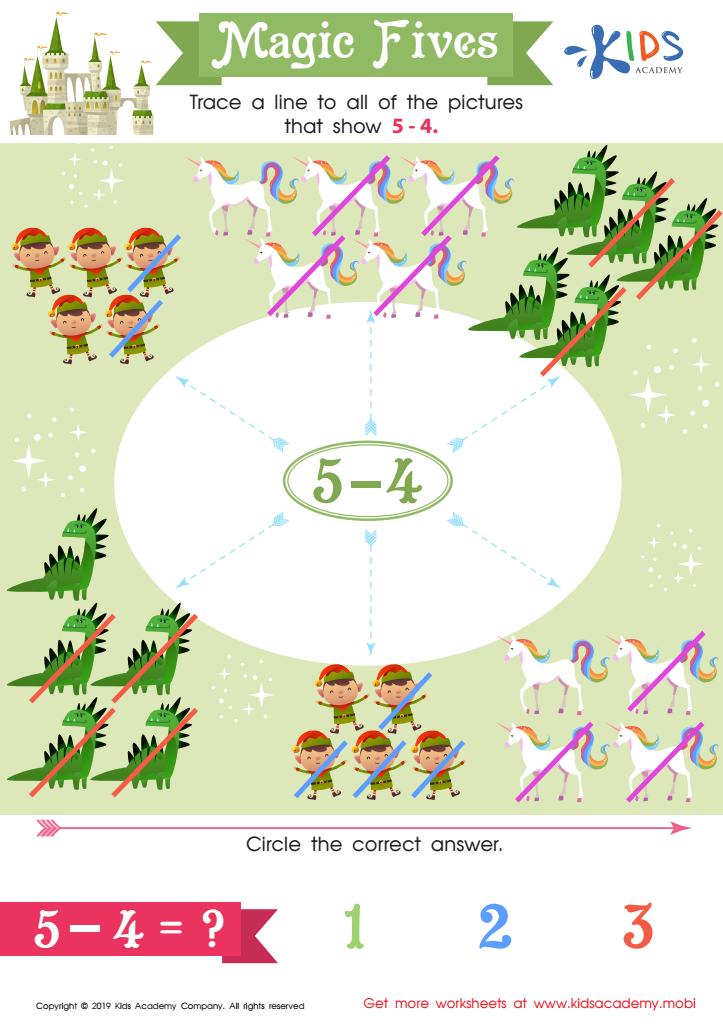
Magic Fives Worksheet
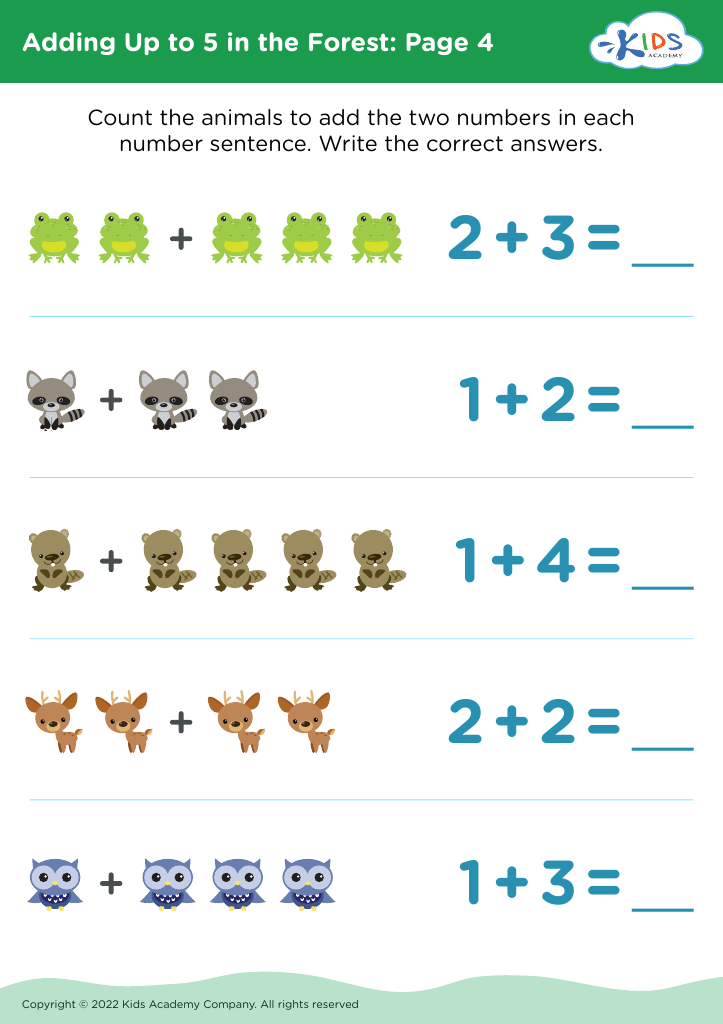
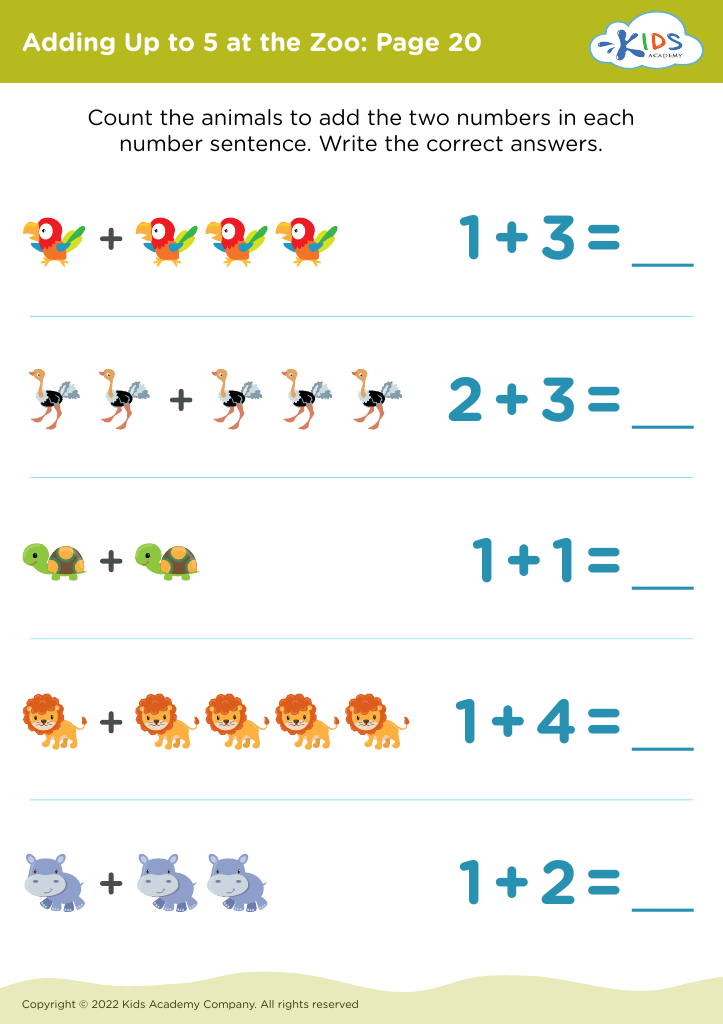
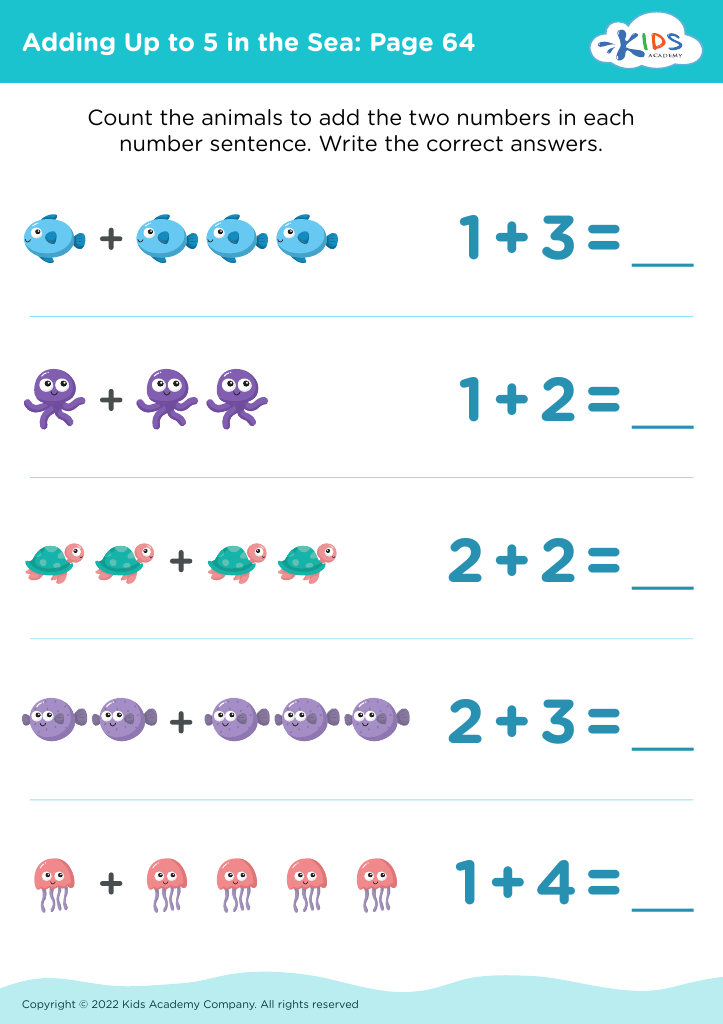
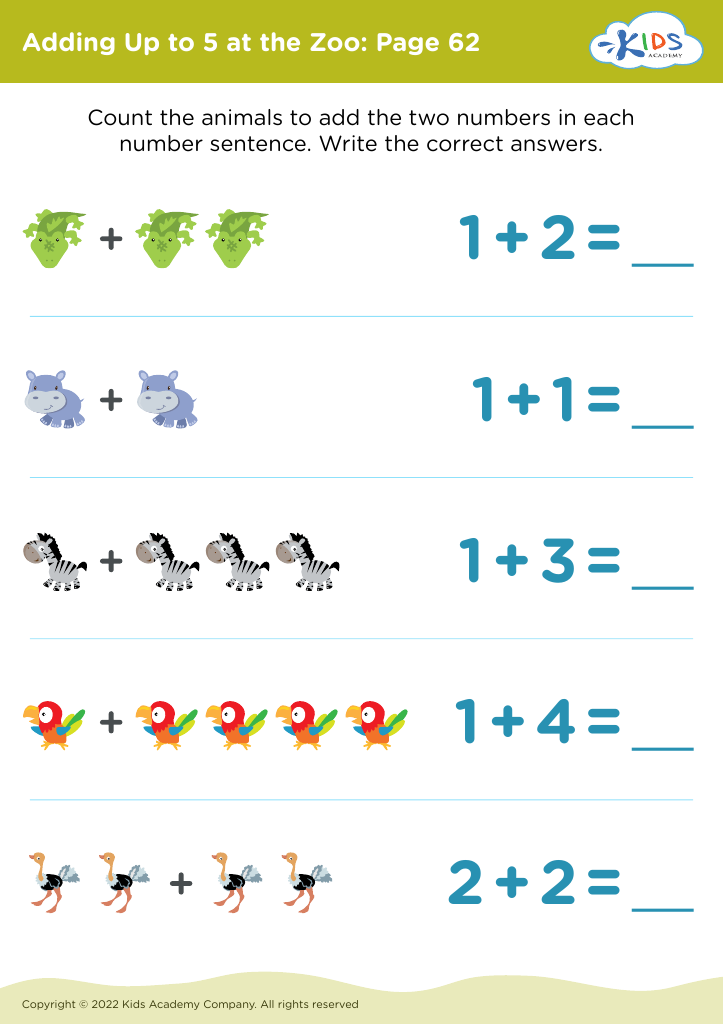








Basic arithmetic addition and subtraction are essential building blocks in the early development of a child's mathematical skills. For children aged 3-4, understanding these concepts goes beyond mere numbers; it fosters critical thinking, problem-solving, and cognitive development. At this age, children are curious and highly receptive to new information, making it an ideal time to introduce foundational math skills.
Early exposure to addition and subtraction helps develop number sense, which is important for future learning. Engaging in simple addition and subtraction activities, whether through games, storytelling, or hands-on toys, enables children to grasp these concepts in a fun and interactive way. This early start can significantly ease their anxiety later on when faced with more complex mathematical concepts in school.
Additionally, basic arithmetic supports the development of fine motor skills through activities such as counting objects or drawing sets. Parents and teachers play a crucial role in fostering mathematical conversations, encouraging children to express their numerical understanding.
Ultimately, caring about basic arithmetic during these formative years equips children with vital skills they will carry throughout their educational journey, empowering them to approach math with confidence and curiosity as they grow.








