Problem-Solving Skills Addition & Subtraction Worksheets for Ages 3-4 - Page 4
81 filtered results
-
From - To
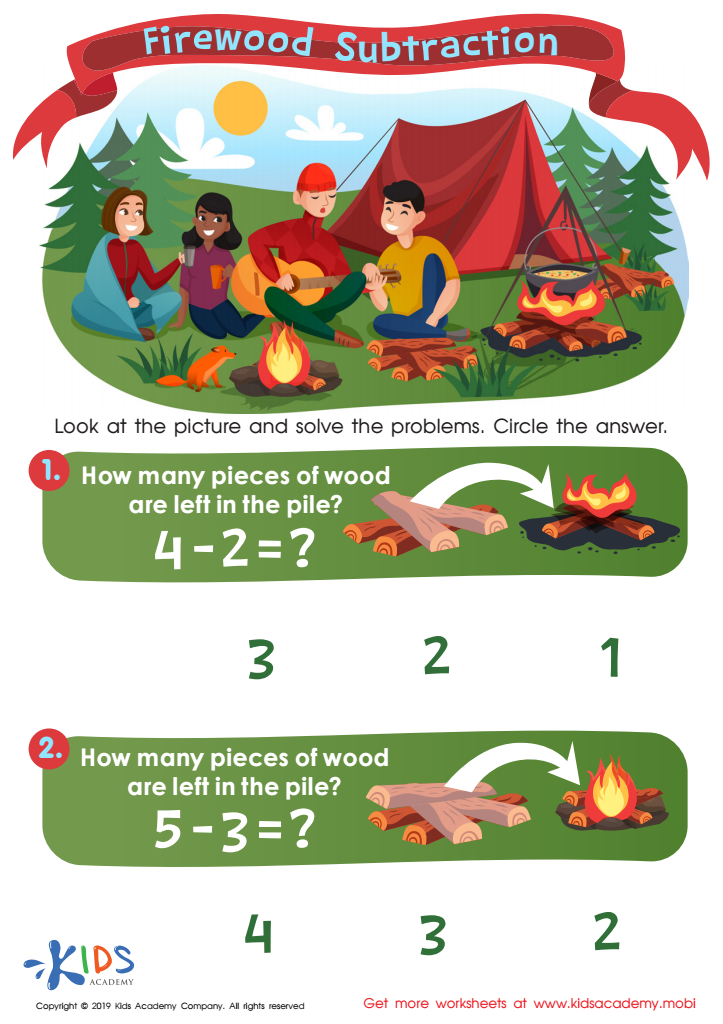
Firewood Subtraction Worksheet
 Assign to My Students
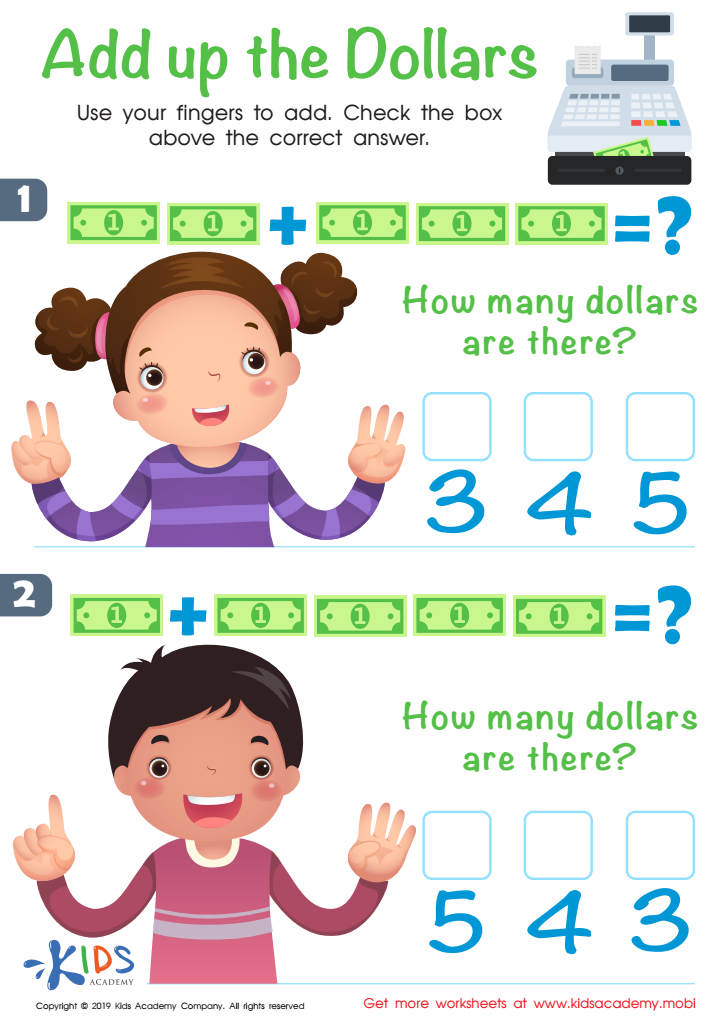
Add up the Dollars Worksheet
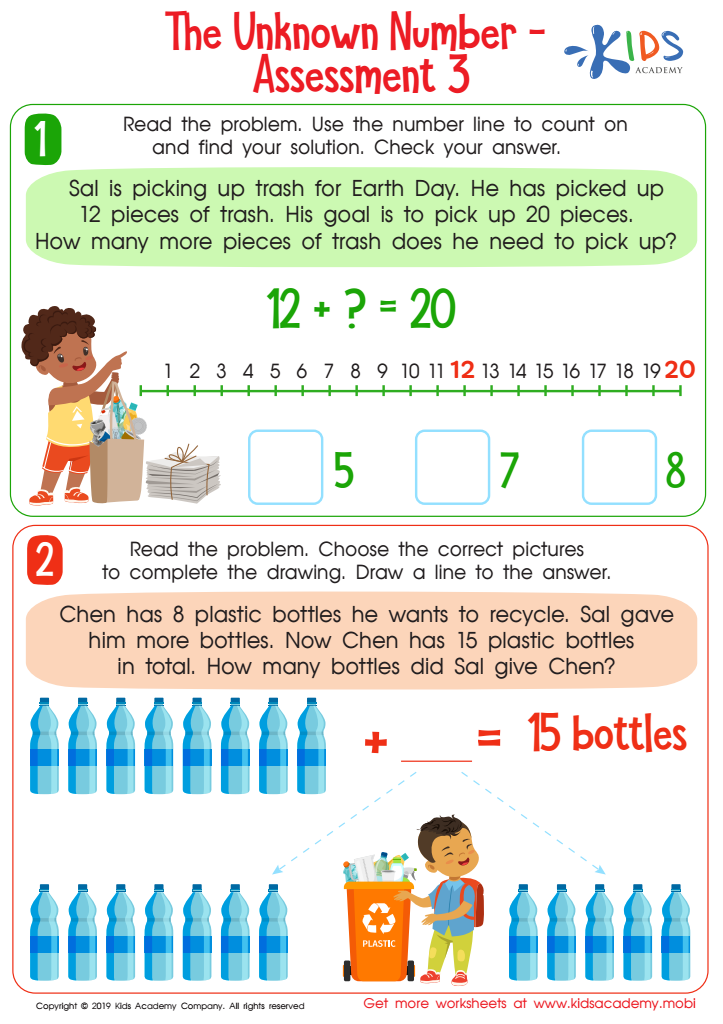
The Unknown Number - Assessment 3 Worksheet
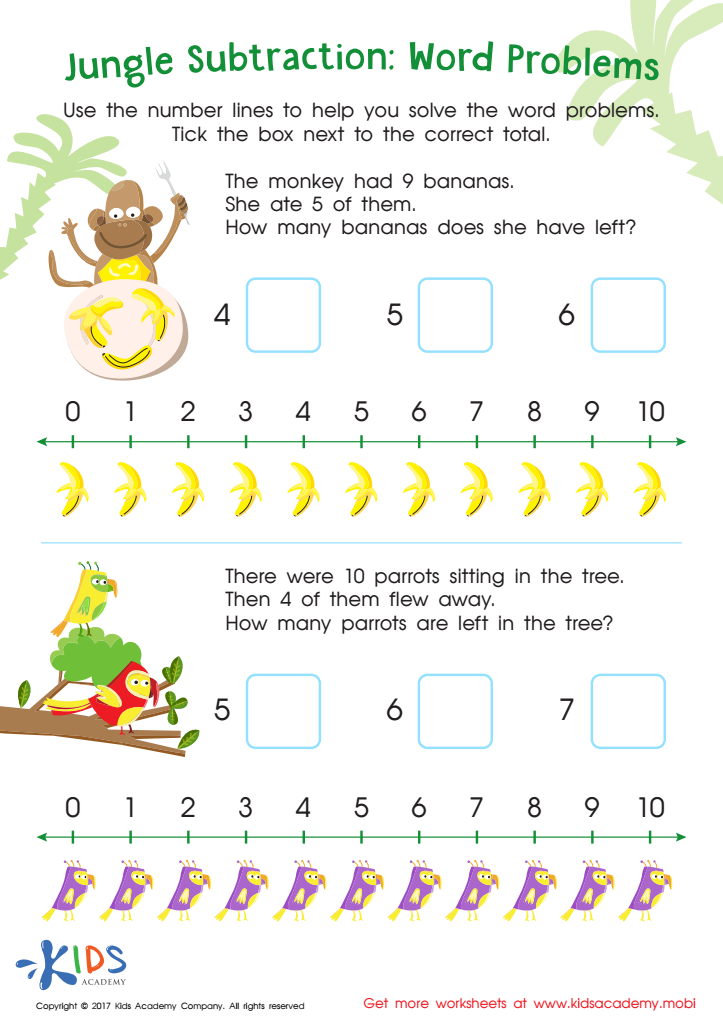
Jungle Subtraction Word Problems Substraction Worksheet
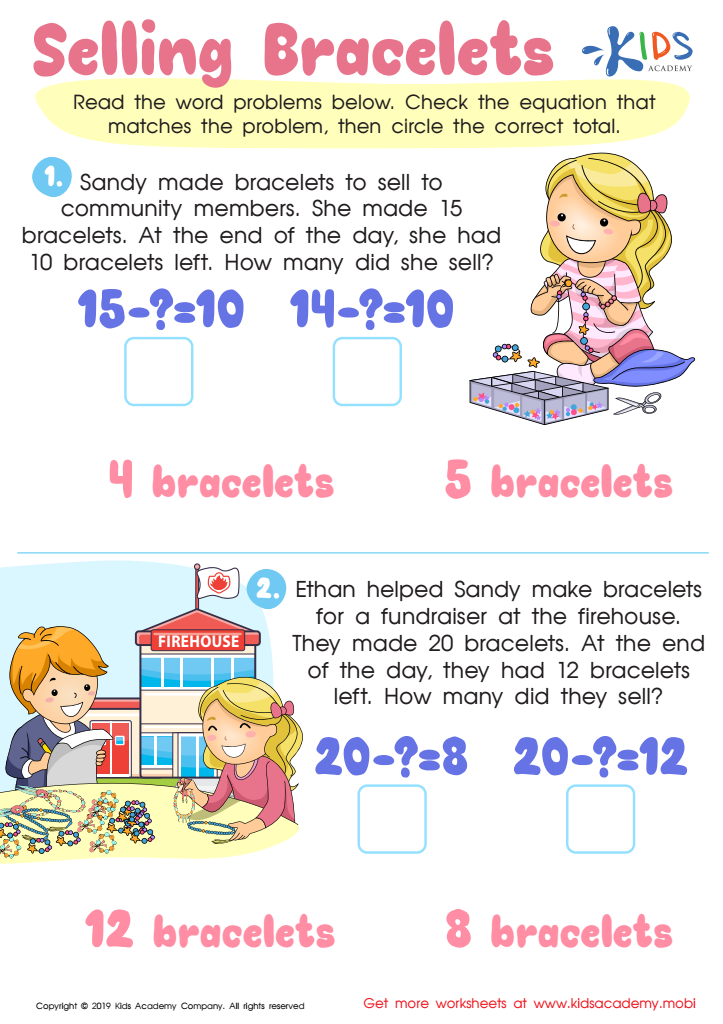
Selling the Bracelets Worksheet
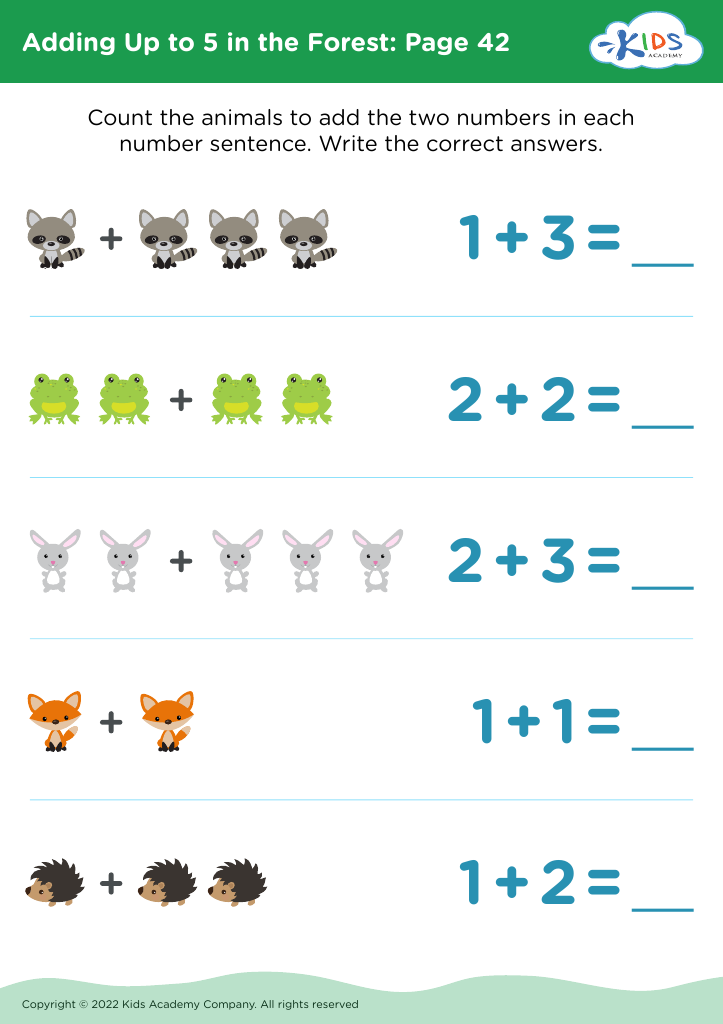
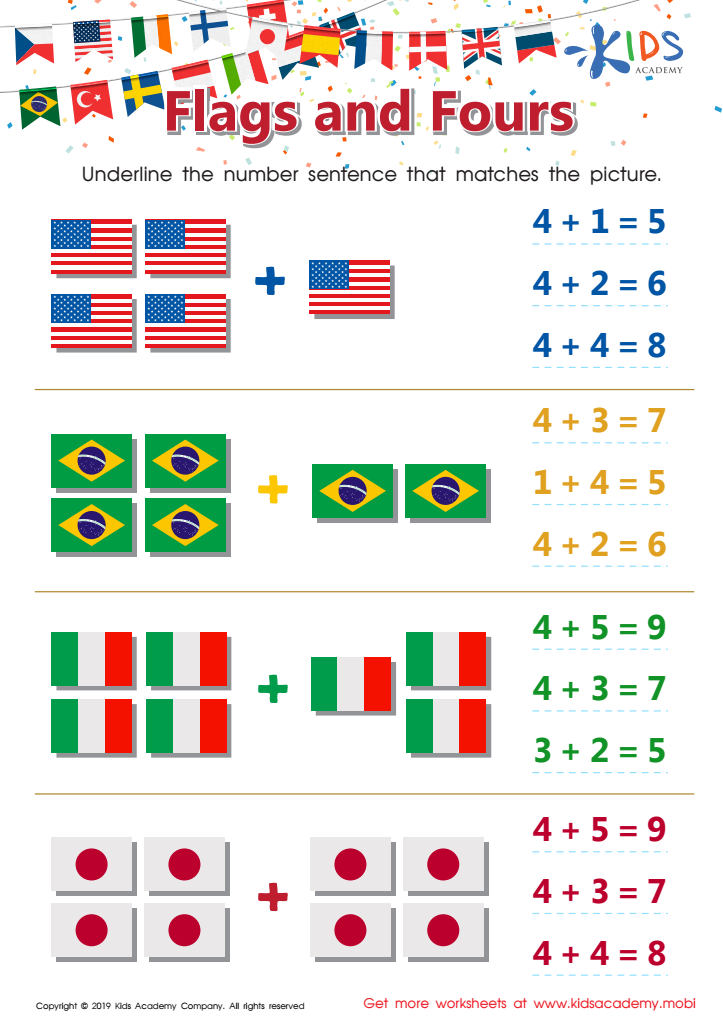
Flags and Fours Worksheet
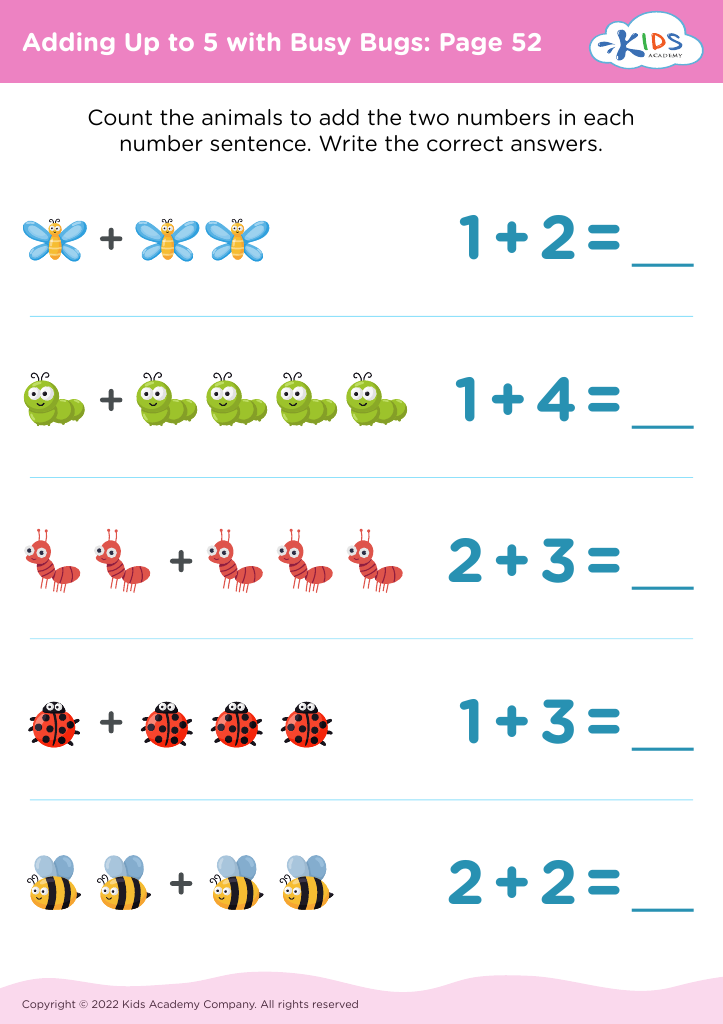



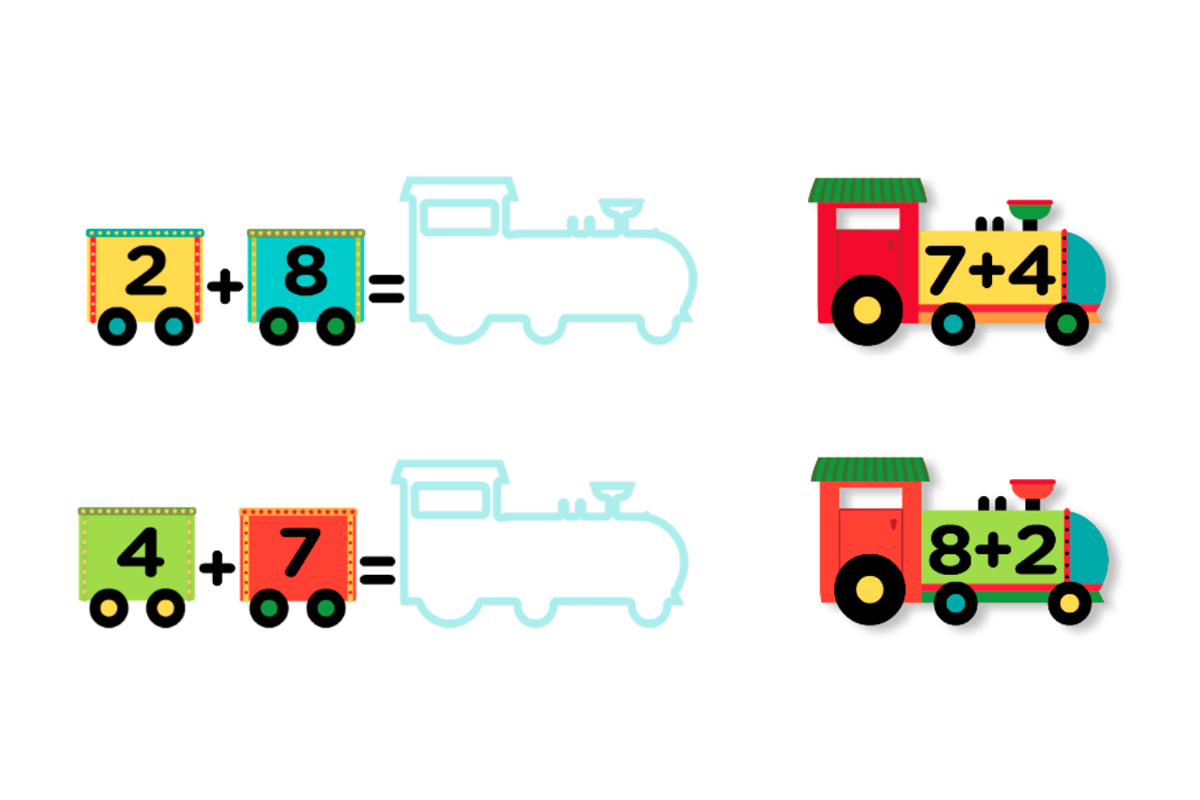




Parents and teachers should prioritize enhancing problem-solving skills in addition and subtraction for children aged 3-4 because these skills are foundational to early math development and critical thinking. At this age, children begin to understand numbers and their relationships through simple practical experiences. Engaging them in addition and subtraction activities promotes cognitive growth, improving their analytical and reasoning abilities.
Moreover, developing these skills at a young age sets the stage for future success in mathematics. When children are involved in problem-solving scenarios, such as grouping objects or sharing snacks, they learn to approach challenges with creativity and persistence. This not only builds their mathematical understanding but also equips them with essential life skills such as resilience and adaptability.
Furthermore, early exposure to these concepts helps instill a positive attitude towards math, reducing anxiety about the subject later on. By creating a playful environment where addition and subtraction are tied to everyday experiences, parents and teachers provide children with a solid foundation that supports both academic and personal growth. Ultimately, culturally Responsive practices in teaching these skills can also align with promoting a love of learning, encouraging curiosity and exploration from a very young age.








