Subtraction practice Addition & Subtraction Worksheets for Ages 3-4 - Page 2
42 filtered results
-
From - To
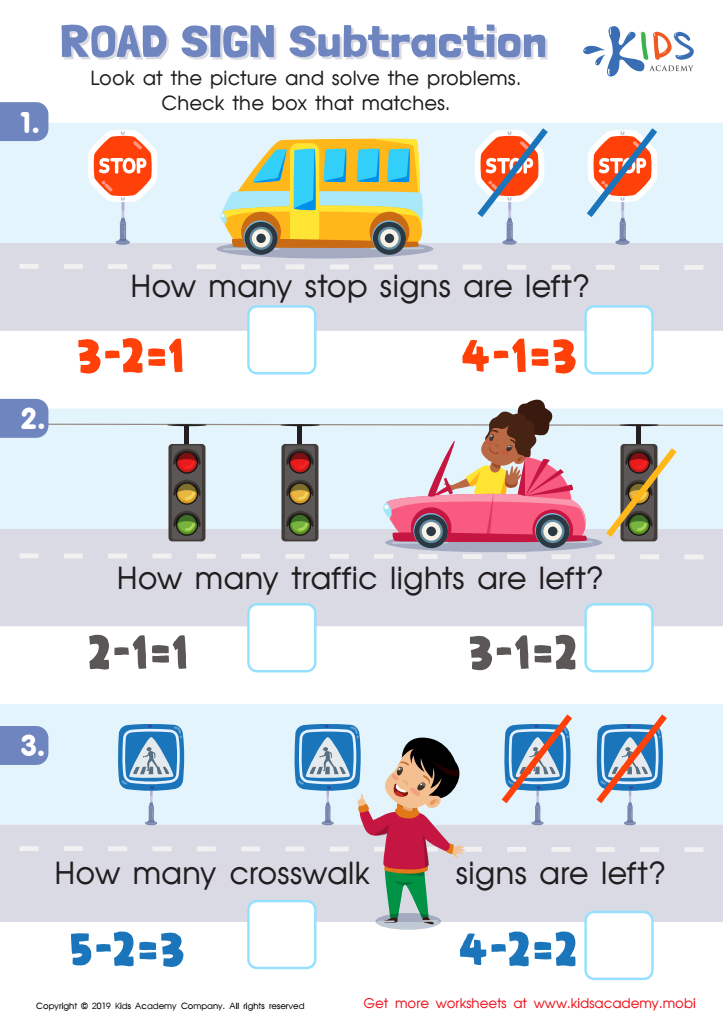
Road Sign Subtraction Worksheet
 Assign to My Students
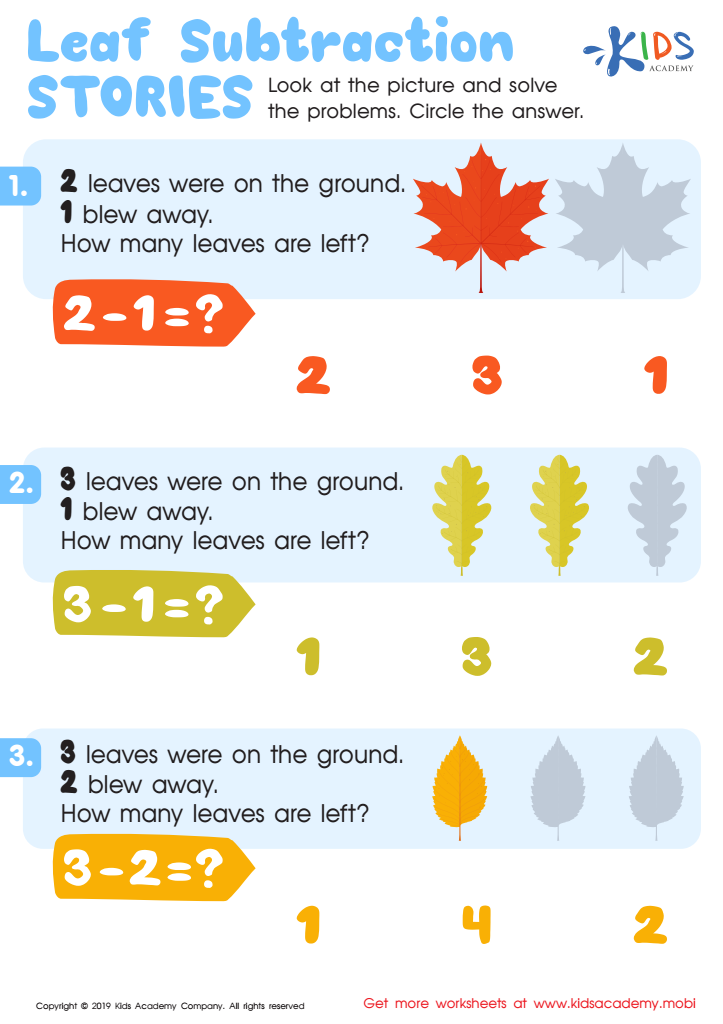
Leaf Subtraction Stories Worksheet
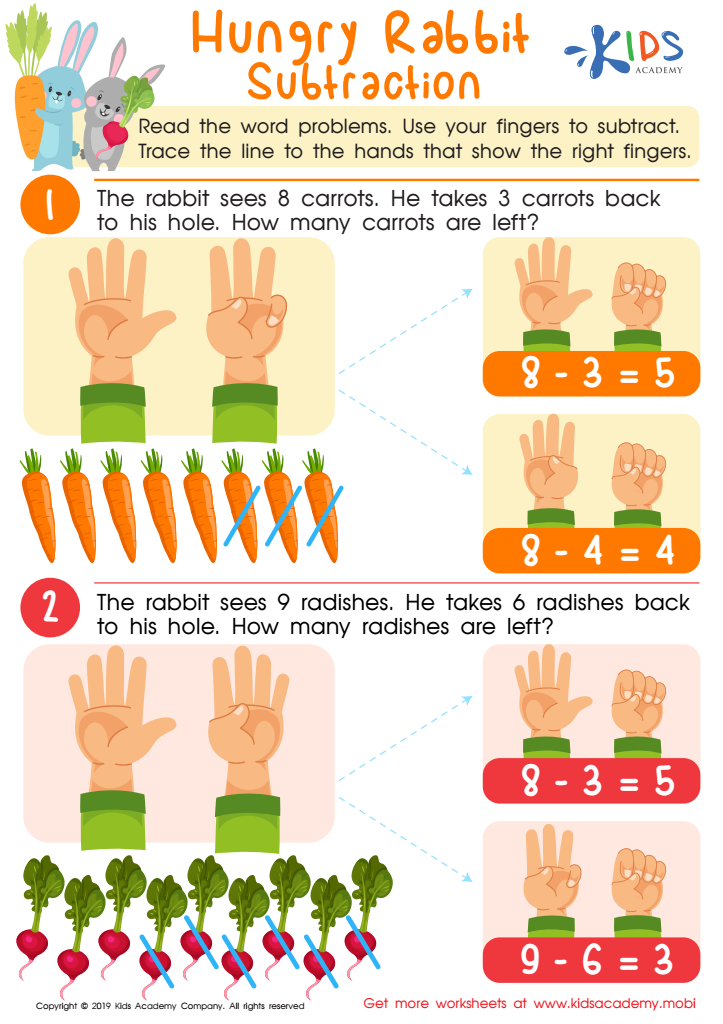
Hungry Rabbit Subtraction Worksheet
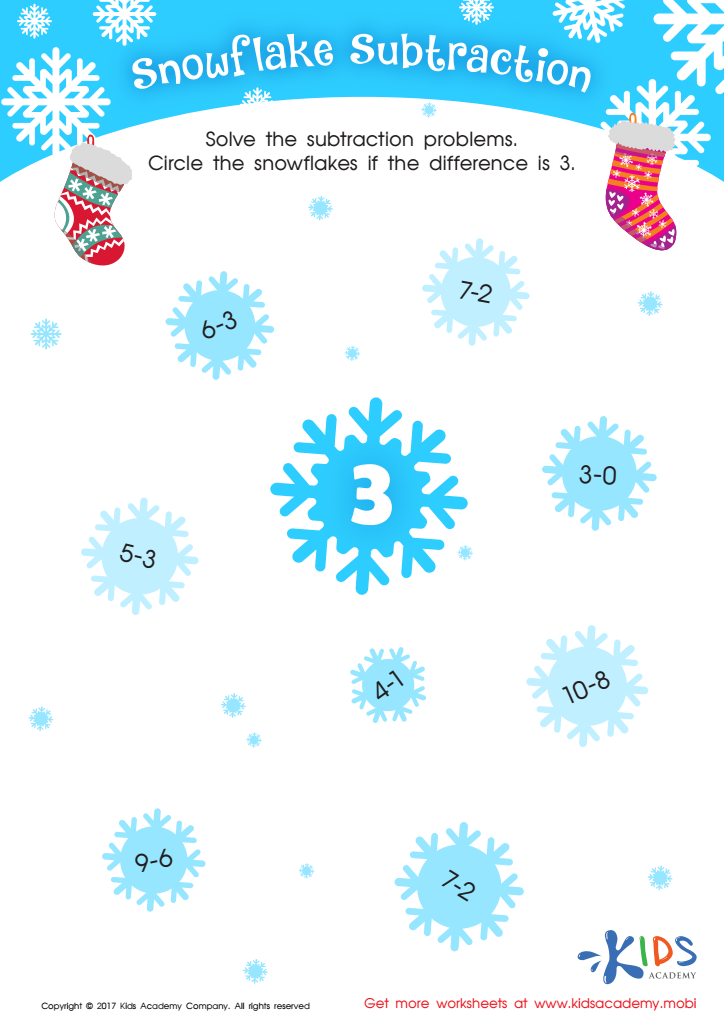
Snowflake Subtraction Worksheet
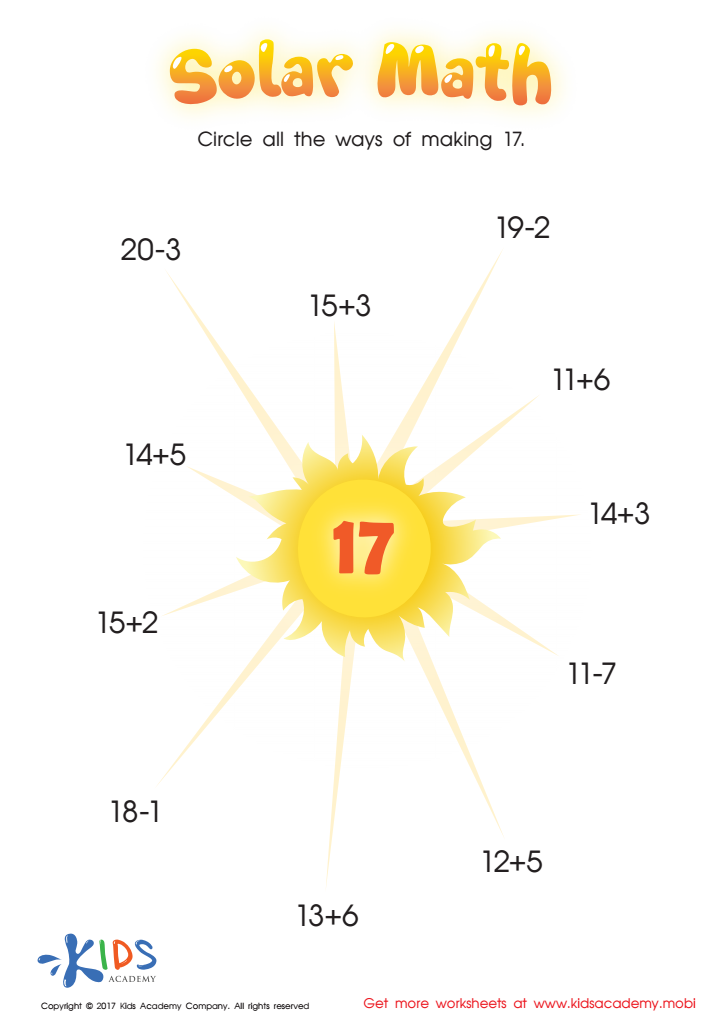
Solar Math Substraction Worksheet
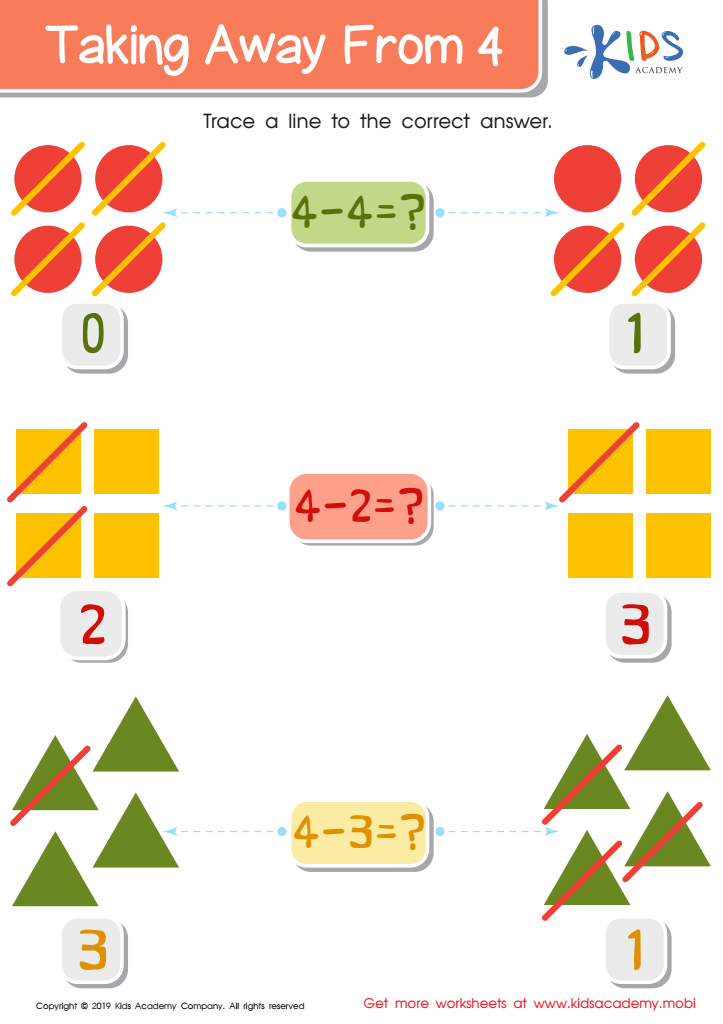
Taking Away from 4 Worksheet
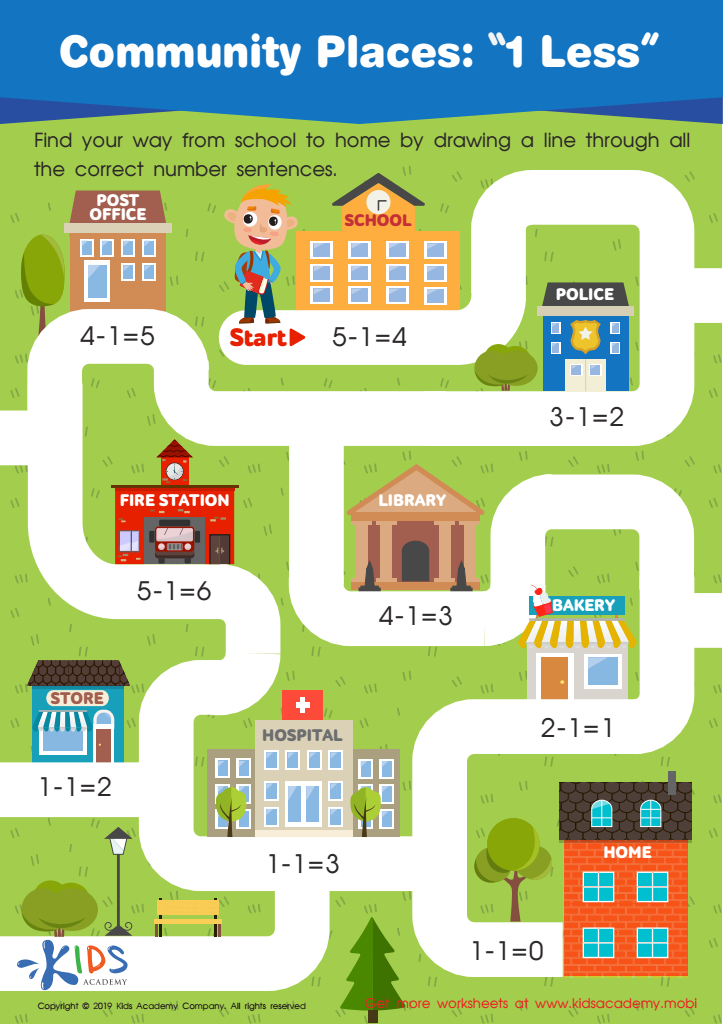
Community Places: 1 Less Worksheet
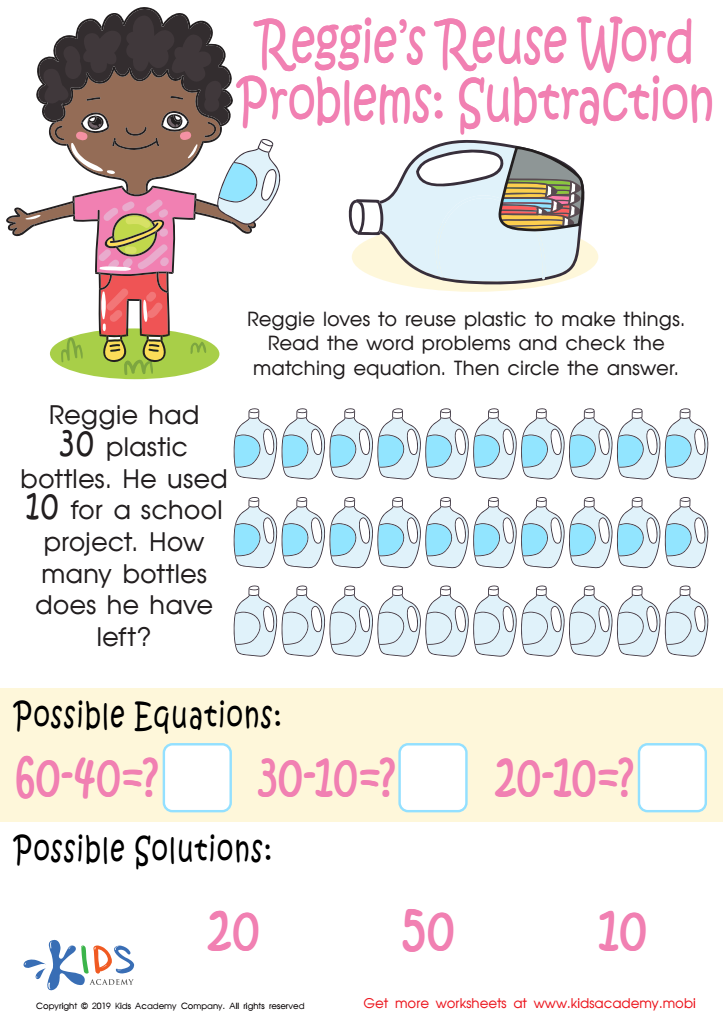
Reggie's Reuse Word Problems: Subtraction Worksheet
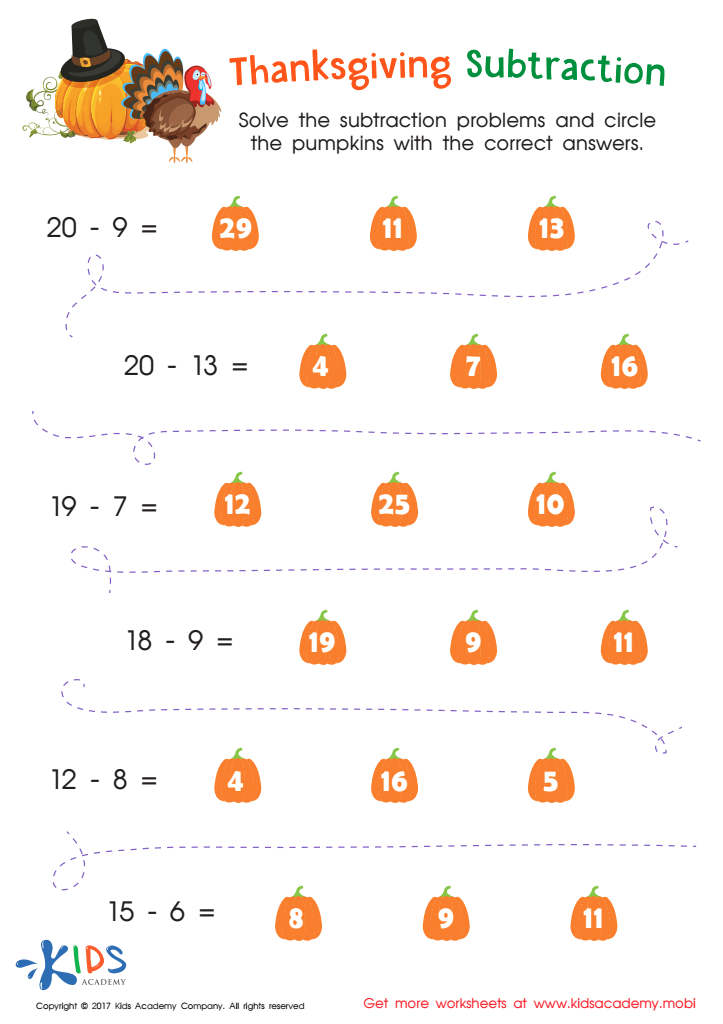
Thanksgiving Subtraction Substraction Worksheet
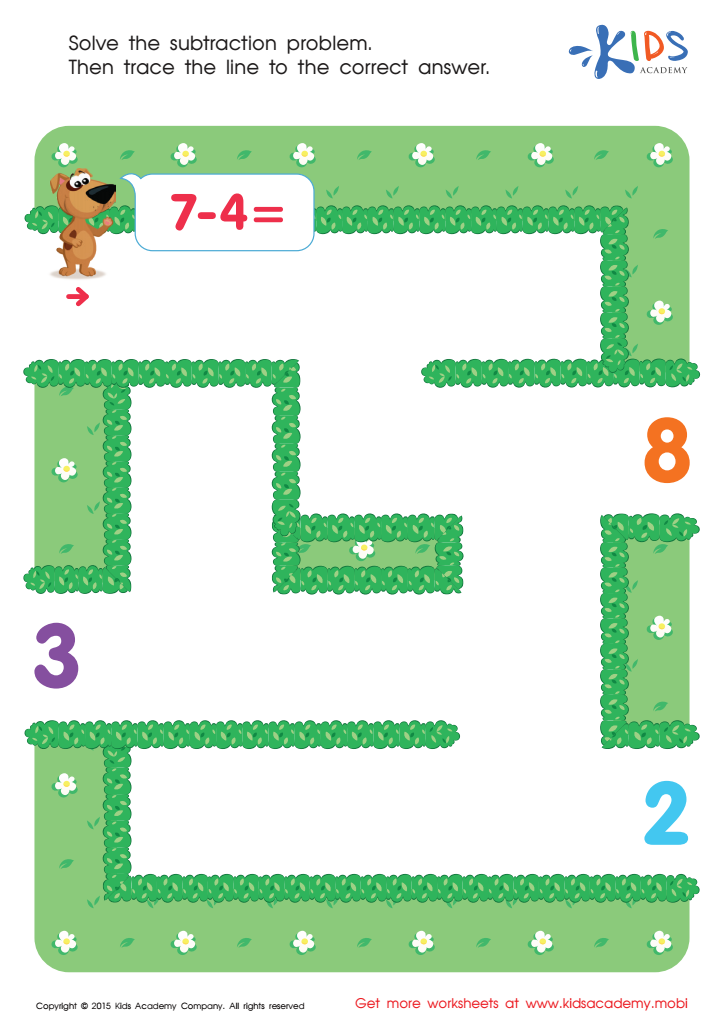
Subtraction Seven Minus Four Worksheet
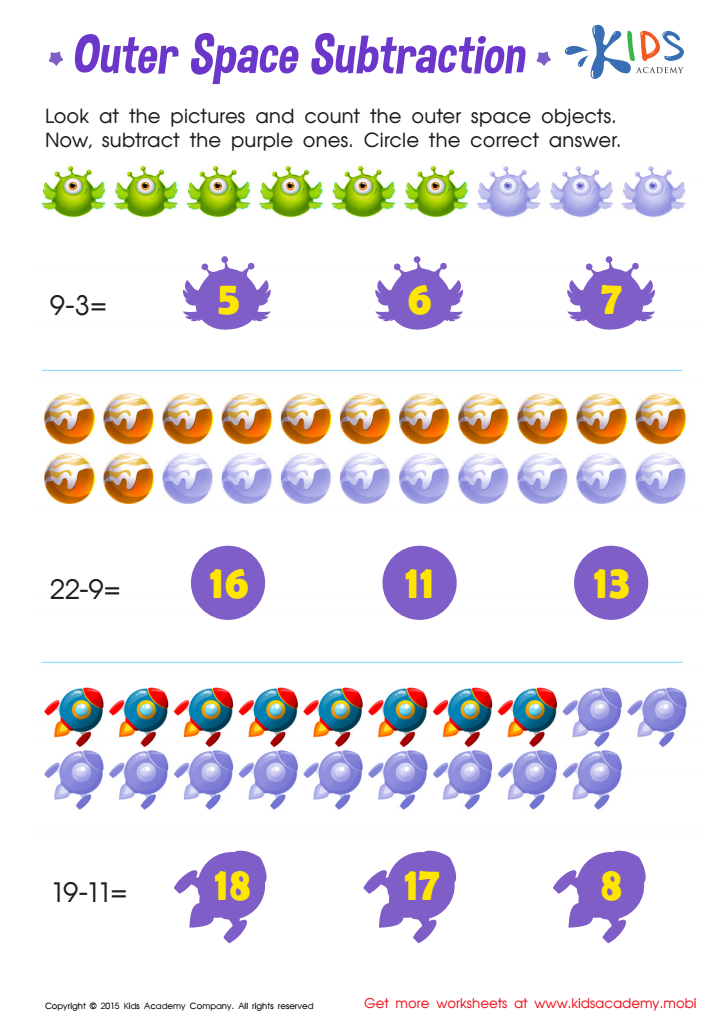
Outer Space Substraction Worksheet
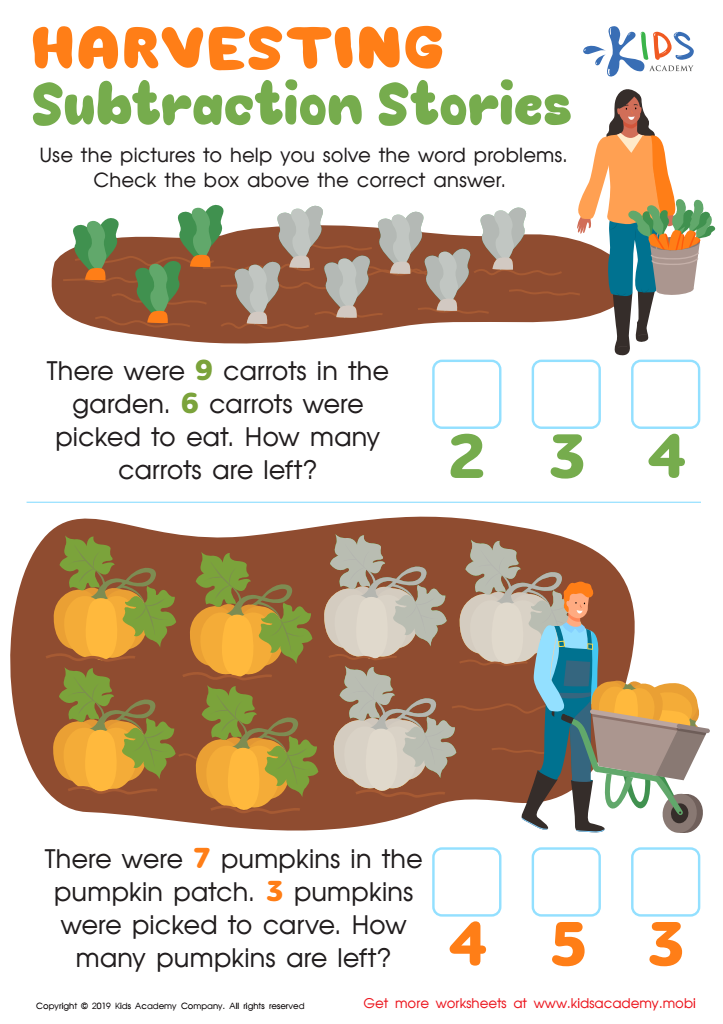
Harvesting Subtraction Stories Worksheet
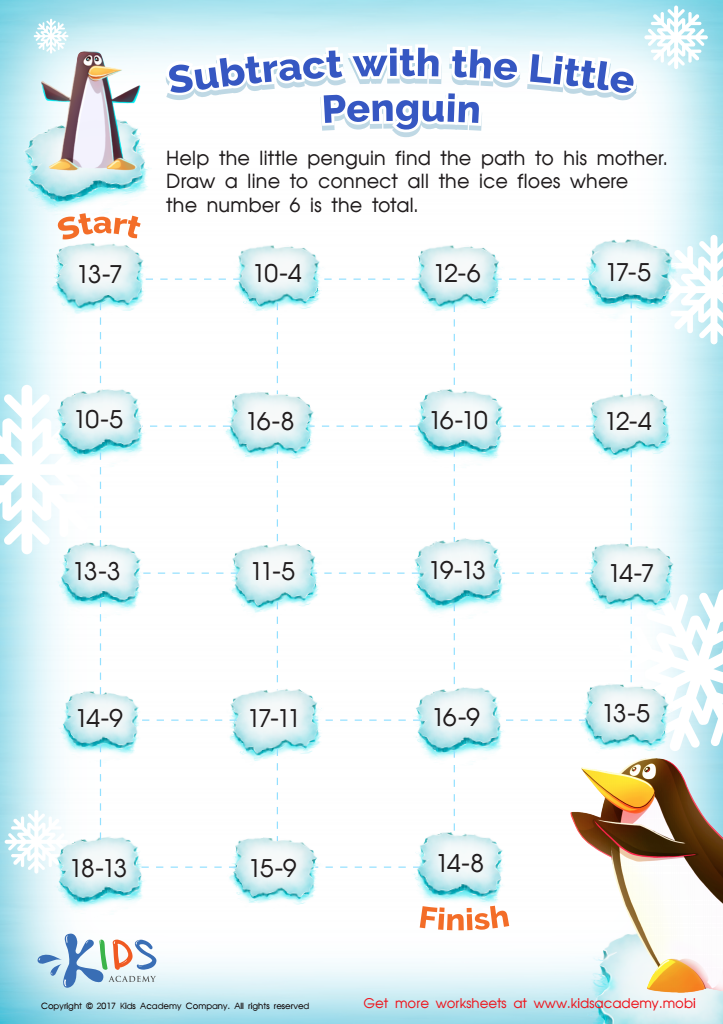
Subtract With The Little Penguin Substraction Worksheet
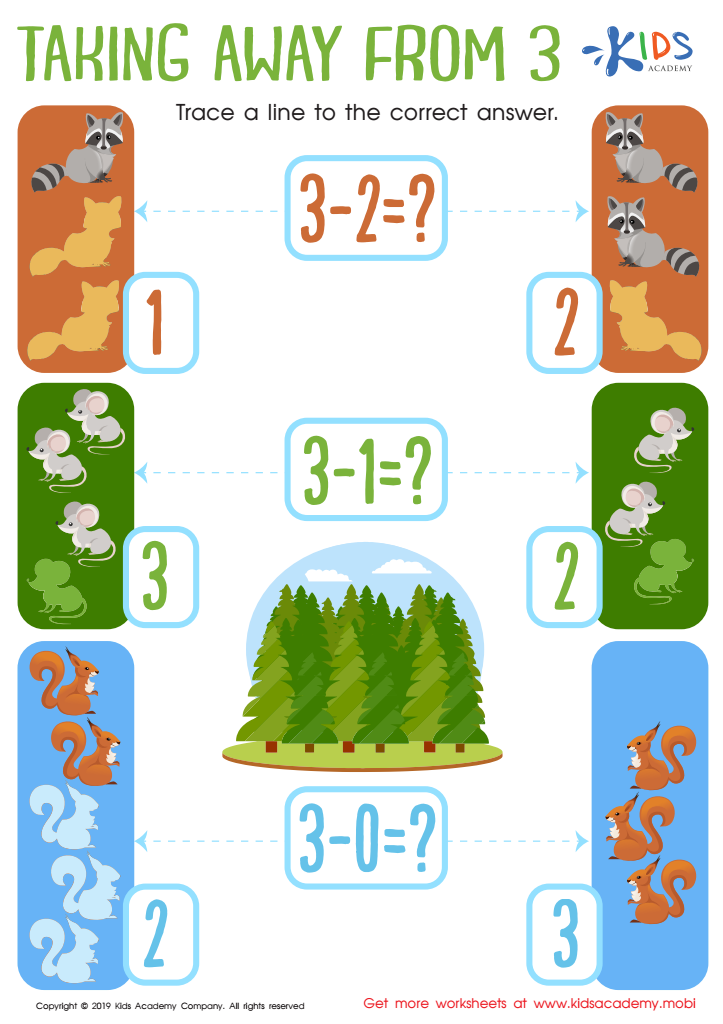
Taking Away From 3 Worksheet
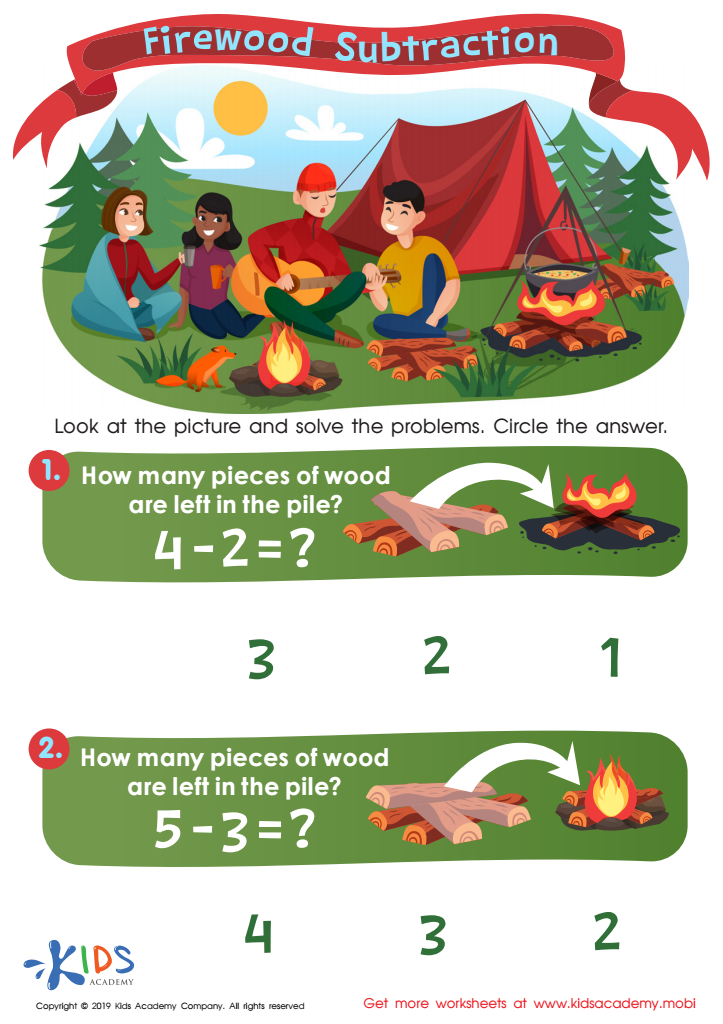
Firewood Subtraction Worksheet
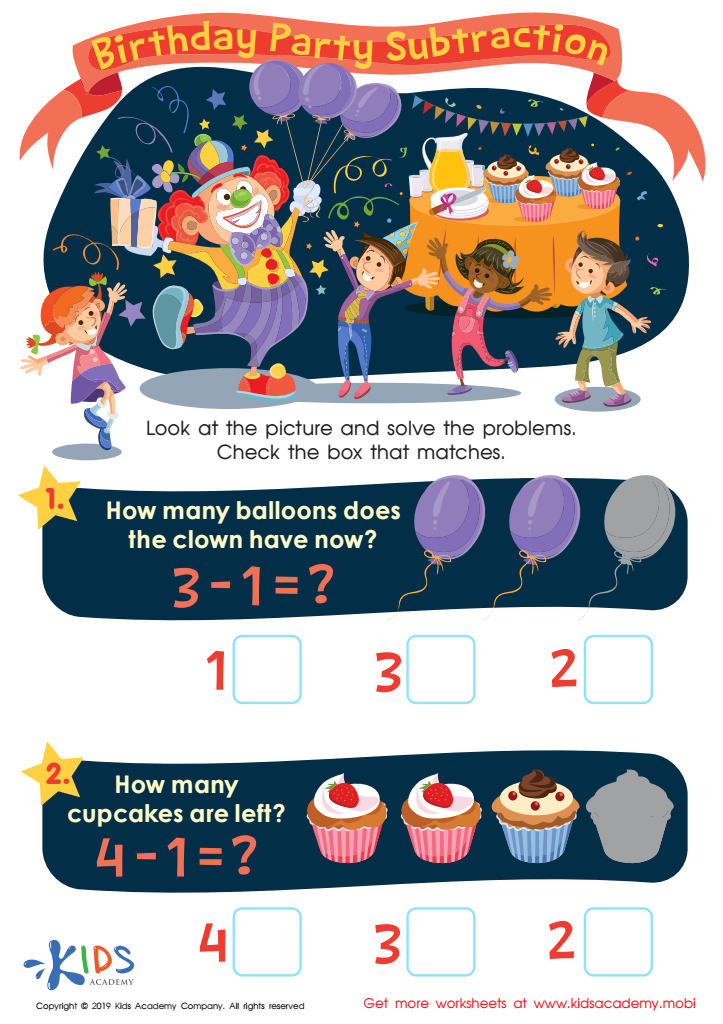
Birthday Party Subtraction Worksheet
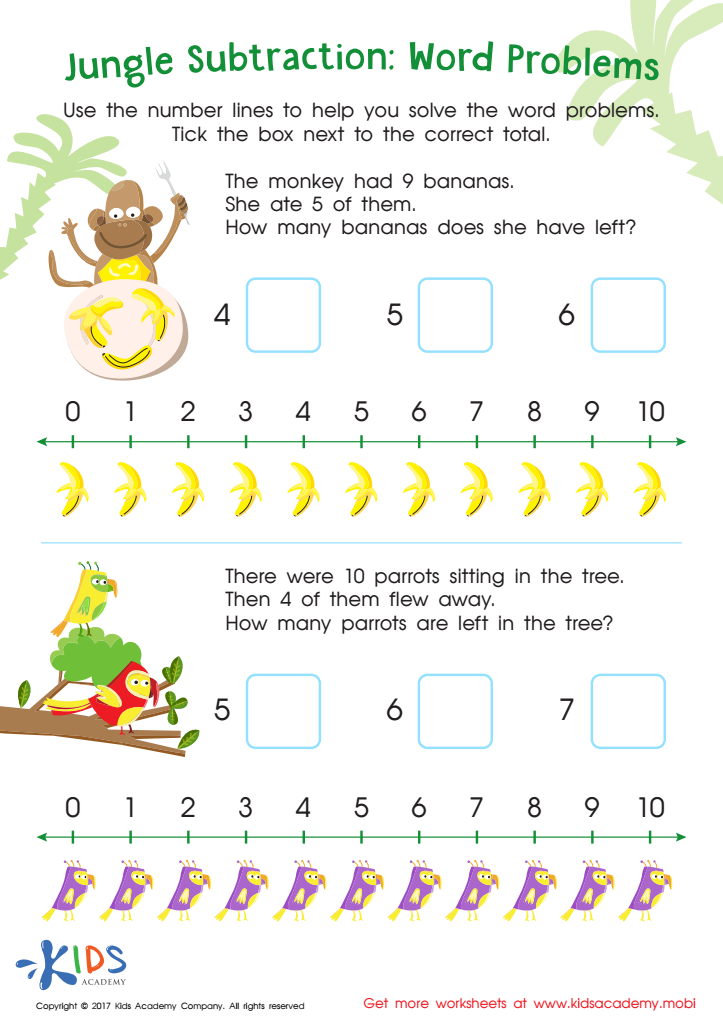
Jungle Subtraction Word Problems Substraction Worksheet
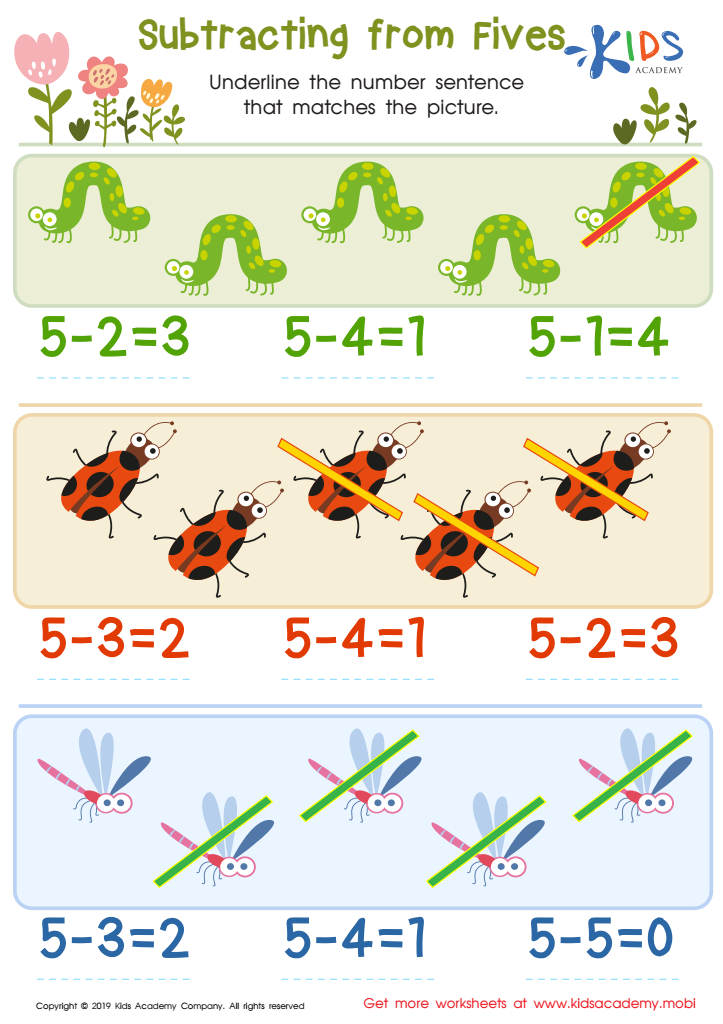
Subtracting From Fives Worksheet








Parents and teachers should prioritize subtraction practice for children aged 3-4 because it lays the groundwork for early mathematical understanding and critical thinking skills. At this age, children are naturally curious and eager to explore numbers, making it an opportune time to introduce foundational concepts.
Subtraction practice promotes cognitive development by helping children understand the relationship between numbers, fostering their ability to recognize that taking away one object from a group leads to a smaller quantity. This understanding is crucial as it connects to everyday situations, enabling kids to make sense of their surroundings.
Engaging children in subtraction activities—through games, songs, and hands-on experiences—also incorporates play-based learning, which is essential for this developmental stage. It enhances fine motor skills and encourages language development as children articulate their thought processes.
Moreover, early subtraction practice instills confidence and a positive attitude towards math. By building a strong foundation now, parents and teachers can help reduce future math anxiety and set children up for success in more complex mathematical concepts as they grow. Ultimately, nurturing a child's mathematical skills at this age fosters lifelong learning and empowerment, aiding in their overall academic journey.








