Addition Practice Addition Worksheets for Ages 3-4 - Page 2
70 filtered results
-
From - To
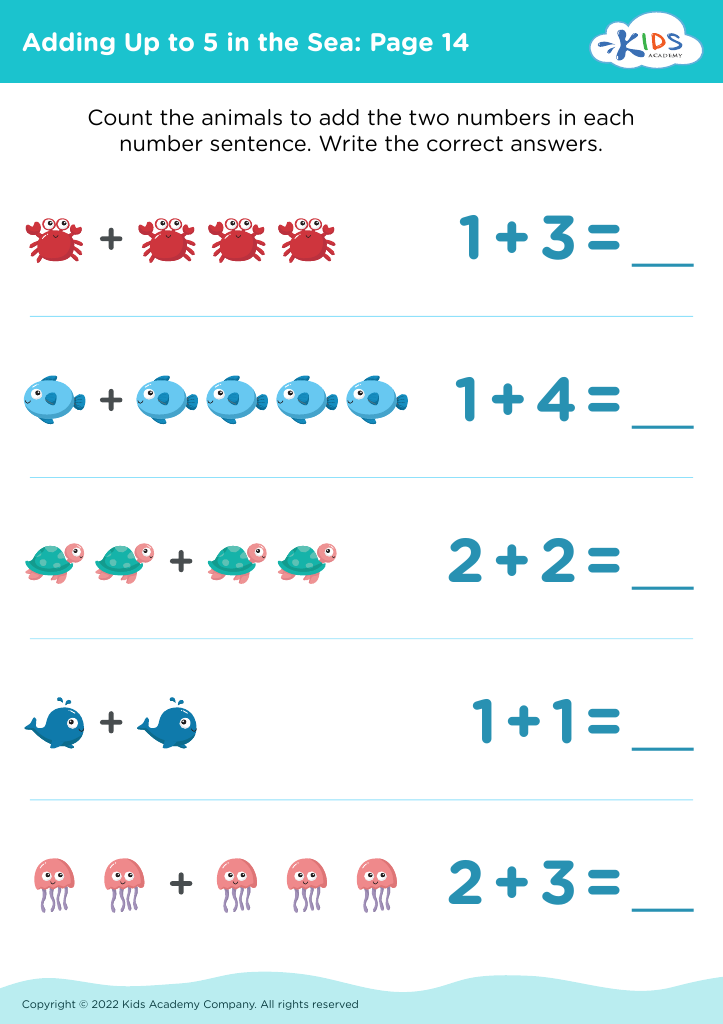
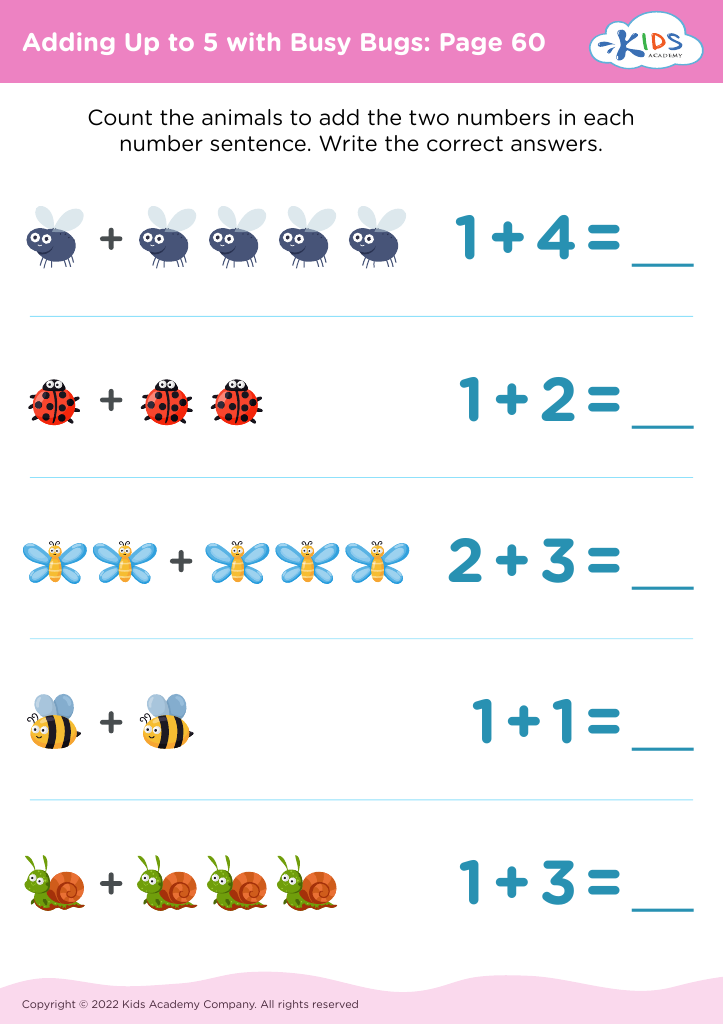
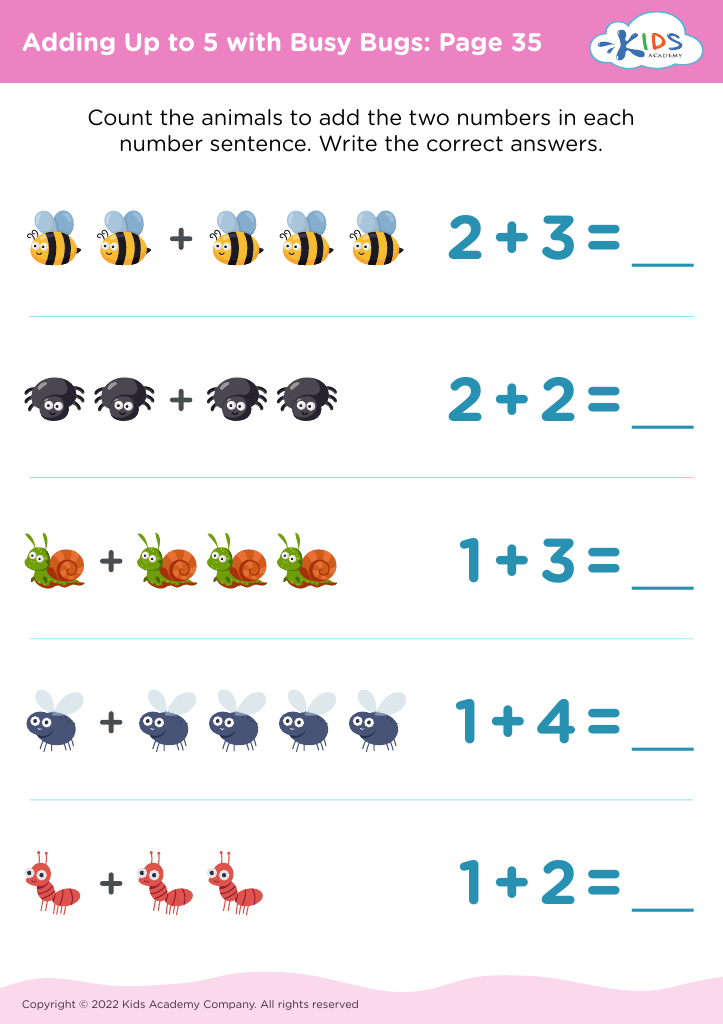
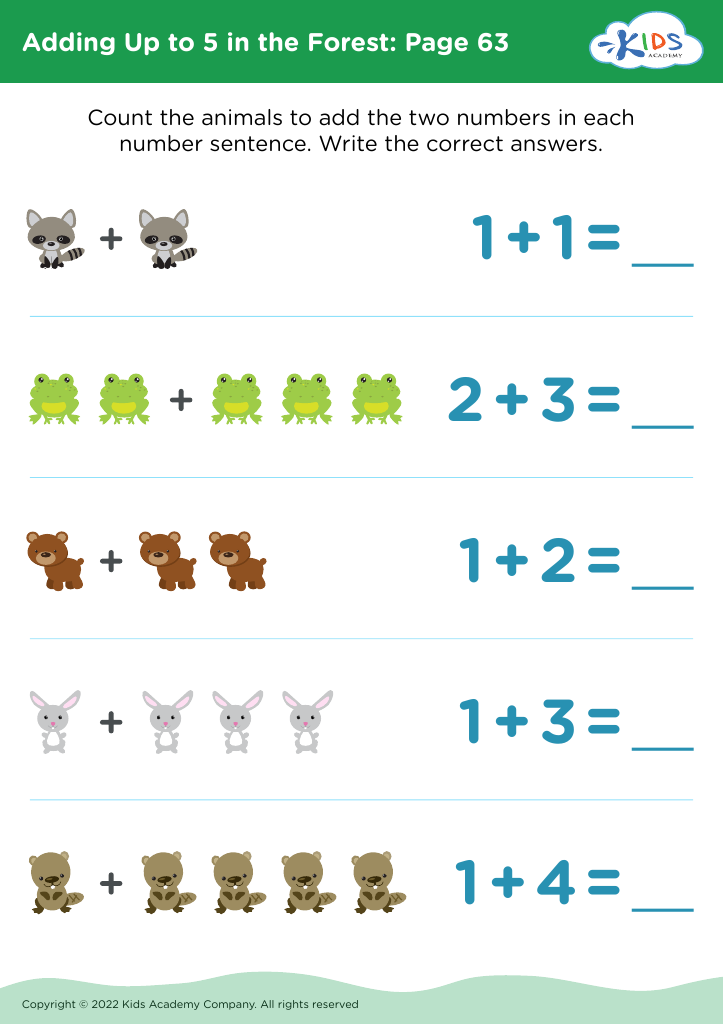
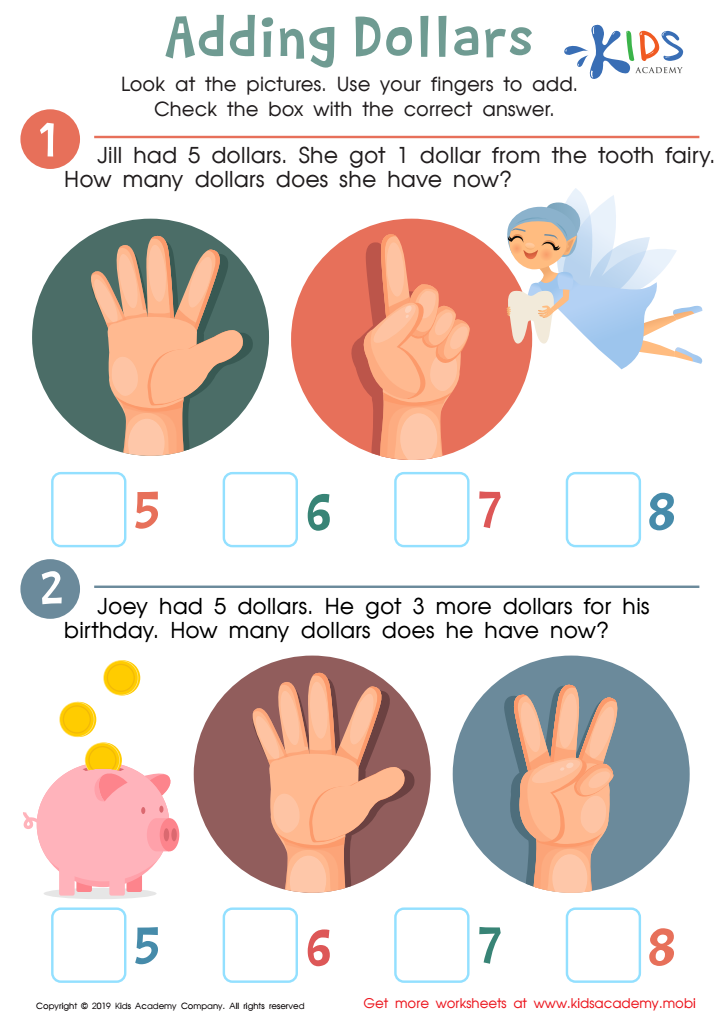
Tooth Fairy Addition Worksheet
 Assign to My Students
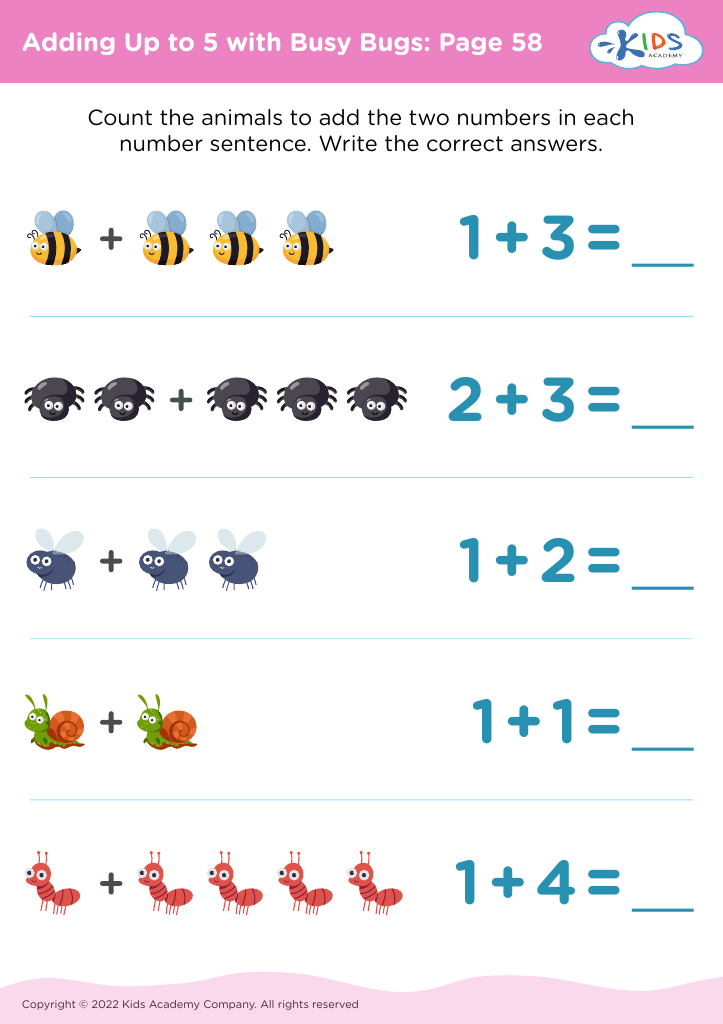
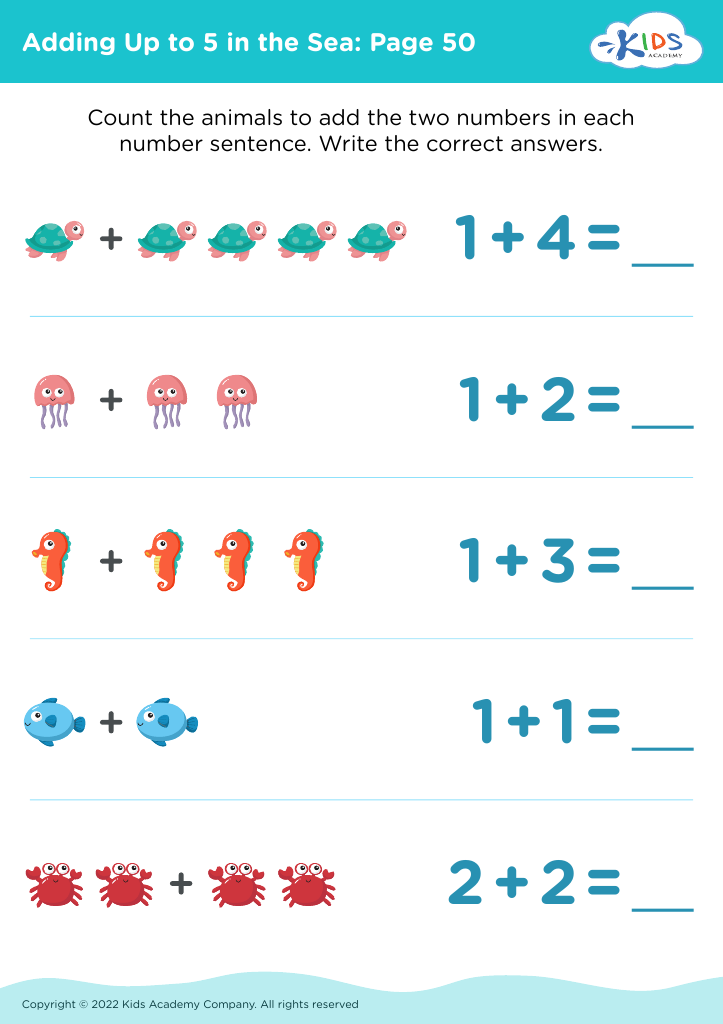
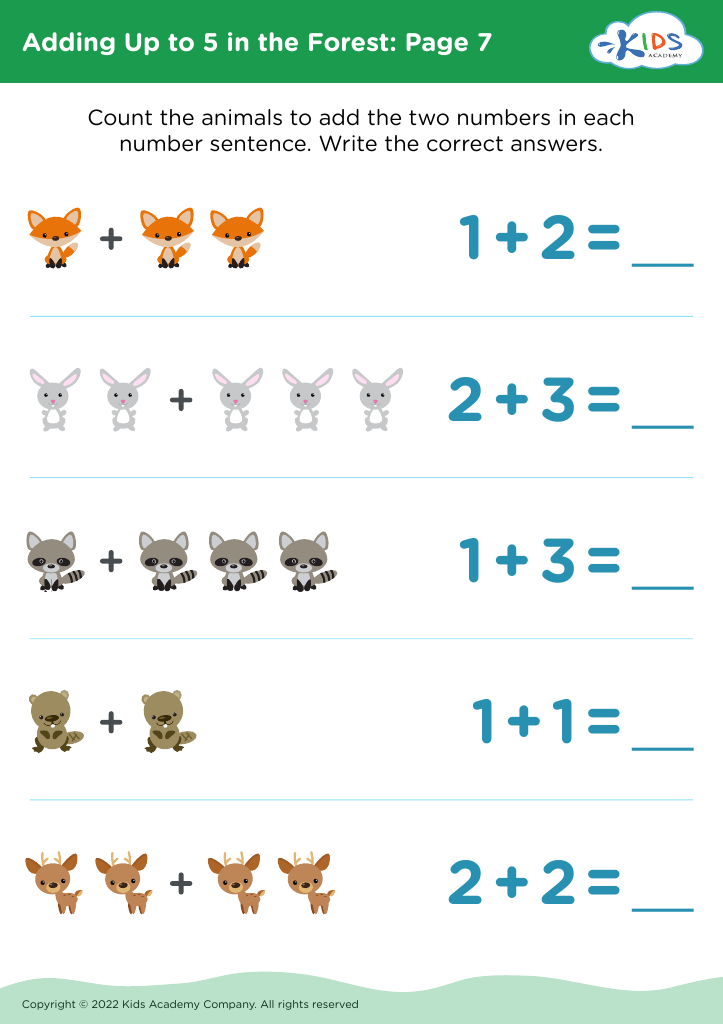
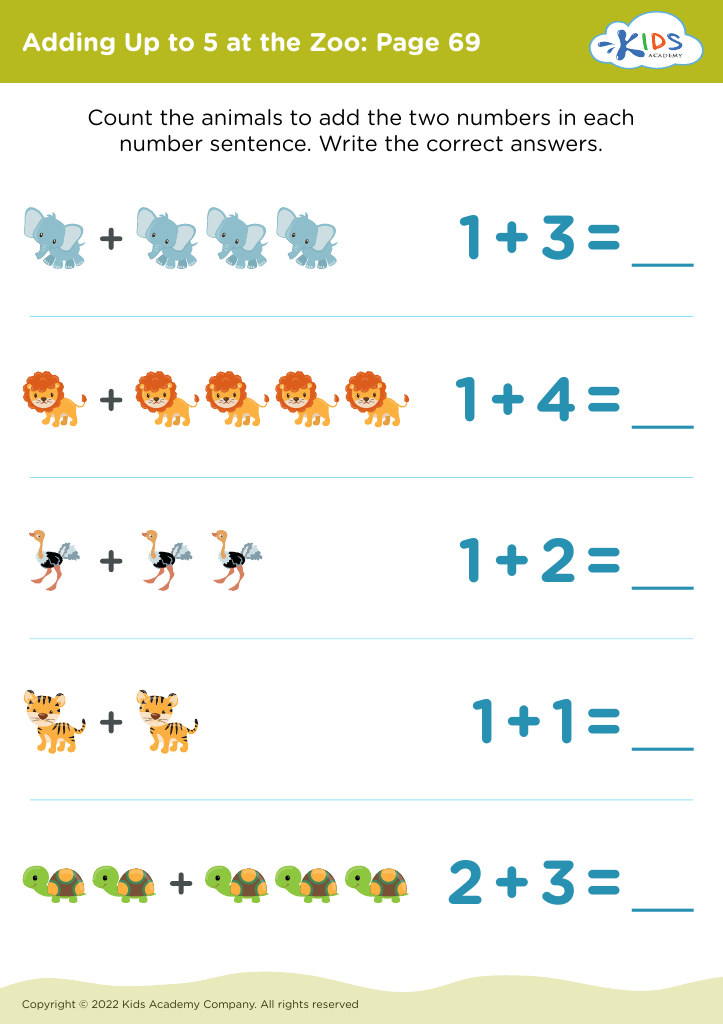
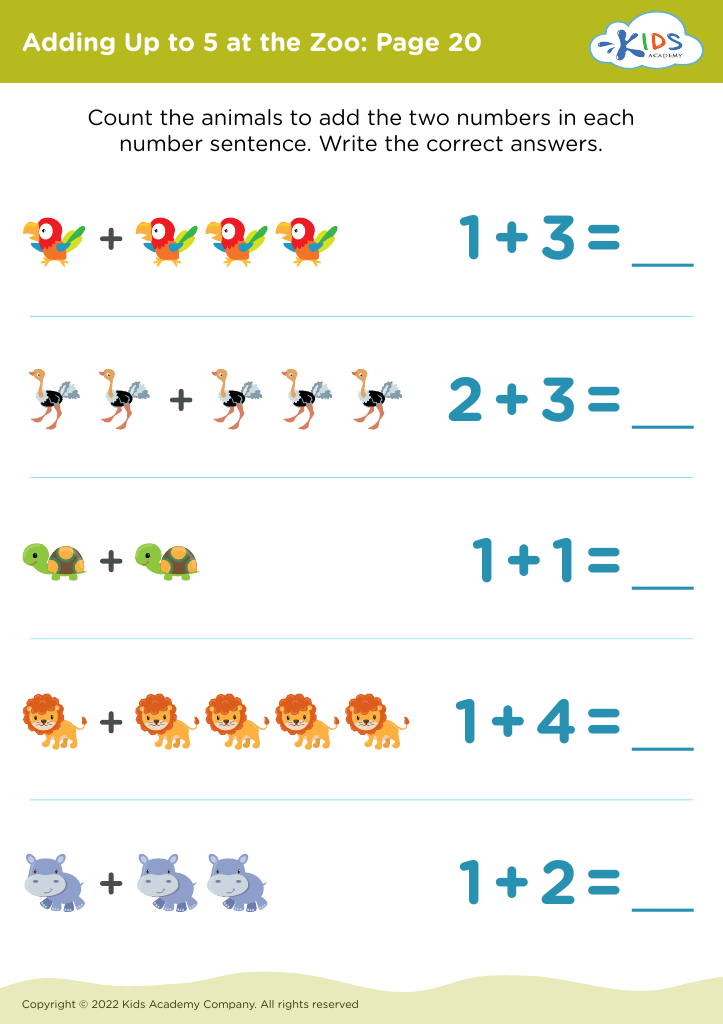
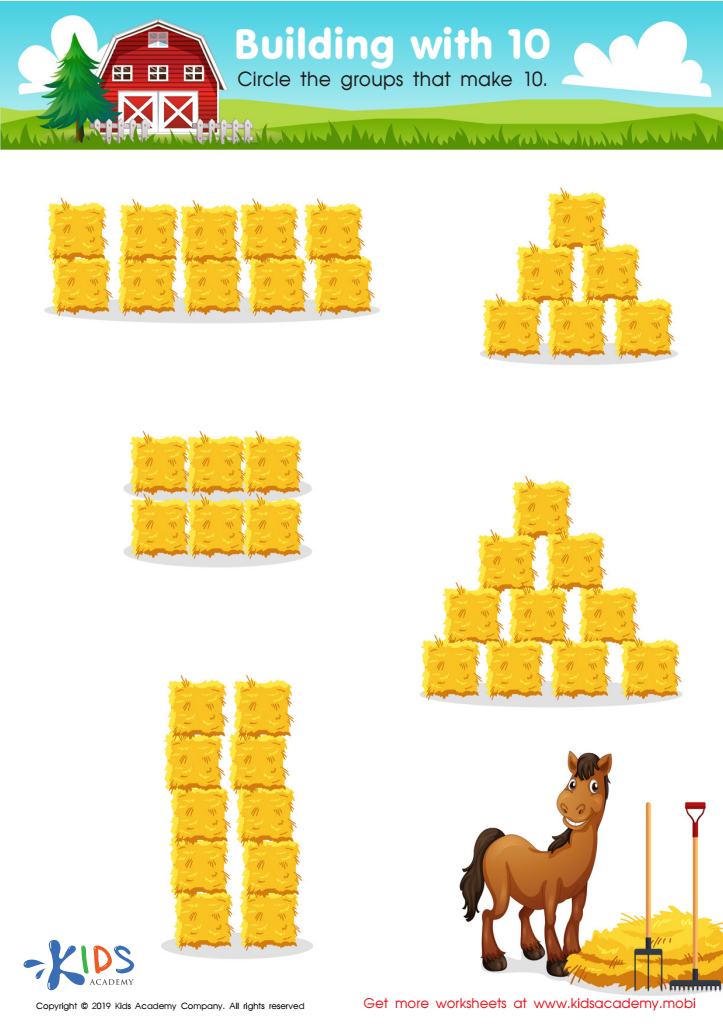
Building with 10 Worksheet
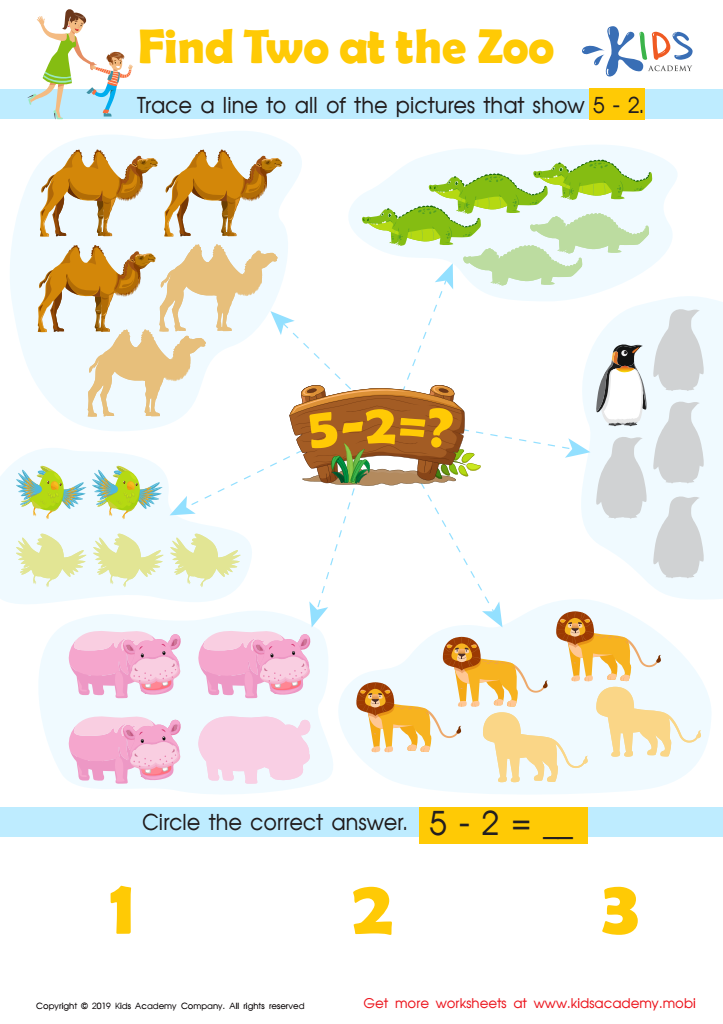
Find Two at the Zoo Worksheet
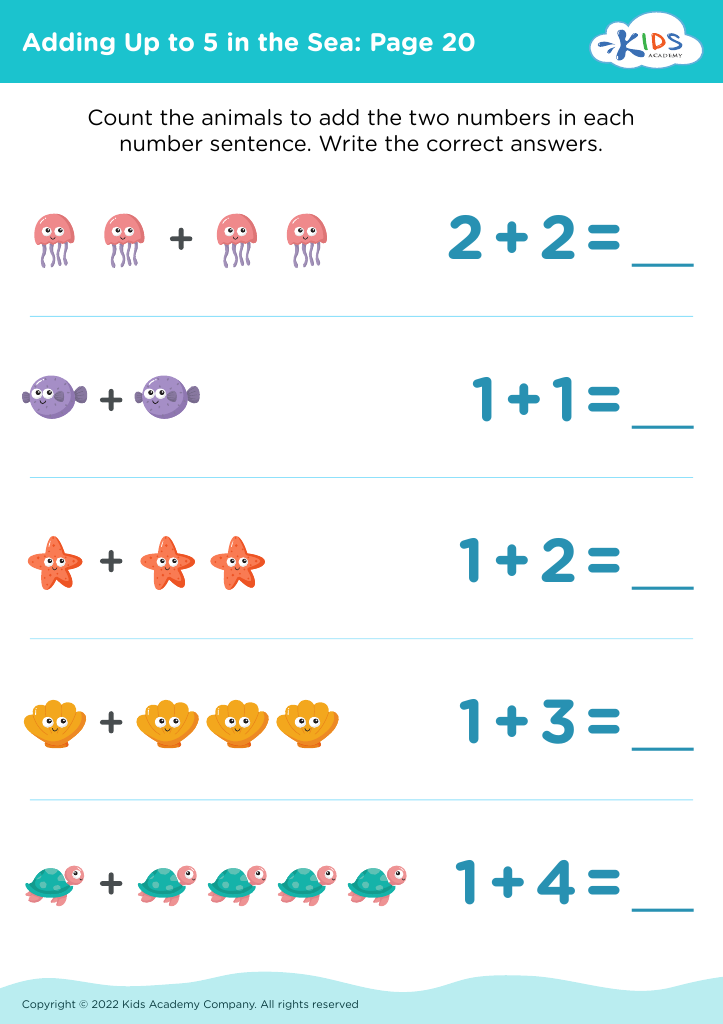
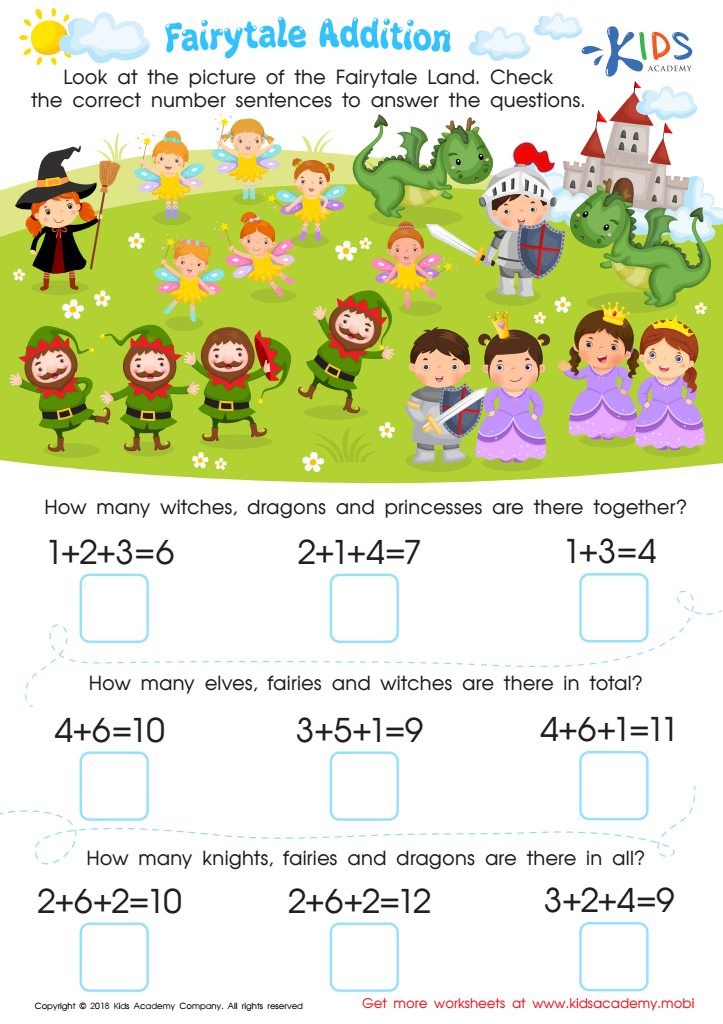
Fairytale Addition Worksheet
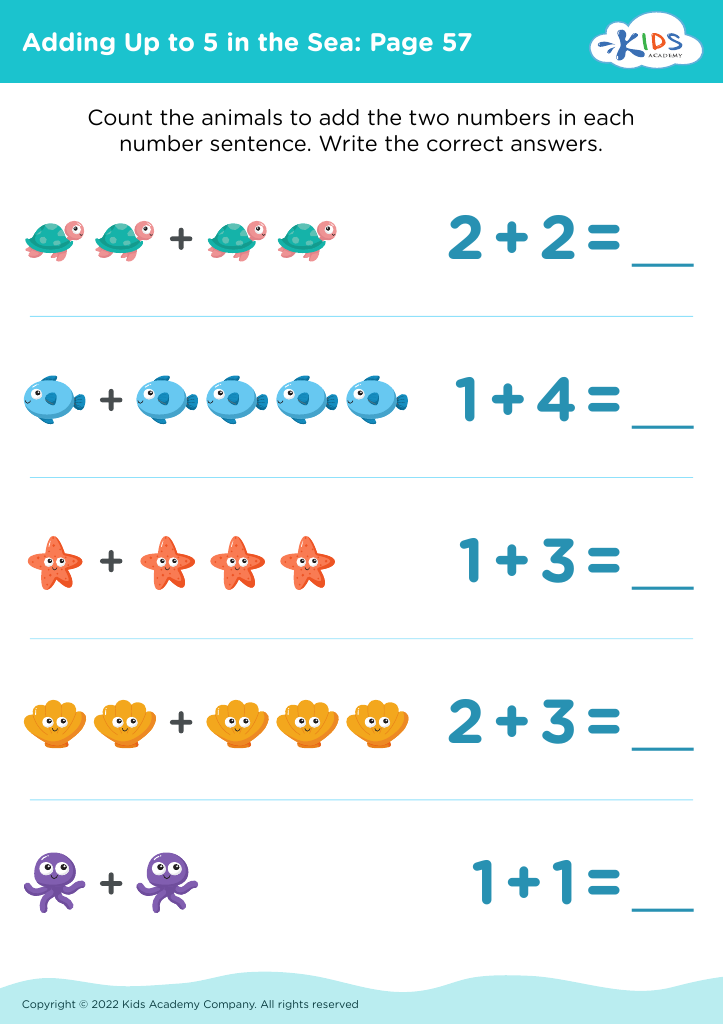
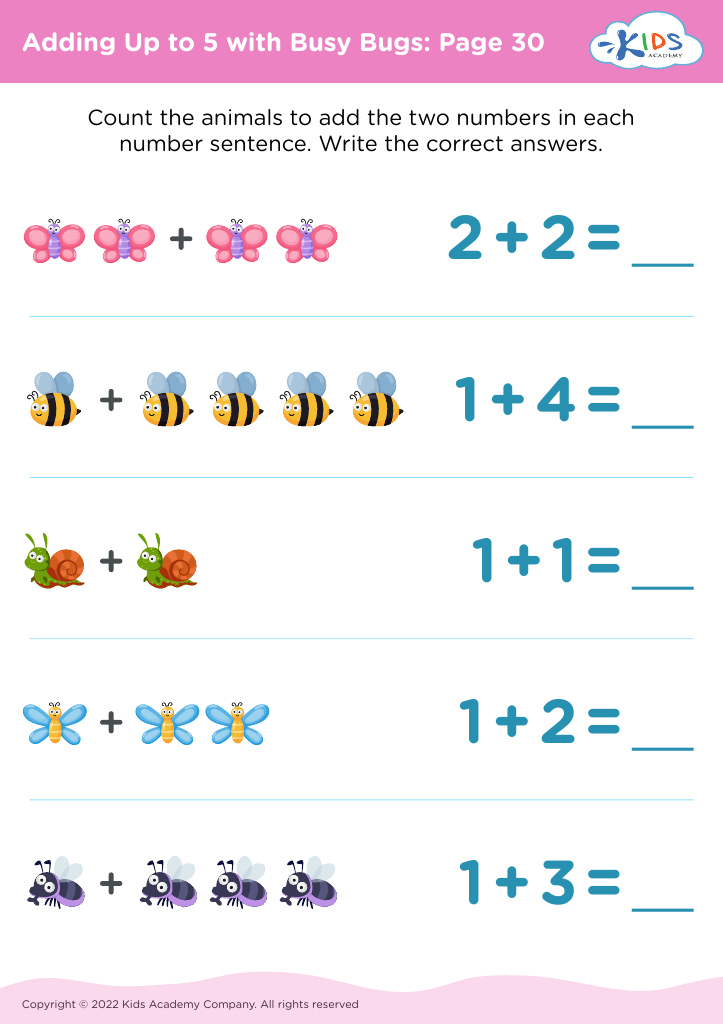
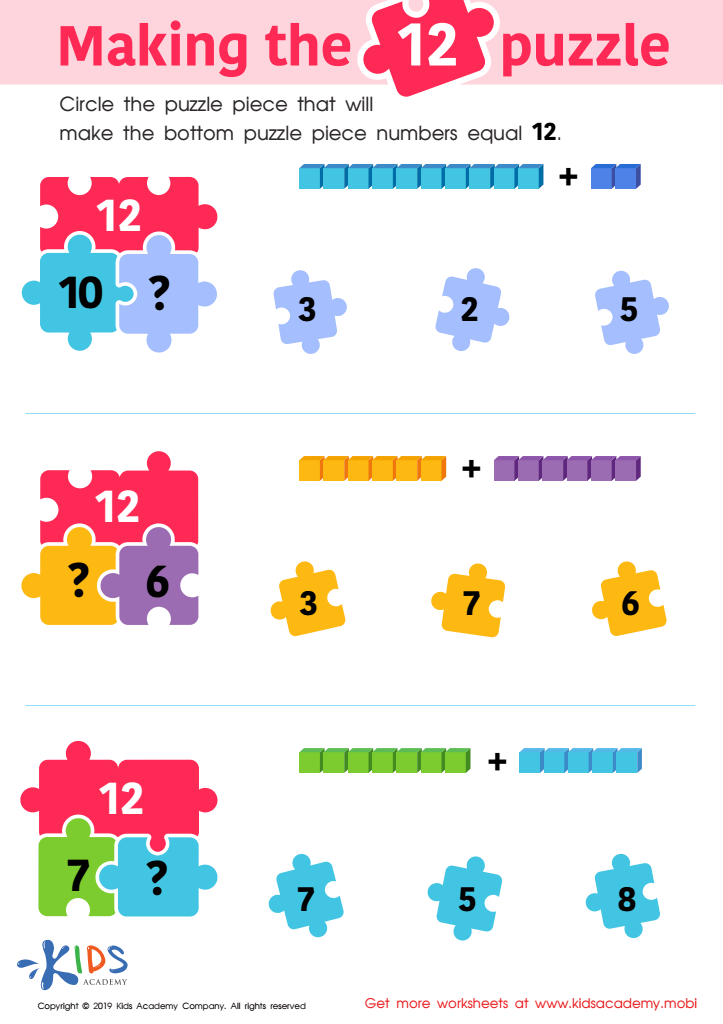
Making the 12 Puzzle Worksheet
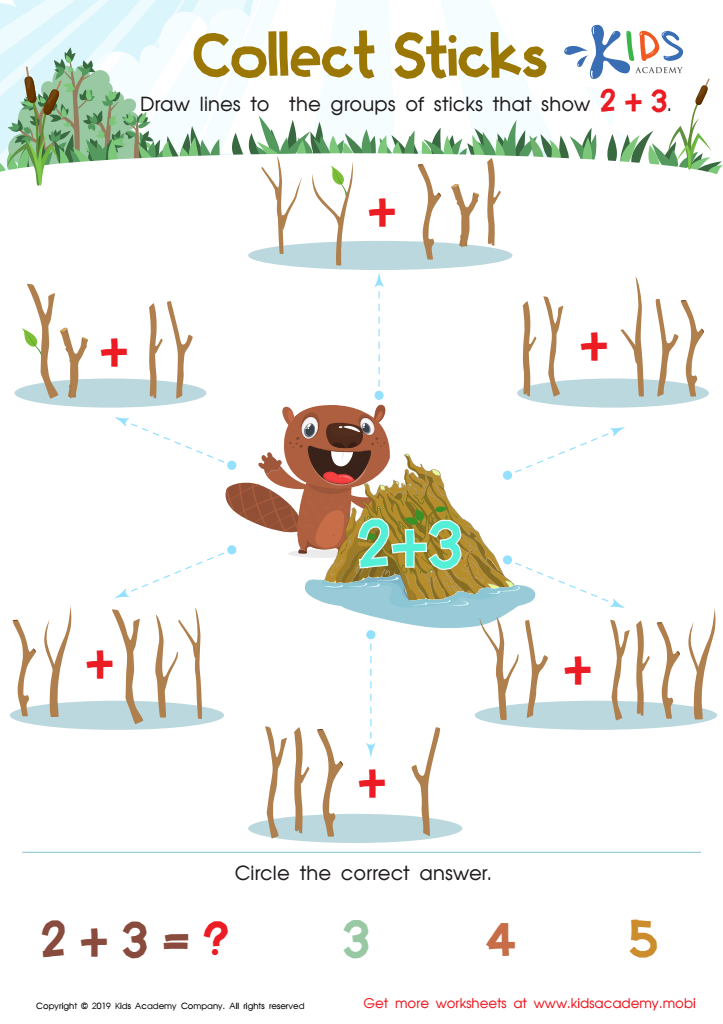
Collect Sticks Worksheet
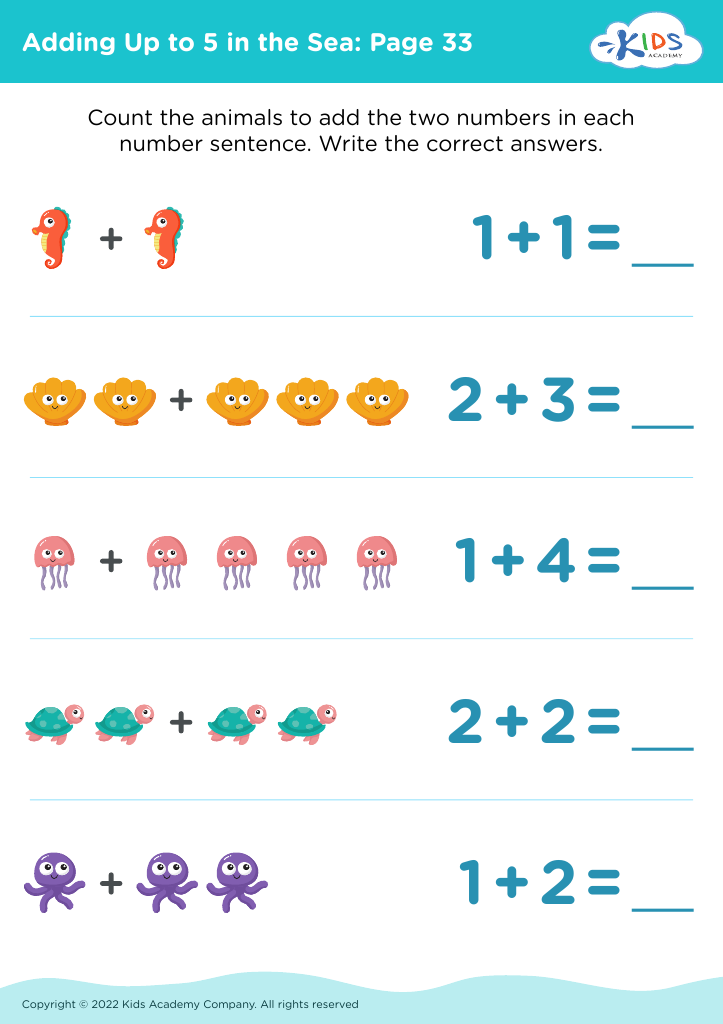
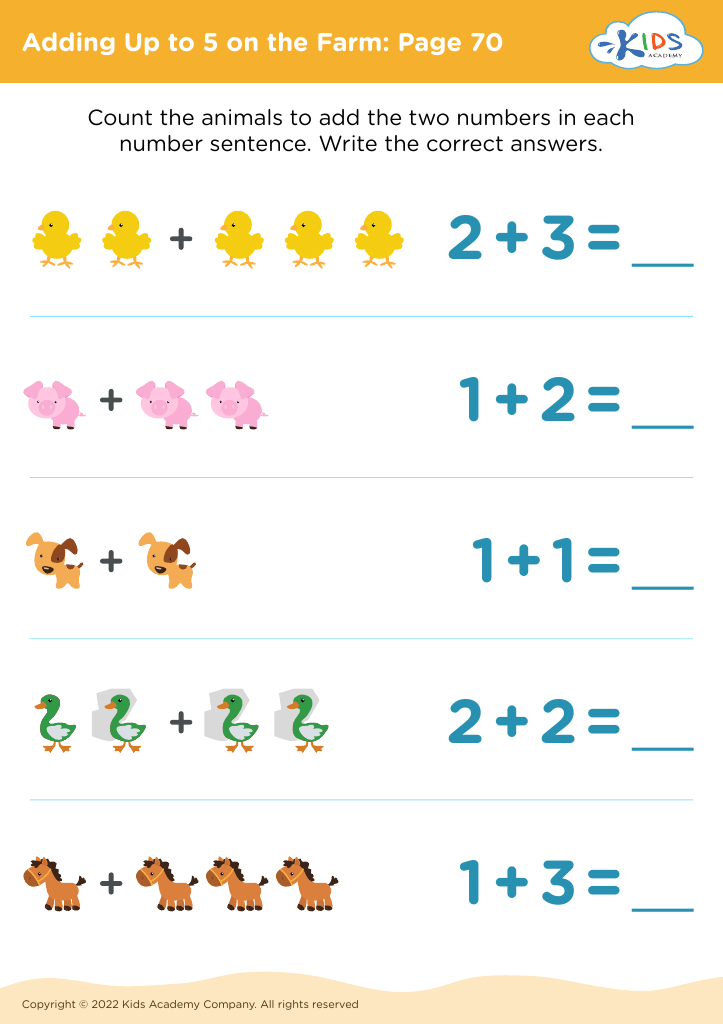
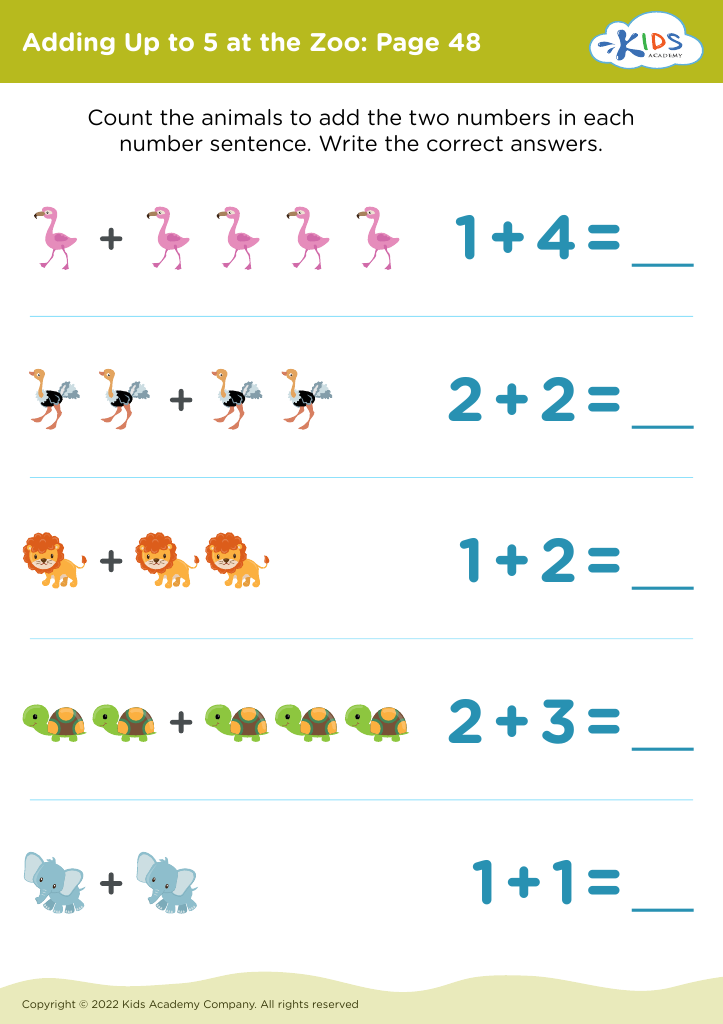
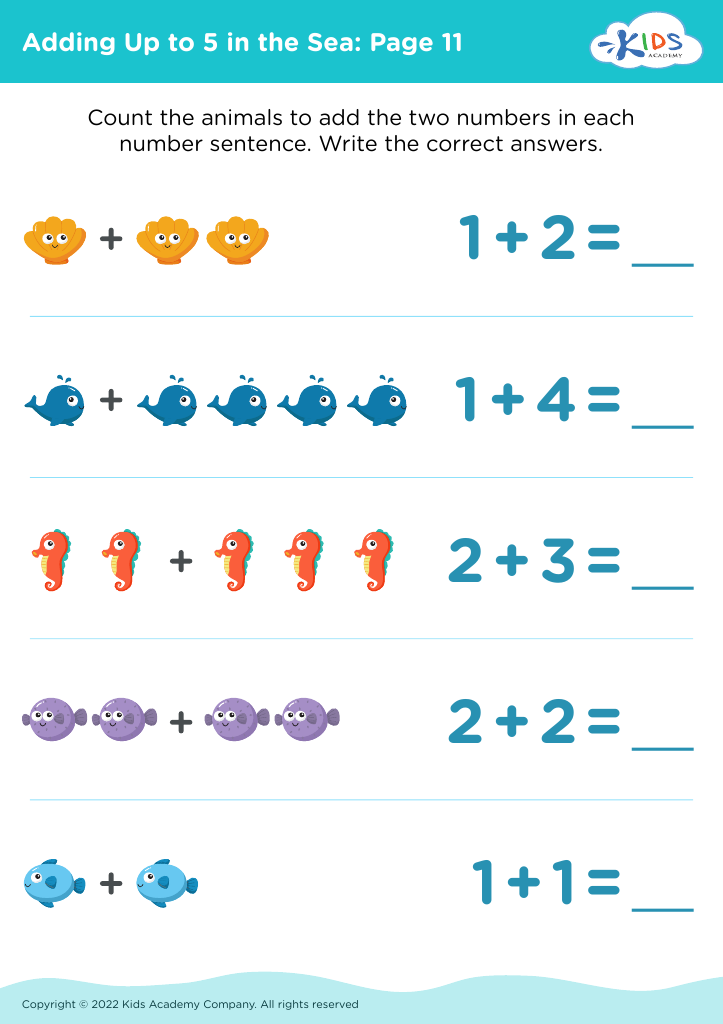
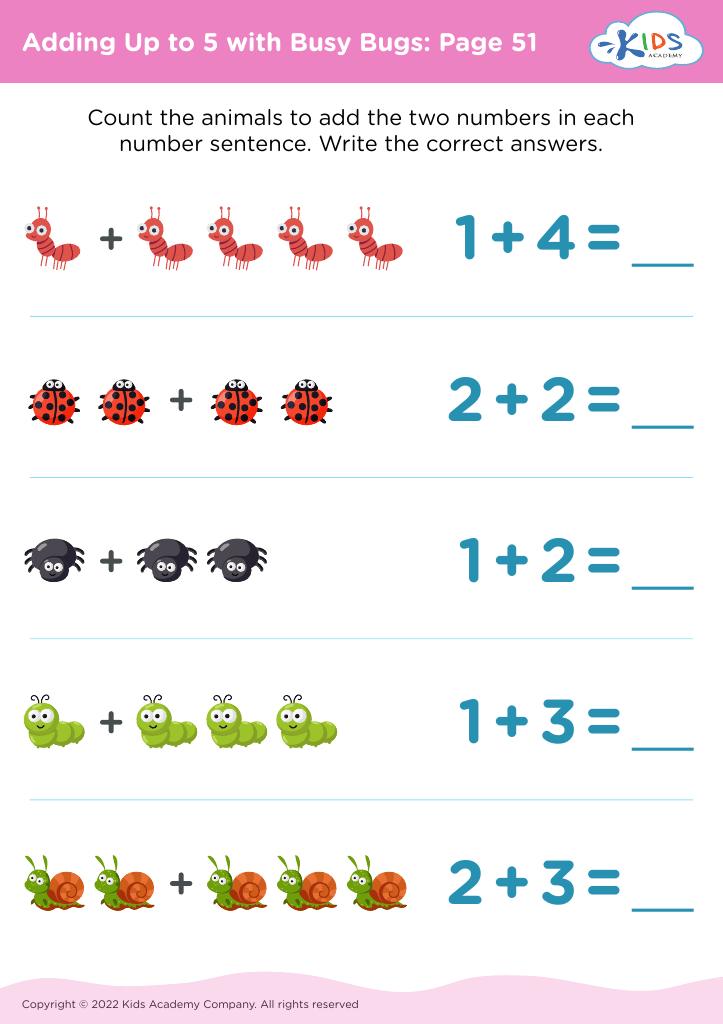








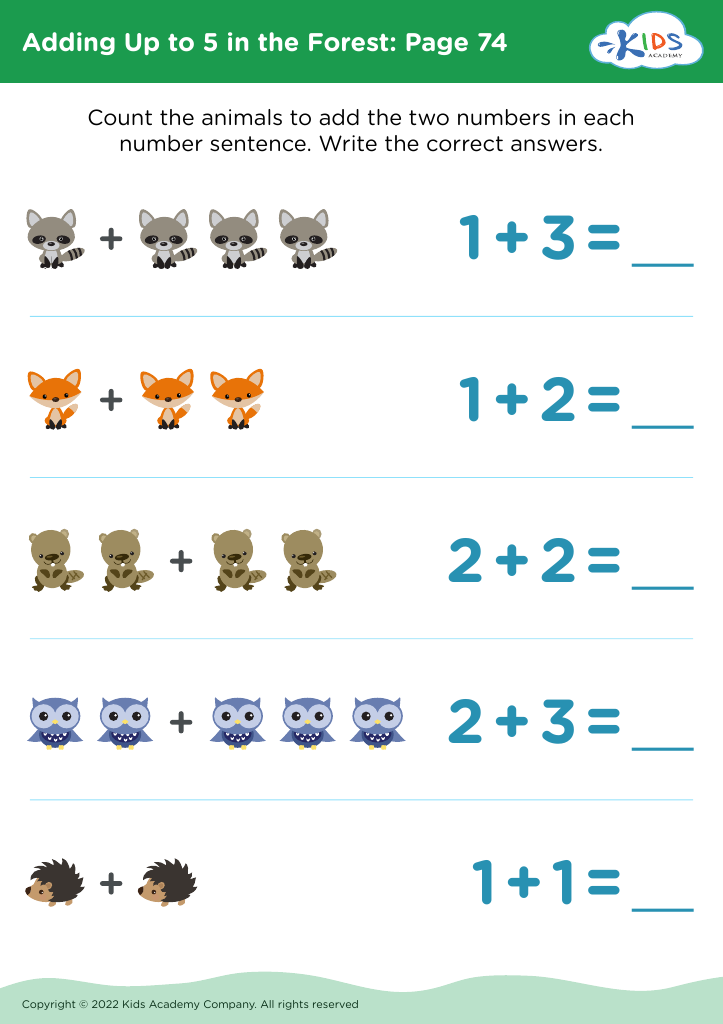
Addition practice for ages 3-4 is crucial for laying a strong mathematical foundation in young children. At this age, kids are like sponges, eagerly absorbing knowledge and skills that will serve them throughout their academic journeys. Engaging children in simple addition activities can enhance their problem-solving abilities and cognitive development. It helps them understand basic concepts of quantity and improve their number recognition, setting the stage for more complex mathematics later on.
Furthermore, early exposure to addition fosters a love for learning. Incorporating playful methods, such as counting objects or using connecting toys, can make mathematics fun. This not only encourages children to enjoy numbers but also boosts their confidence, making them more likely to embrace math challenges in the future.
Moreover, addition practice can be seamlessly integrated into daily routines, transforming mundane activities into learning opportunities. For instance, counting snacks or toys can make addition relatable and engaging. By prioritizing early math skills, parents and teachers can equip children with essential tools for academic success, ensuring they develop a solid grasp of concepts that will serve as a stepping stone for future learning. Thus, fostering early addition skills is vital for holistic child development.








