Check out this FREE Trial Lesson on Addition for age 3-4!

T

Favorites
With answer key
Interactive
  • 3-4
  • Visual Learning
  • Addition
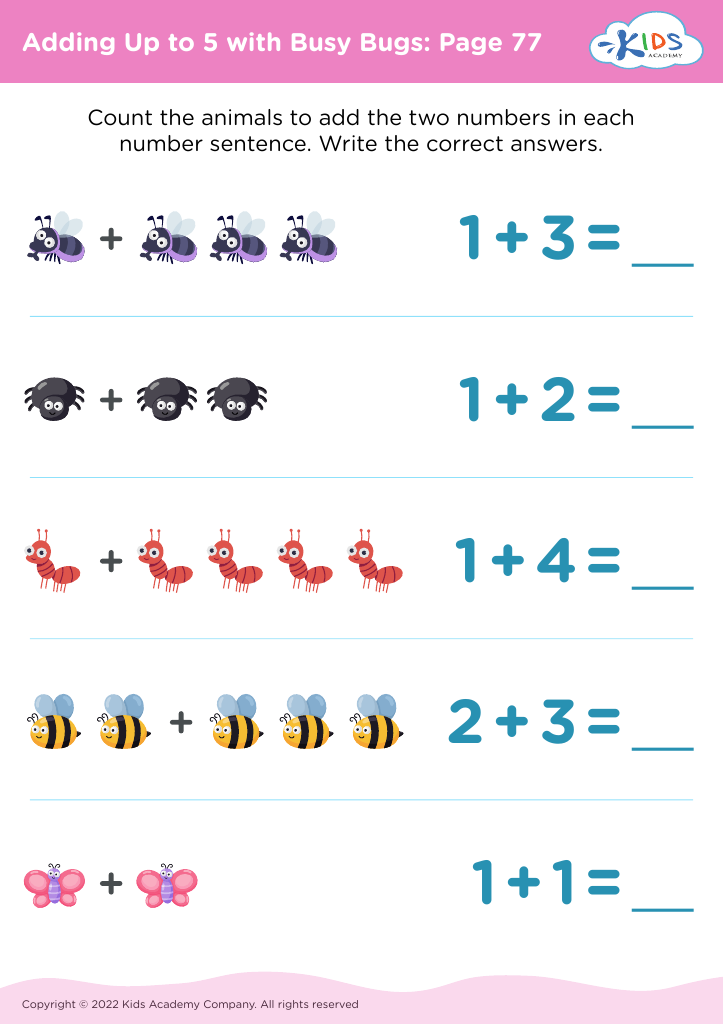
Adding Up to 5 with Busy Bugs: Page 77
Worksheet
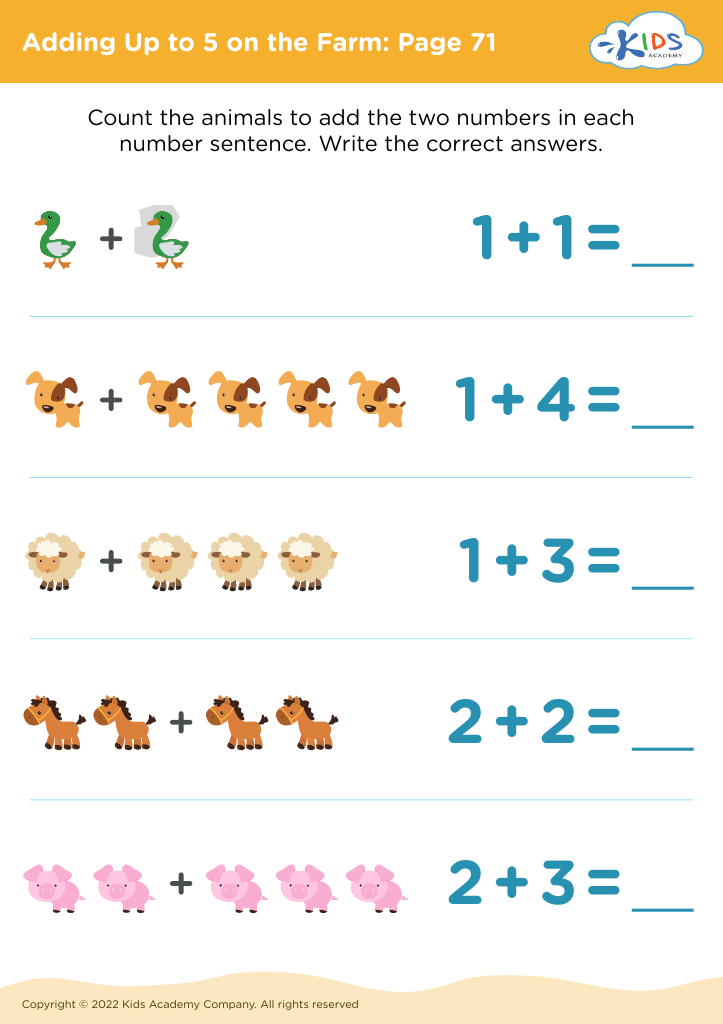
Adding Up to 5 on the Farm: Page 71
Worksheet
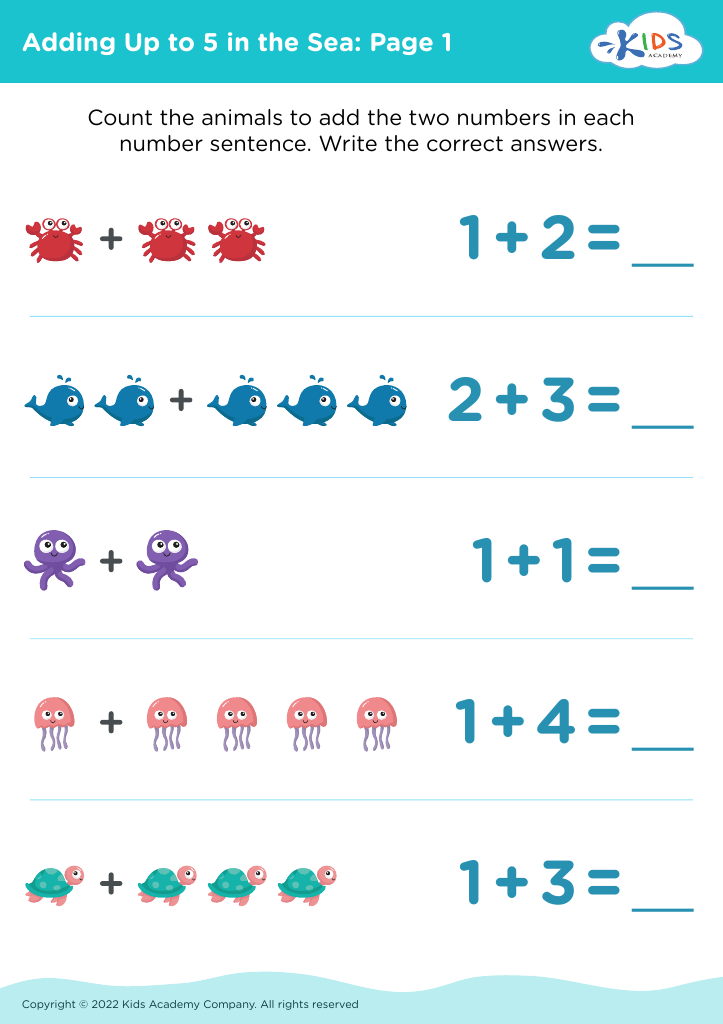
Adding Up to 5 in the Sea: Page 1

Adding Up to 5 in the Sea: Page 1

Adding Up to 5 in the Sea: Page 1
Worksheet
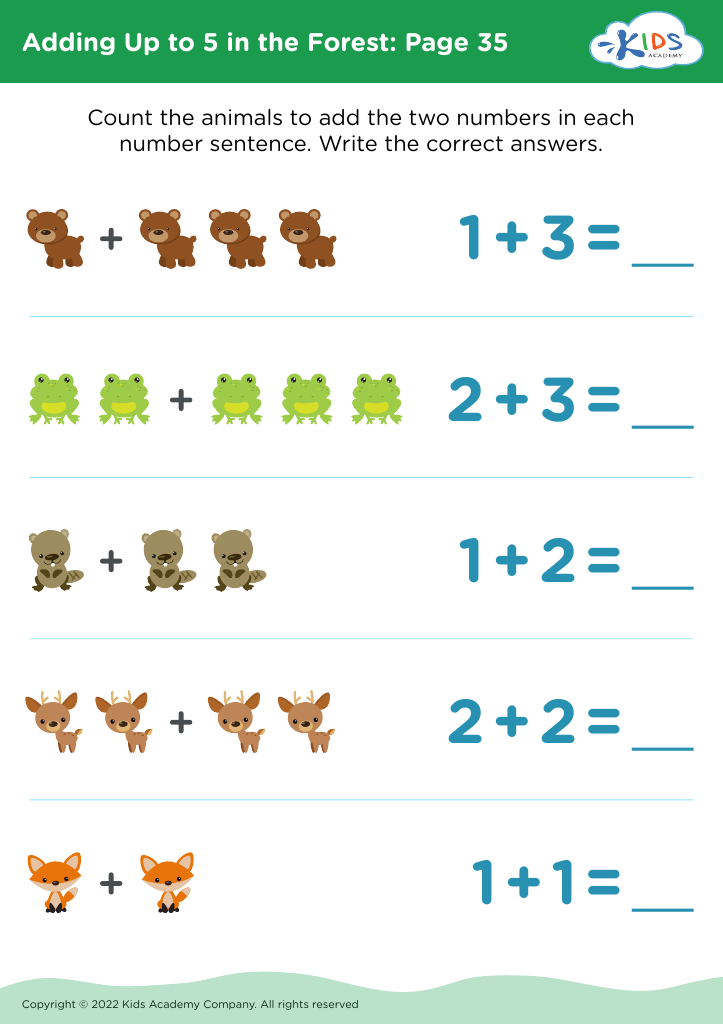
Adding Up to 5 in the Forest: Page 35
Worksheet
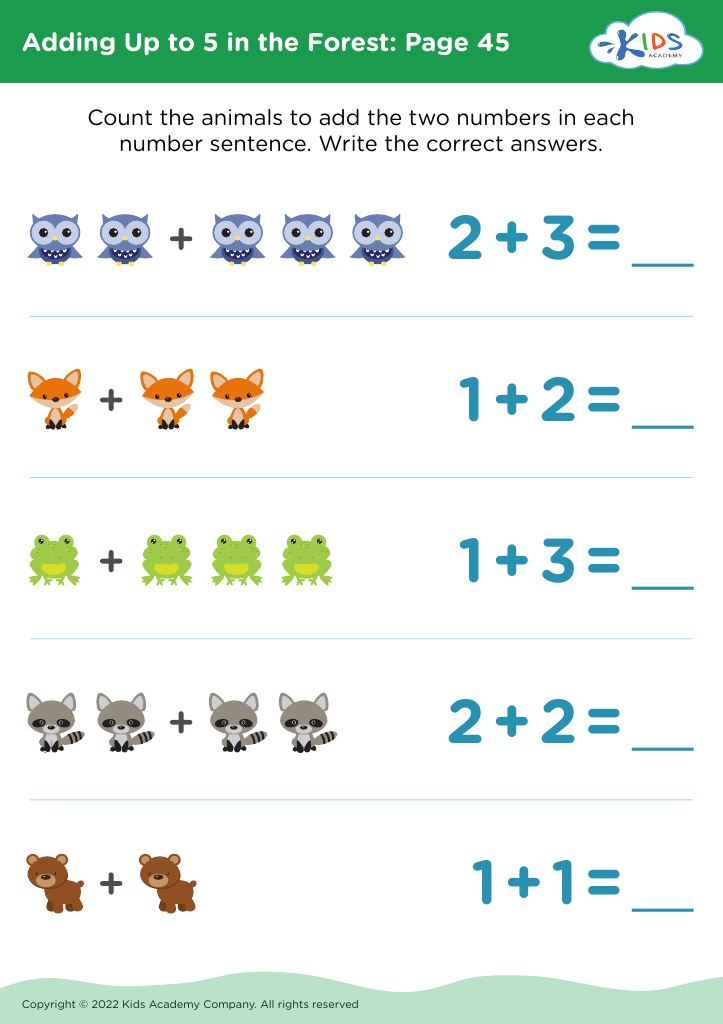
Adding Up to 5 in the Forest: Page 45
Worksheet
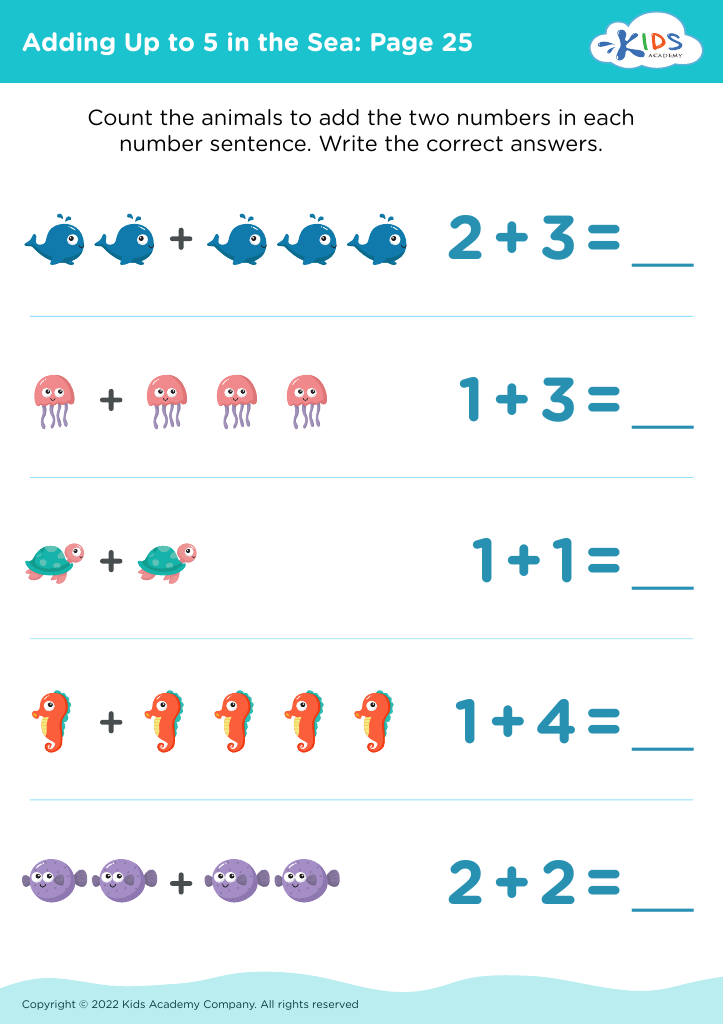
Adding Up to 5 in the Sea: Page 25
Worksheet
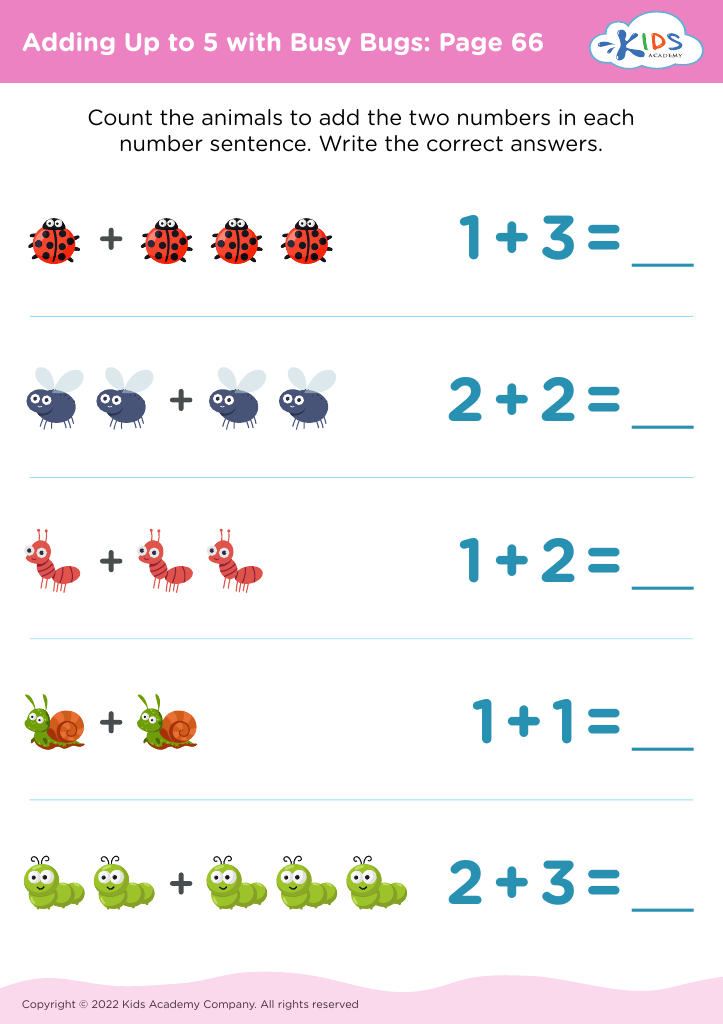
Adding Up to 5 with Busy Bugs: Page 66
Worksheet
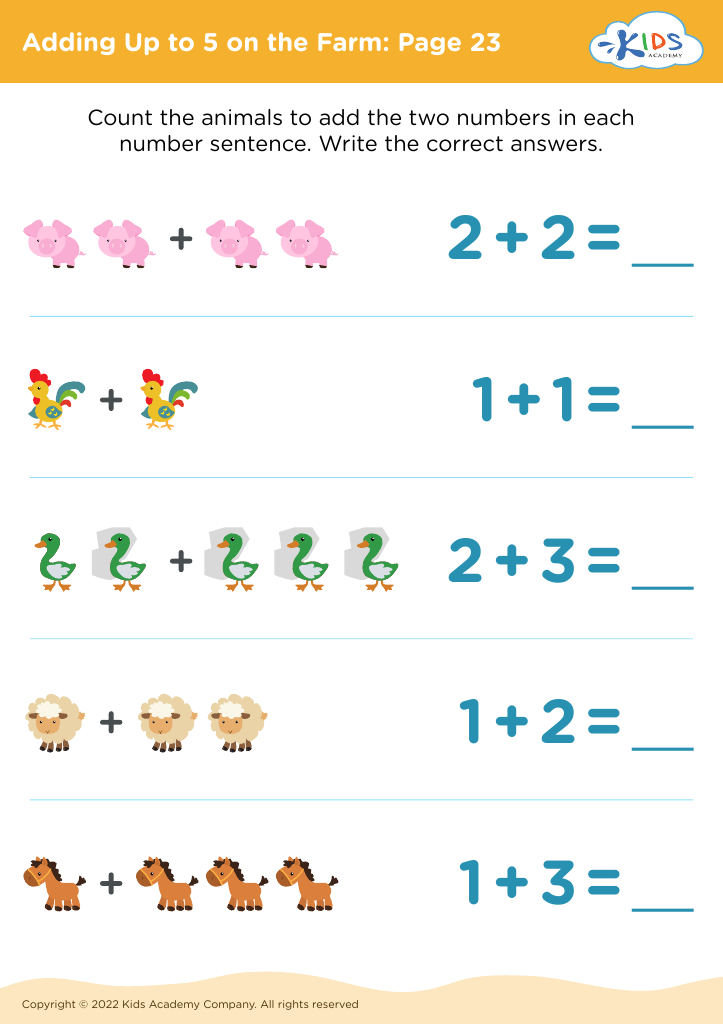
Adding Up to 5 on the Farm: Page 23
Worksheet
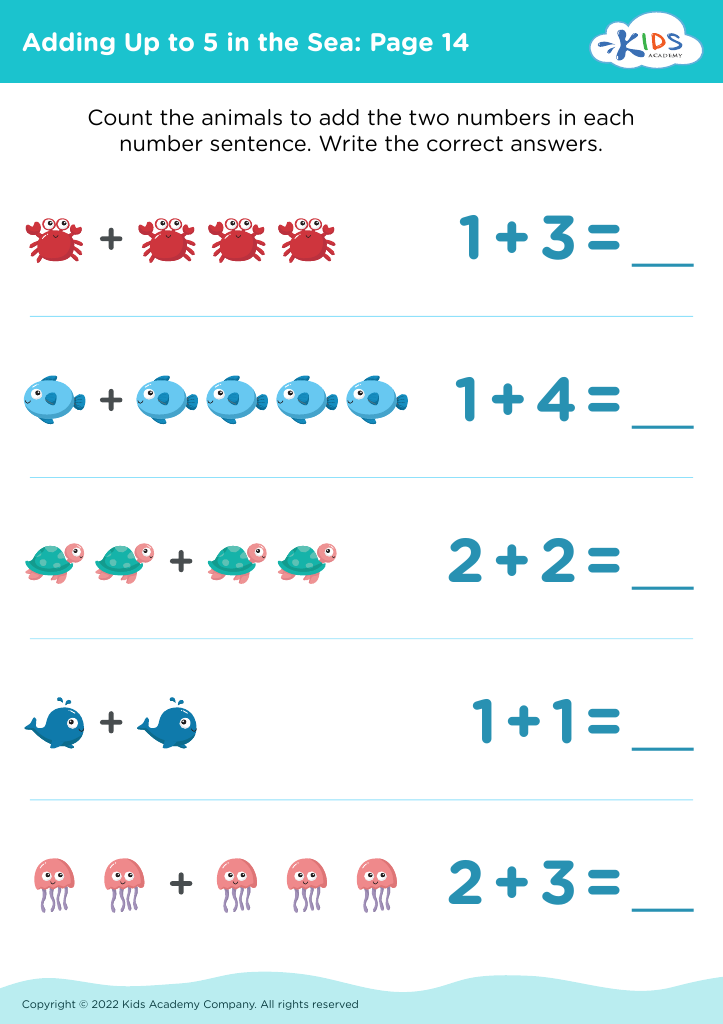
Adding Up to 5 in the Sea: Page 14
Worksheet
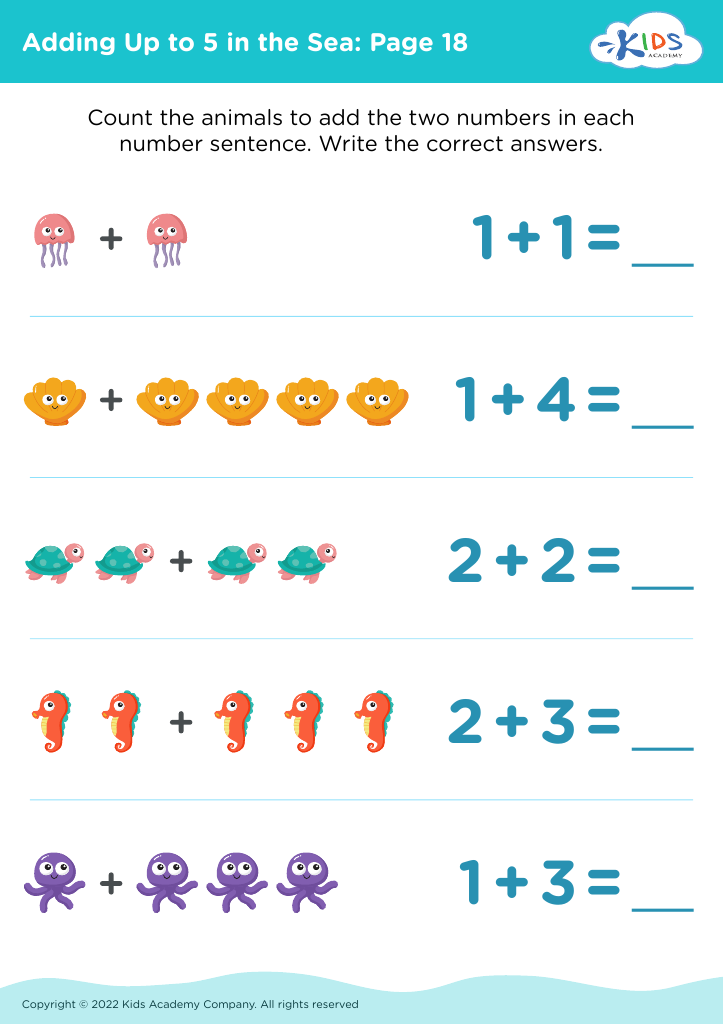
Adding Up to 5 in the Sea: Page 18
Worksheet
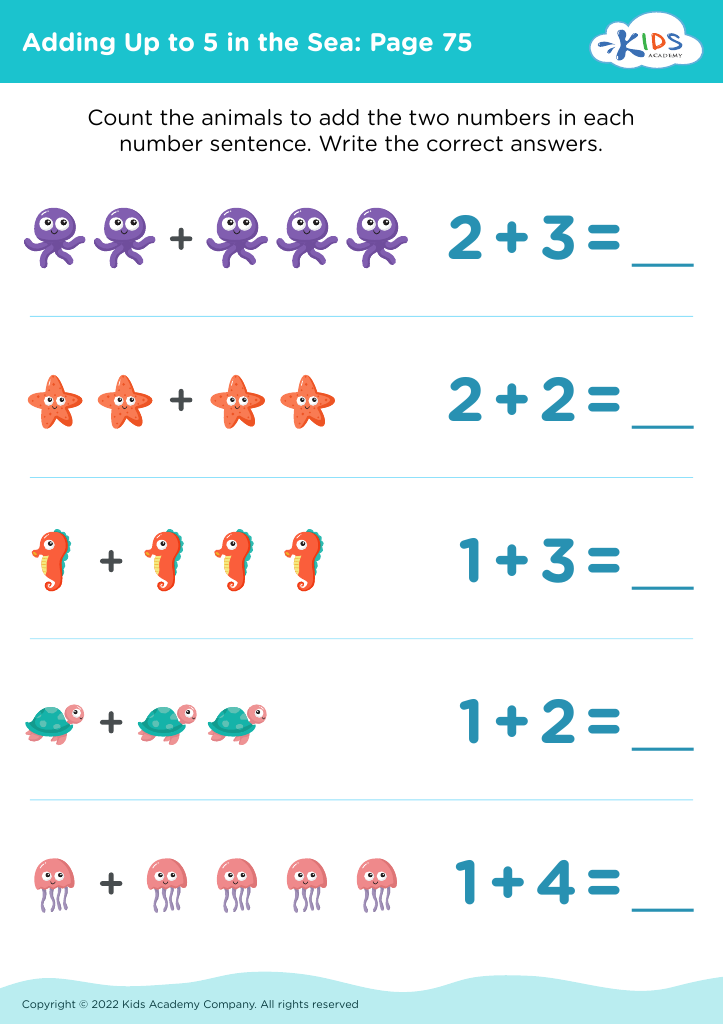
Adding Up to 5 in the Sea: Page 75
Worksheet
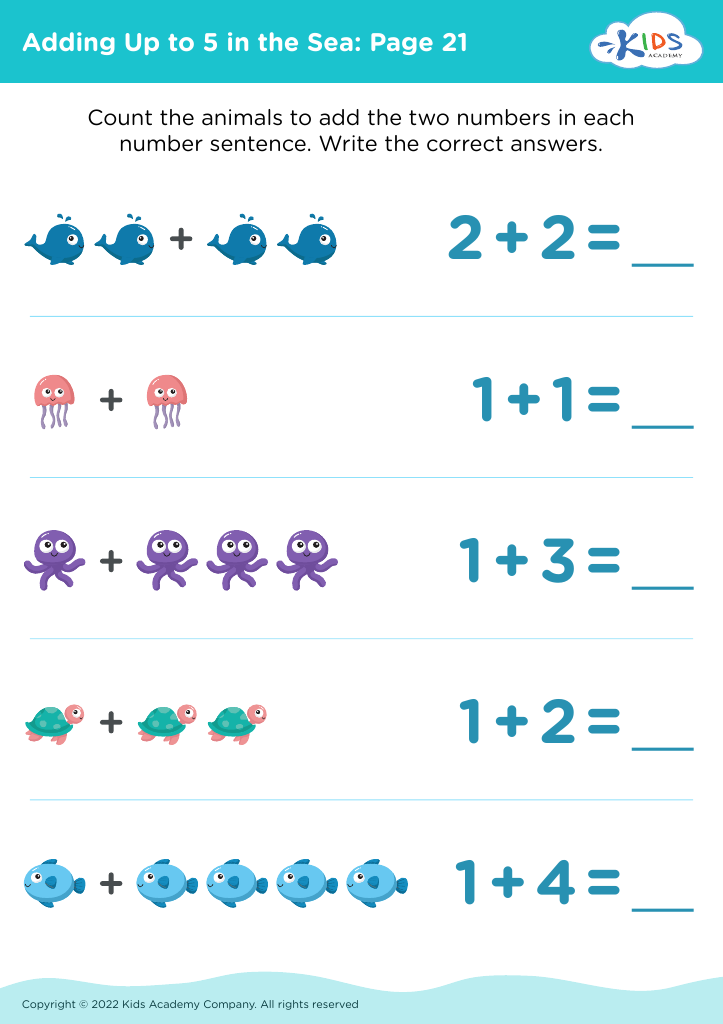
Adding Up to 5 in the Sea: Page 21
Worksheet
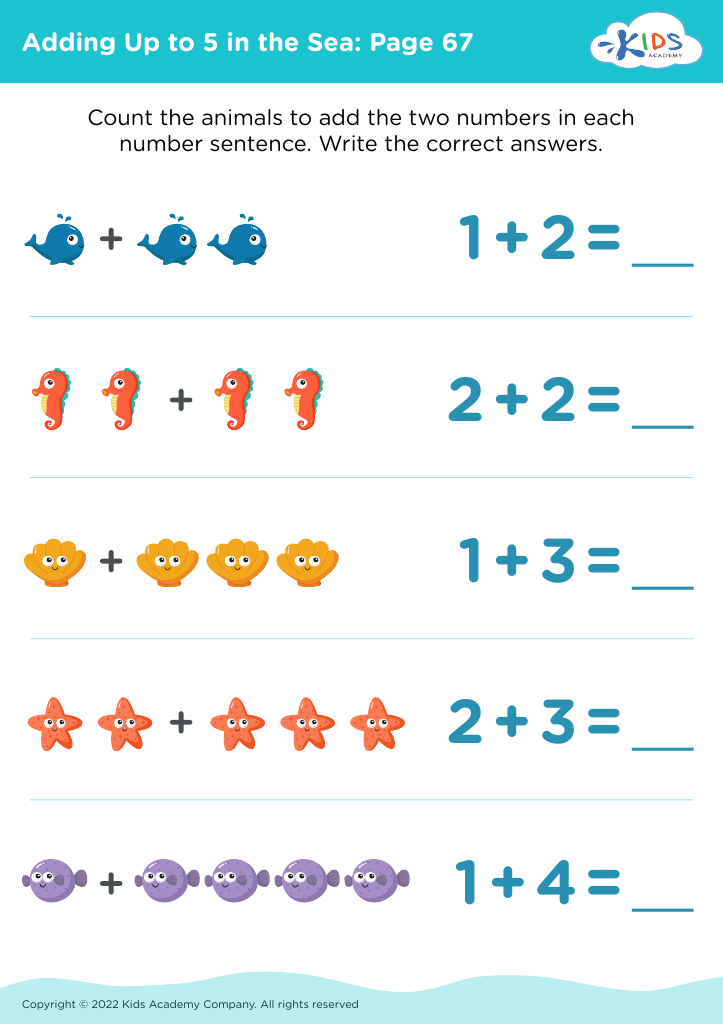
Adding Up to 5 in the Sea: Page 67
Worksheet
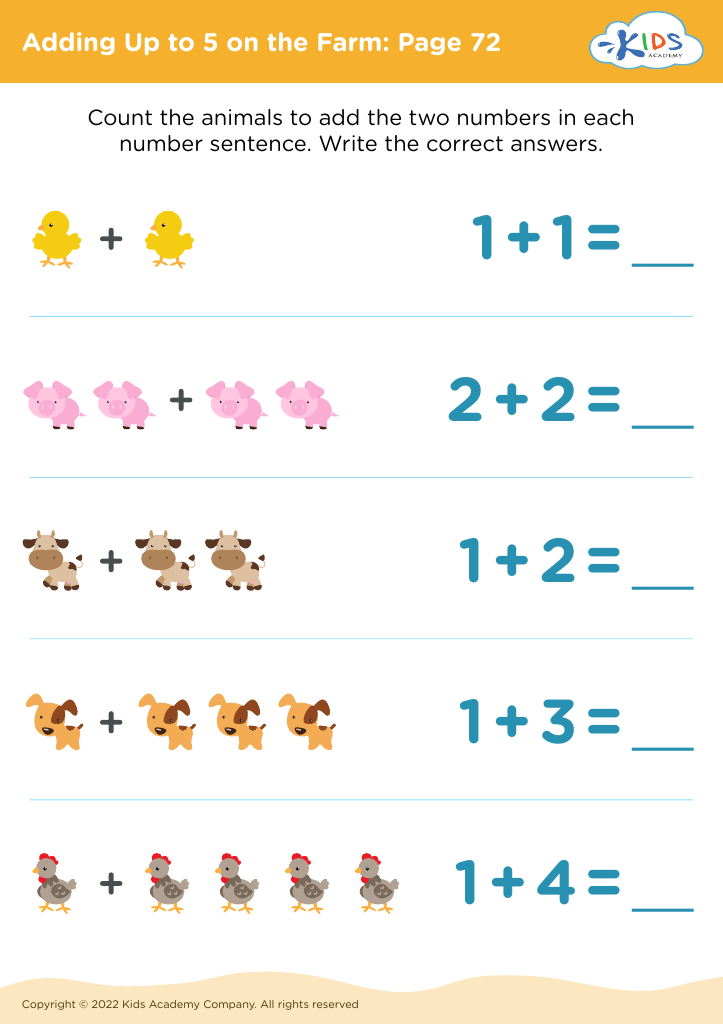
Adding Up to 5 on the Farm: Page 72
Worksheet
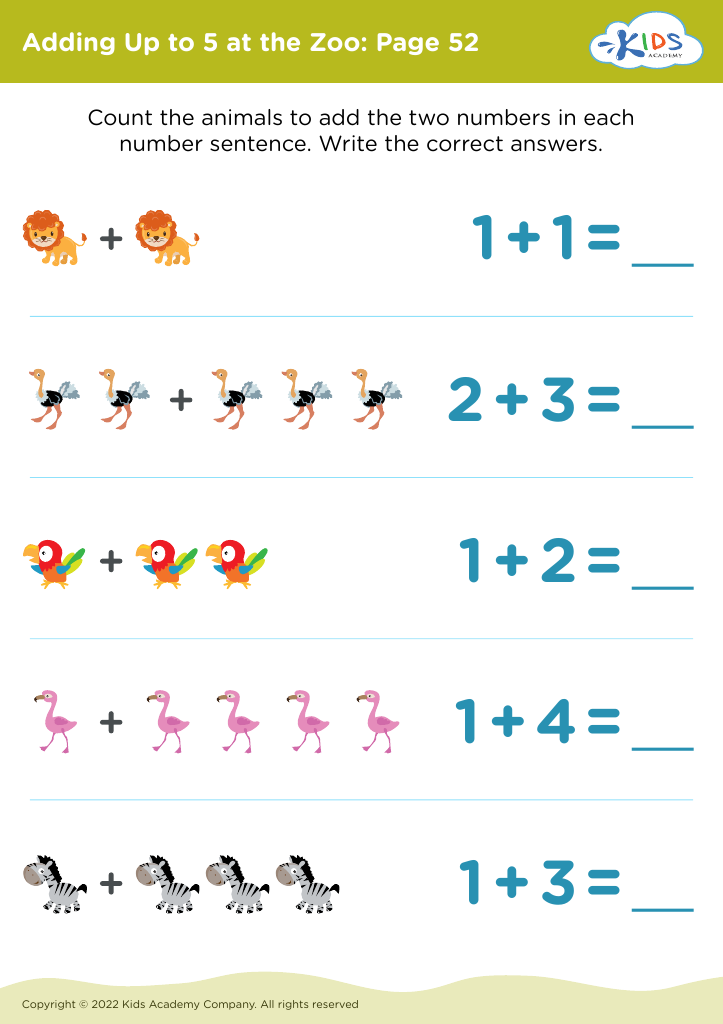
Adding Up to 5 at the Zoo: Page 52
Worksheet
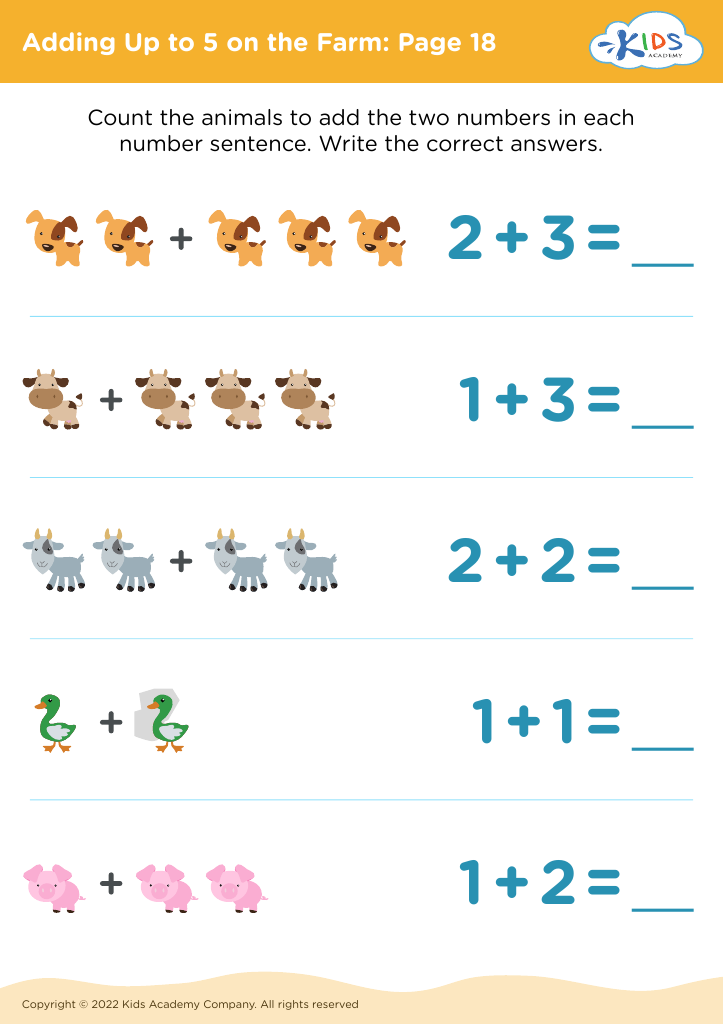
Adding Up to 5 on the Farm: Page 18
Worksheet
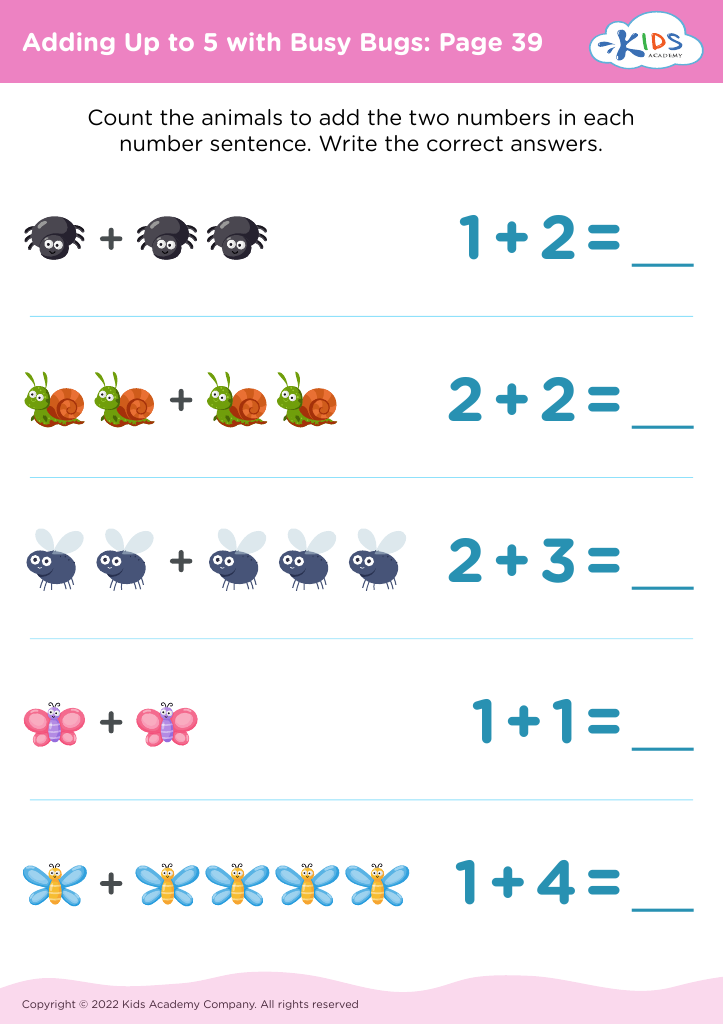
Adding Up to 5 with Busy Bugs: Page 39
Worksheet
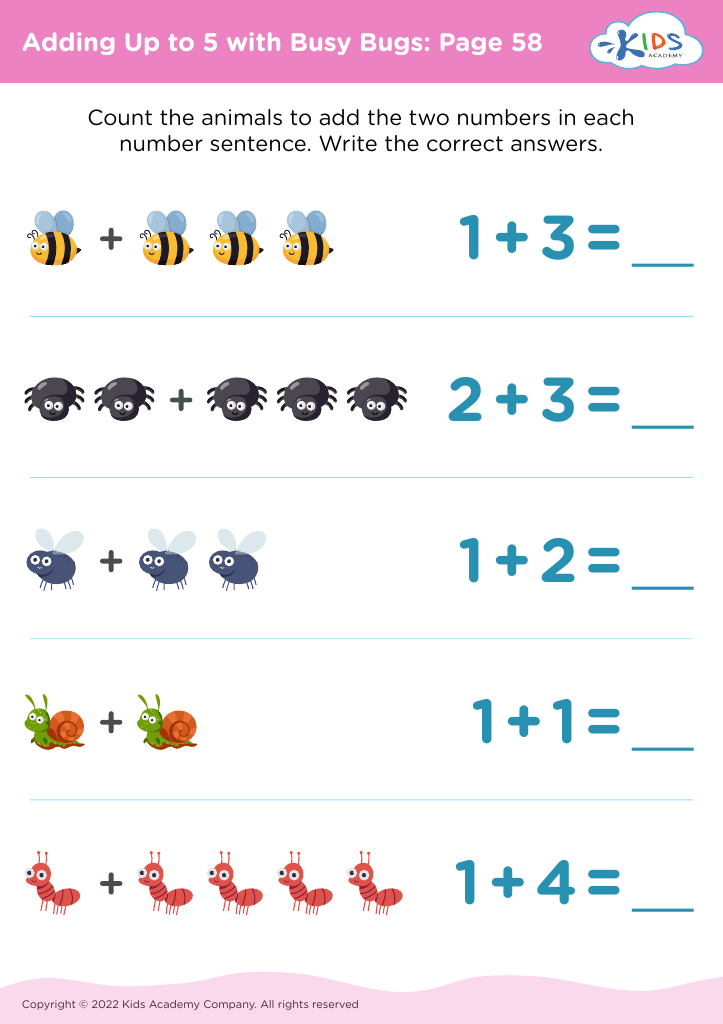
Adding Up to 5 with Busy Bugs: Page 58
Worksheet
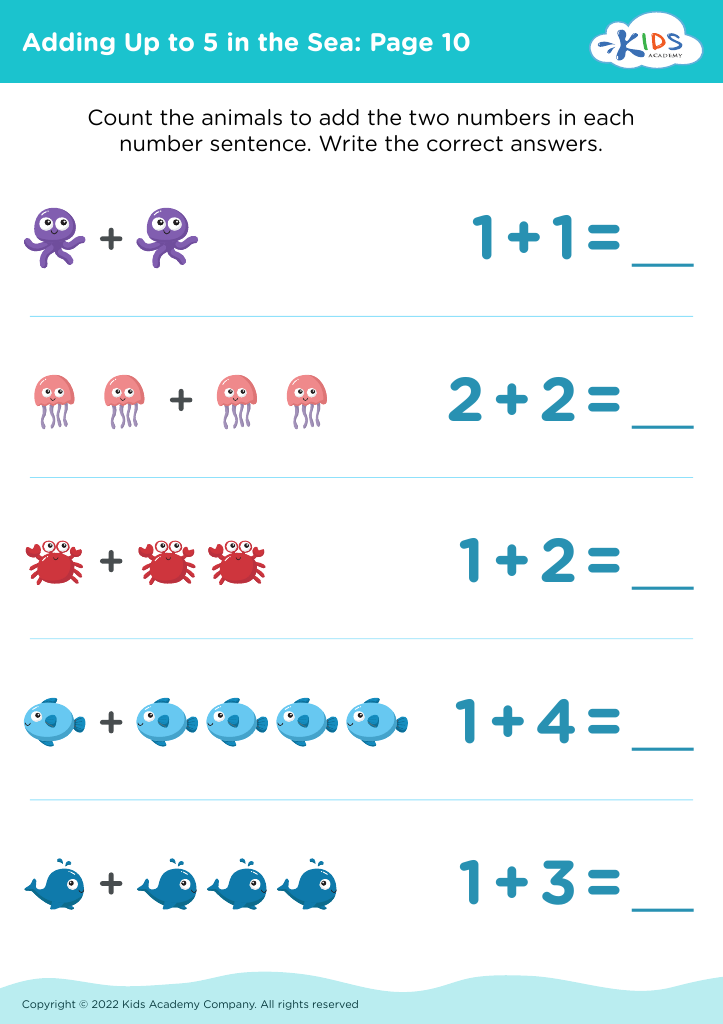
Adding Up to 5 in the Sea: Page 10
Worksheet
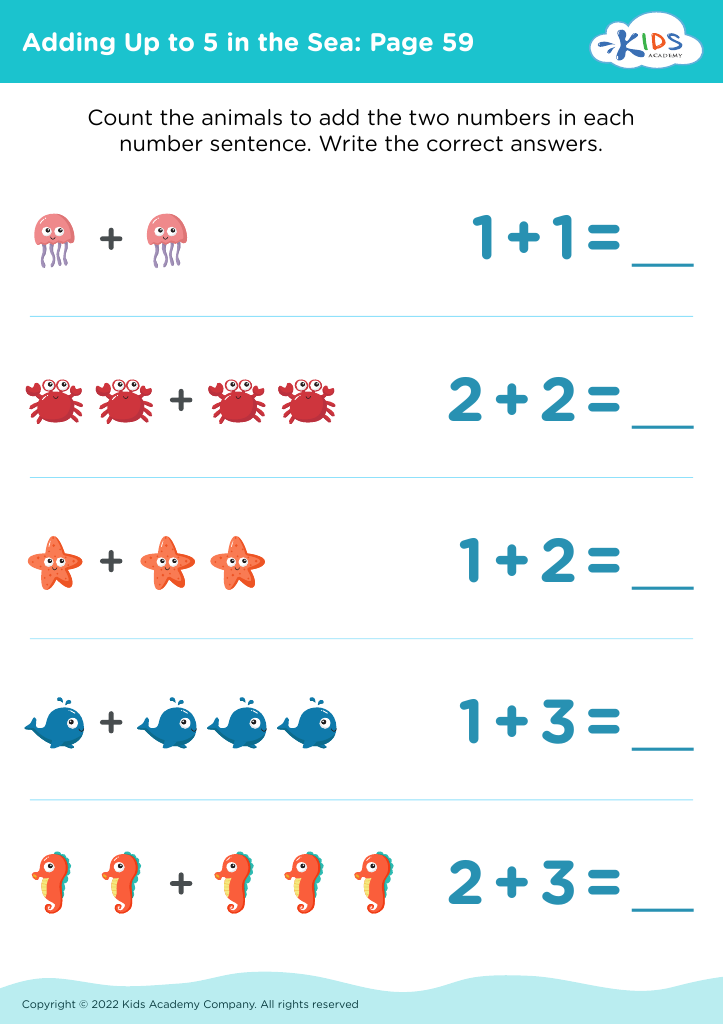
Adding Up to 5 in the Sea: Page 59
Worksheet
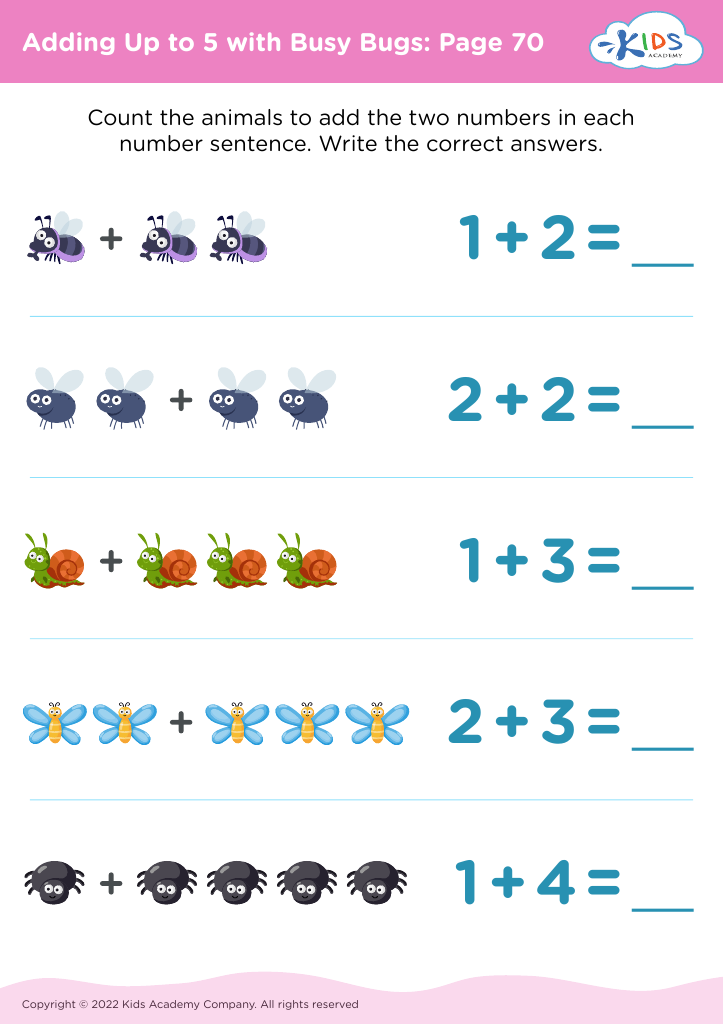
Adding Up to 5 with Busy Bugs: Page 70
Worksheet
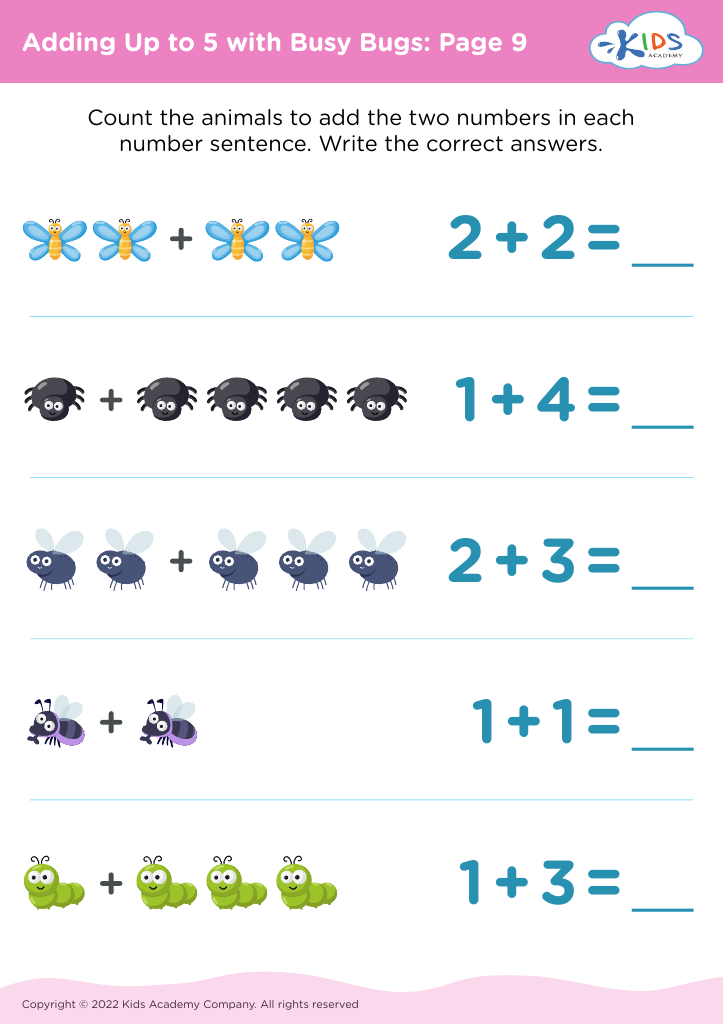
Adding Up to 5 with Busy Bugs: Page 9
Worksheet
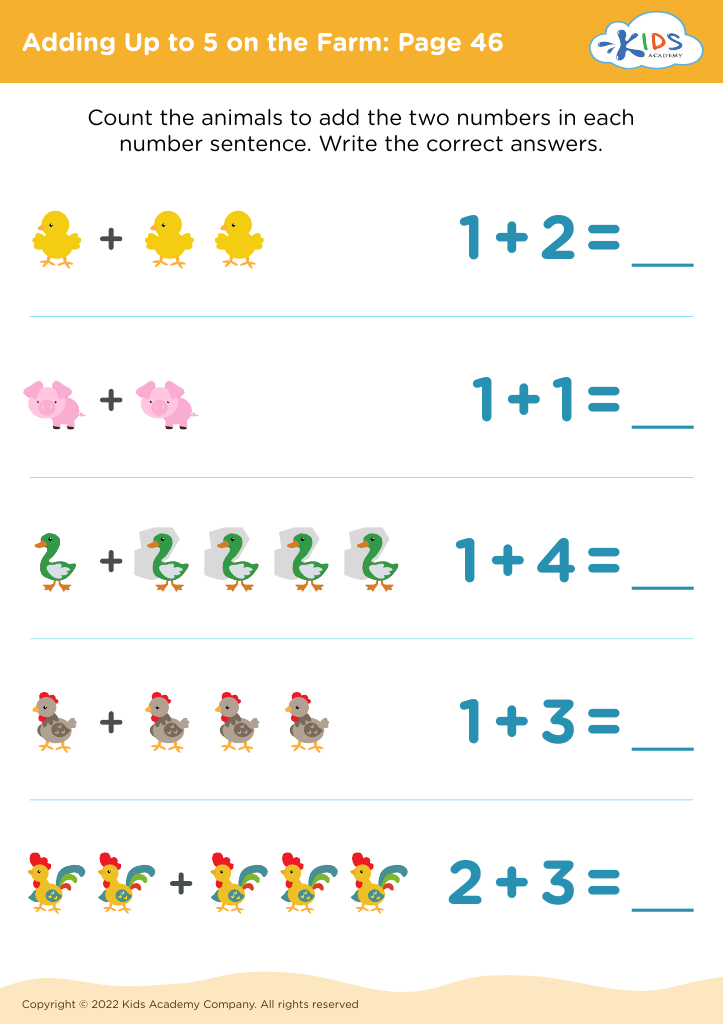
Adding Up to 5 on the Farm: Page 46
Worksheet
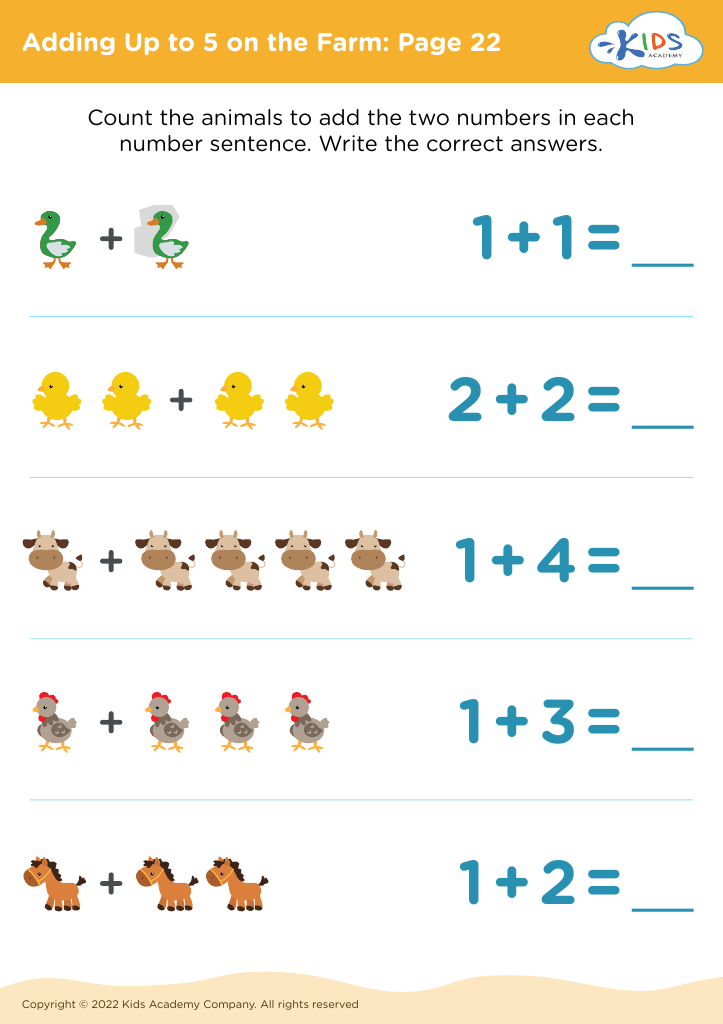
Adding Up to 5 on the Farm: Page 22
Worksheet


Visual learning, particularly in the context of teaching addition to children aged 3-4, is a powerful tool that can significantly enhance their understanding of mathematical concepts. At this early developmental stage, children are naturally curious and learn best through engaging, hands-on experiences. Utilizing visual aids—such as counting blocks, colored dots, or interactive games—can help them grasp basic addition by allowing them to see and manipulate numbers in a tangible way.

Parents and teachers should care about implementing visual learning strategies because these methods cater to young children's cognitive abilities and learning styles. Visual aids simplify complex ideas, making them accessible, and help build a solid foundation for future math skills. Additionally, this approach encourages active participation and can make learning more enjoyable, fostering a positive attitude toward mathematics.

By investing in visual learning for addition, parents and teachers not only support the development of essential numeracy skills but also promote critical thinking and problem-solving abilities. Establishing a love for learning at such an early age can instill lifelong mathematical confidence in children, preparing them for more advanced concepts in the years to come. Ultimately, visual learning is a key component of successful early education in mathematics.