Shape identification Geometry Worksheets for Ages 3-4
11 filtered results
-
From - To
Introduce your little ones to the world of shapes with our engaging shape identification geometry worksheets designed for ages 3-4. These fun and educational worksheets help preschoolers recognize and name basic shapes like circles, squares, triangles, and rectangles. Through interactive activities and vibrant illustrations, children develop their fine motor skills, improve hand-eye coordination, and build a strong foundation in early geometry. Our expertly crafted resources support parents and educators in fostering a love for learning and preparing youngsters for future math success. Download our shape identification worksheets today and watch your child's confidence soar!
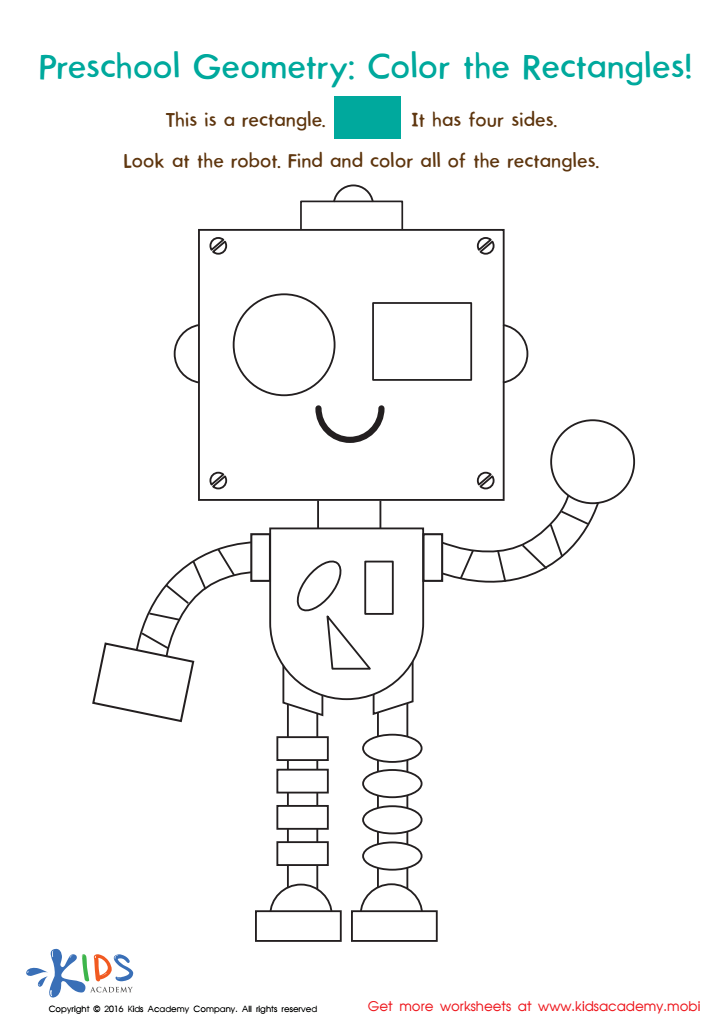
Geometry Worksheet
 Assign to My Students











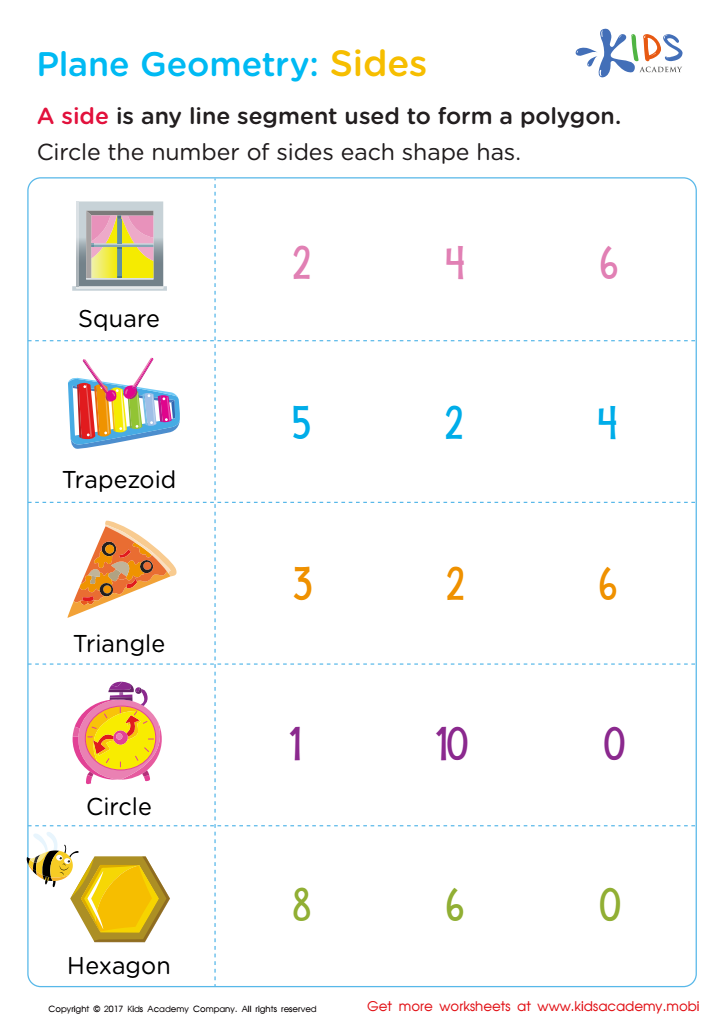
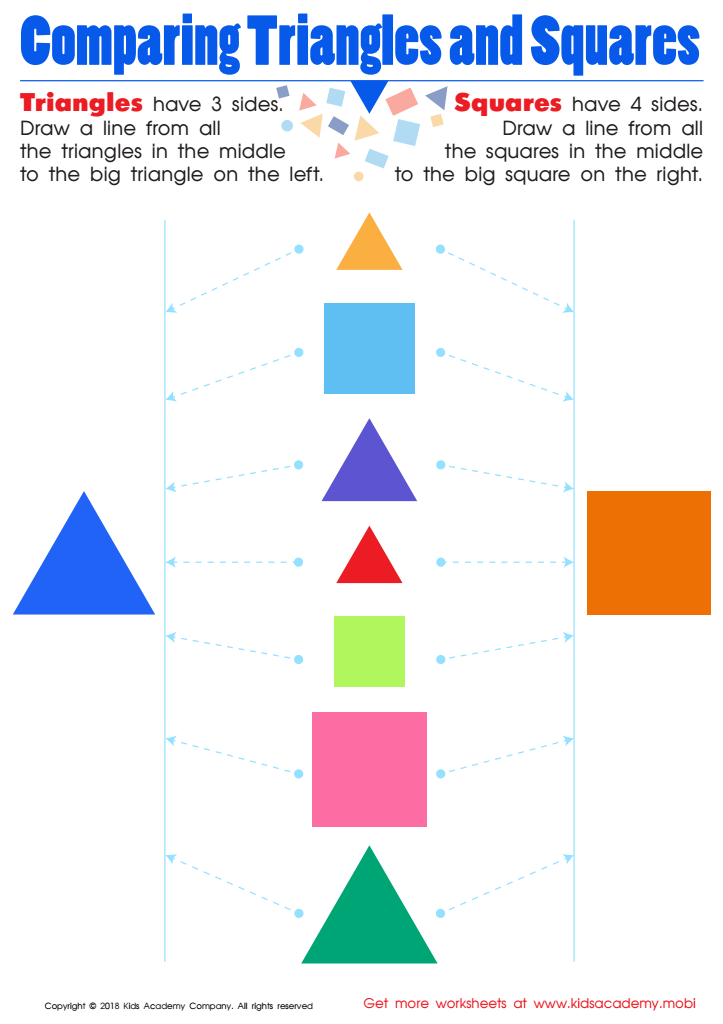
Comparing Triangles Squares Worksheet
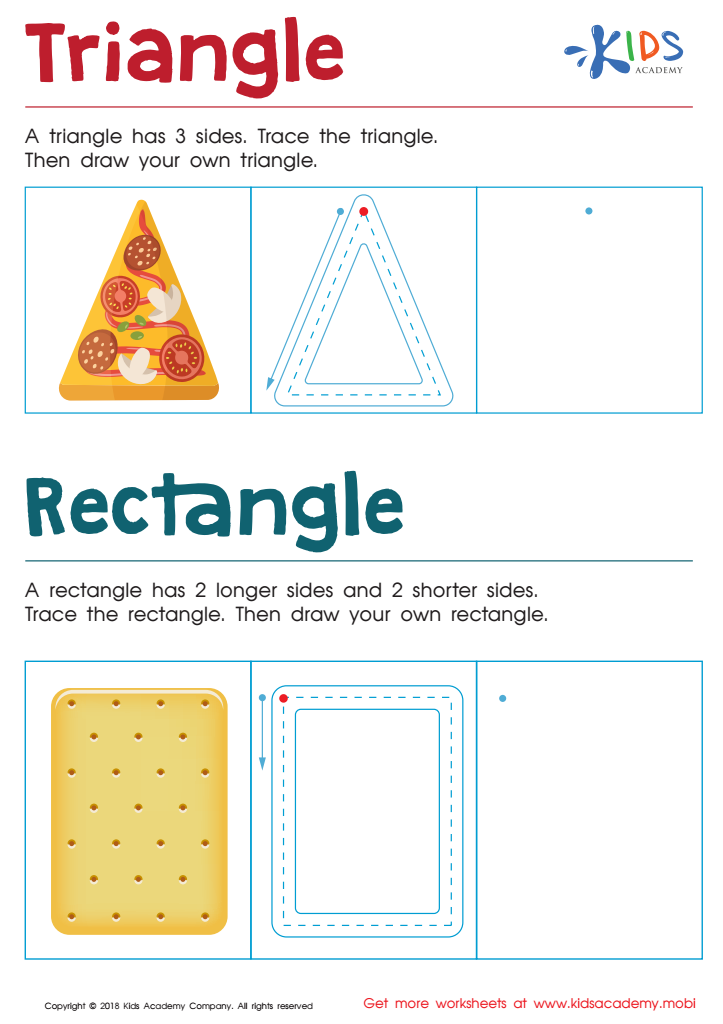
Triangle Rectangle Worksheet
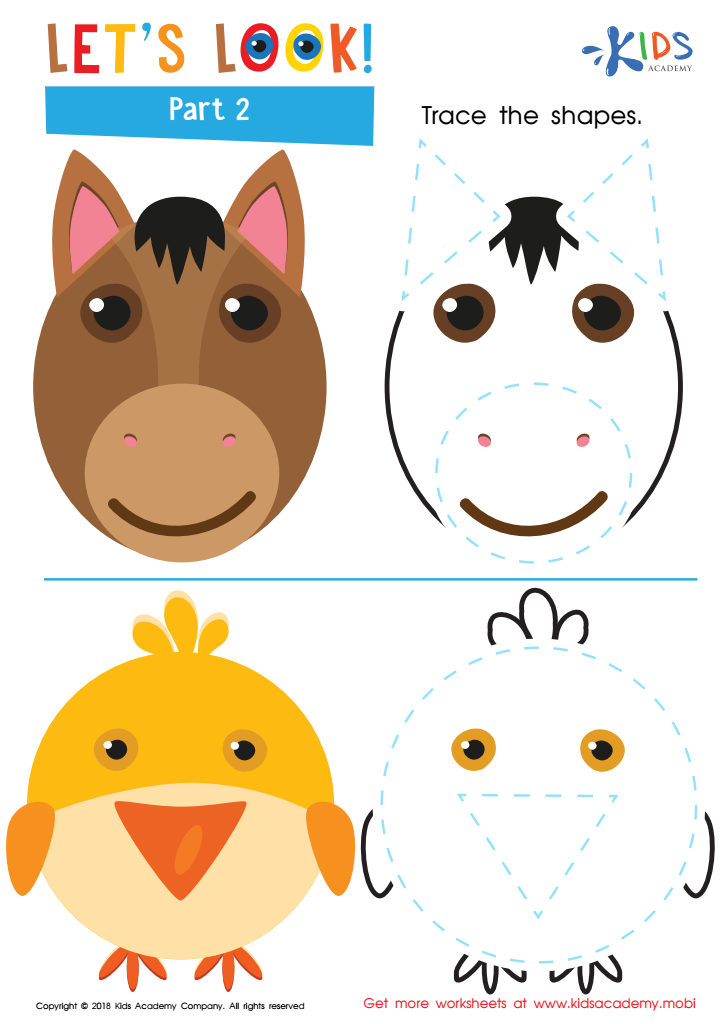
Let's Look! Part 2 Worksheet
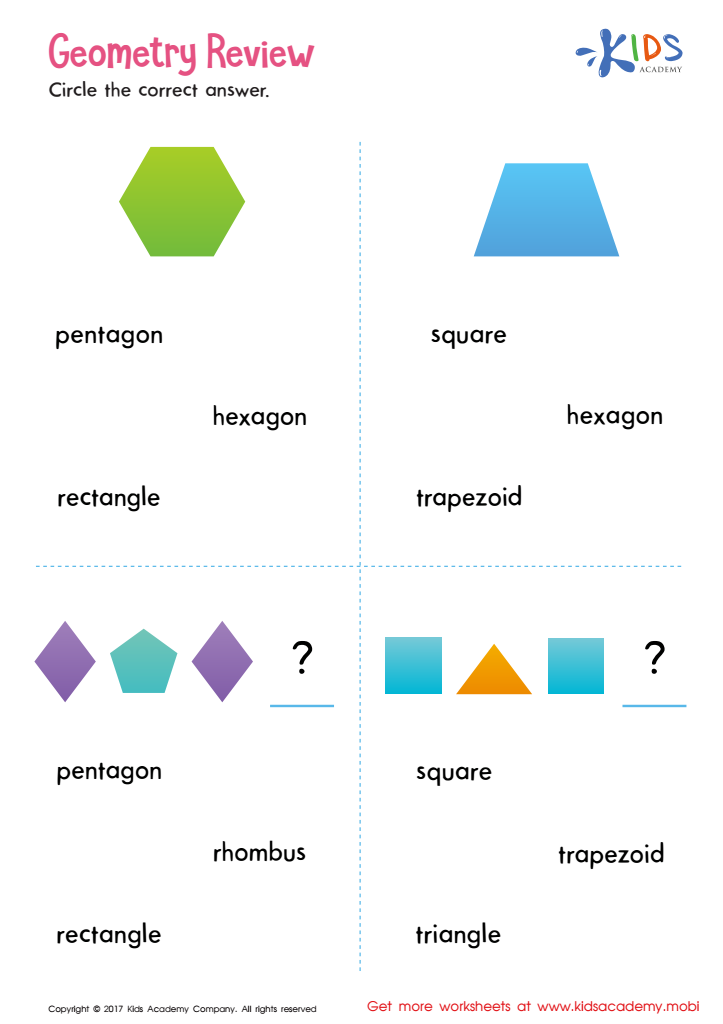
Geometry Review Printable
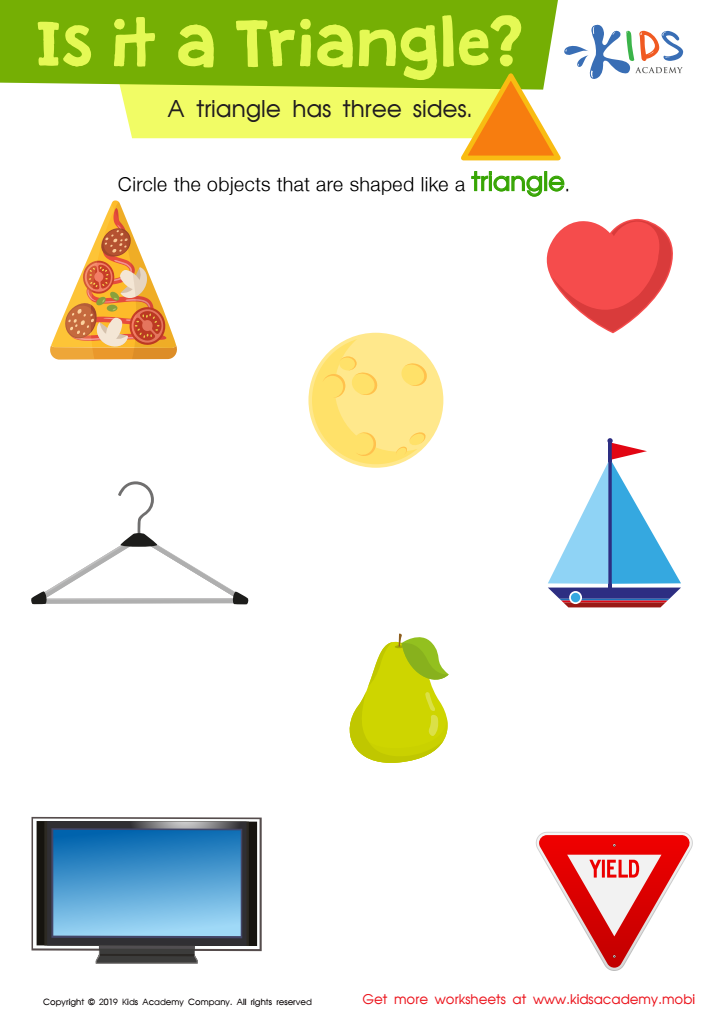
Is It a Triangle? Worksheet
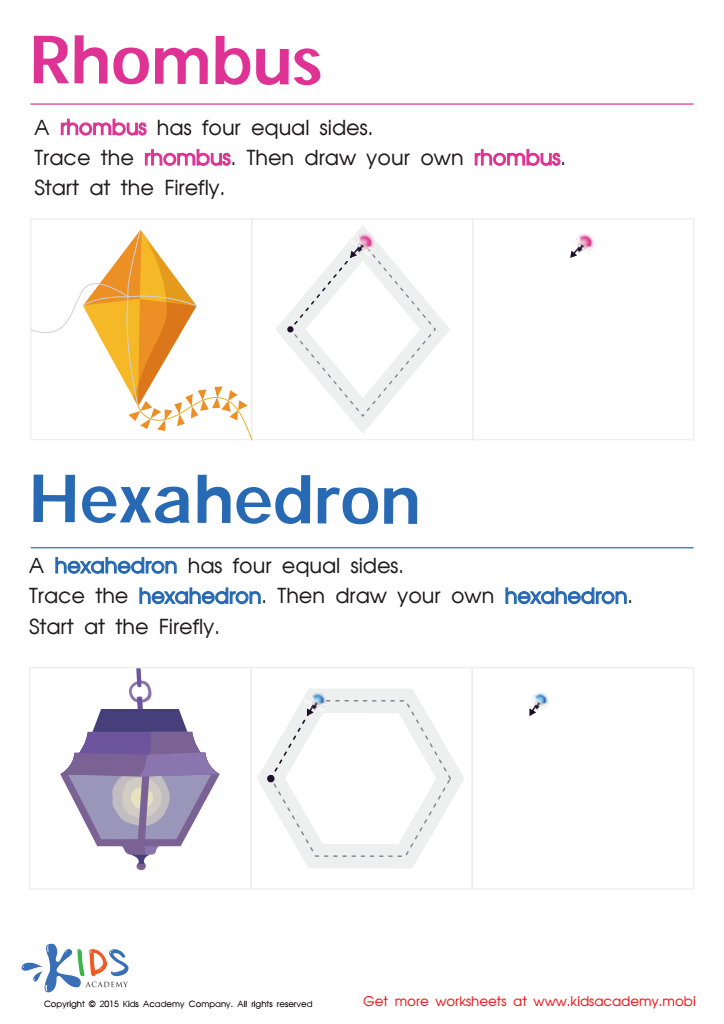
Draw a Rhombus And a Hexahedron Printable
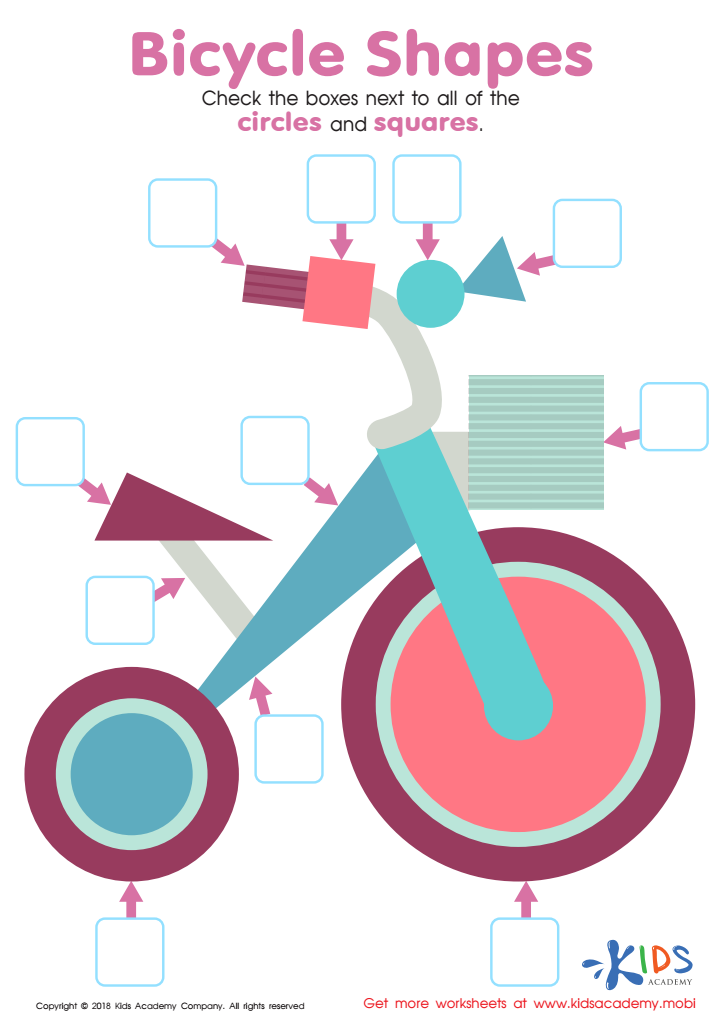
Bicycle Shapes Worksheet
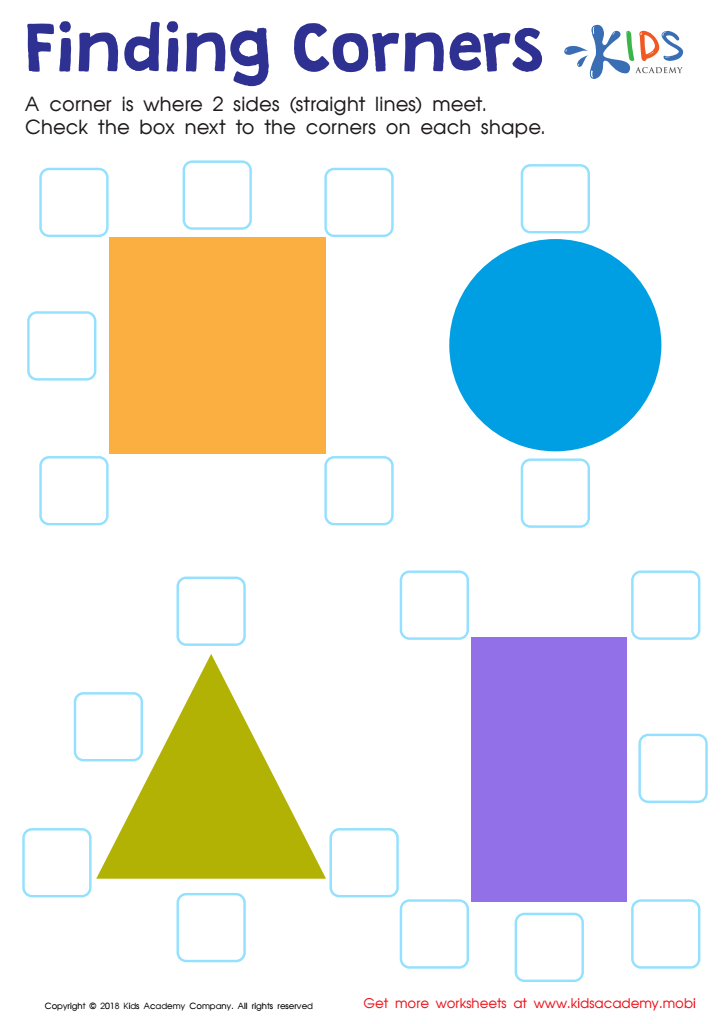
Finding Corners Worksheet
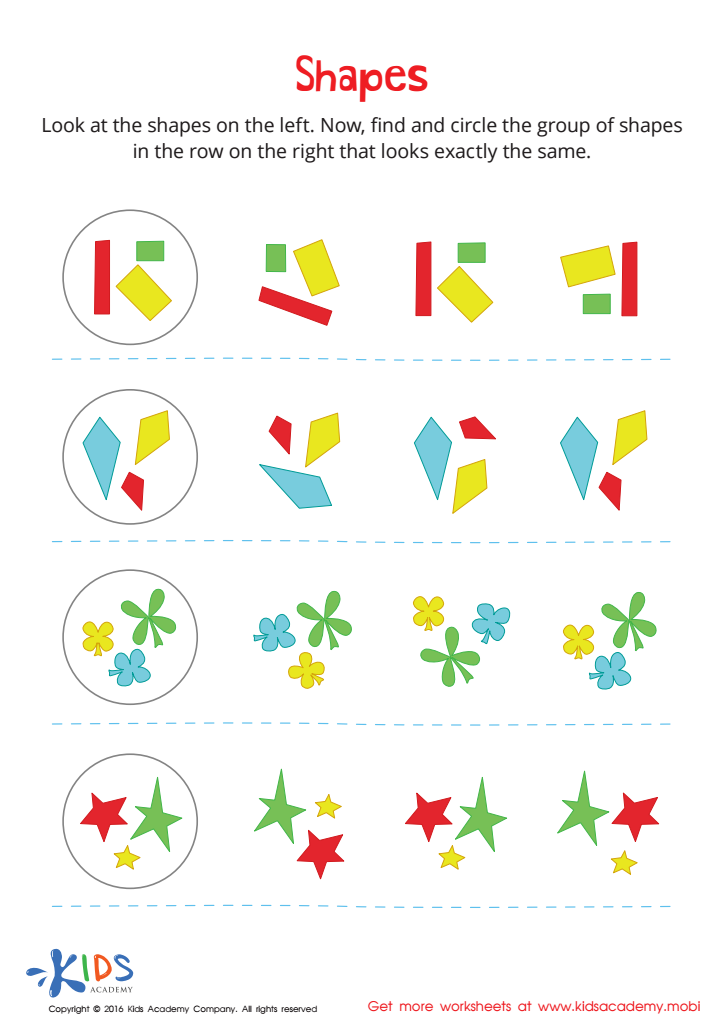
Shapes Worksheet








Shape identification and geometry are essential skills for children aged 3-4, forming the foundation for later mathematical abilities and cognitive development. At this early age, learning about shapes helps children in several critical ways.
Firstly, recognizing and naming shapes enhances visual perception and spatial awareness. This ability allows children to navigate their environment more effectively, understanding how objects fit together and recognizing patterns.
Secondly, shape identification fosters early mathematical skills. Understanding the properties of different shapes sets the stage for grasping more complex math concepts later, including geometry, measurement, and problem-solving. By differentiating between shapes, kids also build categorization skills, important for organizing information and making logical connections.
Additionally, shape activities improve fine motor skills and hand-eye coordination. Manipulatives like puzzles or shape-sorting games require children to use their hands in precise ways, promoting dexterity and coordination.
Moreover, discussing shapes increases language development. As children learn the names and characteristics of shapes, they expand their vocabulary and communication skills, aiding overall literacy.
Finally, engaging with shapes can boost creativity and early artistic expression. Understanding shapes helps in drawing, building, and constructing, encouraging kids to explore and express their creativity.
In summary, shape identification in young children is crucial for cognitive development, early math foundation, motor skills, language acquisition, and fostering creativity.








