Basic Addition Numbers Worksheets for Ages 3-4 - Page 2
31 filtered results
-
From - To
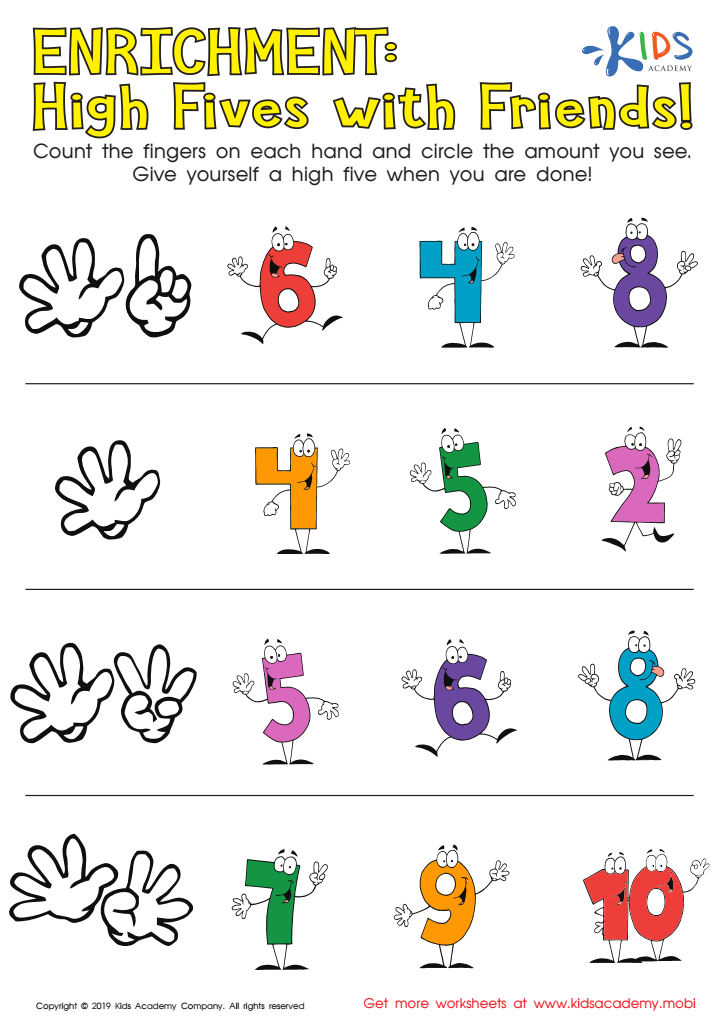
Enrichment: High Fives with Friends! Worksheet
 Assign to My Students
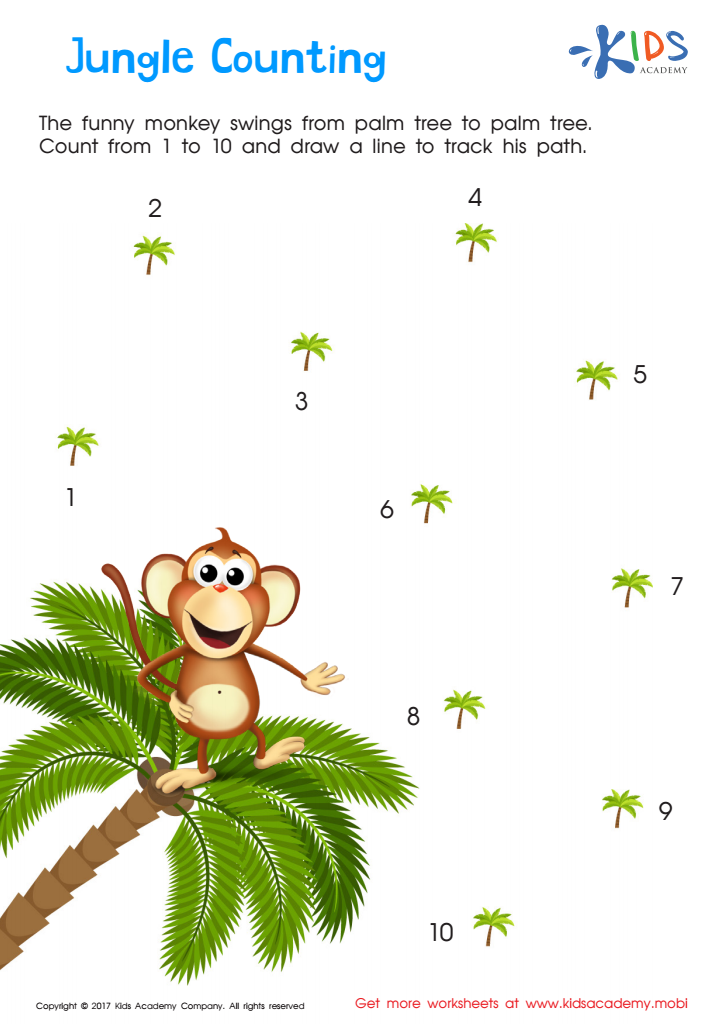
Jungle Counting Connect Dots Worksheet
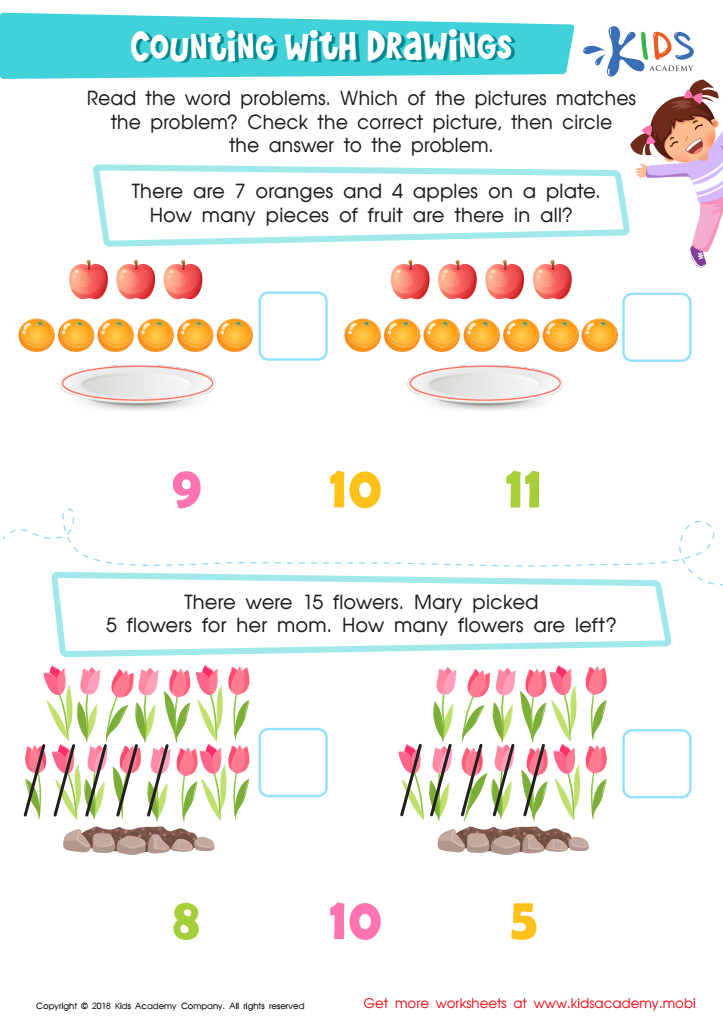
Counting with Drawings:Fruits & Flowers Worksheet
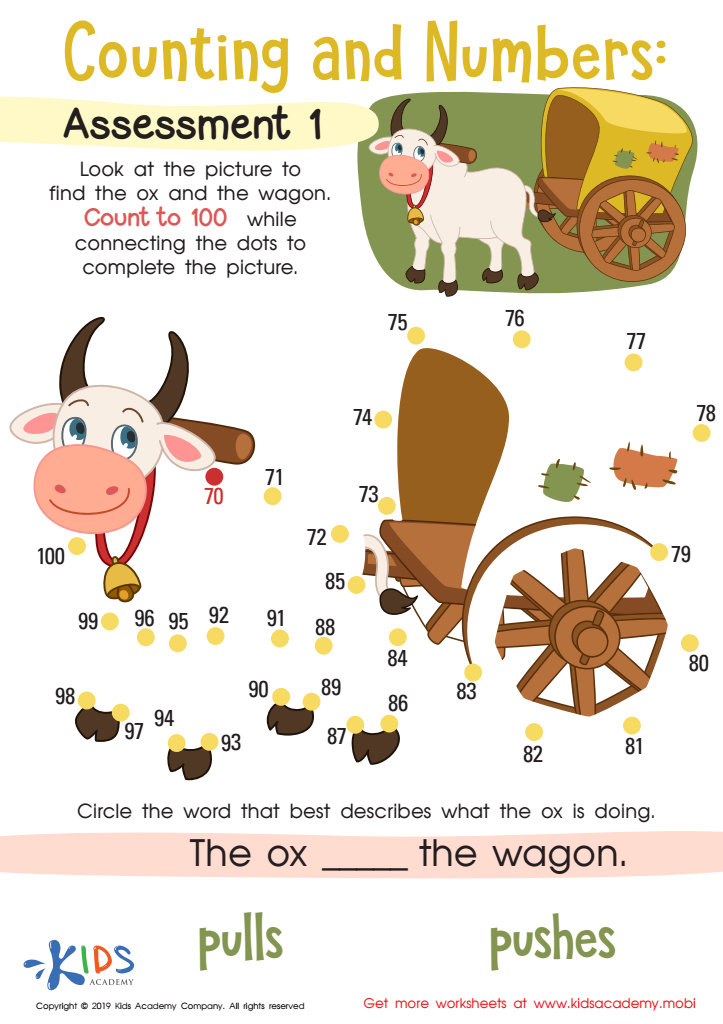
Counting and Numbers: Assessment 1 Worksheet
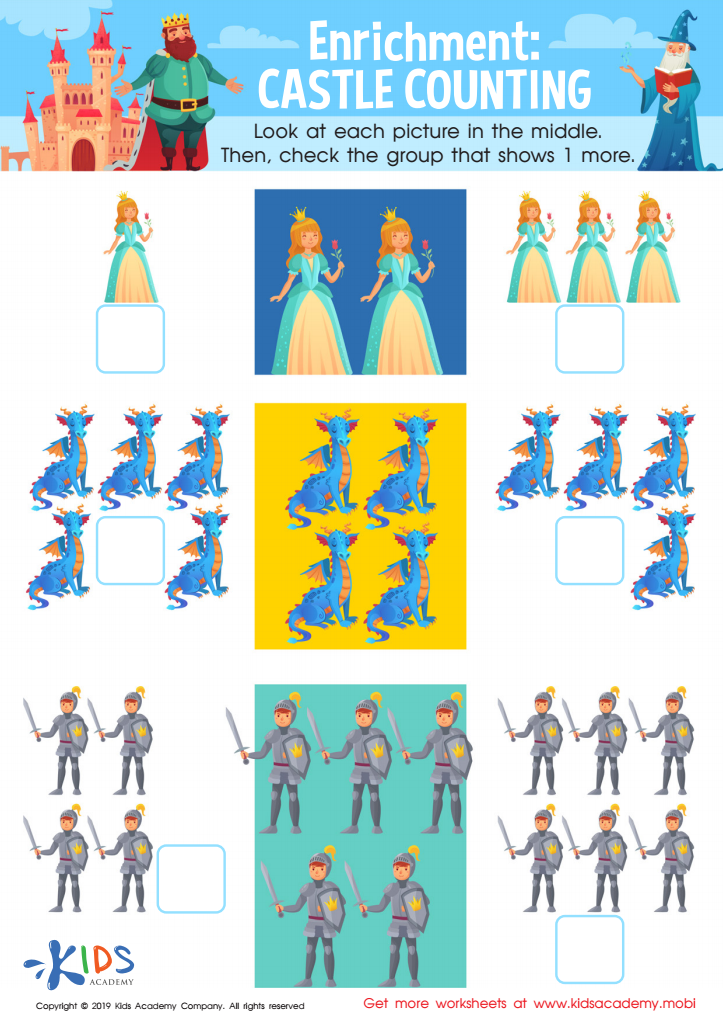
Enrichment: Castle Counting Worksheet
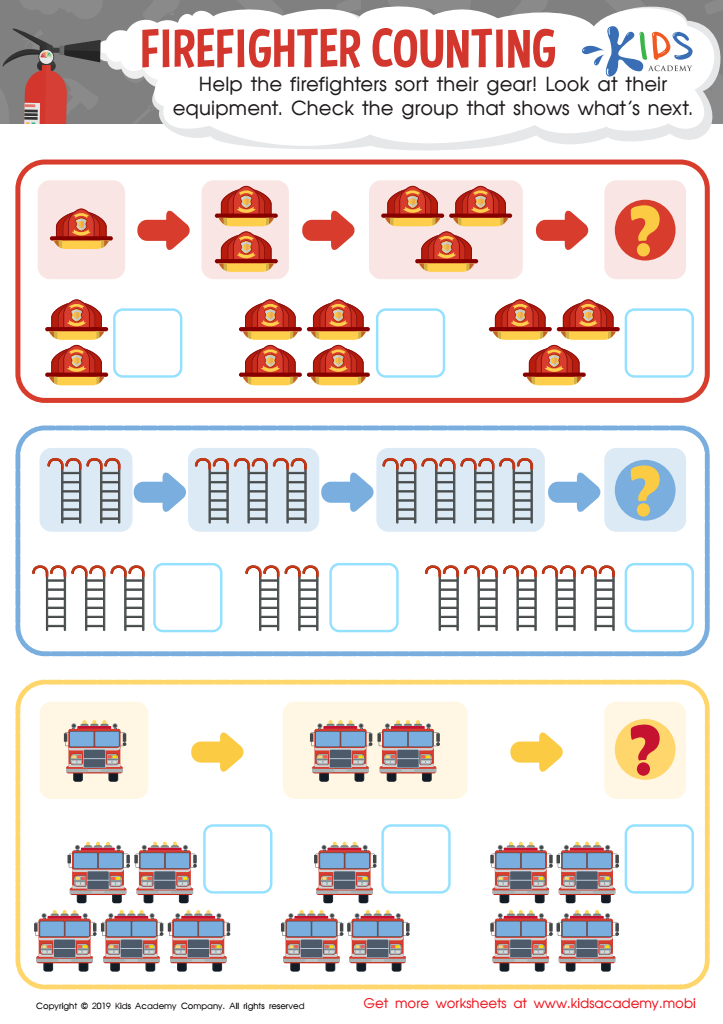
Firefighter Counting Worksheet
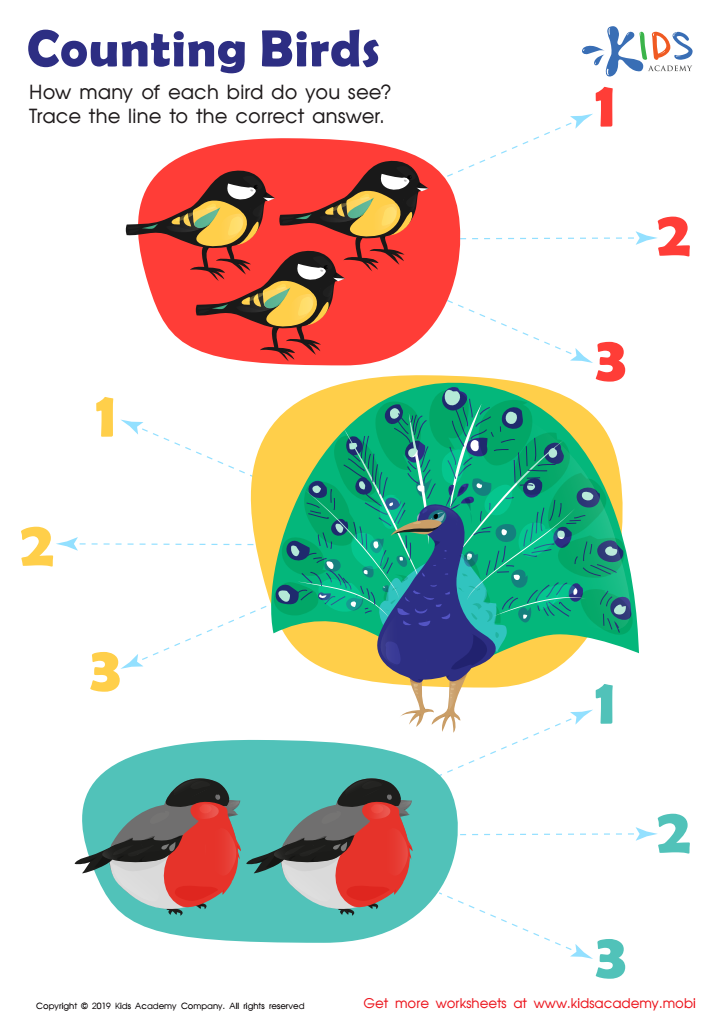
Counting Birds Worksheet








Basic addition is a fundamental building block in a child's early mathematical development, making it essential for parents and teachers to prioritize this skill for ages 3-4. During this critical age, children are naturally curious and eager to explore, making it an ideal time to introduce simple mathematical concepts. Understanding basic addition lays the groundwork for more complex mathematics in later years.
Engaging children with addition helps develop not just numeracy skills but also cognitive abilities such as problem-solving and logical thinking. For example, counting objects, combining toys, or even using snacks can make learning addition fun and interactive. These activities foster a positive attitude toward math and help children relate mathematical concepts to their everyday lives.
Moreover, early exposure to addition can enhance fine motor skills, as children engage in counting with manipulatives. Involving parents and teachers in this process encourages a collaborative learning environment, reinforcing the idea that learning can occur both at home and in the classroom. Ultimately, by nurturing basic addition skills, parents and teachers empower children to build confidence and form a strong mathematical foundation that will benefit them throughout their educational journey.








