Reading comprehension Numbers Worksheets for Ages 3-4
5 filtered results
-
From - To
Unlock the joy of learning with our "Reading Comprehension Numbers Worksheets" designed specifically for ages 3-4. These engaging worksheets introduce young learners to essential math concepts while enhancing their reading skills. Through fun and colorful activities, children will practice identifying numbers, understanding basic counting principles, and improving their comprehension abilities. Each worksheet fosters creativity and critical thinking, making math enjoyable and interactive. Perfect for early education settings or home learning, these worksheets guide children as they explore the world of numbers in a playful manner. Start your child's learning journey today and help them build a strong foundation in both math and reading!
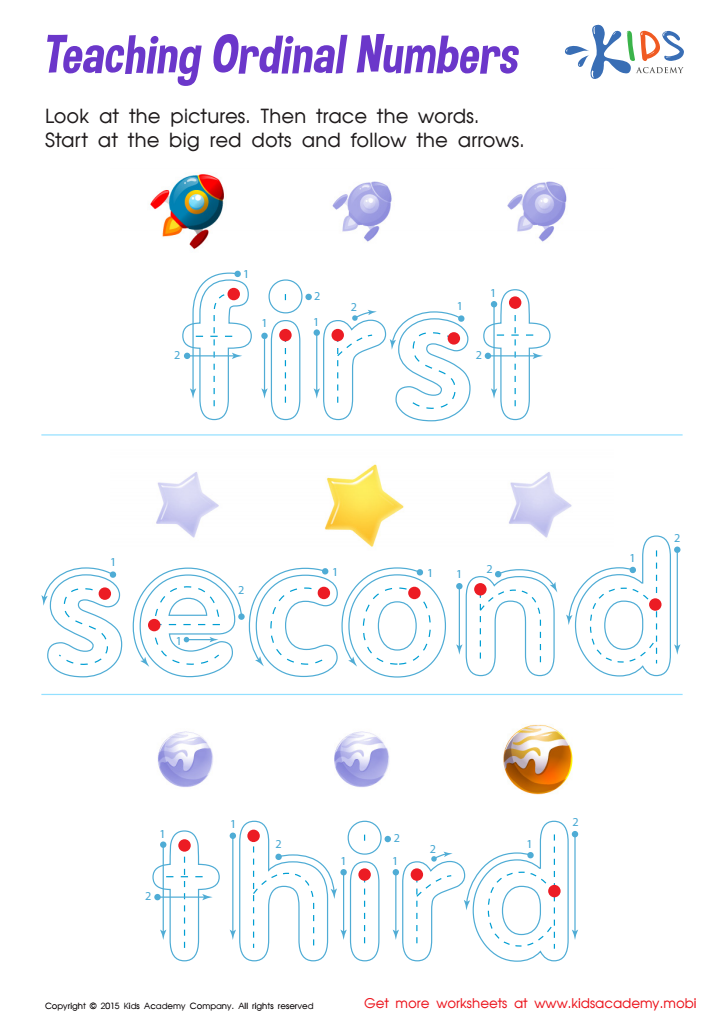
Ordinal Numbers: Teaching Ordinal Numbers Printable
 Assign to My Students
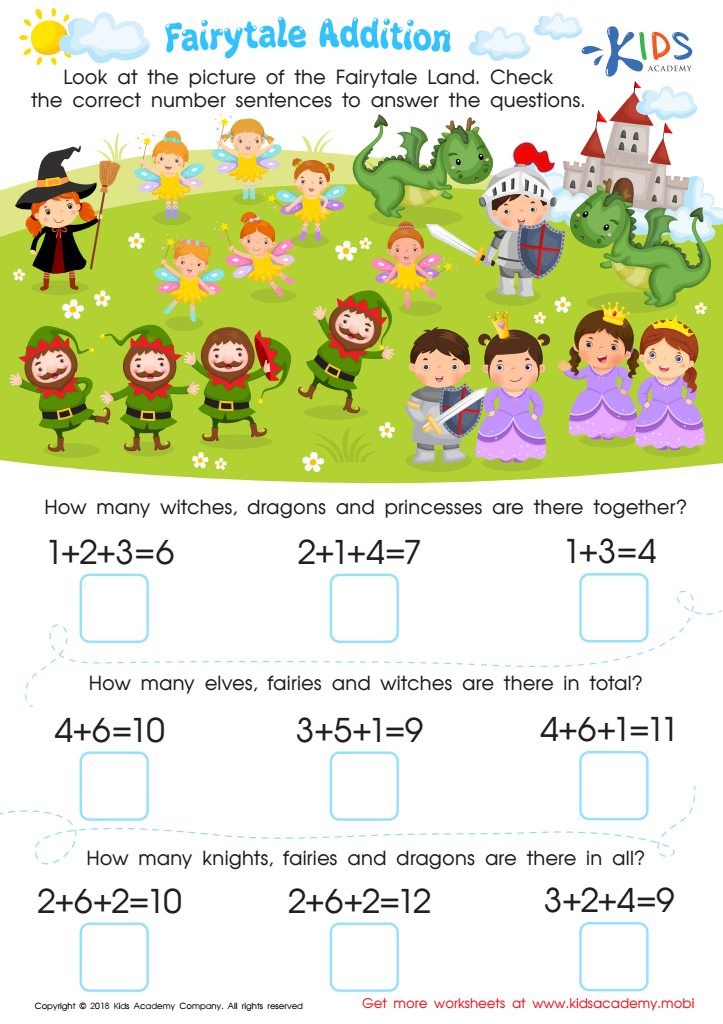
Fairytale Addition Worksheet
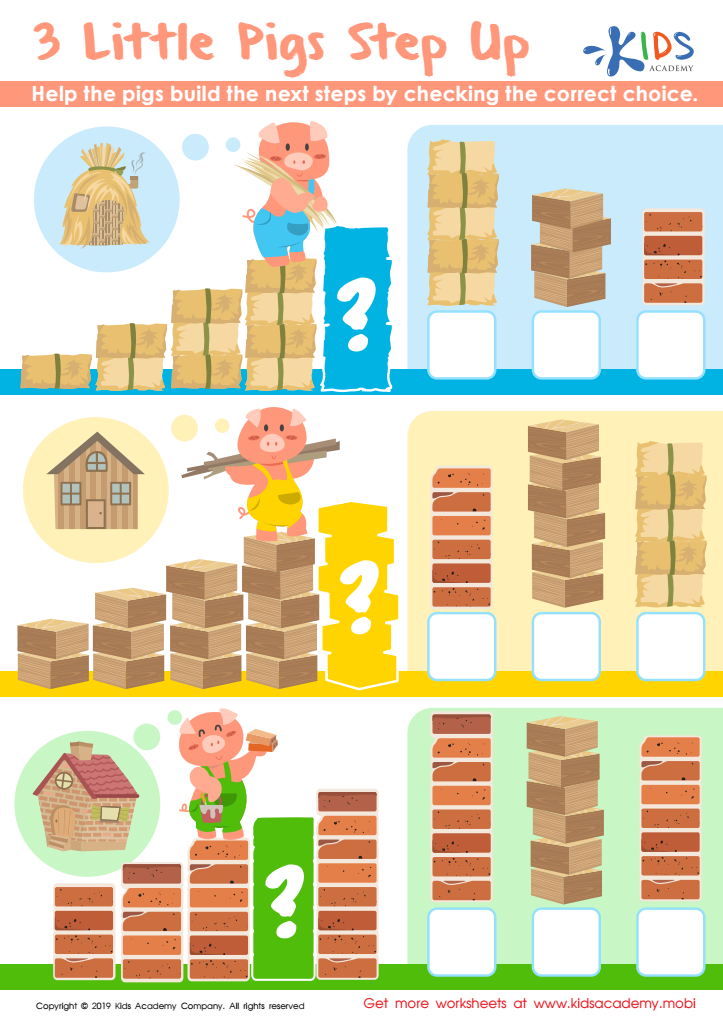
3 Little Pigs Step Up Worksheet

Transportation: Steps Worksheet
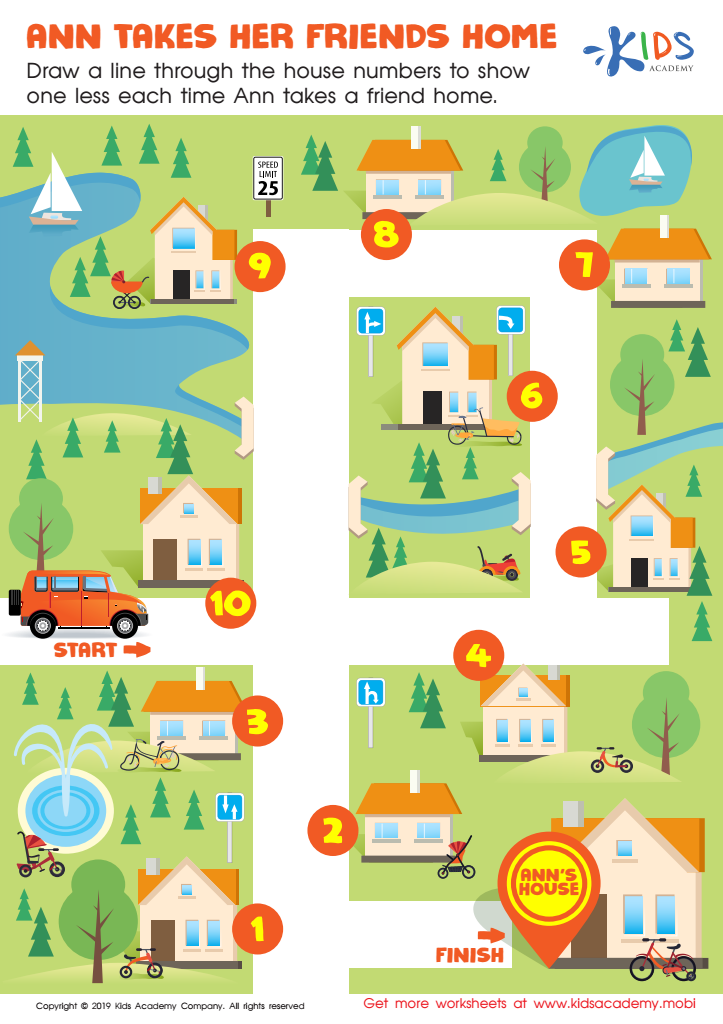
Ann Takes her Friends Home Worksheet








Reading comprehension is critical for children aged 3-4 as it lays the foundation for lifelong learning and cognitive development. At this early age, children begin to engage with stories, which helps them develop critical thinking, vocabulary, and language skills. By nurturing reading comprehension, parents and teachers can support not only a child's understanding of texts but also their ability to express ideas and emotions.
Incorporating numbers into reading comprehension activities further enhances learning by connecting literacy with basic mathematical concepts. This dual focus supports cognitive flexibility, allowing children to see relationships between language and numbers. Engaging with stories that include counting, shapes, or simple mathematical language can make learning enjoyable and relatable.
Additionally, strong reading comprehension skills contribute to academic success in later years. Early literacy experiences have been shown to predict future reading abilities, influencing overall academic performance. When parents or teachers prioritize reading comprehension activities, they foster a love for reading and boost a child's confidence in their abilities.
Overall, investing in reading comprehension for ages 3-4 is essential, as it not only enhances early literacy but also encourages curiosity, creativity, and critical skills necessary for future learning experiences.








