Basic Math Skills Math Worksheets for Ages 3-4 - Page 2
79 filtered results
-
From - To
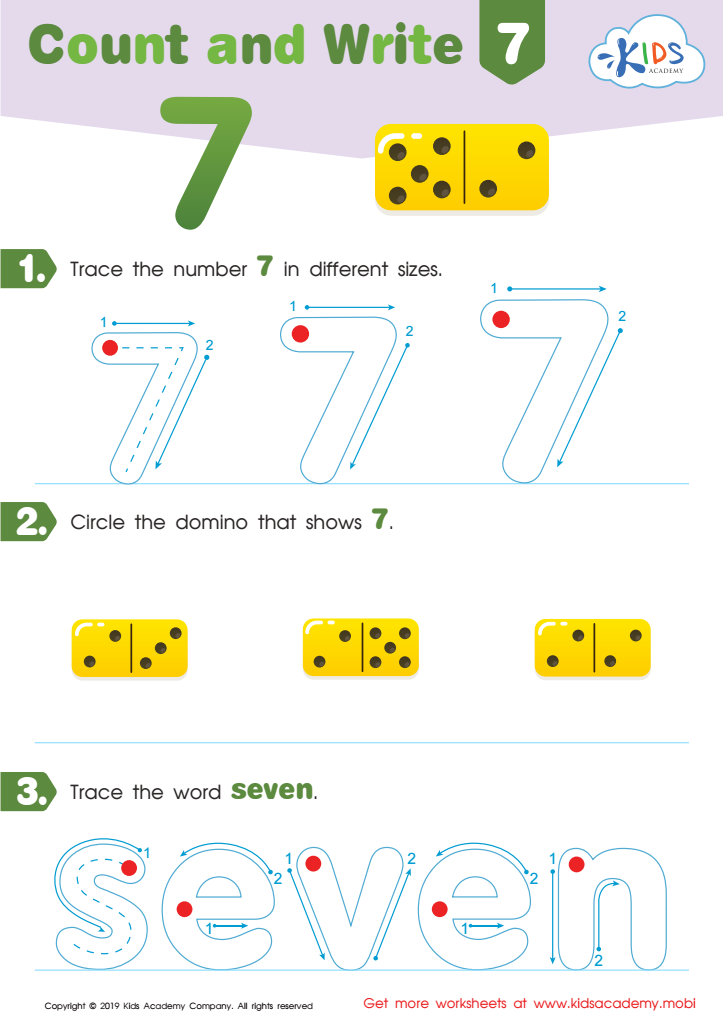
Count and Write 7 Worksheet
 Assign to My Students
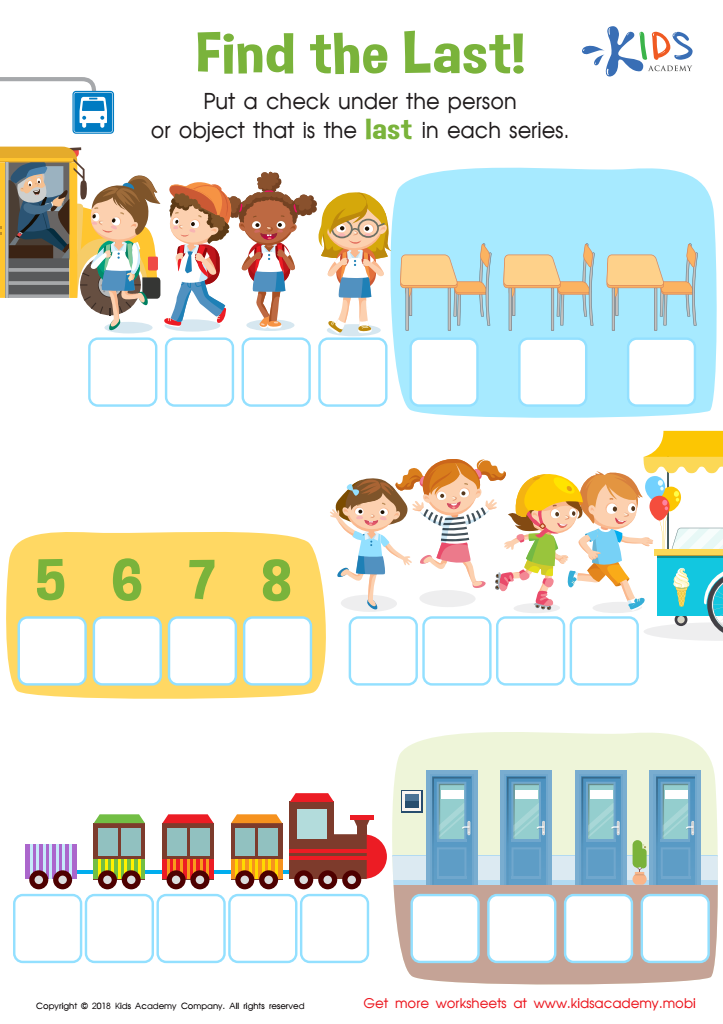
Find the Last! Worksheet
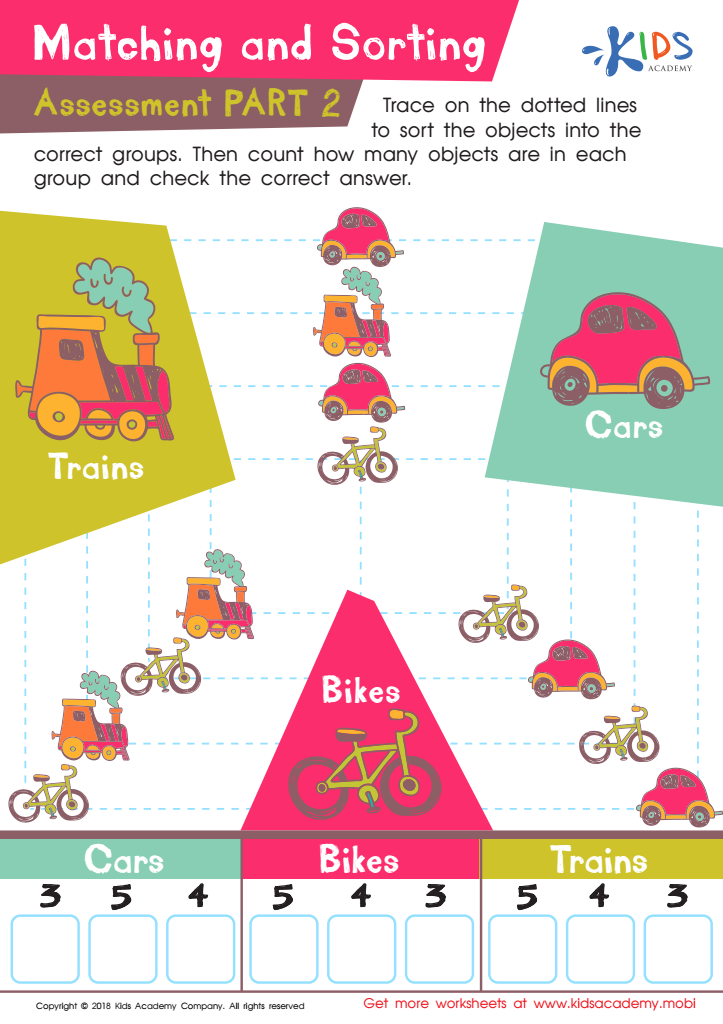
Matching and Sorting for Kindergarten: Assessment 2 Worksheet
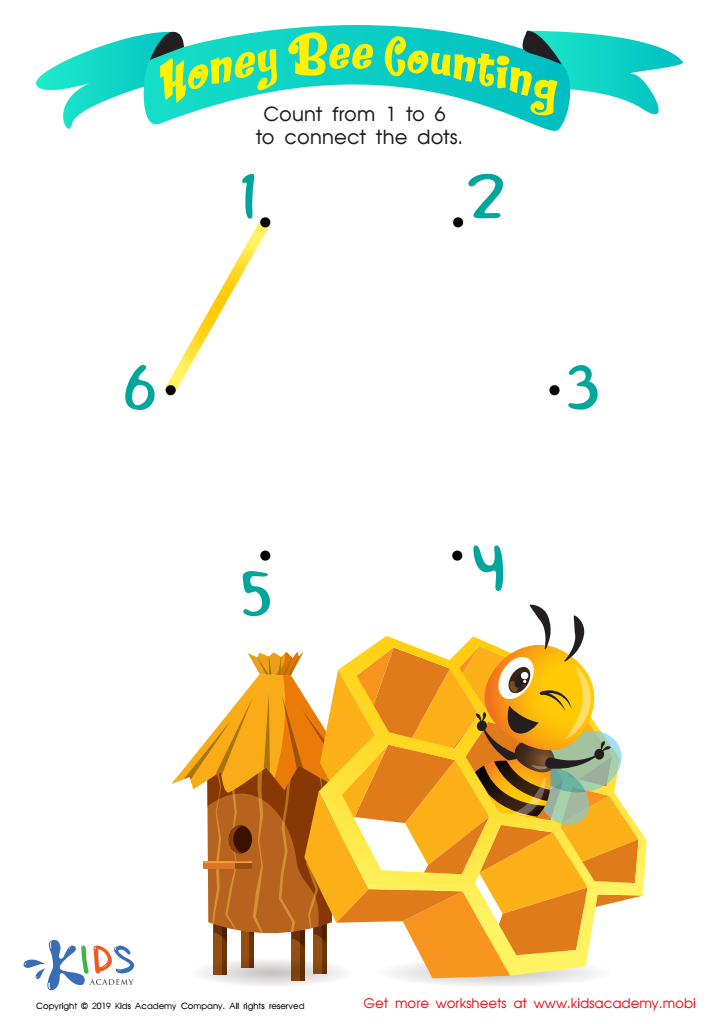
Honey Bee Counting Worksheet
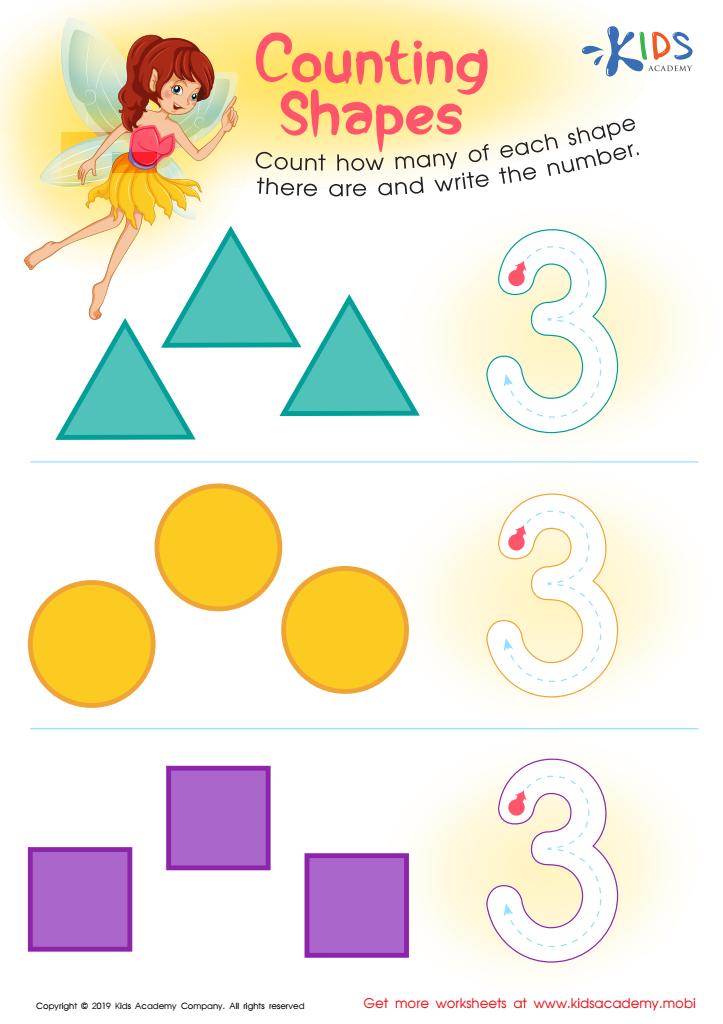
Counting Shapes Worksheet
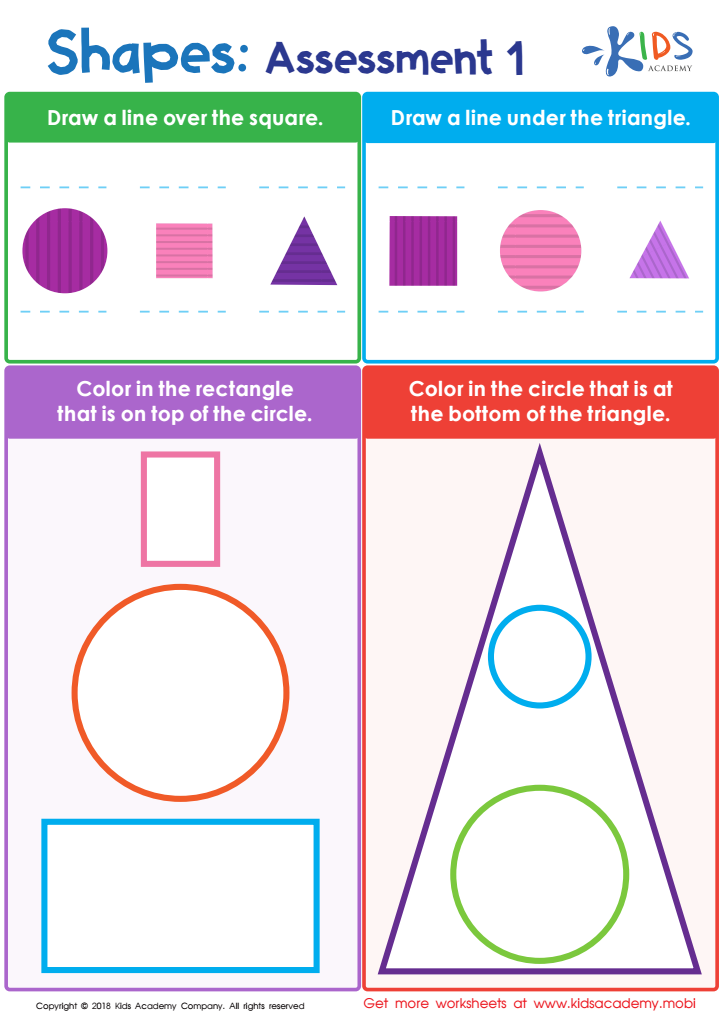
Shapes: Assessment 1 Worksheet
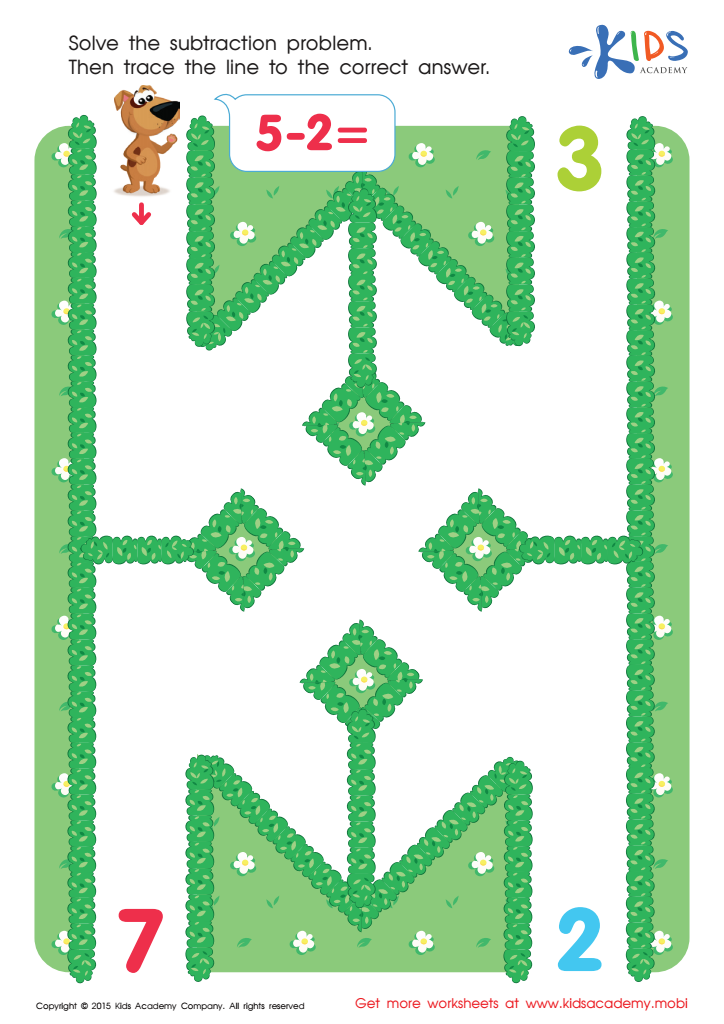
Five Minus Two Worksheet
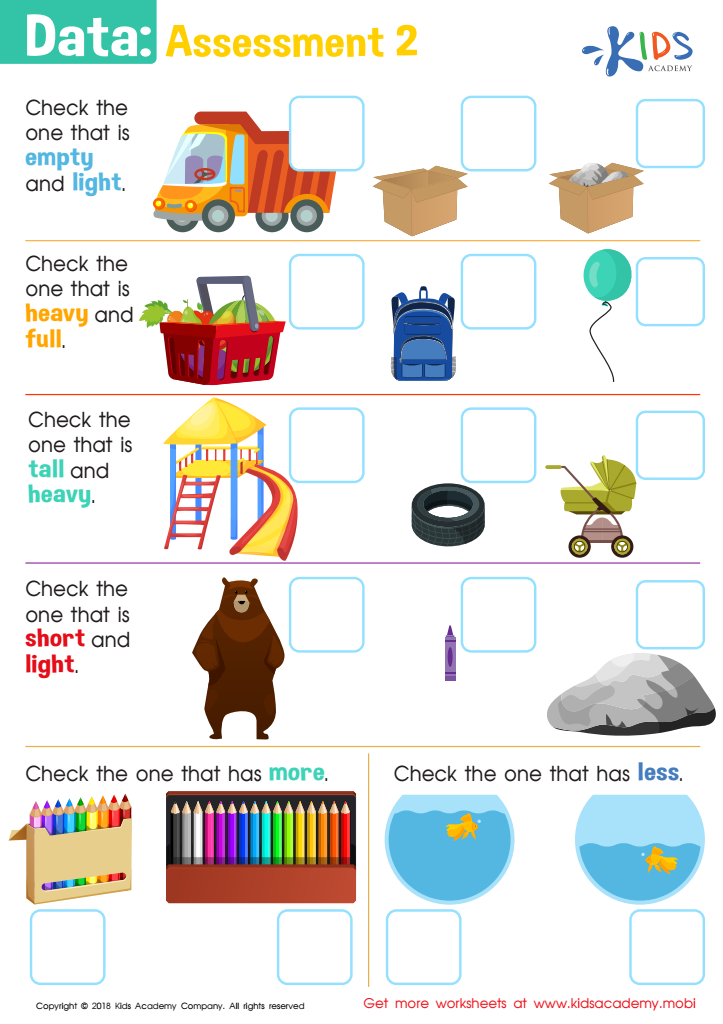
Data: Assessment 2 Worksheet
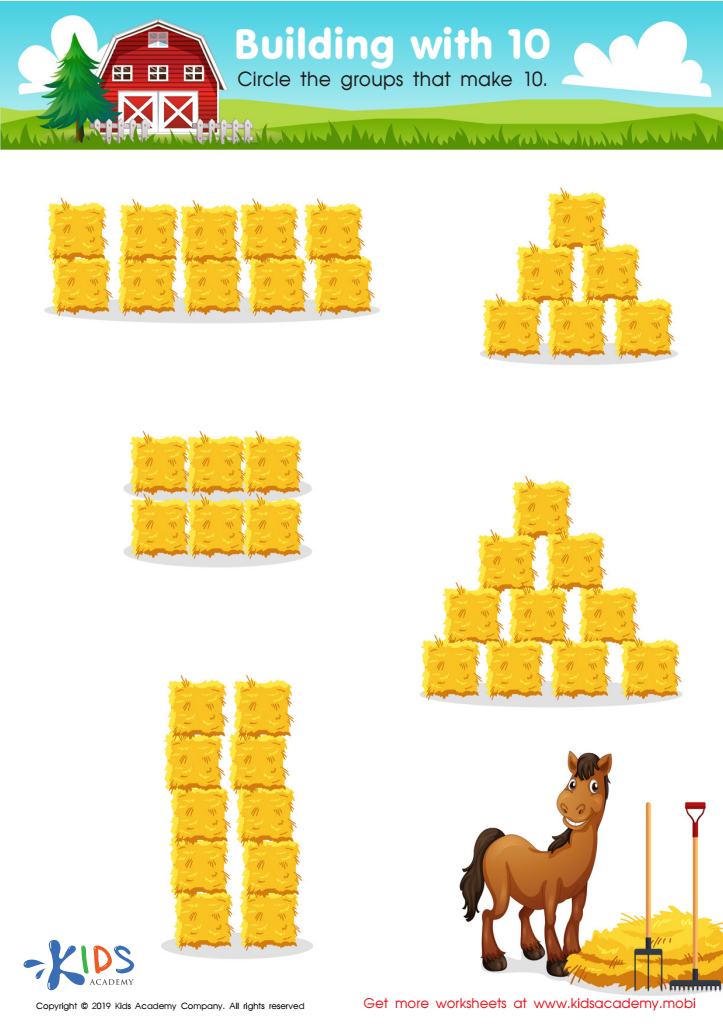
Building with 10 Worksheet
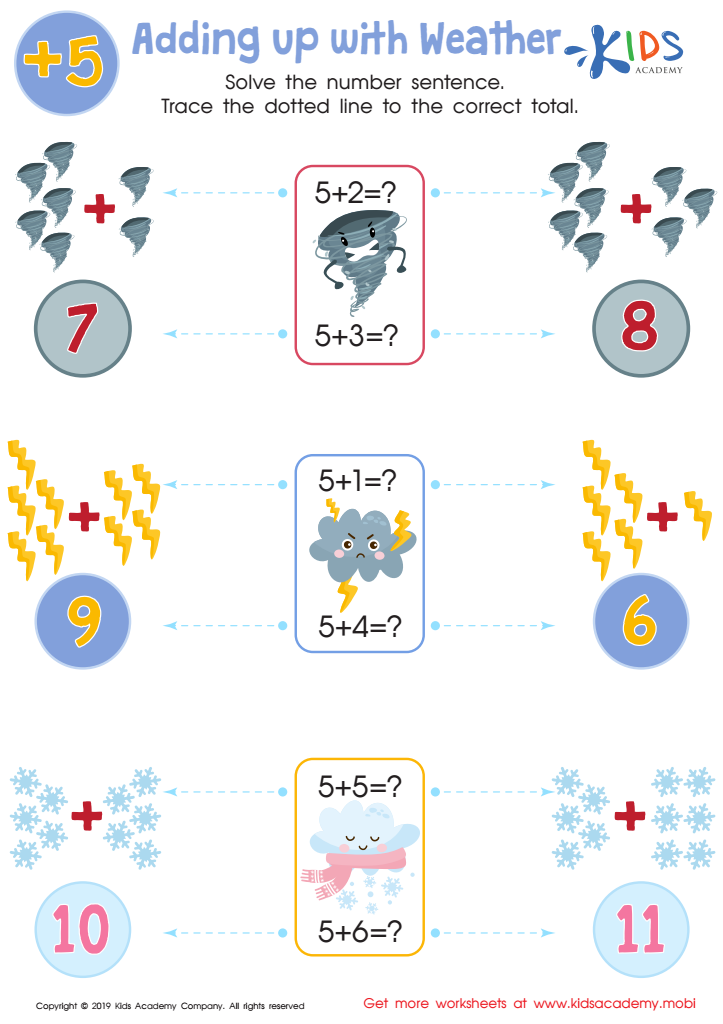
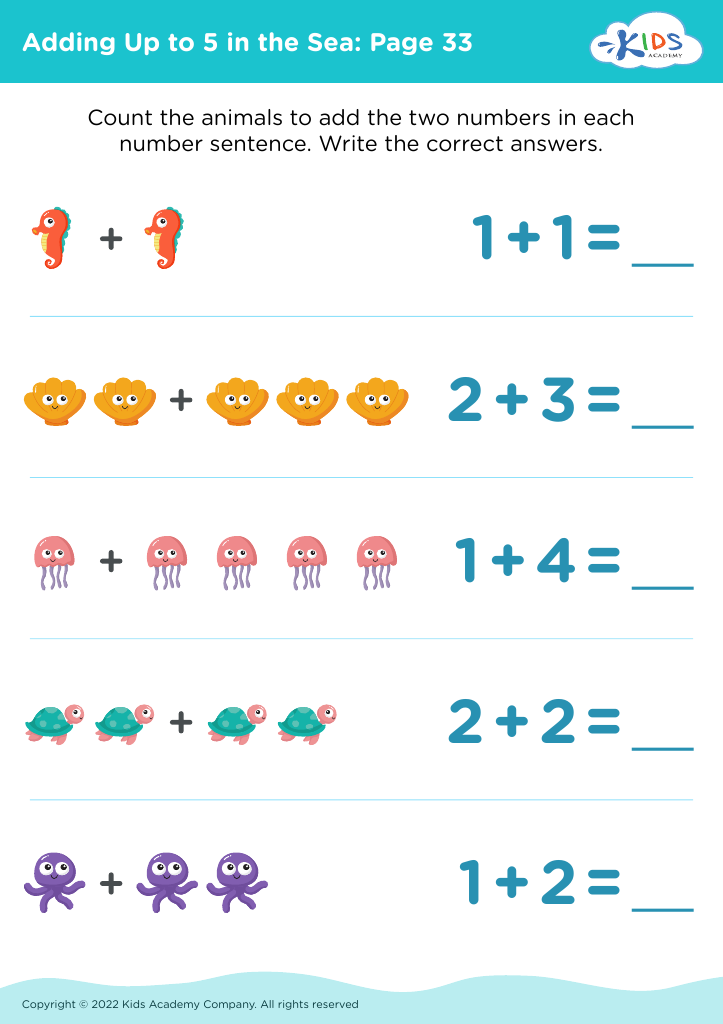
Adding up With Water Worksheet
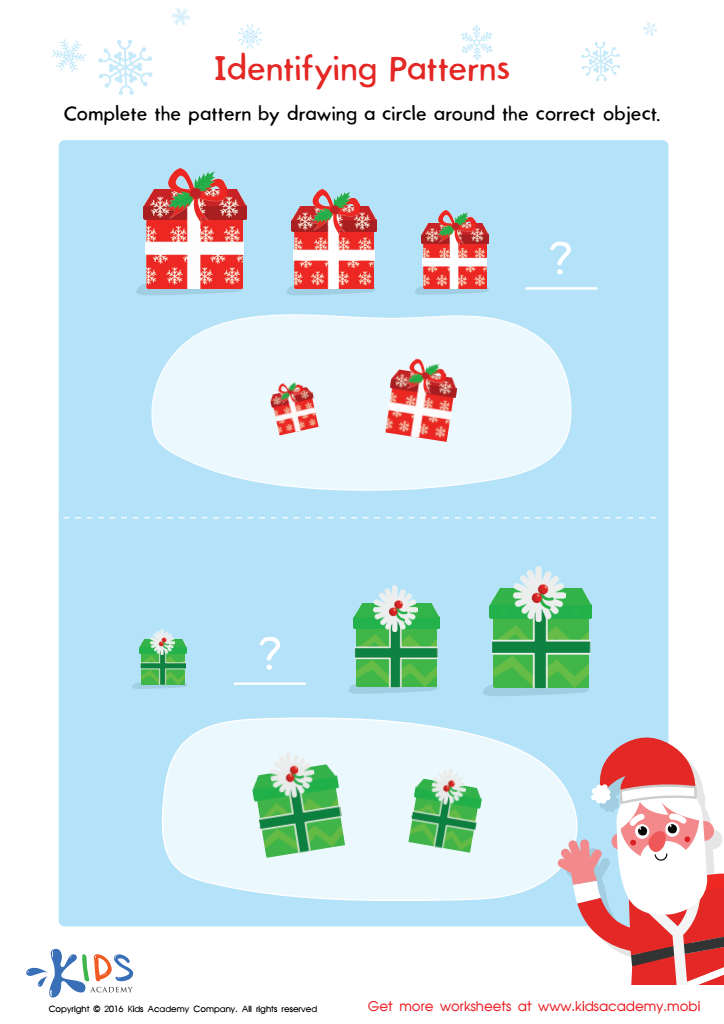
Identifying Patterns Worksheet
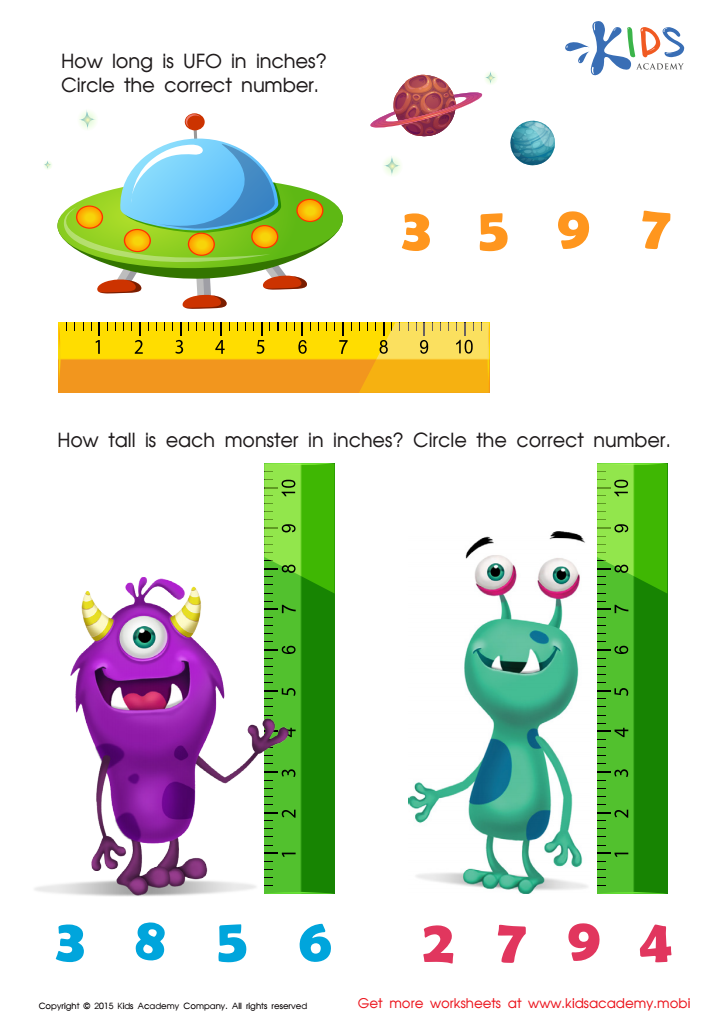
Measuring in Inches Worksheet
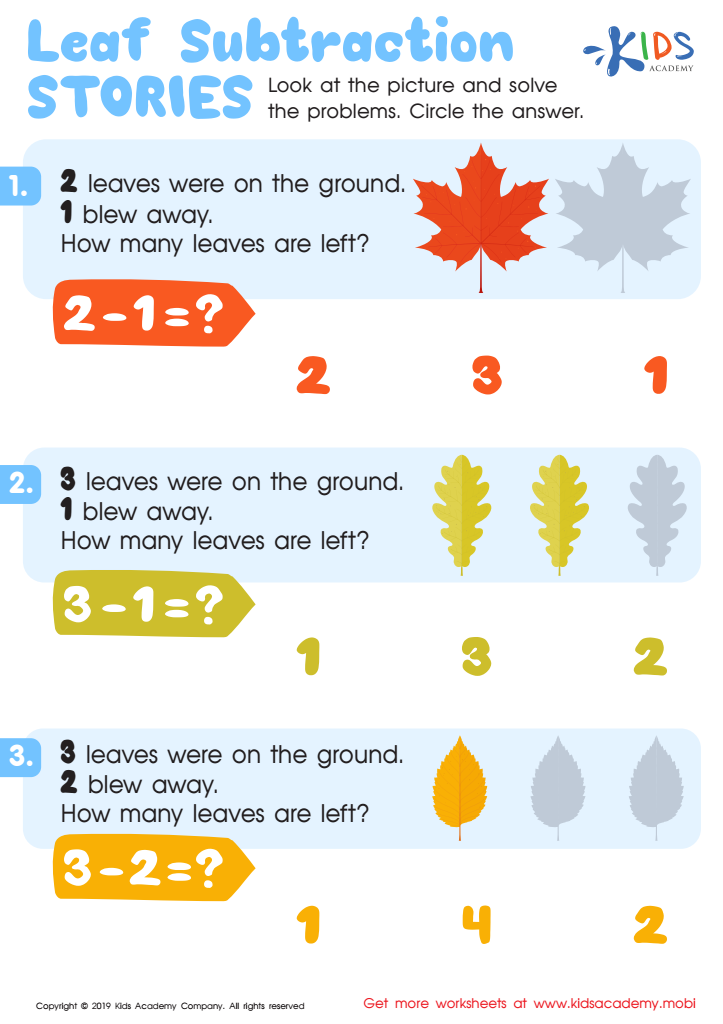
Leaf Subtraction Stories Worksheet
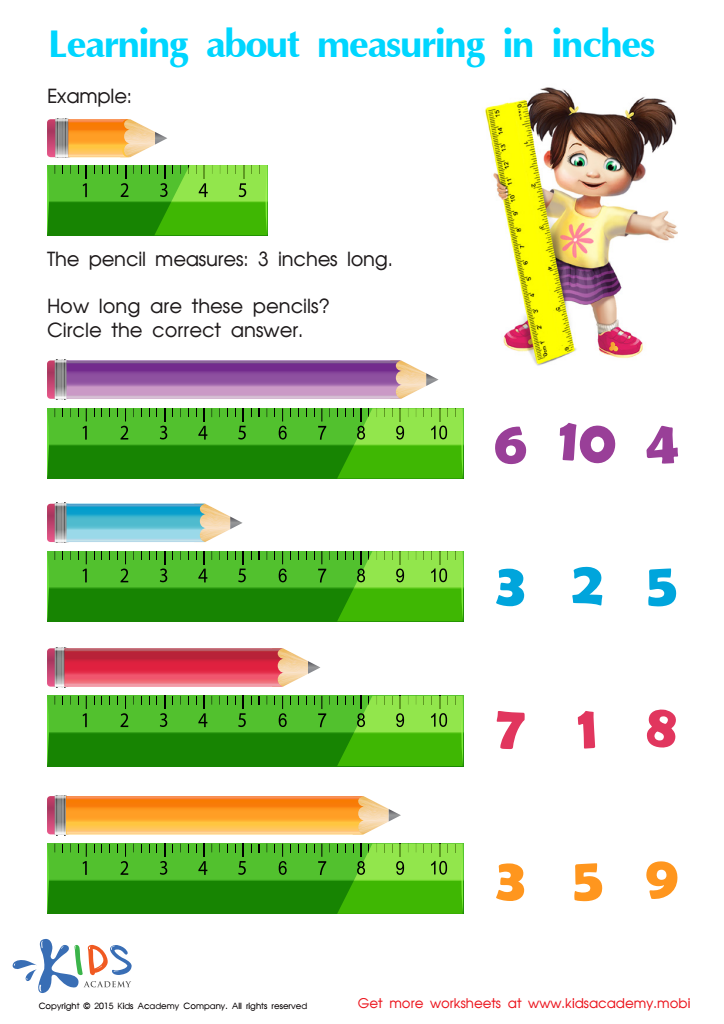
Learning About Measuring In Inches Printable
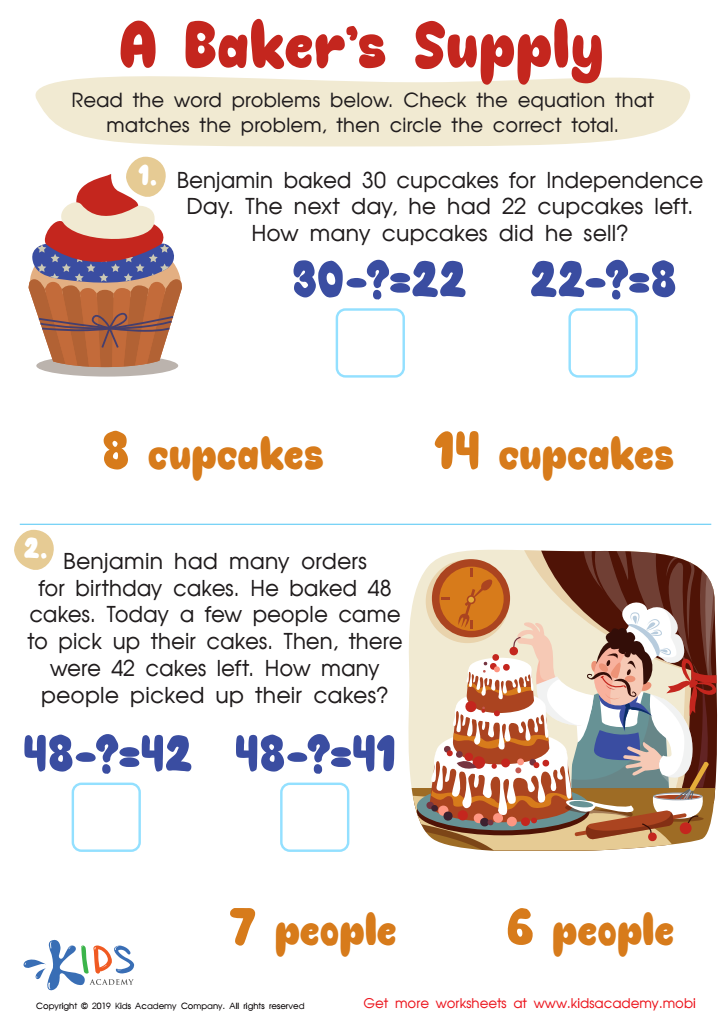
A Baker's Supply Worksheet
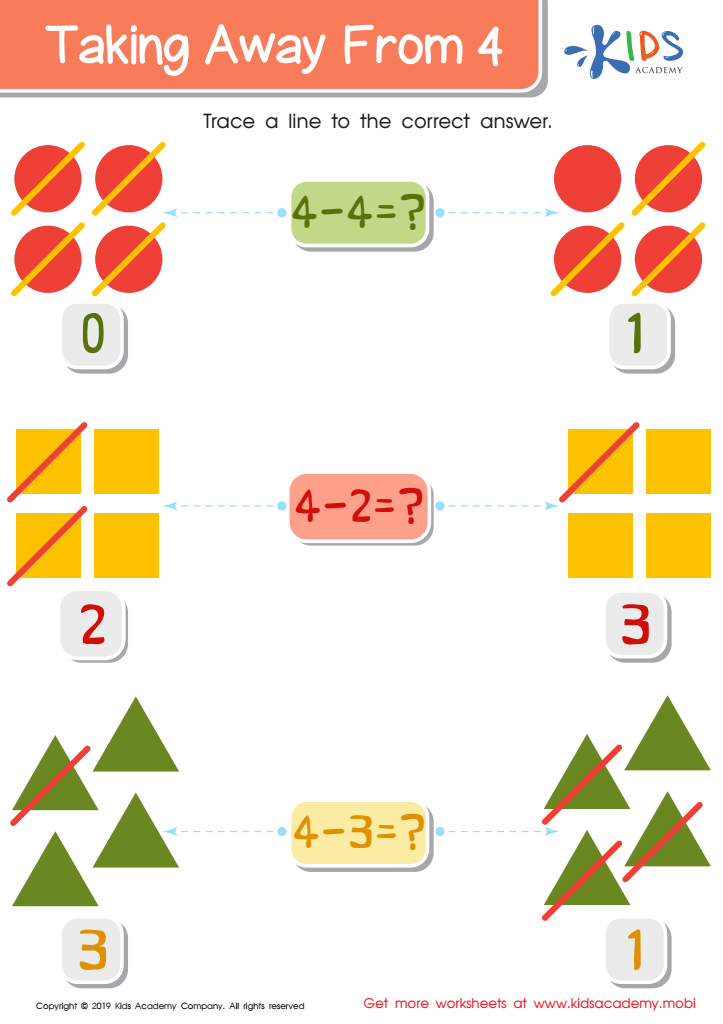
Taking Away from 4 Worksheet
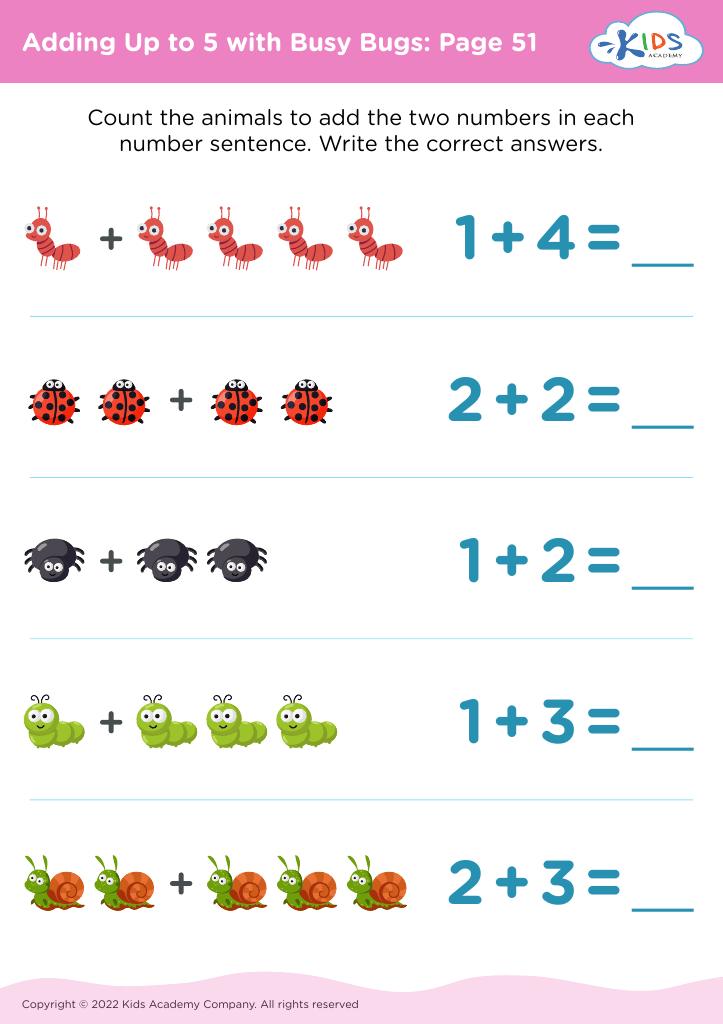
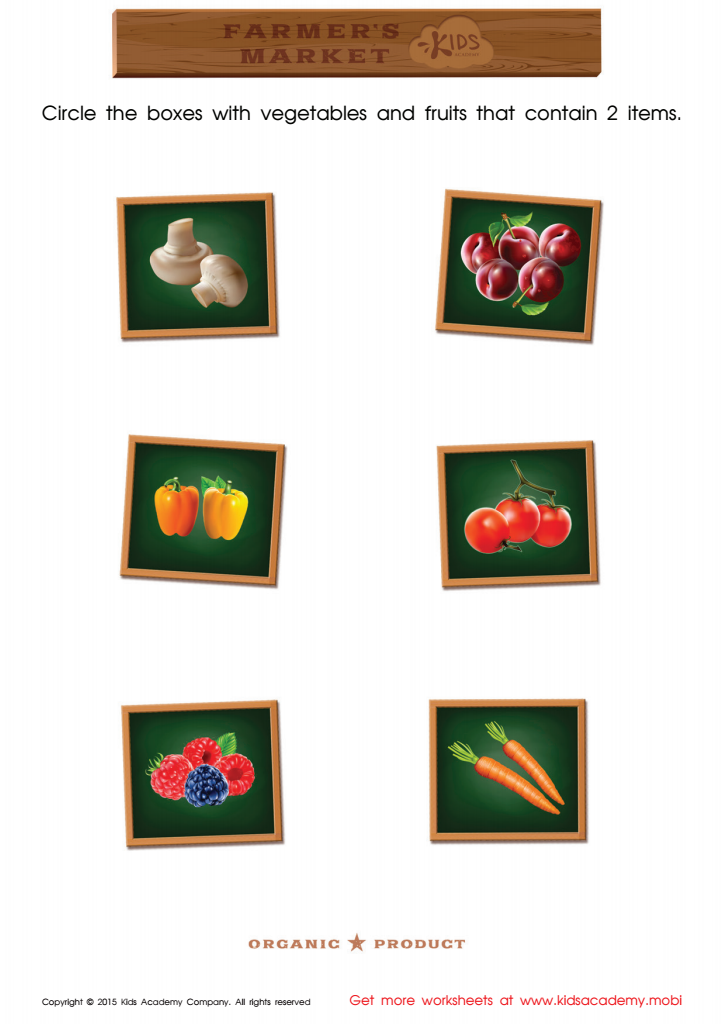
Count and Match Vegetables and Points Math Worksheet


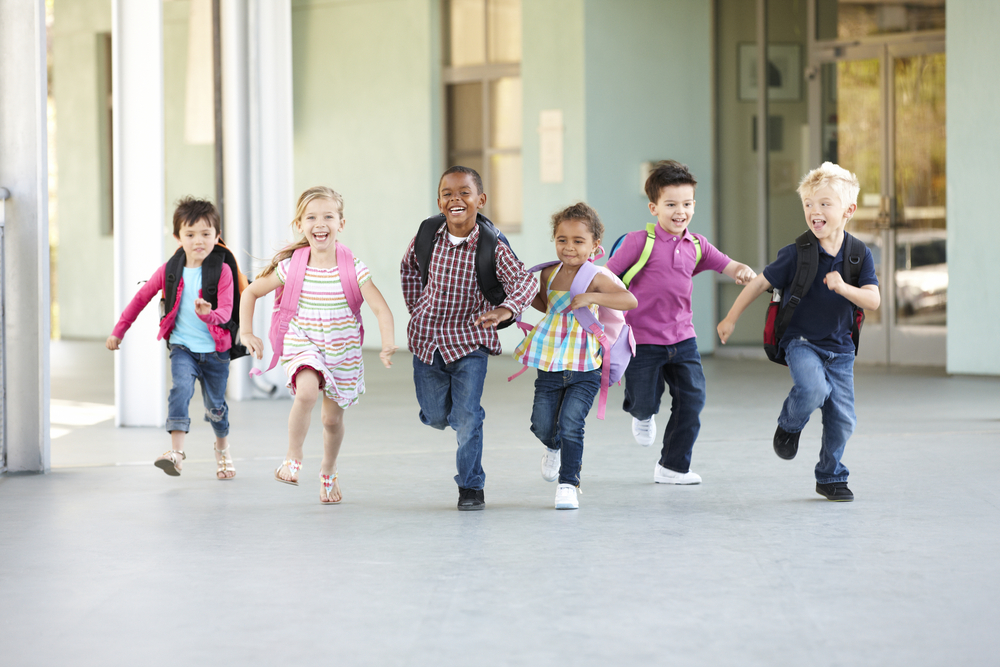


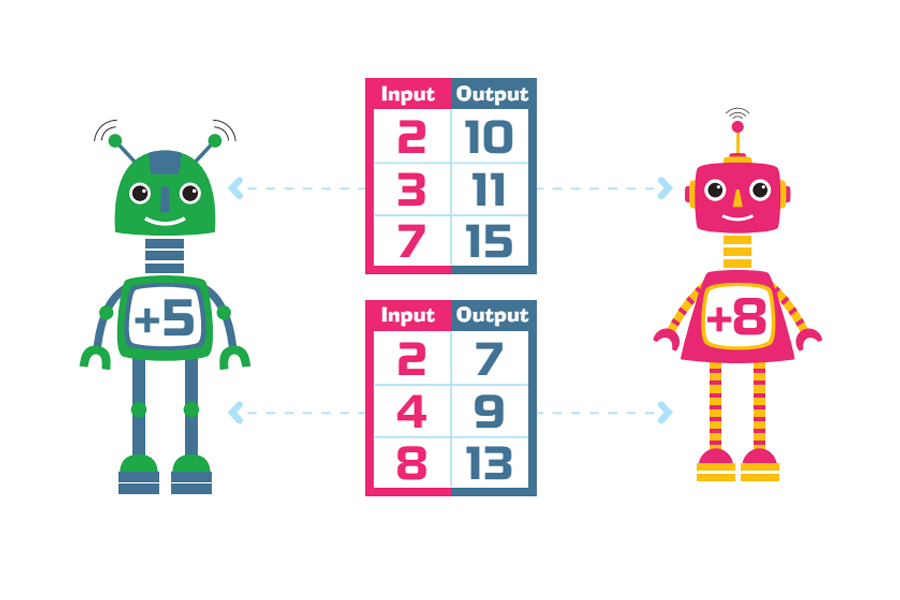


Basic math skills are foundational for a child’s overall cognitive development and future academic success, making it crucial for parents and teachers to prioritize this area in children aged 3-4 years. At this early age, children are naturally curious, and incorporating math into daily activities helps cultivate their love for learning. Skills like counting, recognizing shapes, and understanding patterns not only enhance their mathematical abilities but also boost critical thinking, problem-solving, and spatial awareness.
Furthermore, early exposure to math fosters language development as children learn to describe quantities, compare sizes, and discuss relationships. Engaging in playful math activities promotes social skills as children take turns and collaborate, making learning a shared experience.
Research indicates that strong early math skills are predictive of later academic achievement. By nurturing these competencies in preschool years, educators and parents empower children, building a strong foundation for later, more complex mathematical concepts. Encouraging basic math skills can significantly impact a child's confidence and attitude towards learning, helping them see math as an enjoyable experience rather than a daunting subject. Ultimately, investing in early math education benefits not only the child but also contributes positively to societal education levels.








