Counting proficiency Math Worksheets for Ages 3-4
12 filtered results
-
From - To
Introduce your little learners to the world of numbers with our engaging Counting Proficiency Math Worksheets for Ages 3-4! Specially designed for preschoolers, these worksheets make learning fun and effective, enhancing their counting skills through colorful, interactive activities. Each sheet is crafted to boost your child's confidence in recognizing numbers, counting objects, and developing a strong mathematical foundation. Perfect for parents and educators, our worksheets help kids build proficiency at their own pace while sparking an interest in math. Start your child on a path to numerical mastery today with Kids Academy’s expertly designed resources!
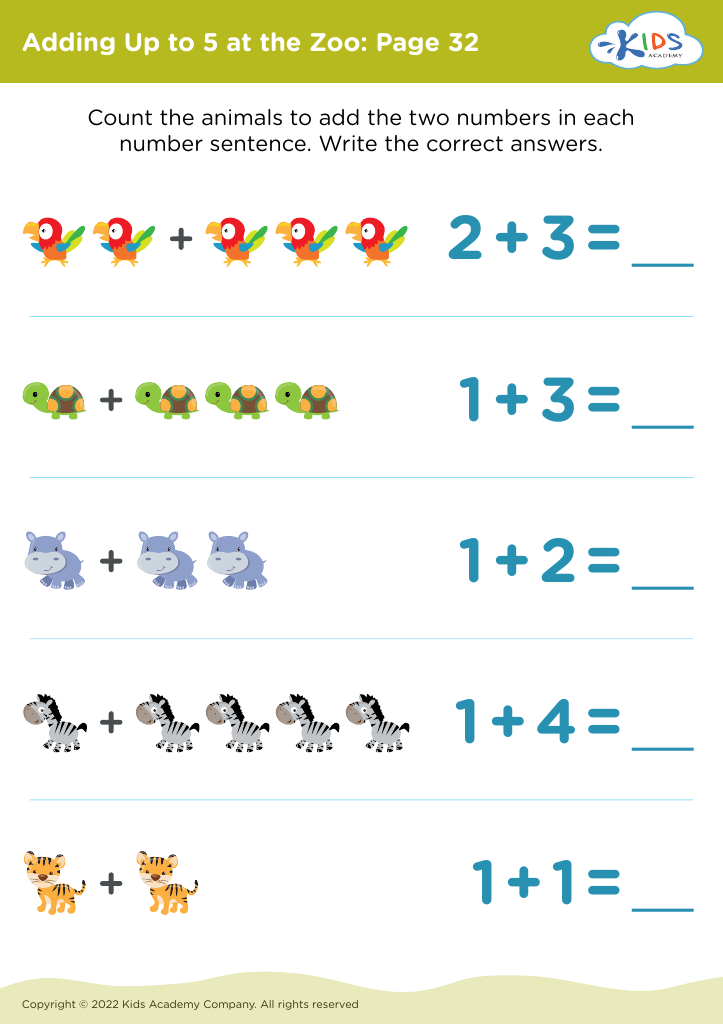
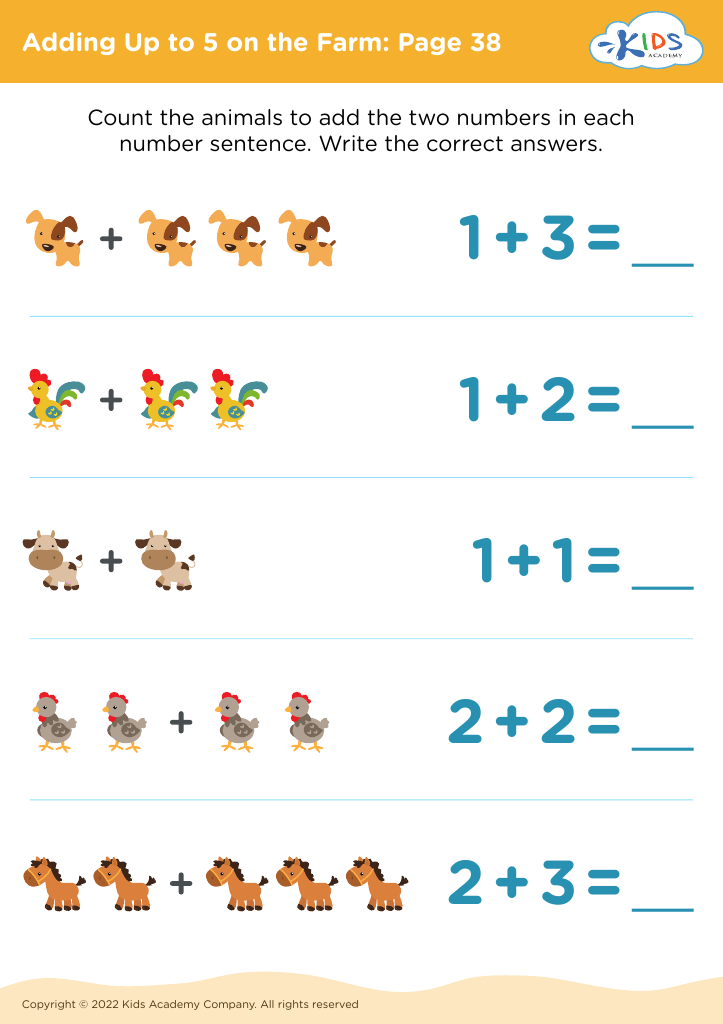
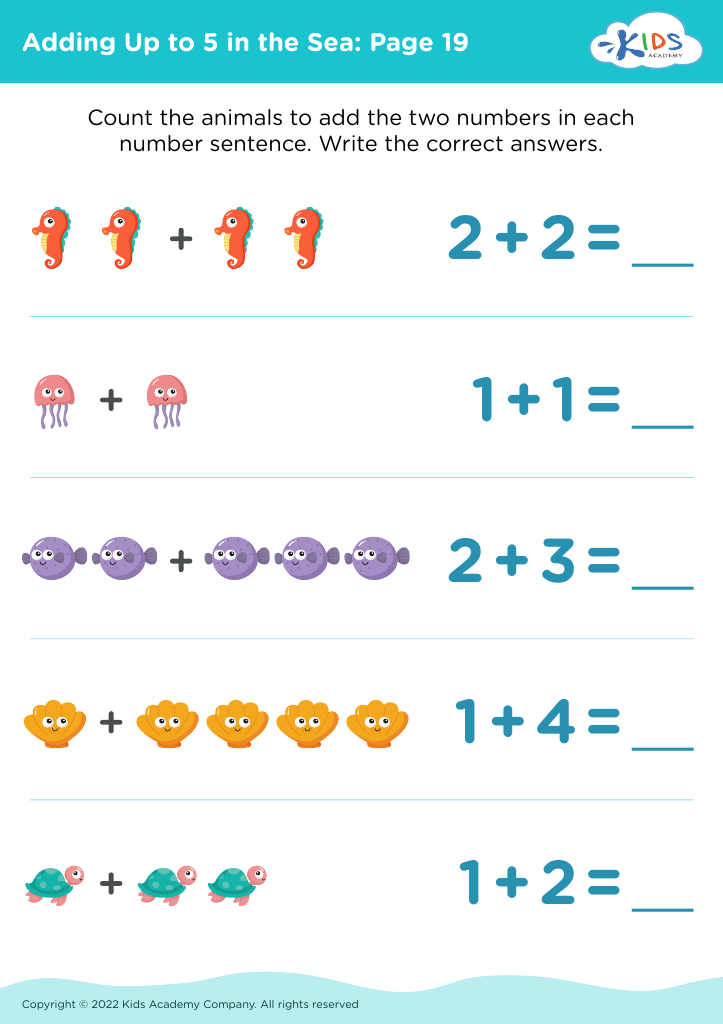
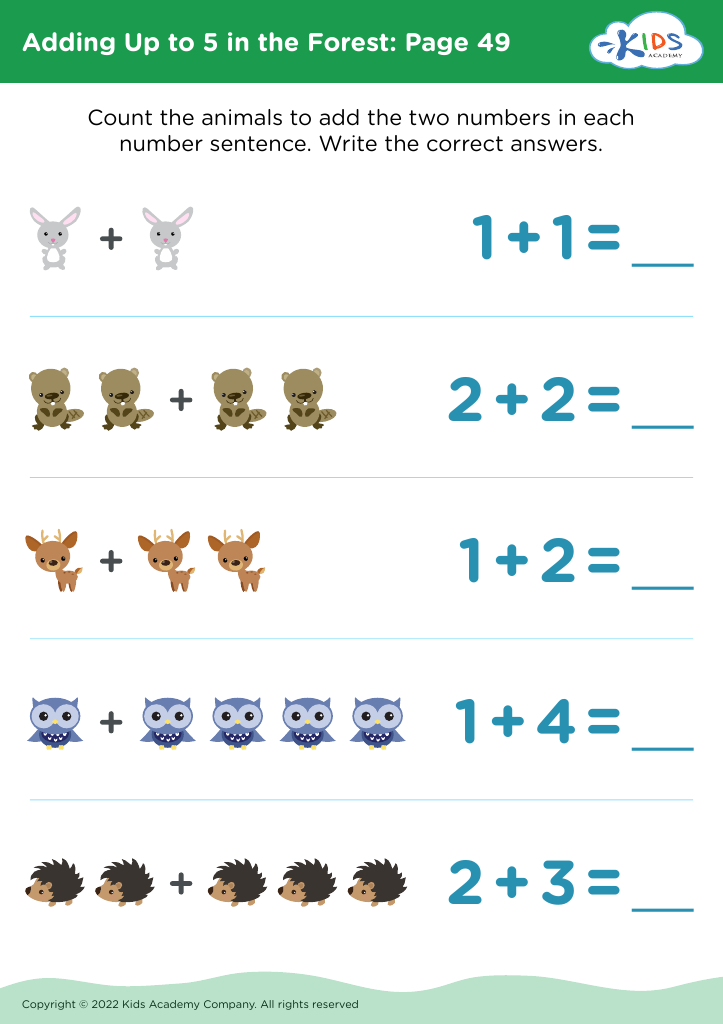
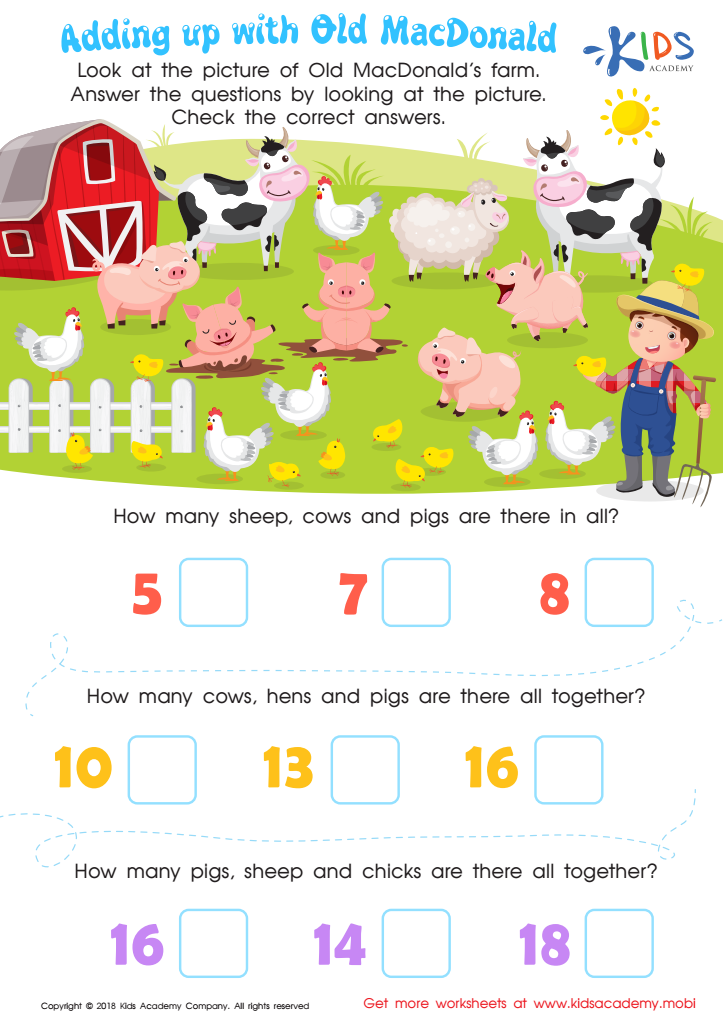
Adding Up with Old MacDonald Worksheet
 Assign to My Students
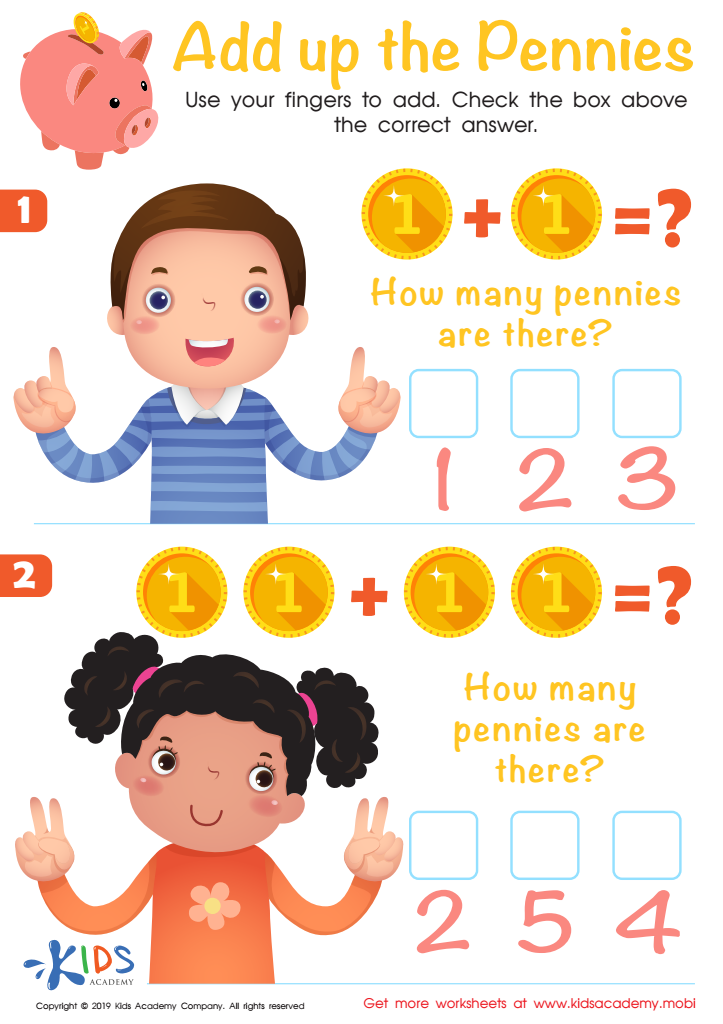
Add up the Pennies Worksheet
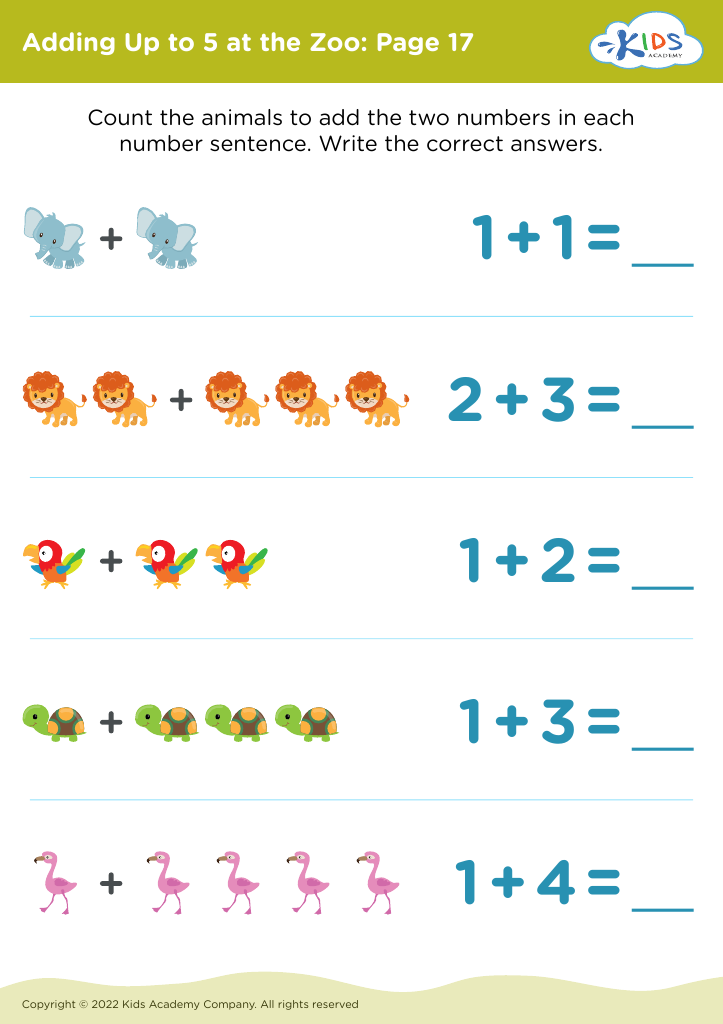
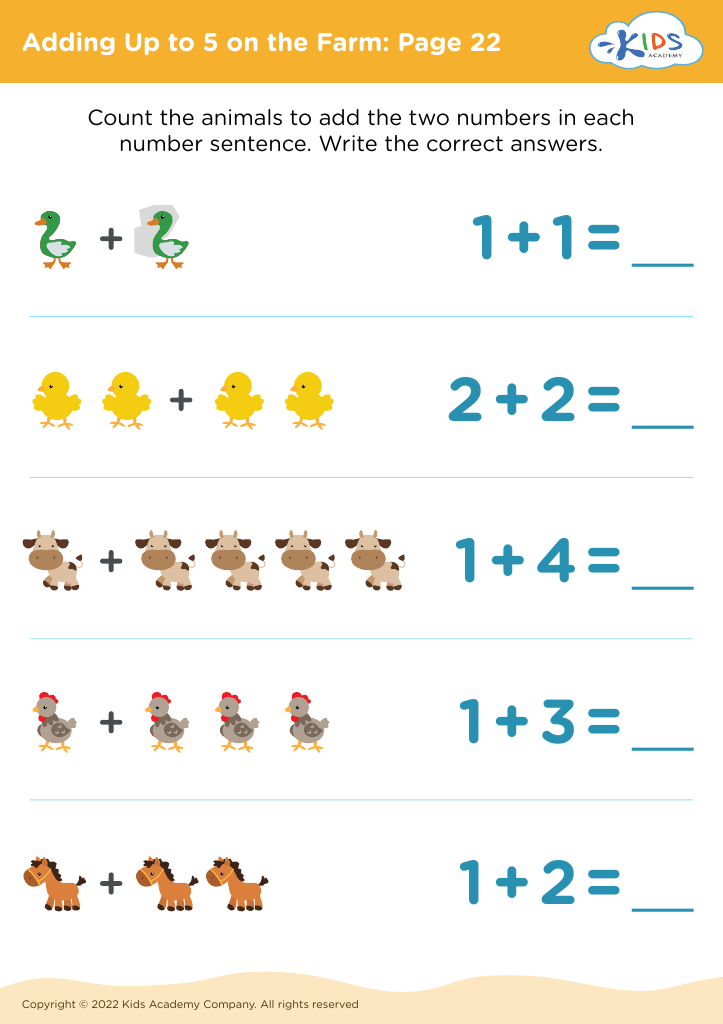
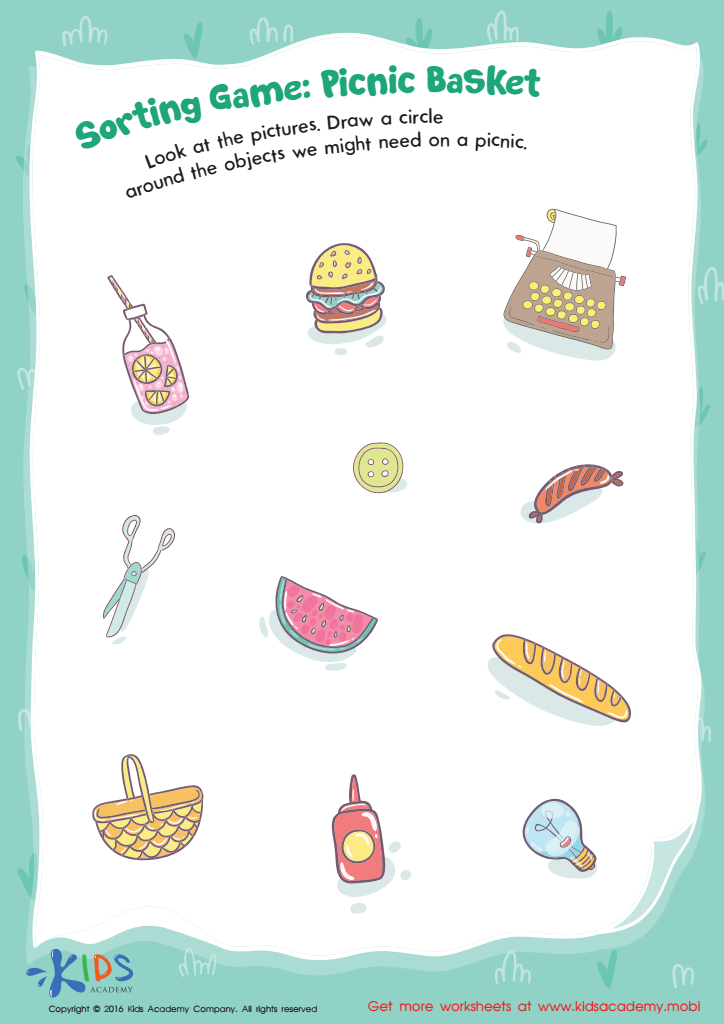
Picnic Basket Sorting Worksheet
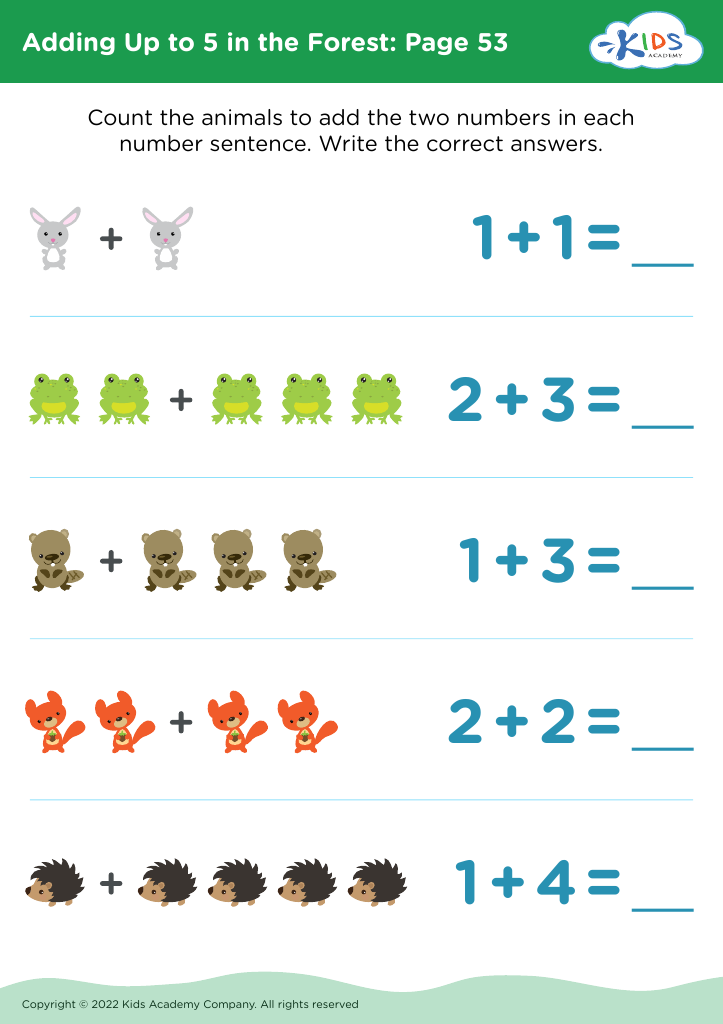
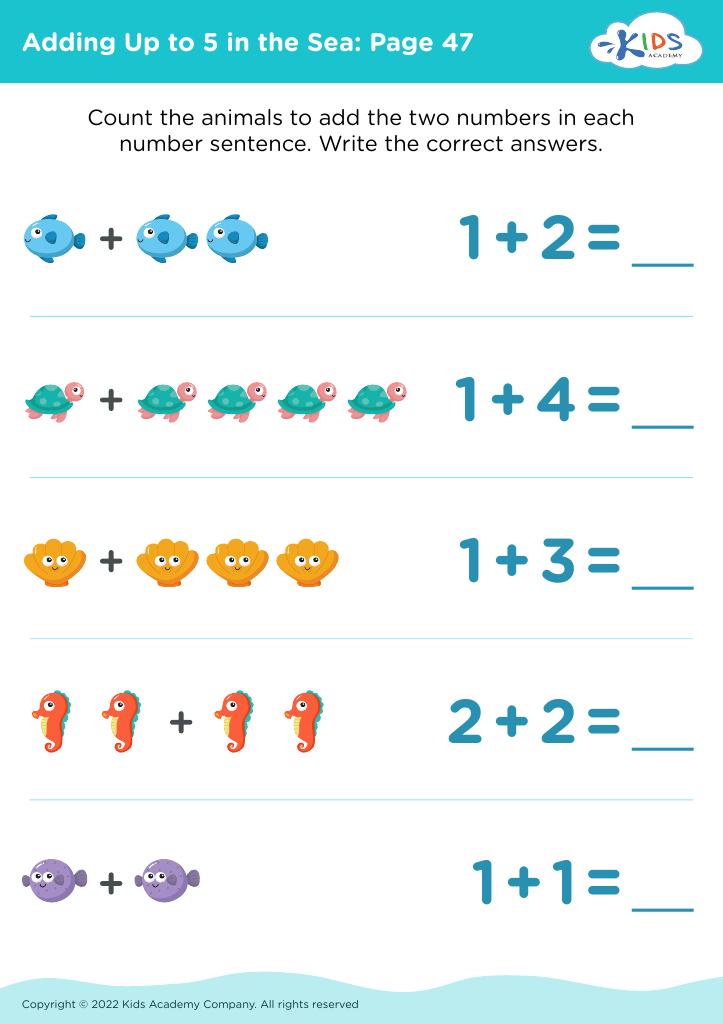
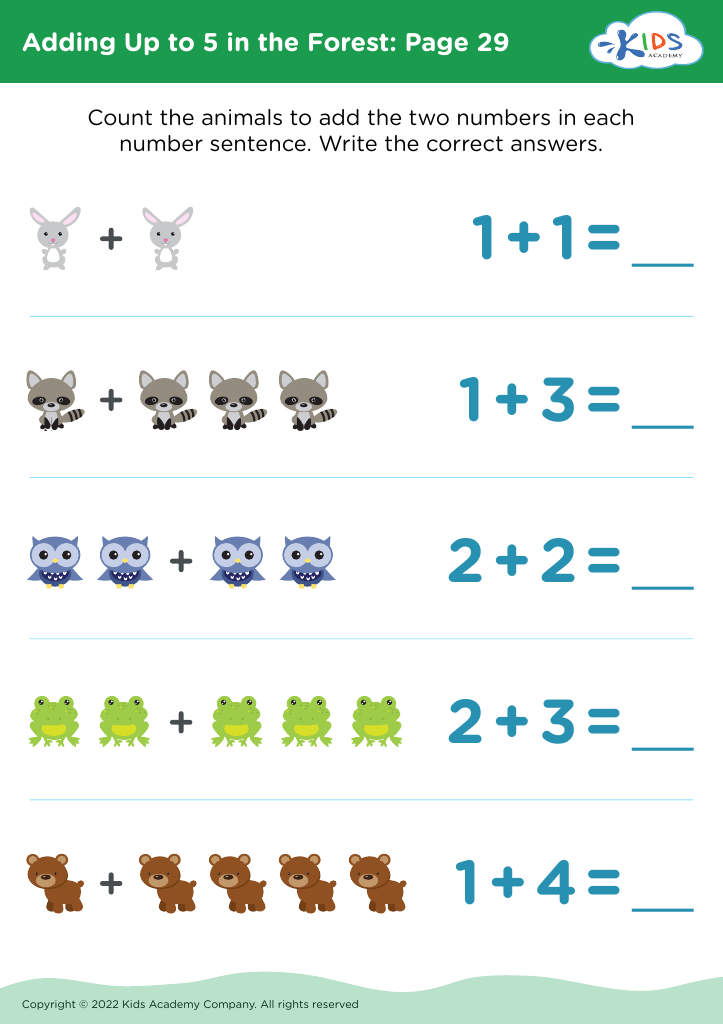






.jpg)
%20(1).jpg)
Counting proficiency in math for ages 3-4 is crucial because it lays the foundational skills for more advanced mathematical understanding. During these formative years, children are developing their number sense, which is the ability to understand, relate, and connect numbers. This proficiency is not just about rote memorization; it involves recognizing quantities, differentiating between more and less, and starting to grasp the concepts of addition and subtraction.
When children become proficient in counting, they gain confidence and enthusiasm for learning, which can positively influence their academic journey. Counting also supports cognitive development by enhancing memory, attention to detail, and problem-solving abilities. Additionally, early numeracy skills are predictive of later academic achievement, not just in mathematics but across other subjects as well.
For parents and teachers, fostering counting skills involves engaging children with hands-on activities and interactive games that incorporate counting. It enhances their social interactions as they learn to participate in group activities and follow instructions. Moreover, integrating counting into daily routines helps children see the relevance of numbers in everyday life, further solidifying their learning.
In essence, counting proficiency serves as an essential building block for children’s mathematical literacy, shaping their future educational success and overall cognitive development. Therefore, dedicating time and resources to develop these skills from an early age should be a priority for both parents and educators.








