Matching skills Math Worksheets for Ages 3-4
14 filtered results
-
From - To
Unlock your child's potential with our Matching Skills Math Worksheets designed for ages 3-4. Perfectly tailored to engage younger minds, these worksheets help develop critical early math skills, including pattern recognition, shape and color matching, and logic enhancement. Fun and interactive, each activity boosts cognitive abilities while nurturing a love for learning. Created by educational experts, these printable resources offer diverse exercises that keep children entertained and challenged. Start your preschooler on a path of mathematical exploration and build strong foundational skills for their academic journey ahead. Download today and watch their confidence grow!
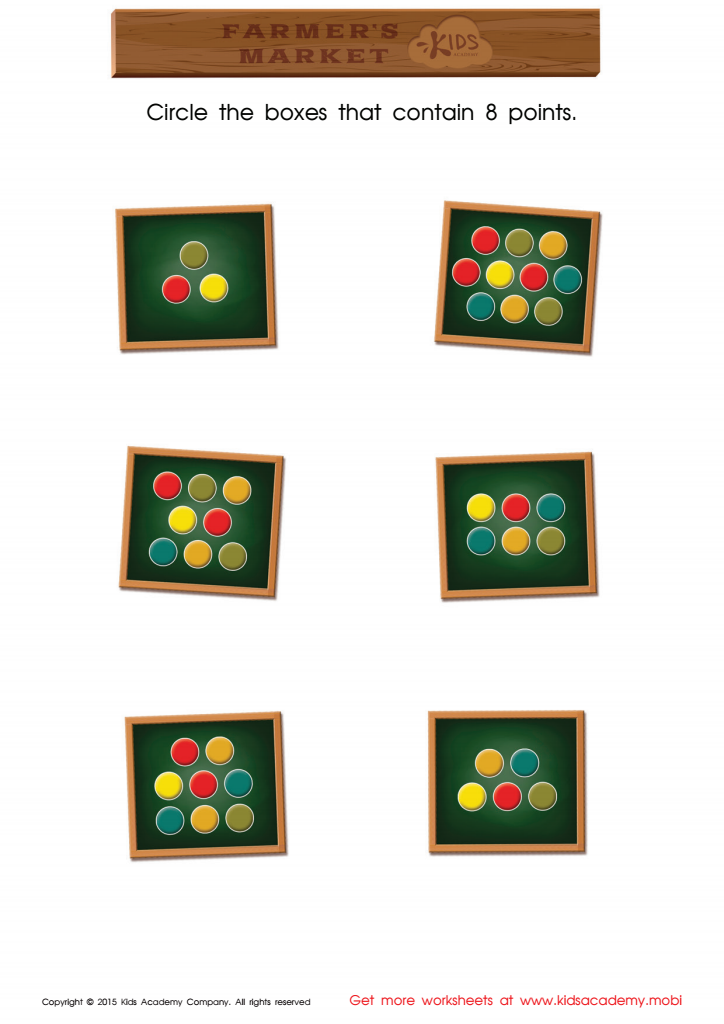
Count and Match Points 8 Math Worksheet
 Assign to My Students
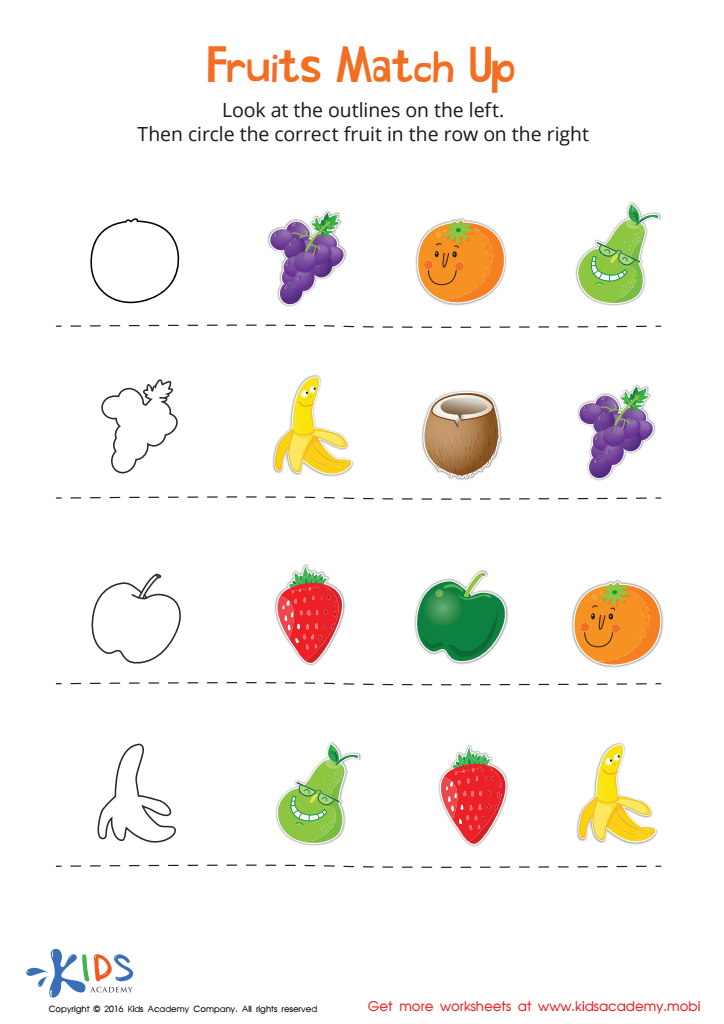
Fruits Match Up Worksheet
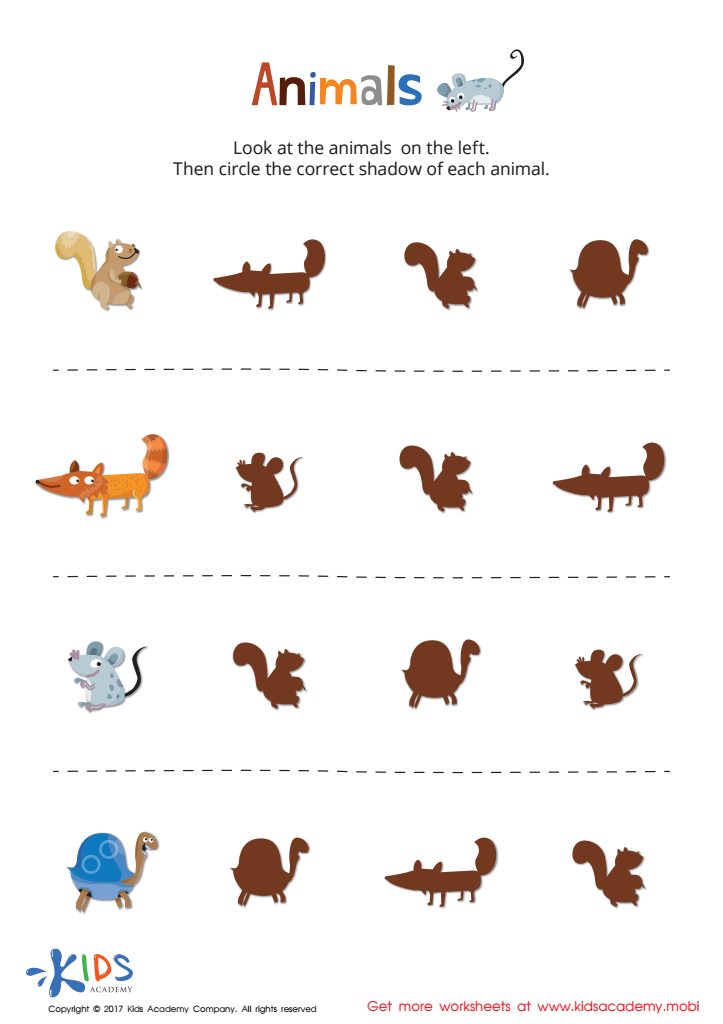
Animal Shadows Sorting Worksheet
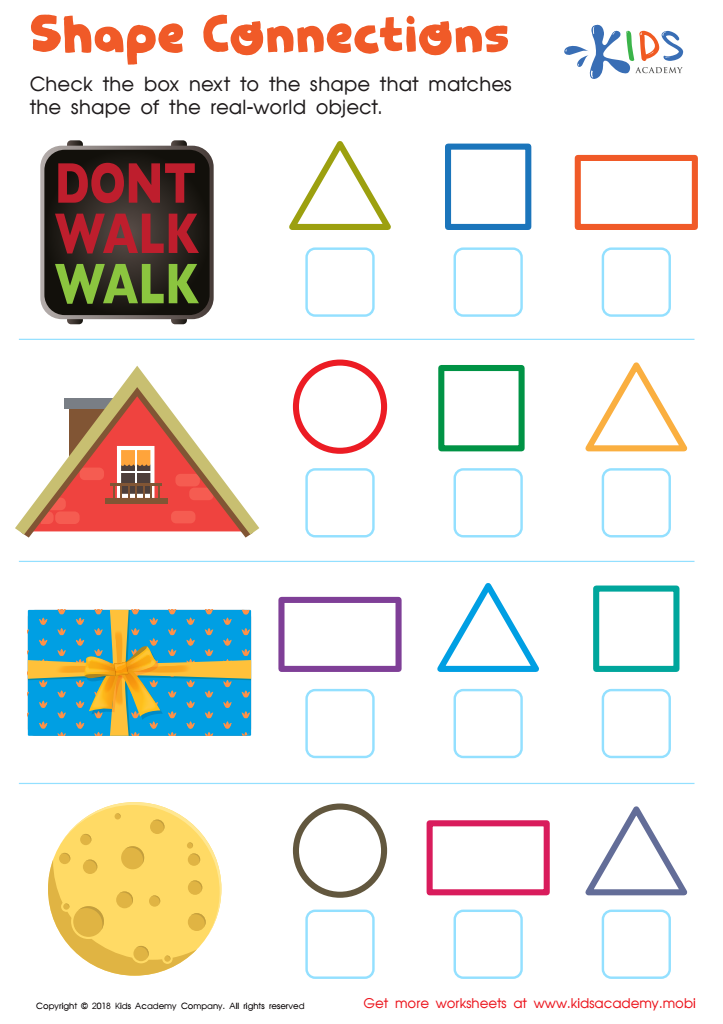
Shape Connections Worksheet
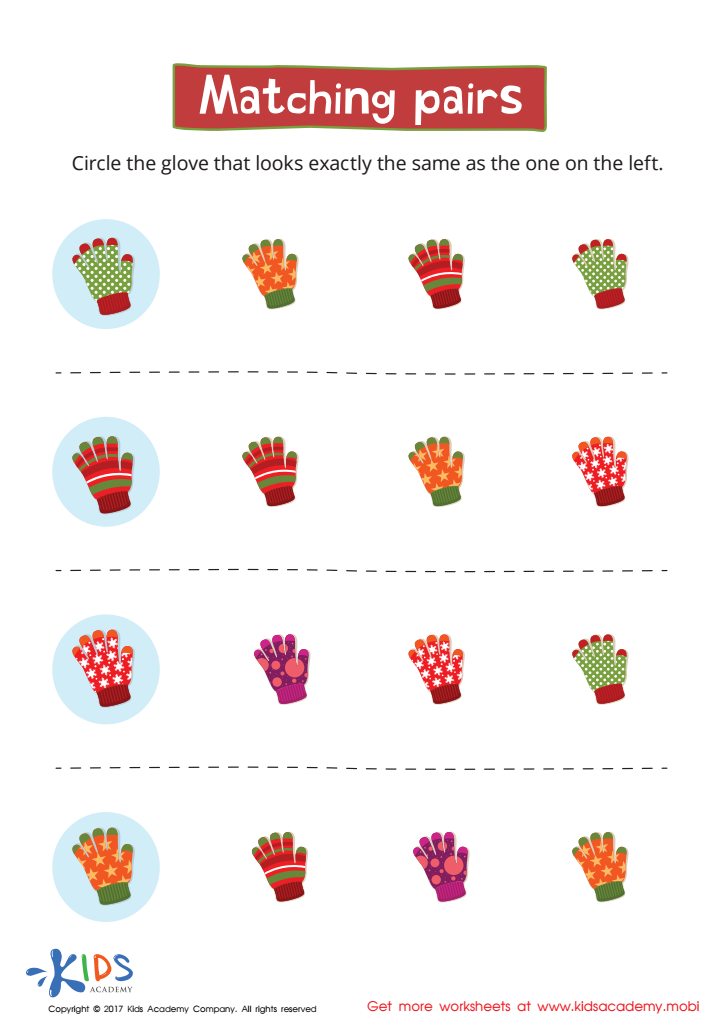
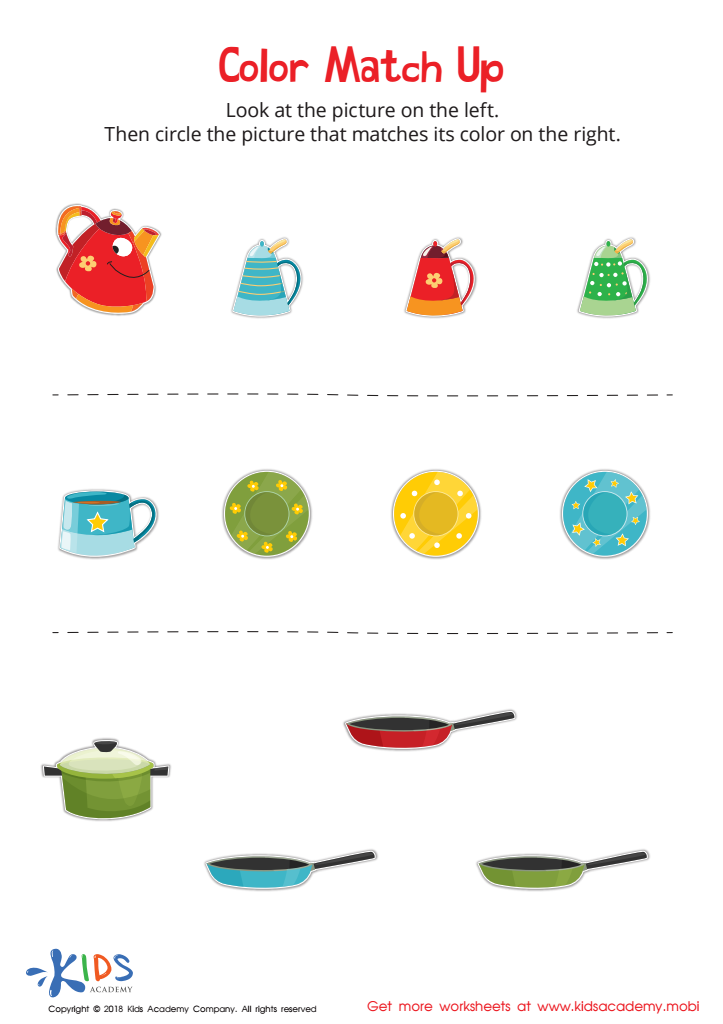
Matching: Matching Pairs Worksheet
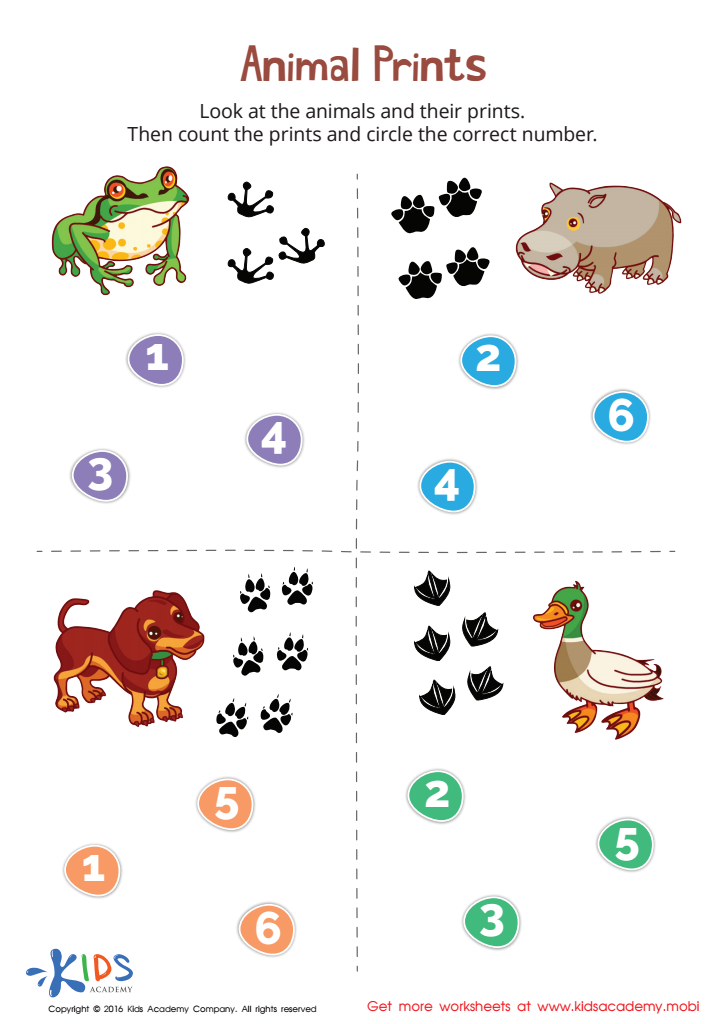
Animal Prints Match-Up Worksheet
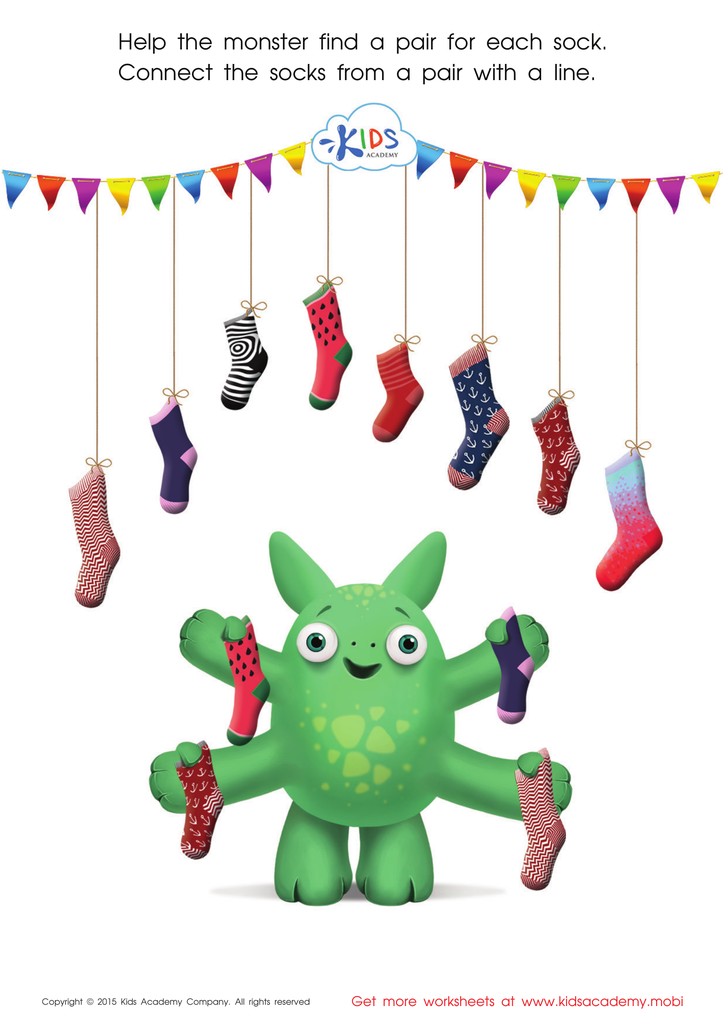
Math Matching Game: Monsterв's Socks Worksheet
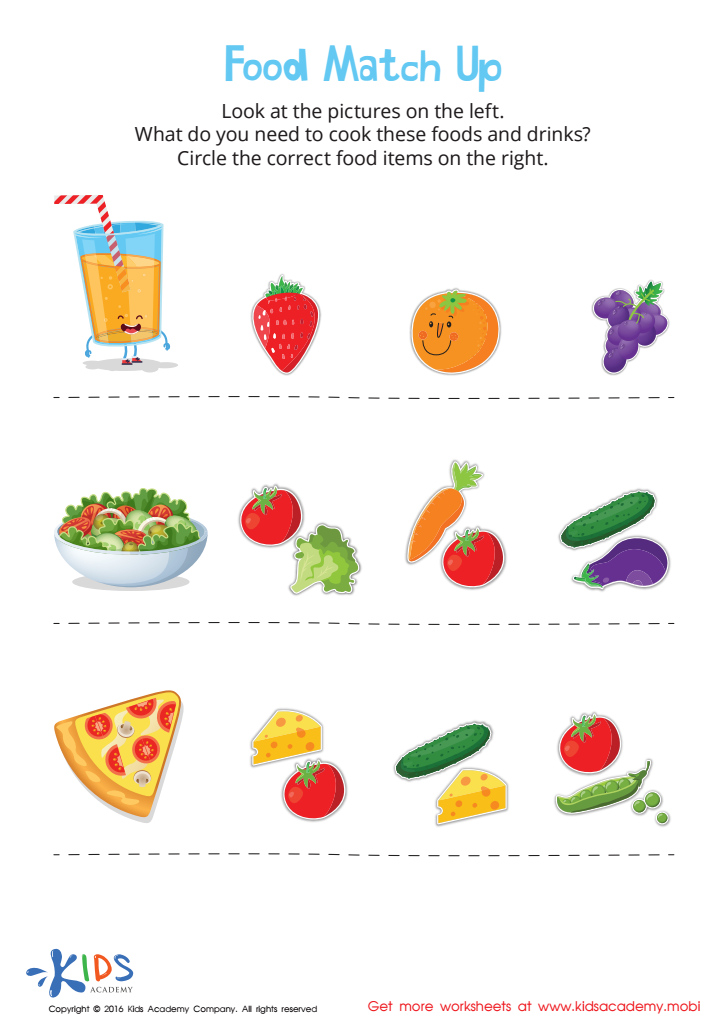
Food Match Up Worksheet
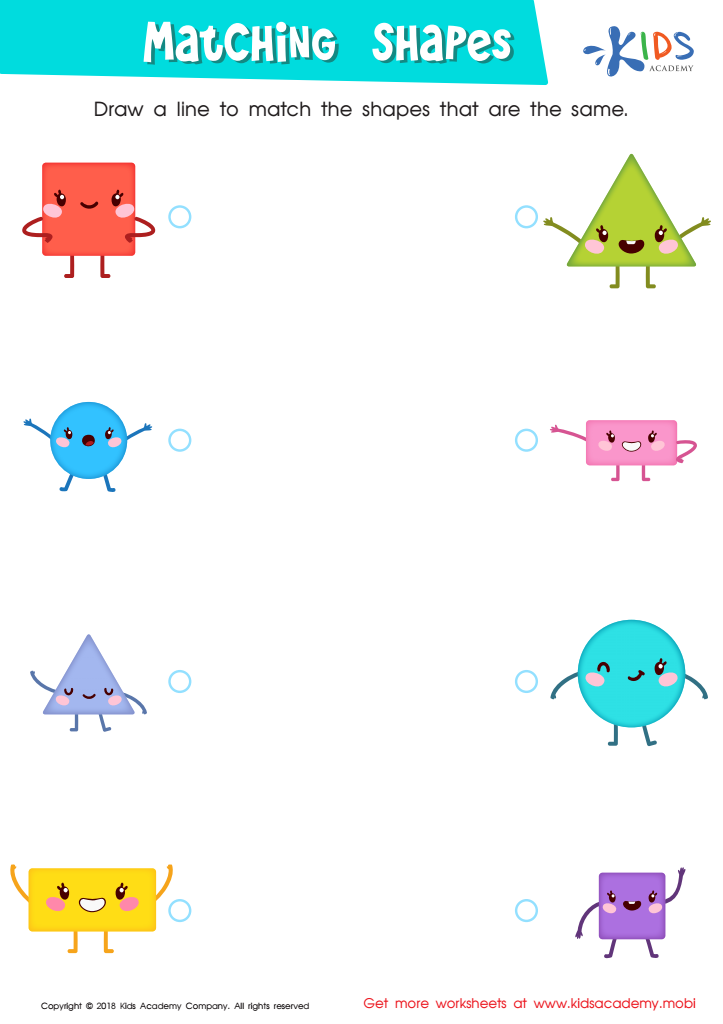
Matching Shapes Worksheet
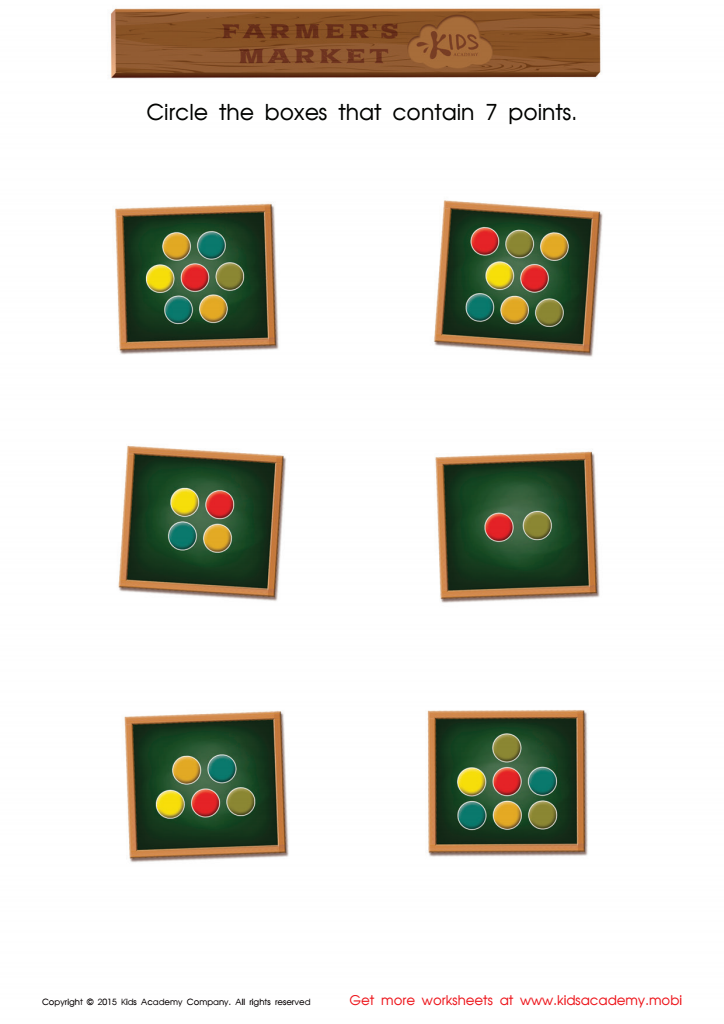
Count and Match Points 7 Math Worksheet
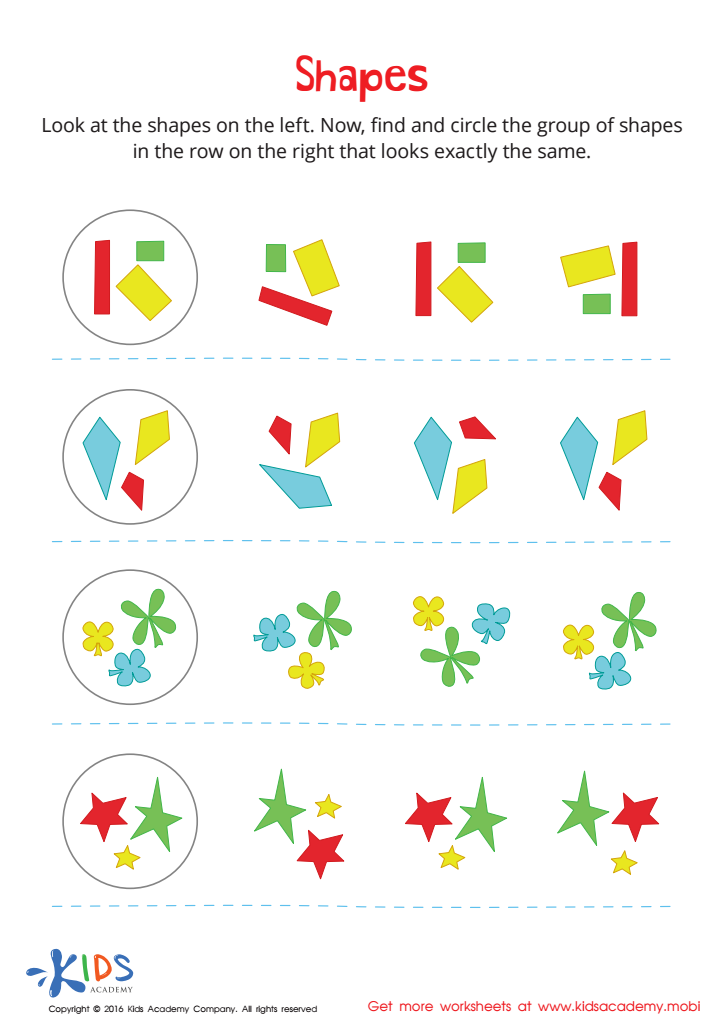
Shapes Worksheet
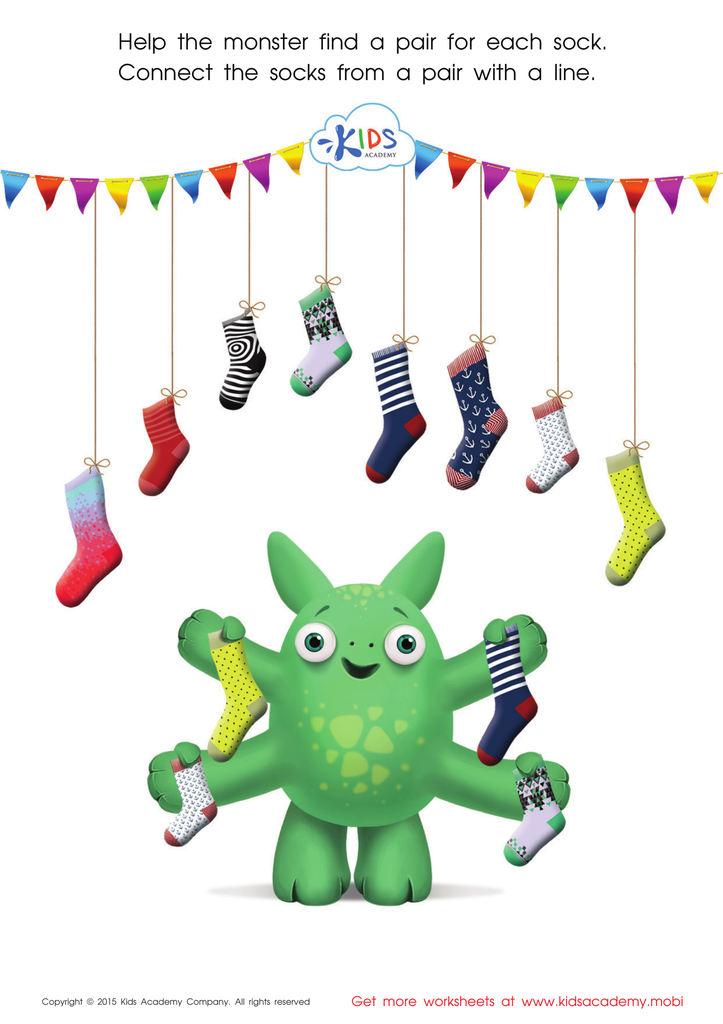
Math Matching Pairs Game: Monsterв's Socks Worksheet
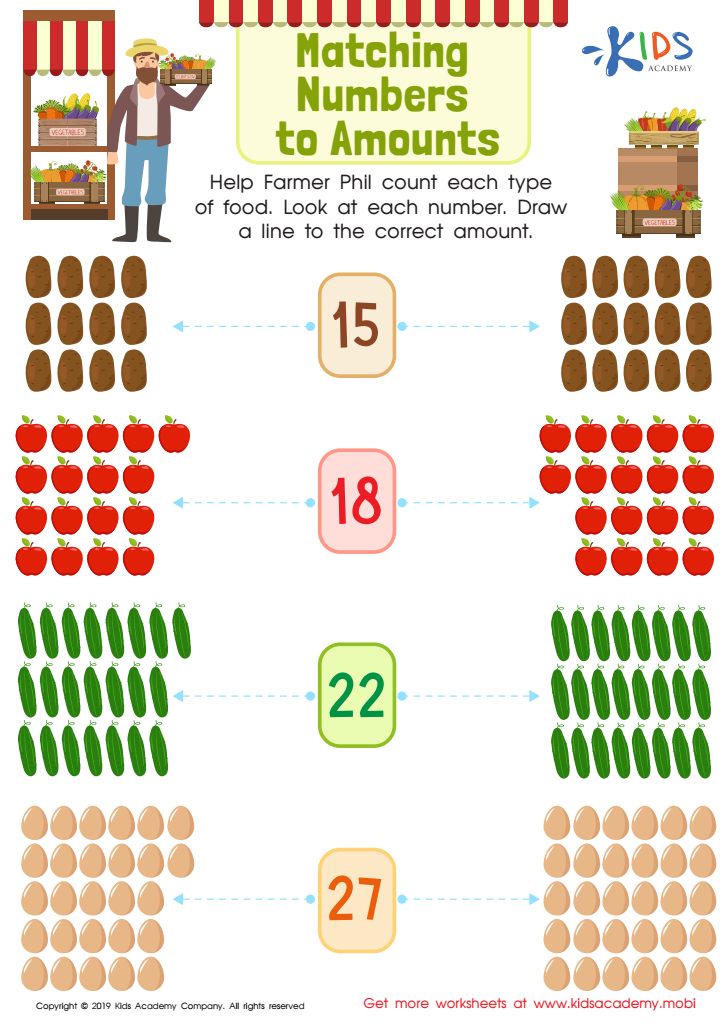
Matching Numbers to Amounts Worksheet






Matching skills in math for children aged 3-4 form a crucial foundation for later mathematical understanding and overall cognitive development. During these formative years, young brains are highly receptive to new information, and matching activities tap into this natural proclivity.
First and foremost, matching skills lay the groundwork for recognizing patterns—a key component in the study of mathematics. By engaging in activities that involve matching shapes, colors, and quantities, children begin to grasp abstract concepts more concretely. This fosters an intuitive sense of order and logic, essential qualities not just in mathematics but in problem-solving in general.
Moreover, these skills also enhance memory and observation. As children learn to identify and match items, they pay more attention to details, which strengthens their memory retention capabilities. This acquired focus aids them academically across all subjects.
Equally important is the boost in self-confidence that accompanies mastering these skills. When children successfully match items and get positive reinforcement, they develop a sense of achievement, encouraging them to tackle more complex tasks with enthusiasm.
Lastly, matching activities are often interactive, providing excellent opportunities for parents and teachers to engage with children. This interaction also supports language development and emotional bonding, enriching the educational experience and making learning enjoyable.
In summary, fostering matching skills in young children equips them with essential cognitive tools, supports emotional development, and strengthens parent-child or teacher-student relationships.








