Mathematical reasoning Math Worksheets for Ages 3-4
21 filtered results
-
From - To
Discover our engaging Mathematical Reasoning Math Worksheets designed specifically for children aged 3-4. These worksheets are perfect for little ones to develop foundational math skills through fun and interactive activities. Aimed at enhancing critical thinking and problem-solving abilities, our worksheets introduce concepts like counting, sorting, and basic shapes in an enjoyable way. Each worksheet features colorful illustrations and easy-to-understand instructions to captivate young learners. Whether used at home or in the classroom, these resources provide a perfect stepping stone for preschoolers to build confidence and excitement in mathematics. Start your child's math journey today with our delightful worksheets!
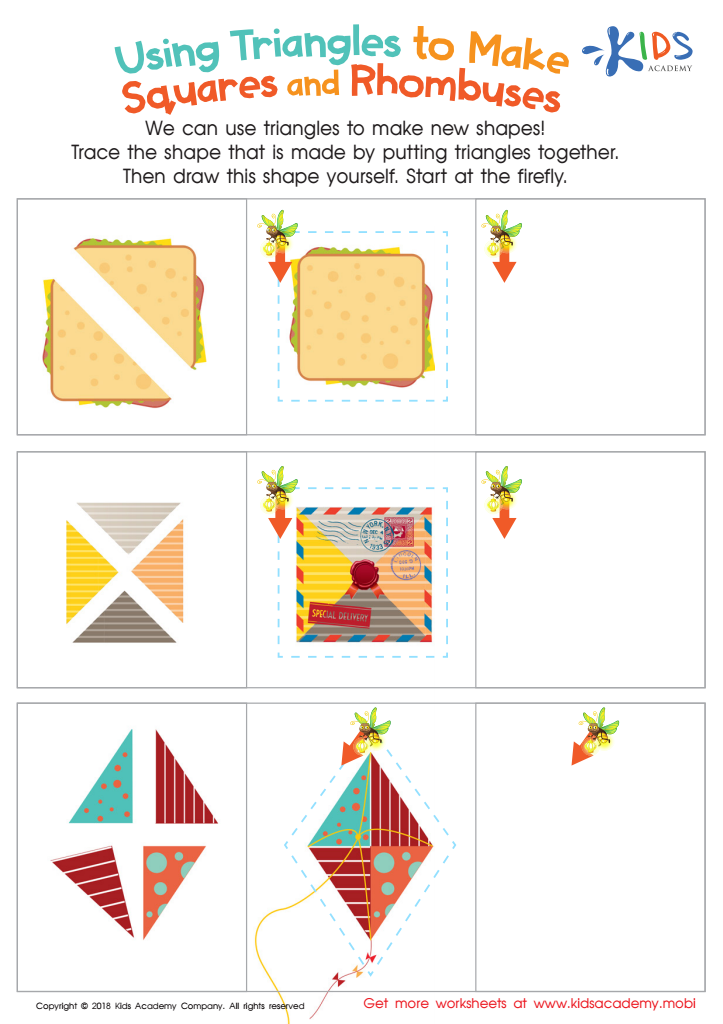
Using Triangles to Make Squares and Rhombuses Worksheet
 Assign to My Students
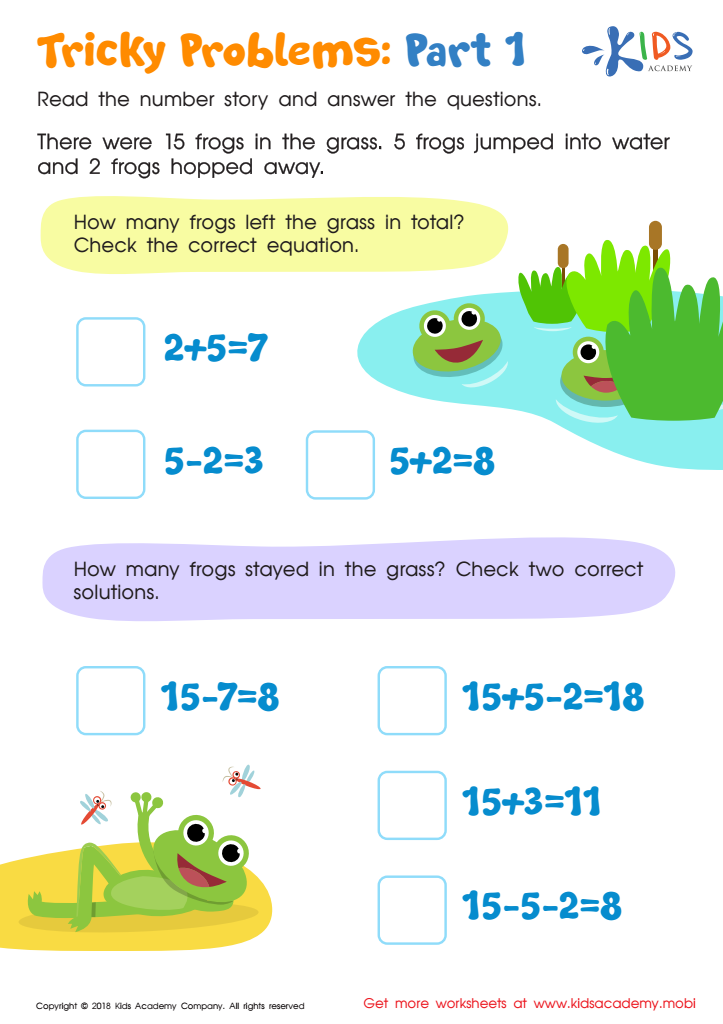
Tricky Problems Worksheet: Part 1
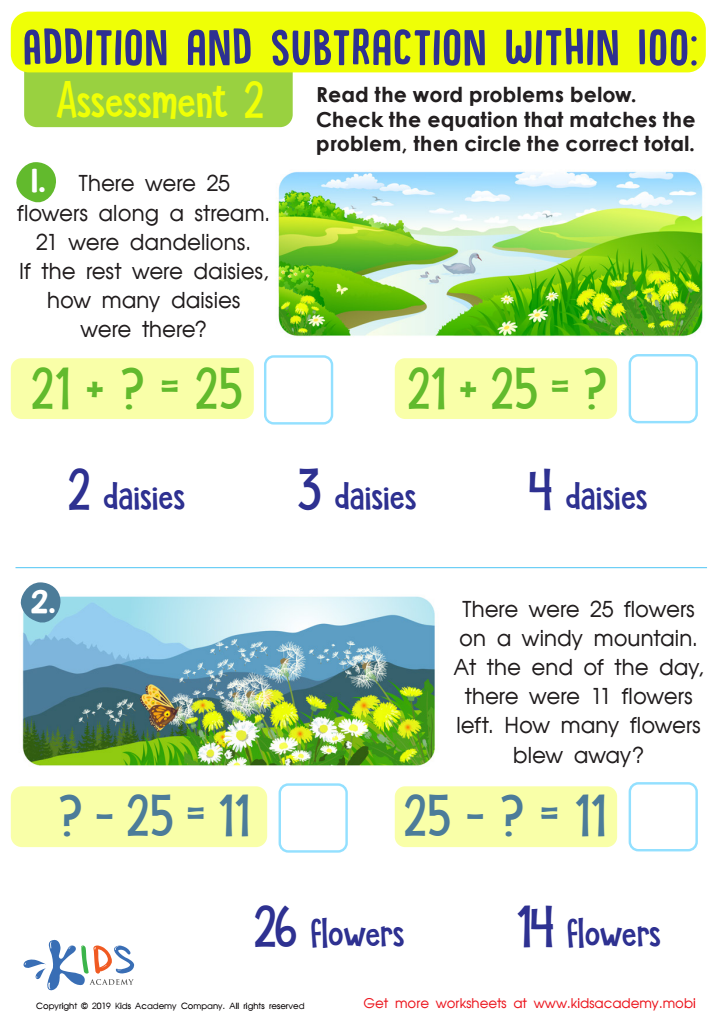
Assessment 2 Math Worksheet
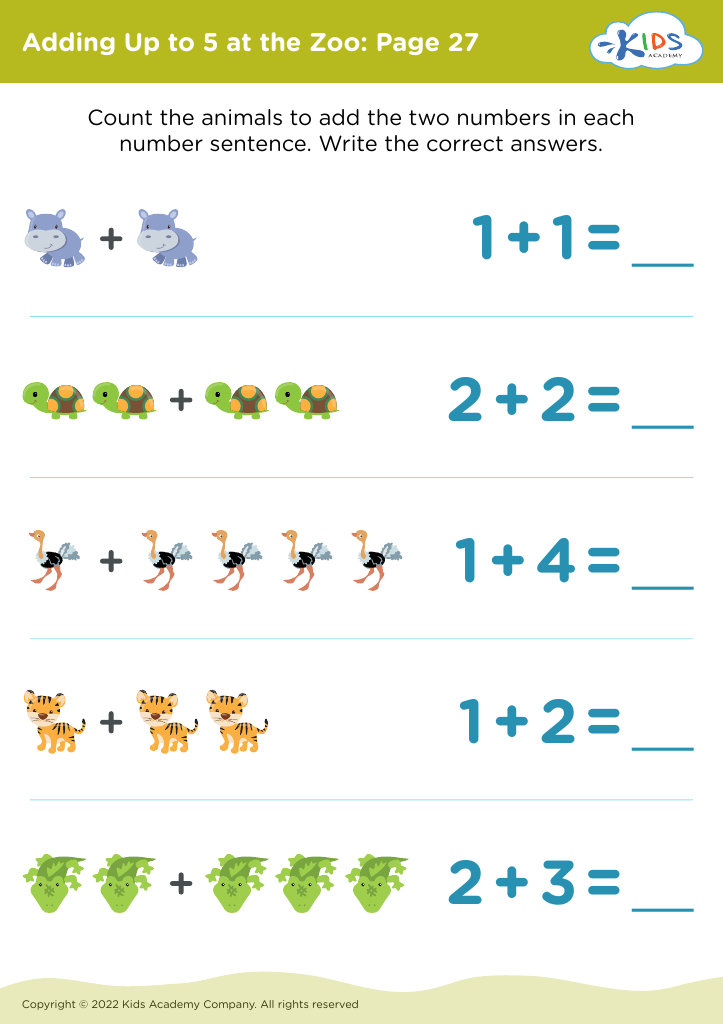
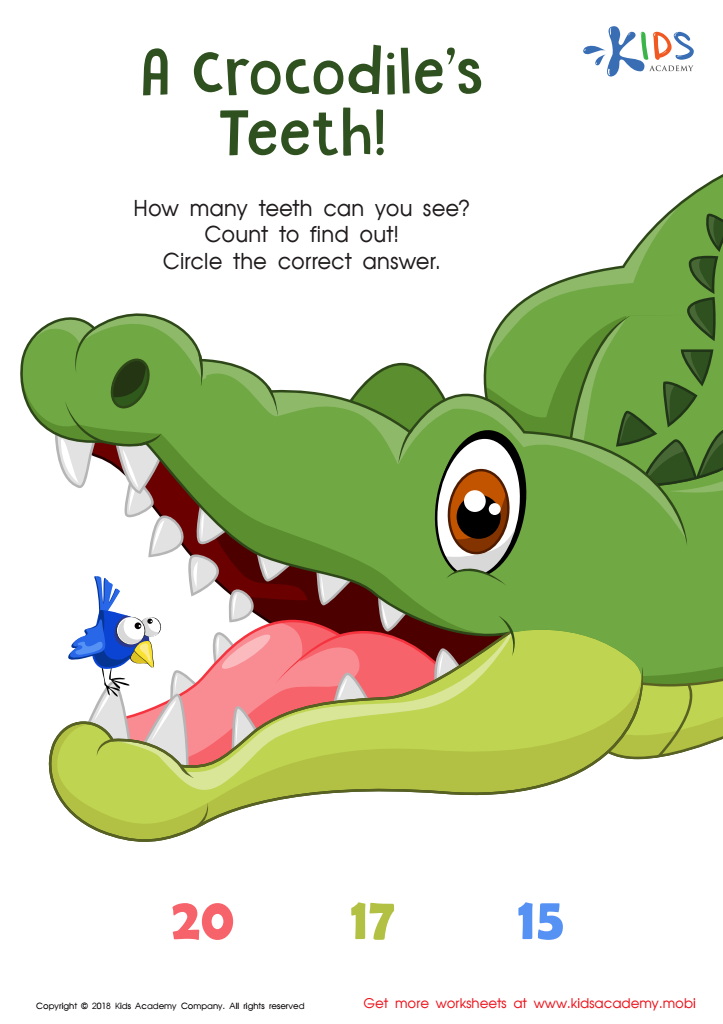
A Crocodile's Teeth Worksheet
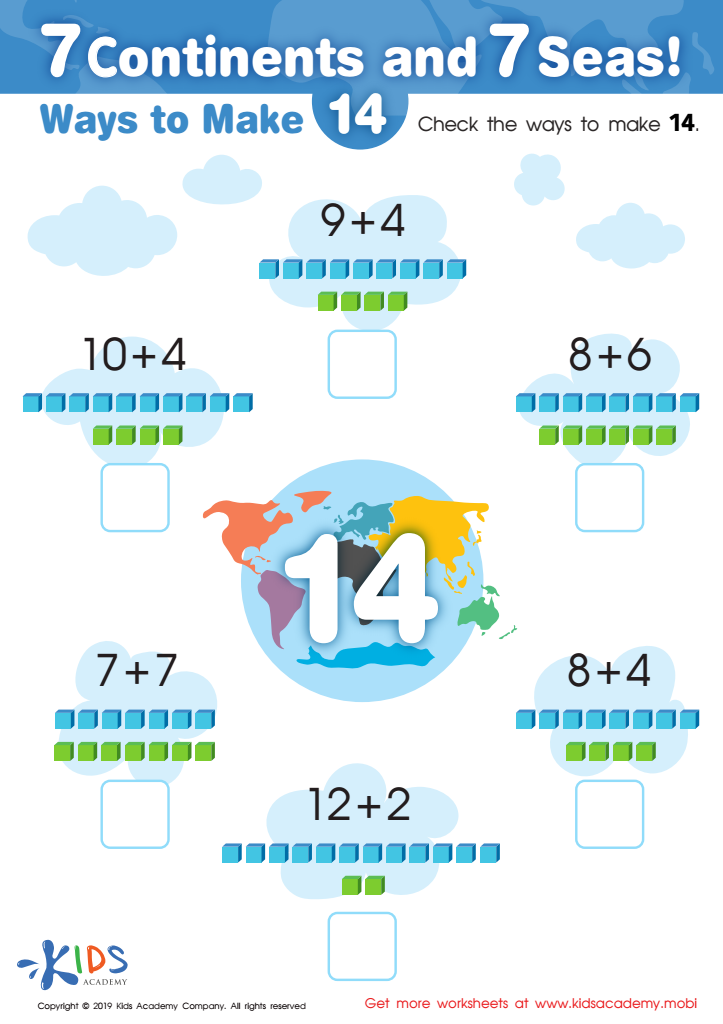
7 Continents and 7 Seas Worksheet
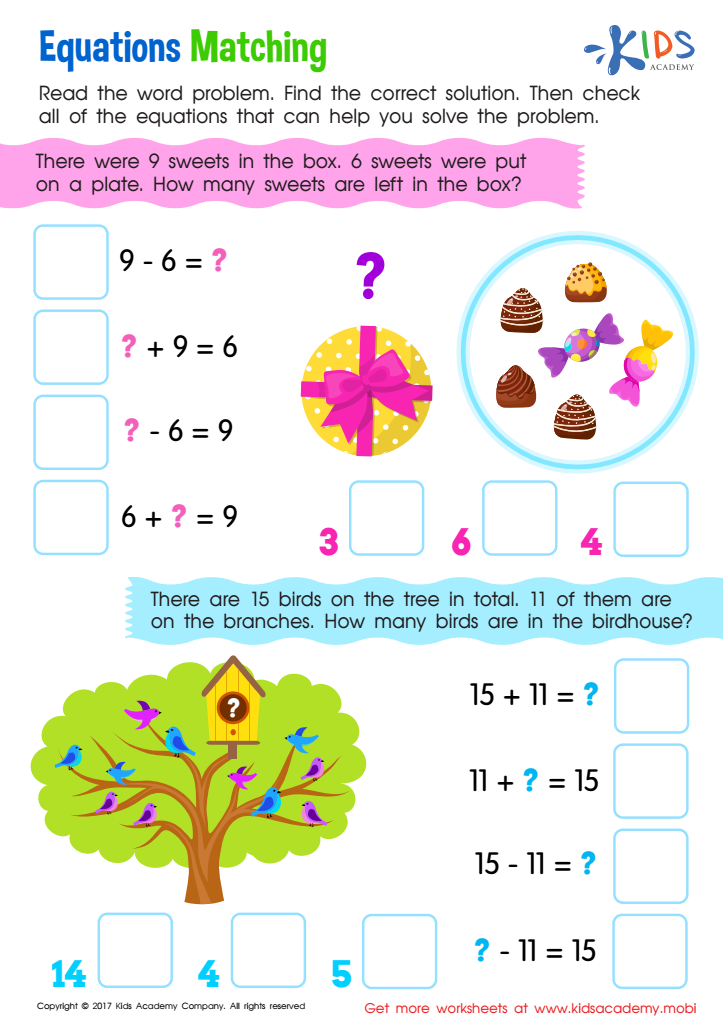
Equations Matching Word Problems Worksheet
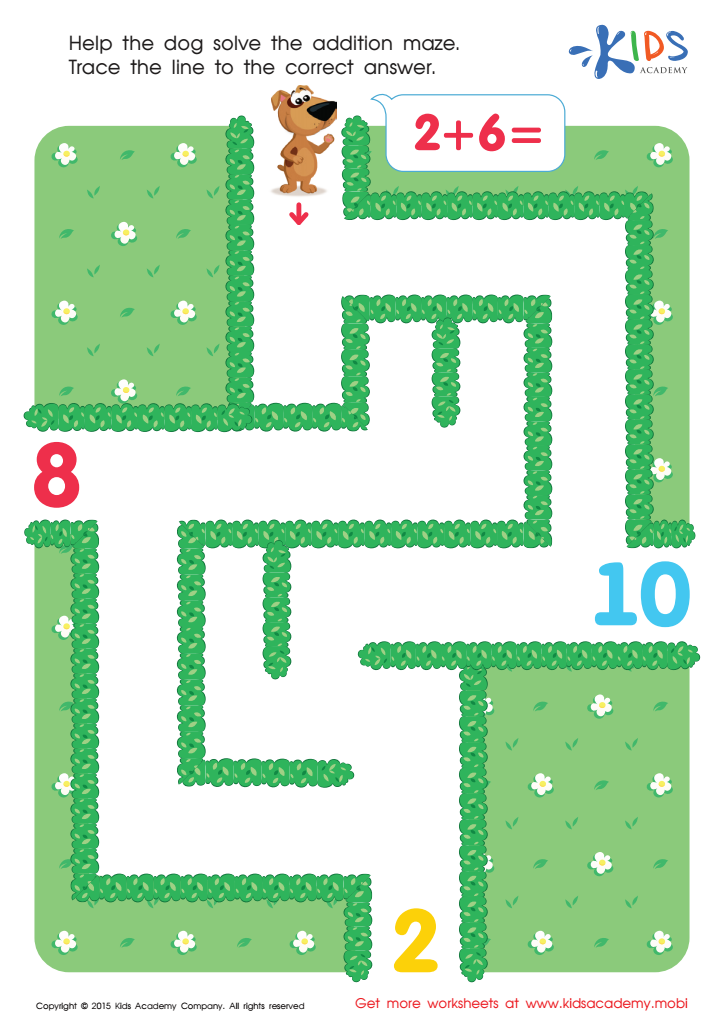
Two Plus Six Addition Worksheet
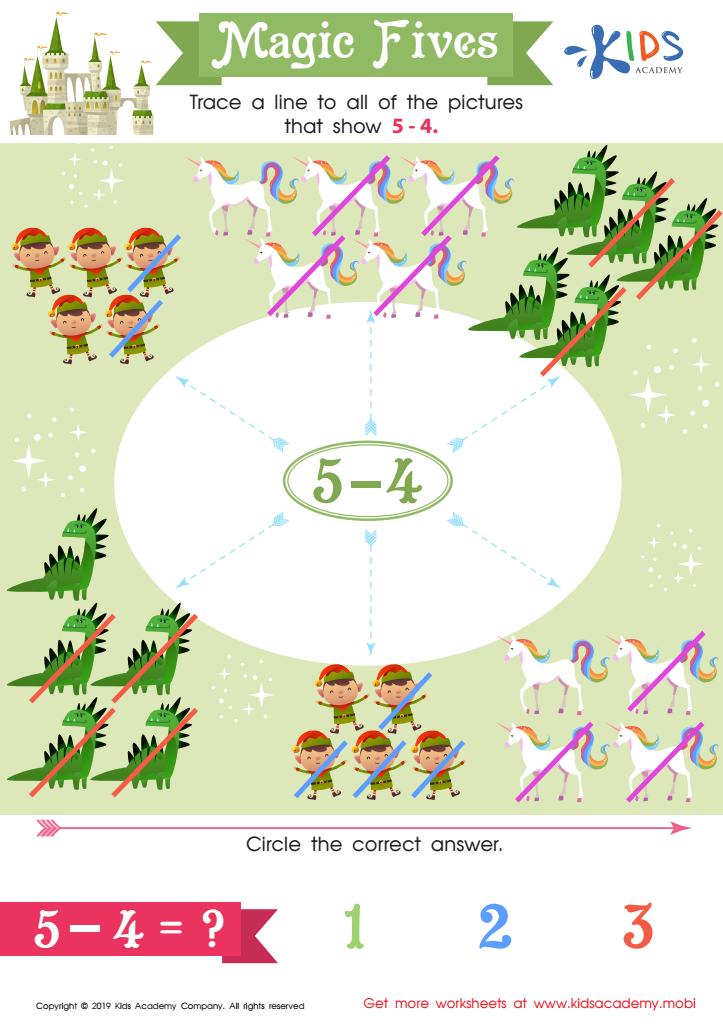
Magic Fives Worksheet
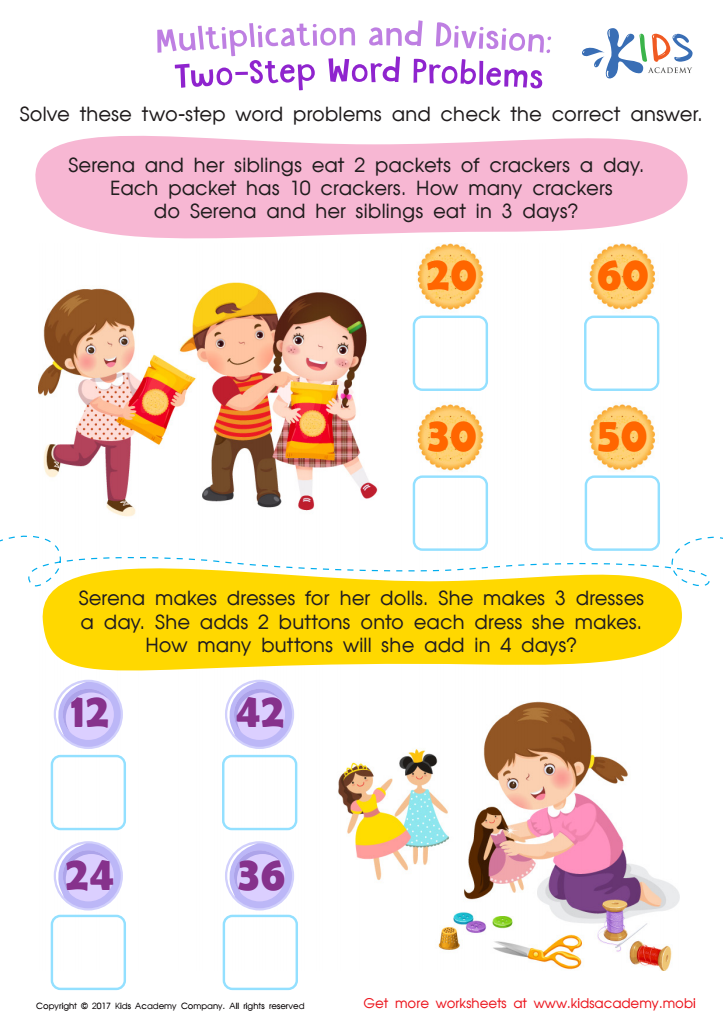
Two Step Word Problems Worksheet
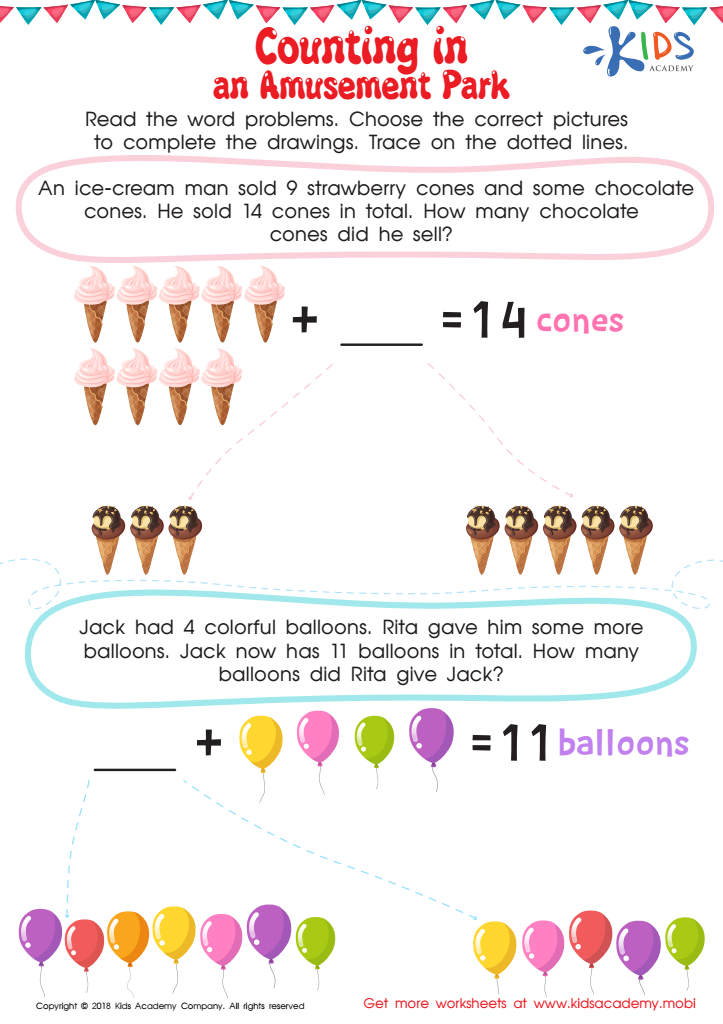
Counting in an Amusement Park Worksheet
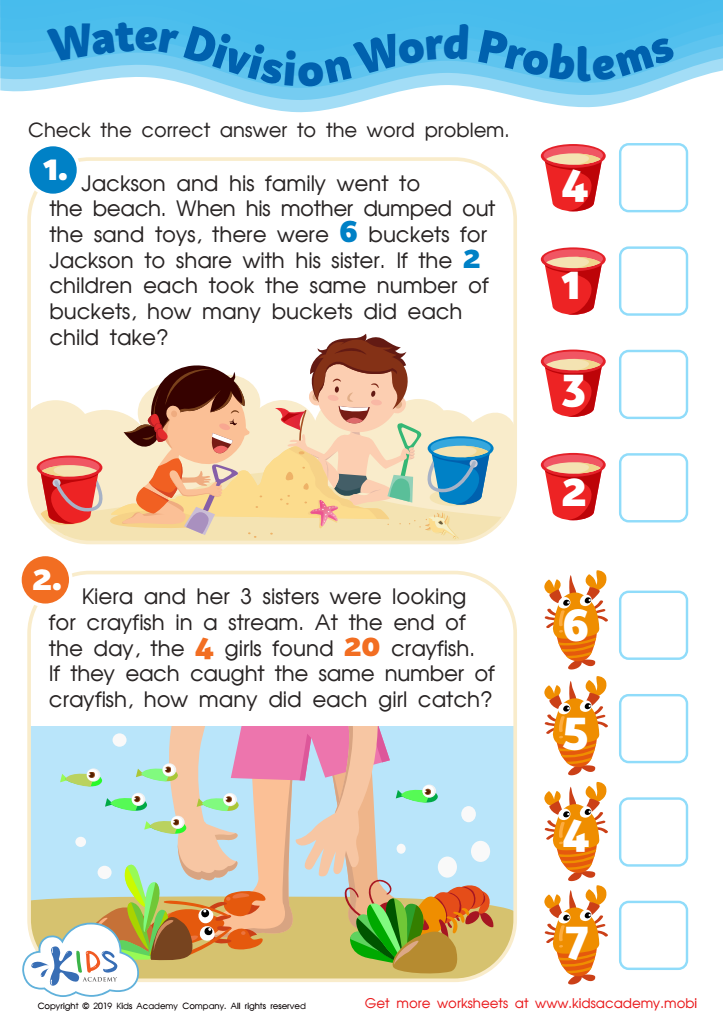
Water Division Word Problems Worksheet
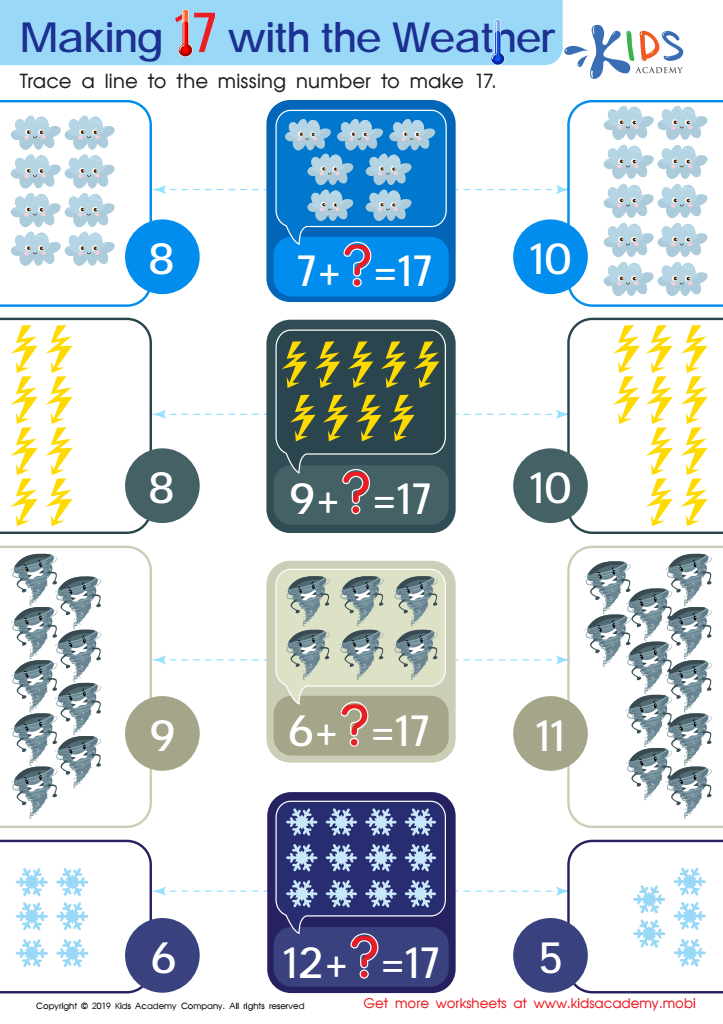
Making 17 with the Weather Worksheet
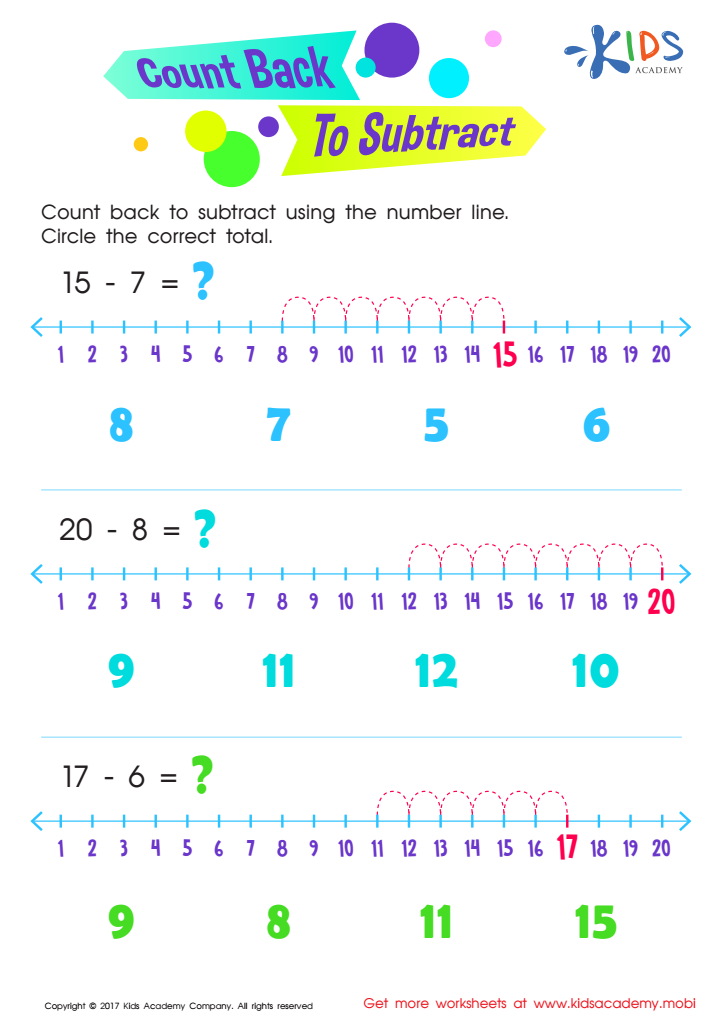
Count Back to Subtract Substraction Worksheet
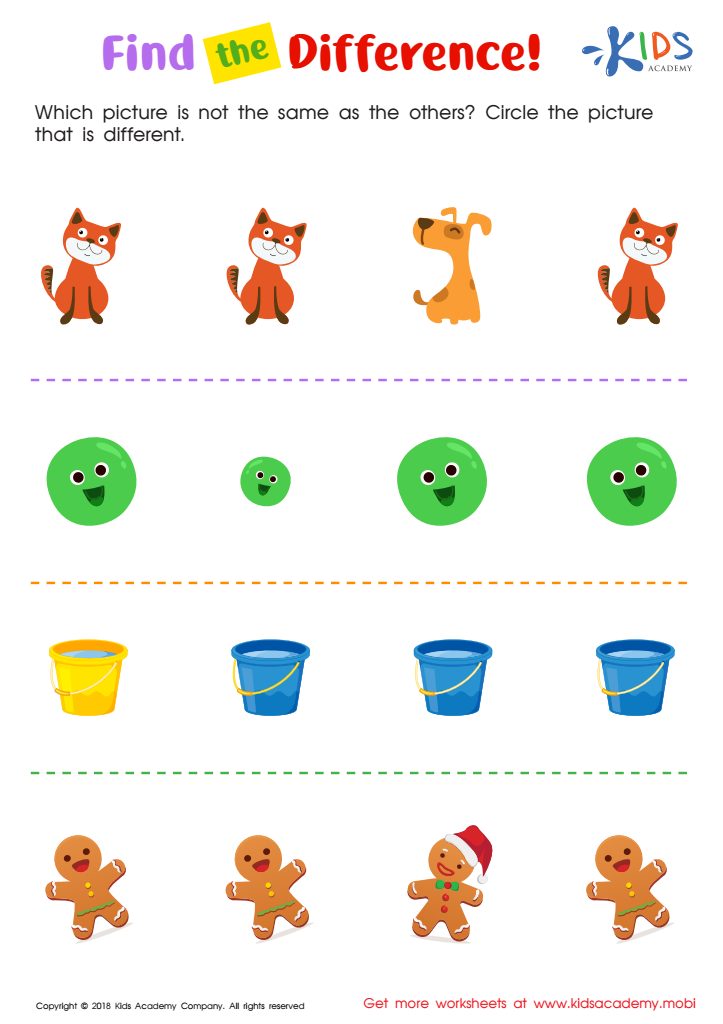
Find the Difference Worksheet
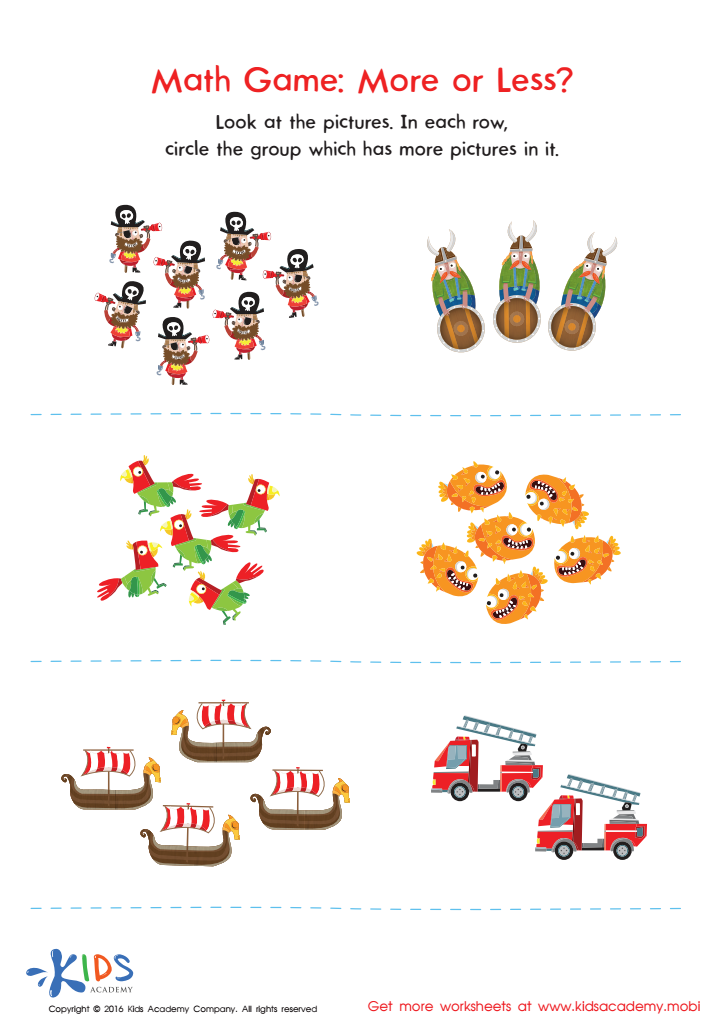
More or Less Worksheet
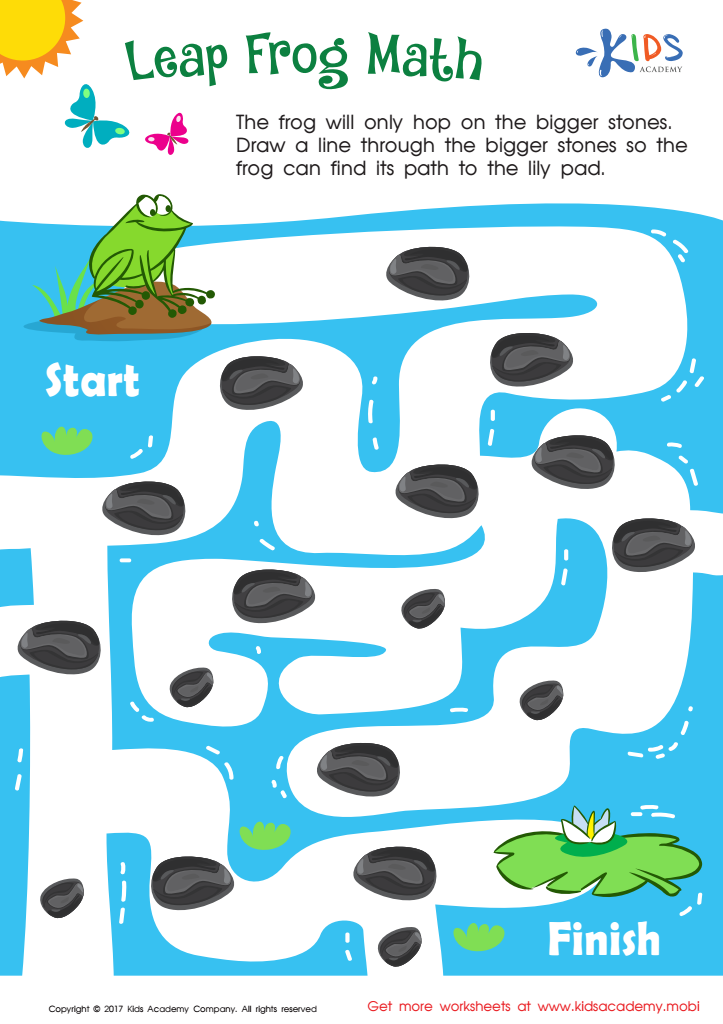
Math Puzzle Worksheet
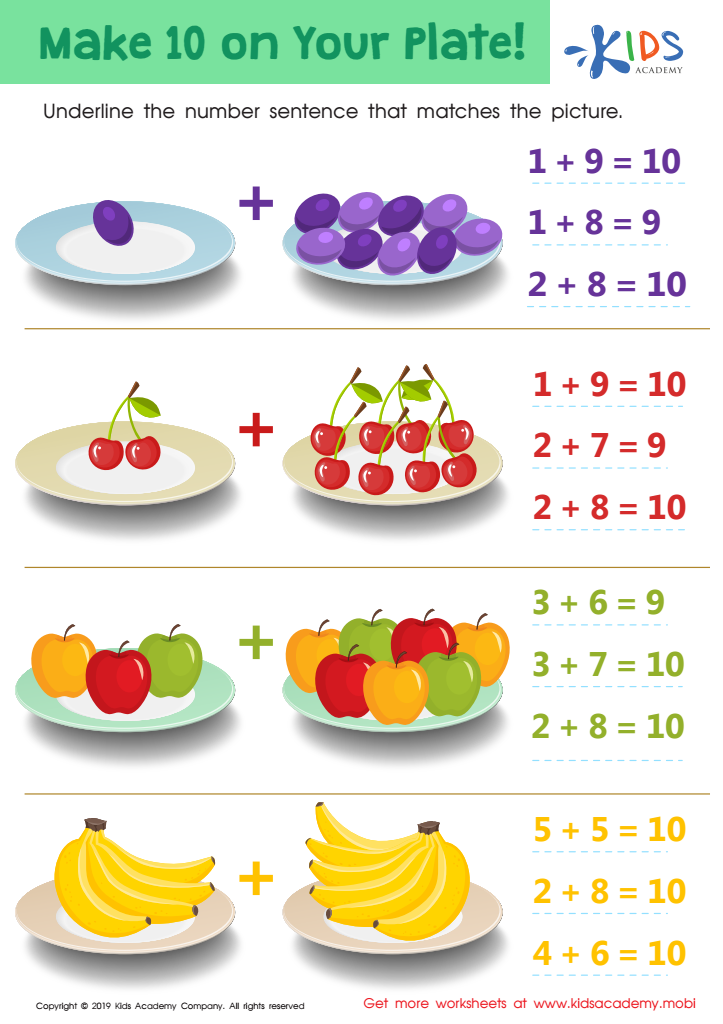
Make 10 on Your Plate! Worksheet
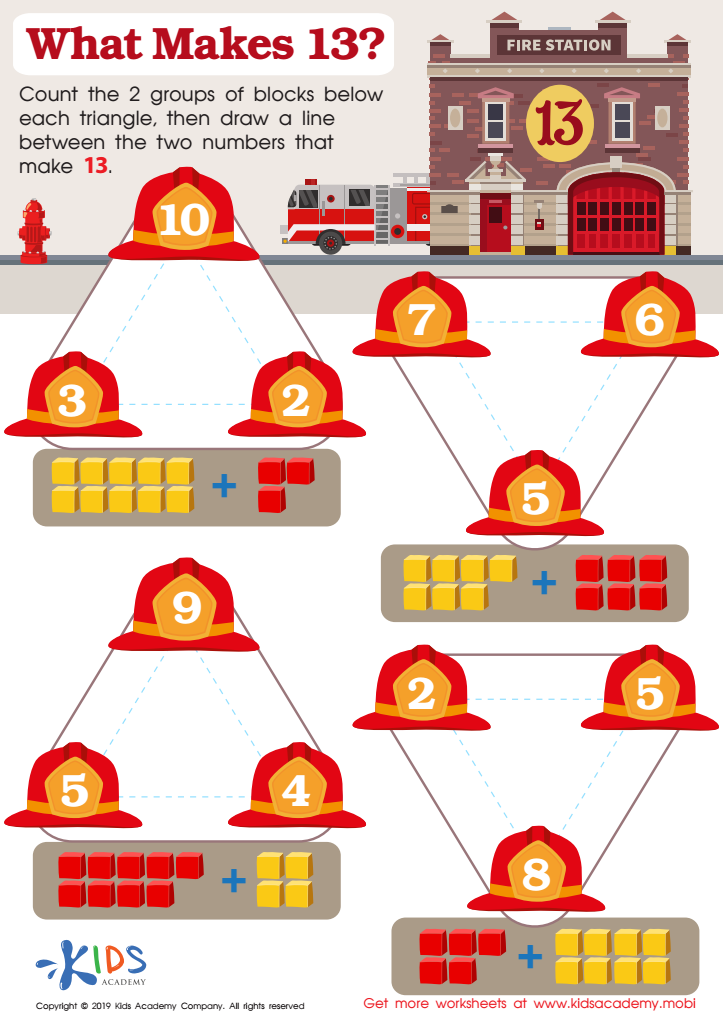
What Makes 13 Worksheet
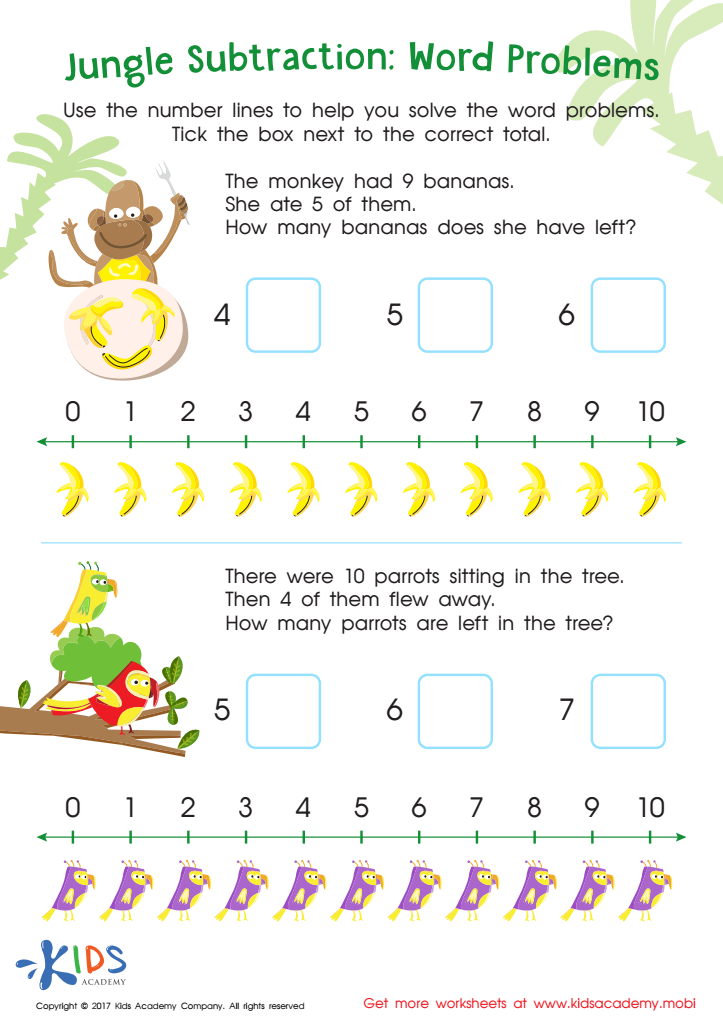
Jungle Subtraction Word Problems Substraction Worksheet


.jpg)





Mathematical reasoning is critical for young children, particularly for those aged 3 to 4, as it lays the foundation for their future learning and cognitive development. At this age, children begin to observe patterns, recognize numbers, and understand relationships, which are essential skills that contribute to their overall mathematical literacy. By fostering mathematical reasoning, parents and teachers help children develop problem-solving abilities, critical thinking, and logical reasoning.
Additionally, engaging with mathematical concepts in early childhood promotes language development as children learn to articulate their thoughts and reasoning processes. This enhances their communication skills and helps them express ideas more clearly. A strong grasp of mathematical concepts through fun and interactive activities also boosts children's confidence in their abilities, encouraging them to tackle more complex problems as they grow.
Moreover, mathematical reasoning cultivates perseverance and resilience. As children learn to navigate challenges and overcome obstacles in their learning, they develop a growth mindset vital for their future educational journeys. Therefore, investing time and resources into enhancing mathematical reasoning in early childhood can yield significant benefits, equipping children with critical skills for success not only in mathematics but in various aspects of life and learning.








