Understanding Quantities Math Worksheets for Ages 3-4 - Page 2
47 filtered results
-
From - To
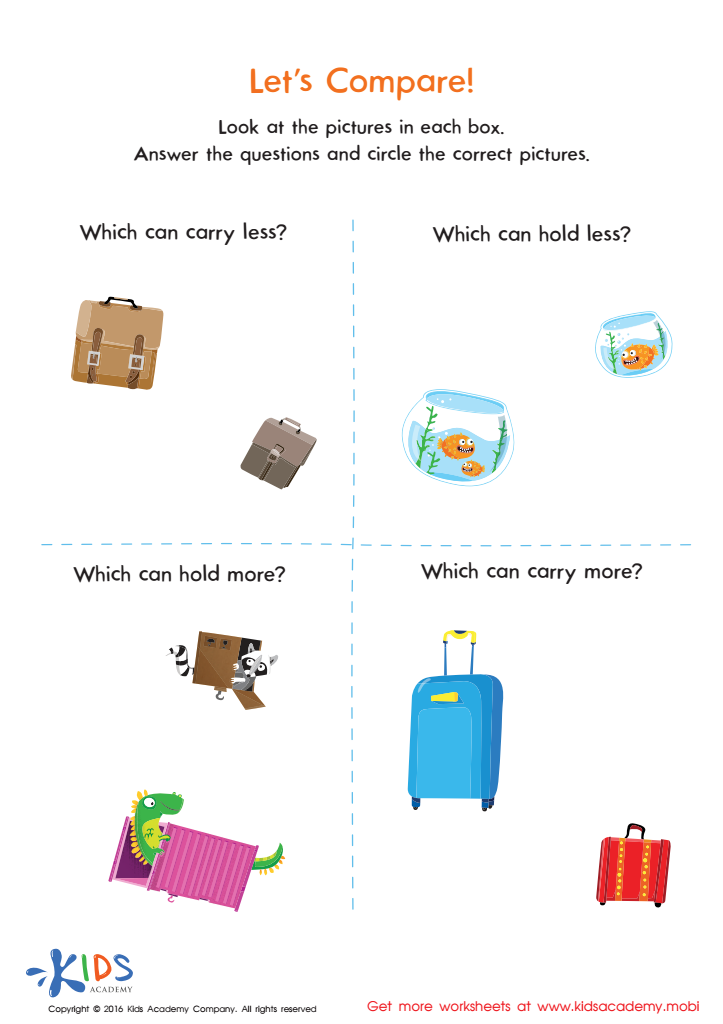
Let's Compare Worksheet: Big or Small
 Assign to My Students
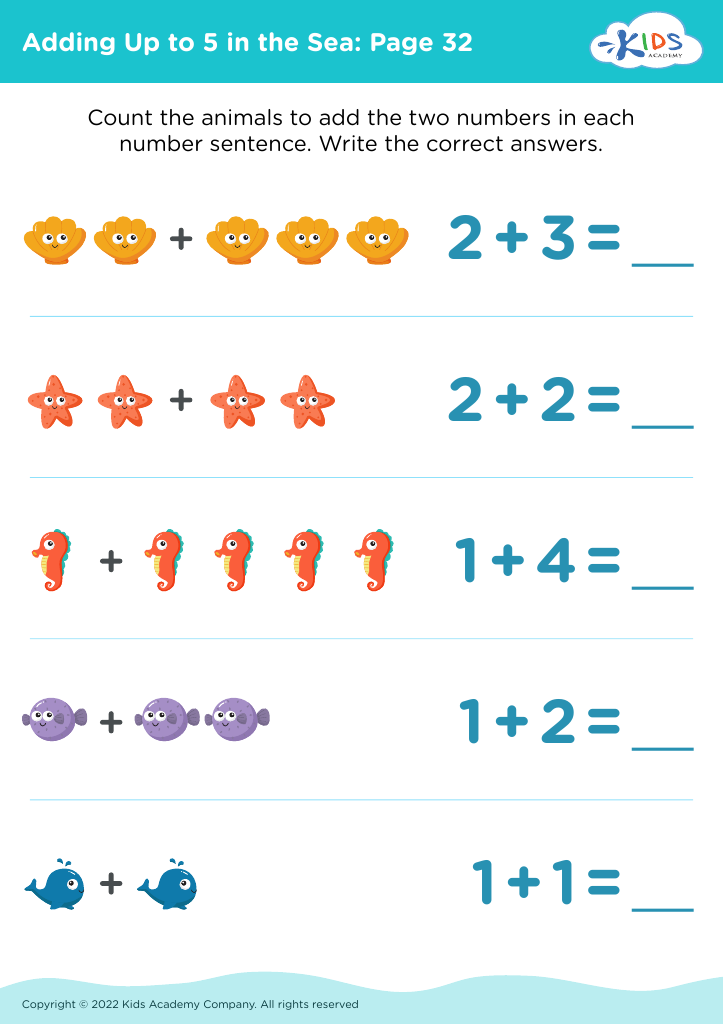
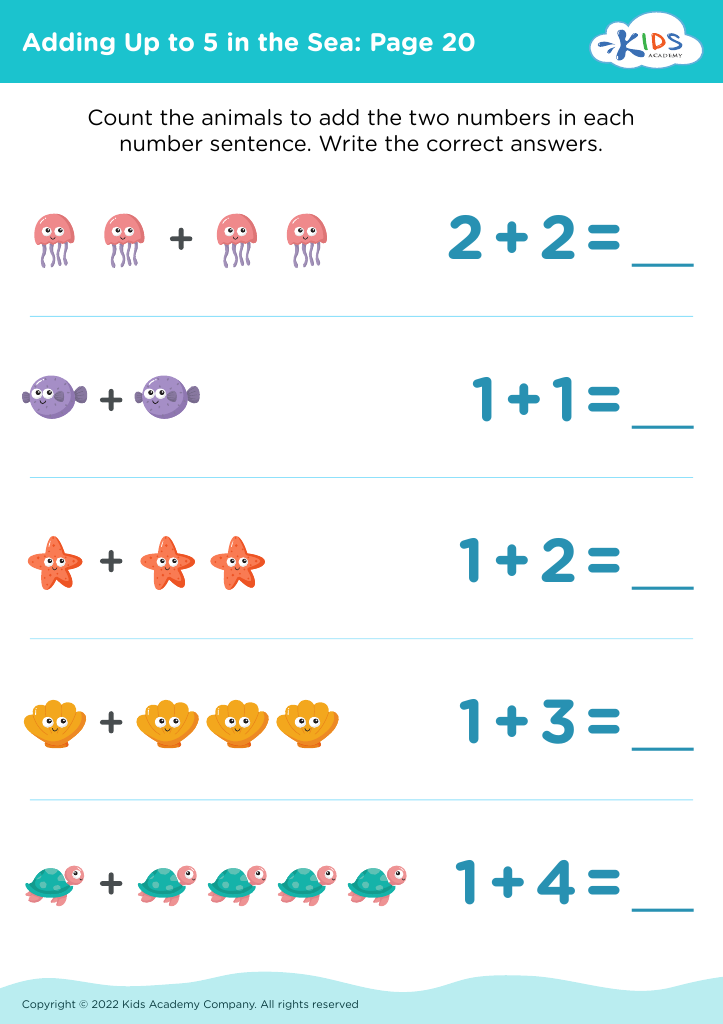
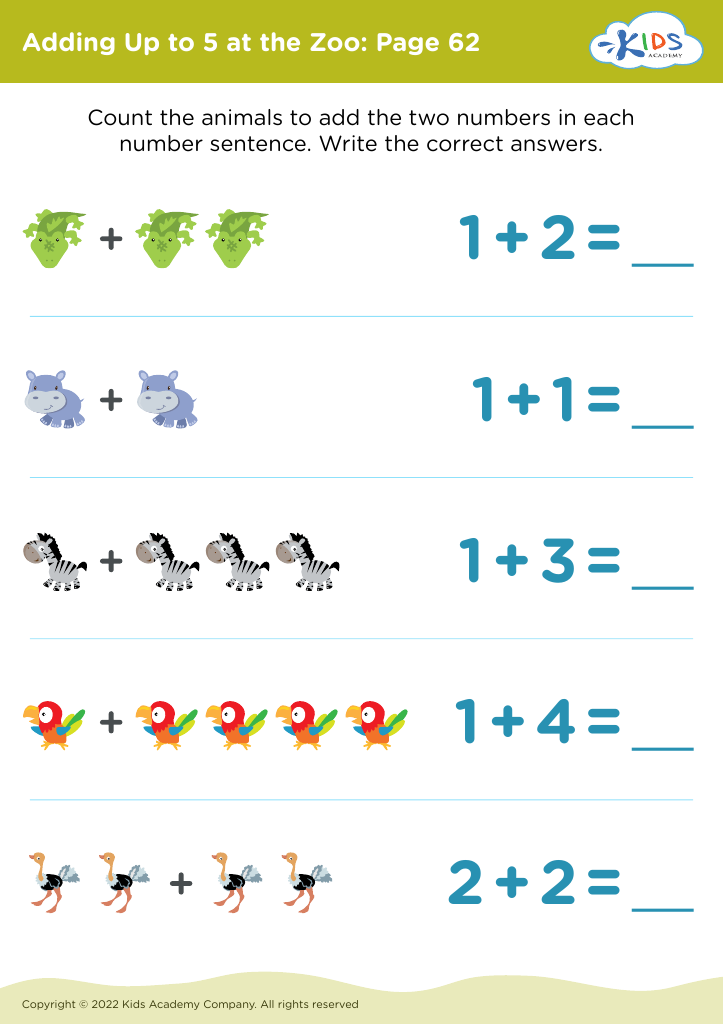
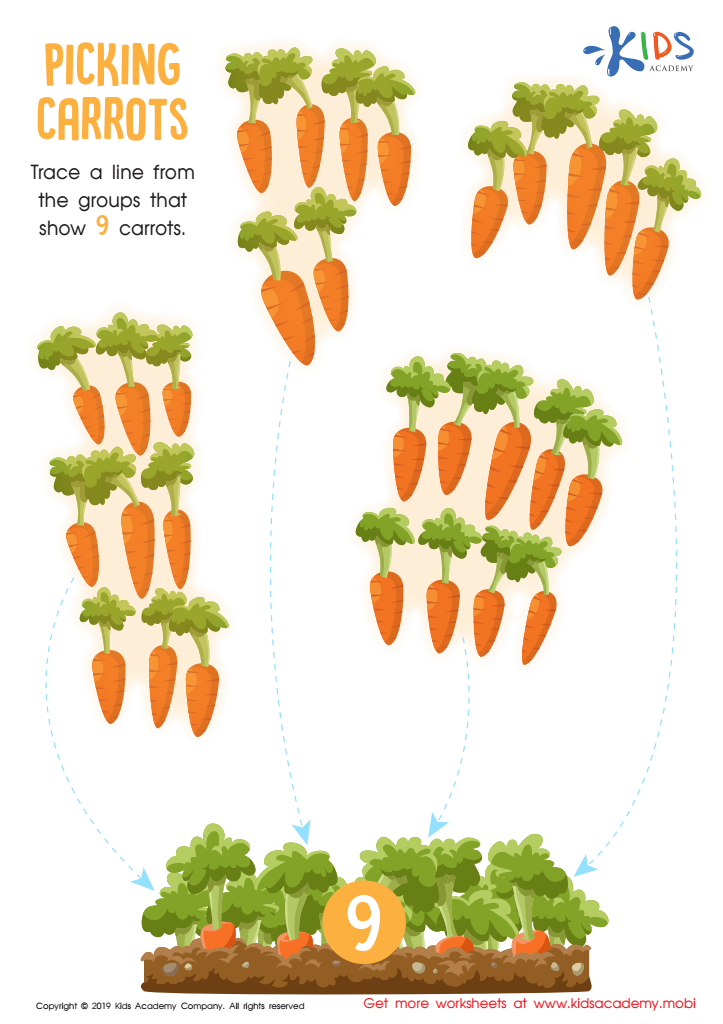
Picking Carrots Worksheet
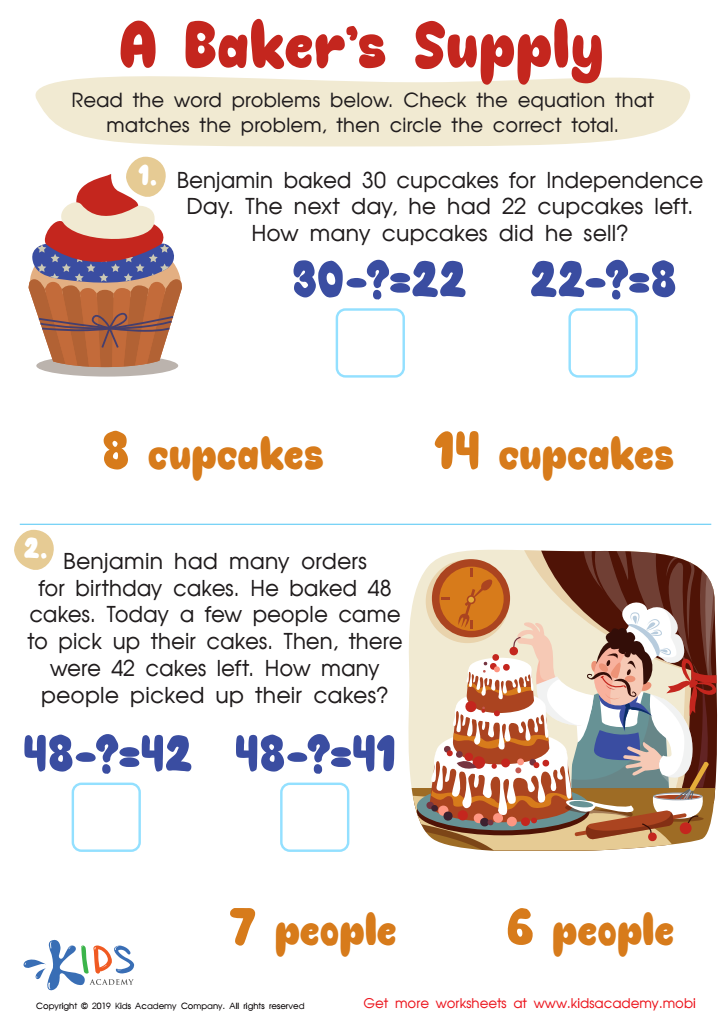
A Baker's Supply Worksheet
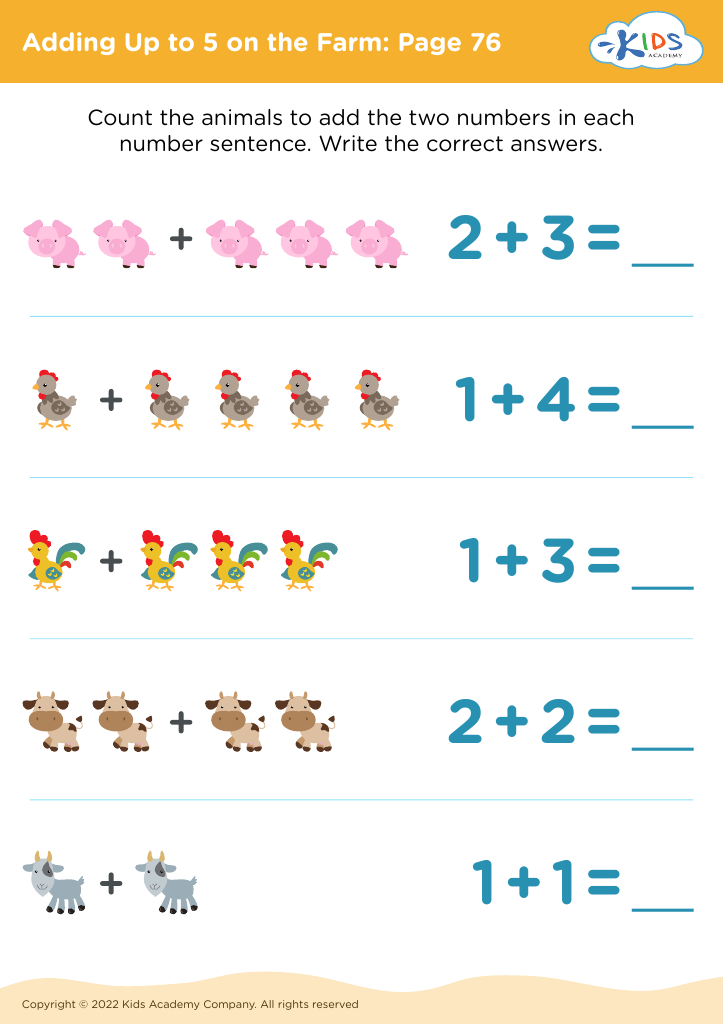
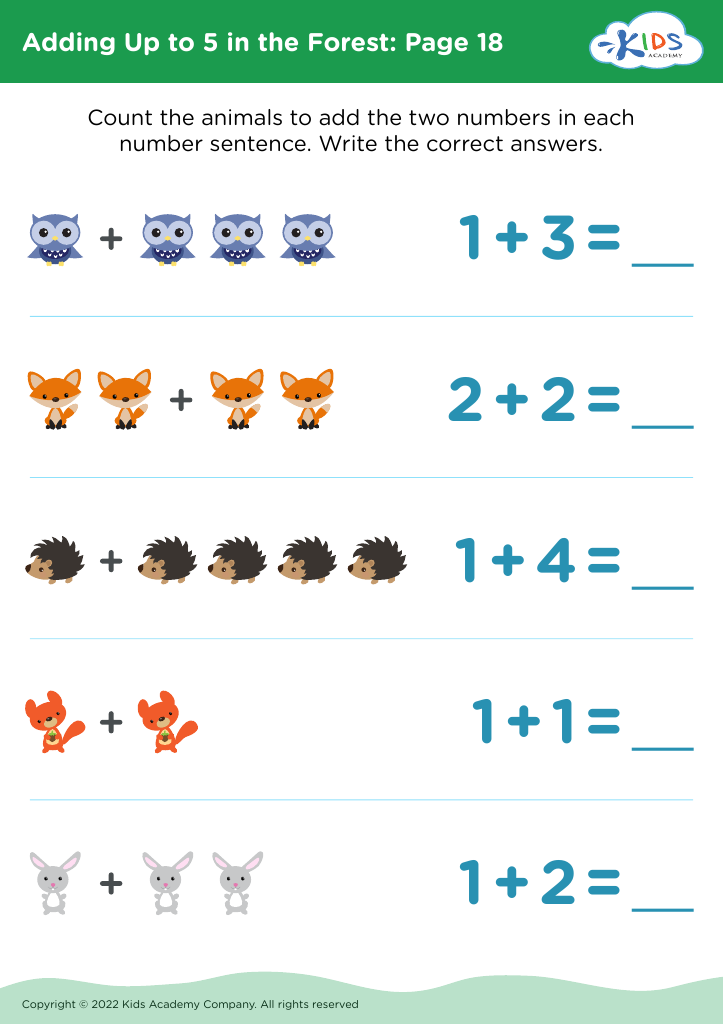
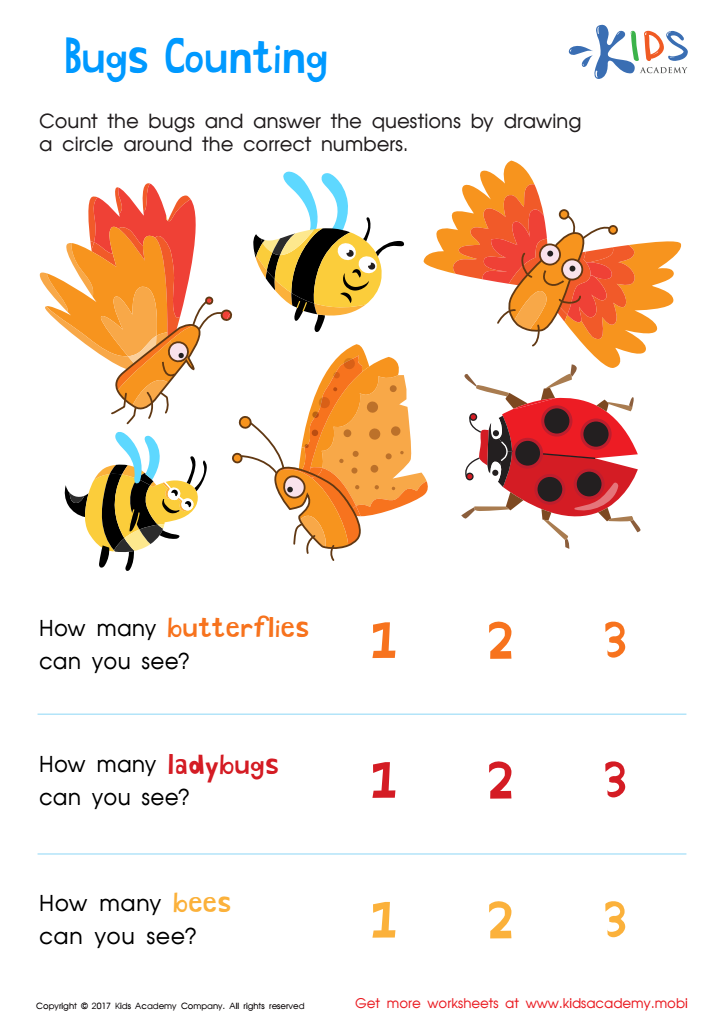
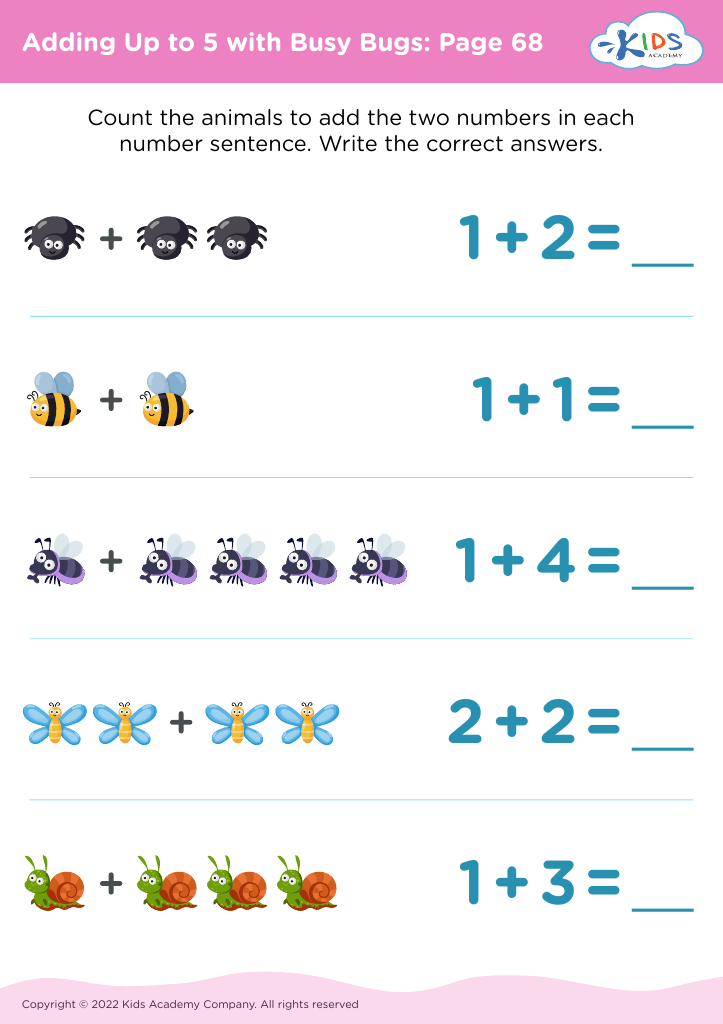
Bugs Counting Worksheet
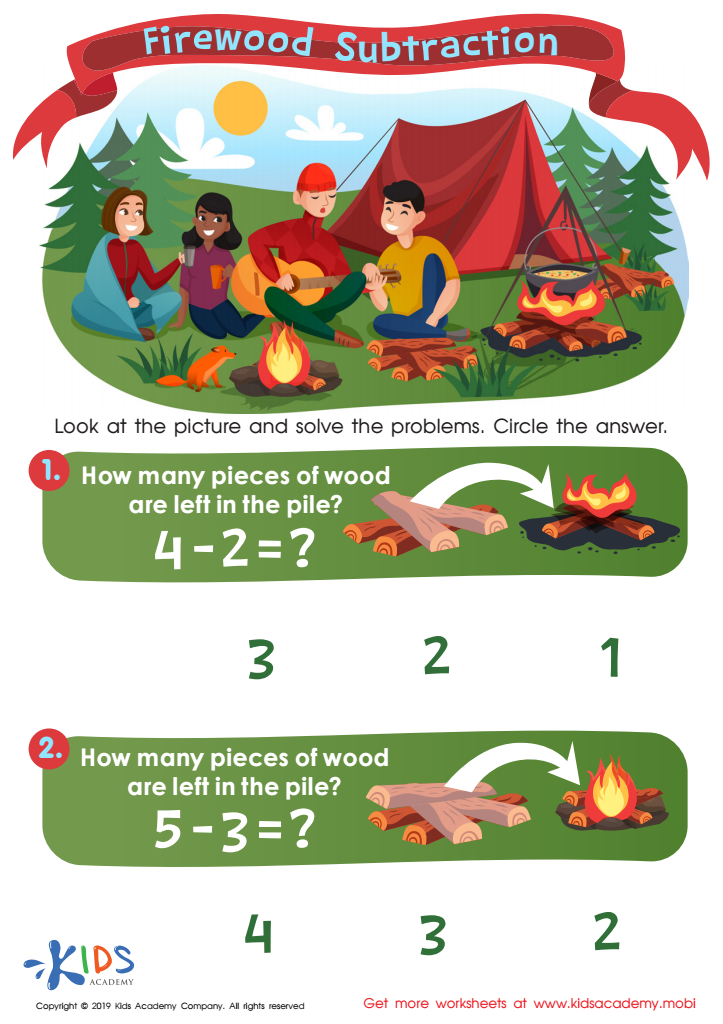
Firewood Subtraction Worksheet
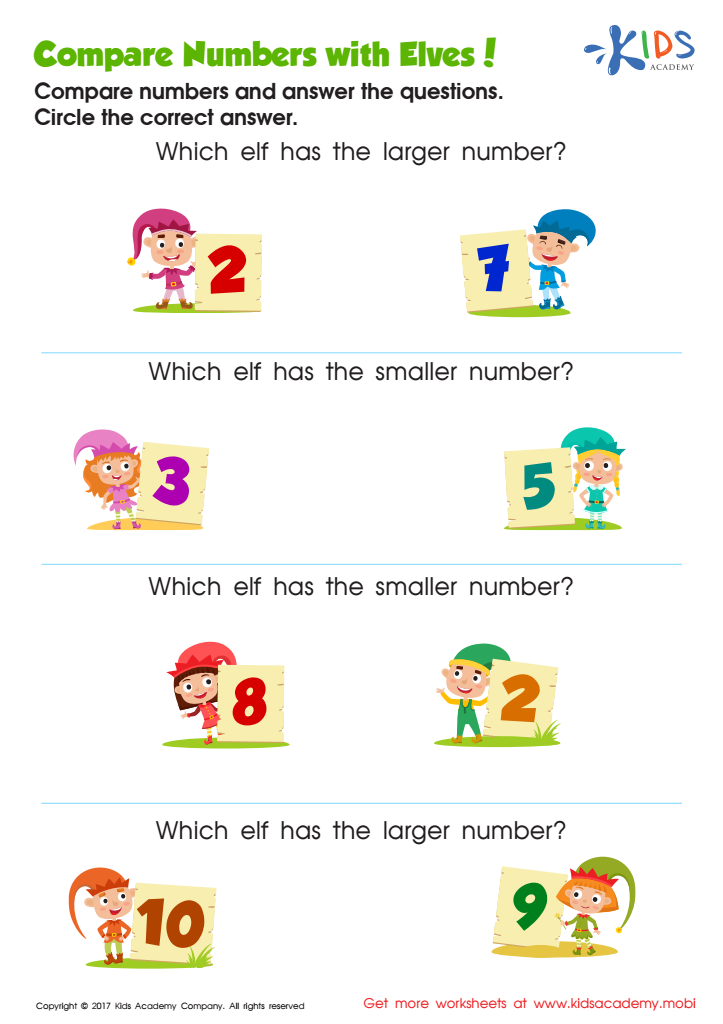
Comparing Numbers Worksheet for Kindergarten
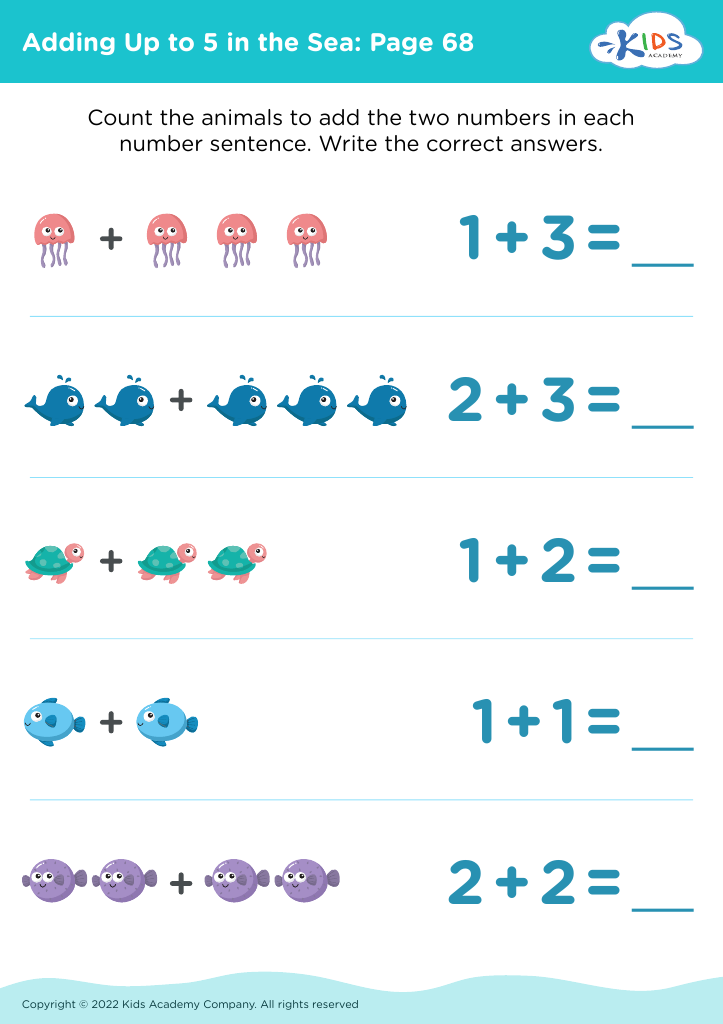
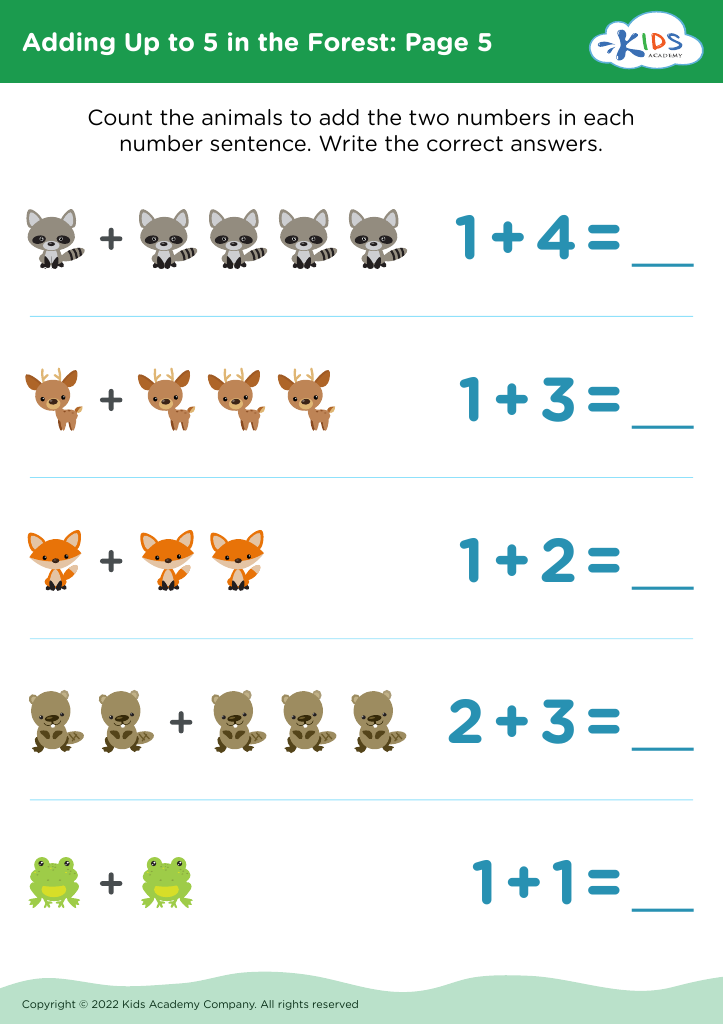
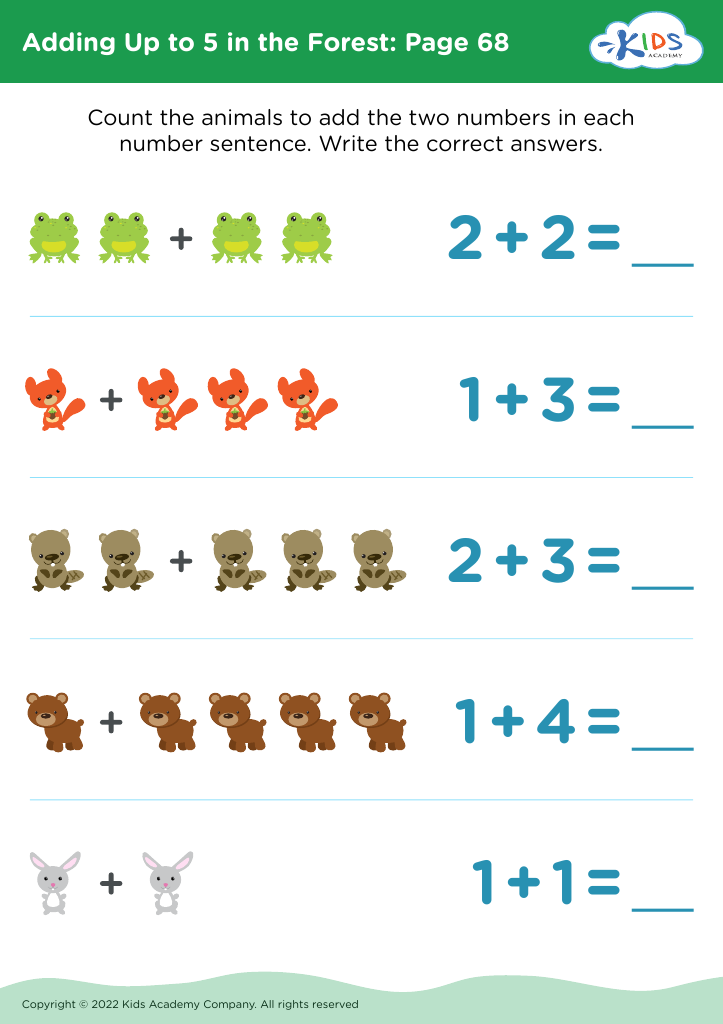
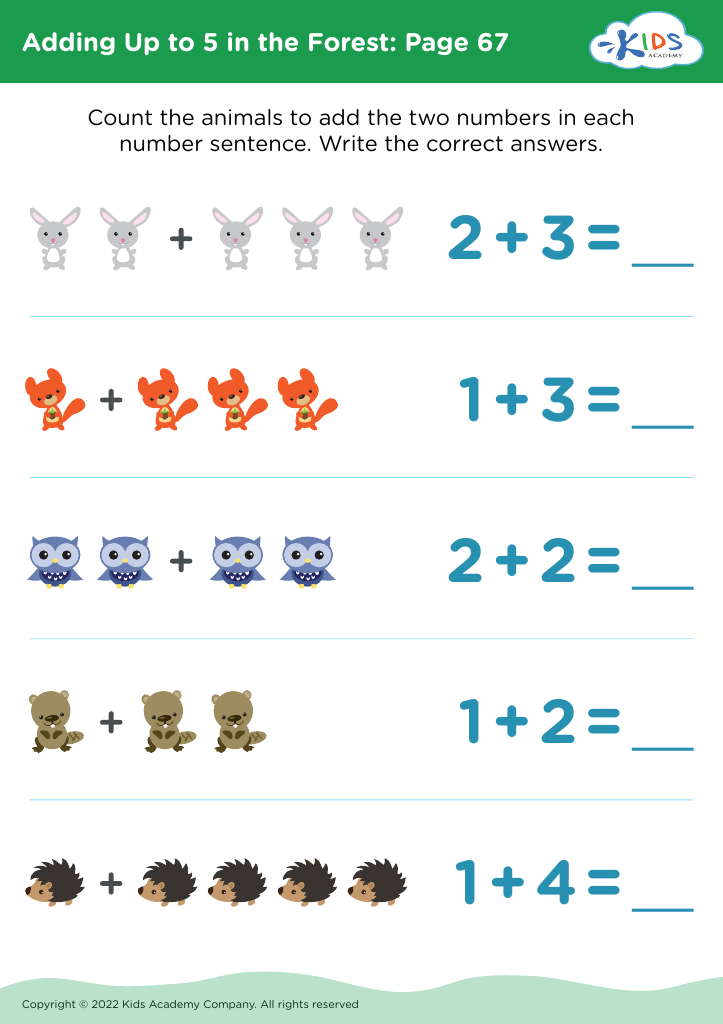
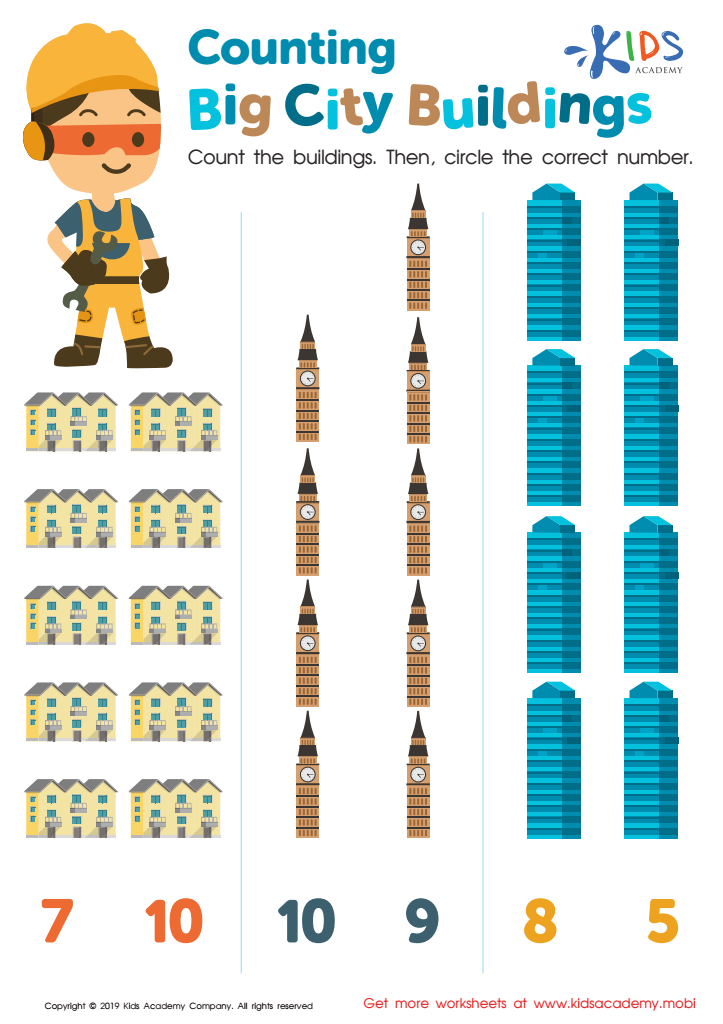
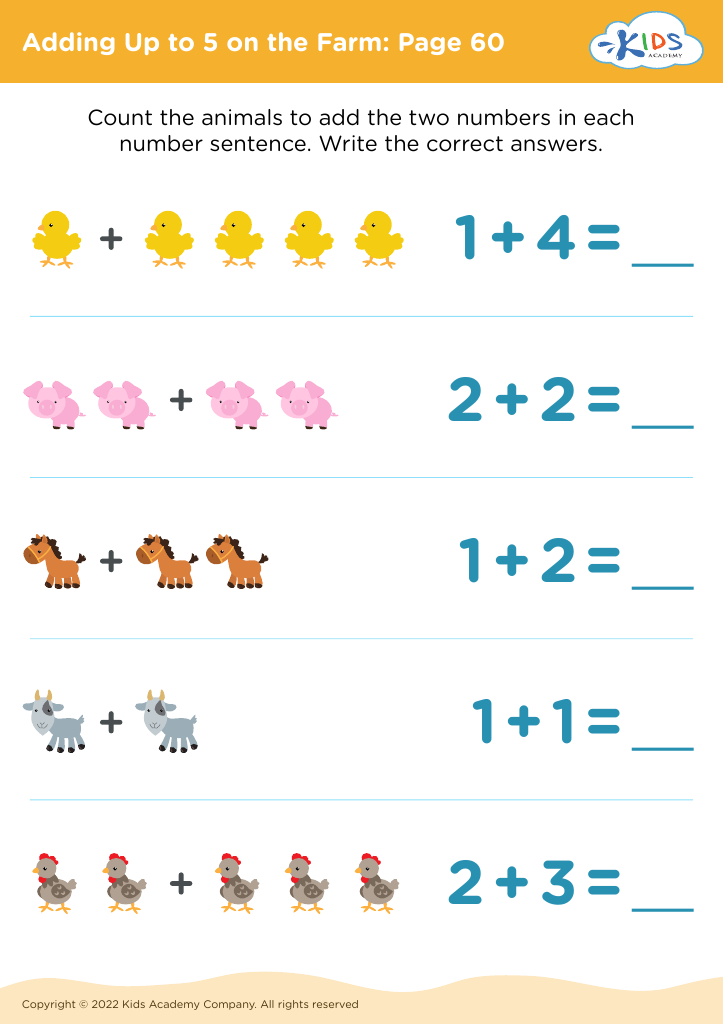
Counting Big City Buildings Worksheet







Understanding quantities is foundational for young children's mathematical development and is crucial for their overall cognitive growth. For parents and teachers of children aged 3-4, fostering early quantitative skills can significantly impact future learning. During this stage, children begin to learn concepts such as counting, comparing, and understanding the relationship between numbers and quantities.
By introducing these concepts through engaging and playful activities, children develop critical thinking and problem-solving skills. For example, using toys, food items, or daily objects can make learning about quantities enjoyable and relatable. This understanding lays the groundwork for future mathematical concepts, making it easier for children to tackle addition, subtraction, and even early geometry later on.
In addition to mathematical skills, developing an understanding of quantities nurtures a child’s ability to communicate effectively about their environment. They learn to express ideas and preferences quantitatively, which contributes to their linguistic development. Furthermore, early exposure to mathematical concepts aligns with school curricula, making transitions into kindergarten smoother.
Ultimately, by prioritizing an understanding of quantities in children ages 3-4, parents and teachers are setting the stage for strong academic foundations, better self-confidence in learning, and a positive attitude towards math in the years to come.








