Visual perception Math Worksheets for Ages 3-4 - Page 2
47 filtered results
-
From - To
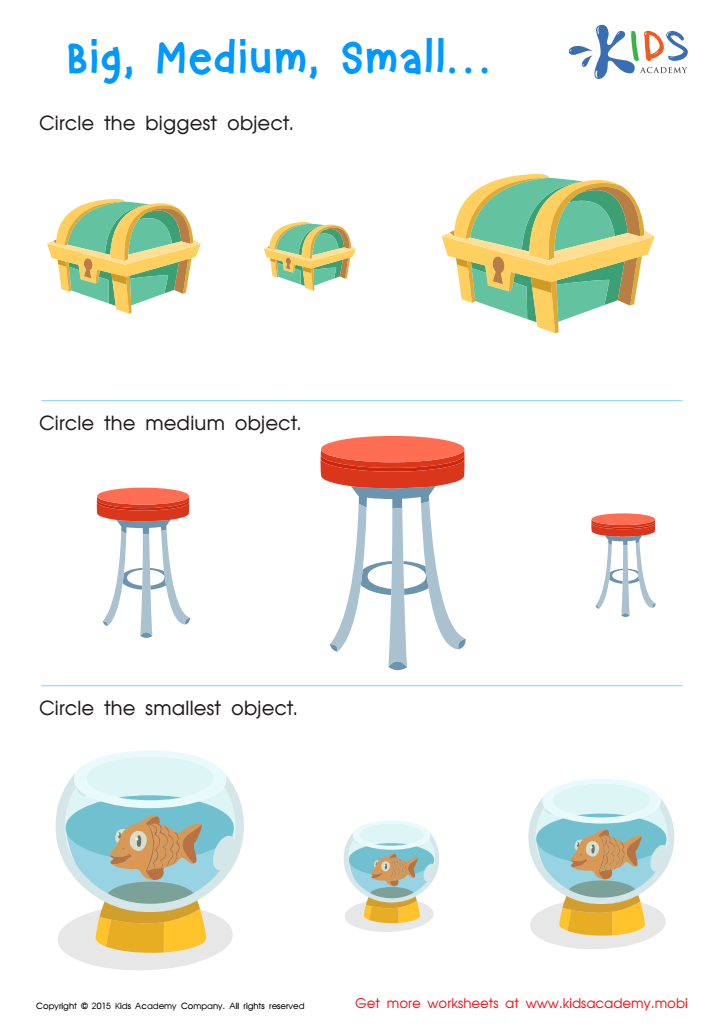
Big Medium Small Worksheet
 Assign to My Students
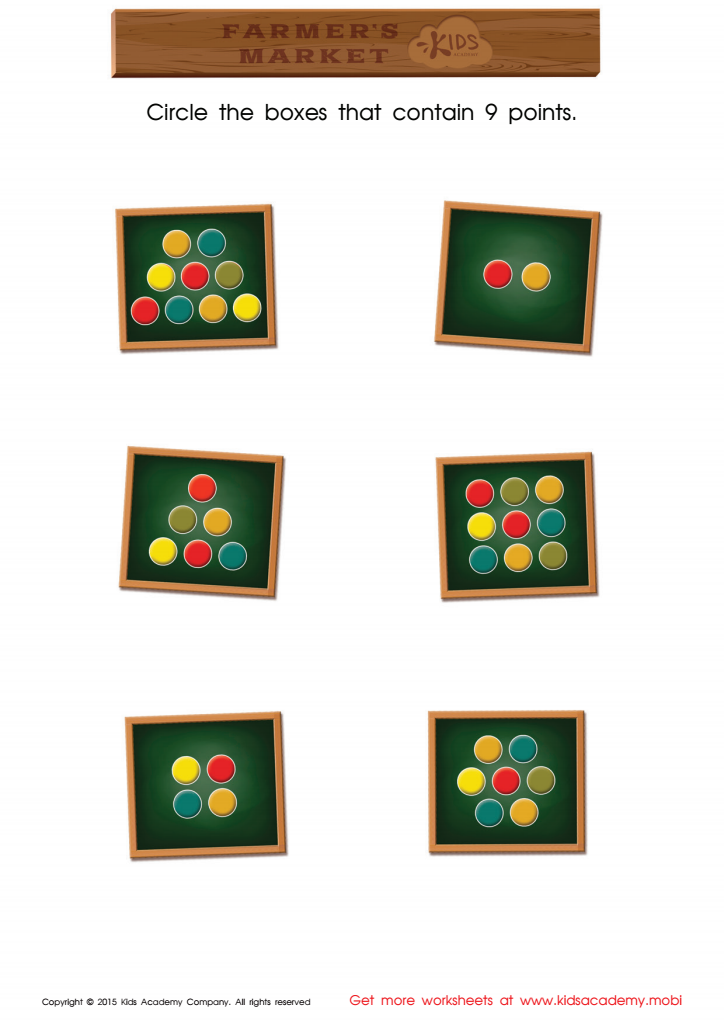
Count and Match Points 9 Math Worksheet
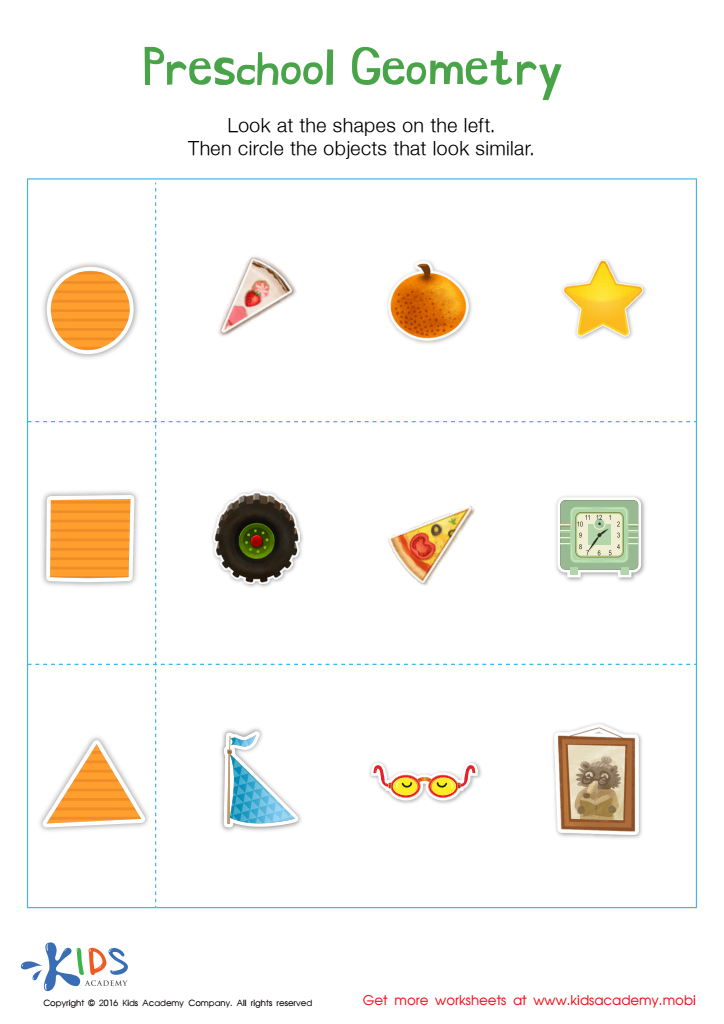
Preschool Geometry Match Up Worksheet
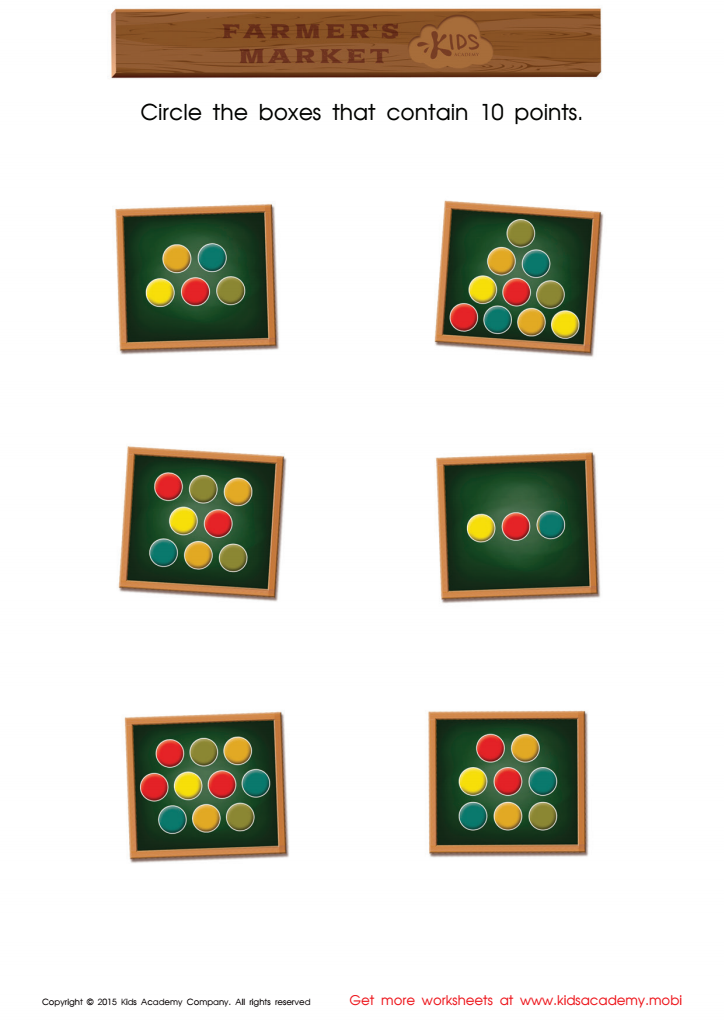
Count and Match Points 10 Math Worksheet
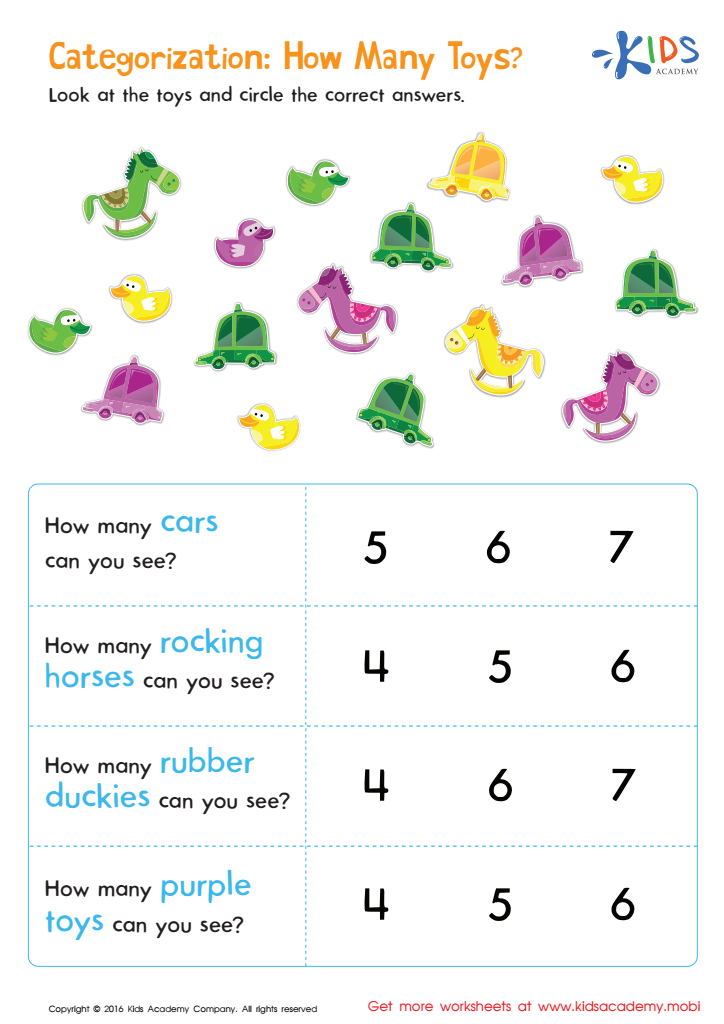
Classifying Toys by Type and Color Sorting Worksheet
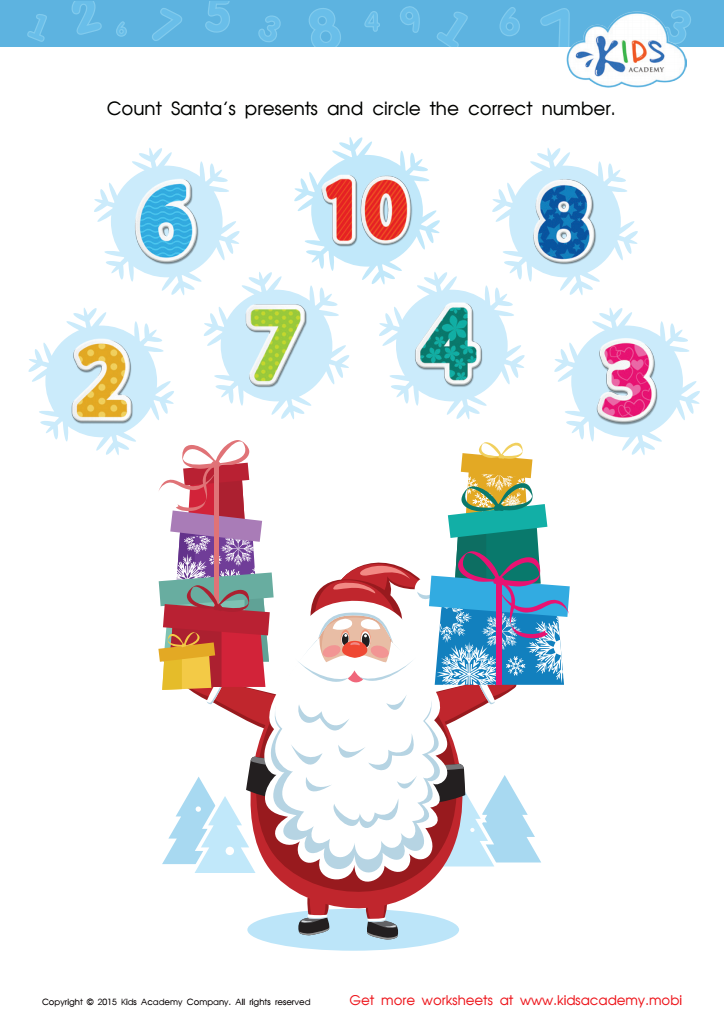
Count Santa's Presents Worksheet
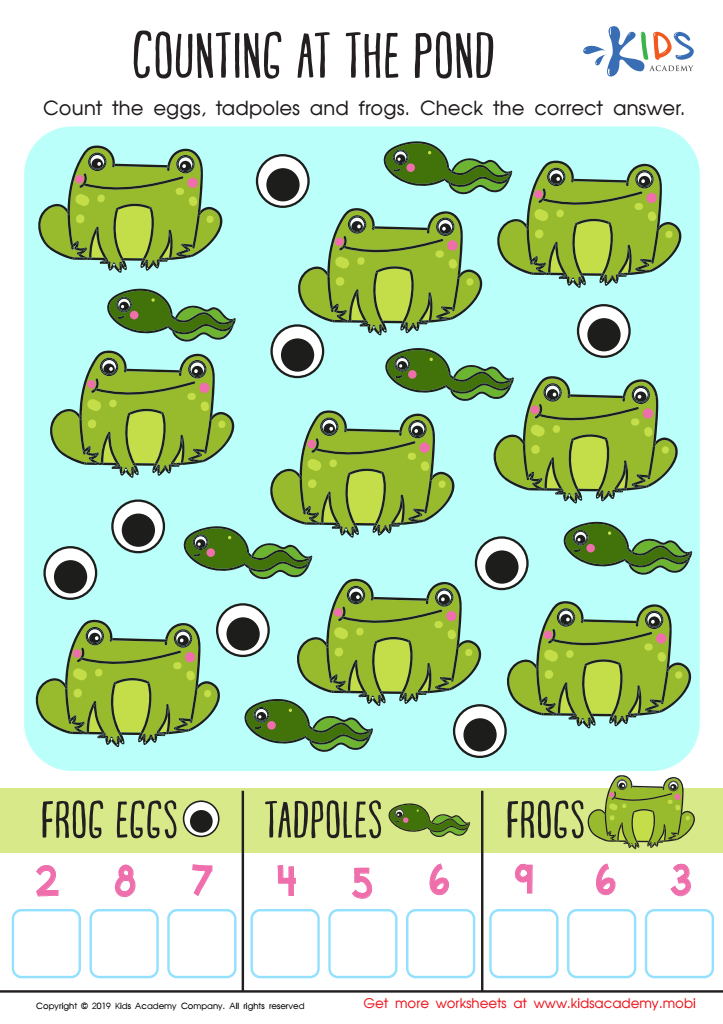
Counting at the Pond Worksheet
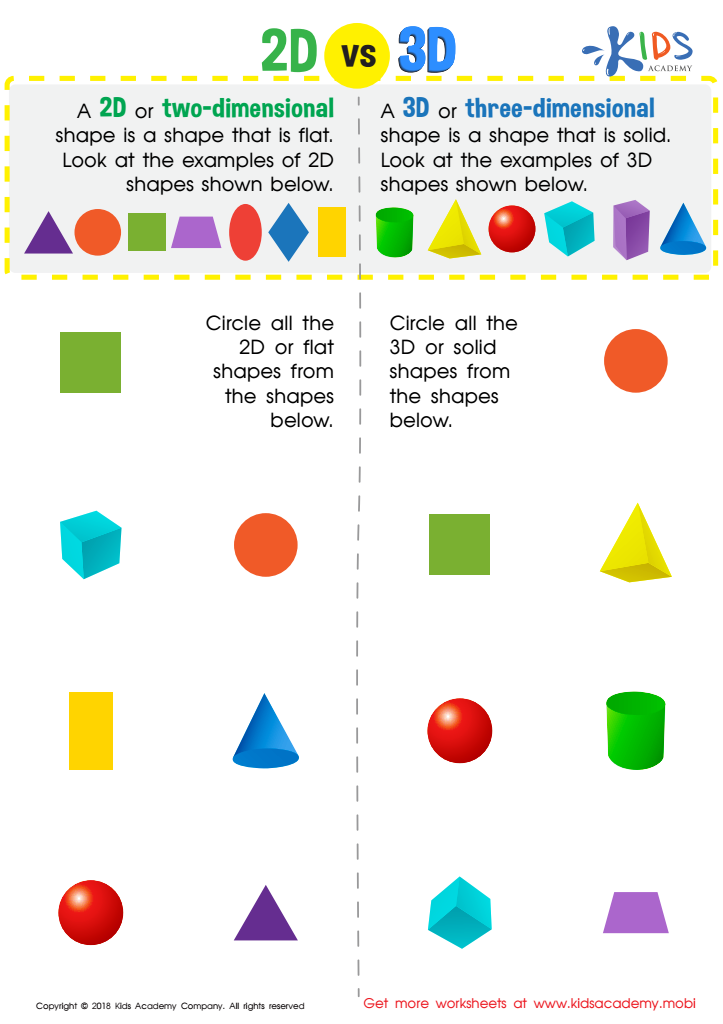
2D vs 3D Shapes Worksheet
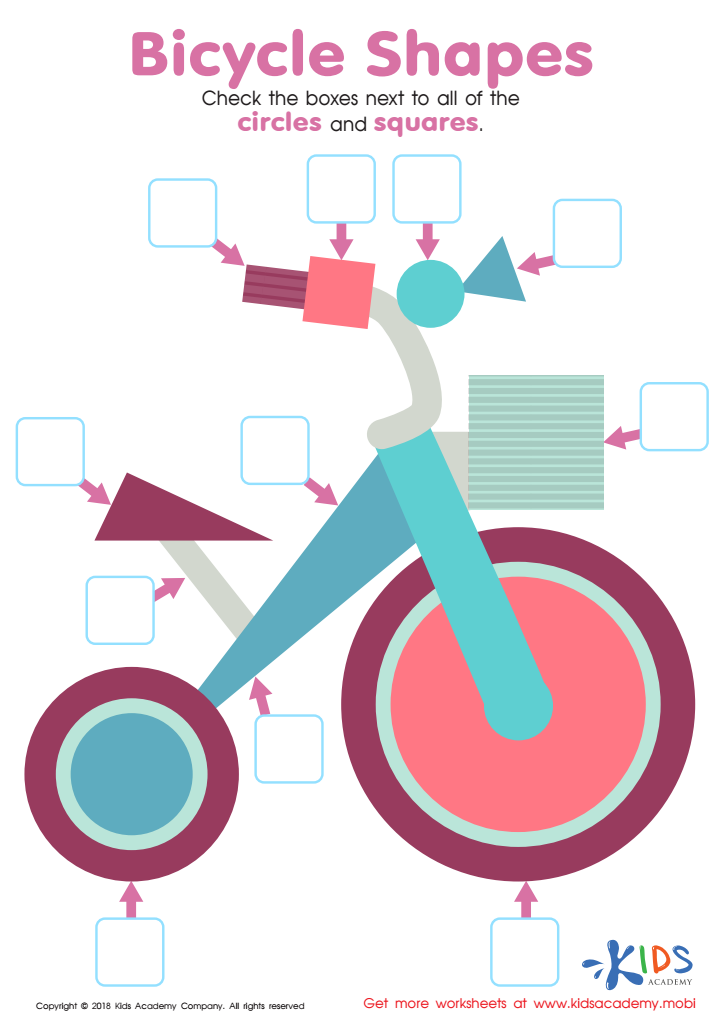
Bicycle Shapes Worksheet
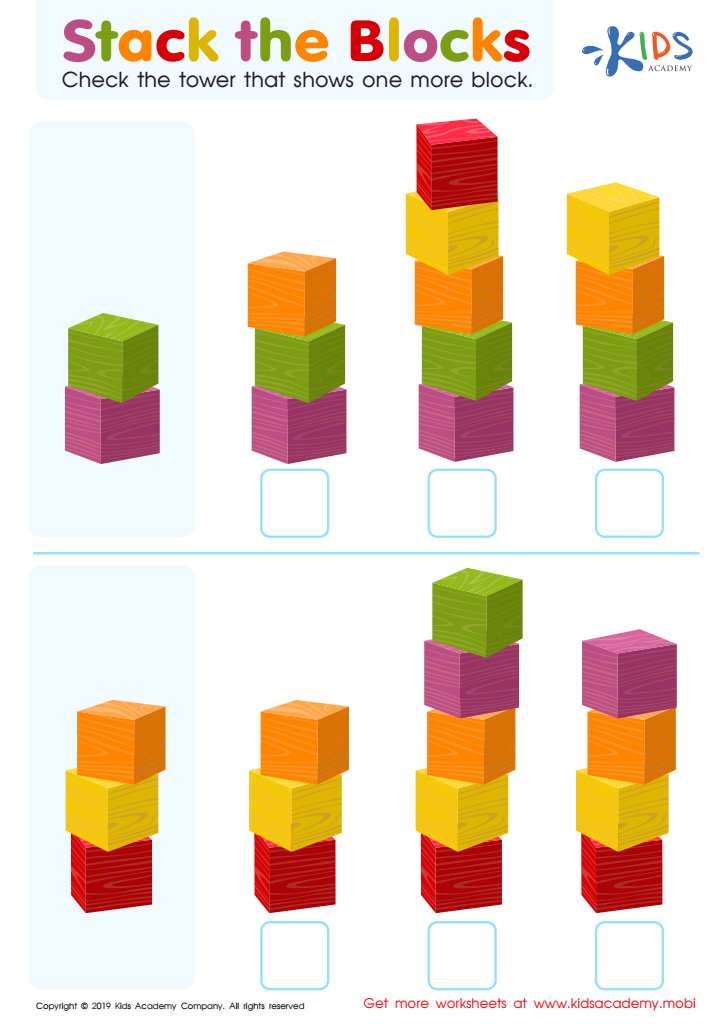
Stack the Blocks Worksheet
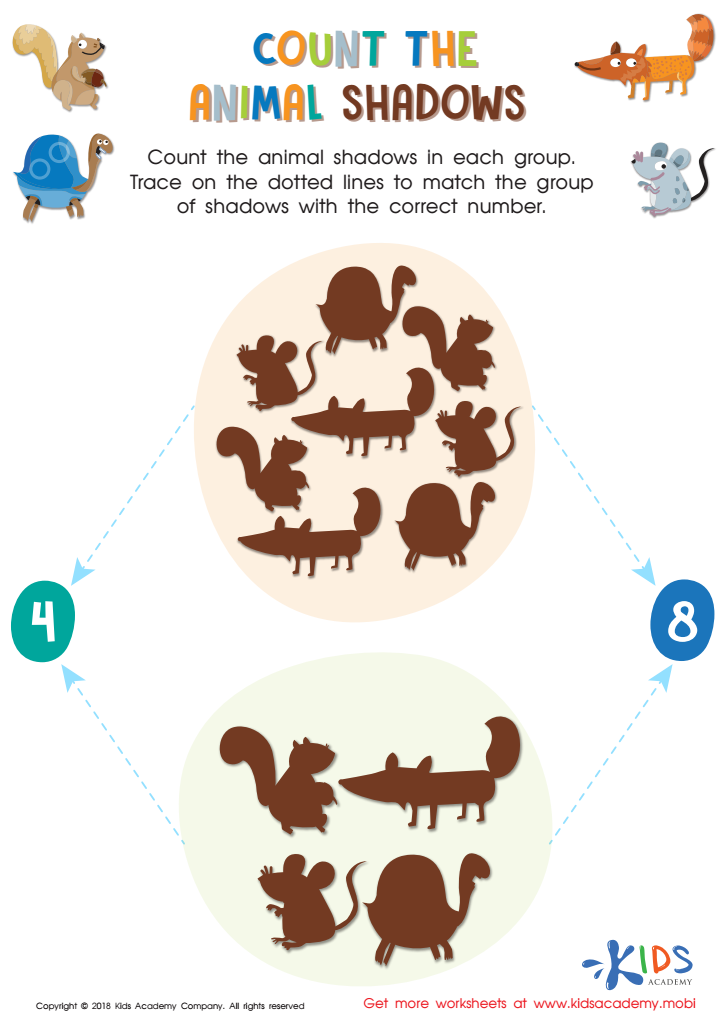
Count the Animal Shadows Worksheet
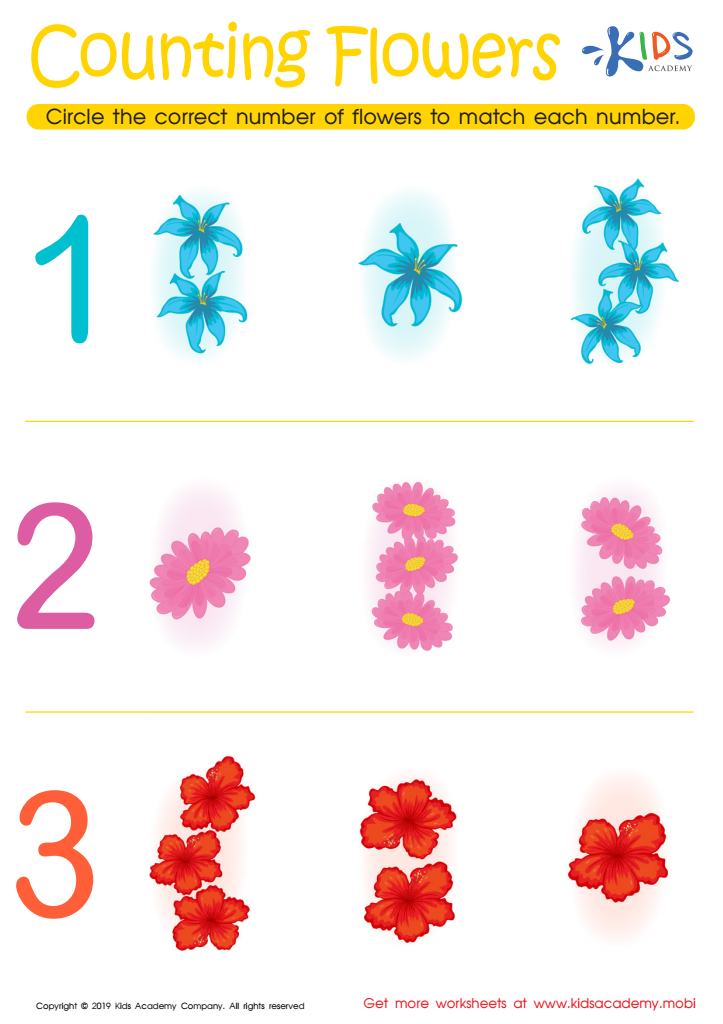
Counting Flowers Worksheet
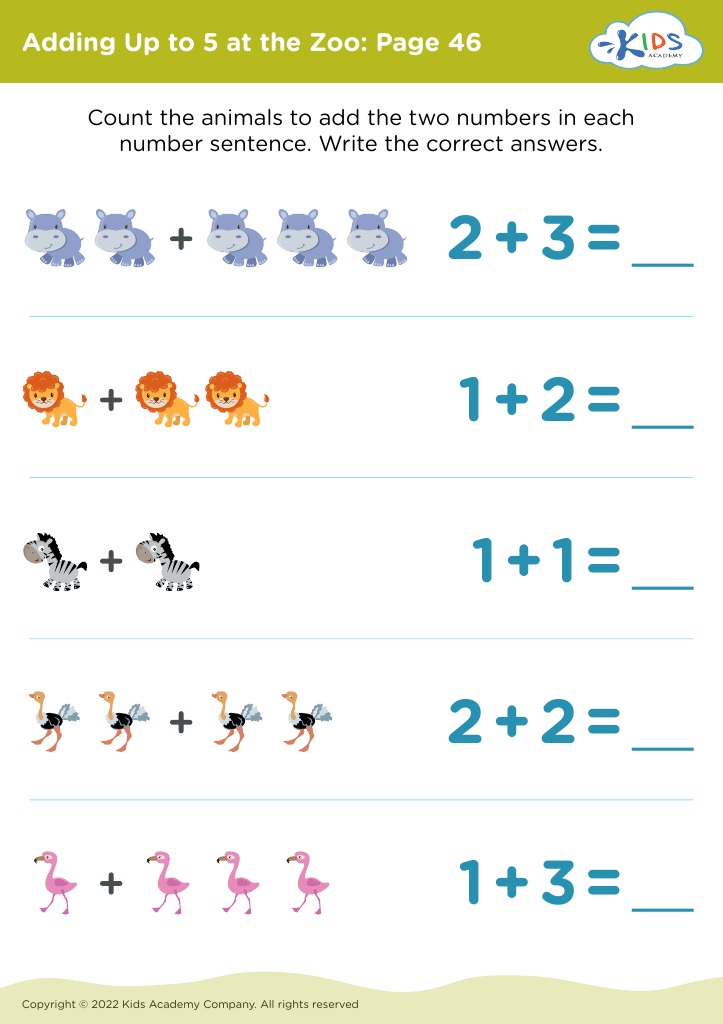
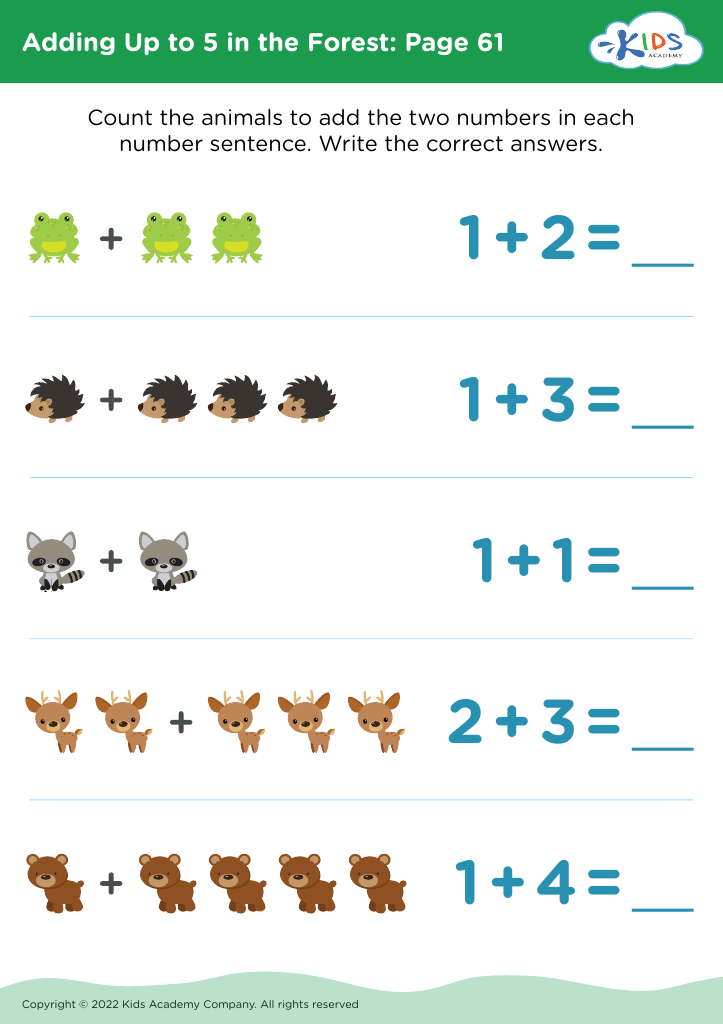
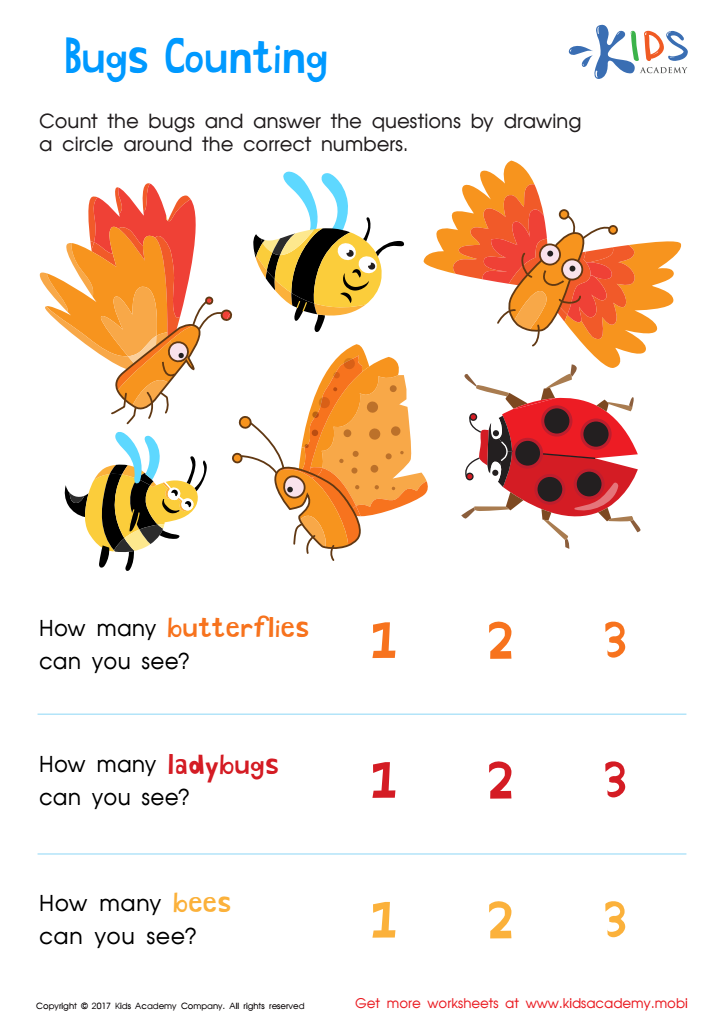
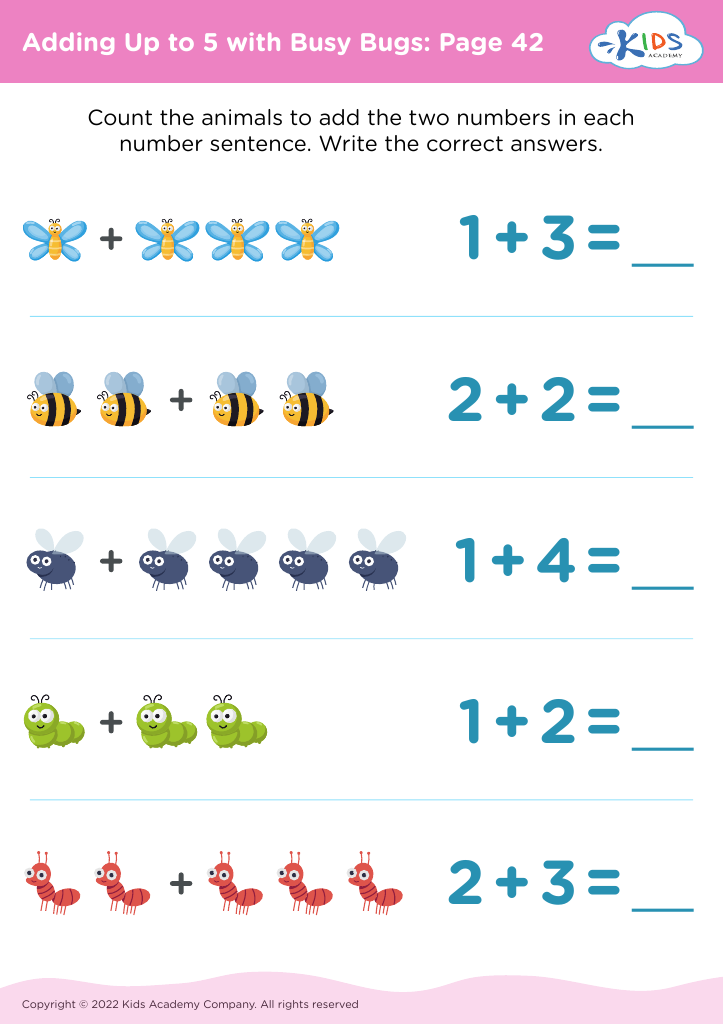
Bugs Counting Worksheet
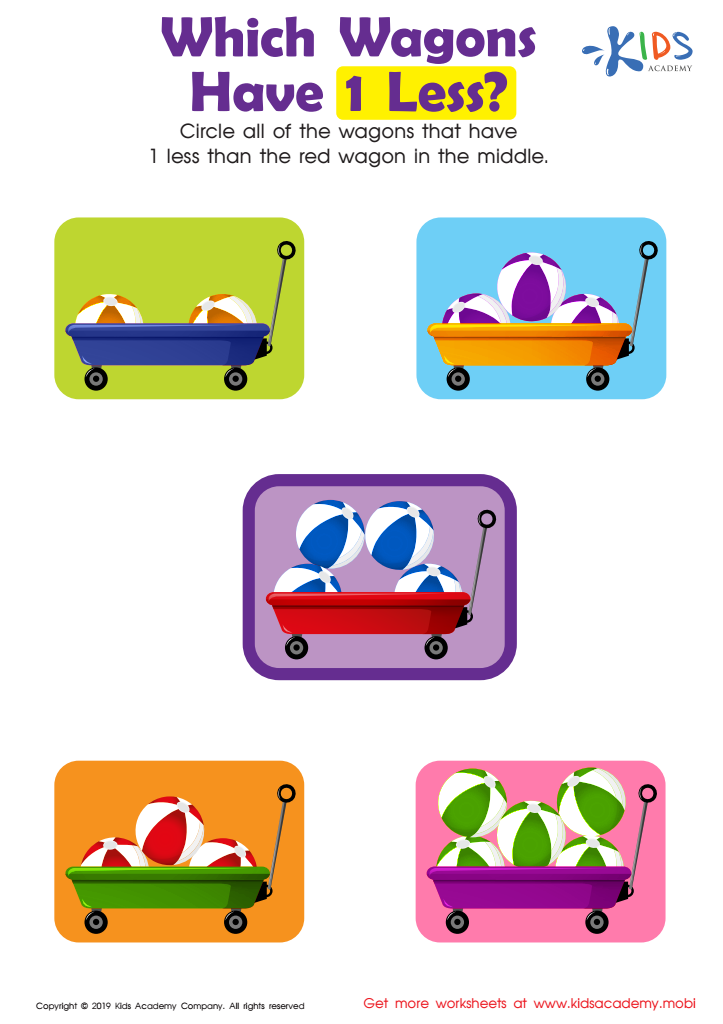
Which Wagons Have 1 Less? Worksheet
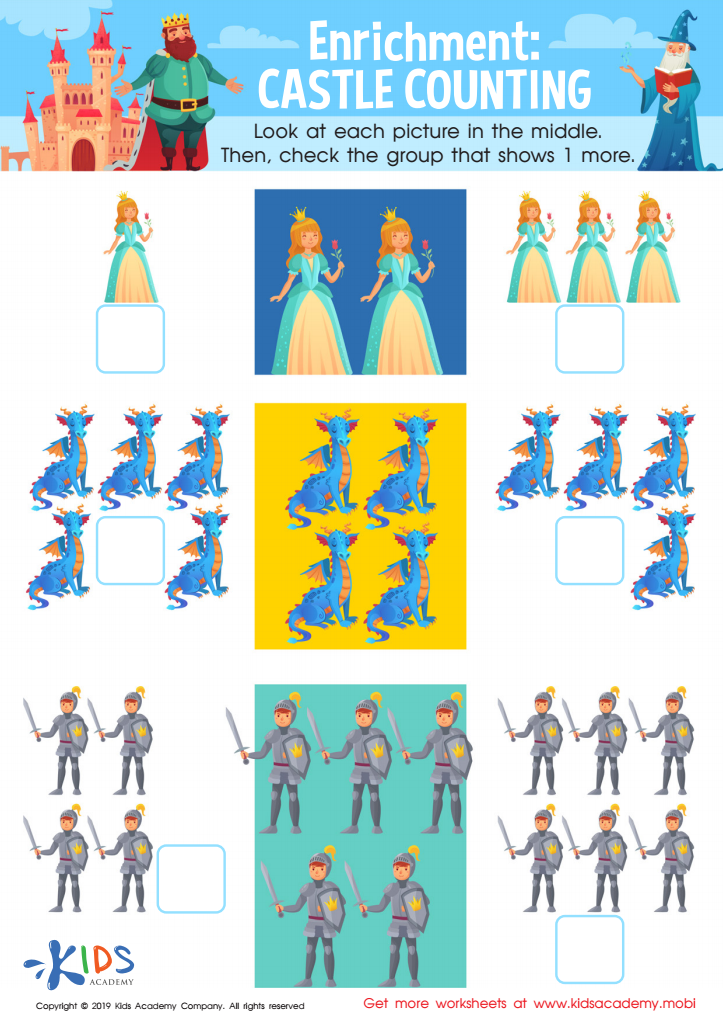
Enrichment: Castle Counting Worksheet
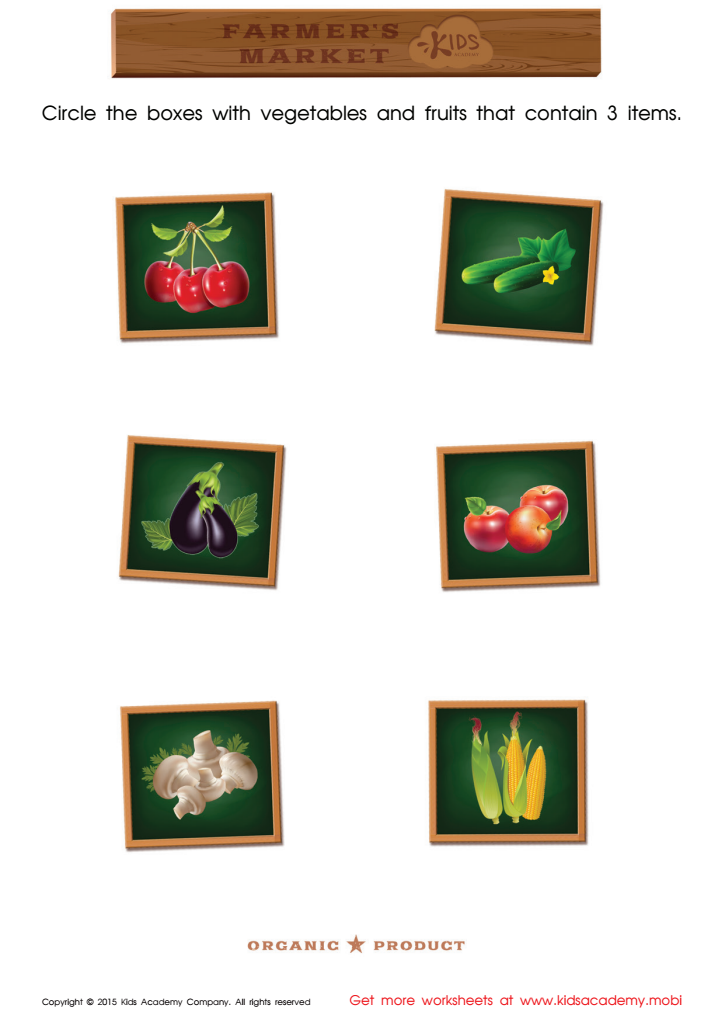
Count and Match Vegetables 1 – 5 Math Worksheet
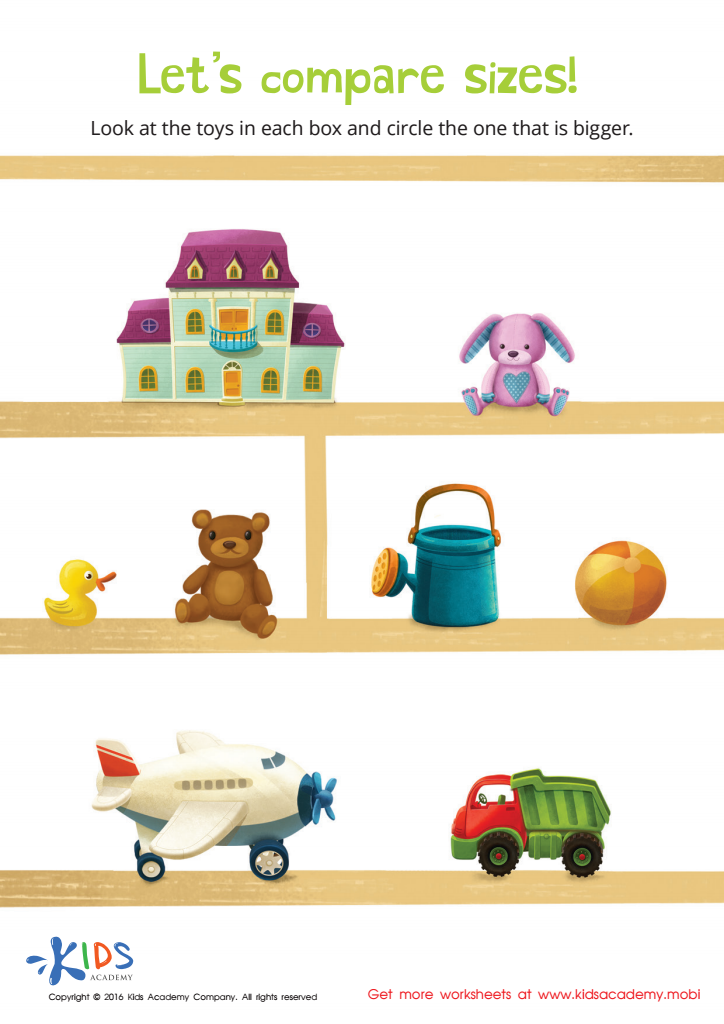
Classifying by Size Sorting Worksheet
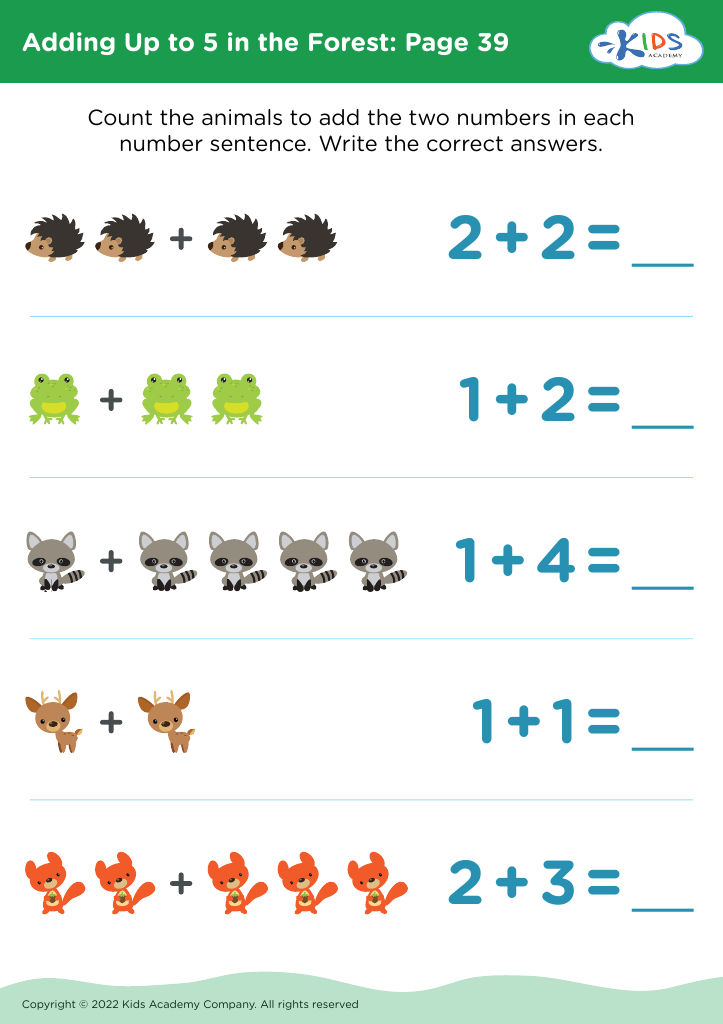






Visual perception math skills are foundational for children aged 3-4 as they significantly impact later learning in both mathematics and overall cognitive development. At this age, children are beginning to develop essential skills such as shape recognition, spatial awareness, and the ability to differentiate between quantities. These skills heavily rely on effective visual perception, allowing children to interpret patterns, understand concepts like more or less, and recognize numerical relationships.
Parents and teachers should prioritize visual perception math because it lays the groundwork for more complex mathematical concepts introduced in school. Children who can visually discern shapes and quantities are typically more prepared for tasks like addition and subtraction, geometry, and problem-solving later on. Furthermore, engaging in visual math activities fosters curiosity and enhances critical thinking skills.
Additionally, building visual perception skills can instill a love for learning in young children, making math not just a subject but an enjoyable part of their daily lives. By supporting these skills at an early age, parents and teachers contribute to a child’s confidence and competency in mathematics, ensuring a smoother transition into formal education and promoting a strong foundation for lifelong learning.








