Logical Reasoning Matching Worksheets for Ages 3-4
5 filtered results
-
From - To
Introducing our "Logical Reasoning Matching Worksheets" designed specifically for children aged 3-4. These fun and engaging worksheets help little ones develop essential logical reasoning skills through a variety of matching exercises. Perfect for preschoolers, our activities support cognitive growth, enhance problem-solving skills, and improve hand-eye coordination. Each worksheet is thoughtfully crafted to captivate young minds and foster a love for learning. Ideal for parents and educators looking to provide a strong educational foundation, our worksheets make learning both enjoyable and effective. Download our free printable worksheets today and watch your child's cognitive abilities soar!
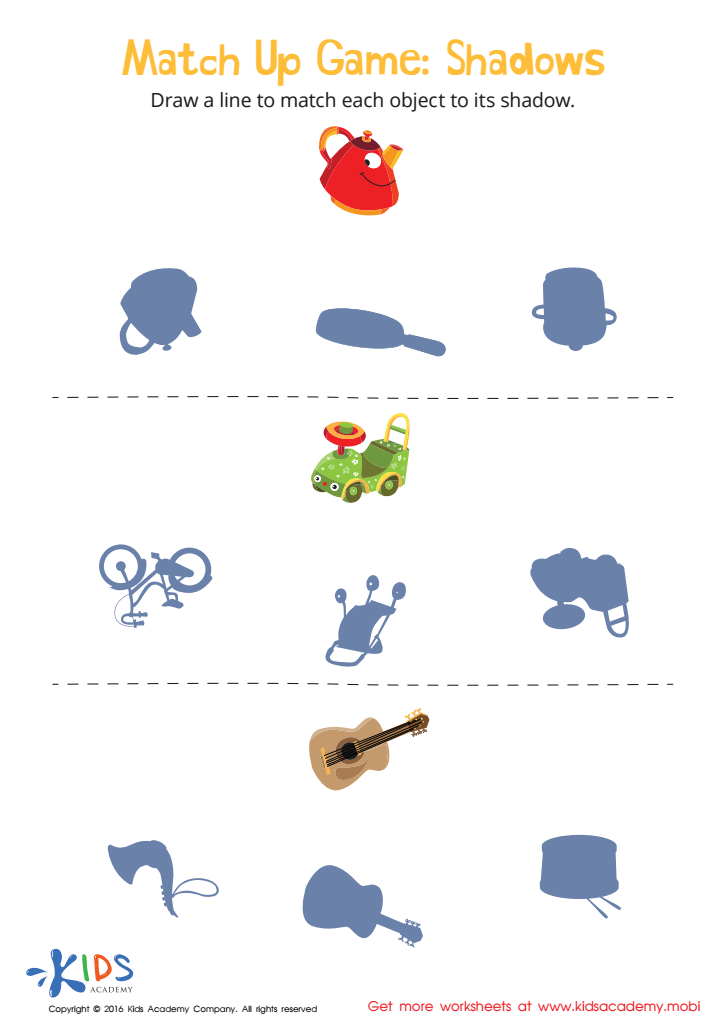
 Assign to My Students
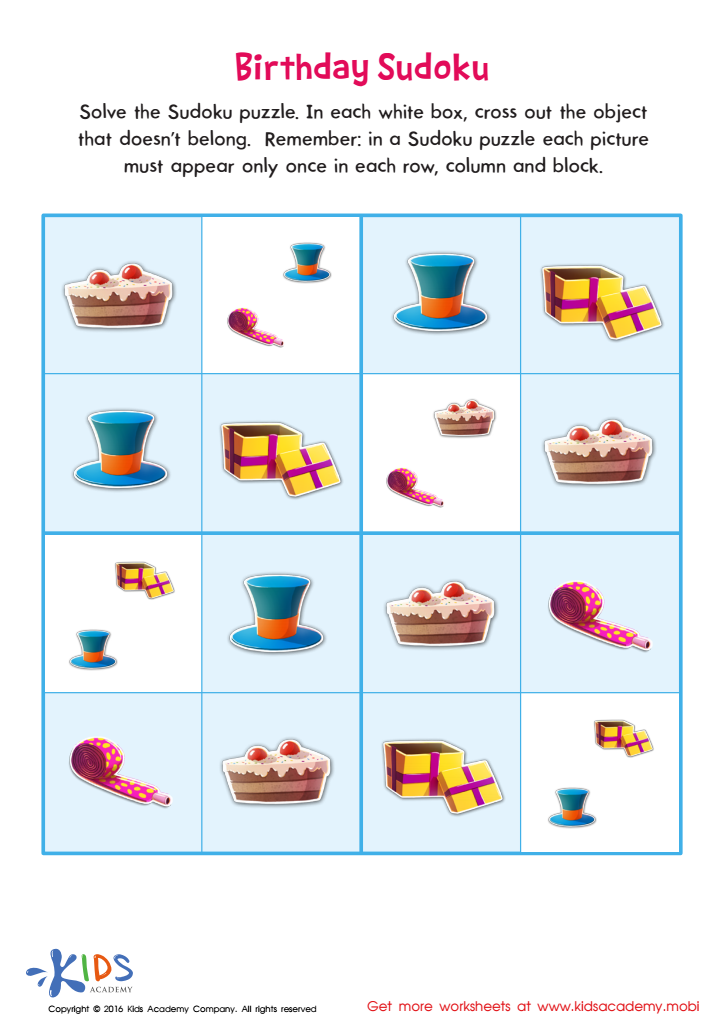
Birthday Sudoku Sorting Worksheet
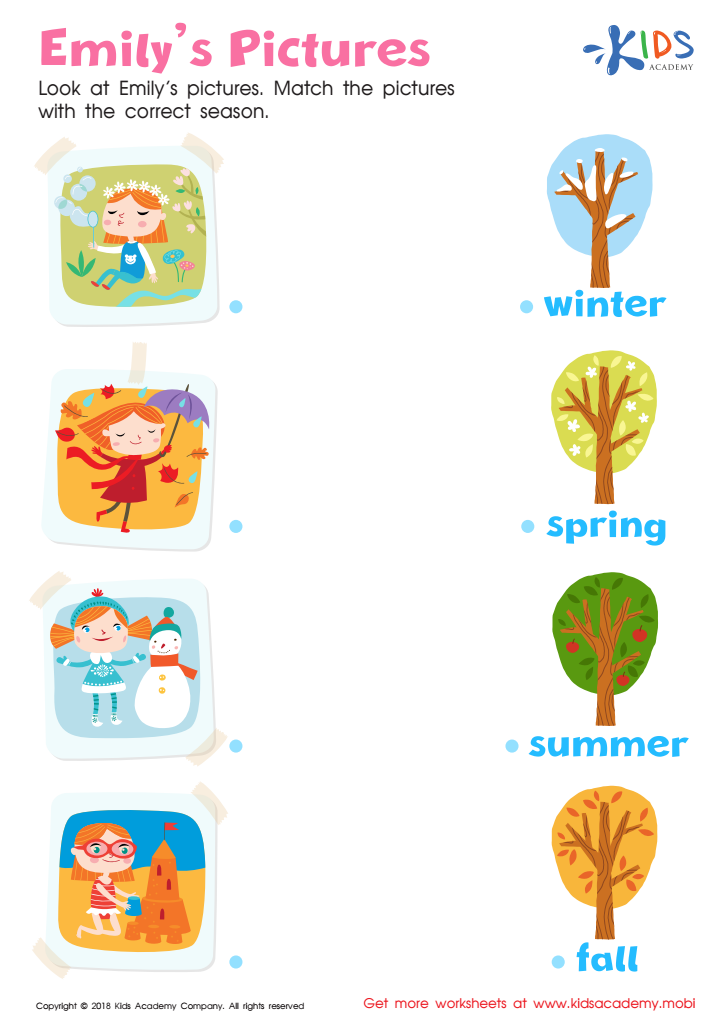
Emily's Pictures Worksheet
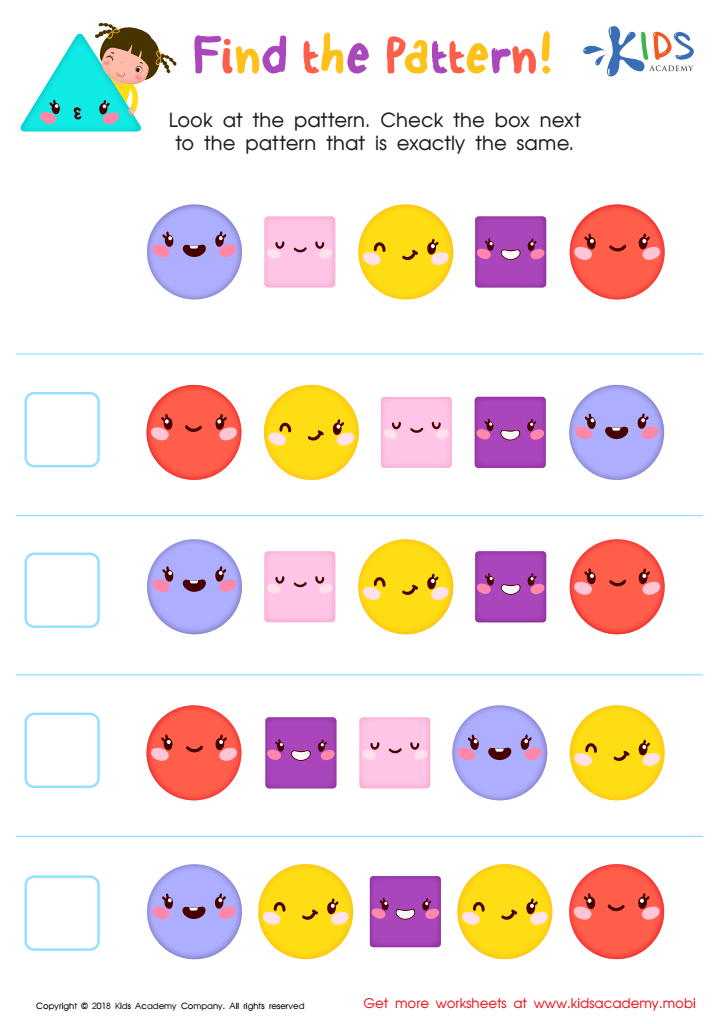
Find the Pattern Worksheet
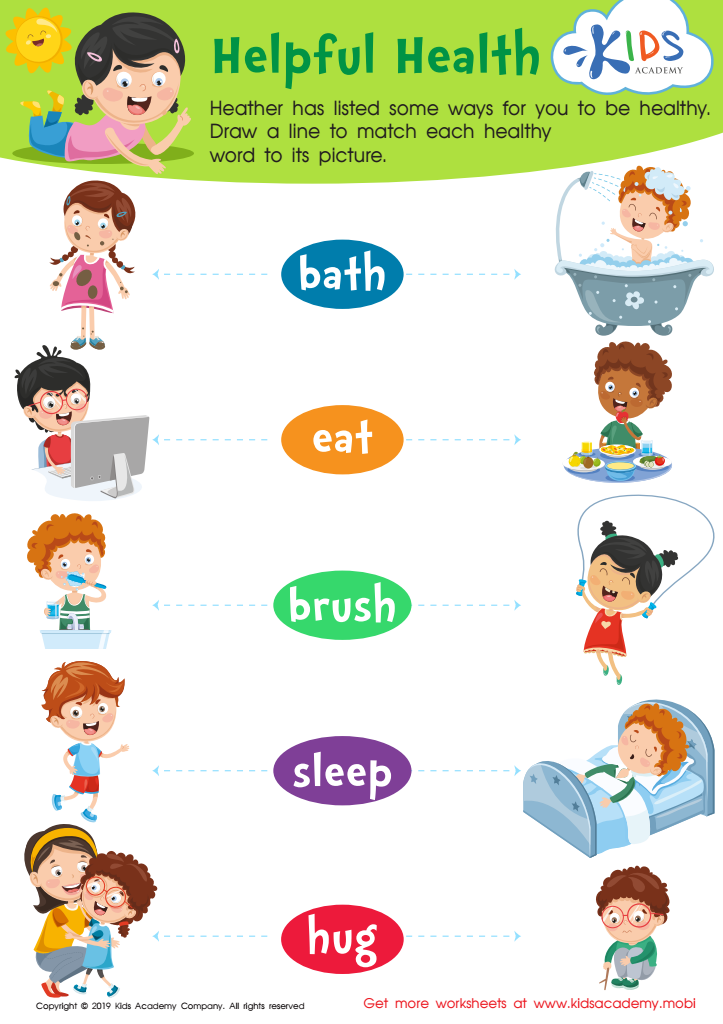
Helpful Health Worksheet








Logical reasoning matching activities for children aged 3-4 are crucial in fostering foundational cognitive skills. At this tender age, young minds are rapidly developing and forming neural connections. Introducing them to logical reasoning helps cultivate critical thinking, problem-solving, and decision-making abilities.
Engaging in matching exercises enhances memory retention and attention to detail. For instance, when a child matches shapes, colors, or animals, they learn to identify similarities and differences, boosting their observation skills. These activities also introduce basic concepts of categorization and classification, laying groundwork for more complex math and science learning in the future.
Moreover, logical reasoning activities are essential for linguistic development. Describing the objects they match or explaining why two items go together enriches their vocabulary and communication skills. These exercises also foster patience and perseverance, as children learn that finding the right match might require trial and error.
Beyond academics, logical reasoning matching supports social and emotional development. As children often engage in these activities through play, they learn collaboration, sharing, and turn-taking when playing with peers.
In short, logical reasoning matching activities offer multifaceted benefits, making them vital for early childhood development, enriching both cognitive and social-emotional skills, and providing a strong foundation for future learning.








