Critical Thinking Sorting Worksheets for Ages 3-4
4 filtered results
-
From - To
Enhance your child's critical thinking skills with our engaging sorting worksheets designed specifically for ages 3-4. These worksheets offer fun and interactive activities to help young learners recognize patterns, categorize objects, and develop foundational reasoning abilities. Each worksheet is crafted to stimulate curiosity and promote cognitive development through playful sorting exercises. As children group items by color, shape, or size, they not only learn essential skills but also boost their confidence in problem-solving. Perfect for at-home learning or classroom use, our Critical Thinking Sorting Worksheets make learning enjoyable while fostering essential skills that lay the groundwork for future success.
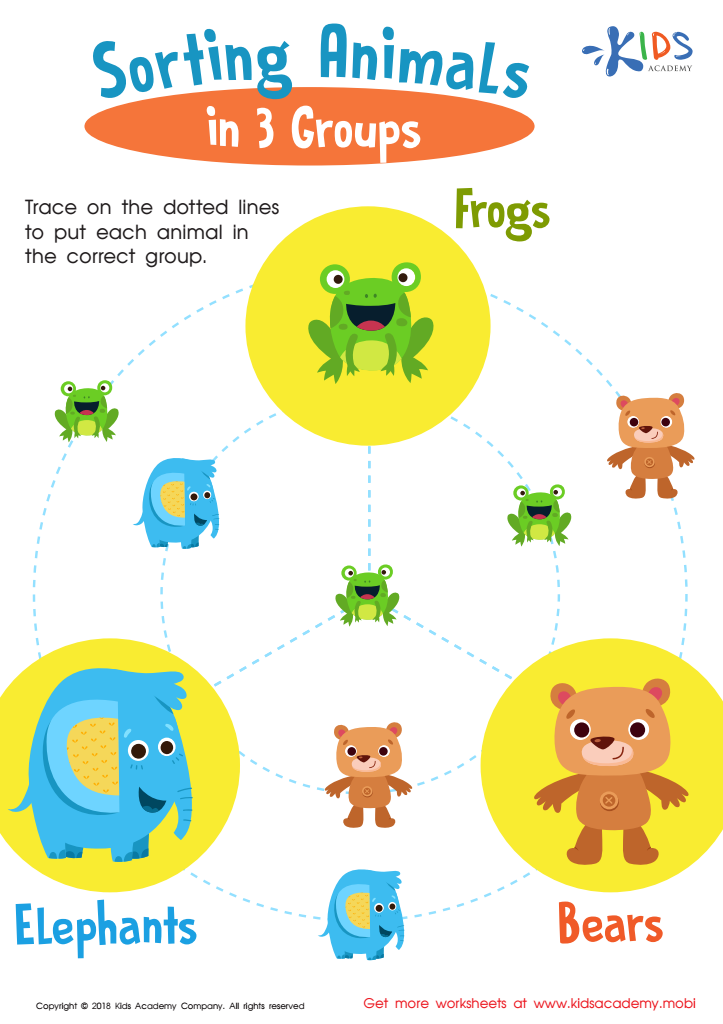
Sorting Animals in 3 Groups Worksheet
 Assign to My Students
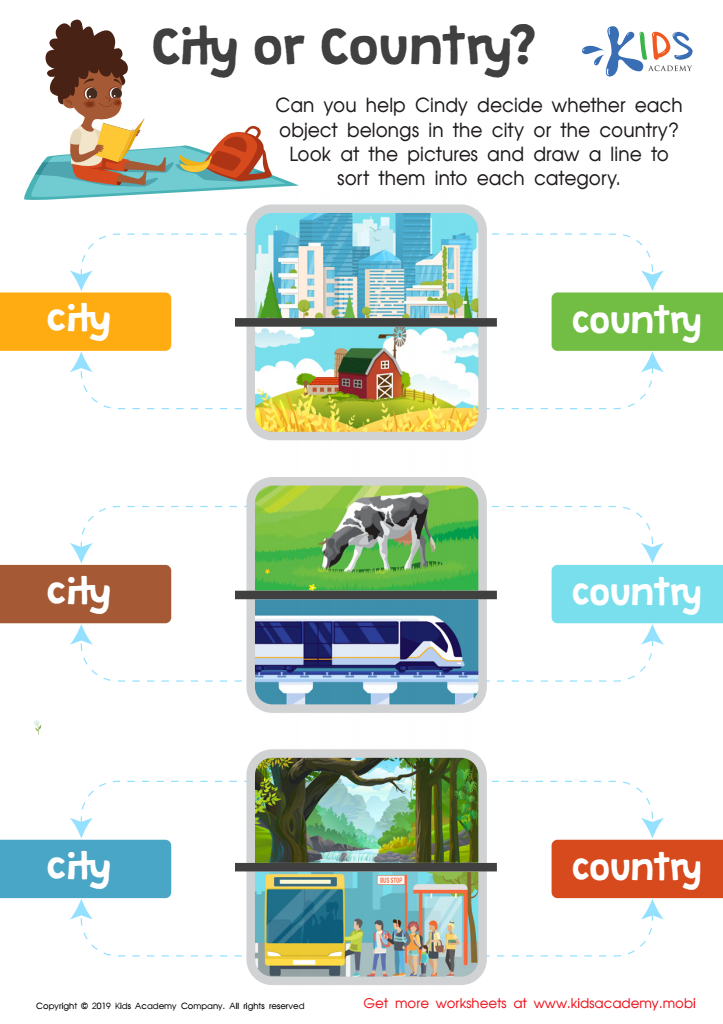
City or Country? Worksheet

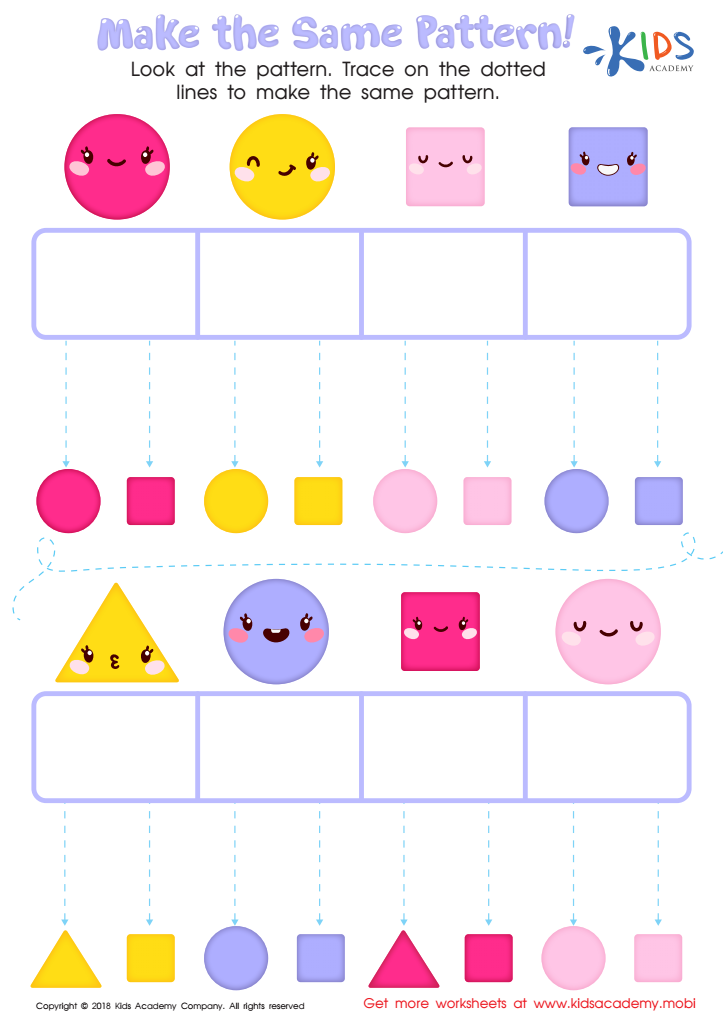
Make the Same Pattern Worksheet







Critical thinking sorting activities for ages 3-4 play a vital role in early childhood development. At this stage, children's cognitive abilities are rapidly growing, and engaging them in sorting tasks helps refine their reasoning skills. Through these activities, children learn to categorize objects based on attributes like shape, size, color, and function, which promotes problem-solving techniques and boosts their ability to make connections.
Parents and teachers should care about these activities because they lay the foundational skills necessary for later academic success. Sorting also enhances a child's language development by encouraging vocabulary expansion; as they describe their choices, they practice articulation and comprehension. It fosters independence and decision-making as children become more confident in their abilities to recognize patterns.
Moreover, these activities promote social skills when children work together to sort items, teaching them to cooperate, share ideas, and discuss their sorting methods. By prioritizing critical thinking sorting, caregivers can cultivate inquisitive minds, encouraging children to explore and ask questions about the world around them. In essence, being involved in these fundamental activities not only enriches a child’s learning experience but sets a precedent for lifelong learning and thoughtful engagement with their environment.








