Reading comprehension Word Problems Worksheets for Ages 3-4
16 filtered results
-
From - To
Enhance your child's reading comprehension skills with our engaging Word Problems Worksheets designed for ages 3-4. These thoughtfully created worksheets combine basic math concepts with fun narratives to cultivate a love for reading and critical thinking. Ideal for early learners, each problem introduces age-appropriate language and context, making it easier for little ones to connect words with concepts. Parents and educators will find these worksheets a valuable tool for developing essential skills in recognizing key information and solving real-life problems. Foster your child's learning journey and instill confidence in their abilities with these interactive and enjoyable reading comprehension resources!
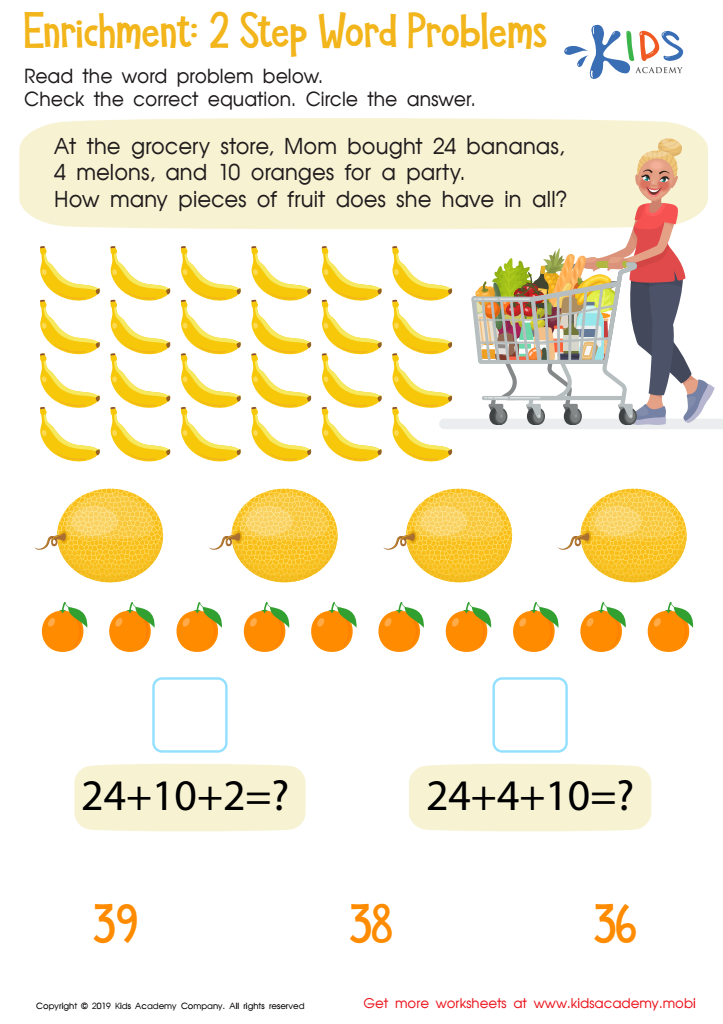
Enrichment -2 Step Word Problems Worksheet
 Assign to My Students
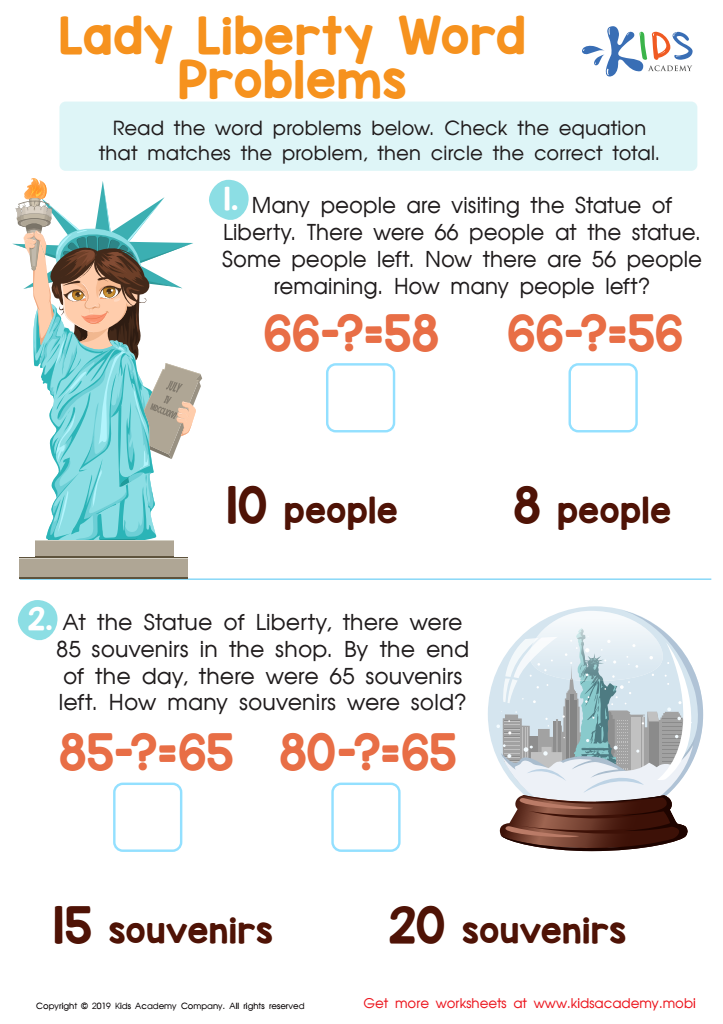
Lady Liberty Worksheet
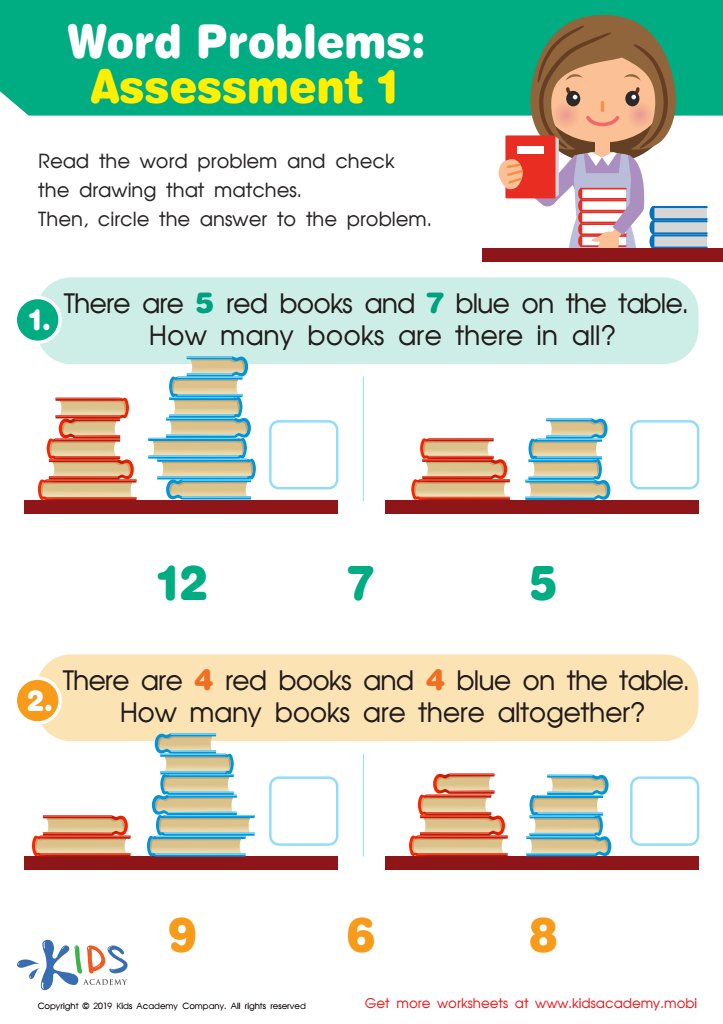
Word Problems: Assessment 1 Worksheet
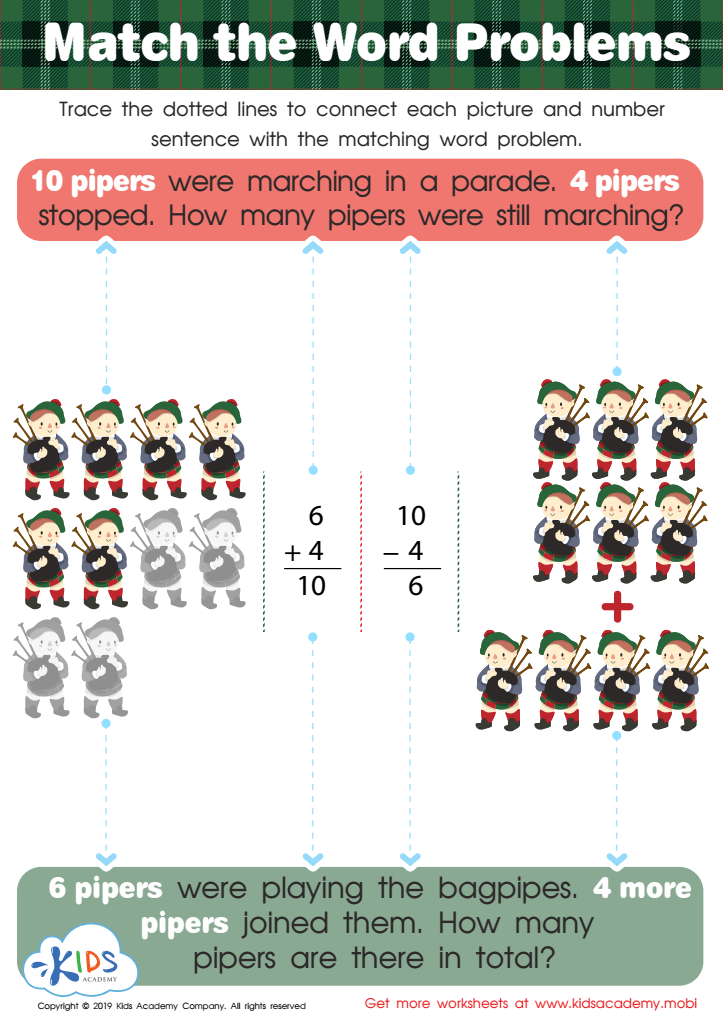
Match the Word Problems Worksheet
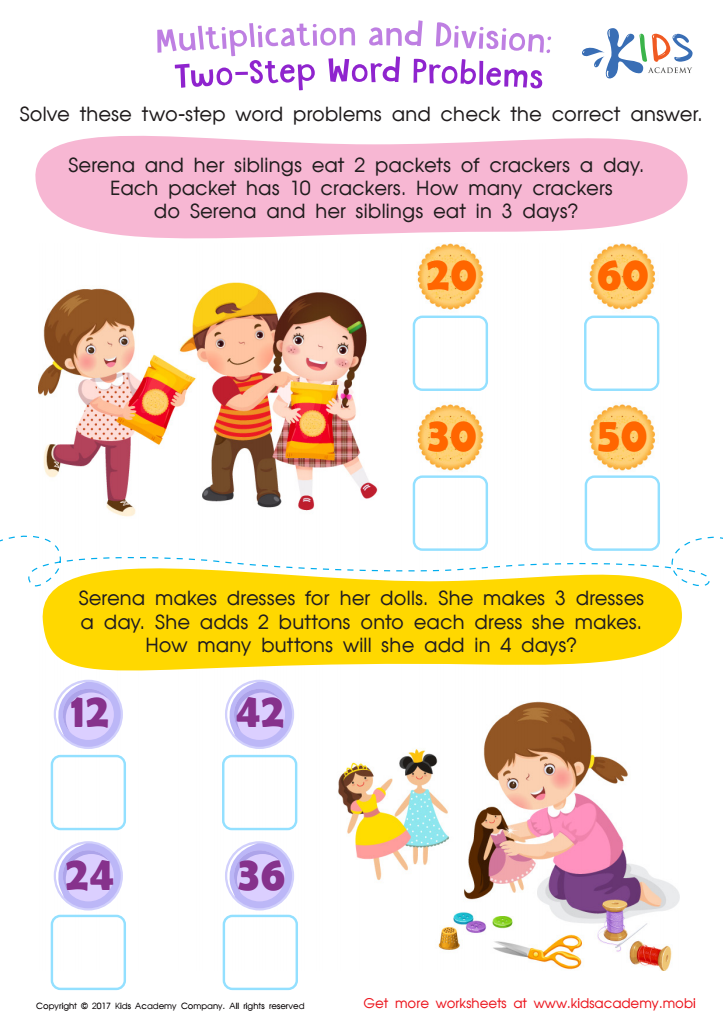
Two Step Word Problems Worksheet
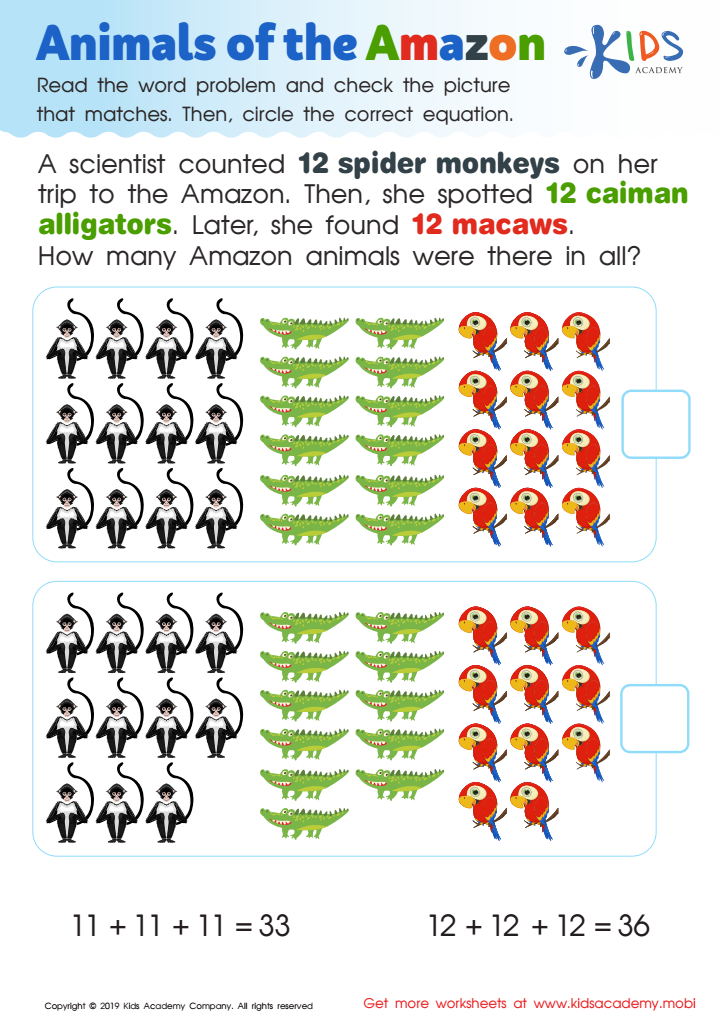
Animals of Amazon Worksheet
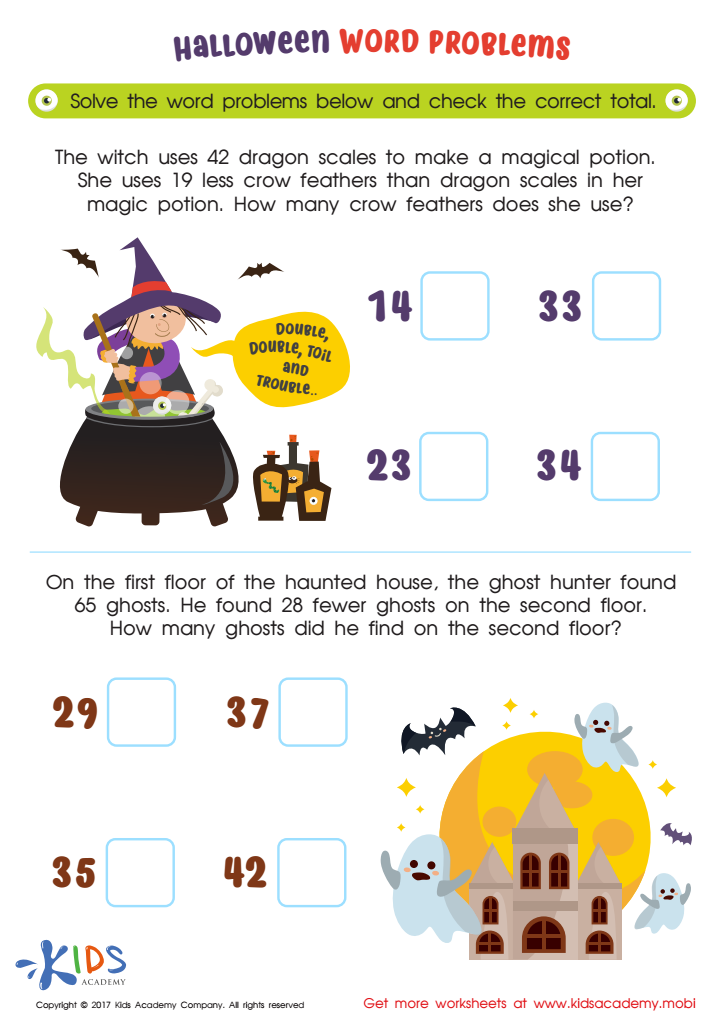
Halloween Word Problems Printable
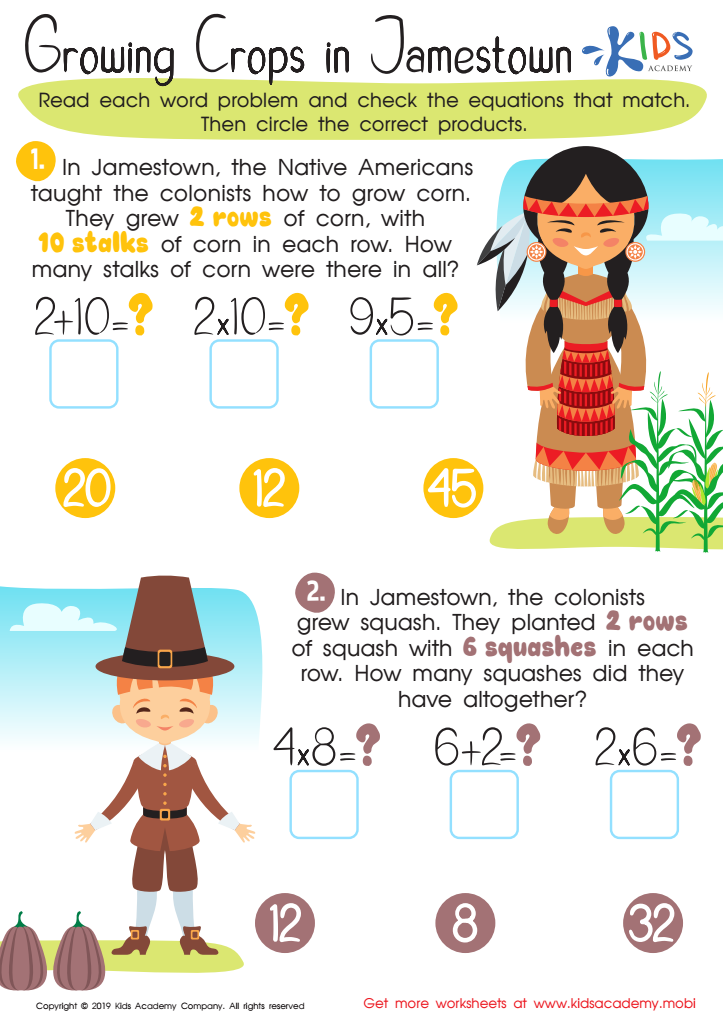
Growing Jamestown Worksheet
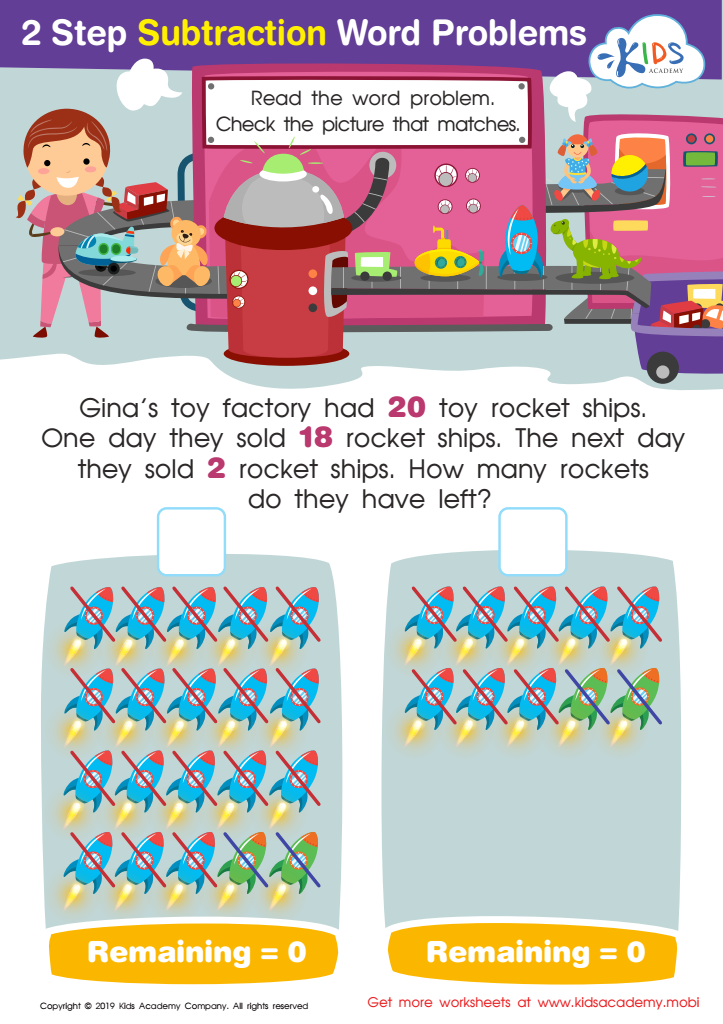
Step Subtraction Word Problems Worksheet
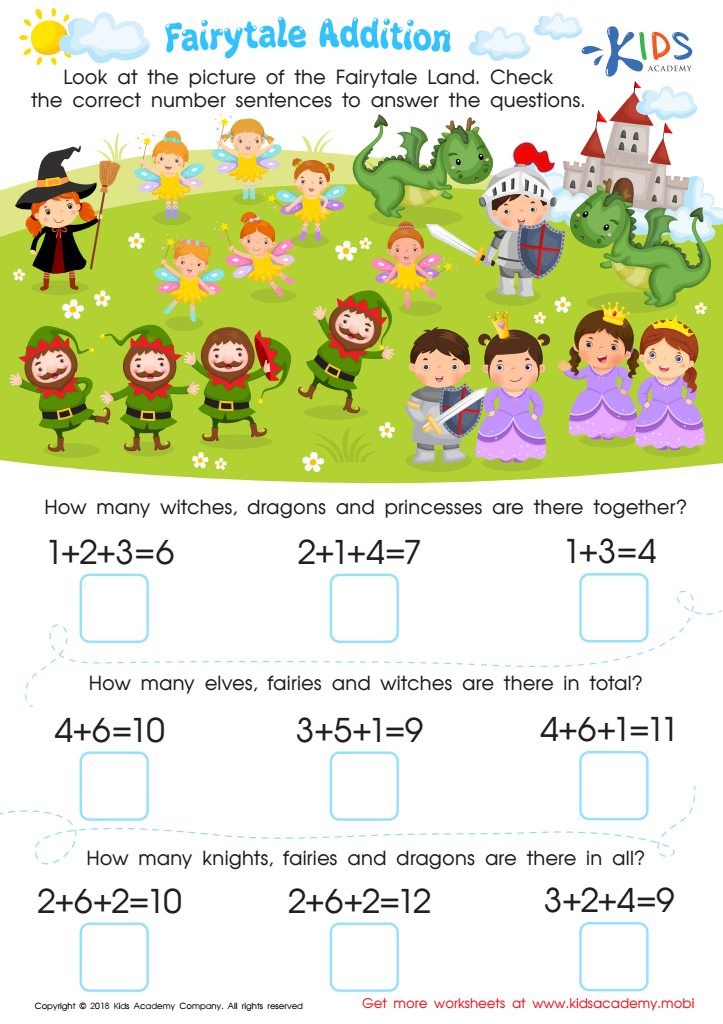
Fairytale Addition Worksheet
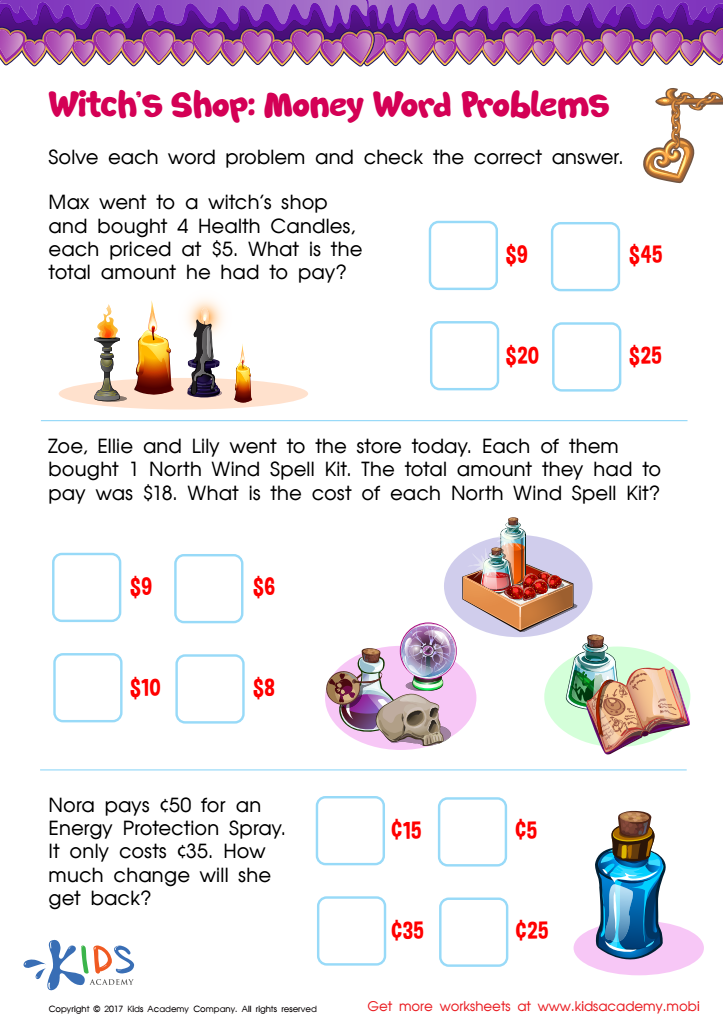
Money Word Problems Printable
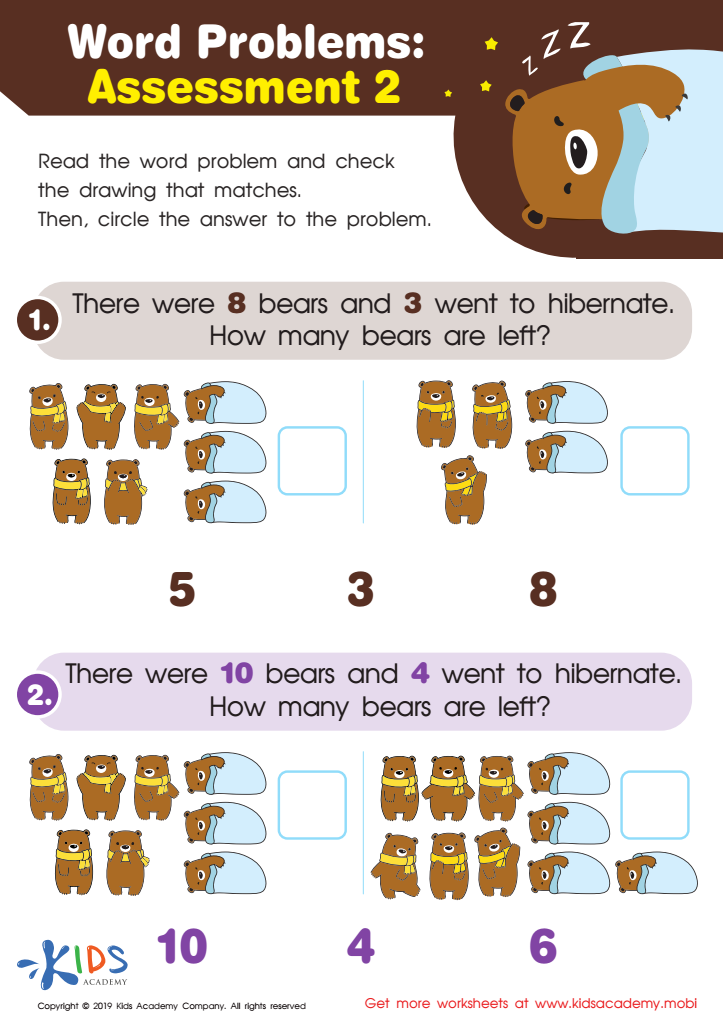
Word Problems: Assessment 2 Worksheet
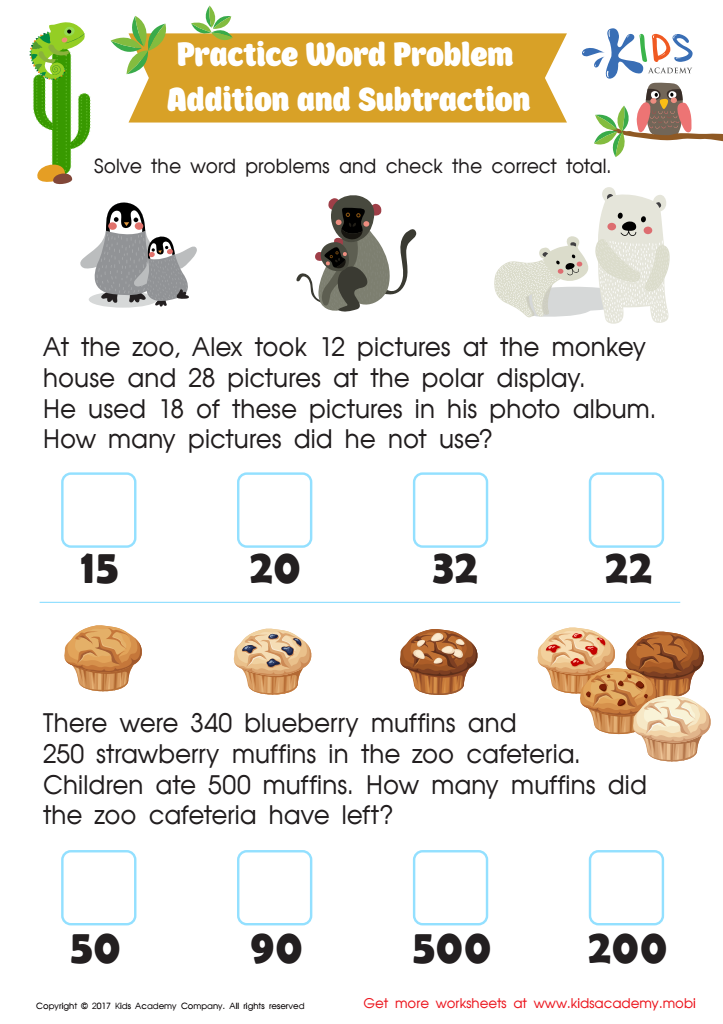
Addition and Subtraction: Word Problems Worksheet
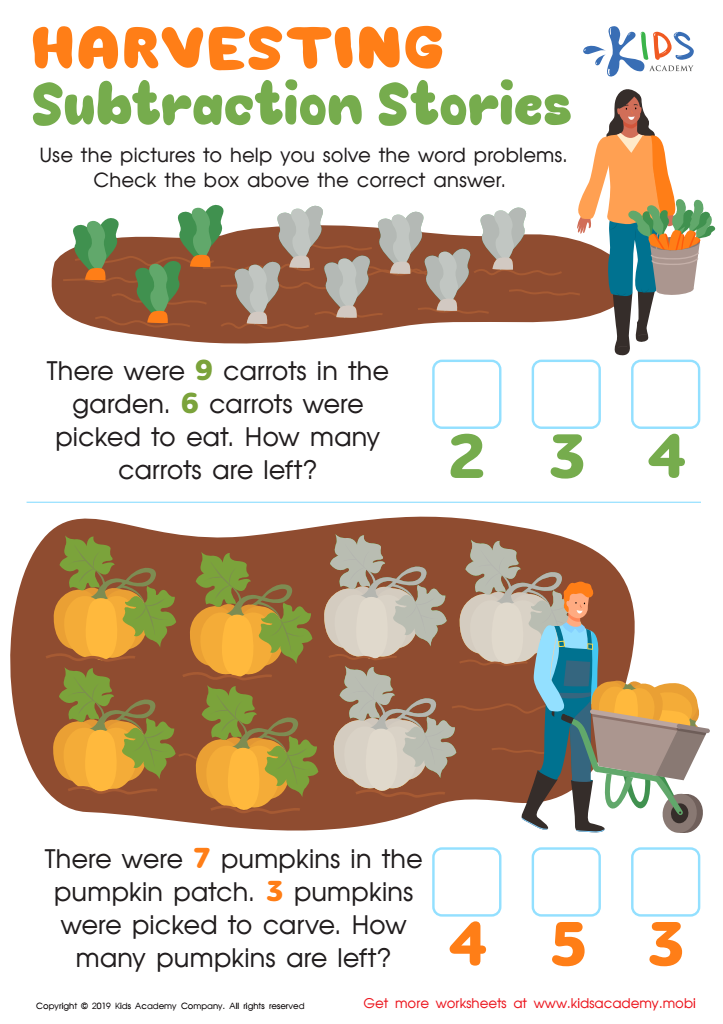
Harvesting Subtraction Stories Worksheet
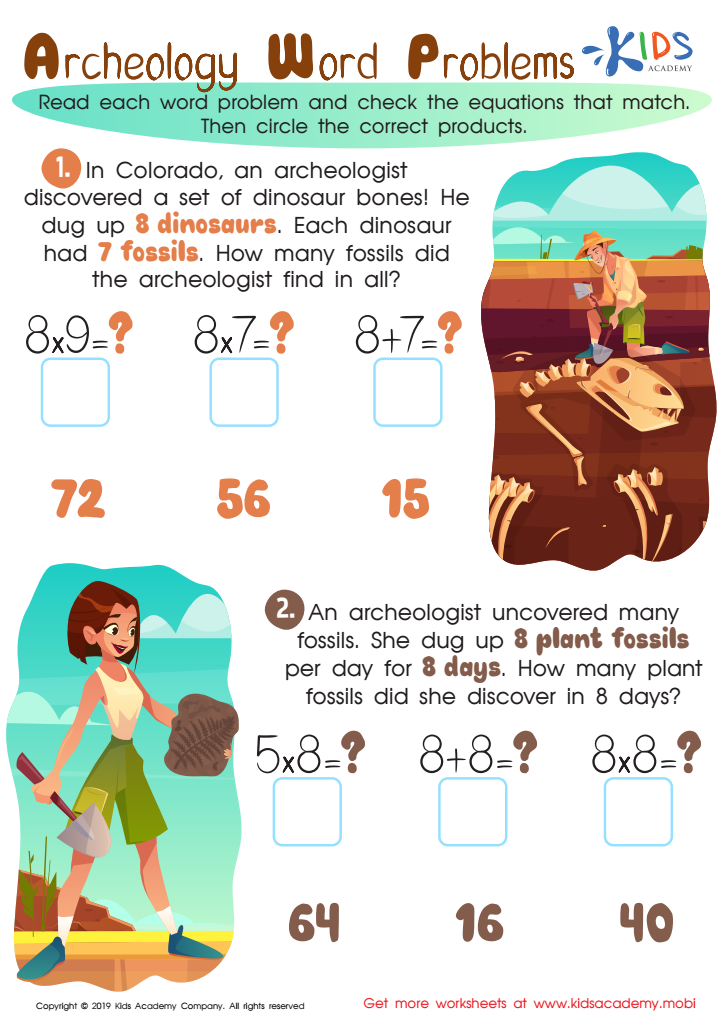
Archeology Word Problems Worksheet
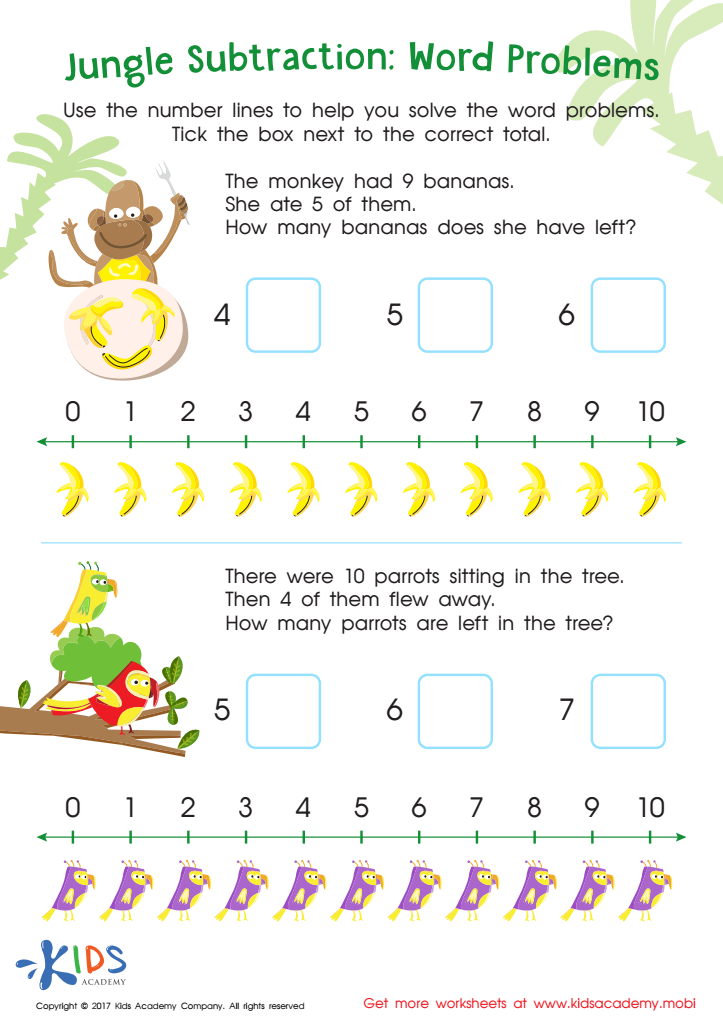
Jungle Subtraction Word Problems Substraction Worksheet





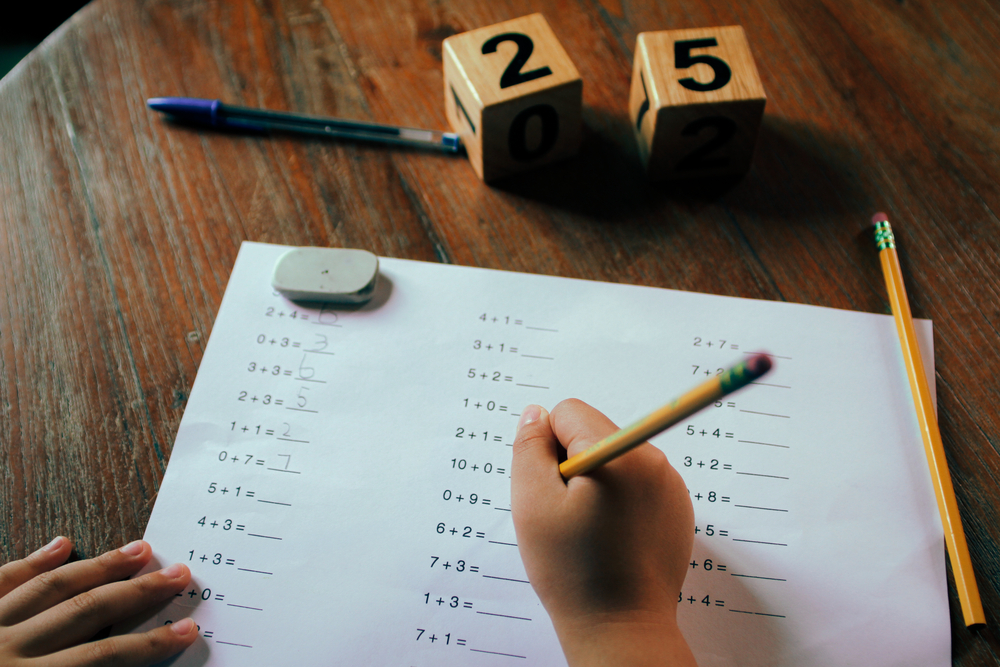


Reading comprehension, particularly in the context of word problems, can lay a critical foundation for young children aged 3-4. During these formative years, a child's ability to understand and interpret texts is vital for future academic success. Engaging with word problems encourages children to make connections between language and concepts, improving both their vocabulary and comprehension skills.
Parents and teachers should care about reading comprehension word problems at this age because they facilitate cognitive development. Solving word problems involves critical thinking, reasoning, and language skills, allowing children to learn how to analyze situations, identify key information, and derive solutions. This skill set not only benefits early mathematical understanding but translates into better overall literacy as children learn to express themselves clearly.
Moreover, incorporating word problems into young children's learning can enhance their confidence and motivation. As they successfully navigate challenges, children build a sense of accomplishment, fostering a positive attitude toward learning. Ultimately, emphasizing reading comprehension in the form of word problems provides young learners with essential tools that promote academic resilience and a love for reading, setting the stage for lifelong learning.








