Filters

13 filtered results

Clear all filters
Favorites
With answer key
Interactive

13 filtered results

Difficulty Level

Grade


Enhance your child's learning experience with our "Problem-Solving Skills Building Vocabulary Worksheets for Ages 3-4." Designed for young learners, these engaging worksheets encourage critical thinking and vocabulary development in a fun and interactive way. Through colorful illustrations and relatable scenarios, kids will tackle simple problems that enhance their reasoning skills while expanding their language capabilities. Our resources are tailored to stimulate creativity, boost confidence, and foster a love for learning. Perfect for parents and educators seeking to nurture foundational skills, these worksheets provide a rewarding way to prepare little minds for future challenges. Inspire problem solvers today!

Check out this FREE Trial Lesson on Building Vocabulary for age 3-4!

Distinguish Shades of Meaning Among Verbs Describing the Same General Action by Acting out the Meanings

Favorites
With answer key
Interactive
  • 3-4
  • Problem-Solving Skills
  • Building Vocabulary
The Migration Maze Worksheet

The Migration Maze Worksheet

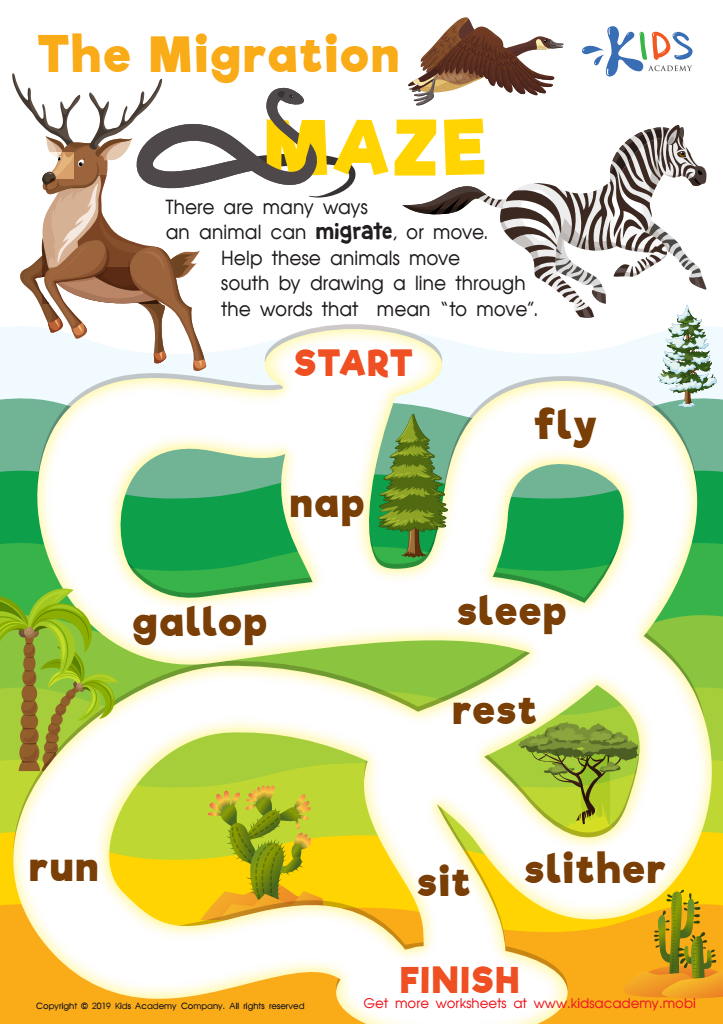
Animals migrate for various reasons, from weather to food. This free download is a fun way for kids to learn about the different migration methods, such as slithering or flying. Help your little adventurer guide the animals through the maze to the finish line!
The Migration Maze Worksheet
Worksheet
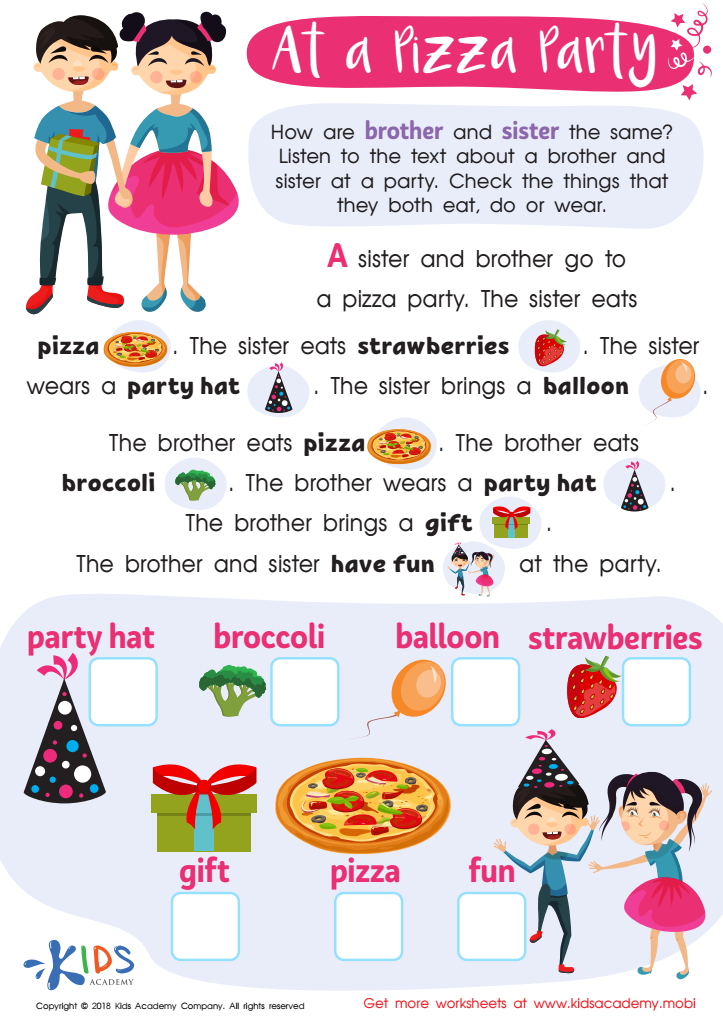
At a Pizza Party Worksheet

At a Pizza Party Worksheet

Parties are the best! Eating, playing, singing, dancing and gift-exchange - what's your child's fave part? In this worksheet, a brother and sister are eager to enjoy their party. Read the text to them and help them check what they do, eat, and wear. 80 words.
At a Pizza Party Worksheet
Worksheet
Which Doesn't Belong? Worksheet

Which Doesn't Belong? Worksheet

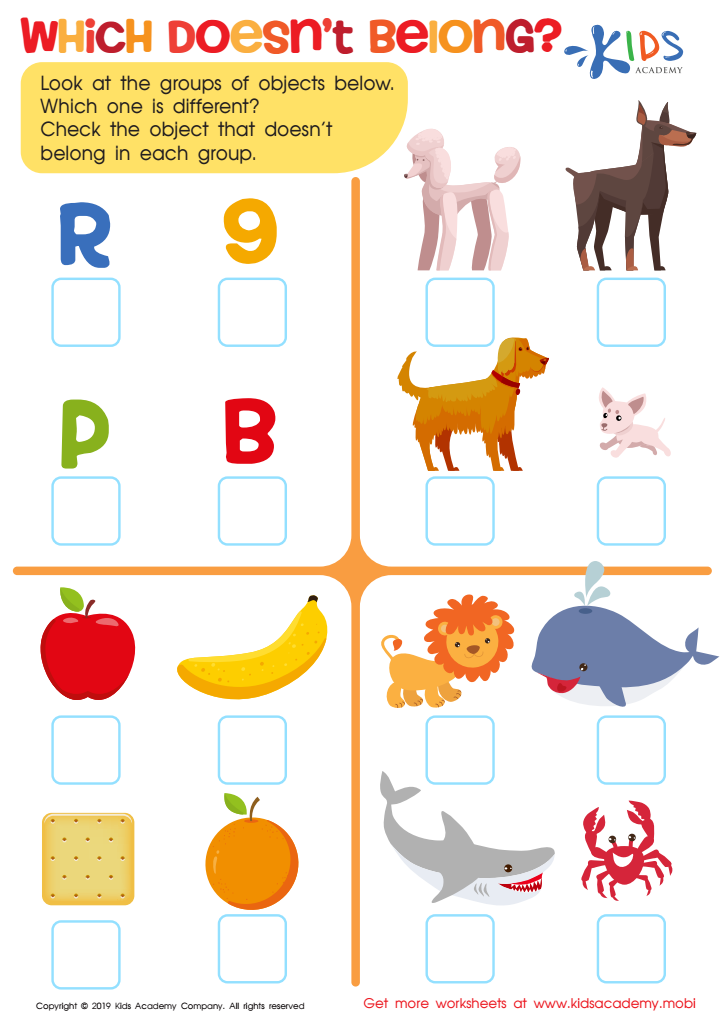
This engaging worksheet helps preschoolers recognize similar and different attributes of common words, using brightly-colored pictures. They analyze the items in each category and check off what is different. For extra practice, have them explain their reasoning verbally! Sorting and classifying are important skills to learn.
Which Doesn't Belong? Worksheet
Worksheet
Where Is the Ant? Worksheet

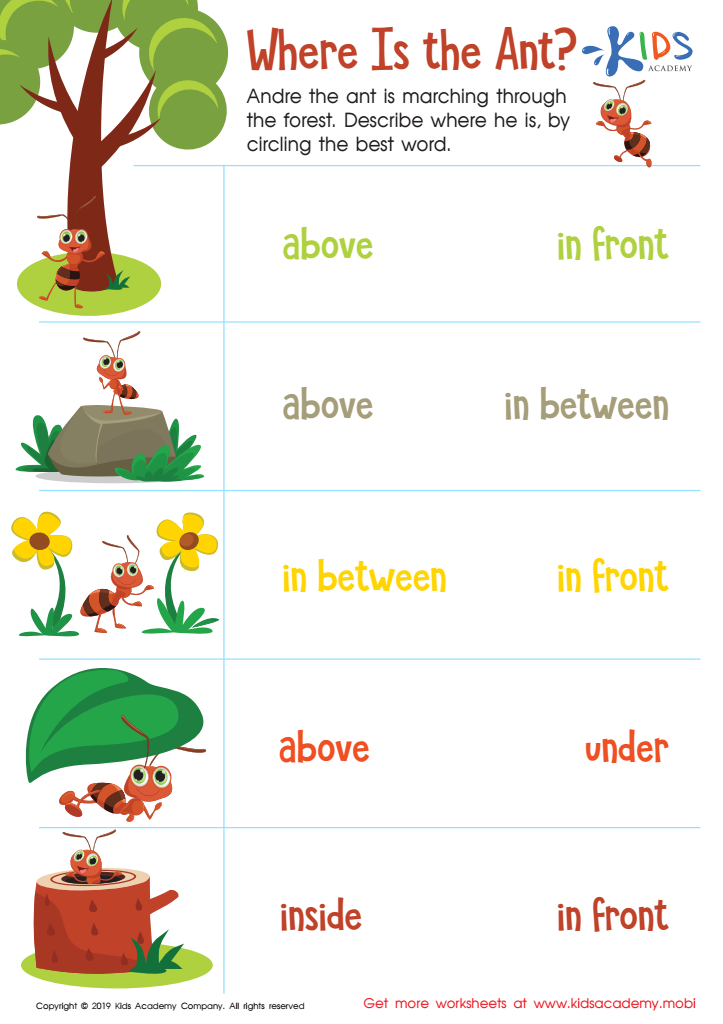
Where Is the Ant? Worksheet

Kids are captivated by ants. Andre is a busy ant, marching through the forest. Help your child circle the best word that best describes what he's doing in each picture. This colorful printout will show them the way.
Where Is the Ant? Worksheet
Worksheet
The Movement Maze Worksheet
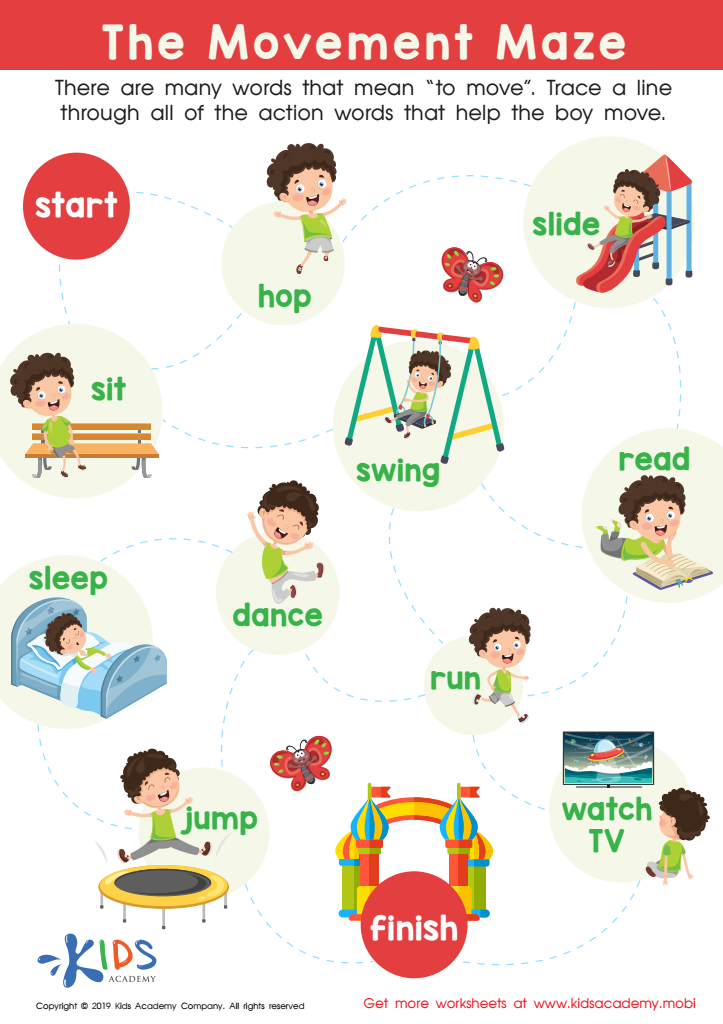
The Movement Maze Worksheet
Let your child have fun with this interactive PDF download. Kids will learn movement words with cute pictures, plus practice fine motor skills as they trace. A fun way to reinforce vocabulary. Jump, hop and sit – it's all here!
The Movement Maze Worksheet

Worksheet
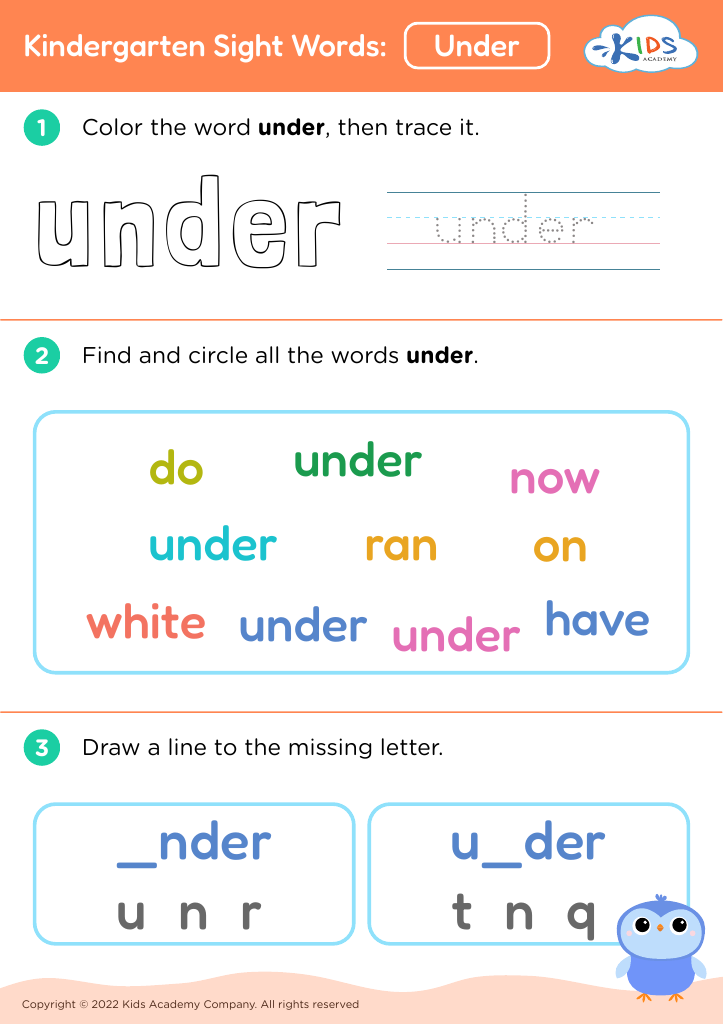
Kindergarten Sight Words: Under

Kindergarten Sight Words: Under

Kindergarten Sight Words: Under
Worksheet
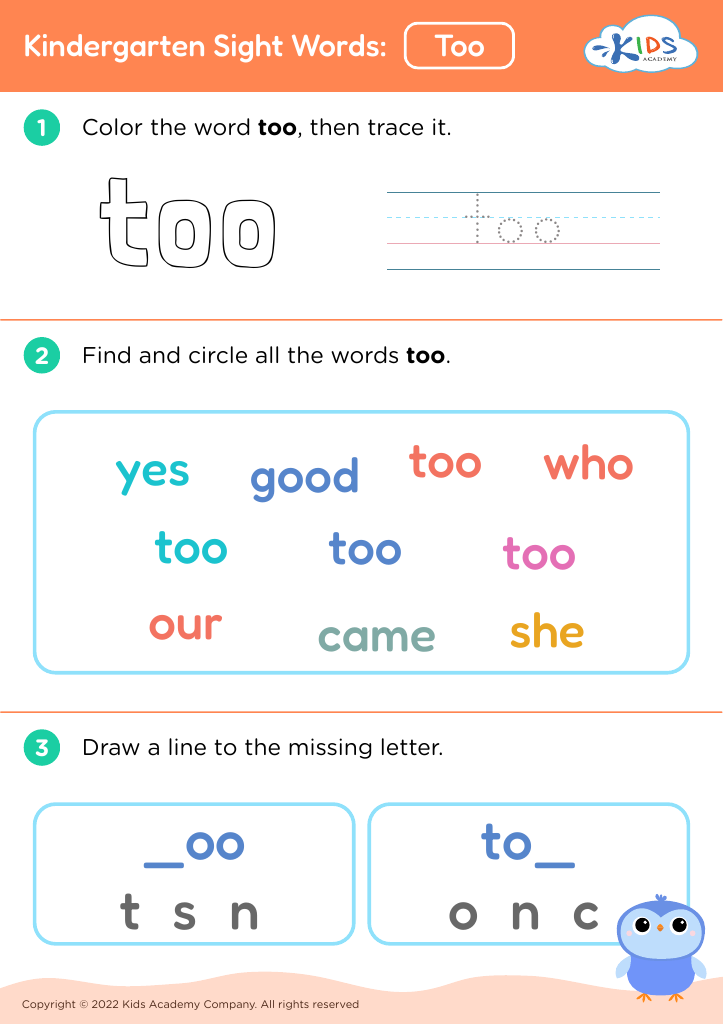
Kindergarten Sight Words: Too

Kindergarten Sight Words: Too

Kindergarten Sight Words: Too
Worksheet
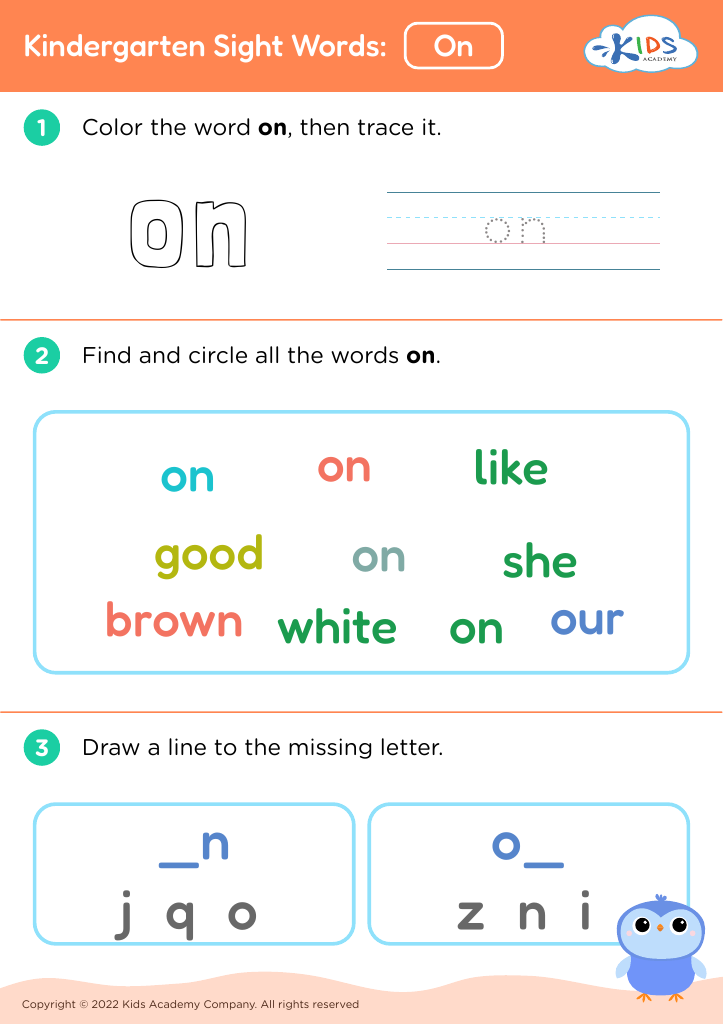
Kindergarten Sight Words: On

Kindergarten Sight Words: On

Kindergarten Sight Words: On
Worksheet
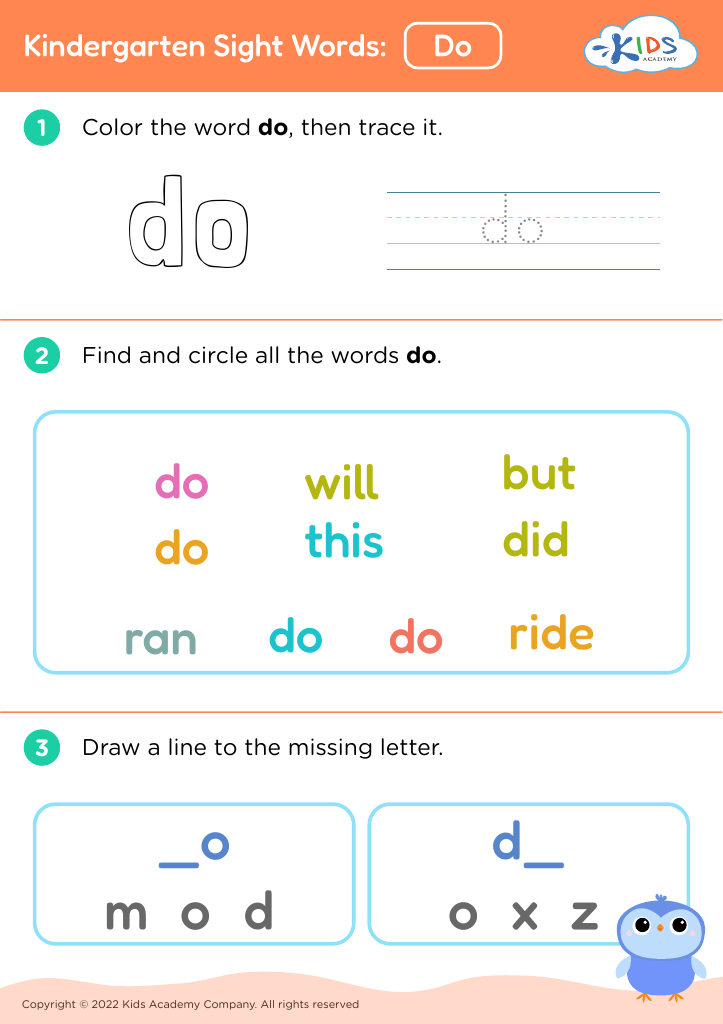
Kindergarten Sight Words: Do

Kindergarten Sight Words: Do

Kindergarten Sight Words: Do
Worksheet
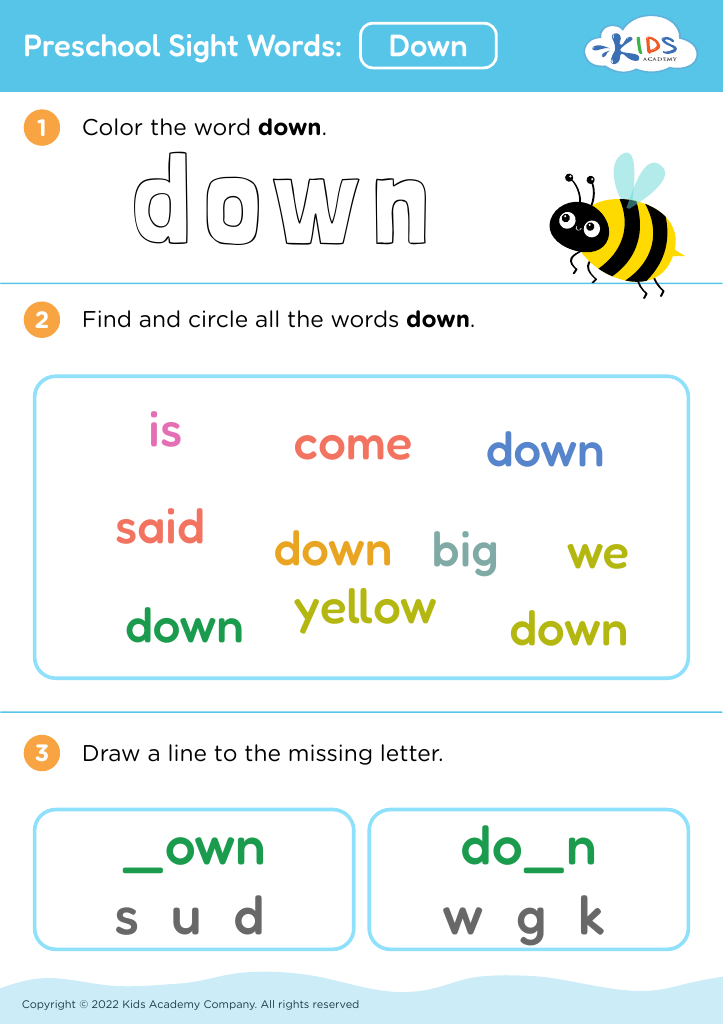
Preschool Sight Words: Down

Preschool Sight Words: Down

Preschool Sight Words: Down
Worksheet
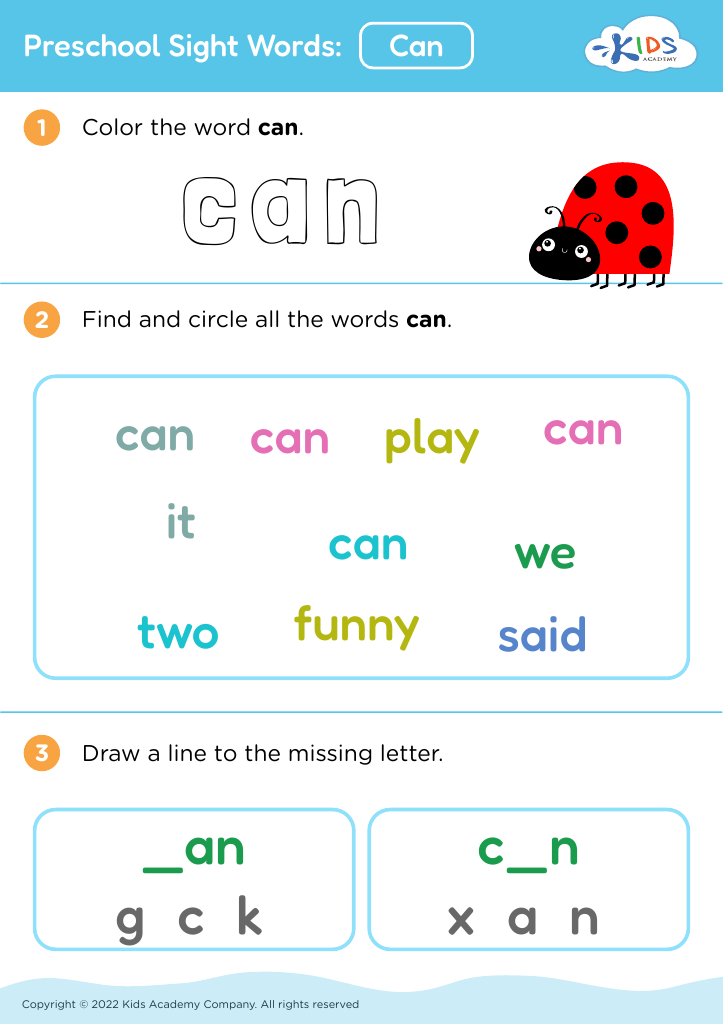
Preschool Sight Words: Can

Preschool Sight Words: Can

Preschool Sight Words: Can
Worksheet
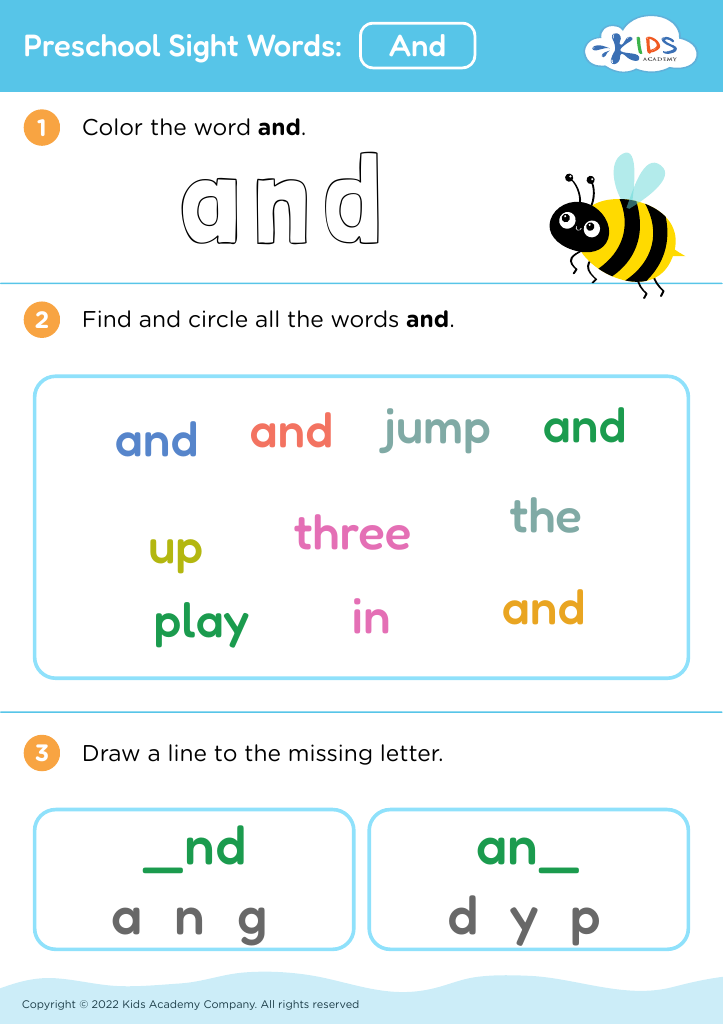
Preschool Sight Words: And

Preschool Sight Words: And

Preschool Sight Words: And
Worksheet
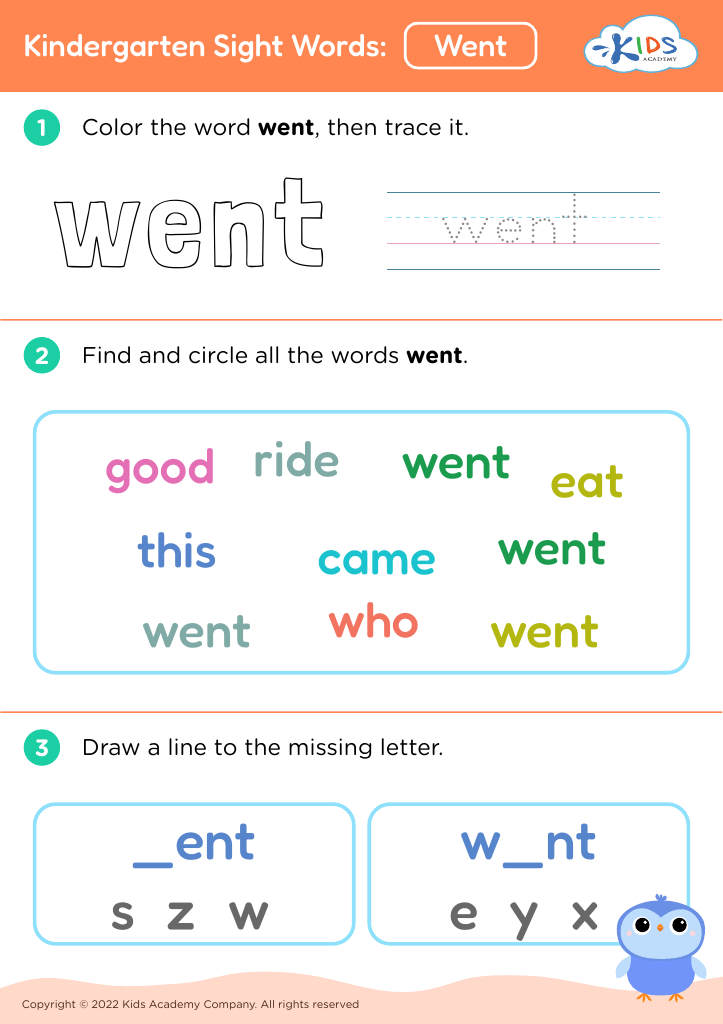
Kindergarten Sight Words: Went

Kindergarten Sight Words: Went

Kindergarten Sight Words: Went
Worksheet


Problem-solving skills and vocabulary development are crucial at ages 3 to 4, forming a vital foundation for future learning. During these early years, children are naturally curious and actively explore their environment. By stimulating their problem-solving abilities, parents and teachers can foster independent thinking, creativity, and resilience.

Building vocabulary simultaneously enhances cognitive skills and supports comprehension in all areas of learning. A rich vocabulary equips children with the language tools necessary to express their thoughts, articulate problems, and understand instructions. This is especially important as they transition into more structured learning environments.

Engaging in activities that challenge young children to solve problems encourages critical thinking. For example, simple puzzles or group games can inspire children to analyze situations, evaluate potential outcomes, and develop solutions—all while promoting social interaction and teamwork.

When parents and teachers prioritize these skills, they empower children to navigate challenges both academically and personally. Strong problem-solving and vocabulary skills correlate with better academic performance across subjects, setting the stage for lifelong learning. Emphasizing these skills at an early age creates confident, articulate children ready to tackle the complexities of the world around them.