Filters

8 filtered results

Clear all filters
Favorites
With answer key
Interactive

8 filtered results

Difficulty Level

Grade


Enhance your child's development with our Hand-eye Coordination Reading Worksheets designed specifically for ages 3-4. These engaging worksheets promote essential skills through playful activities that nurture early literacy while improving coordination. Tiny hands will delight in tracing letters, matching visuals, and completing creative tasks that are both fun and educational. Our user-friendly format ensures easy navigation for young learners, fostering independence and confidence. Perfect for at-home learning or classroom settings, these worksheets support holistic growth by blending physical and cognitive development. Give your child the tools they need for a strong foundation in reading skills while having a great time!

Check out this FREE Trial Lesson on Reading for age 3-4!

Recognize Common Types of Texts

Favorites
With answer key
Interactive
  • 3-4
  • Hand-eye Coordination
  • Reading
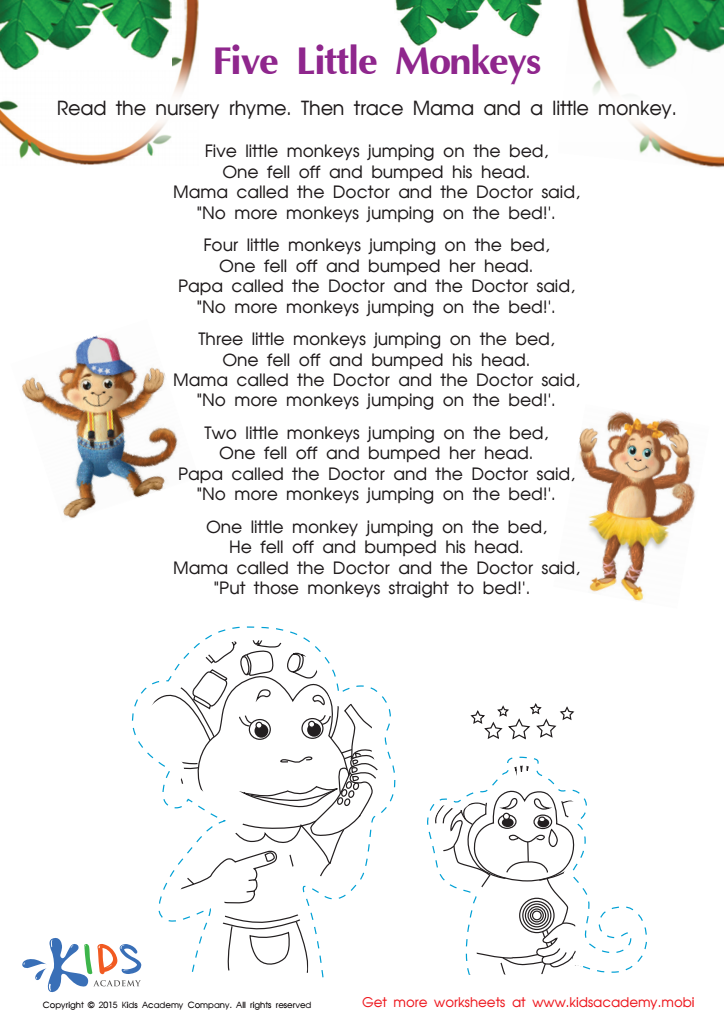
The Five Little Monkeys Nursery Rhyme Worksheet

The Five Little Monkeys Nursery Rhyme Worksheet

Sing the beloved nursery rhyme "Five Little Monkeys" with your child, and add a finger play for extra fun! After a few times, encourage them to join in and fill the songs with laughter. Also, have fun coloring the worksheet featuring the monkeys and their Mama.
The Five Little Monkeys Nursery Rhyme Worksheet
Worksheet
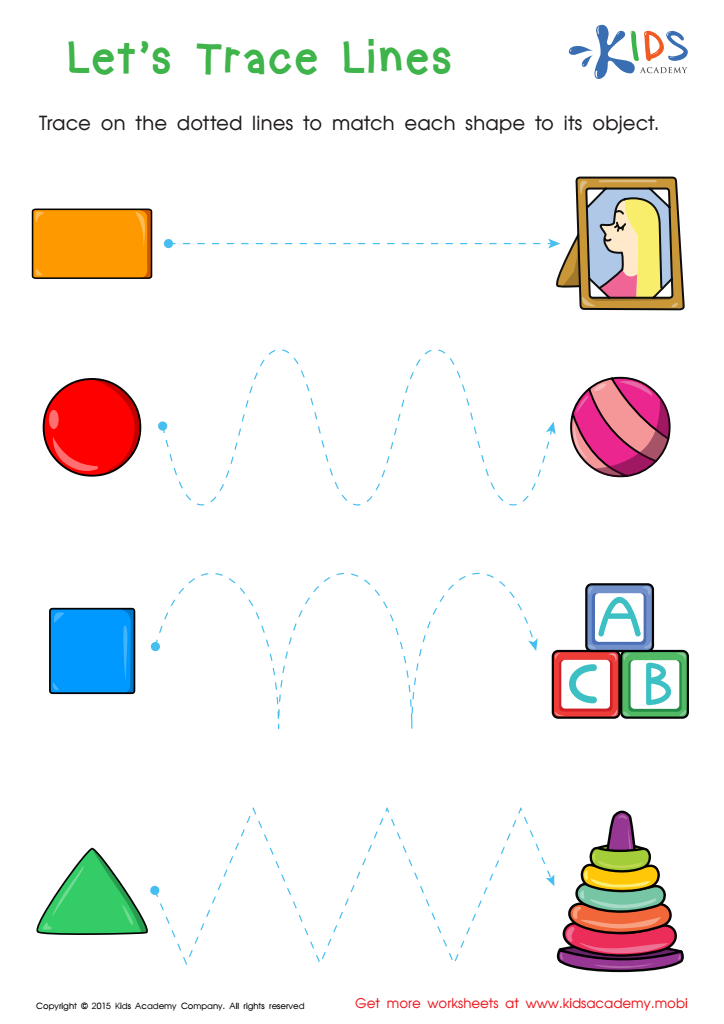
Printable Tracing Lines for Toddlers

First Words: Let's Trace Lines Worksheet
Printable tracing lines for toddlers will provide your little one with the skills needed for future handwriting success. Proper grip, fine motor skills, and hand-to-eye coordination are key. Let's get their writing journey off to a great start!
First Words: Let's Trace Lines Worksheet
Worksheet
Long and Short U Worksheet

Long and Short U Worksheet

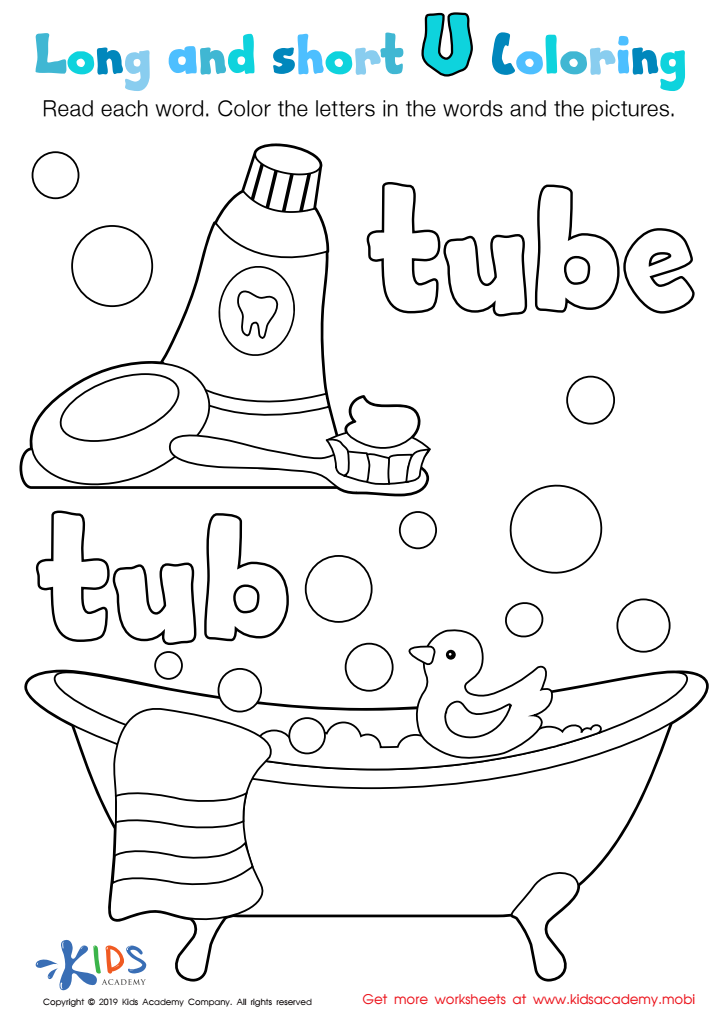
Revised: Spice up your lesson on long and short vowels with this fun printout! Kids read the words "tube" and "tub," then reinforce the sound by coloring in the words and pictures. It's a great way to make phonics class enjoyable!
Download (PDF)
Assign to My Students
Long and Short U Worksheet
Worksheet
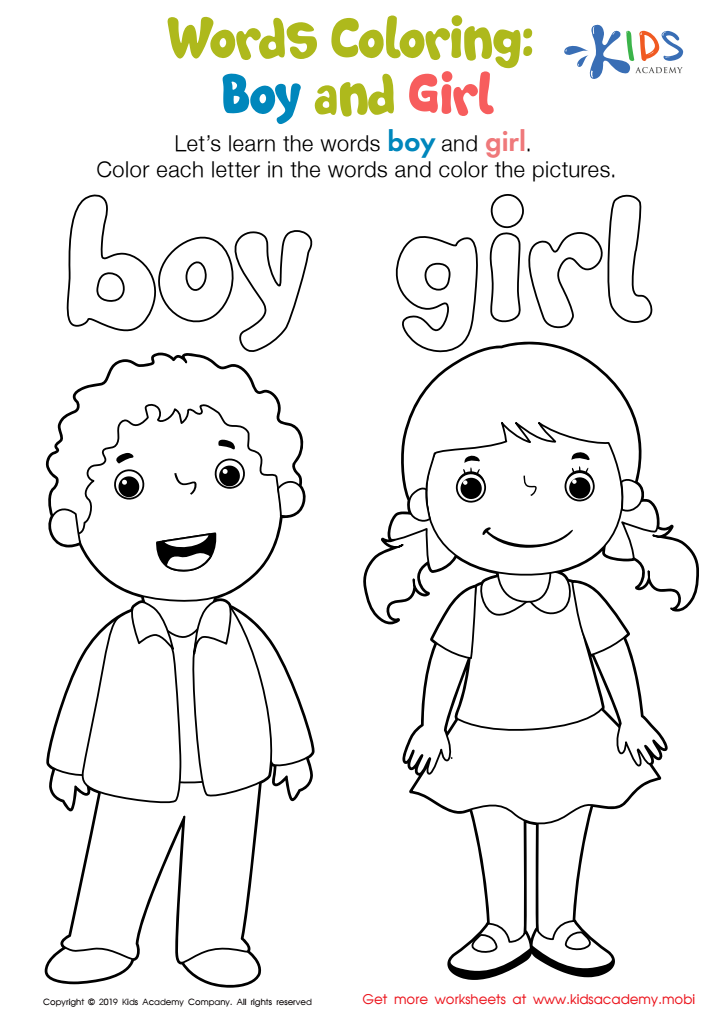
Boy and Girl Words Coloring Worksheet

Boy and Girl Words Coloring Worksheet

Help your students build their sight word vocabulary! Early readers may not be able to sound out all words, so this worksheet teaches them to read two important sight words: boy and girl. They will color the letters and a picture of each, making it a fun and educational way to learn. Download the PDF now.
Download (PDF)
Assign to My Students
Boy and Girl Words Coloring Worksheet
Worksheet
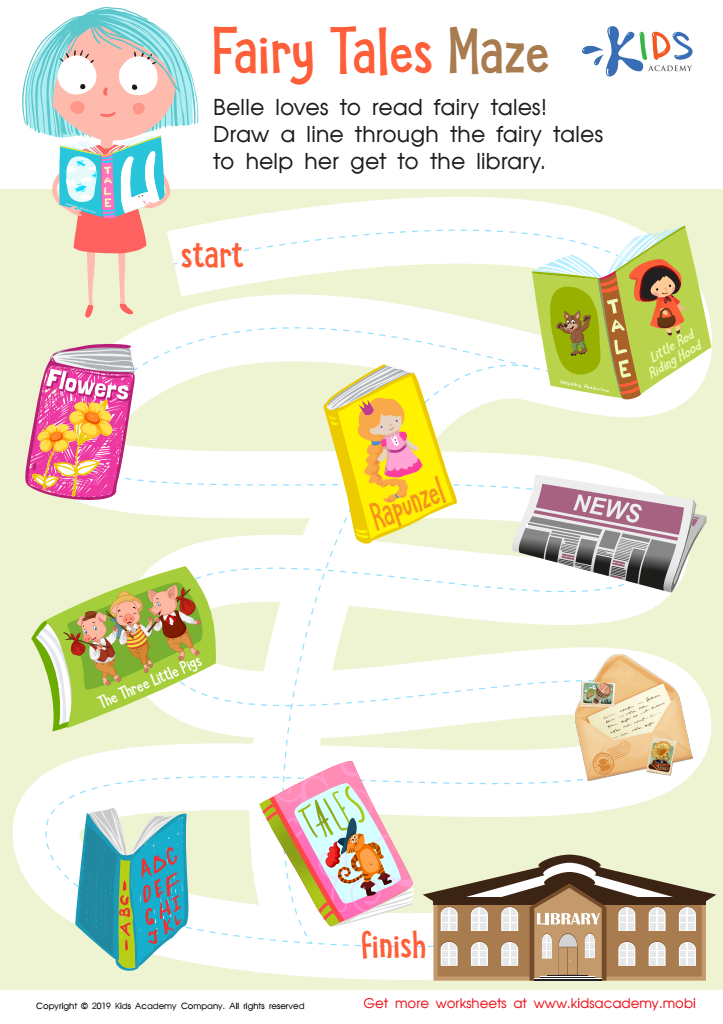
Fairy Tales Maze Worksheet

Fairy Tales Maze Worksheet

Kids love mazes and fairy tales, so this free worksheet is a great way to help teach young readers about familiar topics. They'll join Bella and use the traceable lines to travel through different reading genres, and find their way to the library for a nice reward!
Fairy Tales Maze Worksheet
Worksheet
Long and Short E Worksheet

Long and Short E Worksheet

This fun printout makes learning phonics enjoyable for Grade 3 students. Get them to read the words “tree” and “bed” to recognize the different sounds of the letter “E”. After hearing the words they can color the words and the pictures to understand differences between long and short vowels.
Download (PDF)
Assign to My Students
Long and Short E Worksheet
Worksheet
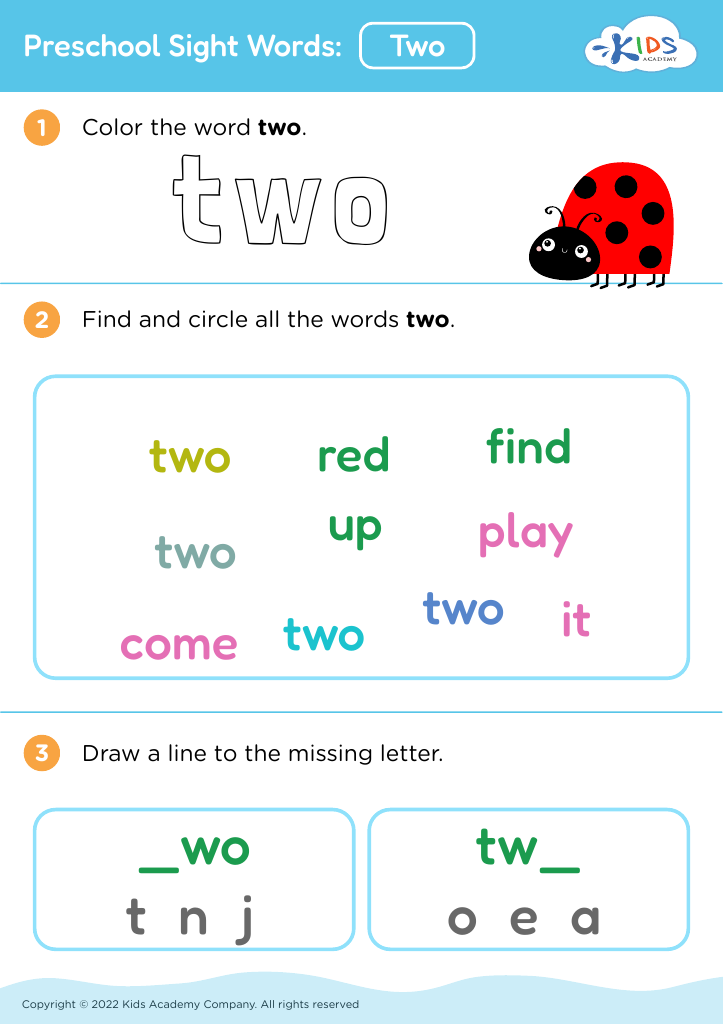
Preschool Sight Words: Two

Preschool Sight Words: Two

Preschool Sight Words: Two
Worksheet
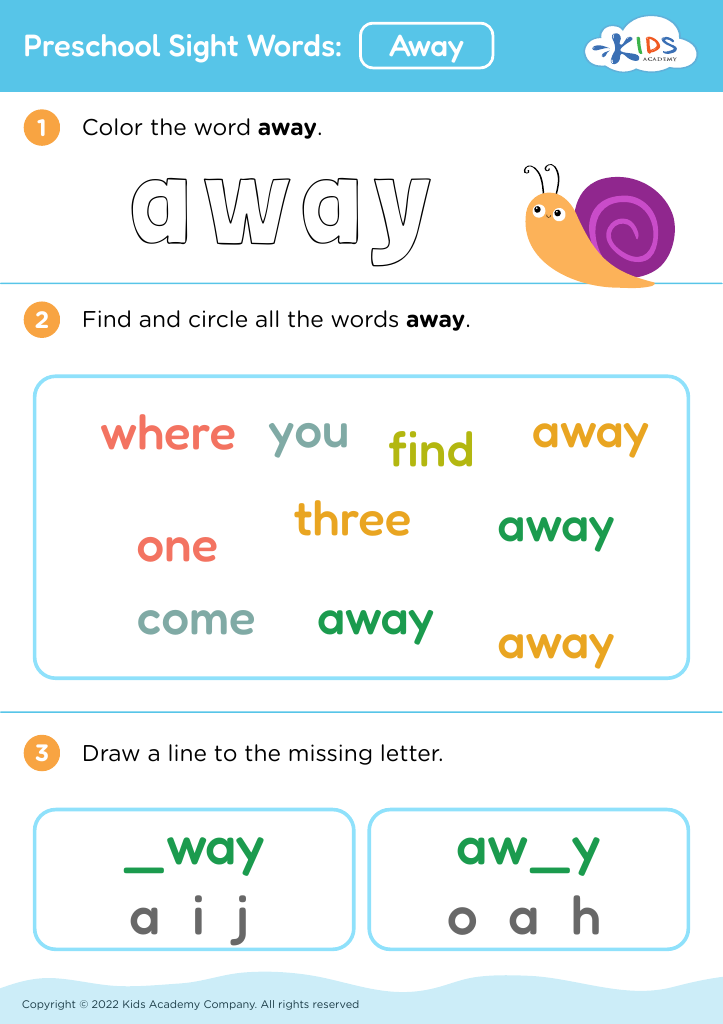
Preschool Sight Words: Away

Preschool Sight Words: Away

Preschool Sight Words: Away
Worksheet


Hand-eye coordination is a vital skill for young children, particularly in ages 3 to 4, as it plays an essential role in their cognitive and physical development. During this critical developmental stage, children are exploring their environment and beginning to engage in activities that require coordination, such as drawing, stacking blocks, and manipulating toys. Reading activities that emphasize hand-eye coordination can enhance their ability to connect visual input with motor actions, thereby improving focus and concentration.

Moreover, fostering hand-eye coordination through reading can lead to better literacy skills. As children track words or pictures on a page, they practice eye movement patterns that are crucial for fluent reading later on. Engaging in activities such as finger-pointing at text or following along with illustrations not only makes reading more interactive but also aids in comprehension and retention.

Parents and teachers should care about this aspect of learning because it lays the foundation for future academic success. By encouraging activities that promote hand-eye coordination, they help children develop essential skills that affect their ability to learn, explore, and participate in a wide range of educational experiences. This holistic approach to early development can set the stage for a lifelong love for reading and learning.