Improve counting skills Reading Worksheets for Ages 3-4
3 filtered results
-
From - To
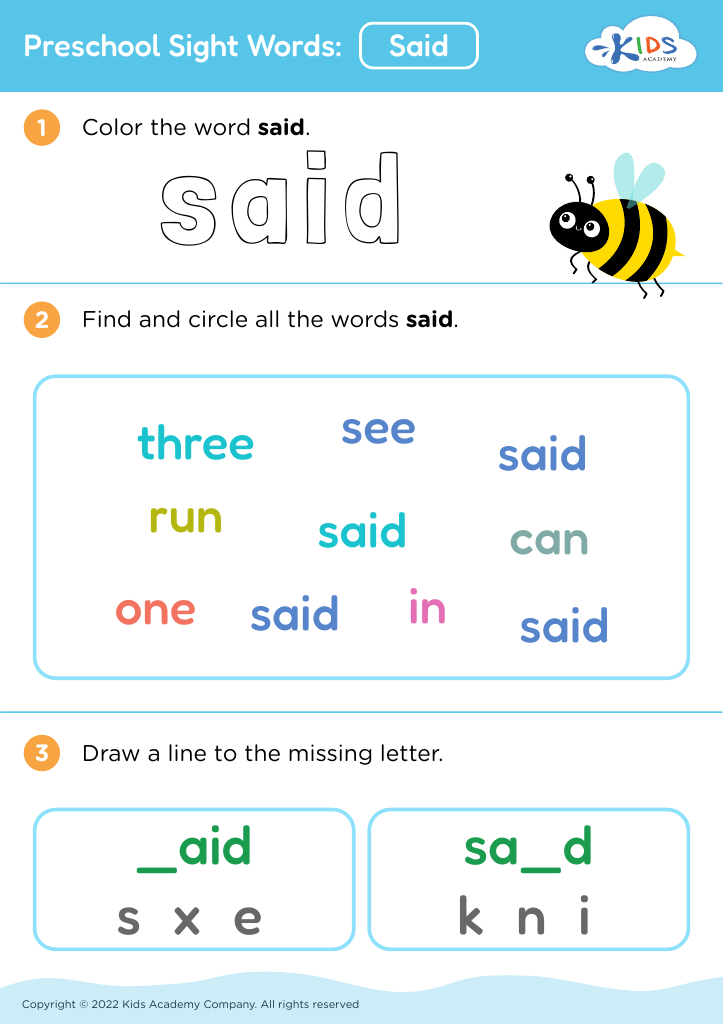
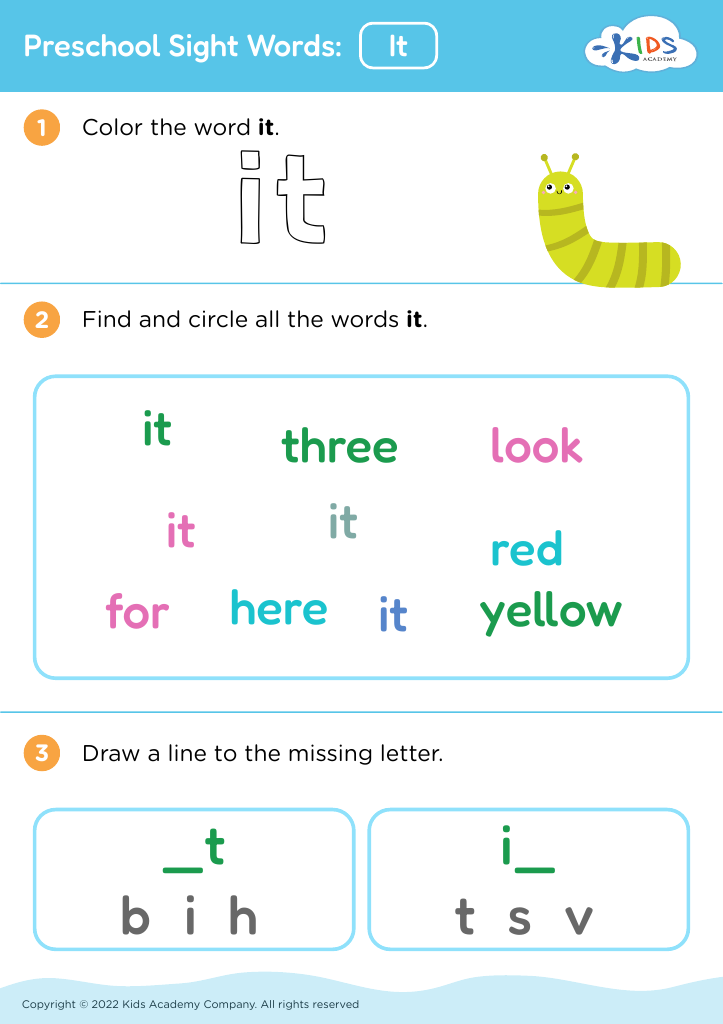
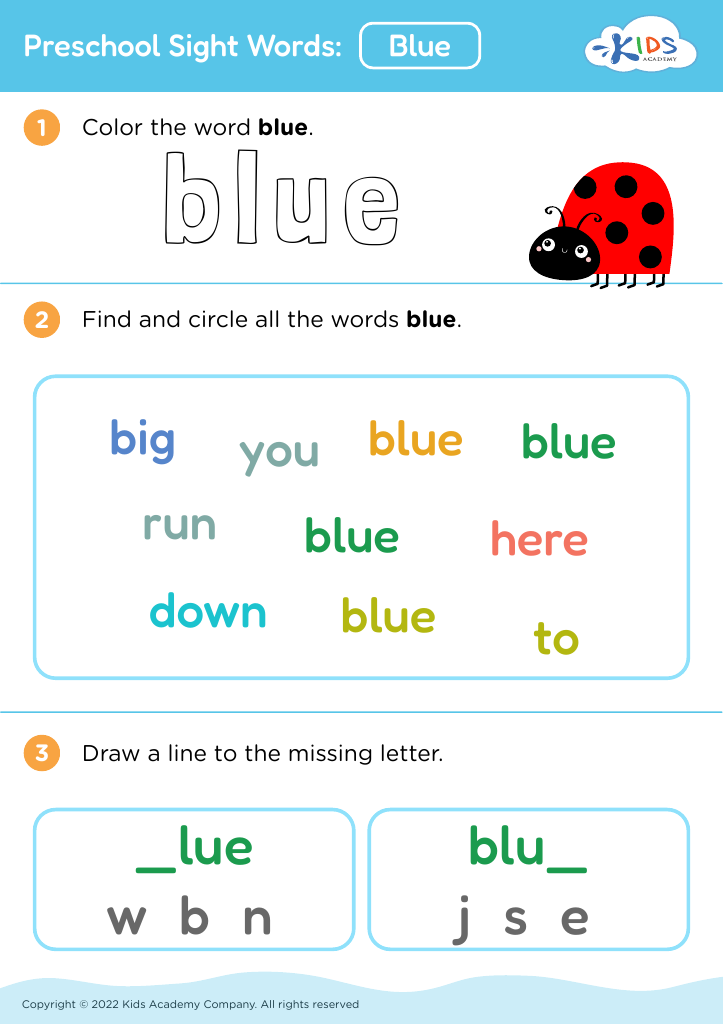
Enhance your child's counting skills with our engaging reading worksheets designed for ages 3-4! Our carefully crafted resources help young learners develop essential numeracy skills through fun and interactive activities. Each worksheet encourages children to connect numbers with objects, fostering a deeper understanding of counting concepts. Colorful illustrations and age-appropriate challenges make learning enjoyable and effective. Whether at home or in the classroom, these worksheets serve as perfect tools for early math education. Start building a strong foundation in counting with our worksheets, ensuring your little ones are ready for future learning adventures! Visit us to explore more resources today!








Parents and teachers play a crucial role in nurturing early childhood development, and fostering counting skills in children aged 3-4 is essential for several reasons. First, counting is a foundational mathematical skill that supports a child’s overall cognitive development. By integrating counting into daily routines, children begin to recognize numbers, understand quantity, and develop a sense of number sequencing.
Additionally, the process of counting enhances vocabulary and language skills. When children verbalize numbers, they are also learning to express their thoughts and comprehend instructions, which is vital at this formative age. Engaging in counting activities also promotes cognitive skills such as memory, attention, and problem-solving—key areas that influence later academic success.
Moreover, incorporating reading into counting helps bridge literacy and numeracy. Stories that revolve around counting can make learning enjoyable and relatable. When parents and teachers consciously integrate counting in engaging ways—like songs, games, and storytime—they create a rich learning environment that encourages curiosity and enthusiasm.
In sum, investing time in improving counting skills through targeted reading not only boosts mathematical abilities but also lays the groundwork for robust communication skills, critical thinking, and a positive attitude toward learning in young children.








